2027 Best Value Online Leadership Master's Degrees: Affordable Accredited Programs with the Highest ROI

Co-Founder and Chief Data Scientist
Choosing an online master's in leadership that balances cost, recognized accreditation, and career return demands careful scrutiny. As workforce dynamics shift, 44% of graduate students in 2024 opt for flexible online programs, according to the National Center for Education Statistics, reflecting a growing preference for accessible, affordable education that fits professional and personal commitments.
This trend underscores the importance of evaluating programs not only for price but also for their ability to advance earning potential and job mobility. For prospective students navigating limited time and financial resources, understanding these factors is critical before making a multiyear commitment to leadership study.
Key Things to Know About the Best Value Online Leadership Master's Degrees
- Affordable accredited programs balance lower tuition with essential academic rigor, yet often require tradeoffs in residency or synchronous participation, influencing candidates' capacity to work full-time while enrolled.
- Employers increasingly prioritize verified competencies and accredited credentials from established institutions, making accreditation a critical filter that aligns leadership theory with industry expectations and mobility.
- Flexible admissions processes reflect a 17% enrollment growth in online graduate programs in 2025, enabling nontraditional students to strategically time entry amid career transitions, though financial aid complexities persist.
What Are the Best Value Online Leadership Master's Programs in the U.S.?
Best value online leadership master's programs balance tuition cost, accreditation quality, graduation rates, and meaningful salary gains after graduation. This approach reflects the practical realities faced by working professionals and career-changers evaluating investments of tens of thousands in education.
For example, a mid-career manager weighing a $15,000 asynchronous program against a $45,000 cohort-based option must consider not only immediate affordability but also how curriculum design impacts networking, employer perceptions, and career mobility in their sector. Employers increasingly scrutinize both the rigor of accreditation and the specific leadership competencies taught, such as ethical decision-making and systems thinking.
The following list highlights five accredited U.S. universities offering accredited, fully online leadership master's degrees, organized by tuition to facilitate budget-driven selection:
- Institution: University of Central Florida
- Estimated Tuition: $15,000 total
- Delivery Format: Fully asynchronous
- Differentiator: Integrates cutting-edge leadership theories with practical organizational change projects geared toward mid-career professionals.
- Institution: Fort Hays State University
- Estimated Tuition: $17,500 total
- Delivery Format: Fully asynchronous
- Differentiator: Emphasizes servant leadership and ethical frameworks with a strong community engagement component.
- Institution: Northeastern University
- Estimated Tuition: $25,000 total
- Delivery Format: Hybrid synchronous and asynchronous
- Differentiator: Combines experiential learning through real-world consulting projects with leadership analytics coursework.
- Institution: Pepperdine University
- Estimated Tuition: $32,000 total
- Delivery Format: Mostly synchronous
- Differentiator: Focuses on values-based leadership and global perspectives, suited for executives seeking international roles.
- Institution: Johns Hopkins University
- Estimated Tuition: $45,000 total
- Delivery Format: Primarily asynchronous with scheduled cohorts
- Differentiator: Leverages a research-intensive curriculum emphasizing healthcare leadership and policy impact.
Deciding among affordable accredited online leadership master's programs with high ROI involves weighing flexible delivery formats against networking potential and specialized content alignment with career goals. Individuals prioritizing immediate cost savings and schedule adaptability may favor fully asynchronous options like the University of Central Florida or Fort Hays State University.
Conversely, those targeting roles with international or healthcare leadership scope might consider synchronous or hybrid programs offering richer interaction opportunities despite higher tuition. In all cases, verification of accreditation and realistic assessment of graduation likelihood are critical checkpoints, as they influence employer perception and post-degree earnings trajectory.
For additional comparative insight into cost-effective graduate business education, see this resource on affordable online MBA programs, which share overlapping leadership skill development priorities and workforce implications.
What Accreditations Should an Online Leadership Master's Program Have?
Choosing an online leadership master's program without solid accreditation can significantly limit your career flexibility and financial options. Degrees from institutions lacking regional accreditation often face employer skepticism and may not qualify for federal aid, undermining long-term return on investment.
Accreditation operates on two critical levels for leadership graduate programs. At the foundation is institutional regional accreditation, conferred by one of the seven recognized U.S. regional accreditors such as the Higher Learning Commission (HLC), Southern Association of Colleges and Schools Commission on Colleges (SACSCOC), or Middle States Commission on Higher Education (MSCHE).
This level attests that the institution meets broad academic and operational standards, enabling federal financial aid eligibility and facilitating credit transfers-key considerations for working professionals needing flexibility or planning further education. Overlaying this baseline is programmatic accreditation, which validates the quality and industry relevance of the specific leadership discipline.
For leadership degrees tied to business, AACSB accreditation signals rigorous management education accepted by many employers in corporate environments. Leadership programs connected to engineering may seek ABET accreditation, while those in counseling rely on CACREP, and public health leadership programs look for CEPH accreditation. These specialized endorsements often translate to stronger curriculum alignment with workforce demands.
Beware of programs accredited solely at the national level or through unrecognized bodies, as these often fall short of meeting employer expectations or qualifying for financial support. Institutional accreditation gaps can also cause degree legitimacy concerns, impeding the ability to transfer credits or pursue advanced certifications.
Checklist for Prospective Students:
- Regional Accreditation: Is the university accredited by a recognized regional accreditor like HLC or SACSCOC?
- Programmatic Accreditation: Does the leadership master's align with programmatic accrediting bodies such as AACSB, ABET, CACREP, or CEPH?
- Financial Aid Eligibility: Is the program eligible for federal financial aid to reduce overall costs?
- Credit Transferability: Can I transfer credits easily if my career or educational goals change?
How Much Does an Online Leadership Master's Degree Cost on Average?
The total cost of an online leadership master's degree typically spans a wide range, reflecting institutional type, residency status, and hidden fees. Accredited U.S. programs generally charge between moderate to high tuition, often measured per credit hour, with public universities offering substantially lower rates for in-state students compared to out-of-state learners.
However, a growing number of public institutions now provide flat-rate tuition for online students regardless of residency, simplifying budgeting but potentially reducing in-state cost advantages. Private and nonprofit universities, conversely, tend to carry higher tuition per credit but may include additional support services factoring into overall value.
- Public University Average Tuition: Per-credit-hour rates vary significantly with residency, though flat-rate online pricing is increasingly common, which can level cost differences but sometimes raises expenses for in-state candidates.
- Private/Nonprofit University Average Tuition: Higher baseline tuition often comes with enhanced academic resources, but this premium requires evaluation against career outcomes and financial constraints.
- Mandatory Fees: Supplemental charges for technology, administration, and student services can inflate program costs beyond tuition alone, a critical consideration for working professionals budgeting total expenses.
- Capstone or Thesis Fees: Many leadership master's programs require a culminating project, incurring fees that may not be reflected in published tuition, affecting final payment amounts.
- Proctoring Costs: Third-party proctoring for online exams adds variable costs, posing an additional burden for career-changers balancing remote learning with employment.
- Residency Requirements: Some programs mandate on-site residencies or synchronous sessions, which introduce travel costs and time commitments that can complicate working students' schedules.
Choosing between public and private accredited options entails tradeoffs beyond tuition figures alone. Public programs often offer the most affordable routes for eligible residents pursuing an online leadership master's degree average cost in the United States aligned with budgetary limits.
In contrast, private nonprofits may justify their cost through greater accessibility to faculty and career networking, important for students seeking tailored guidance. Factoring in all potential fees and program structures ensures a holistic financial outlook before enrollment.
For those navigating multiple variables, resources such as CACREP-accredited program listings can illuminate affordable accredited online leadership master's programs fees and support informed decision-making.
What Is the Return on Investment (ROI) of an Online Leadership Master's Degree?
The investment return on an online leadership master's degree hinges on measurable salary gains relative to program costs, not simply credential possession. A useful formula defines ROI as the increase in post-degree salary minus total program expenses, divided by program costs, often expressed as a percentage or payback time in years.
For many professionals, salaries climb from mid-$60,000s to around $90,000 + after graduation, especially in roles such as project management or organizational leadership, though outcomes vary widely. Several key factors influence this financial return:
- Work Experience: Seasoned professionals frequently recoup tuition faster, leveraging promotions and raises immediately upon program completion.
- Institutional Prestige: Degrees from reputable universities often unlock higher entry salaries due to stronger employer recognition and alumni networks.
- Regional Demand: Markets with acute need for leadership skills-like growing metropolitan areas or specialized industries-tend to offer superior salary growth, improving ROI.
- Specialization: Focused tracks, such as healthcare leadership or technology management, commonly attract premium compensation compared to generalized leadership programs.
Financial ROI captures only part of the value proposition. Graduates gain enhanced pathways to senior positions, increased job security, and flexibility for career pivots that may not immediately translate to higher income but strengthen long-term employability and professional resilience.
One graduate's experience illustrates this complexity: He applied to several online leadership programs concurrently but delayed submitting final materials due to uncertainty over balancing work commitments with study demands. The rolling admissions process induced stress, as each university's timelines varied, and some responses were slow.
Ultimately, he selected a program aligning better with his schedule after a late acceptance, accepting a higher overall cost for flexible pacing. Though his financial ROI would unfold over a longer period, this strategic choice prioritized sustainable progress and reduced burnout risk, underscoring how timing and personal circumstances significantly shape return on investment considerations.
What Are the Admission Requirements for an Online Leadership Master's Program?
Admission decisions for online leadership master's programs balance academic records with professional experience to gauge a candidate's potential for success and contribution to the cohort. For example, a working professional with a GPA slightly below 3.0 might offset this with substantial leadership roles, which some programs weigh heavily.
- Undergraduate GPA: Most programs expect around a 3.0 on a 4.0 scale, though exceptions exist when applicants offer compensating strengths like relevant work history or advanced coursework.
- Letters of Recommendation: Typically required from supervisors or mentors who can attest to your leadership capabilities and readiness for graduate-level demands, strong recommendations distinguish applicants.
- Statement of Purpose: This essay highlights your leadership approach, career intentions, and how the program fits your goals, serving as a platform to demonstrate clarity and motivation.
- Professional Resume or CV: Detailing leadership experience is critical since programs seek candidates with practical exposure to complement theoretical learning.
- Standardized Tests (GRE/GMAT): Many programs are moving toward test-optional or test-free policies, recognizing real-world experience as a more relevant success indicator in leadership fields.
- Program-Specific Prerequisites: Those emphasizing STEM or quantitative skills may require foundational coursework or demonstrated competency in areas like statistics or management.
Given how admission standards range widely, applicants should apply to a mix of reach, match, and safety programs to improve their chances of acceptance into an accredited program that balances rigor, affordability, and career relevance.
What Is the Minimum GPA Requirement for a Leadership Master's Program?
A minimum GPA requirement for a leadership master's program often functions as an initial screening tool rather than a definitive barrier. Most accredited online leadership master's programs set this floor between 2.75 and 3.0 for an undergraduate GPA, defining who is eligible to apply. However, admitted students commonly present a stronger profile, with competitive GPAs typically around 3.2 or higher.
Understanding this distinction is critical: the minimum eligibility GPA indicates the baseline for consideration, while the competitive GPA reflects the academic strength expected of successful candidates in a given program. This difference matters when weighing admission risks and opportunities. For example, a working professional with a 2.8 GPA must recognize that acceptance chances improve significantly if their overall application compensates for this by emphasizing leadership experience or test scores.
At many programs, GPA waivers are available, particularly for applicants who can demonstrate professional accomplishments, submit portfolios, or provide alternative evidence of readiness. Such flexibility acknowledges that GPA alone cannot capture full potential or fit for leadership roles. Applicants below published GPA thresholds may still receive conditional or provisional admission, often required to complete prerequisite coursework or show progress in relevant skills.
This reflects the holistic review approach typical in leadership master's admissions, where transcripts, work history, recommendations, and communication abilities are evaluated together. The minimum GPA requirements for online leadership master's programs vary but usually align with these patterns. Prospective students should also investigate related program options and pathways, such as a sports management online degree, which can offer strategic alternatives depending on career goals.
- Minimum Eligibility GPA: Commonly set between 2.75 and 3.0 for most accredited online programs.
- Competitive GPA: Usually higher, around 3.2 or above, reflecting the average of admitted cohorts.
- GPA Waivers: Offered at some programs to applicants with strong professional experience or alternative qualifications.
- Conditional Admission: Available for students with below-threshold GPAs, often involving additional academic or experiential requirements.
- Holistic Review: GPA is one metric among many, including work history, leadership potential, and communication skills.
What Financial Aid Options Are Available for Online Leadership Master's Students?
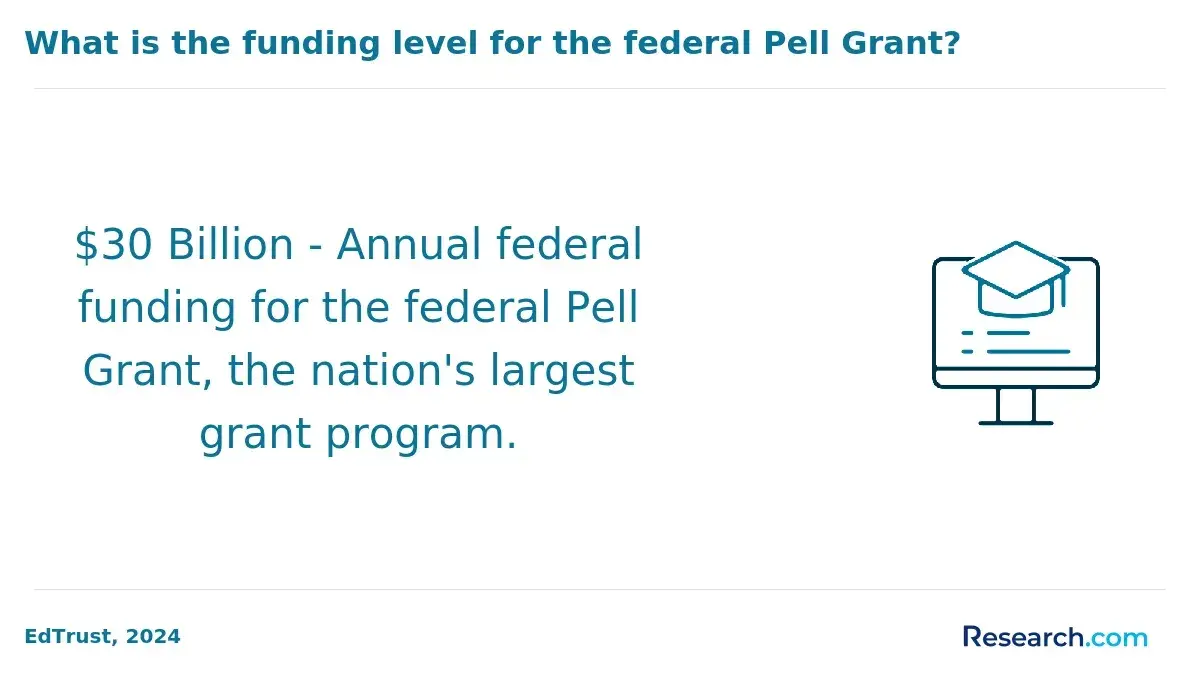
Graduate students pursuing an online leadership master's commonly confront the reality that federal grants like Pell Grants are off the table, a frequent surprise for first-generation applicants. This shifts the financial burden toward loans, scholarships, and employer aid, requiring a strategic approach to funding that balances long-term debt against career benefits.
Navigating this landscape effectively means understanding each aid type's nuances and timing, as well as proactively maximizing limited resources.
- Federal Loans: Graduate students typically rely on Direct Unsubsidized Loans and Graduate PLUS Loans accessed via FAFSA. These loans accumulate interest immediately, unlike some undergraduate options, demanding careful borrowing aligned with anticipated salary trajectories post-graduation.
- Institutional Scholarships and Fellowships: Many programs award merit or need-based scholarships aimed specifically at graduate leadership students, but eligibility criteria and amounts differ widely, so researching each institution's offerings is essential for identifying available support.
- Employer Tuition Reimbursement: For working professionals, employer assistance can substantially reduce costs if the degree aligns with job goals, yet policies vary and often require negotiation or early engagement before enrollment.
- Graduate Assistantships: Although less frequent for online formats, some universities provide stipends or reduced tuition in exchange for teaching or research contributions-worth exploring even if availability is limited.
- External Scholarships: Professional associations tied to leadership may offer competitive grants that align closely with students' fields, providing targeted financial relief beyond institutional funds.
- FAFSA Process: Annual FAFSA completion remains critical; it computes the Student Aid Index (formerly Expected Family Contribution), influencing eligibility for federal aid and some institutional awards.
- Maximizing Aid: Applicants should apply early, focus on leadership-specific scholarships, negotiate financial aid packages proactively, and consider state grant programs to expand funding possibilities.
An online leadership master's student recalled submitting FAFSA promptly each year to avoid delays, but still faced uncertainty from rolling admissions that postponed scholarship decisions. Balancing the risk of waiting for institutional aid against the need to enroll on schedule created tension.
This candidate ultimately leveraged employer tuition help and a fellowship earned midway through the program to reduce loan reliance, a plan shaped by the unpredictability of award timing and the necessity of maintaining income throughout the study period.
How Long Does It Take to Complete an Online Leadership Master's Degree?
Completion time for an online leadership master's degree significantly impacts career trajectory and financial investment, especially for working professionals balancing multiple responsibilities. While full-time students generally finish within 18 months to 2 years, those enrolled part-time-who comprise most online graduate students-often need 2.5 to 4 years to complete their programs.
This extended timeline can affect decisions around salary bumps, role changes, or relocation, as employers increasingly expect relevant credentials but also value demonstrated practical experience gained during study.
- Credit Hour Requirements: Most leadership master's programs require between 30 and 45 credit hours, which directly affects how quickly one can graduate given course load limits.
- Course Load Per Semester: Increasing the number of courses typically shortens time to degree but adds pressure on work-life balance, a critical factor for first-generation graduate students managing jobs and families.
- Transfer Credits: Students who bring prior graduate credits into the program can reduce total credit needs and accelerate completion, an important option for those aiming to avoid extended tuition costs.
- Program Structure: Cohort-based programs with fixed schedules often extend completion times compared to self-paced tracks that offer flexibility but demand high self-motivation and discipline.
- Accelerated Options: Some programs boast completion in as little as 12 months without sacrificing quality, but prospective students must verify accreditation and employer recognition to ensure their degree maintains practical value and ROI.
- Thesis or Capstone Requirements: Programs with a thesis or capstone can add an additional one to two semesters, depending on faculty availability and student initiative, delaying entry into new job roles or promotions.
Data from recent enrollment trends highlights that a growing share of online leadership master's students prioritize flexible pacing modes to accommodate ongoing employment, affecting average program duration. For those evaluating degree timing in the broader context of graduate education, comparing these timelines with related pathways such as 2-year online degrees may reveal stepping-stone strategies or alternative credentialing routes better aligned with immediate workforce goals.
These decisions have tangible implications for employability and financial returns when understood alongside accredited program quality and long-term career planning. How long does it take to complete an online leadership master's degree in the United States is therefore a nuanced question contingent on individual circumstances and program design.
An awareness of these factors equips prospective students-especially working professionals and career changers-with data-driven clarity around realistic timelines, aligning educational investments with expected outcomes in the competitive US job market. Average time to finish accredited online leadership master's programs US varies but is best understood through balancing speed, academic rigor, and workforce applicability rather than purely aiming for the shortest possible completion span.
What Specializations or Concentrations Are Available in Online Leadership Master's Programs?
Choosing a specialization within an online leadership master's program directly influences employability and salary potential, as employers increasingly seek targeted expertise rather than broad managerial skills. For instance, a graduate aiming for executive roles in healthcare will find a Healthcare Leadership concentration more relevant and marketable than a general leadership track, especially given the sector's regulatory complexities and focus on patient-centered care.
Specializations serve as strategic signals to hiring managers about candidates' niche competencies, often determining access to higher-tier job opportunities and salary brackets. Popular concentrations widely available in accredited programs reflect diverse industry demands:
- Organizational Leadership: Concentrates on managing change and culture to enhance operational effectiveness and employee morale.
- Healthcare Leadership: Focuses on leading within healthcare systems, emphasizing compliance, policy, and patient management-critical in hospitals and clinics.
- Education Leadership: Prepares leaders for educational institutions with skills in administration, policy, and curriculum design.
- Nonprofit Leadership: Develops expertise in fundraising, volunteer coordination, and growth strategies within mission-driven organizations.
- Project Management: Addresses planning and execution of projects across sectors, blending leadership with technical organization skills.
- Human Resources Leadership: Integrates leadership capabilities with talent management, labor law, and diversity programs.
- Technical Leadership: Tailored for managing STEM teams, aligning leadership with technical project oversight.
- Strategic Leadership: Emphasizes long-term planning and competitive positioning, typically for executive-level roles.
Some affordable online leadership master's degree concentrations offer flexible general tracks, allowing elective customization, while others mandate an early declaration of specialization. Prospective students should analyze job postings in their focus areas to identify which concentrations are most commonly required by employers, aligning education choices tightly with employment realities.
Not all concentrations yield equal returns across sectors-consulting alumni and program advisors provides valuable insight into which paths combine academic credibility and career ROI most effectively. For those exploring additional STEM-related leadership pathways, resources such as the online electrical engineering bachelor degree for veterans illustrate parallel routes that may complement leadership skills in technical fields.
How Do Online Leadership Master's Programs Compare to On-Campus Programs in Quality and Recognition?
Employers increasingly regard online and on-campus leadership master's degrees from the same regionally accredited institution as equivalent credentials. SHRM and recent employer surveys show that hiring managers focus primarily on accreditation status and institutional reputation, not the mode of instruction. This means the diploma's credibility hinges on the institution's academic standards rather than whether courses were taken virtually or in person.
However, some schools' policies about noting "online" on diplomas remain a factor to verify, as it can influence perception in certain professional contexts. Despite equal credential weight, on-campus programs maintain advantages in direct networking, campus recruiting events, and access to physical labs or practicum experiences, which are critical for skill development in applied fields.
Conversely, many online leadership programs address these gaps by offering virtual networking platforms, employer partnerships for localized practicums, and hybrid residency formats to simulate face-to-face interaction and experiential learning. Prospective students should prioritize evaluating the specific program's outcomes, including alumni career trajectories and employment rates, rather than modality stereotypes.
- Accreditation: Regional accreditation remains the decisive factor ensuring degree quality and employer acceptance across delivery formats.
- Employer Perception: Most hiring managers weigh institutional reputation and graduate competencies above online versus on-campus distinctions.
- Networking: On-campus programs often provide richer personal connections and recruiting pipelines; online alternatives increasingly use virtual and hybrid methods to close this gap.
- Applied Learning: Fields requiring labs or practicums may benefit from on-campus access, but many online programs incorporate employer collaborations to meet these demands.
- Institution Evaluation: Scrutinizing specific program outcomes and alumni employment success is essential for assessing ROI beyond delivery modality.
What Graduates Say About the Best Value Online Leadership Master's Degrees
- Lennon: "Balancing a full-time job and family obligations, I needed a program that offered true flexibility without sacrificing rigor. Choosing this affordable online leadership master's gave me the chance to specialize in organizational change management while continuing to work remotely. The internship I completed through the program was crucial-it helped me build a portfolio that impressed employers more than my licensure, though I found that certain executive roles still require additional certifications down the road."
- Forest: "As someone pivoting from finance to leadership, I was cautious about investing both time and money into a new field. The decision to enroll hinged on the program's ROI and accreditation, which assured me of its credibility. Upon graduating, I landed a mid-level management role, but quickly realized that without industry-specific experience, advancing beyond this point would require supplementary certifications or on-the-job performance-giving me a clearer roadmap for my career progression."
- Leo: "I deliberately chose an affordable, accredited leadership master's because I wanted to enter the workforce quickly without accumulating debt. The coursework was intense, and juggling it alongside freelance consulting projects was challenging, but the practical skills I gained enabled me to secure a remote leadership role within six months. While the salary bump wasn't huge initially, the flexibility and experience opened doors that simply weren't accessible before, especially in teams valuing adaptability over formal licensure."
Other Things You Should Know About Leadership Degrees
Graduates typically move into mid- to senior-level management roles, but job placement rates vary widely depending on program reputation and network strength. Programs that embed practical projects and offer robust career services tend to yield better placement results, especially in competitive sectors like healthcare or technology. For prospective students, prioritizing programs with clear employer connections and measurable alumni success metrics can significantly improve job prospects post-graduation.
Beyond tuition, many programs carry additional fees such as technology charges, textbook costs, and mandatory software licenses, which can add up substantially. Some institutions also require in-person residencies or proctored exams that may involve travel expenses not immediately obvious in advertised prices. Careful scrutiny of these extra costs before enrollment is crucial, as they affect total investment and return, particularly for students balancing work and family commitments.
Focus first on programs offering specializations aligned with your target industry and those that demonstrate strong employer partnerships in that field. Accreditation is necessary but not sufficient; the depth of applied learning and availability of mentorship or networking are equally important in boosting employability. When possible, prioritize programs with transparent outcome data and alumni feedback, as these offer clearer evidence of career relevance and ROI beyond marketing claims.
References
- Financial Aid for Master's Degrees https://online.norwich.edu/online/paying/financial-aid-masters-degrees
- Do online Master’s in Management degrees offer a high ROI? https://www.topmanagementdegrees.com/online-mim-roi/
- Master's in Leadership | University of Guelph https://www.uoguelph.ca/lang/masters-leadership
- Master's in Organizational Leadership | Columbia College https://www.columbiasc.edu/academics/graduate/masters-organizational-leadership
- MA in Organizational Leadership (Standard) *self-paced https://www.umassglobal.edu/academic-programs/ma-organizational-leadership-standard-self-paced
- What is the Real ROI of a Master’s or PhD in Management? https://olympia-education.com/article/what-is-the-real-roi-of-a-masters-or-phd-in-management
- Top 45 Online Master's in Organizational Leadership - Organizational Psychology Degrees https://www.organizationalpsychologydegrees.com/best/online-masters-in-organizational-leadership/
- Organizational Leadership M.S. - Accelerated Online https://manhattan.edu/academics/graduate-programs/organizational-leadership-online.php