2027 Best Value Online Environmental Science Master's Degrees: Affordable Accredited Programs with the Highest ROI

Co-Founder and Chief Data Scientist
Choosing an online environmental science master's program demands balancing cost, credibility, and career outcomes. With the annual growth rate of 9% in online graduate enrollments reported by the National Center for Education Statistics, flexibility now shapes access more than ever. Yet affordability and accreditation remain crucial filters to avoid programs that sacrifice quality for convenience.
For many learners-especially working professionals and first-generation students-assessing which degrees deliver the highest return on investment is not just practical but essential. This guide sharpens the focus on programs that align rigorous academics with tangible employment advantages, helping to navigate complex tradeoffs confidently before committing significant resources.
Key Things to Know About the Best Value Online Environmental Science Master's Degrees
- Lower tuition in accredited online environmental science programs often involves fewer in-person networking opportunities, which can limit access to informal career channels essential for many professionals.
- Employers increasingly seek candidates with robust data analysis and sustainability skills, so programs emphasizing practical, applied learning deliver higher workforce relevance and job market adaptability.
- Flexible admissions catering to adult learners reflect a 2024 National Center for Education Statistics report showing a 15% rise in online master's enrollment, underscoring shift toward accessible timing but potentially longer degree completion.
What Are the Best Value Online Environmental Science Master's Programs in the U.S.?
Best value in online environmental science master's programs means navigating a balance that respects tuition cost while ensuring strong accreditation, solid graduation rates, and measurable gains in post-degree earnings. For example, a working professional considering an affordable accredited online environmental science master's degree in the US must weigh immediate financial constraints against future income potential-choosing a lower-cost program that lacks programmatic rigor could delay graduation or limit job market competitiveness, eroding long-term ROI.
Conversely, investing in a mid-tier tuition program with proven employer connections and flexible synchronous or asynchronous formats may yield higher salary lifts and smoother career transitions. Below are five accredited U.S. universities offering fully online environmental science master's degrees, arranged by estimated total tuition. These options illustrate how nuanced tradeoffs manifest across delivery methods, program focus, and pricing:
- University of Florida: Estimated total tuition $15,000; fully asynchronous delivery; distinguished by robust interdisciplinary electives integrating policy with science.
- North Carolina State University: Estimated total tuition $21,000; primarily asynchronous with optional real-time seminars; notable for strong ties to environmental consulting firms enhancing job placement.
- University of Wisconsin-Madison: Estimated total tuition $27,500; hybrid asynchronous delivery with some synchronous sessions; distinguished by research faculty with federal agency consulting roles.
- Oregon State University: Estimated total tuition $33,000; fully asynchronous; offers a customizable curriculum with emphasis on sustainable resource management.
- Colorado State University: Estimated total tuition $38,500; synchronous with interactive cohort-based learning; known for leveraging extensive alumni networks in environmental policy sectors.
This overview highlights the major benchmarks used in comparing programs, offering insight into academic standards and post-graduation benefits.
- Accreditation: All listed programs hold regional accreditation recognized by the U.S. Department of Education.
- Tuition Data: Figures reflect current academic year costs, sourced from IPEDS and institution-published records.
- Delivery Formats: Mix of asynchronous and synchronous options address varying needs for flexibility versus interaction.
- Post-Degree Outcomes: Salary lifts reported by program alumni average 20-35%, influenced by specialization and work experience.
- Graduation Rates: Range between 75% and 90%, indicating strong academic support and student persistence.
When evaluating affordable accredited online environmental science master's degrees US-wide, decision-makers should consider these factors alongside their personal circumstances. In particular, first-generation graduate students and career-changers may find that choosing a program with flexible online formats supports continued employment during study, easing financial and time constraints.
For those prioritizing highest salary uplift, programs tied to consulting firms or federal agencies may offer clearer pathways to desirable specialized roles. Additionally, some learners might benefit from exploring online MSW programs affordable under similar cost and delivery considerations, as overlapping interdisciplinary expertise in environmental and social policy increasingly drives job market demand.
What Accreditations Should an Online Environmental Science Master's Program Have?
Choosing an online environmental science master's program without verifying its accreditation can limit your career flexibility and financial aid access. For example, credits from a nationally accredited program may not transfer to regionally accredited institutions, and some employers may discount degrees lacking recognized accreditation.
Online environmental science programs typically operate under a two-tier accreditation system. The first tier is regional institutional accreditation from one of seven recognized agencies such as the Higher Learning Commission (HLC), Southern Association of Colleges and Schools Commission on Colleges (SACSCOC), or Middle States Commission on Higher Education (MSCHE). This baseline accreditation ensures the university meets rigorous academic and administrative standards and is essential for federal financial aid eligibility, credit transfer, and employer recognition.
The second tier is programmatic or specialized accreditation relevant to environmental science or related fields. Although environmental science itself often lacks a dedicated accreditor, some programs hold credentials from bodies like ABET, which accredits environmental engineering, or CEPH, the Council on Education for Public Health, which covers public health-related specializations. Such endorsements may enhance curriculum relevance and employer confidence in graduates' expertise.
Be wary of programs accredited only by national agencies that concentrate on vocational training or those with accreditation from unrecognized bodies. These limitations can restrict financial aid options and reduce degree portability, impacting long-term career mobility.
Accreditation Checklist:
- Regional Accreditation: Is the university accredited by a recognized regional agency like HLC, SACSCOC, or MSCHE?
- Specialized Accreditation: Does the program hold specific accreditation related to environmental science or allied disciplines?
- Verification: Can the admissions office provide clear, current documentation explaining accreditation status and its implications for financial aid and credit transfer?
- Warnings: Are there any disclosures about national-only accreditation or provisional status that could affect degree value?
How Much Does an Online Environmental Science Master's Degree Cost on Average?
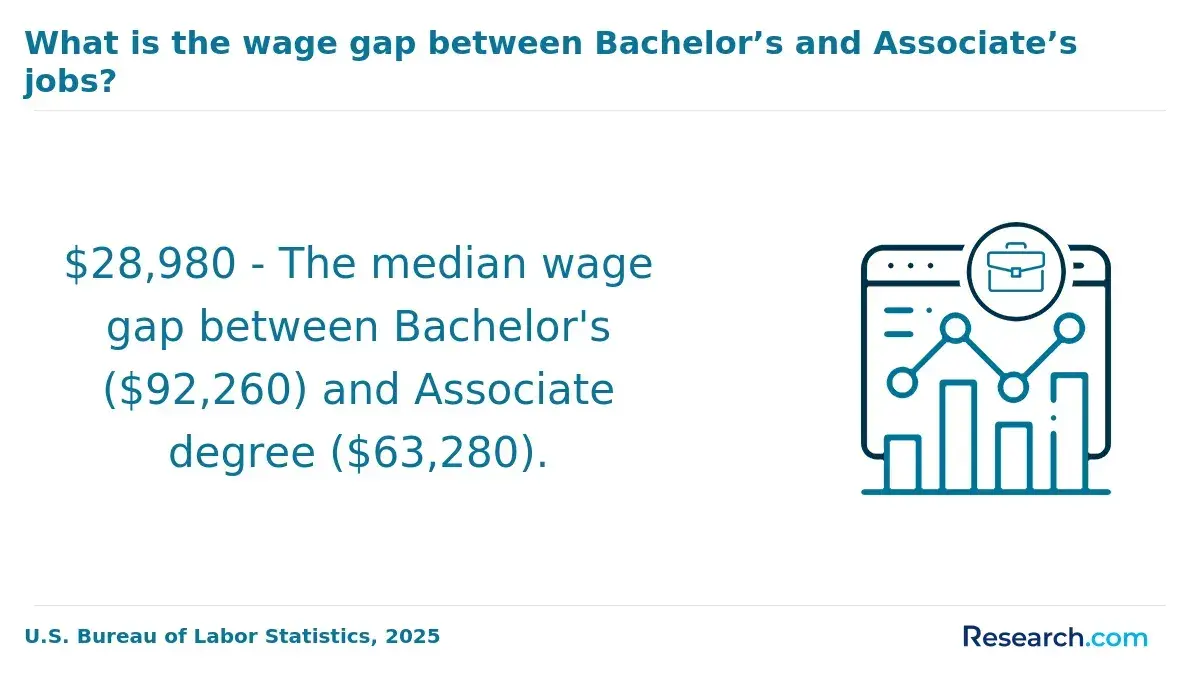
The investment required for an online environmental science master's degree typically ranges widely, with total program costs influenced by institution type, credit-hour pricing, and additional mandatory charges. Public universities generally offer more accessible price points, especially for in-state students, while private and nonprofit schools tend to command higher tuition reflecting their distinct funding models and potentially more specialized curricula. For many working adults and career switchers, understanding these cost structures is crucial when assessing the financial feasibility alongside career outcomes.
- Total Program Cost: Accredited programs at public institutions often present a moderate price range that can be 25-50% lower than private nonprofit counterparts, offering affordability advantages but sometimes less tailored networking opportunities.
- Per-Credit-Hour Cost: Rates vary significantly, commonly from under $500 to more than $1,000, with some public universities differentiating charges by residency status while others maintain a flat tuition rate for all online enrollees.
- Mandatory Fees: Many students underestimate expenses beyond tuition-technology fees for online platforms, institutional service fees, and charges for thesis or capstone courses are frequent additions that can raise the total cost noticeably.
- Proctoring and Residency Requirements: Certain programs require online exam monitoring with associated fees or brief on-campus residencies that introduce travel and lodging costs, factors that affect overall affordability and scheduling flexibility.
- Public vs. Private Benchmark: While private schools may have higher price tags, their offerings in faculty expertise and specialized training can suit learners targeting niche career paths.
Deciding among affordable accredited environmental science master's programs in the United States means weighing not only sticker prices but also these practical cost implications. For students comparing value, recognizing the potential for out-of-state tuition premiums or flat online pricing structures can prevent budgeting surprises. Additionally, career prospects tied to these investment levels should be considered, as employers often weigh degree reputation alongside technical skills.
For those exploring similarly structured advanced degrees, such as an online criminal justice degree, the balance between cost, flexibility, and program rigor presents a comparable decision matrix worth evaluating from a workforce entry perspective.
What Is the Return on Investment (ROI) of an Online Environmental Science Master's Degree?
Evaluating the financial return of an online environmental science master's degree involves balancing expected salary gains against program expenses. ROI here is calculated by subtracting total tuition and fees from post-degree salary improvements, then dividing by the program cost to yield a percentage or payback timeframe.
Professionals entering environmental management or consultancy often see median incomes rise from a pre-degree range of roughly $48,000-$60,000 to $65,000-$95,000 after graduation, according to datasets from BLS and PayScale. This shift suggests potential positive returns, but disparities emerge depending on individual and market variables.
- Work Experience: Candidates with extensive prior experience may encounter lower immediate salary boosts but often leverage the degree for leadership advancement, influencing long-term earnings.
- Institution Prestige: Degrees from more recognized programs tend to command higher salary uplifts and superior professional networks, amplifying ROI.
- Regional Demand: Geographic areas enforcing stringent environmental policies and sustainability initiatives frequently offer better compensation and job prospects.
- Specialization: Focusing on niches such as environmental policy or hazardous waste management can enhance both employability and income potential.
Non-financial returns are crucial; many graduates pivot into evolving sectors, gain promotion eligibility, and secure more stable roles-dimensions not fully captured by salary figures. These factors should weigh into any decision about investing tens of thousands in a graduate program.
What Are the Admission Requirements for an Online Environmental Science Master's Program?
Admission to online environmental science master's programs often hinges on a careful balance between academic metrics and evidence of relevant experience, reflecting how employers and graduate programs weigh practical readiness alongside scholastic achievement. While a minimum undergraduate GPA of around 3.0 on a 4.0 scale is frequently cited, this benchmark is not absolute-applicants with slightly lower scores can still be competitive if other materials convey clear strength and fit.
- Letters of Recommendation: Typically, two or three references from professors or supervisors who can speak directly to the applicant's skills and potential for graduate-level work are required.
- Statement of Purpose: A strategic essay that ties personal motivations to specific career objectives and program offerings plays a critical role in differentiating candidates.
- Resume/CV: Demonstrating relevant professional, internship, or volunteer experiences in environmental contexts often strengthens applications by bridging theory and applied skills.
- Prerequisite Coursework: Foundational classes in biology, chemistry, geology, or statistics are often necessary to ensure technical preparedness for the program's STEM-heavy curriculum.
- Standardized Tests: GRE or GMAT submissions are increasingly optional, aligning with broader shifts toward test-optional policies, though programs that require them may emphasize quantitative sections.
- Quantitative Competency: Given the technical demands of environmental science, demonstrable math and data analysis skills-whether through prior coursework or standardized test results-remain important for success.
Because acceptance thresholds and emphasis on specific components vary widely, strategically applying to programs that represent a range of competitiveness-from reach to safety-can significantly improve the likelihood of finding a credible, cost-effective program that aligns with both academic qualifications and career goals.
What Is the Minimum GPA Requirement for a Environmental Science Master's Program?
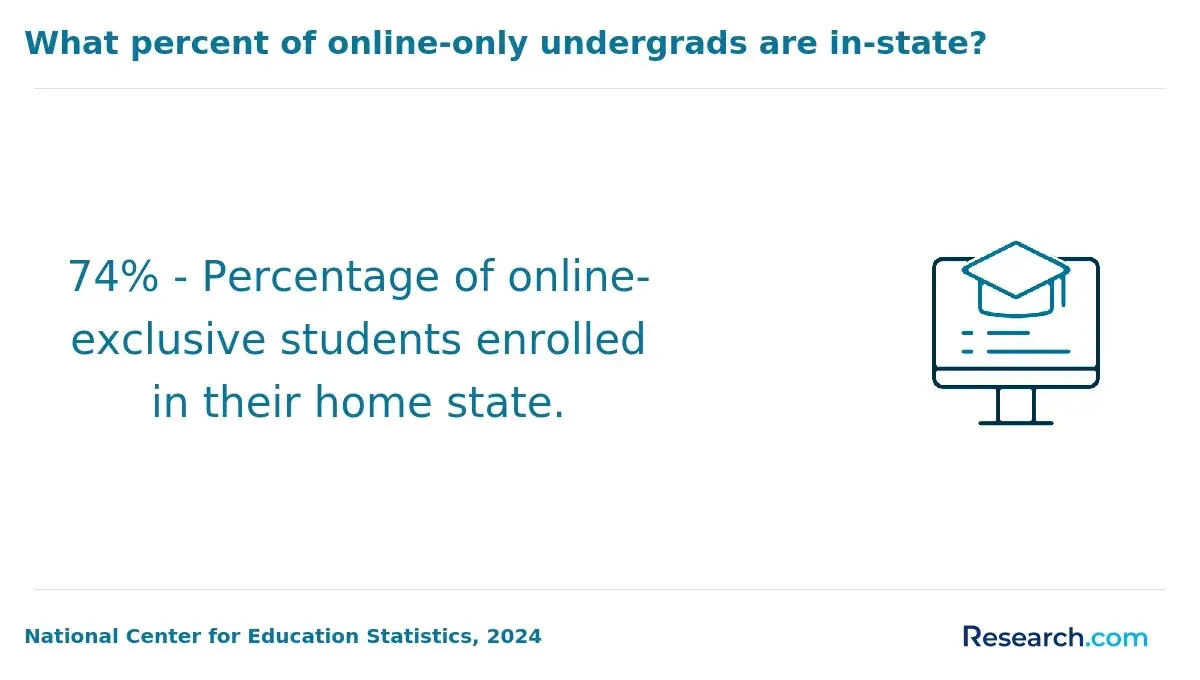
Minimum GPA requirements for online environmental science master's programs generally serve as thresholds rather than gates, an important distinction for applicants balancing admission strategy and realistic outcomes. Most accredited programs set the minimum undergraduate GPA between 2.75 and 3.0, but competitive programs typically expect 3.2 or higher, reflecting the profile of their select admitted cohorts.
Relying solely on the eligibility GPA risks under-preparation or overestimating admission chances, potentially delaying applicants' entry into the workforce or requiring additional coursework.
- Minimum Eligibility GPA: This is the baseline GPA below which applications are rarely considered. Meeting this does not guarantee admission but ensures basic academic credentials are met.
- Competitive GPA: Many programs share average GPAs of admitted students, often above the minimum, signaling the realistic standards needed to be competitive in the pool.
- GPA Waivers: Some programs recognize relevant professional experience, portfolio submissions, or strong standardized test scores as partial substitutes for GPA, offering a path for career-changers or nontraditional applicants.
- Conditional or Provisional Admission: Applicants below the threshold may be admitted on condition of achieving specified coursework results early in the program, allowing a pragmatic evaluation before full acceptance.
- Holistic Review: GPA is one factor within a broader admission process that weighs work experience, recommendations, and personal statements, crucial for nontraditional backgrounds.
Programs that clarify these distinctions provide applicants-especially first-generation students and those comparing affordability and academic rigor-a transparent framework to assess fit and long-term employability. For individuals exploring related fields or considering how online real estate classes compare in cost and outcomes, understanding GPA expectations also helps align educational investments with career trajectories.
Employers in environmental science increasingly value practical experience and demonstrated skill, so interpreting minimum GPA requirements alongside professional qualifications and program reputation offers a well-rounded approach to graduate admission decisions. Awareness of these nuances enables informed tradeoffs that are critical in identifying programs that balance academic credibility with tangible workforce impacts.
What Financial Aid Options Are Available for Online Environmental Science Master's Students?
Graduate students pursuing an online environmental science master's degree need to navigate a narrow set of financial aid options, unlike undergraduates who may rely on Pell Grants. For many first-generation applicants, federal grants are off the table, which shifts the focus to loans, scholarships, employer support, and assistantships. Choosing between these sources involves balancing loan debt risks and effort spent securing less common aid types, impacting post-graduate financial stability and career flexibility.
- Federal Loans: Direct Unsubsidized Loans and Graduate PLUS Loans are primary borrowing avenues, each with distinct interest rates and borrowing caps. Understanding differences in eligibility and repayment conditions is crucial since over-borrowing can constrain future financial decisions.
- Institutional Scholarships and Fellowships: Many programs offer merit- or need-based aid, sometimes prioritized for underrepresented or first-generation students. Award amounts vary, so proactive research and early application improve chances of receiving substantial support.
- Employer Tuition Reimbursement: Employees in related fields can reduce out-of-pocket costs through employer programs, though these often require continued employment and satisfactory academic progress.
- Graduate Assistantships: Some online programs provide teaching or research roles with stipends or tuition remission, but availability tends to be limited and competitive.
- External Scholarships: Professional organizations in environmental science frequently offer targeted scholarships with narrower competition than general awards.
Filing the FAFSA early is critical to establish your Student Aid Index, shaping federal aid eligibility. Additionally, applicants should actively negotiate aid offers between programs and explore state-level grants as supplemental funding. Regular searches for discipline-specific scholarships, even small ones, incrementally ease debt burdens.
How Long Does It Take to Complete an Online Environmental Science Master's Degree?
Completion time for an online environmental science master's degree in the United States significantly influences career trajectory and financial planning, especially for working professionals balancing education with other obligations. Full-time enrollment typically spans 18 months to 2 years, allowing for steady progression, while part-time learners-who make up the majority of online students-often extend their studies to 2.5 to 4 years.
This extended timeline reflects real-world demands on students who must integrate coursework with professional responsibilities. Recent enrollment trend data suggests that flexibility in pacing directly impacts retention rates and graduation timelines in these programs.
- Full-Time Enrollment: Most full-time students complete their environmental science master's degrees in 18 months to 2 years, a pace suited for those able to prioritize their studies.
- Part-Time Enrollment: Part-time study commonly extends the timeline to 2.5 to 4 years, aligning with the needs of working professionals managing multiple commitments.
- Credit Hour Requirements: Programs generally demand between 30 and 45 credit hours; how many credits a student takes per semester strongly shapes their completion timeline.
- Transfer Credits: Previous graduate coursework can reduce total time, but transfer acceptance varies widely, making proactive verification essential.
- Program Format: Cohort-based programs enforce fixed schedules, which can limit acceleration, whereas self-paced options enable motivated students to finish sooner.
- Accelerated Programs: Some programs allow completion in as little as 12 months, though ensuring proper accreditation and employer recognition is vital as speed alone does not guarantee quality.
- Thesis or Capstone Requirements: These projects can add one or two semesters depending on student pace and faculty availability, influencing total degree length.
Choosing the right program duration requires balancing immediate workforce entry against long-term academic and career goals. For students weighing options, the question of timing intersects with affordability, and prioritizing programs with known ROI and credit flexibility is critical. Evaluating certifications for jobs alongside degree timelines can enhance employability strategies in environmental science fields. Understanding the average duration of accredited online environmental science master's programs USA-wide helps set realistic expectations and informs sustainable educational investments.
What Specializations or Concentrations Are Available in Online Environmental Science Master's Programs?
Specializations within online environmental science master's programs critically shape graduates' career paths and earning potential, making early decision-making about concentrations a strategic necessity. For example, a student targeting federal environmental policy roles must prioritize programs emphasizing policy and management, while someone drawn to technical positions in data analysis might focus on geospatial analysis or environmental informatics.
This degree of targeting matters because broad, generalist tracks often lack the depth in specific skills employers demand, potentially limiting employability or salary growth in specialized fields. Common specializations in affordable accredited environmental science master's concentrations typically include:
- Environmental Policy and Management: Emphasizes regulatory frameworks, sustainability planning, and organizational leadership affecting environmental governance.
- Ecological Restoration: Concentrates on rehabilitating ecosystems through applied conservation science, involving hands-on restoration projects.
- Environmental Health and Toxicology: Studies how contaminants impact human health and explores mitigation strategies, aligned with rising demand in healthcare-related environmental roles.
- Natural Resource Management: Focuses on sustainable management of land, water, and wildlife resources in diverse sectors.
- Climate Change Science and Adaptation: Covers climate systems, predictive modeling, and adaptive strategies critical for resilience planning.
- Geospatial Analysis and Environmental Informatics: Involves GIS and data analytics tools, increasingly essential for environmental monitoring and policy support.
- Water Resources Science: Addresses freshwater system management amid competing ecological and human demands.
- Renewable Energy and Sustainability: Engages with clean energy technologies and sustainable development practices relevant to climate mitigation efforts.
Not all programs require immediate concentration declaration; some allow students to explore electives, though committing early can enhance specialized skill acquisition. Aligning your chosen concentration with labor market demand involves diligent review of job postings and employer criteria for intended roles. Concentrations linked to policy or data-driven positions typically yield broader opportunities and higher salaries compared to more narrowly focused tracks.
- Accrediting Bodies: Regional accreditation with specialized endorsements from the Accreditation Board for Engineering and Technology (ABET) or the Society for Environmental Toxicology and Chemistry (SETAC) ensures program rigor and industry recognition.
- Program Flexibility: Varies from immediate specialization to exploratory models, affecting curriculum depth and career preparation.
- Career Focus: Prioritize concentrations reflecting strong employer demand and practical skill requirements.
Prospective students can enhance decision-making by consulting program alumni and advisors about how specific concentrations translate into employment outcomes. Informed choices avoid costly misalignment between academic focus and workforce realities. For those with intersecting career interests or needing broader credentialing options, cross-referencing with related fields can be beneficial-for example, examining the landscape of criminal justice associate programs online might reveal transferable analytical or policy skills applicable to environmental compliance roles.
How Do Online Environmental Science Master's Programs Compare to On-Campus Programs in Quality and Recognition?
Employer surveys, including recent data from SHRM, indicate that most hiring managers do not distinguish between online and on-campus environmental science master's degrees when both come from the same regionally accredited institution and the diploma does not explicitly state "online." Accreditation serves as the primary credential equalizer, ensuring the degree holds comparable professional value regardless of delivery mode. However, this equivalency does not erase practical differences that can influence career trajectories, especially in applied fields.
On-campus programs often retain advantages in hands-on training, such as access to physical laboratories and practicums, as well as face-to-face networking and proximity to campus recruiting events. These elements can be critical for roles requiring specialized fieldwork or employer relationships cultivated through in-person interactions.
Many online programs address these gaps by incorporating hybrid residency weekends, facilitating local internship placements, and leveraging virtual networking platforms to foster employer connections remotely. Yet, the efficacy of these adaptations varies widely by institution and program design. Prospective students should prioritize evaluating the reputation of individual schools and scrutinize alumni career outcomes rather than focusing solely on whether coursework is online or in person.
Examining LinkedIn profiles can provide transparent insights into graduate employment sectors and salary ranges, which commonly vary by specialization and geography. This approach enables candidates to make decisions grounded in measurable employability and return on investment rather than modality assumptions.
- Accreditation: Regional accreditation guarantees equivalent credential recognition for both online and on-campus degrees from the same institution.
- Employer Perception: Surveys from SHRM and similar bodies find hiring managers generally view online and traditional degrees equally when accreditation standards are met and diplomas do not denote the course delivery method.
- Networking and Recruiting: On-campus access to recruiters and direct networking remains an advantage; many online programs compensate with virtual career fairs and employer partnerships.
- Practical Experience: Physical labs and field practicums favor campus programs; some online formats offer local placements or require hybrid residencies to meet hands-on requirements.
- Graduate Outcomes: Reviewing LinkedIn profiles gives clearer evidence of employment success than modality, guiding applicants to better align programs with labor market realities.
What Graduates Say About the Best Value Online Environmental Science Master's Degrees
- Mordechai: "Balancing a full-time job and family commitments meant I needed a program that offered true flexibility. I chose this online environmental science master's because it allowed me to study evenings and weekends without sacrificing my income. While the coursework was demanding, the skills I gained helped me pivot from entry-level environmental technician to a project coordinator role within a year, though I quickly realized that advancing further would require certifications beyond the degree."
- Casen: "After a mid-career shift, affordability was my biggest constraint, so I focused on accredited online programs with strong reputations but lower tuition costs. The program's emphasis on practical internships was a decisive factor, and securing one through the school's network significantly boosted my portfolio. Despite that, I encountered some hiring challenges since many employers still favored candidates with licensure, which I had to weigh against the cost and time of additional certification."
- Walker: "I needed to enter the workforce rapidly and wanted to avoid the debt of traditional schools, so an online master's in environmental science seemed ideal. The program's remote format suited my situation perfectly, allowing me to maintain a part-time job while studying. I landed a remote environmental data analyst position soon after graduating, but I found that salary growth was slower without certain professional licenses, so I'm currently considering whether to pursue those while working."
Other Things You Should Know About Environmental Science Degrees
Graduates typically enter roles such as environmental consultants, analysts, or policy advisors, but outcomes vary significantly by program focus and regional job markets. Programs with strong practical components, like internships or partnerships with agencies, often yield higher placement rates. Since many employers prioritize applied skills and experience, choosing a program that integrates real-world projects or technical training can substantially improve job prospects.
The worst question is about hidden costs in programs, as transparency in tuition is common in 2027. Instead, focus on curriculum quality. The best value programs clearly list fees and typically include tuition, materials, and tech requirements upfront.
Effective online environmental science programs demand not just reliable internet but access to data analysis tools, GIS software, and virtual lab simulations, which can create barriers for students with limited tech resources. Self-paced versus cohort-based formats also affect workload management; cohort programs provide more structure, which may align better with working professionals. Evaluating delivery style and technology demands is crucial as mismatches here often lead to higher dropout rates despite strong initial interest.
Prioritize programs with clear alignment to your desired sector-whether it's corporate sustainability, government policy, or conservation science-since curriculum and networking opportunities vary widely. Look for evidence of alumni success in roles you target and consider program length versus your current work-life balance; shorter, intensive programs may sacrifice depth but accelerate entry into the workforce. A well-matched program mitigates risks of time and financial investment not translating into meaningful career advancement.
References
- Online Master's Degree: Environmental Management https://www.umgc.edu/online-degrees/masters/environmental-management
- Is College Worth it? | Return on Investment Analysis of College Degree https://educationdata.org/college-degree-roi
- Master’s Degree in Environmental Science – Earn a Masters in Environmental Science or Explore Environmental Science Masters Programs at UT San Antonio https://future.utsa.edu/programs/master/environmental-science/
- return on investment (ROI) 101 https://resilientwatershedstoolbox.org/return-investment-roi-101
- Top 60 Environmental Science Scholarships to apply for in 2025 https://bold.org/scholarships/by-major/environmental-science-scholarships/
- 2026 Best Online Environmental Science Master's Degrees https://www.onlineu.com/degrees/masters-environmental-science
- Is Grad School Worth It? A Comprehensive Return on Investment Analysis - FREOPP https://freopp.org/whitepapers/is-grad-school-worth-it-a-comprehensive-return-on-investment-analysis/
- Best of 2025: Environmental Science Online Master’s Programs https://www.onlinemastersdegrees.org/best-programs/environmental-science/
- Master of Environmental Sciences https://www.uoguelph.ca/programs/master-of-environmental-sciences/
- Environmental science (M.S.) | University of Idaho https://www.uidaho.edu/academics/degree-finder/environmental-science-ms