2027 Best Value Online Management Master's Degrees: Affordable Accredited Programs with the Highest ROI

Co-Founder and Chief Data Scientist
Choosing an online management master's degree presents a complex challenge: balancing affordability, accreditation, and meaningful career returns without sacrificing quality. As adult learners and working professionals increasingly turn to flexible online formats, enrollment in accredited programs surged by over 15% in 2023 according to the National Center for Education Statistics.
This shift reflects a demand not only for accessible education but for credentials that employers recognize and value. Navigating this landscape requires understanding which programs provide the best return on investment-those that minimize debt and maximize job mobility-especially for first-generation students and career changers seeking transparent, data-driven guidance.
Key Things to Know About the Best Value Online Management Master's Degrees
- Programs accredited by industry-recognized bodies offer verifiable academic rigor, but higher tuition often accompanies this credibility, requiring candidates to weigh upfront costs against long-term credential value.
- Employers increasingly prioritize practical skills over brand name, signaling that programs integrating experiential learning improve graduate placement despite institutional prestige limitations.
- According to the National Center for Education Statistics, 45% growth in adult online enrollment reflects shifting access needs, prompting prospective students to consider timing and format tradeoffs when balancing career and study.
What Are the Best Value Online Management Master's Programs in the U.S.?
Determining the best value online management master's programs requires a deliberate balancing act between tuition costs, the credibility of accreditation, graduation success rates, and measurable salary gains after graduation. Best value signifies programs where lower financial barriers do not undermine academic quality or diminish graduates' ability to command meaningful salary increases in competitive markets.
A working professional seeking to pivot into leadership roles without incurring excessive debt should weigh not only the sticker price but also the program's delivery format, graduation support, and alumni outcomes-a choice that affects not just career trajectory but long-term financial stability. Below are five exemplary accredited programs with fully online options, ordered by increasing tuition to reflect diverse budget constraints and preferences:
- University of Florida - Warrington College of Business: Approximately $22,000 total tuition; asynchronous delivery; notable for offering specialized tracks like entrepreneurship integrated into a highly adaptive curriculum.
- Ball State University - Miller College of Business: Approximately $25,000 total tuition; fully asynchronous; recognized for strong student support with graduation rates above 75% in online cohorts.
- Northeastern University - D'Amore-McKim School of Business: Estimated $45,000 total tuition; blended synchronous and asynchronous; distinguished by its emphasis on experiential learning and co-op opportunities accessible to online students.
- University of Southern California - Marshall School of Business: Estimated $60,000 total tuition; primarily asynchronous with some synchronous seminars; known for a robust alumni network contributing to high post-degree salary gains.
- Indiana University Bloomington - Kelley School of Business: Approximately $65,000 total tuition; mostly asynchronous with optional synchronous sessions; offers an extensive range of specializations encouraging tailored career pathways.
The following section outlines key metrics used to evaluate academic programs, such as accreditation, graduation rates, tuition costs, salary increases, and delivery methods. These factors collectively reflect educational quality, accessibility, and long-term professional value.
- Accreditation: All programs hold regional or AACSB accreditation ensuring academic quality aligned with employer expectations.
- Tuition Figures: Reflect current academic year estimates based on institution-reported data and include fees beyond base per-credit rates when applicable.
- Delivery Format: Programs offer varying combinations of asynchronous and synchronous elements to balance flexibility and engagement.
- Graduation Rates: Programs listed have reported online graduation rates ranging generally from 70% to over 80%, indicative of strong student retention.
- Salary Lift: Alumni outcomes show median salary increases of 20% to 50% within two years post-degree, depending on industry and pre-degree experience.
Those navigating the choice among affordable accredited online management master's degrees with highest ROI should consider how each aspect influenced by program structure, student support, and employer recognition aligns with their professional goals and life constraints. Innovative asynchronous models, for example, may better suit those balancing work or family, while programs incorporating synchronous instruction or co-op experiences can enhance networking and real-time skill application.
This multifaceted perspective ensures that first-generation graduate students, career-changers, and underrepresented groups invest in pathways that optimize both financial input and long-term career vitality. Comprehensive data for this analysis are drawn from IPEDS and institutional reporting, with tuition figures reflecting the current academic year. For readers comparing fields, exploring the best college majors for the future can provide additional context on value and employability across industries.
What Accreditations Should an Online Management Master's Program Have?
The value of an online management master's degree hinges heavily on its accreditation status, which directly influences employability, credit transfer, and financial aid access. Choosing a program lacking recognized accreditation can severely limit post-graduation opportunities and complicate career advancement.
Accreditation for online management master's programs operates on two levels: institutional and programmatic. At the institutional level, regional accreditation from one of the seven recognized agencies-such as the Higher Learning Commission (HLC), Southern Association of Colleges and Schools Commission on Colleges (SACSCOC), or Middle States Commission on Higher Education (MSCHE)-is imperative. This baseline accreditation ensures eligibility for federal financial aid, facilitates credit transferability, and signals legitimacy to employers who often rely on it when assessing candidate qualifications. Without regional accreditation, degrees frequently lack recognition, resulting in diminished professional credibility and limited mobility.
On the programmatic tier, management-related disciplines should pursue field-specific accreditation that attests to academic rigor and industry relevance. For business-adjacent management programs, AACSB International accreditation remains the most respected benchmark, indicating curricula and outcomes aligned with employer expectations. While accreditations like ABET are essential for engineering or computing-focused degrees and CACREP applies to counseling fields, management programs benefit specifically from bodies like AACSB to validate their market-aligned content. Such accreditation can materially enhance graduate employability and return on educational investment.
Programs accredited solely by national agencies or unrecognized bodies often raise red flags; their degrees may face skepticism from employers and present obstacles for credit transfers or further education.
- Regional Accreditation: Confirm the institution holds accreditation from one of the seven federally recognized regional accreditors to secure financial aid eligibility and widespread credential acceptance.
- Programmatic Accreditation: Verify specialized accreditation relevant to management, such as AACSB for business-oriented programs, to ensure curriculum quality and labor market alignment.
- Red Flags: Avoid programs with only national or unrecognized accreditation, which typically limits degree portability and employer recognition.
- Verification Questions: Ask admissions officials directly about both institutional and programmatic accreditation, request accreditor names, and inquire if graduates routinely secure roles acknowledged by industry standards.
How Much Does an Online Management Master's Degree Cost on Average?
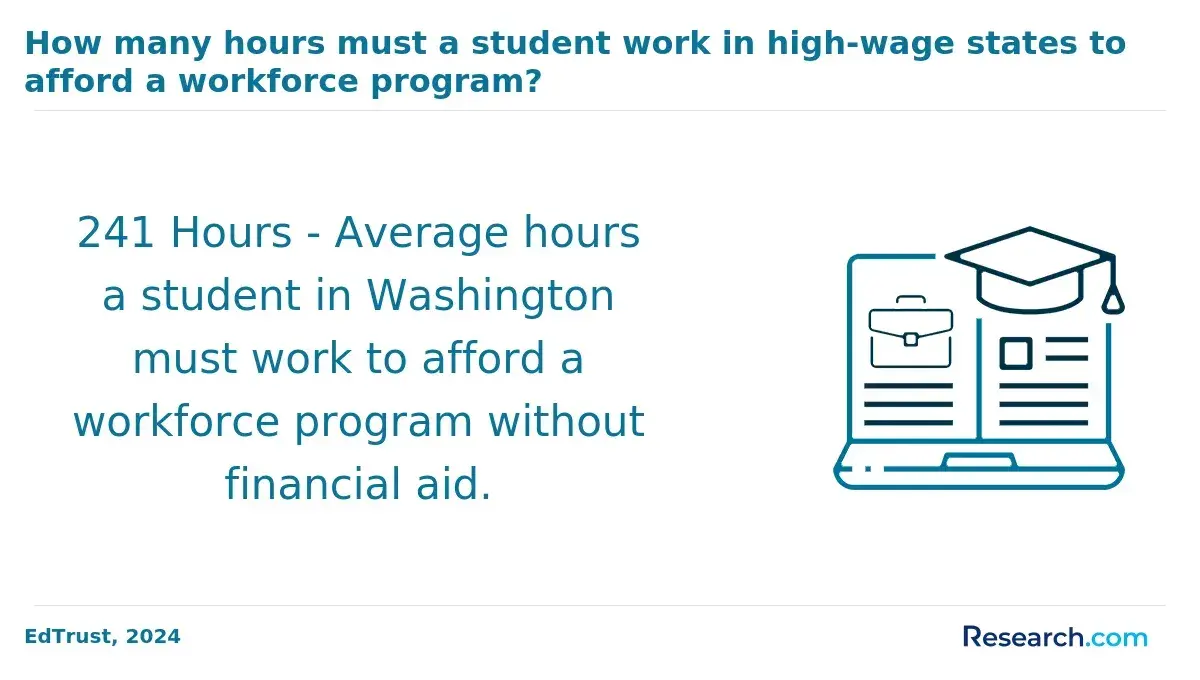
Total costs for an online management master's degree typically reflect a complex balance between tuition rates and supplementary fees, affecting affordability and return on investment. Based on IPEDS data and institutional disclosures, tuition for accredited online management master's programs in the US varies broadly, with total program costs generally ranging from moderate to high depending on institution type and credit load.
Per-credit-hour rates differ notably: public universities often provide lower-cost options for in-state residents but increasingly offer flat rates for online learners irrespective of residency, whereas private nonprofit institutions usually have higher tuition but more consistent pricing across student populations.
- Public University Average: Tuition is usually lower for in-state students, though many online programs apply a uniform tuition rate regardless of residency, making out-of-state costs more manageable. Overall, total expenses are influenced by credit requirements and base tuition structures.
- Private/Nonprofit University Average: These schools tend to charge higher per-credit rates with total program costs surpassing those at public institutions, but may include additional academic supports and resources that justify premium pricing for some students.
- Mandatory Fees: Beyond tuition, fees such as technology, registration, and application charges can add several hundred dollars per semester, often overlooked in initial budgeting.
- Thesis or Capstone Fees: Some programs require extra payments for culminating projects which are critical but add to overall expenses.
- Proctoring Costs: Remote examinations frequently involve third-party proctoring fees, varying by provider and exam frequency, which can cumulatively impact students' budgets.
- Residency Requirements: Although most programs are fully online, a subset demands brief on-campus residencies, generating unanticipated travel and lodging costs.
For many prospective students-such as first-generation graduate students or career changers-the choice between public and private options means weighing affordability against program features and predictability in tuition. Understanding the average tuition fees for accredited online management master's programs in the US requires careful consideration of these cost components, as overlooking them can erode the expected financial and professional ROI.
Working professionals will find that total investment affects not only immediate expenses but also long-term career flexibility and hiring outcomes. To contextualize cost decisions amid similar tradeoffs in educational expenses, students may also explore the cheapest engineering degree listings for comparative affordability benchmarks in STEM fields, which increasingly compete for investment alongside business-oriented degrees.
What Is the Return on Investment (ROI) of an Online Management Master's Degree?
Evaluating the ROI of an online management master's degree involves more than tuition costs and salary expectations; it demands a critical look at salary uplift relative to investment and time to recoup expenses. The standard ROI formula-(post-degree salary increase minus program cost) divided by program cost-frames this analysis as a percentage gain or payback period in years.
Median salaries for roles requiring or benefiting from this credential generally rise from roughly $60,000-$75,000 pre-degree to $90,000-$120,000 post-degree, depending on experience and job function. When program expenses range widely between $15,000 and $50,000, the decision calculus pivots on long-term earnings growth versus upfront financial and opportunity costs.
- Work Experience: Seasoned professionals typically convert their degrees into promotions or new roles faster, accelerating payback compared to early-career candidates.
- Institution Prestige: Graduates from well-recognized programs often benefit from stronger alumni networks and recruiter attention, which can translate into higher starting salaries.
- Regional Demand: Economic conditions and business dynamics in the job market location significantly influence salary outcomes for management graduates.
- Specialization: Concentrations aligned with current industry trends, such as digital transformation or supply chain, tend to offer more immediate salary advantages.
Financial ROI should be balanced against qualitative benefits like improved leadership readiness or enhanced job security, which, although less quantifiable, are critical for sustainable career resilience.
What Are the Admission Requirements for an Online Management Master's Program?
Admission standards for online master's programs in management reveal crucial tradeoffs between academic credentials and professional experience, reflecting how programs weigh potential for success in diverse cohorts. Many admissions committees set a baseline undergraduate GPA near 3.0 on a 4.0 scale, yet some offer leeway for candidates with substantial work history or nontraditional backgrounds, recognizing that rigid GPA cutoffs can exclude career-changers or those from underrepresented groups.
- Letters of Recommendation: Applicants typically submit two or three letters attesting to leadership, analytical skills, and workplace impact, often from supervisors or academic mentors capable of contextualizing professional growth.
- Statement of Purpose or Personal Essay: This narrative component allows candidates to demonstrate clarity of career direction, motivation for graduate study, and alignment with the program's management philosophy, aspects that quantitative metrics alone cannot reveal.
- Resume or CV: A current professional resume is critical, highlighting relevant experience and progression in responsibilities, which many programs consider alongside academic qualifications.
- Prerequisite Coursework: Some programs require prior coursework in economics, statistics, or business fundamentals; lacking this foundation may necessitate additional bridge or leveling classes before or during the degree.
- Test Scores: Although historically common, GRE and GMAT requirements have diminished as many respected programs adopt test-optional or test-free policies to lower entry barriers, especially benefiting working professionals and those pivoting careers.
- Quantitative Competency: Programs emphasizing STEM or technical management skills may demand demonstrated quantitative proficiency either through prior coursework or standardized assessment.
Given significant variability in admissions criteria, prospective students-particularly first-generation, working professionals, and underrepresented applicants-should target a balanced application strategy, including reach, match, and safety programs. This approach mitigates the uneven landscape of GPA expectations, prerequisite demands, and acceptance rates, ultimately optimizing chances for admission to a program that balances affordability, legitimacy, and practical career impact.
What Is the Minimum GPA Requirement for a Management Master's Program?
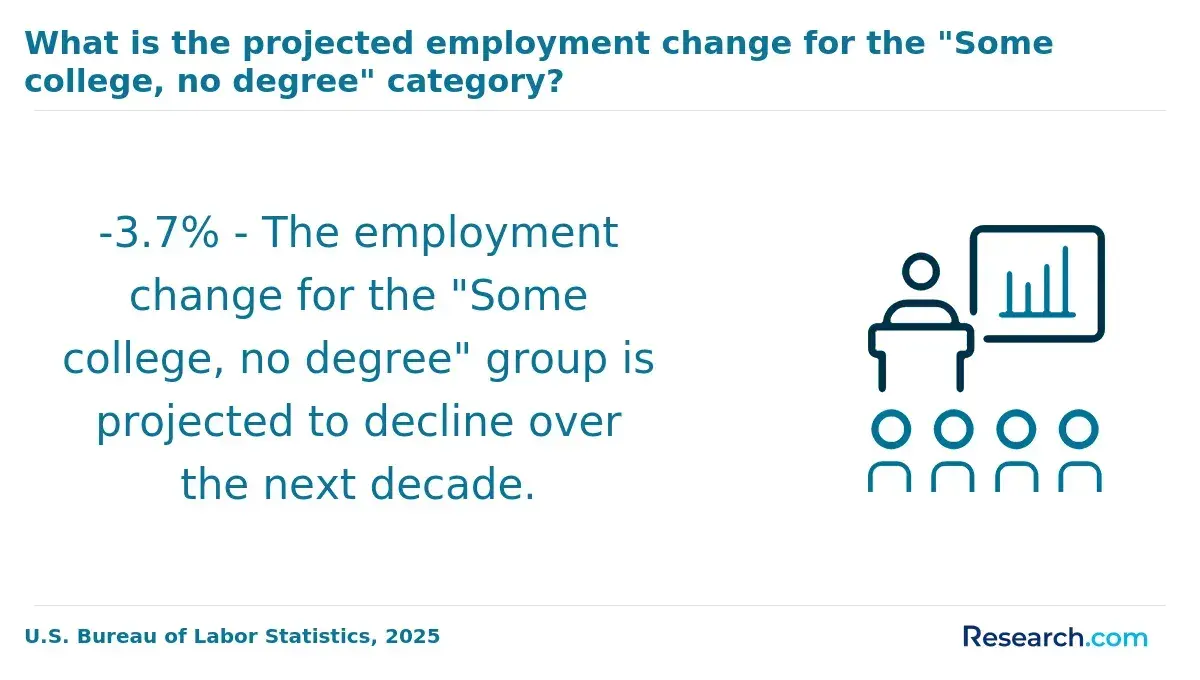
Admission to most accredited online management master's programs hinges on specific undergraduate GPA thresholds, reflecting a balance between maintaining academic standards and recognizing diverse candidate backgrounds. While a minimum GPA requirement typically ranges from 2.75 to 3.0, this serves primarily as a baseline for eligibility rather than a guarantee of acceptance. More competitive programs often expect incoming cohorts to present an average GPA closer to or above 3.2, highlighting a practical distinction between minimum eligibility and the GPA profile commonly seen among admitted students.
This distinction matters in workforce terms: applicants with GPAs near the minimum might still gain access but could face greater challenges securing scholarships or post-graduation employer preferences compared to peers with stronger academic records. Several programs acknowledge this complexity by offering GPA waivers, allowing candidates to compensate with relevant professional experience, detailed portfolios, or scores from tests like the GMAT or GRE. Such flexibility acknowledges that minimum GPA requirements for online management master's programs do not fully capture a candidate's potential for success or contribution.
In cases where GPAs fall below thresholds, conditional or provisional admission options often exist, contingent on early academic performance demonstrating capability. However, GPA remains only one component of a holistic admissions review, which typically includes work experience, letters of recommendation, personal statements, and leadership potential. Understanding these nuances can guide applicants-especially first-generation graduate students and career changers-in selecting programs that align realistic academic profiles with practical goals, including better positioning within a competitive job market.
- Minimum Eligibility: Accredited online management master's programs typically require a minimum undergraduate GPA of 2.75 to 3.0 as the academic floor for consideration.
- Competitive GPA: Many programs publish higher average GPA benchmarks around 3.2 or more, reflecting the middle range of admitted cohorts and improving acceptance prospects.
- GPA Waivers: Programs often waive GPA requirements for applicants with strong professional experience, portfolios, or standardized test scores like the GMAT or GRE, recognizing real-world competencies.
- Conditional Admission: Students below the minimum GPA may still be admitted provisionally, with performance during initial coursework determining continued enrollment.
- Holistic Review: GPA forms one dimension in an admissions process that evaluates work experience, recommendations, personal statements, and leadership potential.
Applicants juggling educational and career decisions may also explore flexible paths such as degrees for moms going back to school, which often emphasize practical experience alongside academic benchmarks.
Assessing the average GPA needed for accredited management master's degrees in the US is critical for informed program selection, ensuring candidates neither overcommit to inaccessible options nor underestimate the academic rigor involved.
What Financial Aid Options Are Available for Online Management Master's Students?
Choosing how to finance an online management master's degree often entails balancing immediate borrowing costs against long-term career value. Federal loans, including Direct Unsubsidized and Graduate PLUS Loans via FAFSA, offer accessible credit but come with accruing interest during study, requiring careful borrowing decisions to avoid excessive debt burdens post-graduation.
Merit-based institutional scholarships and fellowships, while competitive, can substantially reduce out-of-pocket expenses if applicants effectively showcase work experience and leadership potential. For employed students, employer tuition reimbursement represents a strategic funding source but typically demands alignment of the program's content with the employee's role or company goals to secure support.
- Federal Loans: Graduate-level loans accrue interest immediately; borrowers must plan repayment with realistic income forecasts.
- Institutional Scholarships and Fellowships: Awarded competitively, often tied to professional background and leadership evidence.
- Employer Tuition Reimbursement: Requires documented program relevance; aligning studies with career responsibilities improves approval chances.
- Graduate Assistantships: Rare but valuable for online students when available, offering stipend or tuition waivers in exchange for teaching or research roles.
- External Scholarships: Sponsored by professional organizations tailored to management fields, these can complement institutional aid.
Federal grants such as Pell Grants are generally unavailable to graduate students, a fact that frequently surprises first-generation applicants unprepared for the narrower aid landscape. Graduate students must complete FAFSA annually, with eligibility driven by the Student Aid Index, a recalibrated metric focusing heavily on income and assets, which can reduce expected assistance compared to undergraduate FAFSA submissions.
- Apply Early: Many scholarships and aid programs operate on rolling admissions; missing initial deadlines can eliminate substantial funding opportunities.
- Research Discipline-Specific Aid: Target grants and scholarships from management associations that recognize the program's unique value proposition.
- Negotiate Aid Packages: Engaging financial aid offices directly can increase offers, especially when comparing multiple schools.
- Leverage State-Level Grants: Some states support graduate students enrolled in accredited local institutions, offering untapped funding streams.
How Long Does It Take to Complete an Online Management Master's Degree?
Completing an online management master's degree involves strategic decisions that directly impact how quickly students can earn their credential, which in turn affects employer evaluation and return on investment. Full-time students generally finish within 18 months to 2 years, a timeline that suits those able to dedicate considerable weekly hours. Part-time students, who make up the majority of online enrollees balancing work and family, often extend their studies from 2.5 to 4 years. This longer duration can influence labor market reentry and salary progression, especially in competitive fields.
The average duration of accredited online management master's programs in the US reflects these pace differences, and employers increasingly recognize the rigor behind some self-paced or cohort-based program formats.
- Credit Hour Requirements: Most programs demand 30 to 45 credit hours; the total influences how many semesters students must enroll.
- Course Load Per Semester: A heavier load reduces time but may raise stress and affect quality of learning.
- Transfer Credits: Applying previous graduate credits can meaningfully shorten time and reduce financial burden.
- Program Structure: Cohort-based models offer fixed timelines, while self-paced tracks provide flexibility, impacting completion speed.
- Accelerated Options: Some programs complete in as little as 12 months, but rapid completion does not guarantee employer recognition, which hinges more on accreditation and curriculum rigor.
- Thesis or Capstone Projects: These can add one to two semesters depending on faculty scheduling and student pacing, signifying deeper academic engagement.
Enrollment data shows growing demand across healthcare systems and business sectors for master's credentials, underscoring the practical value of understanding timeline tradeoffs. For those assessing program affordability alongside duration, evaluating programs alongside related fields-such as an online environmental engineering degree-can illuminate comparative ROI.
What Specializations or Concentrations Are Available in Online Management Master's Programs?
Choosing a specialization within an online management master's program significantly shapes a graduate's marketability and salary potential by targeting distinct industry needs. For instance, a candidate concentrating in supply chain management may gain access to roles demanding expertise in logistics optimization, which are in high demand in manufacturing and retail sectors.
Conversely, a generalist track offering elective flexibility might serve professionals seeking diverse skill sets across leadership and strategy roles, though often with less competitive starting salaries compared to niche concentrations. Many accredited programs require declaring a concentration upon admission, anchoring course choices and experiential learning opportunities directly to career trajectories.
Commonly available concentrations balance sector-specific knowledge with leadership development and typically include:
- Project Management: training in methodologies and tools to lead complex projects and cross-functional teams;
- Human Resource Management: focusing on talent acquisition, development, and labor relations; Supply Chain Management: emphasizing logistics, procurement, and distribution optimization;
- Financial Management: preparing students for corporate finance, risk assessment, and budgeting roles;
- Marketing Management: concentrating on market analysis, branding strategies, and digital advertising tactics;
- Healthcare Management: designed for administrative leadership within healthcare organizations;
- Technology Management: integrating business leadership with IT strategy and innovation management;
- Entrepreneurship: focused on startup launching, business planning, and growth strategies.
Aligning a concentration with employer demand requires analyzing job postings in target fields to identify specializations that appear consistently among qualifications. Not all concentrations offer equal recognition or salary advantages in the labor market. Consulting alumni and program advisors provides insight into how specific specializations translate into practical outcomes and salary variations.
Professionals focused on affordability and accreditation should also consider programs offering an affordable accredited management master's concentrations with high ROI, which can be critical to long-term career success. Additionally, prospective students can benefit from reviewing financial planning related to graduate studies, such as insights found in resources addressing online bachelors in animal science costs and tuition as a proxy for understanding higher education financial commitments.
Understanding the accreditation status of programs is vital for ensuring both academic quality and employer recognition:
- Accrediting Bodies: Look for regional accreditation plus specialized accreditation by organizations such as AACSB, ACBSP, or IACBE.
- Program Outcomes: Employment rates, salary benchmarks, and alumni networks differ based on curriculum relevance and institutional reputation.
- Career Services: Access to job placement support and industry connections influences salary potential and job market success.
How Do Online Management Master's Programs Compare to On-Campus Programs in Quality and Recognition?
Employer acceptance of online management master's degrees hinges primarily on accreditation rather than mode of delivery. Surveys from the Society for Human Resource Management (SHRM) reveal that most hiring managers in 2024 do not distinguish between online and traditional degrees if both originate from the same regionally accredited institution. In practice, this means a degree from a reputable school carries equivalent credential weight whether earned online or on-campus, provided the diploma itself does not specify "online," which some institutions avoid to maintain parity.
However, on-campus programs often retain advantages in networking and experiential learning essential for certain applied management fields. Face-to-face access to peers, faculty, and recruiting events can offer richer relationship-building crucial for industries reliant on personal connections. Meanwhile, many online programs now integrate virtual networking platforms, employer partnerships, and hybrid residencies, mitigating some gaps in practical experience like labs or practicums.
- Accreditation: Regional accreditation ensures consistent academic standards, preventing employers from discounting a degree based solely on whether it was earned online or in person.
- Employer Perceptions: Hiring managers prioritize institutional reputation, alumni success, and relevant work experience over degree modality, aligning with SHRM's 2024 hiring trends.
- Networking: On-campus programs typically facilitate more direct engagement through campus recruiting and peer interaction, while online programs increasingly offer digital networking events and occasional residencies.
- Practical Experience: Fields requiring hands-on training may benefit from on-campus access, though hybrid and employer-aligned online program models help address this challenge.
- Evaluation Strategy: Prospective students should focus on individual program outcomes by examining graduate employment data, salary ranges by specialization, and LinkedIn profiles to assess real-world impact rather than delivery format.
What Graduates Say About the Best Value Online Management Master's Degrees
- Kian: "Balancing a full-time job and family made affordability and flexibility my top priorities when selecting a management master's program. I opted for a program that allowed part-time enrollment with weekend classes, which was crucial for me. As a result, I was able to apply new project management techniques at my current job immediately, leading to a modest promotion within a year, although I still face some barriers for senior leadership roles due to the lack of a more prestigious credential."
- Leonard: "After deciding to pivot from marketing to supply chain management, I needed a program that could offer practical experience without hefty tuition fees. Choosing an affordable accredited online master's degree with a strong internship placement component proved essential. The internship not only strengthened my resume but also provided industry contacts that helped me land a mid-level analyst role, even though I had to initially compete with candidates who held traditional on-campus degrees."
- David: "Cost constraints meant I had to sacrifice a bit on program prestige and focus on ROI. I chose a budget-friendly management master's that emphasized portfolio development over licensure or certifications. While this approach expedited my entry into remote work opportunities and expanded my digital collaboration skills, I noticed salary growth had limitations unless I pursued additional credentials later. Nevertheless, the practical knowledge gained has been invaluable for managing cross-functional teams."
Other Things You Should Know About Management Degrees
Graduates from these programs often enter mid- to upper-level management roles, but outcomes vary significantly based on program prestige, specialization, and work experience. Programs with strong industry ties and experiential learning components tend to yield higher job placement rates and faster salary growth. When evaluating programs, prioritize those with transparent graduate employment data and alumni networks in your target industry rather than relying solely on reputation or cost.
Beyond tuition, many programs impose additional fees for technology, course materials, or graduation that can add up quickly. Some schools charge per-credit fees that escalate if you exceed the standard course load, effectively increasing your total cost if your schedule fluctuates. Accurate budgeting requires a detailed review of all fee disclosures and caution around programs that do not clearly itemize these expenses upfront.
The worst question is about the technology and course delivery requirements. Although important, they do not directly assess the program's value, affordability, or return on investment, which are the primary focus for determining the best value programs.
Focus on how well the curriculum aligns with your desired industry and whether the program facilitates connections with employers through internships, live projects, or mentorship. Cost and accreditation are necessary but insufficient alone; programs that integrate applied skills and relevant certifications typically deliver better return on investment. It's advisable to prioritize programs offering clear pathways to the types of roles and industries you aim to enter or advance within.
References
- How Long Does It Take to Complete a Master’s Degree Program? https://www.calsouthern.edu/articles/how-long-is-a-masters-degree
- How Long Does An Online MBA Take? | StudyNext Australia https://studynext.com/au/resources/how-long-does-an-online-mba-take
- How Long Does it Take to Get a Master’s Degree? https://www.aiuniv.edu/degrees/business/articles/how-long-does-it-take-to-get-a-masters-degree
- Paying for a Master's Degree: Scholarships & Financial Aid Options https://www.gograd.org/paying-for-your-masters-degree/
- Online master's degree guide: Programs, costs, and how to apply https://www.edx.org/resources/guide-to-online-masters-degrees
- 2025 Most Affordable Online Master's Programs https://www.onlineu.com/most-affordable-colleges/masters-degrees
- Best universities to get an online MBA or remote Business Master in 2026 https://www.study.eu/article/best-universities-to-get-an-online-mba-or-remote-business-master
- Online MBA ROI: What Factors Should You Calculate? https://onlinemba.howard.edu/blog/online-mba-return-on-investment/
- Online Master's Degree Program Specializations | Colorado State University Global https://csuglobal.edu/academic-programs/graduate-specializations
- 6 Popular MBA Specializations https://www.allbusinessschools.com/mba/types-of-mba/