2027 Is Management a Hard Major? What Students Should Know

Co-Founder and Chief Data Scientist
Management as a major often faces misconceptions about its difficulty, with some assuming it's less demanding than STEM fields. However, the discipline requires mastering diverse skills including leadership, strategic thinking, and organizational behavior. According to the National Center for Education Statistics, over 200,000 students graduated with a management-related degree annually, reflecting its popularity and competitive nature.
This article will explore the academic rigor involved in management, typical workload expectations, and the essential skills students must develop. It will also examine how individual backgrounds and learning styles influence whether students perceive management as a challenging major or a manageable pursuit.
Key Benefits of Management as a Major
- Management cultivates practical skills like leadership and strategic thinking, benefiting career changers by facilitating smoother transitions into new industries.
- It offers flexible learning paths, supporting full-time workers returning to school with manageable coursework and real-world applications.
- Traditional undergraduates gain specialized knowledge and confidence through challenging projects, enhancing their readiness for competitive job markets.
Where Does Management Rank Among the Hardest College Majors?
Management is generally ranked as a moderately challenging major in national difficulty surveys, positioned near the middle among more than 100 college majors. It often ranks around 69th in perceived difficulty, with roughly 46% of professors considered difficult by students. Compared to STEM fields or more quantitative business majors like accounting, finance, and management science, management involves fewer lab hours and less technical problem-solving.
The coursework tends to focus on collaboration, case studies, presentations, and strategic thinking rather than intensive technical or mathematical tasks.
The difficulty of management varies considerably depending on the institution and individual student strengths. More competitive business schools may demand a heavier workload and higher academic rigor. Compared to harder majors such as engineering, physics, or actuarial science, management usually requires less technical skill and workload. It is often seen as more challenging than marketing or human resources but less demanding than accounting or finance.
Ultimately, how hard management feels depends on a student's communication, leadership, and analytical skills rather than their quantitative abilities, making the major's difficulty subjective and closely tied to one's academic background and interests.
What Factors Make Management a Hard Major?
Several academic and skill-related demands create significant challenges for many students pursuing a management degree. These factors range from stringent academic expectations to practical experience requirements, all of which contribute to the overall difficulty of the major.
- Academic rigor of management degree programs: Management programs often demand a strong foundation in quantitative subjects such as statistics, economics, and accounting. For instance, Columbia's Special Program in Business Management requires maintaining a minimum GPA of 3.0 across core and elective courses, reflecting the rigorous academic standards students must meet.
- Workload and course requirements for management majors: Completing a management degree typically involves earning at least 120 credits, with up to 43 credits dedicated specifically to management and administration courses. This includes a mixture of core, elective, and capstone classes, necessitating sustained effort over several years.
- Technical and analytical complexity: Curriculum often integrates data analysis, financial modeling, and decision science. Prestigious programs like MIT Sloan highlight courses in accounting, microeconomics, and probability and statistics, which require both conceptual mastery and hands-on application, posing extra challenges for students less versed in mathematics.
- Field-specific demands: Beyond theoretical knowledge, management majors must engage in experiential learning. This involves group projects, presentations, and internships that test communication, teamwork, and leadership skills-capabilities vital in the business world but adding to the program's difficulty.
Students interested in understanding how management compares with other educational paths may refer to this comprehensive list of college majors for further insights.
Who Is a Good Fit for a Management Major?
Identifying the right student profile is crucial for success in management, as this major requires a mix of interpersonal, analytical, and organizational abilities. Understanding the personality traits of successful management students can help prospective learners determine if this field aligns with their strengths.
Key qualities for management majors include:
- Effective time management: Students who balance multiple deadlines and responsibilities handle the workload well, as management courses demand coordination of classes, group work, and outside commitments.
- Problem-solving ability: Analytical thinkers enjoy tackling complex business challenges, fitting with the case study and real-world problem focus common in management programs.
- Strong communication and empathy: Those who listen actively and express ideas clearly thrive in team settings, an essential trait for leadership and cooperation.
- Resilience and adaptability: Being able to manage stress and adapt to changing situations helps students persist through the program's challenges and evolving curriculum.
- Curiosity and openness to feedback: A desire to learn and grow enables students to benefit fully from the dynamic learning environment typical of management education.
These best qualities for management majors help students handle a moderate-to-high academic challenge with consistent engagement. For those seeking flexible options, exploring the top college courses for seniors online can offer accessible pathways to develop these skills.
Many students find management coursework demanding due to its combination of theoretical concepts and practical applications. However, adopting targeted strategies can streamline studying and boost academic success.
- Maintain a Regular Study Routine: Setting aside consistent daily times for study helps prevent procrastination and ensures steady progress through the material.
- Engage Actively with Content: Techniques like self-quizzing, teaching peers, and summarizing notes enhance understanding and long-term retention.
- Apply Spaced Repetition: Revisiting topics over multiple sessions rather than cramming improves memory and eases exam preparation stress.
- Participate in Study Groups: Collaborating with classmates provides fresh insights, uncovers knowledge gaps, and builds confidence before tests.
- Use Academic Support Wisely: Leveraging lectures, office hours, and resources early on prevents small difficulties from escalating into bigger challenges.
Admissions to management programs are highly competitive due to limited class sizes and a large number of applicants. Top programs often see acceptance rates below 30%, with some as low as 14%, reflecting intense demand. This competitiveness is driven not only by the sheer volume of applications but also by strict prerequisites and high academic standards. Many programs receive multiple applications for every available spot, making selection challenging.
Selectivity varies by institution and program focus. Leading schools look for candidates with strong GPAs around 3.65 to 3.7 and high GMAT scores typically between 710 and 720. Applicants usually need backgrounds in quantitative subjects like calculus or statistics, along with several years of professional experience, often averaging five years. The growing popularity of management degrees continues to push application numbers higher, further tightening admissions.
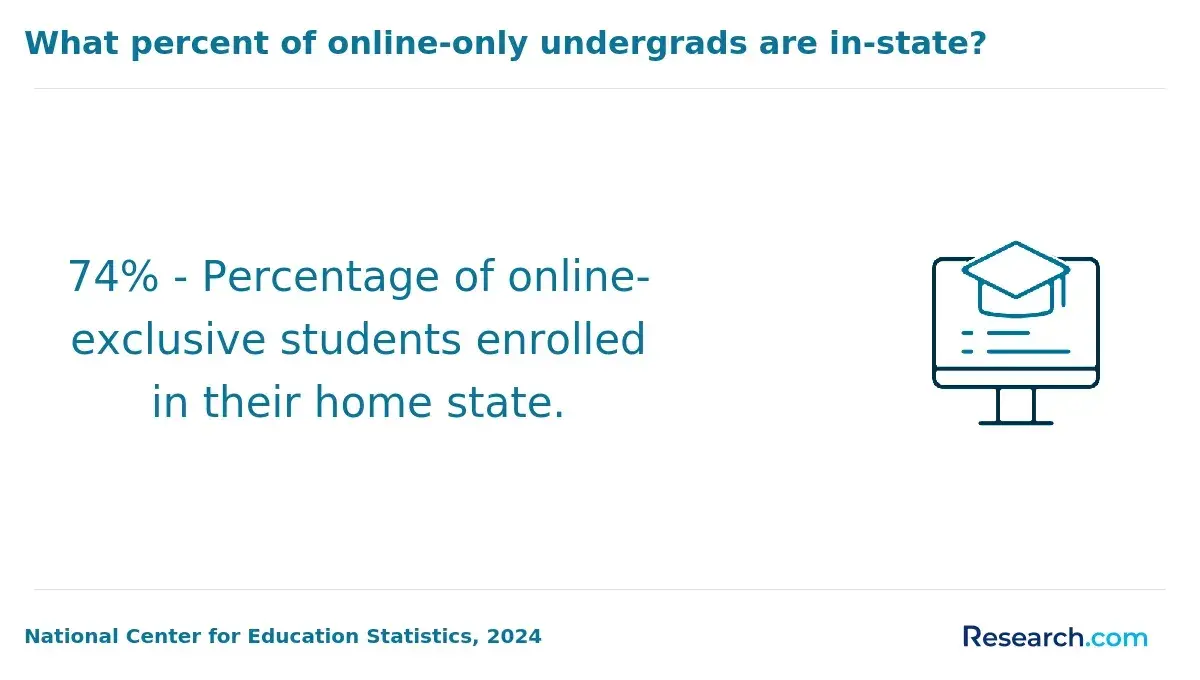
Online Management programs are generally neither harder nor easier than their on-campus counterparts; both require commitment and academic rigor. The level of challenge depends more on individual learning style and personal circumstances than on the mode of delivery.
Below is a comparison highlighting key differences and similarities between online and on-campus management programs:
- Academic Expectations: Both formats maintain similar curriculum standards and rigor, ensuring comparable learning outcomes.
- Workload and Pacing: Online programs tend to be self-directed or accelerated, demanding strong time management, while on-campus programs follow structured schedules with mandatory attendance, benefiting students who thrive on routine.
- Interaction and Support: Online students often rely on asynchronous communication such as emails and discussion boards, with about 45% feeling group work is less organic; on-campus students benefit from immediate, face-to-face engagement.
- Learning Environment: Online learning is technology-dependent and requires digital literacy, whereas on-campus programs offer resource-rich, distraction-free settings that enhance concentration for 78% of students.
- Unique Challenges: Online learners face isolation and digital obstacles, and around 60% report difficulty maintaining focus due to home distractions, while on-campus students must adapt to rigid schedules and campus presence.
For those considering a management degree, exploring the fastest online master's degree options can provide insight into how program format affects pacing and flexibility.
Overall, success in a management major, whether online or in-person, comes down to discipline, motivation, and how well a student's learning preferences align with the program's demands.
Accelerated management programs are generally harder than traditional formats because of their condensed timelines and intensive course pacing, which create a much denser weekly workload. Students experience a significantly higher content density per week, requiring rapid assimilation of complex management theories and practical skills.
Comparing accelerated management degree vs traditional program difficulty highlights these key differences:
- Course Pacing and Content Density: Accelerated programs cover the same core curriculum in 12-24 months instead of 3-4 years, leading to relentless pacing and a more demanding weekly workload.
- Workload Management: Accelerated formats suit highly motivated, organized students comfortable with fast-paced environments, while traditional programs offer a steadier pace better for those balancing outside commitments.
- Academic Expectations and Skill Demands: Faculty expect greater independence and proficiency in shorter periods in accelerated programs, increasing academic pressure compared to traditional formats.
- Learning Retention and Stress Levels: Intensive sessions can enhance short-term memorization but increase risks of burnout and information overload, with some students finding traditional pacing better for long-term retention.
- Flexibility and Structure: Accelerated programs often have rigid course sequences with minimal schedule adjustments, whereas traditional formats generally allow more elective choices and personal scheduling flexibility.
The compressed management major workload and time commitment in accelerated programs requires students to adapt quickly, which is not ideal for everyone. For those seeking a lower-pressure approach, traditional programs may provide a better work-life balance. Prospective students should carefully weigh their own learning styles and time availability before choosing a format.
For those interested in exploring affordable options for their educational journey, consider this low cost online college resource to find programs that fit your budget and goals.
Students majoring in management can often balance a part-time job alongside their studies, though success varies by individual circumstances. The major typically requires 12-18 credit hours per semester, with an expected 24-36 weekly hours dedicated to coursework and study. Factors such as course intensity, schedule flexibility, and personal study habits greatly influence a student's ability to manage both commitments effectively. Management's moderate workload compared to more technical fields allows for some accommodation of work responsibilities.
Many students manage this balance by leveraging the nature of management programs, which emphasize case studies and group projects rather than lab work or heavily technical tasks. Selecting manageable course loads and prioritizing flexible job options, like remote or on-campus positions, helps maintain this equilibrium. Strong time management skills are crucial, as peak project periods or exams can increase academic demands.
Additionally, campus tutoring centers and online resources provide necessary academic support, enabling students to stay current with their studies while working part-time.
Career paths for management graduates vary widely in difficulty, responsibility, and required skills. While some roles demand a rigor that closely matches the management degree, others may present different kinds of challenges or feel less strenuous in certain aspects.
- Project Manager: Oversees teams, budgets, and timelines to deliver projects on schedule and within scope. This role is often as demanding as the degree itself, requiring multitasking, strong leadership, and analytical thinking under pressure.
- Human Resources Manager: Handles recruitment, employee relations, payroll, and compliance. Although it may be less quantitatively challenging than the degree, it demands empathy and interpersonal skills, making it rigorous in managing sensitive workplace issues.
- Marketing Manager: Develops and executes strategies to promote products and services, analyzes market trends, and manages campaigns. The combination of creative work and data-driven analysis means the workload is often as intense as the degree.
- Management Consultant: Advises organizations on improving efficiency, strategy, and profitability. This career frequently proves more demanding than the degree, with long hours, frequent travel, and high expectations for communication and analytical skills.
- Operations or Supply Chain Manager: Focuses on optimizing business processes, logistics, and resource allocation. The complexity and problem-solving required can rival or exceed the rigor of academic management courses, especially in dynamic industries.
Recent data indicates that management majors have an average GPA around 3.3, reflecting moderate academic rigor compared to some less quantitatively demanding business majors. Choosing jobs best for introverts among these options can also influence how demanding a management job feels.
When considering high-paying jobs with a management degree, candidates should weigh whether is a management job harder than the degree based on their strengths and work environment preferences.
There is no clear evidence that management graduates earn more because their major is harder. Salary differences are more influenced by industry demand, the skills gained, and job responsibilities than by the academic difficulty of management programs. While management requires analytical, leadership, and communication abilities, its workload and average GPA are comparable to other business disciplines.
Therefore, earnings tend to reflect market conditions and skill application rather than the major's rigor. For example, McCombs School of Business data shows management graduates start around $70,000, lower than some engineering and specialized business fields.
Multiple factors shape the salaries of management graduates. Roles in consulting and finance often offer higher pay, typically ranging from $72,000 to $110,000 for entry-level positions. Senior positions like CEO or financial manager command significantly more, with median salaries exceeding $160,000. Location also plays a critical role, as urban centers generally provide better compensation. Additionally, experience and specialized expertise increase earnings substantially, highlighting the importance of career growth and market fit over initial academic difficulty.
What Graduates Say About Management as Their Major
- Apollo: "Pursuing management was definitely challenging but incredibly rewarding. The coursework demanded critical thinking and real-world application, which prepared me well for leadership roles. Considering the average cost of attendance, I found the investment worthwhile given the doors it opened in my career."
- Aldo: "Studying management made me realize that it's not just about theory; it's about understanding people and organizational dynamics, which was tough but enlightening. Reflecting on the cost, which was quite substantial, I see it as a long-term investment in my personal and professional development."
- Micah: "Management was tougher than I expected, with a heavy emphasis on strategy and decision-making, but it shaped my professional outlook significantly. The cost of pursuing this major felt steep at times, yet the practical skills and network I gained were invaluable."
Other Things You Should Know About Management Degrees
In 2027, a management degree typically takes four years to complete when pursued full-time for a bachelor's degree. Some institutions may offer accelerated programs or part-time options, which can alter the duration accordingly.
Yes, group projects are common in management programs because teamwork and leadership skills are essential to the discipline. Students often collaborate on case studies, presentations, and problem-solving exercises that simulate real workplace scenarios. This emphasis helps prepare students for managing teams in professional environments.
Many management programs require an internship or practicum before graduation, often for 120 to 300 hours in a business setting. Some schools make it mandatory in the final year, while others count it as an elective or capstone requirement approved by the department.
- The Easiest & Hardest College Majors https://poetsandquantsforundergrads.com/news/the-easiest-hardest-college-majors/
- How much do college majors matter in early career salaries? - College Recruiter | 71 Answers - Featured.com https://featured.com/questions/college-majors-impact-on-early-career-salary
- Any tips to getting 90% in business management degree https://www.thestudentroom.co.uk/showthread.php
- Is a Business Management Degree Worth It? https://und.edu/blog/is-a-business-management-degree-worth-it.html
- What are the most competitive MiM Programs? https://www.topmanagementdegrees.com/what-are-the-most-competitive-mim-programs/
- Online MBA vs. Traditional MBA? Five Key Differences That Matter | Hankamer School of Business | Baylor University https://hankamer.baylor.edu/news/story/2025/online-mba-vs-traditional-mba-five-key-differences-matter
- 23 Best Business Majors for the Future Job Market | University of the Potomac https://potomac.edu/best-business-majors/
- What Can I Do with My Management Major? - Cawley Career Education Center https://careercenter.georgetown.edu/major-career-guides/what-can-i-do-with-my-major/business/management/
- Is a Business Management Degree Worth It? https://greatermanchester.ac.uk/blogs/is-a-business-management-degree-worth-it
- Is a Management Degree Right for Me? Five Things You Should Know | Cornerstone University https://www.cornerstone.edu/blog-post/is-a-management-degree-right-for-me-five-things-you-should-know/