2027 Management Degree Coursework Explained: What Classes Can You Expect to Take?

Co-Founder and Chief Data Scientist
Many prospective students struggle to understand what specific classes a management degree entails and how those courses translate to real-world skills. According to the National Center for Education Statistics, over 18% of bachelor's degrees awarded annually in the U. S. are in business-related fields, highlighting strong interest in management education. However, a recent survey by the Association to Advance Collegiate Schools of Business found that 65% of employers value coursework in leadership and strategic thinking when hiring management graduates.
This article clarifies the typical management degree curriculum and explains how it equips students with essential skills for successful careers.
Key Benefits of Management Degree Coursework
- Management coursework sharpens leadership and communication skills, vital for managing teams and projects efficiently, which 87% of employers prioritize in hiring.
- Students learn strategic decision-making and problem-solving techniques, enhancing adaptability in dynamic business environments and boosting career advancement prospects.
- Courses often include financial and operational analysis, increasing salary potential by equipping graduates with skills that improve organizational performance and drive profitability.
What Types of Class Do You Take in a Management Degree?
Management degree curricula typically combine fundamental business principles with practical skills development, ensuring students are prepared for leadership roles. Over 70% of these programs increasingly emphasize experiential learning, which helps bridge academic knowledge with real-world applications. This structure supports a diverse range of coursework that balances theory with hands-on practice. Below are common categories of classes you can expect.
- Core Foundational Classes: These focus on essential business concepts, including organizational dynamics and strategic analysis. They equip students with critical analytical and decision-making skills important in any business environment.
- Specialization or Elective Courses: Offering flexibility, these courses deepen subject-matter expertise in areas like marketing, human resources, or operations. This element of the management degree coursework and electives allows students to tailor their education to specific career objectives.
- Research and Methods Coursework: Designed to develop strong qualitative and quantitative research skills, these classes teach data analysis and evidence-based decision-making, essential for evaluating complex business problems.
- Practicum, Internship, or Capstone Experiences: These experiential learning opportunities provide real workplace exposure, fostering leadership, communication, and problem-solving abilities in practical settings.
For students exploring options to advance their education, reviewing the cheapest online mba programs can offer insight into accessible pathways for continuing their management studies.
What Are the Core Courses in a Management Degree Program?
Core classes in a management degree program build the foundational knowledge and skills essential for effective leadership and organizational success. These essential classes in a management degree program equip students with theoretical understanding, research methods, and practical techniques needed to address complex business challenges. These courses develop critical analytical, strategic, and interpersonal skills required across diverse management roles.
Students learn applied skills such as decision-making, resource planning, and ethical leadership while gaining insights into organizational behavior, financial principles, and marketing strategies vital for managing teams and fostering business growth. The core curriculum also strengthens communication abilities and enhances practical understanding of operational environments. Those exploring programs may also want to consider related fields, such as cacrep-accredited online counseling programs, which intersect with management skills in organizational settings.
Typical core courses provide these fundamental competencies and prepare students for academic and career success:
- Principles of Management: Introduces foundational management theories and explores organizational structures to help students understand how businesses operate efficiently.
- Organizational Behavior: Focuses on human dynamics within teams and companies, fostering skills in interpersonal communication and leadership.
- Business Research Methods: Teaches quantitative and qualitative data analysis, equipping students with problem-solving skills based on sound research practices.
- Financial Management: Covers budgeting, financial reporting, and resource allocation crucial for managing company finances responsibly.
- Marketing Fundamentals: Explores market analysis and customer relationship management, enabling students to apply strategies that drive business growth.
- Operations Management: Emphasizes process optimization, supply chain basics, and efficient resource utilization in everyday business operations.
- Business Ethics and Corporate Responsibility: Addresses ethical decision-making and sustainability initiatives critical for long-term organizational success.
What Elective Classes Can You Take in a Management Degree?
Elective courses in a management degree enable students to shape their studies around particular interests or career ambitions. Recent data indicates that nearly 70% of business students opt for electives focused on growing industries, highlighting how important these choices are for career development. Below are some common elective areas that help students build targeted skills.
- Human Resource Management: This elective covers employee relations, hiring processes, and organizational behavior, preparing students for roles that involve workforce management and development.
- Project Management: Students learn how to plan, lead, and execute projects effectively, gaining skills critical for fields like IT, construction, and consulting.
- Marketing Strategy: This course focuses on advertising techniques, understanding consumer behavior, and digital marketing trends, suitable for careers in sales and marketing.
- Financial Management: Electives in this area teach budgeting, investment analysis, and financial planning, essential for various finance-related jobs.
- Entrepreneurship: Emphasizing startup development, innovation, and business planning, this elective is ideal for those aiming to launch their own businesses.
- Supply Chain Management: Students explore logistics, inventory control, and operations strategy, which are valuable in manufacturing and retail sectors.
A professional who completed a management degree shared that selecting electives was both exciting and daunting because so many options aligned with different career paths. He mentioned, "I spent considerable time weighing how each course could complement my long-term goals." After choosing courses outside his core focus, he found that these electives unexpectedly sharpened his problem-solving skills and broadened his understanding of business operations, which proved invaluable when transitioning to a managerial role.
Practical experiences in management programs help students connect classroom knowledge with real workplace challenges. These opportunities allow hands-on learning that sharpens critical skills and deepens understanding of business environments. About 60% of undergraduate management students in the U.S. take part in an internship or practicum before finishing their degree. The following points outline common aspects of these experiences.
- Program Requirements: Many management programs either offer credit for or require internships/practicums as part of graduation criteria. Students should aim for placements that align with their career interests to maximize educational benefits.
- Duration and Hours: Internships typically span a semester or summer and involve completing between 120 and 240 hours. This timeline balances academic responsibilities with practical exposure.
- Types of Experiences: Common roles include project management, marketing, operations, and human resources. Students often handle tasks such as team coordination, data analysis, and client communication.
- Skills Developed: These placements foster leadership, strategic thinking, communication, and adaptability. They also expose students to organizational dynamics and problem-solving in real business contexts.
Capstone projects and theses serve as culminating efforts in many management degree programs, showcasing students' mastery of both theory and practice. About 60% of these programs require one or the other to measure academic achievement and career readiness. Below is a breakdown to help clarify their distinct roles and benefits.
- Capstone project: Usually a practical assignment, it engages students in solving real-world business challenges or developing strategic initiatives. This approach sharpens critical thinking, collaboration, and project management with less time needed than a thesis.
- Thesis: Involves conducting in-depth original research culminating in a formal written document. It demands extensive data collection, analysis, and defense, fostering strong research, writing, and analytical skills suited for those targeting academic careers or graduate studies.
- Time commitment: Capstones typically require less overall time, focusing on applied outcomes, while theses involve a longer, research-intensive process.
- Skills developed: Capstones build teamwork, practical problem solving, and strategic planning abilities. Theses emphasize independent research, critical analysis, and academic writing.
- Career alignment: Employers often value capstones for their relevance to workplace situations, whereas theses hold more weight in research-oriented roles and further academic pursuits.
To understand how this plays out in real life, I spoke with a professional who completed a management degree. She recalled feeling initially overwhelmed by the decision to pursue a thesis after her program offered both options. "Choosing the thesis meant committing to months of detailed research and writing, which was daunting at first," she explained. However, she appreciated how the process deepened her understanding of a specific business issue and strengthened her research capabilities. "There was a moment during the defense when it all clicked-the challenge was intense but rewarding," she shared. Looking back, the experience enhanced her confidence and opened doors in academic circles that she hadn't anticipated. For others weighing the choice, she suggested considering one's long-term goals and readiness for research rigor. Her story highlights how these culminating projects shape both skills and career paths in meaningful ways.
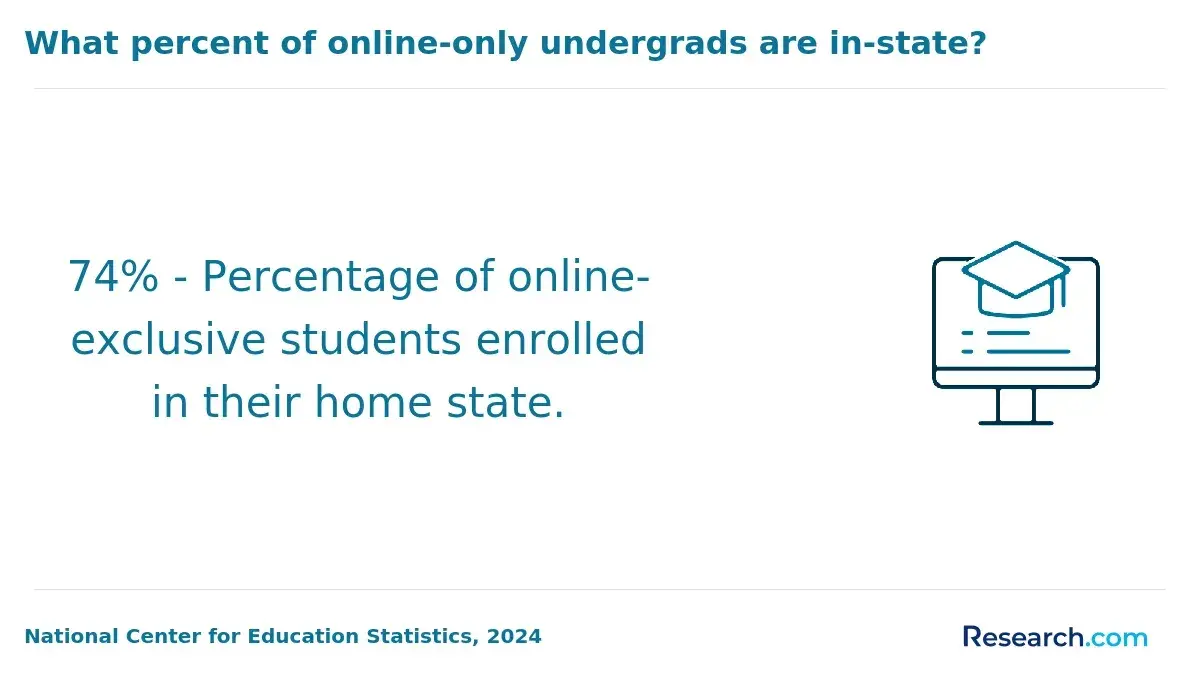
Management coursework is largely consistent whether completed online or on campus, with similar curricula, learning outcomes, and academic standards. Core topics like organizational behavior, finance, strategic planning, and leadership are covered across both formats, ensuring comparable knowledge acquisition. Students can expect to develop equivalent skill sets regardless of delivery mode, maintaining academic rigor throughout.
The main differences lie in how courses are delivered and experienced. Online programs use digital platforms for lectures, discussions, and assignments, providing greater scheduling flexibility but less spontaneous interaction with instructors and peers. On-campus students have more direct access to libraries, workshops, and networking events, while online learners often rely on virtual resources and remote support. Assessments such as quizzes and papers are similar, though practical elements like group projects or internships may require tailored approaches in online settings.
Management classes typically require students to dedicate between 12 to 20 hours per week. This time is generally divided among attending lectures, completing assigned readings, working on assignments, participating in group projects, and engaging in applied learning activities like case studies or simulations.
Lectures usually account for 3 to 5 hours weekly, whether held in person or online. Readings and review demand around 4 to 6 hours as students prepare to discuss and understand complex management topics. Assignments and individual coursework take about 3 to 5 hours more, including writing papers or analyzing business scenarios. Group projects often add 2 to 4 hours, emphasizing collaboration and problem-solving skills. Some courses may also include practicums or real-world projects that require additional time commitment.
Several factors influence this weekly time range for a management degree weekly hours. These include:
- Enrollment status: Full-time students often face higher weekly demands than part-time students, reflecting an increased course load.
- Course level: Upper-level or graduate management classes typically require more in-depth study and additional hours.
- Format: Online classes might offer scheduling flexibility but still require consistent effort to keep pace.
- Credit load: The number of credits per term directly impacts weekly hours, with more credits meaning more assignments and study time.
- Projects and practicums: Hands-on components usually add to total weekly commitments, providing practical experience but requiring extra work outside of lectures.
Those comparing time commitments for management classes may also want to explore options for the cheapest online psychology degree as a reference for flexible, affordable online program models.
Total credit hour requirements play a key role in determining how long a management degree program will take, the academic workload each semester, and effective graduation planning. These requirements differ depending on the degree level-undergraduate or graduate-and the specific program structure. Prospective students must understand the distribution of these credit hours to manage their studies and career timelines effectively.
Credit hours in a management degree program typically fall into several main categories, each contributing uniquely to the student's education and skill development:
- Core Coursework: This foundational part usually involves between 40 and 60 credit hours at the undergraduate level and focuses on essential topics like organizational behavior, strategic planning, finance, marketing, and operations management. Graduate programs build on this with 15 to 30 advanced credit hours emphasizing leadership and management theories.
- Electives: Elective courses offer flexibility, allowing students to tailor their degree with 20 to 40 credit hours at undergraduate levels directed toward areas like human resources, entrepreneurship, or international business. Graduate electives are fewer but more specialized, often ranging from 5 to 15 credit hours.
- Experiential Learning: Practical experience such as internships, practicums, capstone projects, or thesis work generally requires 6 to 12 credit hours. These components provide hands-on skills and real-world application, with graduate programs often demanding more intensive research or project involvement.
At the undergraduate level, completing a management degree generally requires between 120 and 150 credit hours. In comparison, graduate programs like a master's in management or an MBA usually require 30 to 60 credit hours depending on their format. Those interested in accelerating their studies might also explore an accelerated bachelor's degree online option. Knowing these management degree credit requirements allows students to plan efficiently, balance coursework, and meet graduation goals while understanding the scope of their academic commitment.
Management coursework plays a crucial role in preparing students for career readiness by equipping them with essential skills, knowledge, and practical experience that directly translate to the workplace. As demand for trained managers grows, with employment in management occupations projected to increase 8% from 2022 to 2032 according to the U.S. Bureau of Labor Statistics, effective preparation is vital for entering this dynamic field.
- Skill development: Management classes foster critical abilities such as problem-solving, communication, and decision-making. These skills form the foundation for managing teams and projects effectively in real-world business environments.
- Applied projects: Coursework often includes case studies and experiential learning opportunities that simulate workplace challenges. This practical approach allows students to apply theoretical concepts and develop hands-on competency.
- Strategic thinking and leadership: Students enhance their capacity for strategic planning and leadership, crucial for guiding organizations through complex scenarios and achieving goals.
- Industry tools and technologies: Many programs integrate training on current management tools and software, ensuring students are familiar with technologies they will use in their careers.
- Professional networking: Management degree coursework for career readiness frequently offers networking opportunities through group projects, seminars, and internships, helping students build valuable industry connections.
When asking your employer to pay for a management degree, it is important to approach the conversation professionally and clearly demonstrate the mutual benefits. Start by researching your company's tuition reimbursement policies or sponsorship programs to understand eligibility and requirements.
Next, prepare a proposal that outlines how the management courses will enhance your skills and directly contribute to your role and the organization's goals. Emphasize areas like leadership development, strategic planning, and project management, showing the practical advantages to your employer.
During the discussion, highlight your commitment to applying new knowledge immediately, and suggest a plan for sharing what you learn with your team. It also helps to present flexible options for balancing work and study, such as taking classes part-time or online.
To get started on your educational path, consider exploring different options such as an associate's degree, which can provide a strong foundation before pursuing advanced management studies.
Earning potential after graduation is closely tied to completing management coursework that cultivates essential skills and practical knowledge. Research indicates that graduates with focused management studies can earn about 10-20% more than those holding general business degrees, reflecting stronger job readiness and leadership capability. This enhanced preparation often translates into higher starting salaries and faster wage increases.
The following points outline how specific elements of management coursework contribute to improved salary prospects:
- Development of In-Demand Skills: Coursework hones leadership, critical thinking, and communication skills essential for supervisory and managerial roles. These abilities make graduates more competitive and eligible for higher-paying positions.
- Specialized and Advanced Courses: Classes in areas like supply chain management and financial analysis deepen technical expertise. This specialization attracts employers seeking candidates with targeted knowledge, boosting earning potential.
- Leadership and Management Training: Programs often emphasize strategic planning and organizational behavior, preparing students for decision-making responsibilities. Such training supports quicker promotion to management roles with increased compensation.
- Applied Learning Experiences: Practicums, internships, and capstone projects provide hands-on opportunities to apply classroom theories in real-world settings. These experiences enhance practical skills and make graduates more appealing to employers, often leading to better salary offers.
- Certification Preparation: Coursework that readies students for industry-recognized certifications, including Project Management Professional (PMP) or Certified Manager (CM), validates expertise. Holding these credentials typically results in higher wages and expanded career options.
Through comprehensive and targeted coursework, graduates strengthen their marketability and position themselves for improved financial outcomes and career advancement in management fields.
What Graduates Say About Their Management Degree Coursework
- Arnold: "I was pleasantly surprised by the affordability of the management degree program, which made pursuing higher education much more accessible for me. Taking the courses online gave me the flexibility to balance work and study, a combination that truly accelerated my career advancement. The practical skills I gained have been invaluable in my current leadership role."
- Avery: "The cost of the management degree required a thoughtful investment, but the on-campus experience was worth every penny. Engaging with professors and peers face-to-face enriched my learning and broadened my professional network significantly. This coursework laid a solid foundation that has helped me solve complex challenges in my business career. "
- Blanche: "Balancing cost and quality was key for me, and I found the management coursework offered an excellent return on investment. Completing the program online sharpened my time management and self-discipline, skills I apply every day as a project manager. The degree has clearly opened doors and set me apart in a competitive job market. "
Other Things You Should Know About Management Degrees
Yes. Many management curricula include at least one innovation or entrepreneurship course, often alongside strategic management and organizational behavior. Some programs require 3-credit capstone projects that ask students to develop new products, process improvements, or business plans using case-study methods and team presentations.
Eligibility requirements typically include a high school diploma or equivalent, standardized test scores, and sometimes relevant work experience. Specific prerequisites vary by institution, so it's essential to check individual program details for any additional requirements related to the management degree coursework in 2027.
- Why trust GlobalHealth Education? https://globalhealtheducation.com/au/resources/online-vs-on-campus-courses
- Master’s Thesis or Capstone Project? Which One Is the Right Choice for https://research-rebels.com/blogs/how-to-write-thesis/master-s-thesis-or-capstone-project-which-one-is-the-right-choice-for-you
- Management Degree Salary & Jobs Outlook | Masters MBA vs Bachelors https://www.businessstudent.com/careers/salary-outlook-management-degree/
- The Importance of Career Readiness in Education https://achievementcharter.com/blog/the-importance-of-career-readiness-in-education
- Bachelor in Management https://www.kozminski.edu.pl/en/programs/undergraduate-programs-bachelor/bachelor-management
- 7 Benefits of a Business Management Degree | University of Bridgeport https://www.bridgeport.edu/news/benefits-of-business-management-degree/
- Management - bachelor's degree - Wroclaw Business University https://wab.edu.pl/en/educational-offer/first-degree/management-bachelors-degree/
- What do you learn in a bachelor's in business management? | edX https://www.edx.org/resources/what-do-you-learn-in-a-bachelors-in-business-management
- What Is a Business Management Degree and What Can You Do With One? https://www.coursera.org/articles/business-management-degree
- Business Management Degree Salary https://www.northcentralcollege.edu/news/2021/10/27/business-management-degree-salary