2027 Does a Management Degree Require Internships or Clinical Hours?

Co-Founder and Chief Data Scientist
Many prospective students hesitate to enroll in a management degree due to uncertainty about mandatory internships or clinical hours. This concern is valid as 72% of management graduates participate in internships, which often influence job placement rates. Employers increasingly seek candidates with practical experience, blurring the line between academic theory and workplace readiness.
Understanding the role of internships or clinical hours helps students anticipate program demands and plan their careers effectively. This article, prepared by career planning experts, examines whether management degrees require such experiential components, clarifying their impact on program length, structure, and employment outcomes for future professionals.
Key Things to Know About Management Degree Internships or Clinical Hours
- Internships or practical experience are not always mandatory for management degrees but are strongly recommended to develop real-world leadership and business skills.
- Campus programs typically provide structured, supervised internships in corporate or organizational settings, while online programs offer flexible, remote options to suit student schedules.
- Completing practical experience may extend program duration slightly but enhances career readiness, with 68% of graduates reporting internships significantly improved their job prospects in management roles.
Does a Management Degree Require Internships or Clinical Hours?
Management degree internship requirements vary by program, with internships often being optional or strongly encouraged rather than universally required. Clinical hours in management programs are uncommon, as clinical experiences are mainly relevant in fields like healthcare or counseling. Instead, management programs focus on internships that provide practical exposure to real-world business settings, helping students develop skills in leadership, project management, and organizational operations.
Internships in management programs typically take place during the junior or senior years for undergraduates or during breaks in graduate studies. These opportunities help students apply classroom knowledge, build professional networks, and increase job market competitiveness by demonstrating practical competence.
Prospective students should consider how internships shape time commitments and career readiness when selecting a program. For those interested in accelerated education pathways, exploring EdD programs can offer additional options worth researching along with management degree internship requirements.
Are Internships Paid or Unpaid in Management Programs?
Management internships vary between paid and unpaid opportunities, and understanding this distinction is important for students balancing program costs and career readiness. Approximately 60% of management internships in the U.S. include compensation, reflecting a significant trend toward paid positions that support financial independence during studies.
The following points highlight key factors regarding paid internships in management degree programs and unpaid internship policies for management students:
- Payment structures: Many paid internships offer hourly wages or stipends, providing financial support that helps students manage living expenses while gaining practical experience.
- Influencing factors: Whether an internship is paid often depends on the organization's size, budget, the duration of the internship, and regional labor laws that regulate compensation.
- Value of unpaid internships: Unpaid internships can be valuable by offering academic credit, important hands-on experience, and networking opportunities crucial to professional growth.
- Accessibility considerations: Paid internships tend to be more accessible for students who must support themselves, making them a preferred option for those evaluating program costs alongside career benefits.
- Career planning impact: Choosing between unpaid and paid internships requires weighing time commitment and potential benefits, especially for management students navigating limited budgets or academic credit requirements.
Students interested in related fields might also explore affordable options through an online engineering degree program to balance career goals with financial planning.
What Is the Difference Between Internships or Clinical Hours in Management Degree Levels?
Recognizing how internship and clinical hour requirements differ by management degree level is essential for students shaping their academic and professional journeys. These distinctions influence time commitments, skill development, and readiness for various roles in the business world. Below is an overview of typical expectations across degree levels.
Each degree level offers distinct experiences regarding the balance between internships and clinical hours within management programs.
- Associate degrees: These programs focus primarily on foundational knowledge and generally do not require internships or clinical hours, allowing students to build essential skills before advancing.
- Bachelor's degrees: Internship requirements by level often include 100-300 hours spent in real business settings. These internships involve moderate supervision and emphasize applying theory to practical management tasks like project coordination and communication.
- Master's programs: Clinical hours versus internships in management programs become more nuanced here, with a focus on longer, strategic internships. Students often engage in leadership roles and complex projects demanding higher responsibility and independent problem-solving.
- Doctoral degrees: Clinical-like hours may be required, especially when programs emphasize research or specialized practice in organizational behavior or human services administration. These hours involve close supervision and contribute to specialized professional competency.
For students seeking flexible options within advanced business education, exploring EMBA online programs can also offer internship opportunities aligned with professional goals.
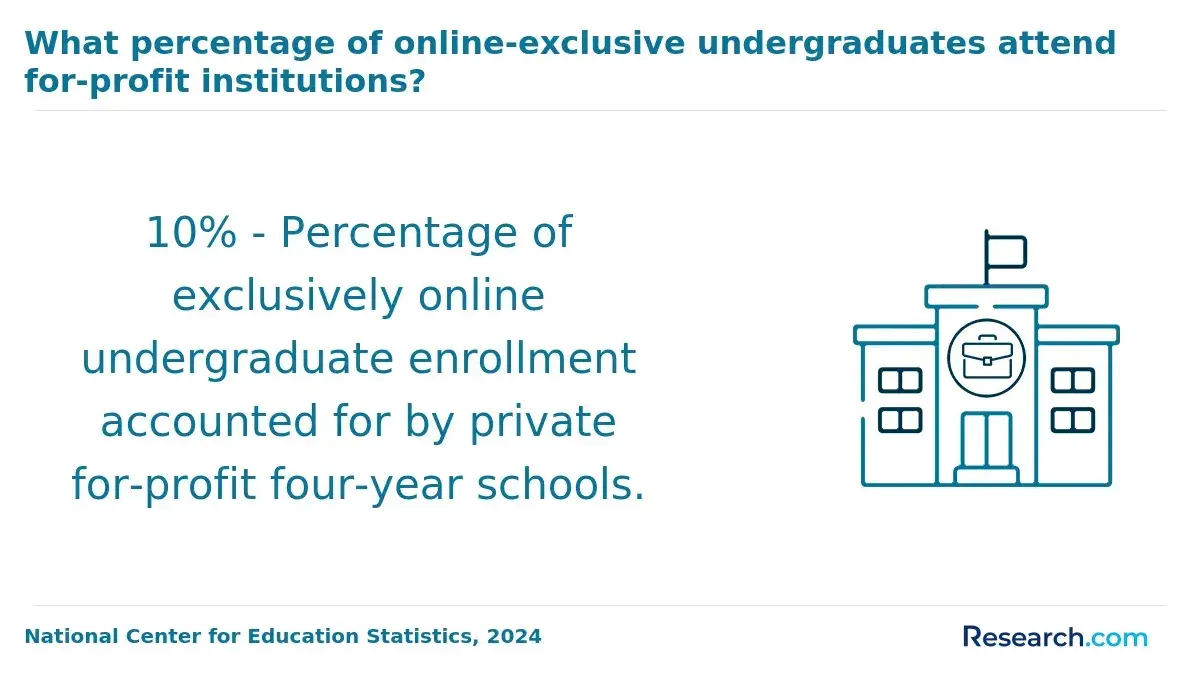
Breakdown of Private Fully Online Nonprofit Schools

Accelerated management programs incorporate internships or clinical hours by tightly aligning them with the condensed academic schedule. Unlike traditional formats that spread practical experiences over several semesters, these programs often embed internships during summer breaks, part-time alongside courses, or as credit-bearing projects integrated into the curriculum. The intensive pace demands careful coordination, ensuring students complete both their hands-on learning and coursework within a shortened timeframe without compromising academic standards.
To help students balance practical commitments with fast-paced coursework, many accelerated programs offer flexible options like remote internships or condensed clinical shifts. These adaptations support meeting professional and licensure requirements without extending program length. Partnerships with industry stakeholders further ensure internship relevancy. Notably, around 70% of students in accelerated management tracks engage in experiential learning opportunities, highlighting the importance of real-world skills in preparing graduates for competitive careers.
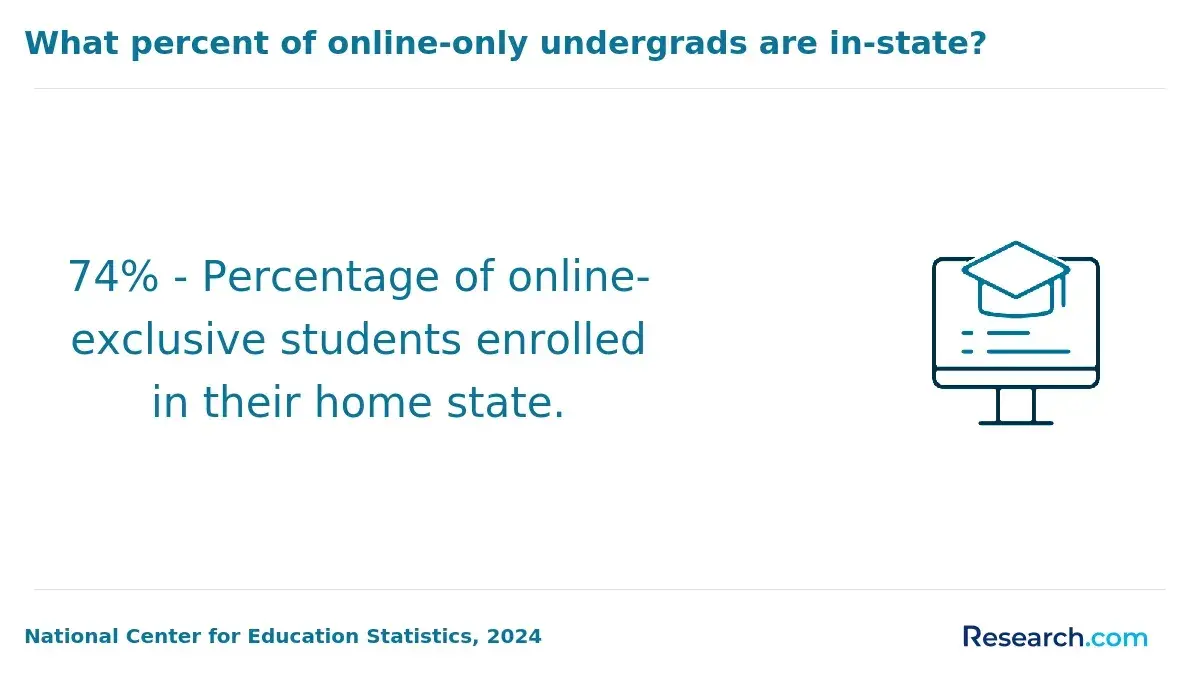
Internship or clinical requirements for online and on-campus management programs are largely comparable, with both emphasizing experiential learning to develop practical skills and career readiness. About 35% of business students enrolled online as of 2023, reflecting growing demand for flexible education options. Programs usually mandate defined hour requirements-typically between 100 and 300 hours-paired with supervised work experience and regular evaluations to ensure learning goals align with professional standards.
Where these program types differ is in the logistics of completing internships. Online students often enjoy greater flexibility, choosing placements near their residence or remote opportunities that accommodate varied schedules and locations. Meanwhile, on-campus students tend to have more direct access to local employers through university connections, which can influence internship availability and supervision styles. Both formats, however, maintain a focus on providing meaningful real-world experience to prepare students for management careers.
Choosing a specialization within management degree programs can significantly shape the internship or clinical hour requirements students must meet. These differences stem from the distinct focus areas and industry expectations tied to each specialization. For instance, fields like supply chain management or healthcare management often demand hands-on internships in operational or clinical settings to provide real-world experience.
A growing trend highlights that about 65% of students in applied management fields engage in internships, demonstrating employer preference for practical exposure. Such variations reflect the impact of management focus areas on internship length and intensity, with settings ranging from corporate offices to healthcare facilities depending on the specialization.
These varied internship demands influence student scheduling, workload, and career preparation. More intensive clinical or operational internships typically require longer commitments that may overlap with academic terms, challenging students to manage time effectively. Conversely, specializations with lighter internship requirements offer greater flexibility, enabling students to pursue part-time jobs or research activities alongside their studies.
Understanding management degree specialization internship requirements is key for students aiming to align their academic plans with career goals and real-world demands. For those exploring further educational opportunities with tailored practical experience, consider options such as fully funded EdD programs online.
Work experience can sometimes substitute for internship requirements in management degree programs, a common concern for students balancing jobs and studies. Acceptance hinges on factors like the relevance of the professional experience to management skills, the length of time worked, and the ability to provide employer verification.
Programs aimed at mid-career professionals or those with applied specializations are generally more flexible, allowing documented job roles to count toward internship credits. Conversely, programs with strict accreditation or those targeted at entry-level students typically maintain rigid internship mandates.
The decision to accept work experience often depends on specific program guidelines and institutional policies, which vary widely by school and degree level. For example, a seasoned project manager may qualify to replace internship hours due to demonstrated leadership and management duties, while others must complete formal internships. Students are advised to consult program advisors early to confirm if their work history can fulfill internship obligations and to understand any documentation requirements.
Internship and clinical rotation lengths are crucial for students balancing practical experience with academic progress; studies show that about 70% of management internships last near three months. These durations vary by program format, accreditation needs, and specialization, shaping how students engage with real-world environments.
Below are common timelines students can expect.
- Short-term internships: Typically lasting 4 to 6 weeks, these are often integrated into intensive summer programs or accelerated degrees. They offer concentrated exposure but may limit the scope of hands-on learning due to compressed schedules.
- Semester-long internships: Spanning 12 to 16 weeks, these align with academic semesters and provide more comprehensive opportunities to apply management concepts. Traditional programs often prefer this timeframe, fulfilling many accreditation requirements for experiential learning hours.
- Extended internships or clinical rotations: These can go beyond a single semester, sometimes lasting up to six months, particularly in specialized fields like healthcare administration or supply chain management. Such extended durations allow in-depth involvement but may require adjustments to academic timetables and greater time commitments.
Program design heavily influences these internship lengths. Accelerated management degrees usually mandate shorter, focused placements, whereas conventional programs may offer flexible schedules that accommodate longer rotations. Accreditation bodies often set minimum practical experience standards that determine total internship hours, impacting duration across different specializations within the management discipline.
Job placement outcomes are a top concern for prospective students investing time and resources in a management degree. A survey by the National Association of Colleges and Employers (NACE) found that nearly 60% of employers prefer candidates with prior internship experience, highlighting its value in the hiring process.
Below are key ways internships improve employment prospects after graduation.
- Employer preferences: Employers often see internships as proof of a candidate's ability to apply classroom knowledge in real-world environments, enhancing trust in their work ethic and readiness.
- Professional networking: Internships create opportunities to connect with industry professionals, building relationships that can lead to job offers or valuable references post-graduation.
- Skill development: Through hands-on tasks, students develop practical skills and problem-solving abilities that complement academic learning and increase job market competitiveness.
- Conversion rates: Many internships function as extended interviews, with employers frequently hiring interns into full-time roles, directly impacting job placement rates for management degree internships and job placement rates.
Although not all management degree programs require internships or clinical hours, they are increasingly incorporated into curricula or strongly recommended to boost graduate employability. Some programs without formal experiential requirements still emphasize applied learning to enhance student outcomes.
For students seeking flexible options, researching programs recognized as the easiest bachelor degree to get online may offer pathways to gain practical experience alongside education.
Hands-on experience can significantly affect starting salaries for management graduates, with a 2023 National Association of Colleges and Employers (NACE) survey finding an average 8% premium for those completing internships or practical training. This advantage reflects employer preference for candidates who demonstrate real-world application of their skills.
Several key factors contribute to this pay differential:
- Employer Valuation of Experience: Practical experience serves as proof of relevant skills and job readiness, making graduates more attractive to employers and often leading to higher starting offers.
- Negotiation Leverage: Candidates with internships typically have stronger bargaining power during salary discussions because their hands-on background suggests they can contribute sooner and require less onboarding.
- Industry Standards: Certain management sectors, such as healthcare or project management, routinely expect clinical hours or fieldwork, which become a baseline for compensation and career entry.
- Program and Specialization Differences: The value placed on internships can vary depending on whether the management program is accelerated, online, or traditional campus-based. Likewise, industries like technology and finance often prize experiential learning more than others that might emphasize certifications or interpersonal skills.
Graduates from management programs incorporating experiential learning components often find themselves more competitive in the job market, benefiting from both enhanced skills and increased employer confidence. This underscores the importance of selecting a program that aligns practical training with one's career aspirations and industry requirements.
What Graduates Say About Their Management Degree Internships or Clinical Hours
- Alvin: "Completing the internship requirement for my online management degree was both challenging and rewarding. The program was affordably priced compared to traditional campus options, letting me gain valuable real-world experience without breaking the bank. This internship truly accelerated my career growth by strengthening my practical skills and expanding my professional network. "
- Marinelle: "Reflecting on the internship portion of my management degree, I appreciated how the cost was reasonable, especially given the quality of opportunities provided. Navigating the internship remotely required strong self-discipline but it ultimately prepared me exceptionally well for the professional environment. It laid the foundation for my current management role where I apply what I learned every day. "
- Nerissa: "The online format of my management degree internship allowed me to tailor experiences to fit my schedule, which was a huge advantage. Despite the modest cost associated with the internship, the benefits far outweighed the expenses. Securing this internship was pivotal in launching my career, providing me with insights and connections that were indispensable. "
Other Things You Should Know About Management Degrees
In 2027, a wide range of organizations offer internships for management students. These include multinational corporations, nonprofit organizations, governmental agencies, startups, and consultancy firms. Many offer opportunities across various sectors like finance, marketing, human resources, and operations, providing students valuable industry experience.
Many management degree programs require students to complete certain foundational courses before beginning an internship. These prerequisites ensure that students have a basic understanding of key concepts like organizational behavior or financial management. This preparation helps maximize the learning and contribution potential during the internship.
Yes. Many management programs count internships for 1 to 6 academic credits, usually after a supervised placement and faculty approval. Schools often require a learning agreement, midpoint check-in, and final employer evaluation before awarding credit.
Remote internships have become increasingly available in management programs, especially following shifts toward online learning. They can offer flexibility and access to diverse companies that may not be local. However, remote internships require self-discipline and effective virtual communication skills to succeed.
- U.S. cMBA Program | Lilly https://careers.lilly.com/us/en/u.s.-cmba-program
- The importance of Internship and work experience for management college students https://www.accurate.in/article/mba/the-importance-of-internship-and-work-experience-for-management-college-students-/
- Paid vs. Unpaid Internships: What You Need to Know Before Applying https://absoluteinternship.com/blog/paid-vs-unpaid-internships-what-you-need-to-know-before-applying/
- How Long Are Internships? - Roots Interns https://www.rootsinterns.com/blog/how-long-are-internships/
- Is an Internship Required for a Healthcare Administration Degree? - Healthcare Administration Degree Programs https://www.healthcare-administration-degree.net/faq/is-an-internship-required-for-a-healthcare-administration-degree/
- Bachelor's degree in Management, specialization: Event organization specialist https://www.wsb-nlu.edu.pl/en/bachelor-s-degree-in-management-specialization-event-organization-specialist
- Importance of internships in management education - Mima Institute of Management https://www.mima.edu.in/blogs/importance-of-internships-in-management-education/
- How to Find an Internship While Pursuing an Online Business Degree https://www.aiuniv.edu/blog/2013/october/how-to-find-an-internship-while-pursuing-an-online-business-degree
- 90% of Employers Prefer to Hire Graduates Based on Real Work Experience Rather Than Education Background | Macau Business https://macaubusiness.com/90-of-employers-prefer-to-hire-graduates-based-on-real-work-experience-rather-than-education-background/