2027 Part-Time vs. Full-Time Management Degree Programs

Co-Founder and Chief Data Scientist
Deciding between part-time and full-time management degree programs can be challenging for students balancing work, finances, and academic ambitions. Nearly 40% of management students now choose flexible learning paths to accommodate professional responsibilities, highlighting the growing demand for adaptable education models. Understanding these options is key to making an informed decision tailored to individual circumstances.
This article explores the main differences between part-time and full-time management studies, focusing on workload, duration, and career impact. By examining these factors, readers can better evaluate which format aligns with their goals and lifestyle, ensuring a strategic approach to advancing their management expertise.
Key Benefits of Part-Time vs. Full-Time Management Degree Programs
- Part-time programs allow students to maintain full-time employment, facilitating immediate application of management concepts and enhancing career growth while studying.
- They offer greater financial flexibility by spreading tuition costs over a longer period, reducing the need for large loans or financial strain.
- Part-time study supports better work-life balance, allowing students to manage family, professional, and academic responsibilities simultaneously without overwhelming time commitments.
How Are Part-Time Management Programs Structured Compared to Full-Time Programs?
Choosing between part-time and full-time management degree formats requires understanding how program structures impact students' learning pace and overall academic experience. Scheduling differences significantly influence how learners balance coursework with other responsibilities, shaping their educational journey.
Part-Time Program
- Course Load: Students enroll in 6-9 credits per term, easing weekly academic demands.
- Weekly Time Commitment: Around 12-15 hours per week are dedicated to coursework, enabling better balance with work or family.
- Scheduling Flexibility: Classes are often offered evenings or weekends to accommodate working professionals' schedules.
- Online/Hybrid Availability: Many programs provide hybrid or fully online options, allowing study from any location.
Full-Time Program
- Course Load: Typically involves 12-18 credits each term, requiring a heavier academic focus.
- Weekly Time Commitment: Students spend approximately 30-40 hours weekly on coursework and related activities.
- Scheduling Flexibility: Primarily daytime classes with a consistent weekday schedule encourage immersion.
- Campus Engagement: Greater access to campus resources, group projects, and in-person networking opportunities.
For those uncertain which structure matches their lifestyle, exploring options for quick bachelor degrees can provide insight into flexible pathways. Understanding the part-time vs full-time management degree structure and a detailed comparison of management program formats help professionals decide the best route for advancing their careers while maintaining commitments outside school.
How Long Does It Take to Earn a Part-Time vs Full-Time Management Degree?
Understanding the time to complete a part-time management degree versus full-time study is essential for students planning their academic and career timelines. The duration impacts how quickly one can enter or advance in the workforce while balancing other commitments.
Typical durations vary by program and enrollment status:
- Full-time duration: Undergraduate management programs usually take two to four years, while master's degrees generally require one to two years. Most full-time bachelor's students complete their studies within four years, and graduate students often finish in two.
- Part-time duration: Part-time programs extend this timeline, with undergraduates taking approximately five to six years and master's students around three to four years. This format suits working professionals needing flexibility but results in fewer courses per semester.
- Influencing factors: Course load, availability of accelerated or weekend classes, transfer credits, and program-specific requirements can shorten or lengthen completion times.
For those seeking an easy online masters degree, exploring program structures and duration can help identify options that align with both personal and professional goals.
Considering the duration of full-time management degree programs alongside part-time options is vital for making an informed decision that fits individual needs.
Are Admission Requirements Different for Part-Time vs Full-Time Management Programs?
Admission requirements for part-time and full-time management programs do differ in several respects, reflecting their distinct student populations and educational aims. While both formats share core criteria, variations exist in academic expectations, work experience, and standardized testing policies.
- GPA Expectations: Full-time management programs usually require a minimum cumulative GPA of around 3.0 or higher, emphasizing strong academic performance. Part-time programs tend to be more flexible, accommodating those who may have work commitments impacting their studies.
- Prerequisite Coursework: Candidates for full-time programs often must complete foundational courses in economics, statistics, or accounting before admission. Part-time programs may offer remedial or bridge courses to support working professionals who lack some prerequisites.
- Professional Experience: Relevant work experience is valued more in part-time management programs, typically requiring three to five years to ensure practical engagement during the studies. Full-time programs often focus on academic credentials and accept applicants with less or no experience.
- Standardized Tests: Both program types commonly require GMAT or GRE scores. However, many part-time programs waive these requirements for applicants with substantial professional experience or advanced degrees, increasing accessibility.
- Supporting Documents: Letters of recommendation and personal statements are important to both, but part-time programs emphasize career goals and employer support, reflecting their integration with professional life.
Prospective students interested in exploring flexible degree options may also consider doctorate programs without dissertation as an alternative path.
Focusing on admission requirements for part-time management programs helps working professionals identify suitable programs, while understanding full-time vs part-time management program admissions clarifies key differences in candidate profiles and expectations.
Tuition expenses for part-time and full-time management degree programs differ mainly due to variations in enrollment pace and cost models. Full-time students often face higher upfront costs, either through flat semester rates or per-credit charges that add up quickly.
In contrast, part-time learners pay by credit but spread payments over more terms, which can increase total spending over time.
- Tuition Structure: Full-time tuition is commonly billed as a lump sum for a semester or per credit, resulting in significant immediate expenses. Part-time enrollment typically uses per-credit billing, requiring payment each term but over an extended period.
- Total Cost: Although the per-credit rate for part-time students might be similar or slightly higher, the prolonged schedule and extra fees can push total costs 10-30% above full-time programs.
- Additional Fees: Part-time students may encounter higher administrative or technology fees, increasing overall tuition beyond base per-credit rates.
- Financial Aid: Funding opportunities are usually more accessible for full-time students, who benefit from scholarships and grants, whereas part-time students often depend on employer assistance and have limited federal aid options.
Part-time management degree programs generally provide more online and hybrid course options than full-time programs. This flexibility helps working professionals balance their jobs and studies.
Below are key factors explaining how each format typically structures course delivery:
- Program Design: Part-time degrees often feature asynchronous online modules allowing students to complete about 60% or more coursework remotely, with remaining sessions held in hybrid or evening on-campus formats. Full-time programs prioritize immersive, face-to-face experiences, limiting online options.
- Institutional Policies: Universities emphasize flexible access in part-time tracks to accommodate working adults, while full-time enrollment policies favor traditional classroom attendance to foster in-person networking and collaboration.
- Student Demographics: Part-time students tend to be older and employed full-time, increasing demand for online convenience. Full-time cohorts are usually younger, often preferring or expecting daytime, campus-based formats.
- Delivery Tailoring: Part-time offerings are customized to fit nontraditional schedules with a blend of online and hybrid classes, whereas full-time programs have fewer hybrid options and mostly daytime classes.
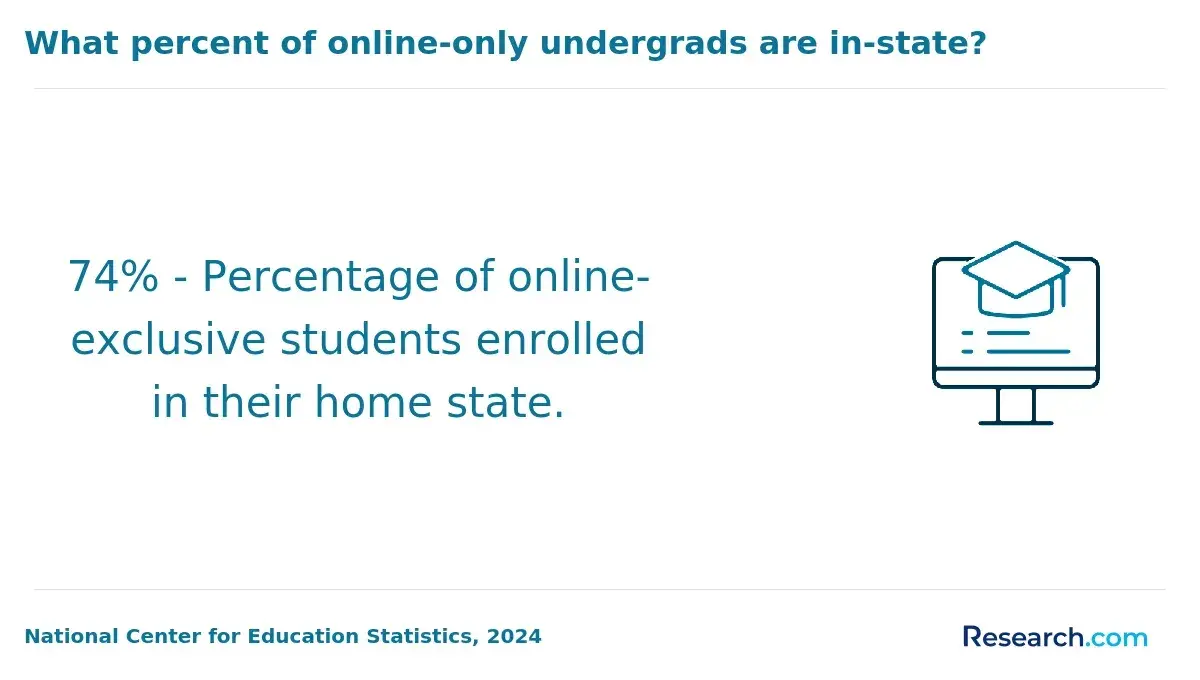
According to data from the National Center for Education Statistics, nearly 70% of part-time graduate students in management take at least half their classes online, compared to around 40% of full-time students.
Most institutions do allow management students to switch between part-time and full-time enrollment, but doing so requires following certain policies. Typically, students must submit a formal request or fill out an enrollment change form, usually needing approval from an academic advisor or program coordinator. These policies often require students to be in good academic standing before making the switch. It's important to consider how changing enrollment status might impact financial aid eligibility, since many awards demand maintaining full-time credit loads. Students should also weigh how switching could affect course scheduling and overall workload.
Many schools restrict enrollment changes based on course availability, as some classes may only be offered during specific terms or be reserved for full-time students. Transitioning to full-time study can shorten the time to graduate but may increase stress and workload, while switching to part-time offers more flexibility at the cost of a longer program duration. Advisors often guide students through these decisions, balancing academic progress with personal and financial factors.
Delivery format plays a major role in shaping a student's learning experience, significantly affecting scheduling flexibility and workload management. The level of flexibility differs notably between part-time and full-time study, with each format presenting unique benefits and challenges depending on the learner's commitment.
- Scheduling flexibility: Online formats offer the greatest adaptability, allowing part-time students to balance work and study through asynchronous lectures, while full-time students can accelerate their pace. Hybrid vs campus management learning formats provide a blend of scheduled on-campus sessions and online work; this hybrid approach may be challenging for part-time learners but is generally more manageable for full-time students. On-campus delivery follows fixed class times, favoring full-time students who have more availability.
- Workload management: Full-time students handle heavier workloads best in on-campus and hybrid formats, benefiting from direct interaction and immediate support. Part-time students tend to prefer online courses, enabling them to pace their workload over weeks or months. Data from the National Center for Education Statistics shows about 60% of part-time students choose online or hybrid formats to manage professional responsibilities effectively.
- Accessibility: Online programs greatly improve access for part-time learners who live far from campuses or have unpredictable schedules. Hybrid models reduce travel frequency but still require some physical presence, affecting accessibility for part-time students. Full-time learners are generally less affected across formats thanks to their greater time commitment and ability to commute or relocate.
- Learning pace: Online delivery allows self-paced learning, which benefits part-time students needing more time for assignments. Full-time students thrive with the structured pace found in campus or hybrid formats, promoting immersive learning and faster program completion. According to the Graduate Management Admission Council, full-time MBA students typically finish in two years, whereas part-timers may extend to three to five years, especially in online or hybrid programs.
- Student support: On-campus programs often provide robust support services and networking opportunities that advantage full-time students. Although online and hybrid formats are expanding digital support, part-time learners sometimes experience fewer live interactions and slower feedback. Research indicates that part-time students in online management degree programs face higher dropout rates without strong institutional engagement.
Choosing the right delivery format depends on balancing personal schedules, professional responsibilities, and learning preferences. Prospective students can explore options among the best and most affordable online colleges to find flexible programs suited to their needs.
Employers often show a preference for full-time management degrees over part-time ones due to the perceived rigor and focused commitment involved. Full-time programs, typically completed in two years, are seen as demonstrating strong time management and dedication, qualities highly valued in fast-paced work environments. According to a 2022 survey by the Graduate Management Admission Council (GMAC), 68% of hiring employers favored candidates from full-time MBA programs, emphasizing the intensive nature of these studies.
However, employer preference for full-time management degrees can vary by industry and specific job requirements. Candidates' ability to showcase relevant professional experience alongside academic achievement also plays a crucial role in hiring decisions.
The part-time versus full-time management degree employer views differ significantly across sectors. Consulting and finance fields generally prefer graduates from full-time programs because of the immersive training and networking they provide. In contrast, healthcare management and technology industries increasingly value part-time degrees that allow students to continue working while studying, integrating real-world skills with academic learning.
This balance can highlight multitasking prowess and current industry knowledge. For those exploring advanced education, considering universities that offer double degrees may also provide additional opportunities to stand out in competitive job markets.
Return on investment (ROI) is a crucial factor for students deciding between part-time and full-time management degree programs. ROI weighs the overall expenses of earning the degree-including tuition, fees, and income lost while studying-against the financial rewards after graduation, such as salary increases and faster career growth.
Full-time programs usually entail higher tuition paid upfront and require students to pause their employment, leading to significant opportunity costs. Conversely, part-time programs enable students to continue working, which lessens income loss but often extends time to complete the degree.
Both formats have different impacts on the total cost and long-term earnings potential.
- Full-time: Involves higher upfront tuition and no salary during study, but graduates often experience quicker salary growth and leadership advancement post-graduation.
- Part-time: Allows earning income while enrolled, reducing opportunity costs, though completion takes longer and immediate salary gains tend to be more modest.
Choosing the appropriate program format is essential to balance academic ambitions, career paths, and personal life effectively. Selecting between full-time and part-time study can significantly impact your experience and outcomes.
- Time availability: Full-time programs demand around 40+ hours weekly and usually finish within one to two years. Part-time options extend across three to five years, allowing you to work while studying.
- Financial resources: Full-time students often pause earning to focus on studies, which may speed up career advancement. Part-time study helps maintain income but might slow degree completion.
- Career goals: Rapid skill development or career changes align with full-time study. Part-time suits those deepening expertise without interrupting their job trajectory.
- Learning style: Full-time learners may prefer immersive environments, whereas part-time students benefit from flexible scheduling, often through evening or online classes.
- Program duration: Shorter completion with full-time study versus extended timelines in part-time options influences your long-term plans.
- Flexibility: Part-time programs generally offer more adaptable course formats to accommodate diverse daily commitments.
What Graduates Say About Their Part-Time vs. Full-Time Management Degree
- Apollo: "Pursuing a full-time management degree was an intense but incredibly rewarding journey. The comprehensive curriculum allowed me to deepen my knowledge quickly, and despite the higher cost, averaging around $25,000 annually, it was a worthwhile investment for my accelerated career growth. Today, I lead a dynamic team and credit my success to the strong foundation built during my studies."
- Aldo: "Enrolling in a part-time management program balanced perfectly with my job and family responsibilities. The flexible schedule meant I could learn effectively without sacrificing income, and the average cost of about $15,000 made it feel like a smart financial decision. Reflecting on this experience, I appreciate how it expanded my professional network and opened doors to promotion opportunities."
- Micah: "The decision to pursue a management degree full-time gave me the chance to fully immerse myself in learning and professional development. Although the expense was significant, approximately $22,000 per year, the skills and confidence gained far outweighed the cost. It's been a transformational chapter in my life, both personally and career-wise, equipping me to handle complex challenges with poise."
Other Things You Should Know About Management Degrees
Part-time management programs typically provide many of the same specializations as full-time programs, such as finance, marketing, or human resources. However, some niche or advanced specializations might be less accessible due to scheduling constraints or lower demand among part-time cohorts. Prospective students should examine the curriculum closely before enrolling.
Yes, if the receiving school approves the coursework and the grades meet its transfer policy, usually a minimum of C or 2.0 on a 4.0 scale. Many programs cap transfers at 30 to 60 credits, and accredited AACSB, ACBSP, or IACBE courses are accepted most often.
- Full-time vs Part-time M.B.A: Which is Right For You? https://www.stjohns.edu/news-media/johnnies-blog/full-time-vs-part-time-mba-which-right-you
- Flexible Hybrid Learning Models | Higher Education Strategy https://edutech.global/flexible-hybrid-learning-models-in-higher-education/
- Full-time vs. part-time MBA: Which one is right for you? | Fortune Education https://fortune.com/education/articles/full-time-vs-part-time-mba-which-one-is-right-for-you/
- From part time to full time or vice versa https://student.uva.nl/en/information/from-part-time-to-full-time-or-vice-versa
- Part-Time vs. Full-Time MBA Programs: Key Differences https://www.investopedia.com/articles/personal-finance/010915/parttime-versus-fulltime-mba.asp
- MBA part-time https://www.munich-business-school.de/en/l/guide/mba-part-time
- Part-Time vs. Full-Time MBA Programs: Pros, Cons, and How to Decide | Leland https://www.joinleland.com/library/a/part-time-mba
- MBA Cost: The Total Investment for Business School https://menlocoaching.com/mba-applications-and-admissions-guide/mba-cost/
- Bentley Part-Time Vs. Full-Time MBA Programs: An In-Depth Comparison https://www.bentley.edu/news/part-time-vs-full-time-mba-programs-depth-comparison
- Part-Time vs Full-Time MBA: Key Differences Explained https://www.upgrad.com/blog/part-time-vs-full-time-mba/