2027 Best Value Online Adult Gerontology Acute Care Nurse Practitioner Master's Degrees: Affordable Accredited Programs with the Highest ROI

Co-Founder and Chief Data Scientist
Choosing an online adult gerontology acute care nurse practitioner master's degree requires balancing affordability, accreditation, and career return on investment. With over 40% of graduate nursing students enrolled in online programs, according to the National Center for Education Statistics, the demand for flexible, credible education paths is clear. Such programs must not only fit diverse schedules but also align with workforce needs and employer expectations for advanced practice roles. This guide helps prospective students navigate this complex landscape, spotlighting programs that deliver the most value in cost, quality, and career mobility-key factors before investing significant time and resources in graduate study.
Key Things to Know About the Best Value Online Adult Gerontology Acute Care Nurse Practitioner Master's Degrees
- Affordable programs often require tradeoffs in clinical placement support, demanding proactive students to secure high-quality internships that meet accreditation but affect timely graduation.
- Accreditation from recognized bodies ensures curriculum alignment with employer expectations, crucial for licensure and seamless workforce entry amid rising AGACNP demand projected by the Bureau of Labor Statistics.
- Flexible online formats responding to increased adult learner enrollment facilitate part-time study but extend total program duration, impacting immediate return on investment and income continuity during training.
What Are the Best Value Online Adult Gerontology Acute Care Nurse Practitioner Master's Programs in the U.S.?
Best value in online adult gerontology acute care nurse practitioner master's programs involves a critical balance of tuition affordability, rigorous accreditation, strong graduation rates, and meaningful salary gains post-graduation. Prospective students must weigh these factors against each other, as a lower sticker price is less advantageous if the program's credentials limit employment prospects or if program rigidity hinders timely completion. For instance, a working nurse in a regional hospital may choose a mostly asynchronous program to maintain shift work while pursuing the degree, accepting a slightly higher cost in exchange for the flexibility that preserves income and work-life balance. Conversely, those targeting rapid ROI might invest more in programs with proven alumni salary lifts and robust clinical networks that increase employment in high-demand acute care settings.
Below are five fully online adult gerontology acute care nurse practitioner master's programs arranged by tuition cost. Each represents a credible option combining accessibility, accreditation, and practical delivery suited for diverse student circumstances:
- Institution: University of Texas at Arlington
- Tuition: Approximately $26,000
- Delivery Format: Primarily asynchronous with occasional synchronous sessions
- Differentiator: Texas public university with a high post-graduation employment rate in acute care facilities across the state
- Institution: University of Massachusetts Amherst
- Tuition: Approximately $34,000
- Delivery Format: Fully asynchronous
- Differentiator: Emphasizes evidence-based practice with strong clinical preceptor network in the Northeast region
- Institution: University of South Alabama
- Tuition: Approximately $38,000
- Delivery Format: Mix of synchronous and asynchronous learning
- Differentiator: Community health focus combined with acute care specialization supports diverse clinical placements
- Institution: Duke University
- Tuition: Approximately $48,000
- Delivery Format: Mostly asynchronous with scheduled live intensives
- Differentiator: Top-tier private institution with extensive alumni network and high average salary increase reported by graduates
- Institution: Rush University
- Tuition: Approximately $52,000
- Delivery Format: Primarily synchronous with cohort-based learning
- Differentiator: Strong urban hospital partnerships in Chicago provide rich acute care clinical experiences
- Accreditation: All listed programs hold CCNE or ACEN accreditation ensuring recognized academic standards.
- Graduation Rates: Range from 70% to 85%, reflecting solid completion support amid working adult populations.
- Salary Lift: Graduates report 20%-40% increases in median salaries compared to pre-master's nursing roles.
- Data Sources: Figures are derived from integrated datasets including IPEDS and institution-reported data for the 2023-24 academic year.
For those specifically exploring financial considerations in advanced nursing degrees, it is also worthwhile to compare these master's options with the cheapest DNP programs online, as a Doctor of Nursing Practice degree may provide different employment trajectories and salary outcomes relevant to adult gerontology acute care specialists.
What Accreditations Should an Online Adult Gerontology Acute Care Nurse Practitioner Master's Program Have?
Choosing an online adult gerontology acute care nurse practitioner master's program without scrutinizing its accreditation can lead to costly setbacks, from lost credits to limited job prospects. Employers and certifying bodies increasingly require credentials tied to recognized accreditations, making institutional legitimacy a critical factor in long-term career success.
The accreditation framework for these graduate programs operates on two distinct levels. Institutional accreditation must come from one of the seven established regional accrediting agencies such as the Higher Learning Commission (HLC) or Southern Association of Colleges and Schools Commission on Colleges (SACSCOC). This level is the foundation that ensures eligibility for federal financial aid, acceptance of transfer credits, and baseline employer recognition. Without regional accreditation, graduates risk having their degrees undervalued or disqualified by certifying boards and hiring organizations.
Programmatic accreditation is equally vital and applies specifically to nursing specialties, including the adult gerontology acute care nurse practitioner field. Accreditation from the Commission on Collegiate Nursing Education (CCNE) or Accreditation Commission for Education in Nursing (ACEN) demonstrates that the curriculum, clinical training, and faculty expertise meet rigorous professional standards focused on nursing practice quality and relevance. Selecting a program with only generic or national accreditation bodies, or those lacking Department of Education recognition, can hinder eligibility for certification exams and reduce employability.
To avoid these pitfalls and confirm a program's credibility, prospective students should ask admissions representatives these targeted questions:
- Institutional Accreditation: Is your institution regionally accredited by a recognized agency?
- Programmatic Accreditation: Does the adult gerontology acute care nurse practitioner master's program hold accreditation from CCNE or ACEN?
- Verification: Can I verify your accreditation status through publicly accessible official databases?
- Credit Transfer: Are credits from your program transferable to other regionally accredited schools?
How Much Does an Online Adult Gerontology Acute Care Nurse Practitioner Master's Degree Cost on Average?
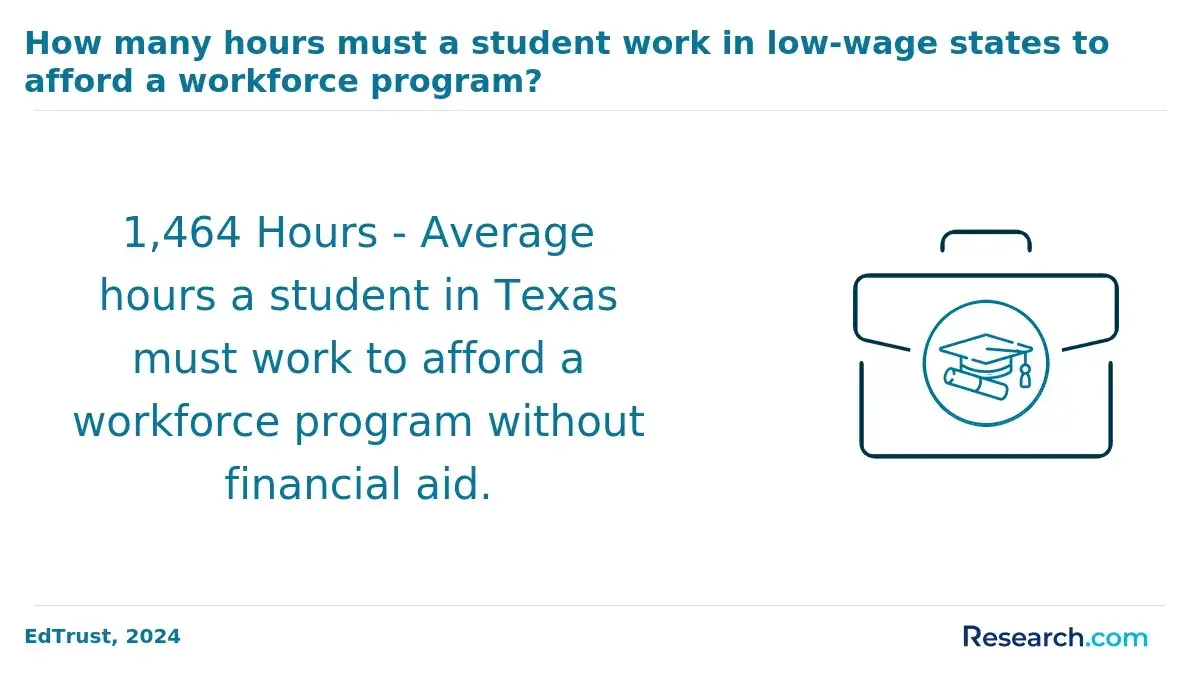
Online adult gerontology acute care nurse practitioner master's degree programs vary significantly in cost, with total tuition commonly ranging from moderate to high depending on institutional type. Public universities typically offer lower total program costs and per-credit-hour rates compared to private nonprofit schools, reflecting differences in funding and pricing strategies reported through IPEDS and institutional websites. These financial distinctions can influence a working professional's decision, especially when weighing affordability against program reputation and employer recognition in a competitive healthcare landscape where credential scrutiny impacts career trajectory.
- Total Program Cost: Public university programs generally fall at the lower end of the cost spectrum, while private nonprofits tend to charge higher tuition overall, though many online programs provide flat-rate tuition regardless of residency status, mitigating traditional in-state/out-of-state cost disparities.
- Per-Credit-Hour Cost: Rates per credit hour vary, with public schools often more affordable due to state subsidies; private institutions' higher costs reflect their operational models and scope.
- In-State vs. Out-of-State Tuition: While some public universities differentiate online tuition by residency, an increasing number apply uniform tuition to all online learners, simplifying cost expectations for out-of-state candidates.
- Additional Fees: Beyond tuition, students must budget for mandatory fees such as technology access, library services, thesis or capstone project charges, and proctoring fees, which together can add substantially to total expenses.
- Residency Requirements: Although most online adult gerontology acute care nurse practitioner master's programs minimize or waive on-campus obligations, a subset still requires short in-person residencies or clinical orientations that introduce added travel and lodging costs.
Given the average tuition and fees for online adult gerontology acute care nurse practitioner programs, first-generation graduate students and career changers should critically assess total costs versus expected credential value and market demand. Practical considerations include whether a program's price aligns with realistic post-graduation salary expectations, especially amid growing pressures within healthcare employment to balance advanced qualifications against financial investment. For those exploring cost-effective pathways, understanding these cost nuances can avoid unforeseen expenses and optimize return on investment.
Those navigating salary research related to healthcare roles are encouraged to review data on certified medical coder salary as comparable roles in the broader allied health spectrum provide context for income potential and career planning beyond purely clinical credentials.
What Is the Return on Investment (ROI) of an Online Adult Gerontology Acute Care Nurse Practitioner Master's Degree?
The financial return on investment (ROI) of earning an online adult gerontology acute care nurse practitioner master's degree hinges on balancing program costs with realistic salary gains. Evaluating ROI involves subtracting the total cost of education from the expected post-degree salary increase, then dividing by the cost to express either as a percentage or in years required to recoup the investment. Typical salaries before specialization hover near $90,000 annually, while post-degree figures often range between $115,000 and $130,000 or more, depending on various workforce variables.
Costly programs-often priced between $20,000 and $60,000-mean the payback period may stretch from just over two to five years. Several factors shape these outcomes:
- Experience: Practitioners with stronger clinical backgrounds tend to negotiate higher starting salaries and faster career progression, improving cost recovery speed.
- Institution Reputation: Employers frequently prioritize graduates from well-known programs, which can influence hiring and salary levels.
- Regional Demand: Locations facing acute care provider shortages might offer premium wages, shortening ROI timelines.
- Specialization: Selecting subspecialties or overlapping fields may create competitive advantages or affect employment prospects.
Beyond pure financial metrics, the degree often enhances access to leadership positions, job security, and flexible career mobility-non-monetary returns that matter in a volatile healthcare market.
One graduate recalled delaying enrollment due to uncertainty about admission timelines during rolling starts. They hesitated to apply early without full clarity on prerequisites and preferred scheduling but eventually committed after receiving detailed program guidance. This cautious approach meant missing an initial intake but ultimately allowed better preparation and confidence in managing work-life balance while studying. Their experience highlights the importance of timing and research when weighing the degree's value and managing potential opportunity costs amid application delays.
What Are the Admission Requirements for an Online Adult Gerontology Acute Care Nurse Practitioner Master's Program?
Admission to online adult gerontology acute care nurse practitioner master's programs demands more than minimum academic qualifications; it reflects a balance of measurable competencies and professional readiness critical for clinical roles in complex healthcare environments. For example, an applicant with a GPA slightly below 3.0 may still gain admission if they provide strong evidence of clinical skill and motivation, but weaker academic indicators can limit options among more competitive programs.
- Undergraduate GPA: Programs generally expect a baseline of about 3.0 on a 4.0 scale, though exceptions exist depending on the institution's selectivity and applicant pool.
- Letters of Recommendation: Most programs require two to three letters, ideally from nursing supervisors or healthcare faculty who can attest to clinical aptitude and professional character-this qualitative input often influences decisions as much as academic metrics.
- Statement of Purpose: A focused essay that links the applicant's prior experience with their motivation for specializing in adult gerontology acute care serves to differentiate candidates exhibiting clarity of purpose and career planning.
- Resume or CV: Documenting relevant clinical experience and certifications is essential, demonstrating readiness for rigorous graduate-level practice rather than theoretical knowledge alone.
- Prerequisite Coursework: Foundational classes in anatomy, pathophysiology, pharmacology, and related STEM areas are typical prerequisites, reflecting the technical demands of acute care nursing. Applicants lacking these may face remedial requirements or denial.
Standardized Tests: While GRE or GMAT scores are increasingly optional, programs with a strong quantitative focus may still require test results or alternative evidence of quantitative skills, influencing admission competitiveness.
Given the variability in standards and the specialized nature of the field, prospective students should strategically apply across a spectrum of programs-balancing reach, match, and safety schools-to optimize admission chances and align with both financial and career objectives.
What Is the Minimum GPA Requirement for a Adult Gerontology Acute Care Nurse Practitioner Master's Program?
Negotiating the difference between minimum eligibility GPA and competitive GPA is essential for applicants to realistically assess their chances. Programs publishing both metrics allow students to understand that meeting the floor does not assure admission, especially given the growing demand across healthcare systems for well-prepared clinicians. Furthermore, many programs offer GPA waiver policies allowing applicants to substitute demonstrated professional expertise, portfolios, or standardized test scores, recognizing the practical value of clinical experience over grades alone.
- Competitive GPA: Commonly 3.2 or higher in more selective programs, indicating stronger likelihood of admission.
- GPA Waivers: Offered by some programs to applicants who substitute professional experience, portfolios, or standardized tests for GPA criteria.
- Conditional Admission: Possible for students below GPA thresholds if compensated by clinical experience or other credentials.
- Holistic Review: GPA is one factor among many, with programs assessing overall candidate potential beyond grades alone.For students exploring educational pathways that align affordability with academic rigor and career ROI, foundational preparation through reputable credentials such as ASN online programs can be pivotal stepping stones to these master's degree programs.
Minimum GPA Range: Typically between 2.75 and 3.0 at many accredited online programs, setting the baseline for consideration.
Applicants falling below standard GPA thresholds may still gain conditional or provisional admission if they can compensate with strong work histories, relevant certifications, or exceptional letters of recommendation. This flexibility reflects workforce realities where clinical competence and patient care aptitude weigh heavily alongside academic records. Prospective students should view GPA as one dimension within a holistic admissions review, which balances academic achievements with practical readiness and program fit.
What Financial Aid Options Are Available for Online Adult Gerontology Acute Care Nurse Practitioner Master's Students?
Financial aid decisions for online adult gerontology acute care nurse practitioner master's students often force balancing speed and thoroughness amid a competitive funding environment. Federal loans remain the primary source yet come with distinct tradeoffs: Direct Unsubsidized Loans provide a baseline borrowing option, while Graduate PLUS Loans offer higher limits but demand credit approval and carry steeper repayment implications. Many first-generation applicants are caught off guard by the unavailability of federal grants like Pell Grants at the graduate level, which constrains no-cost funding possibilities.
- Federal Loans: Include Direct Unsubsidized and Graduate PLUS Loans accessible through the FAFSA, with repayment and credit considerations shaping borrowing decisions.
- FAFSA Process: The Student Aid Index now replaces Expected Family Contribution, which affects eligibility; submitting early is crucial to widen available aid options.
- Institutional Scholarships and Fellowships: Vary in scale and timing, requiring targeted research for merit- or need-based awards specific to adult gerontology acute care nurse practitioner programs.
- Employer Tuition Reimbursement: Can offset substantial costs if employers offer it, though policies often restrict eligibility and require continued employment.
- Graduate Assistantships: Some online programs offer these roles, trading work for stipends or tuition waivers, but such positions remain relatively rare.
- Professional Association Scholarships: Targeted awards tied to the specialty offer promising but competitive funding avenues.
To optimize aid, applicants should apply promptly to capture early funds, aggressively seek discipline-specific scholarships beyond institutional offerings, negotiate financial aid packages directly with program offices, and explore applicable state grant programs designed for graduate learners.
One graduate recalled submitting her FAFSA late into the application cycle, initially unsure if she would receive any aid. With rolling admissions and competitive scholarship deadlines, the delay caused stress and uncertainty. She strategically followed up with the financial aid office while simultaneously applying for employer reimbursement and a professional association scholarship. Though the process was fragmented and required persistence, early proactive engagement with multiple aid sources ultimately reduced her out-of-pocket burden, highlighting the necessity of timing and informed negotiation amid complex funding landscapes.
How Long Does It Take to Complete an Online Adult Gerontology Acute Care Nurse Practitioner Master's Degree?
Choosing an online adult gerontology acute care nurse practitioner master's program requires realistic expectations about the time commitment involved, especially when balancing employment and personal life. Full-time study typically leads to completion within 18 months to 2 years, allowing for a concentrated immersion in clinical and academic content that aligns with employer expectations. Part-time students, who constitute the majority of online enrollees, often take 2.5 to 4 years, reflecting the practical reality of managing coursework alongside ongoing professional and family obligations. This extended timeline can influence how soon graduates enter or advance within the healthcare workforce, a critical consideration given increasing demand for specialized nurse practitioners.
- Full-Time Duration: Most full-time students complete programs in 18 to 24 months, which employers generally recognize as adequate for mastering necessary competencies without undue delay.
- Part-Time Duration: Represents the majority of online learners, often necessitating 2.5 to 4 years, impacting workforce reentry or advancement pacing.
- Credit Hours: Typically range from 30 to 45, dictating course loads and, therefore, completion speed.
- Program Structure: Cohort-based designs offer fixed schedules promoting consistent progress; self-paced options provide flexibility but may extend graduation timelines.
- Transfer Credits: Acceptance of prior graduate coursework can shorten degree duration, though institutional policies vary.
- Accelerated Options: Some programs claim completion in 12 months; however, confirming accreditation and employer recognition outweighs speed as a metric of program quality.
- Capstone or Thesis Requirements: These may add up to two semesters based on faculty availability and student research progress.
An informed choice about program duration can significantly influence a student's trajectory in adult gerontology acute care, where practical readiness and timely entry into advanced practice roles matter. Enrollment trends show a steady preference for part-time modalities among working professionals, reinforcing the need to evaluate how program pacing aligns with one's career timing. Additionally, understanding the real-world tradeoffs between accelerated schedules and employer perceptions is vital; a degree finished quickly but lacking recognized accreditation may limit job prospects despite saving time.
This nuanced perspective helps candidates seeking an optimal balance of affordability, academic credibility, and career ROI in the highly competitive nursing field. For those weighing salary expectations across healthcare specializations, resources outlining how much do sports analysts make illustrate the importance of timing and accreditation in maximizing long-term financial outcomes.
What Specializations or Concentrations Are Available in Online Adult Gerontology Acute Care Nurse Practitioner Master's Programs?
Selecting specializations within online adult gerontology acute care nurse practitioner master's programs significantly shapes clinical expertise and labor market positioning. For example, a nurse practitioner aiming to work in a metropolitan ICU must consider how a concentration in critical care medicine versus cardiovascular care alters both job prospects and salary potential due to differing employer demand. Specializations matter for those seeking best value adult gerontology acute care nurse practitioner program concentrations because they directly influence employability and return on educational investment.
Programs generally offer a general adult gerontology acute care nurse practitioner track with electives or require early commitment to a focused specialty. Common concentrations include cardiovascular care, emphasizing advanced management of chronic and acute heart conditions; pulmonary care, focusing on respiratory diseases and ventilator use; critical care medicine, preparing for multisystem failure in intensive care units; oncology, managing cancer-related acute and chronic issues; neurology, targeting acute neurological emergencies like stroke; emergency medicine, emphasizing rapid response to trauma; infectious diseases, centered on antimicrobial stewardship and outbreak control; and endocrinology, dealing with complex endocrine crises like diabetic emergencies. Students should align concentration choices with regional job market realities, which vary in demand, reimbursement, and position availability.
Investigating job postings in targeted settings and consulting alumni or program advisors helps navigate which specialization truly enhances career trajectories. Not all concentrations hold equal weight in the labor market, so a strategic approach prevents costly mismatches between education and employment outcomes, critical for affordability and career stability. This nuanced understanding is indispensable, especially for those pursuing affordable online adult gerontology acute care nurse practitioner specialization options in the USA.
- Accrediting Bodies: Commission on Collegiate Nursing Education (CCNE), Accreditation Commission for Education in Nursing (ACEN)
- Program Flexibility: Options for general tracks with electives versus required concentration declaration
- Career Relevance: Alignment of specialization with employer demand and salary differentiation
Prospective students balancing work and study might also find value in cross-referencing resources such as an online speech pathology bachelor degree for veterans to understand how specialized allied health programs tailor delivery for diverse learner needs and career outcomes.
How Do Online Adult Gerontology Acute Care Nurse Practitioner Master's Programs Compare to On-Campus Programs in Quality and Recognition?
Employer perceptions play a decisive role in how online adult gerontology acute care nurse practitioner master's degrees are weighed against on-campus equivalents. Data from recent surveys conducted by workforce analytics groups reveal that most hiring managers do not differentiate between online and traditional degrees when both come from the same regionally accredited institution, especially if diplomas omit the "online" designation. This underscores accreditation as the fundamental equalizer in credential recognition, which directly impacts employability and mobility in healthcare settings facing increasing demand for specialized practitioners.
That said, on-campus formats still offer distinct advantages in practical training contexts through immediate access to labs, face-to-face mentoring, and embedded recruitment channels with healthcare employers. These elements contribute to smoother clinical placements and networking opportunities that some online programs struggle to replicate. However, a growing number of online programs have addressed these gaps by integrating virtual engagement tools, local clinical partnerships, and hybrid residencies, enabling comparable hands-on experience without geographic constraints.
Prospective students should therefore prioritize rigorous accreditation status, comprehensive practicum facilitation, and proven graduate outcomes over modality alone. Exploring professional networking sites like LinkedIn to review alumni career trajectories provides valuable insights into employer acceptance and salary ranges, which for adult gerontology acute care nurse practitioners typically vary with specialization and geographic location but can be expected within competitive healthcare compensation bands.
- Accreditation: Regional accreditation ensures degree equivalence regardless of delivery method, provided the diploma lacks an "online" label.
- Employer Perception: Surveys confirm most recruiters view degrees from the same school equally across online and on-campus formats.
- Practical Experience: On-campus offers direct lab and clinical access; online programs increasingly employ hybrids and local partnerships.
- Networking: Campus programs benefit from in-person recruiting; online programs use virtual platforms and employer networks.
- Outcomes Focus: Employment records and career trajectories matter more than the modality when evaluating program value.
What Graduates Say About the Best Value Online Adult Gerontology Acute Care Nurse Practitioner Master's Degrees
- Ryker: "Balancing a full-time job and family commitments made enrolling in a part-time adult gerontology acute care nurse practitioner program essential for me. I chose a program with robust clinical placements nearby, which allowed me to gain hands-on experience without a lengthy commute. While the salary bump was moderate initially, the clinical skills and certifications I earned opened doors to a stable hospital position, even if some employers prioritized experience over formal licensure."
- Eden: "I was shifting careers from general nursing to acute care and needed a program that offered flexibility and affordability since I couldn't pause my income stream. After weighing options, I picked a program known for its strong virtual curriculum and high employer recognition. Post-graduation, I secured a remote patient management role that values my portfolio and NP certification, though I realized certain inpatient roles require additional onsite experience I'm still building."
- Benjamin: "Working full days while studying for the adult gerontology acute care nurse practitioner degree pushed me to prioritize programs with accelerated coursework and intensive internships. Cost was a key factor because I had limited savings, so ROI was critical. Landing an internship in a large urban hospital proved invaluable, helping me compete successfully for a position despite the market preferring candidates with broader certifications beyond just licensure."
Other Things You Should Know About Adult Gerontology Acute Care Nurse Practitioner Degrees
Beyond tuition, students often face unpublicized expenses such as mandatory clinical preceptor fees, specialized technology purchases, and travel for in-person clinical placements or simulations. Some programs charge for background checks, immunizations, or certification exams required before clinical components start. These costs can add several thousand dollars and disproportionately affect working professionals balancing budgets. Evaluating total cost estimates rather than advertised tuition alone is essential to avoid financial surprises that may delay graduation or extend time to degree completion.
Programs frequently mandate reliable high-speed internet, specific operating systems, and software platforms for synchronous classes and clinical simulations. Inconsistent access to required technology can hinder participation in live discussions or learning modules, affecting student performance and clinical readiness. Prospective students should confirm that their local infrastructure and device capabilities meet program specifications. Additionally, programs with more flexible asynchronous components may better accommodate working adults juggling clinical hours and family responsibilities.
Choosing a program aligned with your intended specialty and employment region is critical. Emphasize programs with accreditation recognized by employers and state nursing boards, plus those offering clinical placements in facilities where you would like to work. Consider the balance between cost, curriculum rigor, and support services like career counseling and preceptor matching. For many, prioritizing programs with proven job placement success and strong clinical mentorship outweighs marginal tuition savings, as these factors significantly influence early career trajectory and ROI.
References
- Adult-Gerontology Acute Care Nurse Practitioner Online Program https://www.chamberlain.edu/academics/nursing-school/adult-gerontology-acute-care-nurse-practitioner-online-program
- Adult Gerontology Acute Care Nurse Practitioner (AG-ACNP) https://nursinglicensemap.com/advanced-practice-nursing/nurse-practitioner/adult-gerontology-acute-care-np/
- Master of Science in Nursing: Adult Gerontology Acute Care Nurse Practitioner https://online.norwich.edu/online/programs-courses/programs/master-science-nursing-acute-care
- Adult Gerontology-Acute Care Nurse Practitioner | Rivier University https://www.rivier.edu/academics/all-programs/adult-gerontology-acute-care-nurse-practitioner-post-masters-certificate-online/
- MSN Adult-Gerontology Acute Care Nurse Practitioner | WCU https://westcoastuniversity.edu/online-programs/msn/agacnp
- How To Become an Adult-Gerontology Nurse Practitioner (AGNP) https://betternurse.org/adult-gerontology-nurse-practitioner/
- Adult Gerontology Acute Care Nurse Practitioner Programs https://www.herzing.edu/nursing/agacnp-programs
- Adult gerontology acute care nurse practitioner (AGACNP) programs — NP Reasoning https://www.npreasoning.com/practice-management/family-nurse-practitioner-acute-care-gerontology
- Online Adult-Gerontology Acute Care Nurse Practitioner (AGACNP) Programs | Maryville Nursing https://nursing.maryville.edu/concentrations/adult-gerontology-acute-care-nurse-practitioner-online-program
- Masters | Cedar Crest College https://www.cedarcrest.edu/program/nursing-adult-gerontology-acute-care-nurse-practitioner/masters/