2027 Entry-Level Jobs With a Marriage and Family Therapy Degree

Co-Founder and Chief Data Scientist
What job opportunities are available for those holding a marriage and family therapy degree at the start of their careers? As the field grows, the demand for skilled therapists expands, with the U.S. Bureau of Labor Statistics projecting a 22% job growth for marriage and family therapists through 2032.
Many graduates seek beginner roles such as case managers, behavioral health technicians, or counseling assistants to gain practical experience. These positions help develop foundational skills required for clinical licensure and advanced practice. This article explores entry-level jobs accessible with a marriage and family therapy degree and what graduates can expect when launching their careers.
Key Benefits of Entry-Level Jobs With a Marriage and Family Therapy Degree
- Entry-level jobs provide practical experience, enabling graduates to apply theoretical knowledge and develop essential therapeutic skills in real-world settings.
- These roles offer clear pathways for career advancement, supporting sustained professional growth within the mental health industry.
- Graduates build valuable professional networks and enhance their resumes early, increasing employability in competitive marriage and family therapy job markets.
What Entry-Level Jobs Can You Get With a Marriage and Family Therapy Degree?
Approximately 70% of recent graduates with a marriage and family therapy degree secure some form of supervised clinical or counseling position within six months of completing their program. These entry-level jobs offer crucial hands-on experience that supports professional development and long-term career growth.
Below are common beginner roles that serve as foundational steps for careers in marriage and family therapy for recent graduates.
- Marriage and Family Therapist Associate: Working under licensed therapists, associates conduct client assessments, assist in therapy sessions, and maintain treatment documentation. This role is essential for accumulating supervised clinical hours required for full licensure while deepening practical knowledge of therapeutic techniques.
- Behavioral Health Technician: These individuals support mental health teams by facilitating group activities, monitoring client behavior, and providing emotional support. This position enhances observational skills and communication by exposing graduates to diverse therapy methods and client dynamics.
- Case Manager: Case managers coordinate client care plans, connect individuals to community resources, and monitor progress over time. This job develops organizational abilities and a holistic view of client welfare, key for addressing complex family and social factors in therapy.
- Mental Health Counselor Intern: Interns gain supervised counseling experience through intake interviews, treatment planning, and direct client interaction in outpatient or community settings. This prepares graduates for independent practice by building foundational counseling skills.
- Additional Training Options: Some graduates supplement their experience by pursuing a 12 month DNP program online, which can enhance clinical knowledge and open doors to advanced therapeutic roles, complementing entry-level path opportunities.
Which Industries Hire the Most Marriage and Family Therapy Graduates?
Graduates with a marriage and family therapy degree find employment in diverse sectors that match their skills in counseling and emotional support. According to the U.S. Bureau of Labor Statistics, nearly 60% of these professionals work in outpatient care centers and family services.
Their career paths often reflect personal specialization and community needs across multiple industries. The following are the primary sectors hiring these graduates.
- Healthcare: Hospitals, mental health centers, and outpatient clinics frequently employ marriage and family therapy graduates to provide counseling for individuals, couples, and families. These settings address both emotional and physical health concerns, making therapy an integral part of patient care.
- Social Services: Agencies focused on child welfare, disability support, and family preservation rely on therapists to assist vulnerable populations. Roles here involve crisis intervention, family reunification efforts, and long-term support planning to strengthen family systems.
- Educational Institutions: Schools, colleges, and universities hire marriage and family therapists to support students facing social, emotional, or familial challenges. School counseling positions are common, offering preventive and therapeutic services tailored to children and young adults.
- Corrections and Rehabilitation: Juvenile detention centers and probation programs increasingly seek therapists skilled in family dynamics and behavioral change. Their work focuses on offender rehabilitation and reducing recidivism through family involvement.
- Private Practice and Community Mental Health: Many graduates begin careers working directly with a broad range of clients in private settings or community centers, addressing diverse relationship and mental health issues.
A marriage and family therapy degree graduate I spoke with described entering the social services field as both challenging and rewarding. "It was tough at first navigating the complex needs of families involved in child welfare, but being able to see real progress in reunifications made it worthwhile," he explained.
He noted that building trust and adapting to each family's unique situation required patience but deeply enhanced his professional growth and sense of purpose.
Which Entry-Level Marriage and Family Therapy Jobs Pay the Highest Salaries?
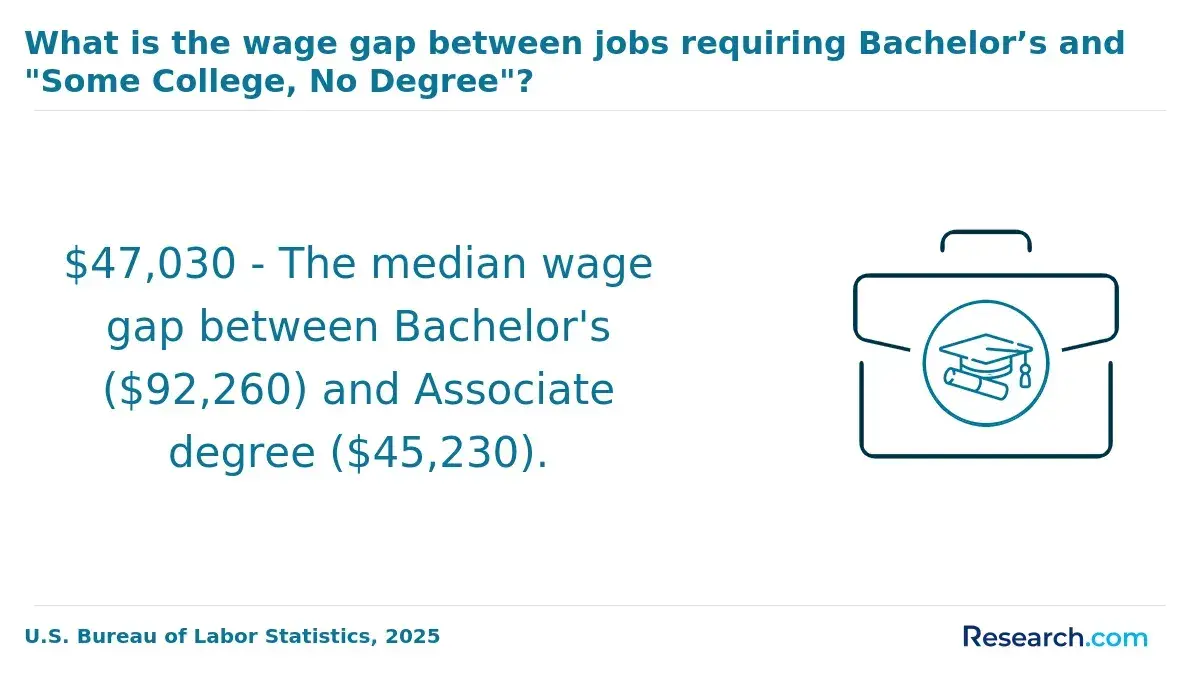
Entry-level salaries for graduates with a marriage and family therapy degree can differ significantly, influenced by the work environment, job duties, and oversight level. Positions that require specialized expertise or involve complex case management typically offer higher starting pay.
Below are some of the top-paying roles available for those entering the field.
- Behavioral Health Therapist: Often employed in hospitals or specialized clinics, these therapists manage diverse client mental health needs. Annual salaries typically range from $45,000 to $60,000, reflecting the demanding clinical atmosphere and the necessity for acute crisis intervention and detailed documentation skills.
- Early Intervention Specialist: Focused on children and families facing developmental challenges, this role combines healthcare and education elements. Pay generally falls between $40,000 and $55,000, boosted by the requirement for coordination across multiple service systems and specialized knowledge.
- Clinical Case Manager: Tasked with coordinating comprehensive care plans among service providers, these professionals blend social service insight with therapeutic support. Their entry salaries usually run from $42,000 to $58,000, owing to the job's complexity and broad responsibility.
- Private Practice Therapist: Those beginning in private or small group practices often earn $40,000 to $50,000, though compensation can vary by location and caseload management demands. Independent business and client management responsibilities can make this role financially competitive.
- Substance Abuse Counselor: Specializing in addiction recovery, these counselors generally start between $38,000 and $52,000. The role's focus on high-need clients and compliance with regulatory standards contributes to higher initial pay relative to general counseling positions.
Employers evaluating entry-level marriage and family therapy graduates place strong emphasis on practical skills beyond academic credentials. A 2022 study by the American Association for Marriage and Family Therapy revealed that 67% of employers prioritize communication abilities when assessing new candidates.
Understanding these expectations can help graduates align their strengths with employer demands.
- Effective Communication: Clear articulation of emotional and relational issues is essential for building trust and facilitating open dialogue in therapy sessions. Employers value graduates who can convey complex concepts to clients and colleagues with ease.
- Emotional Intelligence: Recognizing and responding to clients' feelings sensitively enables the establishment of strong therapeutic alliances. This skill supports handling diverse family dynamics thoughtfully and professionally.
- Critical Thinking: Analyzing family patterns and tailoring intervention approaches requires keen problem-solving abilities. Employers seek candidates who can apply these skills in realistic settings, demonstrated through behavioral interviews and role-play.
- Cultural Competency: Awareness and respect for diverse backgrounds ensure inclusive care and effective therapy outcomes. This competency helps therapists address clients' unique values appropriately.
- Professional Ethics: Commitment to confidentiality, informed consent, and ethical standards is fundamental. Entry-level graduates must exemplify trustworthy behavior consistently under employer scrutiny.
Strong communication and interpersonal skills for entry-level marriage and family therapy positions are often assessed through practical evaluations. Candidates with essential certifications and internship experience generally demonstrate readiness for the responsibilities of this field.
Those seeking to enhance their qualifications might explore various healthcare administration degree programs to complement their therapy expertise.
Employers hiring for entry-level roles in marriage and family therapy often favor candidates who have gained practical experience through internships. These opportunities allow graduates to refine clinical skills by working directly with clients under supervision. In fact, recent data shows that about 68% of new hires in mental health therapy had completed at least one internship during their graduate studies, reflecting the industry's preference for hands-on training.
However, internship experience is just one factor among many that influence hiring decisions.
Graduates without internship experience can still be attractive candidates by emphasizing strong academic records, relevant coursework, and involvement in research or clinical simulations. Transferable skills honed through volunteer work or employment in related settings, such as communication and problem-solving, also play a significant role.
Hiring flexibility varies widely, with some community clinics and non-profits prioritizing demonstrated potential over formal internships. Ultimately, individual employer needs and specific job requirements shape how much weight is given to internship experience versus other qualifications.
Certifications can significantly boost the value of a marriage and family therapy degree by confirming specialized skills and professional standards for employers. Research indicates that therapists with additional certifications are 30% more likely to secure job offers within six months of graduating.
The following certifications stand out for enhancing early career prospects in this field.
- Licensed Associate Marriage and Family Therapist (LAMFT): This licensure allows new graduates to legally practice under supervision, meeting state-specific requirements. It signals to employers a readiness for clinical work and adherence to ethical guidelines.
- Certified Clinical Trauma Professional (CCTP): Recognizing expertise in trauma-focused care, this certification is valuable for working with families affected by trauma, an area of growing demand. It assures employers of specialized competence in a complex therapy niche.
- Registered Play Therapist (RPT): Geared toward therapists using play therapy with children and families, it opens doors to pediatric and family-centered mental health roles. Employers appreciate this targeted skill set for engaging younger clients effectively.
- Certified Family Life Educator (CFLE): This credential highlights knowledge in family life education, useful in prevention and community outreach programs. It broadens employment options beyond direct clinical work.
- Emotionally Focused Therapy (EFT) Certification: A well-regarded credential that validates training in an evidence-based approach to couple and family therapy. It is favored by employers seeking practitioners skilled in this popular therapeutic model.
Reflecting on what certifications helped her after graduation, a professional with a marriage and family therapy degree shared that navigating initial job searches was challenging due to competition and licensing complexities. She found that earning the LAMFT was crucial to gaining supervised practice opportunities, which then led to valuable experience.
Adding the EFT certification later increased her confidence and appeal to counseling centers seeking evidence-based therapy skills. She emphasized how these credentials not only boosted her marketability but also deepened her understanding of her clinical work, helping her feel more prepared and trusted in her roles.
Students preparing early for entry-level marriage and family therapy jobs gain a significant advantage in employability. A survey by the National Association of Colleges and Employers found that 79% of employers favor graduates with relevant practical experience.
To improve readiness, students should focus on targeted strategies during college that build both skills and professional understanding.
- Build Practical Experience: Volunteering or shadowing licensed therapists provides firsthand exposure to client dynamics and therapy practices. This real-world insight complements classroom learning and demonstrates applied competence to employers.
- Develop Soft and Technical Skills: Strong communication, empathy, and active listening are essential soft skills for marriage and family therapy roles. In addition, learning to navigate electronic health records (EHR) and therapy management software strengthens technical capabilities valued by employers.
- Engage in Academic Projects: Participating in case studies, research assignments, or role-playing exercises deepens theoretical knowledge and critical thinking. These activities enable students to apply concepts to real-life scenarios within a supportive academic setting.
- Utilize Campus Resources: Career services offer workshops on resume writing, interviewing, and networking that prepare students for job searches. Student associations related to counseling provide mentorship and peer connection opportunities that enhance professional development.
The entry-level job market for marriage and family therapy graduates in the United States is moderately competitive, reflecting a balance between growing demand and a sizable applicant pool. Approximately 65% of graduates with a marriage and family therapy degree secure entry-level positions within the first year after graduation, indicating consistent hiring trends for new marriage and family therapy professionals.
Despite this relatively positive employment rate, many graduates face stiff competition when applying for roles. This dynamic highlights the need to understand the varying factors that influence success in this field.
One primary factor driving competitiveness is the large number of candidates applying not only with a marriage and family therapy degree but also with related qualifications or licensure pursuits. Employers have the advantage of selecting from a broad pool, leading to higher expectations for both academic credentials and practical experience.
Many entry-level roles demand strong interpersonal skills, cultural competence, and familiarity with evidence-based therapeutic methods. Additionally, geographic location and role specialization affect competition levels; urban centers or specialized areas such as child therapy attract more applicants, while rural regions may offer more opportunities with fewer candidates.
Students interested in expediting their path to qualification might explore fast degree programs that can help them enter this competitive market sooner.
The rise of remote work has created new entry-level opportunities for graduates with a marriage and family therapy degree. Remote job postings for early-career mental health professionals have increased by over 25% in recent years, reflecting expanding acceptance of digital counseling services.
This shift opens pathways for graduates to apply their skills in flexible, virtual environments.
Several remote-friendly positions suit those starting careers in marriage and family therapy, emphasizing client interaction, foundational counseling abilities, and coordination within online settings. Common roles include:
- Remote Mental Health Counselor: Providing virtual counseling through video or phone calls, this role involves crisis intervention and emotional support, helping new therapists build client communication and therapeutic skills.
- Telehealth Behavioral Specialist: Focused on behavioral assessments and remote treatment plans, specialists monitor client progress digitally and support care delivery under supervision, offering valuable clinical experience.
- Remote Case Manager: Coordinating care and linking clients with resources via telecommunication, case managers gain exposure to interdisciplinary teamwork and treatment planning without physical office presence.
- Online Support Group Facilitator: Leading virtual group sessions on family and relationship issues, facilitators develop skills in group management and facilitation within digital therapy settings.
- Behavioral Health Coach (Remote): Delivering motivational support and behavior modification guidance remotely, coaches engage clients through scheduled calls or messaging platforms to foster progress on personal challenges.
These remote counseling and therapy positions for marriage and family therapy graduates reflect the increasing integration of technology in mental health care. For those interested in advancing their education and exploring alternative fields, resources such as pharmacy school online accredited programs can offer additional career pathways beyond traditional therapy roles.
Promotion speed for marriage and family therapy graduates varies widely and is influenced by performance, experience, and an organization's career structure. Typically, early-career advancement occurs between two and five years after starting in an entry-level role, though some professionals move faster or slower depending on circumstances.
Employers with formal progression ladders often provide more predictable promotion timelines. On average, those who excel in clinical skills and demonstrate effective case management tend to see earlier advancement.
Factors such as continuous skill development, positive workplace performance, and taking on complex responsibilities strongly affect how quickly promotion happens. Graduates who refine specialized therapy techniques or leadership capabilities often accelerate their career growth.
Workplace structure also matters; flatter organizations may delay advancement compared to larger institutions with defined career pathways. Entry-level jobs with a marriage and family therapy degree often lead to various career advancement opportunities, but timelines remain flexible.
For those seeking additional education to speed up their progress, exploring accelerated PMHNP programs online can be a strategic option to complement their therapy experience.
What Graduates Say About Entry-Level Jobs With a Marriage and Family Therapy Degree
- Leonard: "Starting out in an entry-level marriage and family therapy role taught me a lot about the importance of flexibility, especially when choosing between remote, hybrid, or onsite positions. I found that remote roles offered a great balance to continue my learning while managing personal commitments. This experience was crucial for building my confidence and set a solid foundation for my future career growth."
- Jairo: "When I applied for my initial marriage and family therapy job, I carefully considered the organizational culture and opportunities for mentorship, which I believe are often overlooked by new graduates. Being in a hybrid environment helped me connect both personally and professionally with supervisors and peers. Looking back, this first role was invaluable in shaping my therapeutic approach and advancing my career trajectory."
- Charles: "Securing an entry-level marriage and family therapy position was both challenging and enlightening. I prioritized roles that offered hands-on clinical experience and diverse client populations, as I knew these factors would enhance my skills. Early exposure to real-world cases greatly impacted my career advancement by providing practical knowledge that textbooks alone couldn't offer."
Other Things You Should Know About Marriage and Family Therapy Degrees
Entry-level marriage and family therapists typically must complete a specified number of supervised clinical hours before obtaining full licensure. This supervision is often provided by a licensed therapist and focuses on developing clinical skills, ethical practice, and case management. Requirements vary by state but generally mandate between 1,000 and 3,000 hours of supervised experience.
Most new graduates first work as an associate or intern under supervision while completing the 2,000–4,000 postdegree clinical hours many states require for LMFT licensure. They then apply through the state licensing board and pass the AMFTRB National MFT Exam, which is the standard licensing test.
Most entry-level marriage and family therapy jobs require candidates to have completed a master's degree in the field, but full licensure is not always mandatory at the time of hire. Employers often hire graduates who are in the process of obtaining their license, expecting them to complete supervised hours and pass licensure exams within a defined period. This allows new therapists to gain experience under supervision while working.
- Marriage and Family Therapist (MFT) Certification Guide https://teach.com/online-ed/psychology-degrees/online-masters-in-marriage-and-family-therapy/mft-certification/
- 5 Tips For Beginning Therapists https://privatepracticeskills.com/5-tips-for-beginning-therapists/
- Marriage & Family Therapists (AMFTs & LMFTs) | Top Recruiting Firm https://hcrnetwork.com/employers/behavioral-mental-health-recruiters/marriage-and-family-therapist-lmft-amft/
- Guide-to-Thrive https://www.camft.org/Resources/Pre-licensed-Corner/Guide-to-Thrive
- MFT Salaries and Career Growth | Marriage and Family Therapist https://www.tuw.edu/program-resources/marriage-and-family-therapists/
- Skills That Matter for Marriage and Family Therapists — Evidence-Backed Profile | JobCannon https://jobcannon.io/skills-for/marriage-and-family-therapists/
- What's next for Marriage and Family Therapy Trainee? https://superstarsourcing.com/career-path/Marriage-and-Family-Therapy-Trainee
- Free Certificate Courses to Become a Marriage And Family Therapist - Alison https://alison.com/careers/human-services/marriage-and-family-therapist
- 8 Reasons to Become a Marriage and Family Therapist https://www.bestpsychologydegrees.com/reasons-to-become-marriage-family-therapist/
- Blocked - Family Solutions Institute https://familysolutionsinstitute.com/top-skills-new-mft-should-develop