2027 Best Online Marriage and Family Therapy Degrees for Jobs

Co-Founder and Chief Data Scientist
Choosing the best online marriage and family therapy degree can feel overwhelming-especially when accreditation, curriculum rigor, costs, and career outcomes differ so widely. Graduates from CACREP-accredited programs earn licensure at higher rates, with a national average licensure success around 65%. Yet many prospective students overlook practical experience requirements and student support-critical factors shaping job readiness. Affordability also impacts return on investment, making cost analysis essential for working adults or veterans. This article evaluates top programs in detail, spotlighting quality markers and outcome data to help readers confidently select an online marriage and family therapy degree that aligns with their professional and financial goals.
Key Things to Know About the Best Online Marriage and Family Therapy Degrees for Jobs
- Accreditation by the Commission on Accreditation for Marriage and Family Therapy Education ensures programs meet rigorous professional standards-essential for licensure and credible job prospects.
- Programs with comprehensive curricula covering systemic theories, ethics, and diverse family dynamics prepare graduates to handle real-world challenges effectively.
- Cost versus return on investment varies widely-graduates from accredited programs typically earn 20% higher salaries, justifying higher tuition through improved career outcomes.
What Is a Marriage and Family Therapy Degree, and What Can It Do for Your Career?
A marriage and family therapy degree cultivates expertise in working with individuals, couples, and families to navigate relational, emotional, and behavioral challenges. Defined by professional organizations like the American Association for Marriage and Family Therapy (AAMFT), this discipline is distinct from general counseling or psychology by its systemic and relational approach to understanding family dynamics and improving interpersonal functioning.
The curriculum integrates foundational knowledge in human development, family systems theory, ethical and legal considerations, and clinical intervention methods. Theoretical frameworks blend psychology, sociology, and psychotherapy principles, building competencies in assessment, diagnosis, treatment planning, and culturally responsive practice. Practical skills are honed through supervised clinical experiences-critical for licensing and effective application in diverse professional settings. Such preparation uniquely qualifies graduates for career opportunities with accredited marriage and family therapy degrees online, emphasizing outcomes and industry relevance.
- Associate's Degrees: Provide basic social science education, suitable for entry-level roles or foundational knowledge.
- Bachelor's Degrees: Offer broad liberal arts grounding with some family services specialization, preparing students for paraprofessional positions or graduate study.
- Master's Degrees: The main route for clinical licensure as licensed marriage and family therapists (LMFTs), enabling independent practice.
- Doctoral Degrees: Designed for advanced clinical work, research, and leadership in academic or policy domains.
This guide centers on online education pathways-ideal for working adults, veterans, and career changers seeking flexible, accredited programs that maintain rigorous standards. The analysis that follows provides an evidence-based framework to evaluate programs across accreditation, curriculum quality, applied experience, costs, and career support, empowering informed decisions aligned with personal goals. For those exploring advanced healthcare degrees, DNP programs online offer complementary career advancement options in healthcare leadership and clinical expertise.
How Do Online Marriage and Family Therapy Degree Programs Compare to Traditional Campus Programs?
When evaluating online marriage and family therapy degrees versus traditional campus programs, accreditation data from COAMFTE confirms that top online options maintain curriculum depth and rigor equivalent to on-campus programs. These curricula carefully cover essential subject areas such as family systems theory, ethics, and clinical intervention methods-preparing graduates thoroughly for professional practice.
- Faculty Qualifications: High-quality online programs require faculty to hold the same credentials and clinical experience as their campus counterparts, ensuring comparable educational standards.
- Student-Faculty Interaction: Although spontaneous face-to-face contact is limited online, many programs use synchronous video seminars and virtual office hours to foster real-time engagement and personalized feedback. Small cohort models further enhance these connections.
- Peer Collaboration: Online learning platforms facilitate collaboration through structured group projects and discussion forums, promoting interpersonal skill development despite reduced in-person socialization.
- Clinical or Practicum Requirements: Both online and campus formats mandate rigorous supervised clinical hours in approved local settings-critical for licensure. Online students coordinate placements near their homes, with program support to align practical experience with academic standards, addressing the common concerns in comparison of practical training in online and campus marriage and family therapy programs.
- Employer Perception: Surveys and employment data indicate that well-accredited online marriage and family therapy degrees are increasingly recognized as equivalent to traditional degrees when clinical and certification standards are met.
- Structural Advantages: Online delivery offers significant flexibility-benefiting working adults, caregivers, military veterans, and those living remotely-avoiding geographic relocation while maintaining quality.
- Limitations and Innovations: Reduced hands-on training is mitigated through campus residency intensives, advanced simulation technologies, and strong student support systems.
Prospective students should weigh these factors carefully-especially if balancing work, family, or military commitments-as they assess programs to find the best fit for their career goals. For those exploring related healthcare fields, consider programs such as a healthcare administration degree for alternative career pathways.
What Are the Accreditation Standards That Define a Reputable Online Marriage and Family Therapy Degree?
When considering online marriage and family therapy programs, accreditation is a crucial marker of quality-indicating a program meets established academic and professional benchmarks. Two primary types of accreditation matter most in this field:
- Regional Accreditation: Awarded to institutions by one of seven regional agencies recognized by the U.S. Department of Education and CHEA, such as the Higher Learning Commission or the Southern Association of Colleges and Schools. This accreditation assures overall institutional quality across faculty, curriculum, and support services.
- Programmatic Accreditation: Specifically for marriage and family therapy, the Commission on Accreditation for Marriage and Family Therapy Education (COAMFTE) serves as the specialized accreditor. COAMFTE verifies that a program's course content, clinical training requirements, and faculty credentials meet the rigorous standards needed for professional licensure and competent practice.
Enrolling in programs lacking proper accreditation can pose serious hurdles. Licensing boards often require COAMFTE or regional accreditation for eligibility, meaning unaccredited degrees might prevent licensure. In addition, credits from unaccredited schools rarely transfer, limiting educational mobility. Employers and graduate schools may also question the credibility of degrees from such programs, adversely impacting career prospects.
To confirm a program's accreditation, consult the U.S. Department of Education's searchable database of accredited institutions and programs, or reference the CHEA directory for recognized accrediting bodies and schools. These tools offer reliable verification before investing time and resources.
Ultimately, accreditation should be a non-negotiable baseline in selecting an online marriage and family therapy program-its significance outweighs factors like convenience or cost, directly influencing academic quality, licensure eligibility, and professional acceptance.
Reflecting on this, a professional who completed a marriage and family therapy degree shared his experience: "I faced immense uncertainty navigating which programs would be valid for licensure across states. I remember spending hours verifying accreditation statuses-it was stressful but necessary. Choosing a COAMFTE-accredited school gave me confidence during clinical hours and when applying for jobs. It wasn't just about the diploma; it was knowing my degree held real weight in the field."
Which Types of Marriage and Family Therapy Degrees Are Available Online-Bachelor's, Master's, or Doctoral?
Stackable pathways-from certificate to bachelor's to master's-allow students to accumulate credits progressively, aligning with career goals and life circumstances.
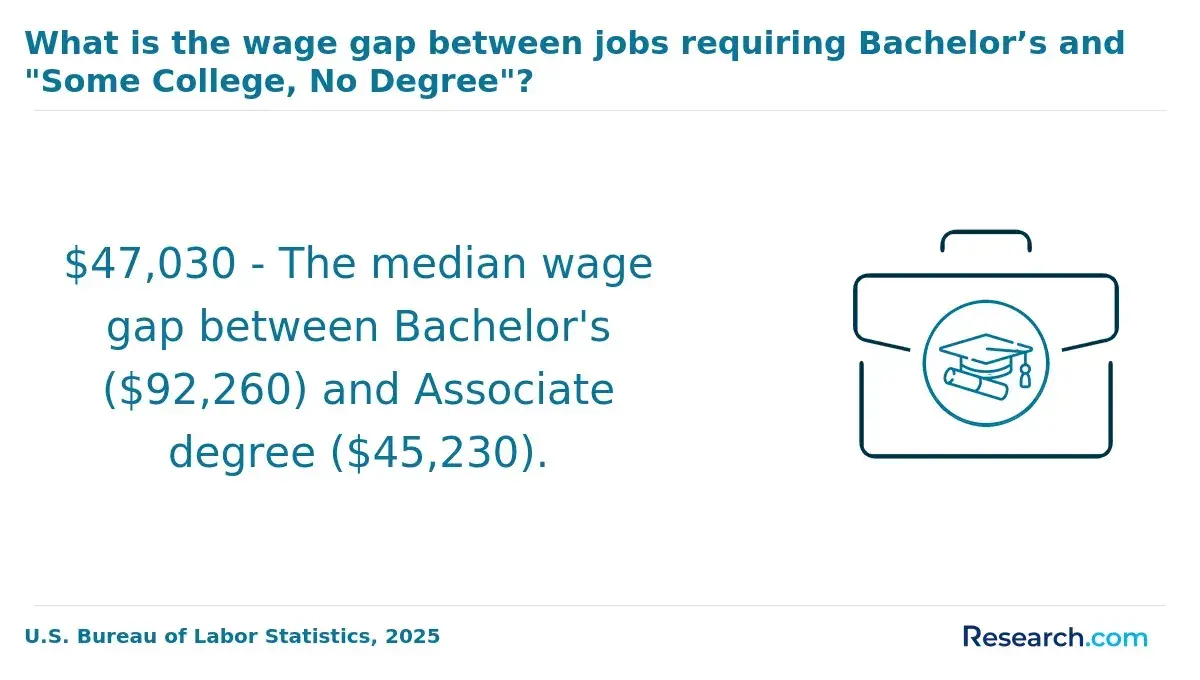
- Associate Degrees: These entry-level credentials are designed for recent high school graduates or those new to the field, typically requiring about two years of study with no prerequisites. Career opportunities tend to be limited to support roles rather than positions requiring licensure.
- Bachelor's Degrees and Bachelor's Completion Programs: Four-year bachelor's degree programs-along with completion programs for students with some college credits-serve as the foundation for those seeking licensure and professional roles in marriage and family therapy. Graduates can access entry-level social services jobs or proceed to graduate studies. Enrollment data reveal varied completion rates online, where balancing work and study may extend time to degree.
- Master's Degrees: Recognized as the standard credential for licensure, these programs require a bachelor's degree and usually take 2 to 3 years online. They integrate academic coursework with supervised clinical practicum. Programs with strong student support report higher completion and often lead to greater salary potential and job flexibility. Master's and doctoral marriage and family therapy online degrees cater to advanced clinical and leadership goals.
- Doctoral Degrees: Targeted at licensed therapists pursuing leadership, research, or academic positions, these intensive 3 to 5-year programs require a master's degree and professional experience, focusing on advanced practice and research skills.
- Post-Baccalaureate Certificates: These flexible credentials are ideal for bachelor's degree holders needing specialized training without a full master's commitment, often stackable toward graduate degrees to expedite progress.
For working adults and other learners exploring the cheapest self-paced online college options, considering accreditation, curriculum rigor, practical training requirements, and student support is essential for maximizing both educational and career outcomes.
What Is the Typical Cost of an Online Marriage and Family Therapy Degree, and How Can You Finance It?
The cost of an online marriage and family therapy degree differs considerably by institution type. Public universities often present the most budget-friendly options, with in-state tuition commonly falling between $6,000 and $15,000 annually. Out-of-state students typically face higher rates-sometimes two to three times those of residents. Private nonprofit colleges generally charge more, with yearly tuition ranging from $15,000 to $35,000. For-profit institutions frequently sit within the upper end of this spectrum and may add further fees.
Beyond tuition, additional expenses like technology fees, textbooks, and travel for required on-campus sessions or clinical practicums contribute to the overall financial commitment. These costs can add several hundred to thousands of dollars, making it crucial to assess the total program cost instead of focusing solely on per-credit prices. Program lengths and fee structures vary widely, so prospective students should consider the full investment necessary to complete their degree.
- Financial Aid: Online students qualify for federal assistance, including Pell Grants that cover part of tuition without requiring repayment.
- Federal Loans: Subsidized and unsubsidized loans offer low-interest borrowing backed by income-driven repayment plans to ease post-graduation debt management.
- GI Bill Benefits: Veterans and active military personnel may apply their GI Bill education benefits toward online marriage and family therapy programs.
- Scholarships: Various scholarships target marriage and family therapy students-offered by professional groups like the American Association for Marriage and Family Therapy, state workforce organizations, and individual schools.
- Cost Comparison Tools: Resources such as the College Scorecard's net price calculator help estimate actual out-of-pocket expenses based on personal financial profiles, enabling more accurate program comparisons.
A professional who launched her career after earning an online marriage and family therapy degree shared how managing finances was a careful balancing act. She described the initial uncertainty-"I wasn't sure how I would afford everything"-and how researching aid options became essential to her journey. Securing scholarships eased her burden, but she noted that accounting for additional fees and travel costs required careful budgeting. Reflecting back, she values the investment for the career opportunities it unlocked and encourages prospective students to "look beyond sticker price, because the support and flexibility made all the difference."
How Long Does It Take to Complete an Online Marriage and Family Therapy Degree Program?
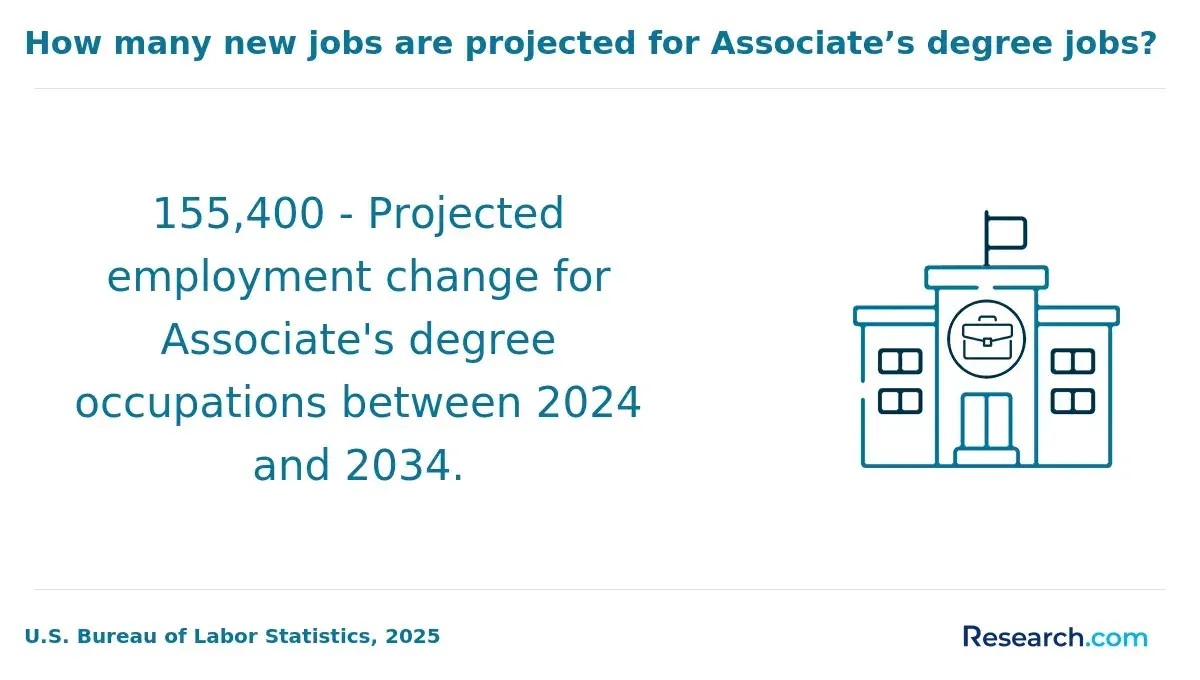
Program durations for online marriage and family therapy degrees vary widely based on degree level and student circumstances. Associate's degrees generally take about two years full-time, though part-time students may extend this to three or four years. These degrees serve mainly as foundations for advanced study. Bachelor's programs usually require four years of full-time study, but transferring credits or accelerated options can reduce this to two or three years.
Master's degrees typically span two to three years, including necessary practicum hours for licensing. Working adults often study part-time, which can extend completion to five or six years. Some programs allow advancement through competency-based progression, meaning students move forward by demonstrating skills rather than adhering to fixed semesters. Doctoral programs range from three to seven years with variable research demands; part-time study or recognition of prior experience can shorten timelines.
- Transfer Credits: Acceptance of transfer credits can significantly cut required coursework and overall program length.
- Enrollment Status: Full-time study generally leads to faster completion than part-time enrollment.
- Pacing Options: Accelerated, year-round, and competency-based formats enable students to finish degrees more quickly.
- Prior Learning Assessment (PLA): Programs with PLA policies award credit for relevant professional experience, reducing time to degree for working adults.
- Program Time Limits: Minimum and maximum completion times protect satisfactory academic progress (SAP), which affects eligibility for financial aid; exceeding these limits may impact funding.
Rather than depending on advertised program lengths alone, prospective students should review actual completion data from accredited online marriage and family therapy programs. These insights account for delays due to practicum placements, personal commitments, and provide more realistic timeframe expectations for career-focused learners.
What Core Curriculum and Coursework Should a Quality Online Marriage and Family Therapy Program Include?
High-quality online marriage and family therapy programs distinguish themselves through curricula aligned with standards set by accrediting bodies such as the Commission on Accreditation for Marriage and Family Therapy Education (COAMFTE). These programs ensure comprehensive training in core competency areas crucial for effective practice and professional readiness.
- Core Coursework: Foundational topics include theories of marriage and family therapy, human development across the lifespan, family systems, ethical and legal considerations, and cultural competency. These courses build essential clinical knowledge.
- Required Sequences: Coursework is intentionally sequenced-starting with fundamental theory and advancing to specialized intervention techniques and research methodology. This progressive design ensures students gain a strong theoretical base before applying clinical skills.
- Capstone and Integrative Experiences: Practicum and internship components offer supervised clinical training, while culminating projects or comprehensive exams integrate learning and verify professional readiness.
- Competency Areas and Outcomes: Graduates must demonstrate abilities in assessments, treatment planning, systemic intervention, and culturally sensitive practice. These translate into valued workplace skills such as critical thinking, ethical decision-making, and effective communication.
- Curriculum Currency: The best programs review and update curricula every three to five years with guidance from industry advisory boards to reflect emerging trends like teletherapy, trauma-informed care, and changing licensure standards.
- Transparency: Prospective students should request detailed course sequences, syllabi, and learning outcomes maps directly from programs, rather than relying solely on promotional materials, to assess rigor and relevance.
Labor market data indicate a 23% projected growth in demand for marriage and family therapists over the next decade, highlighting the advantage of enrolling in a rigorous, current program that equips graduates for this expanding field.
Which Online Marriage and Family Therapy Programs Offer the Best Return on Investment for Working Adults?
Working adults seeking the best online marriage and family therapy degrees for return on investment should focus on programs balancing affordable tuition with strong employment outcomes. Public universities frequently offer competitive tuition rates-especially for in-state students-and benefit from tuition reciprocity agreements that extend savings to neighboring states. These cost efficiencies reduce debt burdens significantly while maintaining access to quality education.
- Cost Efficiency: Programs at public institutions often provide lower tuition and incorporate employer tuition reimbursement programs or scholarships, making degrees more accessible to working professionals pursuing career changes or advancement.
- Employment Outcomes: Graduates from programs with strong connections to employer networks tend to secure relevant jobs quickly and earn competitive salaries that help offset the initial investment within a few years.
- Loan Default Rates: Institutions with lower student loan default rates typically demonstrate effective career support and align program costs realistically with graduate earnings-critical indicators of a positive return on investment.
- Outcome Data: Beyond rankings, examining median earnings at six and ten years after enrollment offers deeper insight into a program's long-term value and ability to support career-focused students financially.
- Financial Support: Availability of scholarships, employer tuition reimbursement, and reciprocity agreements further enhance the financial feasibility of earning an online marriage and family therapy degree for working adults, including military veterans using education benefits.
Selection of top accredited marriage and family therapy programs with highest career salary outcomes should also weigh accreditation standards, curriculum rigor, and student support infrastructure tailored for online learners. Effective programs emphasize practical experience and counseling skills development-key factors that improve job readiness and career potential. By combining data-driven cost analysis with career outcome metrics, students can evaluate programs confidently and choose degrees aligned with their professional and financial goals.
Those interested in related fields may also explore offerings like the online exercise science degree, which similarly emphasize strong ROI and career outcomes in growing healthcare sectors.
What Admissions Requirements Do the Top Online Marriage and Family Therapy Programs Typically Require?
The admissions requirements for top online marriage and family therapy programs vary widely-reflecting differences in program selectivity, institutional type, and academic rigor. Generally, competitive graduate programs expect applicants to meet several standard criteria that demonstrate academic readiness, professionalism, and potential for success in clinical practice.
- Minimum GPA: Most selective programs require a minimum undergraduate GPA of around 3.0 on a 4.0 scale. Some research universities may set higher thresholds, especially for applicants from less related fields, while community college or open-enrollment programs usually have more flexible GPA requirements.
- Standardized Tests: Many online marriage and family therapy degree programs have adopted test-optional policies in recent years-meaning the GRE or similar tests are no longer universally required. Still, some institutions recommend submitting scores if they enhance the application. Prospective students should confirm current policies as they can change each admission cycle.
- Letters of Recommendation: Strong letters-often two or three-are essential for most programs. These should ideally come from academic instructors or supervisors who can attest to the applicant's suitability for graduate-level study and clinical work.
- Personal Statement: Applicants must submit a well-crafted essay highlighting their motivation for pursuing marriage and family therapy, relevant experiences, career goals, and understanding of the field's demands. This statement offers insight into the candidate's commitment and self-awareness.
- Professional Experience: While not always mandatory, related work or volunteer experience in counseling, social services, or human services significantly strengthens an application-especially for competitive programs. Applicants without this background should seek opportunities to build relevant skills before applying.
- Prerequisite Coursework: Many programs require foundational courses in psychology, human development, or social sciences. Applicants without a direct background in marriage and family therapy or related fields often need to complete these prerequisites before beginning graduate-level classes. Requirements vary: some schools offer conditional admission coupled with prerequisite completion, while others expect all prerequisites done upfront.
Admissions standards vary dramatically across program tiers-from open-access community college associate degrees to highly selective research university master's programs. Students should honestly assess their academic records, test scores, and experience to identify where they are most competitive. Those exploring options should consider the typical prerequisites for online marriage and family therapy degrees as a guide for readiness. Additionally, working adults considering advanced credentials may find it useful to review related programs such as online direct entry MSN programs for non nurses, which share similarities in admissions rigor.
Due to frequent changes in policies-including test-optional approaches, GPA minimums, and prerequisite expectations-it's advisable to contact admissions advisors directly for the most up-to-date requirements and personalized guidance.
What Career Paths and Job Titles Are Available to Online Marriage and Family Therapy Degree Graduates?
Graduates of online marriage and family therapy degree programs find a wide array of career opportunities across clinical, administrative, educational, and research domains. Entry-level jobs-often suited to those holding a bachelor's degree-include roles such as case aides, family service coordinators, or behavioral health technicians, predominantly within community health centers or social service agencies. These positions offer essential experience working with individuals and families, paving the way for advanced clinical roles that require graduate education and licensure.
- Clinical Therapist: Typically necessitating a master's or doctoral degree plus state licensure, clinical therapists provide counseling and therapeutic services to individuals, couples, and families confronting psychological or emotional challenges. Independent practice and advanced specialization usually follow additional credentialing.
- Marriage and Family Counselor: Licensed counselors in this specialization focus on enhancing relational dynamics within family systems, often advancing into supervisory, clinical director, or policy-influencing roles.
- Behavioral Health Specialist: Working in multidisciplinary teams found in healthcare and educational environments, these specialists aid in treatment planning, crisis response, and advocacy to bolster mental wellness.
- Program Director or Manager: Experienced professionals may shift into leadership roles managing community outreach programs, nonprofits, or outpatient clinics-responsibilities commonly include staff oversight, funding management, and policy development.
- Researcher or Academic: Graduates pursuing doctorates can contribute to empirical studies on family dynamics, therapy effectiveness, or mental health trends and may teach future clinicians in academic or training settings.
- Career Changer and Up-Skilling Specialist: Individuals from related fields like social work, psychology, or general counseling can transition into marriage and family therapy roles by obtaining targeted certifications and advanced degrees, broadening their clinical expertise and marketability.
- Typical Career Progression: Over five to ten years, professionals commonly advance from supervised clinical roles to independent practice and then to leadership or consulting positions. Horizontal transitions into related sectors such as substance abuse counseling, child welfare, or healthcare administration are frequent-enabled by versatile behavioral health skills gained through marriage and family therapy education.
What Is the Salary Outlook for Professionals with an Online Marriage and Family Therapy Degree?
Median salaries for professionals with an online marriage and family therapy degree typically range between $50,000 and $65,000 annually, influenced by education, experience, location, and specialization. Those holding master's degrees generally earn around $55,000 to $60,000, while doctoral-level therapists can see earnings exceed $75,000.
- Degree Level: Master's graduates usually start with lower salaries compared to doctoral practitioners who often command higher compensation reflecting advanced expertise and leadership roles.
- Experience: Entry-level therapists with less than five years commonly earn near $45,000, whereas seasoned clinicians with a decade or more may receive $70,000 or more-especially if they transition into supervisory or clinical director positions.
- Industry Sector: Earnings vary by work setting-private practice and healthcare providers generally offer higher pay than community agencies or schools, with private clinicians leveraging client demand for increased rates.
- Geographic Market: Urban centers in states like California and New York tend to provide 10-20% salary premiums above national averages, while rural or lower-cost regions typically report below-median wages.
- Specialization: Focus areas such as trauma, substance abuse, or youth therapy often yield salary advantages due to greater workforce demand.
- Certifications and Credentials: Credentials like Licensed Marriage and Family Therapist (LMFT) status or Certified Family Trauma Professional enhance marketability and earnings potential. Online graduates should pursue these certifications promptly to open pathways to supervisory roles and specialized clinical opportunities.
- Salary Projections: The field anticipates moderate employment growth over the coming decade, supporting gradual wage increases. However, variations will depend on regional demand and specialty areas.
Graduates should regularly consult updated labor market data from authoritative sources to make informed career decisions, as salary figures fluctuate over time. Early investment in advanced certifications can substantially impact long-term income and career advancement within marriage and family therapy.
What Graduates Say About the Best Online Marriage and Family Therapy Degrees for Jobs
- Leonard: "Choosing a program with strong accreditation standards was paramount for me-it really made a difference when applying for jobs in this field. The rigor of the curriculum challenged me intellectually and prepared me for real-world scenarios, which I find invaluable. Affordable tuition combined with excellent career support gave me confidence that the investment would pay off long term."
- Jairo: "The practical experience requirements of my online marriage and family therapy degree truly stood out-getting hands-on work alongside theoretical study felt essential. The student support infrastructure was impressive too-advisors and tech help were always just a click away, making the whole journey smoother. Reflecting back, these factors were pivotal in helping me secure a solid position after graduation."
- Charles: "From a professional perspective, understanding how career outcomes vary across programs influenced my choice the most. I appreciated how programs with integrated practicum opportunities gave graduates a clear edge when entering the job market. Additionally, the cost relative to future earning potential really shaped my decision and relieved a lot of financial stress during my studies."
Other Things You Should Know About Marriage and Family Therapy Degrees
The top online marriage and family therapy programs focus on developing strong clinical assessment skills, ethical decision-making, and effective communication techniques tailored to families and couples. Graduates gain a comprehensive understanding of systemic therapy approaches, cultural competence, and crisis intervention methods essential for diverse client populations. These competencies prepare students to work confidently in various settings, from private practice to community agencies.
Online marriage and family therapy programs typically require students to complete practicum and internship hours at approved local sites near their residency. Schools assist with placement by providing a list of potential clinical supervisors and agencies that meet accreditation standards. These hands-on experiences are carefully monitored to ensure students meet licensing requirements and develop practical skills crucial for post-graduate employment.
When selecting an online marriage and family therapy degree program in 2027, consider accreditation, curriculum relevance, faculty expertise, internship opportunities, and alumni network strength. Check program flexibility, tuition costs, and available financial aid. Additionally, assess technological resources and student support services to ensure a comprehensive educational experience.
Avoid selecting programs that lack proper accreditation from bodies like the Commission on Accreditation for Marriage and Family Therapy Education (COAMFTE). Insufficient practicum placement support or unclear licensing preparation can limit career prospects. Additionally, prospective students should carefully evaluate curriculum rigor and cost to ensure the program aligns with their career goals and offers a solid return on investment.
References
- MFT Salary | Master of Arts in Marriage and Family Therapy https://www.tuw.edu/health/salary-opportunities-master-arts-marriage-family-therapy/
- What Does a Licensed Marriage & Family Therapist (LMFT) Do? | Teach.com https://teach.com/careers/psychology/marriage-and-family-therapist/what-does-lmft-do/
- Best Online Master's In Marriage & Family Counseling 2025 https://www.psychology.org/rankings/best-masters-programs-in-family-counseling/
- How to Become a Marriage and Family Therapist https://onlinecounselingprograms.com/mental-health-careers/how-to-become-marriage-and-family-therapist/
- Our List of the Most Affordable Online MFT Programs https://www.edumed.org/online-schools/marriage-and-family-therapy-mft-programs/most-affordable/
- Marriage and Family Therapists: Salary, career path, job outlook, education and more - RaiseMe https://www.raise.me/careers/community-and-social-service/marriage-and-family-therapists/