2027 Best Value Online Marriage and Family Therapy Degree Programs: Affordable Accredited Options with the Strongest ROI

Co-Founder and Chief Data Scientist
Rising tuition costs and shifting employer expectations create a complex landscape for budget-conscious students seeking an online marriage and family therapy degree. Many working adults, parents, and military-affiliated learners juggle schedules while aiming for accredited programs that offer flexible formats and transfer credit pathways. Considering total costs-including hidden fees, financial aid opportunities, and graduation timelines-is essential for making informed choices.
Early assessment of career outcomes is equally critical, as licensed marriage and family therapists report a median annual wage of $54,880 nationwide, reflecting varied ROI based on geographic and industry factors. This article outlines how to strategically compare affordable, accredited online programs to optimize long-term financial stability and career growth.
Key Things to Know About the Best Value Online Marriage and Family Therapy Degree Programs
- Best-value online marriage and family therapy programs reduce costs through competitive tuition, financial aid, transfer credits, and flexible online formats suited for working adults.
- Evaluating accreditation, graduation rates, student support, pacing, and career outcomes ensures a comprehensive understanding of program quality and value.
- Review hidden fees, residency rules, transfer policies, salary prospects, and employer recognition carefully to ensure strong career growth and financial stability post-graduation.
What Are the Best Value Online Marriage and Family Therapy Degree Programs?
More adult learners and working professionals are prioritizing online marriage and family therapy degree programs that balance affordability, regional accreditation, and strong career outcomes. With average student debt continuing to rise and employers increasingly valuing practical experience alongside credentials, programs offering flexible learning and competitive tuition-to-salary ratios attract budget-conscious students. This environment encourages exploring program types that deliver both quality and value.
- Public Regional Universities: These institutions usually provide the most affordable tuition-especially for in-state students-while holding regional accreditation that meets licensure requirements. Their online platforms often support credit transfers and accelerated pathways to reduce time and cost, ideal for adults balancing work and education.
- Competency-Based Formats: These programs emphasize demonstrated skills over seat time, allowing motivated students to progress faster at their own pace. This level of flexibility can shorten the time to graduation and lower overall tuition expenses, improving long-term return on investment (ROI).
- State System Online Options: Many state university systems have developed centralized platforms combining affordability with consistent accreditation standards. They support broad credit transfer opportunities and offer reliable, flexible access to program completion without excessive financial burden.
- Career-Focused Private Nonprofits: Although tuition may be higher than public alternatives, select private nonprofit universities invest heavily in online infrastructure and career services. Graduates from these programs often experience stronger employment outcomes and earnings growth, offsetting upfront costs through solid ROI.
Students searching for affordable accredited online marriage and family therapy degrees with strong ROI should weigh these program types carefully. For those interested in rapidly completing their studies, options such as the shortest medical assistant program provide examples of accelerated learning models gaining popularity across healthcare education fields.
How Do You Choose an Affordable Accredited Online Marriage and Family Therapy Degree?
Selecting an affordable accredited online marriage and family therapy degree requires balancing cost, quality, flexibility, and long-term value. With student debt in the U.S. surpassing $1.7 trillion, carefully evaluating program features can reduce financial strain while enhancing career prospects. Prioritizing programs that deliver strong return on investment is essential for budget-conscious students and working professionals. Below are key factors to consider when comparing options.
Accreditation Quality: Ensure the program holds regional accreditation or is recognized by the Commission on Accreditation for Marriage and Family Therapy Education (COAMFTE). Accreditation safeguards educational standards, supports eligibility for licensure, and improves employer recognition, shaping outcomes for the best value marriage and family therapy degrees online.
Tuition Structures: Transparent, fixed-rate tuition models simplify budgeting-avoiding unexpected fees common in per-credit pricing. Public institutions often offer lower costs for in-state students, while competency-based programs can accelerate degree completion, curbing expenses without compromising quality.
Transfer Credit Policies: Generous acceptance of prior coursework shortens programs, reducing time and tuition costs. Transfer-friendly schools maximize credits earned elsewhere, an advantage for adult learners seeking accelerated progress.
Student Support Services: Robust advising, technical assistance, mental health resources, and career services are vital for online students to thrive-helping improve retention and graduation rates through accessible support.
Program Flexibility and Reputation: Fully online, adult-centric schools prioritize scheduling flexibility and career-focused curricula designed to fit working professionals' needs. Reviewing graduation outcomes and institutional reputation informs decisions aligned with career goals.
For additional insight into accelerated healthcare options, explore this healthcare administration degree resource.
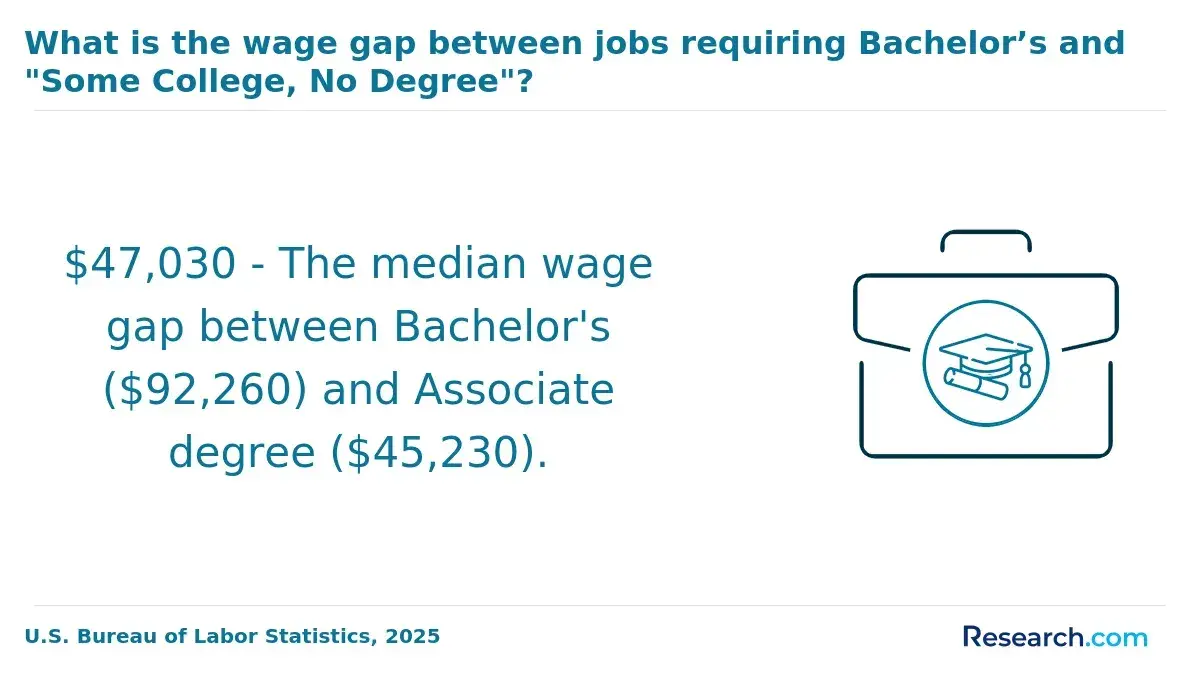
Which Online Marriage and Family Therapy Degree Programs Offer the Highest ROI?
The return on investment (ROI) has become a critical measure for students selecting online marriage and family therapy degree programs-especially as average student debt surpasses $30,000 nationwide. With growing employer demand for qualified therapists and a clear link between tuition costs and post-graduation earnings, learners must carefully evaluate educational value before enrolling. Below are essential factors shaping the highest ROI options in this field.
- Affordable Tuition Structures: Programs offering transparent, competitively priced tuition-often through public universities or accredited private schools-limit debt accumulation. Flat-rate tuition and clearly itemized fees allow working adults to budget without surprises, maximizing financial efficiency.
- Completion Rates and Time Efficiency: High graduation percentages paired with accelerated degree options reduce the total cost of education by shortening time-to-degree. Transfer credits and proactive academic support services help students maintain progress and avoid unnecessary semesters.
- Labor Market Relevance: Curriculum aligned with licensure prerequisites and modern clinical standards improves employment outcomes. Schools engaged with industry experts and providing practicum experiences tend to graduate professionals who achieve salaries exceeding state social work averages.
A professional who successfully graduated from an online marriage and family therapy degree recently reflected on his journey toward a sustainable career. He described the challenge of balancing coursework with a full-time job, noting how his program's flexible scheduling "allowed me to keep working without sacrificing progress." He emphasized the value of clear tuition policies, saying, "Knowing exactly what I owed each semester removed a huge uncertainty." Moreover, the mentorship from licensed clinicians during practicums gave him confidence entering the workforce. His experience highlights how thoughtfully designed programs can transform ambitious students into well-prepared, financially prudent therapists.
What Is the Average Cost of an Online Marriage and Family Therapy Degree Program?
Knowing the overall cost of an online marriage and family therapy degree is crucial for students weighing flexible learning programs-especially as tuition rates and student loan debt continue to climb nationwide. Public institutions generally offer more affordable tuition than private schools, with average costs shifting based on residency and enrollment status. The following highlights key pricing factors affecting affordable accredited online marriage and family therapy degree tuition.
- Resident vs. Non-Resident Tuition: Public universities typically charge lower rates for in-state students, which can range between $8,000 and $15,000 for a master's degree, while non-residents may face doubled expenses. Establishing residency is a significant cost-saving strategy for budget-conscious learners.
- Flat-Rate Tuition: Some programs offer a fixed tuition rate per term, allowing students to take unlimited courses and potentially accelerate graduation. This model benefits committed full-time students by capping costs irrespective of credit hours completed.
- Transfer Credits: Institutions accepting extensive transfer credits reduce the number of required classes, lowering both tuition fees and time to degree. This advantage suits working professionals or career changers with existing relevant coursework.
- Accelerated Completion: Intensive cohort formats condense curriculum into shorter terms, possibly increasing per-term tuition but decreasing overall costs due to faster graduation and reduced time away from employment.
- Additional Fees: Online technology charges and other institutional fees vary widely, influencing total program expenses. Evaluating total costs-including these fees-helps identify programs with stronger return on investment.
For personalized guidance on selecting cost-effective online programs, budget-conscious students can also explore options like this online PhD nursing pathway, which illustrates how affordability and flexibility intersect across health-related careers.
Are Affordable Online Marriage and Family Therapy Degrees Respected by Employers?
Employer regard for affordable online marriage and family therapy degrees hinges on institutional credibility and accreditation-two factors often determining hiring decisions. Research shows that 72% of employers trust online degrees primarily when they come from regionally accredited institutions, underscoring the importance of recognized academic quality. The following points highlight key drivers of employer acceptance in this field.
- Regional Accreditation: Degrees awarded by regionally accredited universities carry the most weight with employers, who view this as a reliable assurance of academic rigor and program integrity.
- Institutional Reputation: Graduates from well-established public or nonprofit schools with transparent outcomes-such as graduation rates and licensure exam success-enjoy stronger job market confidence.
- Workforce Alignment: Programs designed with employer input or competency-based models enhance graduates' practical skills, making them more attractive hires in a competitive counseling sector.
- Transfer Credit Flexibility: Schools supporting extensive transfer credits facilitate degree completion without redundancy, appealing to working adults seeking efficient, affordable pathways.
- Quality Online Infrastructure: Robust virtual learning platforms combined with accessible student support contribute to employer perceptions of graduate preparedness and professional readiness.
A marriage and family therapy professional who built her career after completing an affordable online degree shared that initially, she faced skepticism from some hiring managers about online credentials. However, as she showcased her hands-on practicum experience and licensure accomplishments, those doubts eased. She reflected, "The transition wasn't simple-I worked hard to validate my skills beyond the degree-but the solid support from my university's online program really made a difference in preparing me for real-world challenges." Her experience illustrates how well-chosen programs can overcome affordability-related stigma and open doors to meaningful employment.
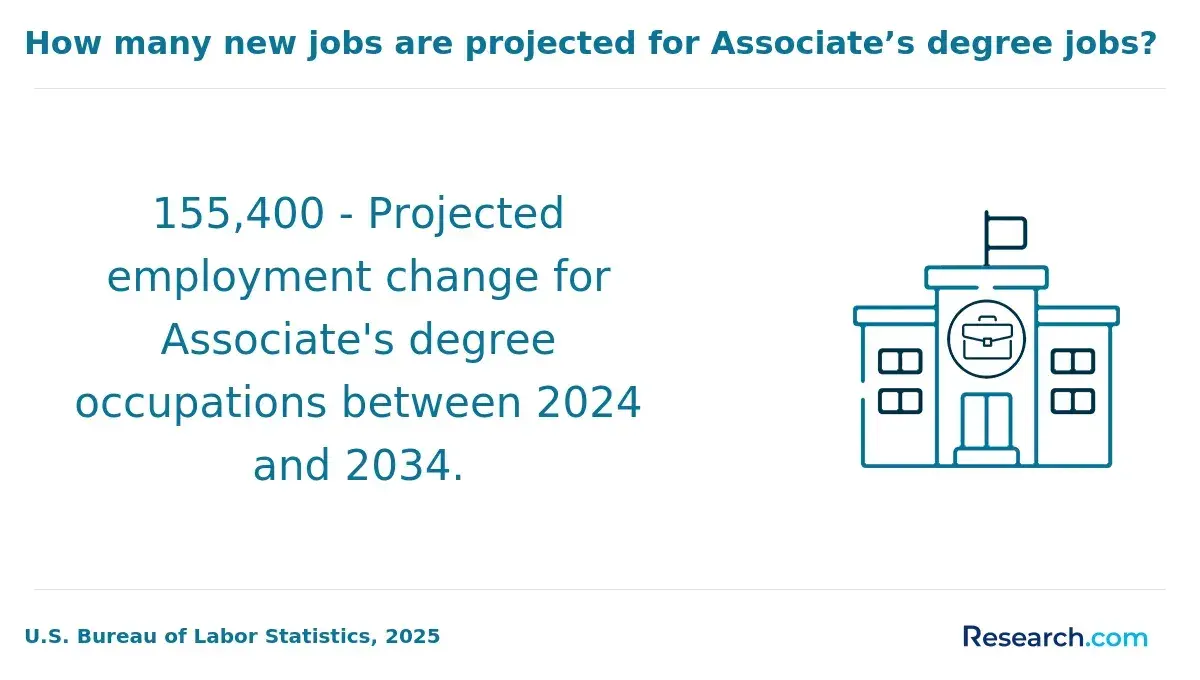
What Accreditation Should You Look for in an Online Marriage and Family Therapy Program?
Accreditation is critical when selecting an online marriage and family therapy degree program-over 85% of employers prefer candidates from accredited institutions, ensuring your education is recognized and respected. Accreditation also impacts credit transfers and eligibility for advanced degrees. Below are key accreditation factors to consider for affordable, credible options.
- Regional Accreditation: This institutional approval is the most trusted standard in the U.S., granted by agencies recognized by the Department of Education and CHEA. It guarantees academic quality, eligibility for federal aid, and easier credit transfers-important for learners aiming to continue education or switch schools.
- Programmatic Accreditation: Specifically from the Commission on Accreditation for Marriage and Family Therapy Education (COAMFTE), this confirms the program meets strict standards in curriculum, faculty expertise, and clinical training essential for licensure and professional practice.
- Nonprofit Status: Programs run by nonprofit institutions generally prioritize education quality over profit, often leading to lower tuition. Such schools usually demonstrate greater institutional stability and focus on serving student needs effectively.
- Transfer and Financial Aid Eligibility: Accredited programs typically qualify for federal financial aid, making them more affordable. They also maintain transfer agreements ensuring that previously earned credits are accepted, which reduces redundancy and costs for students.
- Transparency and Outcomes Reporting: Schools that publish graduation rates, licensure exam success, and employment statistics demonstrate accountability. These data points help prospective students gauge program effectiveness and potential return on investment.
Which Online Marriage and Family Therapy Programs Are Best for Working Adults?
Working adults increasingly seek online marriage and family therapy degree programs that offer flexibility, accelerated completion options, and strong long-term value. With online education enrollment growing by over 20% among adult learners in recent years, demand for adaptable programs that fit diverse schedules and responsibilities continues to rise. Below are key program features that best serve working professionals pursuing affordable, accredited degrees.
- Asynchronous Learning: Programs with fully asynchronous formats allow students to access coursework and lectures on their own time-essential for those balancing work, family, and other commitments without fixed class schedules.
- Competency-Based Pathways: These options let learners progress by demonstrating mastery of core skills rather than spending time in class, often enabling faster degree completion and lower tuition expenses.
- Transfer-Friendly Policies: Institutions that maximize acceptance of transfer credits significantly reduce time and costs for adult learners who have prior college experience, supporting a smoother degree journey.
- Employer-Aligned Programs: Degrees developed in partnership with employers or industry experts focus on relevant skills and career advancement, improving return on investment through enhanced job readiness.
- Flexible Part-Time Enrollment: Offering manageable course loads and scheduling options, part-time formats help students balance education with life demands without sacrificing academic quality or accreditation.
Choosing online marriage and family therapy programs that combine these features supports efficient, affordable degree completion and sustainable career growth for working adults.
What Financial Aid Options Are Available for Online Marriage and Family Therapy Students?
Rising concerns about student debt and the growing demand for flexible learning have made financial aid and tuition-reduction strategies vital for those comparing value-focused online marriage and family therapy degree programs. Nearly 60% of students use some form of federal financial assistance, while employer tuition assistance programs continue to grow in popularity. These options can significantly improve affordability for working professionals and adult learners balancing multiple responsibilities. Key financial aid pathways include:
- Federal Grants and Loans: Accredited online marriage and family therapy programs generally accept Title IV federal funds, allowing students to qualify for need-based Pell Grants and Direct Subsidized Loans. Eligibility often requires at least half-time enrollment and satisfactory academic progress, which many budget-conscious students must navigate carefully.
- Employer Tuition Reimbursement: Working professionals should investigate tuition assistance programs offered by employers, which may require continued employment and job-related coursework. This option effectively reduces out-of-pocket expenses and encourages career advancement without interrupting work commitments.
- Institutional Scholarships: Many universities provide merit- or need-based scholarships tailored for online learners pursuing marriage and family therapy degrees. These awards depend on academic achievement, residency, and program level, making it crucial to research each school's policies for added savings.
- Transfer-Credit Savings: Accepting transfer credits from accredited institutions can shorten degree duration and lower overall tuition costs. Since transfer policies vary widely, evaluating program flexibility alongside potential savings is essential to maximize return on investment.
- Military and Veteran Benefits: Military-affiliated students benefit from GI Bill provisions, Yellow Ribbon Programs, and other state and federal veteran education initiatives that often cover a substantial share of tuition expenses. These benefits help make online marriage and family therapy degrees more accessible for veterans and active-duty personnel.
Nontraditional students aiming for affordable and accredited marriage and family therapy programs should also explore broader healthcare-related workforce grants and state-specific funding options. For those interested in related health fields, a strong alternative to consider might be the exercise science online degree, which also offers promising financial aid programs and career growth potential.
Thoroughly reviewing institutional policies on enrollment intensity, transfer credits, and scholarship availability ensures the best financial fit-maximizing value and minimizing debt during the journey to earning a marriage and family therapy degree online.
What Careers Can You Pursue With an Online Marriage and Family Therapy Degree?
Students increasingly pursue online marriage and family therapy degrees to access flexible career pathways, competitive salaries, and long-term advancement opportunities. Employment in this field is projected to grow by approximately 14% over the next decade, underscoring strong employer demand. Below are key professional avenues that highlight the value of affordable, accredited online programs for career-focused adult learners and working professionals.
- Entry-Level Clinical Roles: Graduates frequently enter clinical or counseling jobs in community health centers, schools, or private practices. These positions offer practical experience and a chance to develop therapeutic skills while building a foundation for licensure and advanced certifications.
- Specialized Therapy Practices: Many professionals advance by focusing on niche areas such as trauma-informed care, substance abuse counseling, or couples therapy-fields that enhance employability and earning potential. Specialization connects well with current workforce needs for expertise in diverse populations.
- Remote and Hybrid Careers: The rise of teletherapy has expanded remote and hybrid opportunities, providing flexibility for online degree holders. These roles cater to increasing demand for virtual mental health services, allowing practitioners to balance work-life demands efficiently.
- Leadership and Administration: With experience, therapists often move into management roles-including program coordination and clinical supervision-leveraging organizational skills and industry knowledge to influence service delivery and policy.
- Academic and Research Opportunities: The degree serves as a stepping stone for doctoral studies and certifications like Licensed Marriage and Family Therapist (LMFT). These pathways open doors to academia, advanced clinical work, and roles with higher earning potential and influence in the field.
Budget-conscious students exploring the best career options with an online marriage and family therapy degree will find programs that align affordability, accreditation, and long-term return on investment essential. For those evaluating different routes in healthcare education, resources like online direct entry MSN programs also offer complementary pathways to enter clinical roles swiftly.
What Is the Salary Potential for Graduates of Online Marriage and Family Therapy Programs?
Salary outcomes for graduates of online marriage and family therapy degree programs vary widely-median annual earnings start around $50,000, reflecting entry-level positions in healthcare and community settings. Demand in specialized fields and leadership roles continues to grow, making salary potential a crucial consideration for learners seeking the best return on their educational investment. Key factors impacting earnings include:
- Specialization Benefits: Focused expertise in areas like trauma therapy or substance abuse counseling often leads to higher wages due to increased employer demand and niche qualifications.
- Experience and Advancement: Seasoned therapists who build strong client relationships or move into supervisory roles can surpass $75,000 annually, with private practice owners frequently earning six figures.
- Geographic Influence: Earnings frequently reflect the cost of living and local job markets-urban regions and economically robust areas typically offer superior pay scales.
- Accreditation Impact: Graduating from accredited and regionally recognized online programs tends to improve licensure opportunities, employer recognition, and access to higher-paying roles.
- Transferable Skills: Proficiency in counseling methods, ethical standards, and case management supports career growth and helps sustain long-term salary increases.
What Graduates Say About Best Value Online Marriage and Family Therapy Degree Programs
- Leonard: "As a budget-conscious student, I found it crucial to pinpoint online marriage and family therapy degree programs that are both affordable and fully accredited. The best value options I discovered not only minimized my debt but also connected me with strong internship opportunities, ensuring a practical return on investment. Choosing wisely allowed me to confidently pursue a fulfilling career without overwhelming financial strain."
- Jairo: "Reflecting on my journey juggling work and studies, I realized that the highest ROI came from programs offering flexible schedules and comprehensive support services. Online marriage and family therapy degrees that balanced affordability with robust curriculum equipped me to advance professionally and open doors to roles in counseling and mental health. Investing in quality education online made all the difference in aligning my career goals with my lifestyle."
- Charles: "From a career-focused standpoint, selecting an online marriage and family therapy degree was about maximizing long-term benefits. Programs that offered accreditation and strong alumni networks elevated my employment prospects in clinical and community settings. The value was clear: affordable tuition combined with targeted career pathways meant I could enhance my expertise and step into leadership roles in therapy services."
Other Things You Should Know About Marriage and Family Therapy Degrees
Prioritizing cost over clinical practicum experience in online marriage and family therapy programs might appeal to those with tight budgets, but it's vital to balance affordability with the need for quality practicums, as hands-on experience is crucial for skill development and future employability in the field.
Yes, many affordable accredited online marriage and family therapy degree programs are designed to meet state licensure standards. However, licensure requirements vary by state, so students should verify that their chosen program fulfills criteria such as course content, practicum hours, and additional examinations before enrolling.
Some online programs provide specialization tracks or electives that focus on areas like child and adolescent therapy, substance abuse, or trauma counseling. These options allow students to tailor their education to their career goals, enhancing employment prospects in specific therapy niches.
While online marriage and family therapy programs may lack in-person interaction, many utilize virtual platforms for peer collaboration, instructor engagement, and mentorship. Access to professional organizations, internships, and alumni networks often supplements the learning experience to foster career development and professional connections.
References
- Online MFT Programs in California — MFT California https://www.mftcalifornia.com/online-programs
- Benefits of Earning an Online MFT Degree | TUW https://www.tuw.edu/school-news/online-mft-degree-benefits/
- Master's in MFT Programs Online: Top Schools & More https://www.edumed.org/online-schools/marriage-and-family-therapy-mft-programs/
- Online Master's in Marriage and Family Therapy https://onlinecounselingprograms.com/online-counseling-degrees/online-mft-masters-programs/
- Best Online Master's In Marriage & Family Counseling 2025 https://www.psychology.org/rankings/best-masters-programs-in-family-counseling/
- Master's in MFT jobs | edX | edX https://www.edx.org/resources/what-can-you-do-with-a-masters-in-mft
- 30+ MFT Scholarships & Resources to Help You Graduate with Less Debt https://www.onlinemastersdegrees.org/student-resources/marriage-and-family-therapy-mft/
- MFT Training Programs https://www.coamfte.org/COAMFTE/COAMFTE/Directory_of_Accredited_Programs/MFT_Training_Programs.aspx
- Commission on Accreditation for Marriage and Family Therapy Education, American Association for Marriage and Family Therapy - (COAMFTE) https://www.chea.org/commission-accreditation-marriage-and-family-therapy-education-american-association-marriage-and