2027 Marriage and Family Therapy Degree Completion Programs for Working Adults

Co-Founder and Chief Data Scientist
Balancing work, life, and education poses a significant challenge for adults seeking to complete a marriage and family therapy degree. Many struggle to find programs that recognize prior credits, offer flexible scheduling, and maintain accreditation standards essential for licensure. National data show that 62% of graduates from accredited marriage and family therapy programs secure licensure within two years, highlighting program quality's impact on career outcomes. This article examines how degree completion programs tailored for working adults differ from generic options-focusing on transfer policies, cost, and format-to help readers choose a pathway aligned with their goals and financial realities.
Key Things to Know About Marriage and Family Therapy Degree Completion Programs for Working Adults
- Programs maximizing credit for prior learning-especially military and ACE evaluations-can reduce time to degree by up to 40%, crucial for working adults balancing career and study.
- Choosing programs recognized by employers and state licenses ensures eligibility for clinical practice and enhances job market value post-graduation.
- Financial aid options specifically for working adults-such as employer tuition assistance and federal grants-can mitigate costs despite fluctuating program prices in 2023.
What Are Marriage and Family Therapy Degree Completion Programs, and Who Are They Designed For?
Marriage and family therapy degree completion programs serve as specialized pathways for working adults aiming to finish undergraduate studies without starting over. These programs differ from traditional four-year or graduate degrees by offering accelerated pacing, recognizing prior learning, and adapting to adult schedules.
Key features include:
- Accelerated Pacing: Courses are often condensed into evening, weekend, or online formats, allowing faster completion amid busy routines.
- Credit-for-Prior-Learning Policies: Transfer credits-from previous college work or ACE-accredited military training-reduce time and expense.
- Flexible Scheduling: Hybrid and fully online options make it possible to balance studies with employment and family life, an essential aspect of online marriage and family therapy completion programs for professionals.
The primary audiences encompass adults with some college but no degree, military veterans with ACE credentials, mid-career professionals seeking promotion credentials, and career changers needing accessible licensure pathways. These programs respect prior experiences while aligning with state licensing requirements.
National organizations like the National Student Clearinghouse, the American Association of State Colleges and Universities, and the Lumina Foundation validate these routes as effective for adult learners advancing educational attainment. High-quality completion programs maintain accreditation standards essential for employer and licensing board recognition, ensuring relevant career outcomes.
Choosing the right program requires assessing credit transfer policies, accreditation, financial aid availability, and job placement success. Prospective students benefit from understanding these factors to select a path balancing career goals, costs, and life demands.
For comparison in related advanced nursing fields, consider resources like the 1 year MSN to DNP program online to explore accelerated nursing doctoral options.
How Do Marriage and Family Therapy Degree Completion Programs Differ From Traditional On-Campus Degree Programs?
Marriage and Family Therapy degree completion programs cater specifically to working adults by offering Scheduling Formats like evening, weekend, online, or hybrid classes-providing flexibility that traditional programs with rigid daytime, campus-based schedules lack. These flexible marriage and family therapy degree completion programs allow students to integrate education with work and family commitments effectively.
- Pacing Options: Completion students often choose between accelerated cohorts with structured timelines or self-paced enrollment, while traditional programs usually require full-time, semester-based credit loads.
- Residency Requirements: Many completion programs minimize or eliminate on-campus residency except for limited orientation or capstone activities, contrasting with traditional programs demanding regular campus presence.
- Asynchronous Coursework: A higher proportion of courses are offered asynchronously in completion programs, enabling study at convenient times rather than fixed class meetings.
- Structural Accommodations: Features such as rolling start dates, streamlined advising tailored to adult learners, and generous credit transfer policies-especially beneficial for veterans-distinguish these programs. These credit transfer policies in marriage and family therapy degree programs often recognize prior learning, including ACE-accredited military training, supporting seamless enrollment.
- Enrollment Trends: According to the National Center for Education Statistics and IPEDS, enrollment in degree completion programs has significantly risen over the past decade, reflecting growing demand from nontraditional students balancing careers.
- Credential Parity: The degrees awarded-whether a Bachelor of Science or Bachelor of Arts in Marriage and Family Therapy-are generally equivalent across completion and traditional formats.
- Support Services and Financial Aid: High-quality completion programs emphasize credit evaluation and tailored financial aid guidance for working adults, factors critical to adult learners who may not find such support in traditional settings.
Prospective students should assess how well completion programs align with their professional goals and life circumstances, considering options to maximize credit for prior learning and access financial aid targeted to working adults. For those interested in comparable flexible education in other allied health fields, exploring the cheapest online FNP programs can offer additional insight into flexible degree structures designed for employed learners.
What Prior Credits and Experiences Count Toward a Marriage and Family Therapy Degree Completion Program?
Transfer Credits: Degree completion programs frequently accept credits from regionally accredited colleges, especially in psychology, social work, or related fields. The accrediting body of the original institution heavily influences credit acceptance, making verification essential before enrolling.
Military Training Credits: Veterans often gain credit through evaluations by the American Council on Education (ACE), which recognizes formal training and occupational experience during service. Beware of programs that ignore ACE recommendations or impose unjustified caps on these credits.
Professional Certifications: Credentials in mental health or counseling may translate into academic credit if properly documented and assessed through a formal prior learning process.
Prior Learning Assessment (PLA): Many schools offer PLA to evaluate work experience, non-collegiate instruction, or portfolios against course requirements. Research by the Council for Adult and Experiential Learning (CAEL) indicates PLA can reduce degree completion by six to twelve months, resulting in meaningful savings.
Credit-by-Examination: Options like CLEP and DSST exams enable students to prove mastery of foundational topics without retaking courses, providing greater scheduling flexibility.
Transfer credit policies vary widely across institutions and programs. Prospective students should secure official transcripts and seek pre-enrollment credit evaluations to maximize recognized credits. Relying on transfer guidelines from organizations like the American Association of Collegiate Registrars and Admissions Officers (AACRAO) can help identify fair and transparent practices. Avoid programs limiting transfer credits arbitrarily without clear academic rationale, as this can unnecessarily prolong studies and costs.
A professional who recently completed a marriage and family therapy degree shared his journey, highlighting the complexities of credit transfer. He recalled, "Navigating transcript evaluations took patience-some courses weren't accepted initially because of accreditation issues. But once I submitted military training records alongside my counseling certifications, the school's prior learning assessment office worked with me to convert those into real credits. It wasn't a quick process, but seeing those months shaved off my program timeline kept me motivated. The key was persistence in requesting evaluations and clear documentation. Without that, I might still be retaking classes I already mastered."
What Is the Minimum GPA Requirement for Marriage and Family Therapy Degree Completion Programs?
Admission to marriage and family therapy degree completion programs generally requires a minimum cumulative GPA from prior coursework-most often between 2.0 and 2.5 on a 4.0 scale-though this varies based on institutional policies and student demographics. Such GPA thresholds confirm foundational academic readiness for advanced study.
Some programs offer conditional admission, allowing students below GPA standards to enroll with support measures like tutoring or probationary terms to boost academic performance. Others provide open admission options that waive GPA minimums entirely for applicants demonstrating substantial professional experience or military training, prioritizing practical expertise over traditional metrics.
- Holistic Review: Many adult-serving institutions balance GPA with additional factors such as letters of recommendation, personal statements, and relevant work or volunteer experience, especially in programs accredited by bodies like the Higher Learning Commission (HLC).
Adults returning after extended breaks may leverage academic forgiveness or fresh-start policies that exclude past low grades from GPA calculations following a set period without enrollment, enabling a reset in academic standing.
Prospective students should request a formal pre-admission academic evaluation from target institutions to gain an accurate understanding of eligibility. This step helps align expectations and minimize wasted effort during application processes.
Careful review of GPA cutoffs for accredited marriage and family therapy completion degrees and program admissions criteria allows adult learners and career changers to identify the best pathways aligned with their background and goals. To better understand career outcomes associated with relevant fields, consider exploring 20 careers in biology salary as a reference for well-paying opportunities in related disciplines.
How Are Marriage and Family Therapy Degree Completion Programs Structured Around Full-Time Work Schedules?
Marriage and family therapy degree completion programs often offer varied scheduling options-such as evening cohorts, weekend intensives, fully asynchronous online courses, and hybrid models mixing online with occasional in-person sessions-to accommodate students working 40 or more hours weekly. These formats provide flexibility, allowing learners to balance coursework with demanding professional and personal lives. Most programs recommend enrolling in 6 to 9 credits per term, a manageable load that supports steady progress without overwhelming working adults.
A common design feature is the cohort learning model, where students move through classes as a consistent group. This approach fosters accountability and peer support while offering predictable schedules planned well in advance, which is crucial for those managing complex commitments. Data from the National Student Clearinghouse Research Center reveals higher persistence and graduation rates among working adults enrolled in cohort-based programs compared to traditional formats, indicating this structured system effectively supports degree completion.
- Course Cancellation Policies: Clarify how institutions handle cancellations and alternatives to prevent delays.
- Make-Up Provisions: Identify if programs provide options like recorded sessions or substitute assignments for unavoidable conflicts.
- Student Success Advising: See whether dedicated advisors assist in managing scheduling challenges to keep students on track.
A professional who completed her degree in Marriage and Family Therapy shared her experience navigating full-time work alongside studies. She emphasized that the evening cohort structure was instrumental, allowing her to maintain a consistent schedule without sacrificing family time. "Knowing my classmates and professors progressed together created a real sense of commitment," she reflected. Despite occasional work emergencies, the program's flexible makeup options prevented setbacks. She appreciated having an advisor who proactively checked in, helping her adjust plans when life became unpredictable. This support network, she noted, transformed a daunting juggling act into an achievable journey toward her credentials.
Is Online or Hybrid Delivery Available for Marriage and Family Therapy Degree Completion Programs?
Marriage and family therapy degree completion programs offer various delivery formats tailored to adults balancing careers and personal life. Fully online formats combine synchronous video sessions-allowing real-time interaction-and asynchronous lectures, which provide flexible study options. Hybrid programs mix these online elements with on-site intensives such as weekend workshops or practicums, critical for developing hands-on clinical skills.
Data from the NCES Integrated Postsecondary Education Data System shows that in 2023, more than 60% of adult degree completers chose fully online programs, while about 25% opted for hybrid models. The Online Learning Consortium reports that the COVID-19 pandemic significantly boosted universities' abilities to offer robust online instruction, enhancing technology and faculty readiness across fields including marriage and family therapy.
When assessing online marriage and family therapy completion programs, students should focus on key quality markers:
- Faculty Credentials: Experienced instructors proficient in online teaching ensure effective learning.
- Student-to-Faculty Ratio: Smaller ratios support personalized feedback and mentoring.
- Virtual Support Services: Availability of online tutoring, advising, and counseling resources aids academic success.
- Accreditation: Programs must hold the same accreditation as their campus-based counterparts to ensure licensure eligibility.
- Credit Transfer Policies: Maximizing prior learning credits facilitates timely degree completion.
- Clinical Placement Pathways: Clear arrangements for practicum sites are essential for licensure preparation.
Deciding between fully online, hybrid, or in-person depends on individual learning preferences, geographic constraints, and work schedules. Prospective students should inquire whether programs offer asynchronous content, the frequency and flexibility of live sessions, in-person requirements, support accessibility, and licensure support when discussing options with enrollment advisors.
How Long Does It Take to Complete a Marriage and Family Therapy Degree Completion Program?
Completion timelines for marriage and family therapy degree completion programs vary widely-largely influenced by students' prior credits and program design. Those entering with about 60 credits typically require two to three years of study, while students with around 90 credits may finish within one to two years. Military veterans and others with substantial prior learning assessments (PLA), such as ACE evaluations, often complete requirements even faster-sometimes in a year or less-depending on remaining program obligations.
Key factors influencing completion speed include:
- Credit Transfer and PLA: Students with more credits awarded before starting have fewer courses to complete, significantly shortening time to degree.
- Enrollment Status: Full-time enrollment accelerates completion compared to part-time, which is common among working adults balancing jobs and family.
- Fixed Field Experience: Clinical internships, practicum hours, and capstone projects often require minimum durations that cannot be compressed regardless of academic progress.
Financially, faster completion reduces total tuition and limits opportunity costs tied to foregone earnings-since graduates often access higher salary brackets post-degree. Thus, accelerated completion is a strategic financial decision, not merely a scheduling preference.
Prospective students should request written average time-to-degree data specific to their credit profile from programs. Marketing minimum completion times often reflect ideal scenarios for students entering with maximum credits or studying full-time, which may not represent typical experiences for working adults.
These realistic timelines help adult learners-especially mid-career professionals and military veterans-evaluate program options against career goals, finances, and life commitments when considering marriage and family therapy degree completion pathways.
What Accreditation Should a Marriage and Family Therapy Degree Completion Program Hold?
Regional Accreditation: Regional accreditation is the benchmark for credible marriage and family therapy degree completion programs. Agencies such as the Higher Learning Commission (HLC), the Middle States Commission on Higher Education, and the Southern Association of Colleges and Schools Commission on Colleges (SACSCOC) thoroughly evaluate institutions. These accreditors are widely recognized by employers, graduate schools, and federal student aid programs. Choosing a regionally accredited school enhances credit transfer options, supports eligibility for professional licensure, and preserves the value of your degree in the job market. This aspect is crucial for those seeking licensed marriage and family therapy program accreditation bodies.
National Accreditation: National accreditation-often granted by organizations like the Distance Education Accrediting Commission (DEAC)-focuses on specific institution types or educational formats but generally lacks the prestige of regional accreditation. Credits earned from nationally accredited institutions frequently face challenges in transferring, and employers or licensing boards may view these credentials less favorably, possibly hindering career advancement.
Programmatic Accreditation: Specific accreditation bodies address fields related to marriage and family therapy, affecting licensure and employment outcomes. For instance, while ABET accredits engineering and technology programs and AACSB or ACBSP cover business, the Council on Social Work Education (CSWE) accredits relevant social work programs, making it a key marker for program quality and professional pathway access.
Unrecognized Accreditors: Beware of institutions promoting accreditation through dubious or unrecognized agencies. Such credentials risk rejection by employers and licensing boards, posing reputational and financial hazards. Prospective students should verify accreditation independently using the U.S. Department of Education's Database of Accredited Postsecondary Institutions and Programs (DAPIP) rather than relying solely on school marketing materials.
Working adults evaluating marriage and family therapy degree completion options-especially those with prior credits or military training-should weigh these accreditation standards alongside credit transfer policies, program scheduling, and financial aid access. Exploring specialized degree pathways can include reviewing programs with robust accreditation endorsement and linkages to licensure.
For mid-career professionals aiming at credential-gated promotions or career changers, comparing available programs with these quality indicators helps identify strong choices. For those interested in advancing further in healthcare fields, reviewing options such as the doctorate healthcare administration programs may also provide valuable insight.
How Much Do Marriage and Family Therapy Degree Completion Programs Cost, and What Financial Aid Is Available?
Costs for marriage and family therapy degree completion programs vary significantly by institution type and residency. Public regional universities charge roughly $300 to $600 per credit hour for in-state students, while private nonprofit schools typically range from $600 to over $1,200 per credit. For-profit institutions often fall higher-between $700 and $1,500 per credit. Mandatory fees, technology access charges, learning materials, and required on-campus residencies or intensives can add $1,000 to $3,000 annually. These elements are crucial when estimating total program costs for working adults.
Financial aid tailored for working adults includes:
- Pell Grants: Some part-time adult learners qualify, helping reduce net costs.
- Employer Tuition Reimbursement: Many employers reimburse part or all tuition, a benefit worth exploring early.
- Military Benefits: GI Bill and MyCAA funding assist military-affiliated students with tuition and related expenses.
- Institutional Scholarships: Non-traditional adult students often access scholarships supporting degree completion.
Completing the FAFSA as an independent filer is essential for federal aid eligibility. Working adults can also benefit from tax credits such as the Lifetime Learning Credit and the educational assistance exclusion under IRS Section 127 for employer-provided benefits. Consulting a tax professional helps optimize these advantages based on individual situations.
When comparing marriage and family therapy degree completion program costs, consider:
- Credit Transfer Savings: Maximizing prior credits can substantially lower tuition and required coursework.
- Employer Reimbursement Eligibility: Verify which programs and courses your employer supports.
- Net Tuition After Aid: Account for scholarships, grants, and tax benefits to gauge actual out-of-pocket expenses.
Since working adults often bring prior learning and employment advantages, calculating customized total cost estimates offers the most accurate affordability picture. For professionals seeking flexibility and value, researching the best online kinesiology degree options may provide additional perspectives on affordable degree completion pathways in health-related fields.
What Career Outcomes Can Working Adults Expect After Completing a Marriage and Family Therapy Degree?
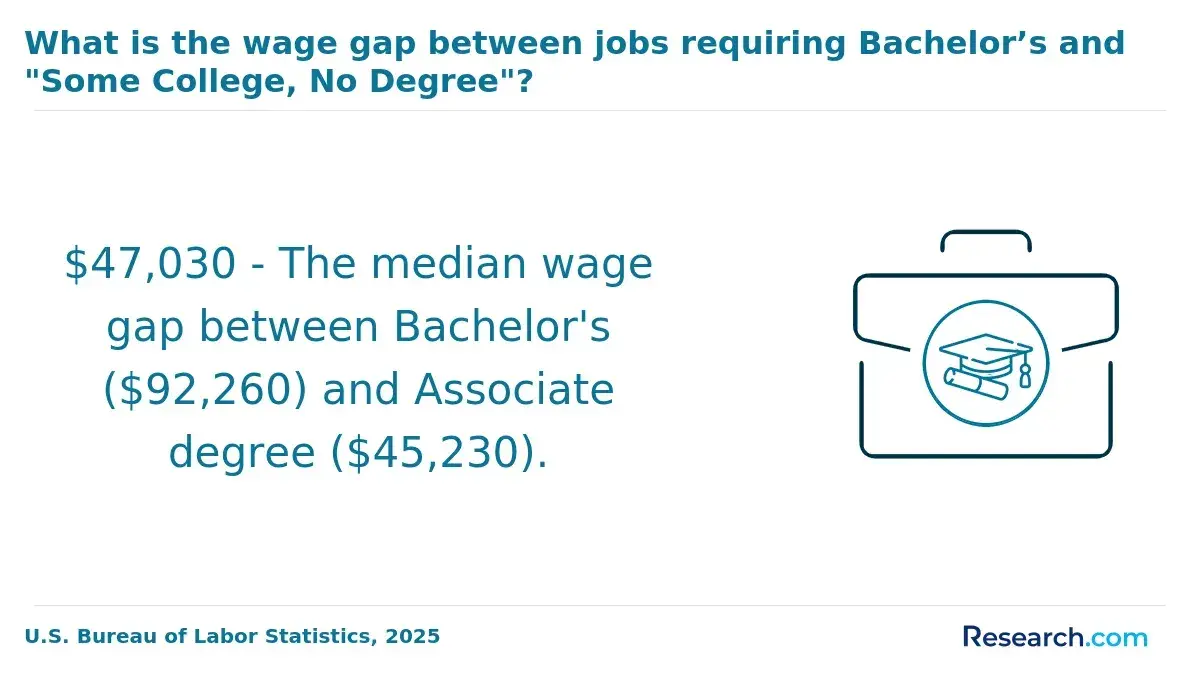
Graduates who complete a bachelor's degree in marriage and family therapy typically experience significant advantages in employment and earnings compared to peers with some college but no degree. Data from the College Scorecard, BLS, and institutional alumni surveys show a consistent salary premium-often 15% to 25% higher-for those holding this credential, reflecting its value in the labor market.
- Salary Premium: Bachelor's degree holders in this field report higher median wages than individuals without a completed degree, as confirmed by Georgetown University Center on Education and the Workforce research.
- Promotion Eligibility: Completing this degree often unlocks opportunities for supervisory and senior roles that require formal credentials, offering a clear pathway for career advancement.
- Credential-Gated Job Titles: Many positions demand a bachelor's degree as a baseline credential, especially for those pursuing state licensure or specialized certifications.
- Experienced Professional Advantage: Working adults with existing industry experience who earn the degree can bypass entry-level positions, targeting leadership or specialized roles more quickly than recent graduates.
- Graduate Program Access: A completed bachelor's degree is typically required for admission into reputable master's and doctoral programs related to marriage and family therapy, enabling continued academic and clinical advancement.
Prospective students should carefully evaluate programs to ensure they meet employer expectations and state licensing requirements. Maximizing credit for prior learning, confirming program accreditation, and examining financial aid options are critical steps that help working adults select a degree completion pathway that aligns with professional goals and life responsibilities-minimizing unexpected barriers to career progression after graduation.
How Do Employers View a Marriage and Family Therapy Degree Completed Through a Completion Program?
Employer perceptions of marriage and family therapy degrees earned through completion programs focus mainly on accreditation status rather than the student's enrollment method or use of prior learning assessments (PLA). Surveys from organizations like the Society for Human Resource Management (SHRM) and the National Association of Colleges and Employers (NACE) highlight that employers prioritize degrees from regionally accredited institutions with recognized professional program accreditation.
- Accreditation: Degrees from accredited schools and programs carry weight regardless of the completion format, ensuring candidates meet recognized educational standards.
- Diploma Presentation: Diplomas issued for completion programs typically do not indicate the route of degree attainment-graduation certificates look identical whether earned traditionally or through accelerated paths.
- Resume Strategy: Applicants should emphasize their program's accredited status and portray the focused, efficient nature of completion programs as a strength-showcasing skills like time management, discipline, and practical experience during interviews.
- Scrutiny in Regulated Careers: Fields such as federal employment following OPM standards or state licensing for marriage and family therapists may require thorough verification of education pathways. Prospective students should confirm credential acceptance with licensing boards or human resources before enrolling.
- Private Sector Hiring: In most non-regulated roles, hiring managers prioritize professional skills, proven competence, and references, making a completion degree a valid credential-not a lesser alternative to a traditional degree.
What Graduates Say About Marriage and Family Therapy Degree Completion Programs for Working Adults
- Leonard: "Completing the marriage and family therapy program while working full-time was made manageable thanks to its flexible scheduling formats-offering evening and weekend classes that fit my busy life. The program's strong accreditation standards gave me confidence that my degree would be respected by employers and licensing boards alike. Additionally, their generous credit transfer policy meant I didn't have to retake courses I'd already mastered, saving me time and money."
- Jairo: "What stood out most to me was how the structural features of this marriage and family therapy completion program were tailored specifically for working adults-streamlined coursework with focused clinical experiences made balance possible. Cost considerations were clearly laid out, allowing me to plan financially without surprises, which is crucial as a single parent. Most importantly, I found the career outcome support to be exceptional, helping me transition smoothly into a fulfilling counseling role after graduation."
- Charles: "Reflecting on my experience, I can confidently say that the marriage and family therapy completion program's accreditation gave my education real weight in the professional community-something generic undergraduate options lacked. The program's thoughtful credit transfer policies acknowledged my previous studies, accelerating my path to licensure. Lastly, the variety of scheduling formats made it possible to juggle work, family, and study without feeling overwhelmed, which was a true game-changer for me."
Other Things You Should Know About Marriage and Family Therapy Degrees
Many programs provide tailored support services such as academic advising, career counseling, and technology assistance to accommodate working adults' unique schedules. Some also offer online tutoring and peer mentoring to help balance coursework with personal and professional commitments. These resources are designed to increase retention and aid students in meeting both degree requirements and licensure standards efficiently.
Yes, credits earned in accredited marriage and family therapy degree completion programs often transfer to graduate-level studies, especially when the bachelor's curriculum aligns with graduate prerequisites. It is important to verify the transfer policies of prospective graduate schools beforehand. Completing a degree completion program can thus serve as a strategic step toward licensure or advanced specialization.
Military veterans can often apply benefits such as the GI Bill to cover tuition and fees in approved marriage and family therapy degree completion programs. Many institutions have dedicated veterans' support offices to help navigate eligibility and enrollment processes. Additionally, prior military training and experience may be evaluated for credit, accelerating degree completion and reducing educational costs.
References
- What w języku angielskim https://www.ang.pl/blog/slowo-what-w-angielskim
- How Long Does it Take to Become an LMFT in California? Realistic Timeline Explained - California MFT https://californiamft.org/become-a-lmft/how-long-does-it-take/
- Commission on Accreditation for Marriage and Family Therapy Education, American Association for Marriage and Family Therapy - (COAMFTE) https://www.chea.org/commission-accreditation-marriage-and-family-therapy-education-american-association-marriage-and
- Frequently Asked Questions - Students https://www.coamfte.org/COAMFTE/COAMFTE/Resources/Frequently_Asked_Questions.aspx
- Master's in Marriage and Family Therapy: What Are We Fit For? - Family Therapy Magazine https://ftm.aamft.org/masters-in-marriage-and-family-therapy-what-are-we-fit-for/
- Benefits of Earning an Online MFT Degree | TUW https://www.tuw.edu/school-news/online-mft-degree-benefits/
- Marriage and Family Therapists: Salary, career path, job outlook, education and more - RaiseMe https://www.raise.me/careers/community-and-social-service/marriage-and-family-therapists/
- Online Master's in Marriage and Family Therapy https://onlinecounselingprograms.com/online-counseling-degrees/online-mft-masters-programs/
- What - Translation into Polish - examples English | Reverso Context https://context.reverso.net/translation/english-polish/What
- Admission Requirements https://www.twu.ca/marriage-family-therapy-mcs/admission-requirements