2027 Entry-Level Jobs With a Business Administration Degree

Co-Founder and Chief Data Scientist
A business administration degree is broad by design, which is both its advantage and its challenge. Graduates can pursue roles in management, finance, marketing, sales, operations, human resources, healthcare administration, technology, and public service, but the best first job depends on the skills they can prove, not just the major listed on the diploma.
Nearly 40% of bachelor's degree holders in business administration secure entry-level roles within six months of graduation, reflecting steady demand for practical skills in management, finance, marketing, communication, and analysis. The strongest candidates usually connect classroom learning to measurable experience: internships, part-time work, student leadership, case projects, certifications, software skills, or customer-facing roles.
This guide explains which entry-level jobs business administration graduates can pursue, which industries hire them, which early-career roles tend to pay more, what employers look for, how to compete without an internship, and how to prepare for promotion after landing the first job.
Key Benefits of Entry-Level Jobs With a Business Administration Degree
- Entry-level jobs provide practical experience and help develop industry-specific skills critical for success in business administration careers.
- These roles offer clear pathways for career advancement, supporting long-term professional growth within competitive business sectors.
- Graduates can build valuable professional networks and enhance their resumes early, increasing employability in the evolving job market.
What Entry-Level Jobs Can You Get With a Business Administration Degree?
Business administration graduates can qualify for a wide range of entry-level roles because the degree covers core business functions: management, accounting, finance, marketing, operations, human resources, and organizational behavior. About 62% of business graduates secure employment within six months of graduation, showing that demand exists, but candidates still need to target roles that match their strengths and experience.
The best first job is usually one that builds transferable skills, exposes graduates to business systems, and creates a path toward a more specialized role. Common entry points include the following:
- Management Trainee: Management trainee roles are designed for graduates who want exposure to several departments before moving into supervisory work. Trainees often rotate through operations, sales, customer service, inventory, reporting, and team coordination. This can be a strong option for graduates who want a structured path but are still deciding on a specialty.
- Marketing Coordinator: Marketing coordinators help schedule campaigns, track performance, support content or event planning, conduct market research, and coordinate with vendors or internal teams. This role fits graduates who enjoy communication, consumer behavior, analytics, and creative problem-solving.
- Account Analyst: Account analysts review financial records, prepare reports, monitor budgets, assist with forecasts, and support client or internal account management. This job is a practical starting point for graduates interested in finance, business intelligence, accounting support, or corporate planning.
- Sales Representative: Sales representatives prospect for customers, manage client conversations, explain products or services, track leads, and work toward revenue targets. This role can be demanding, but it develops negotiation, presentation, relationship-building, and resilience quickly.
- Human Resources Assistant: HR assistants support recruiting, onboarding, employee records, benefits administration, training coordination, and employee relations processes. It is a useful entry point for graduates interested in people operations, compliance, workplace culture, or talent management.
Graduates should compare these jobs by more than title. A lower-paying role with strong training, mentorship, and measurable responsibilities can be more valuable than a slightly higher-paying job with little room to grow. Those considering graduate school later can also review accessible master's degree options as part of a longer-term career plan.
Which Industries Hire the Most Business Administration Graduates?
Business administration graduates are hired across many industries because most organizations need people who can coordinate teams, analyze information, manage customers, control costs, and improve processes. According to the National Center for Education Statistics, around 30% of these graduates in the U.S. find employment in the finance, insurance, and real estate sectors alone.
The right industry choice depends on a graduate's interests, tolerance for regulation, preferred work environment, and desired skill path. The industries below are among the most common destinations.
- Finance and Real Estate: Banks, insurance firms, investment companies, mortgage lenders, property management companies, and real estate firms hire business graduates for roles such as financial analyst, loan officer, credit analyst, account associate, and operations coordinator. These roles often reward accuracy, risk awareness, spreadsheet skills, and comfort working with numbers.
- Healthcare: Hospitals, clinics, health systems, insurers, and medical offices need business graduates to support scheduling, billing, revenue cycle management, compliance, purchasing, operations, and patient service processes. Entry-level titles may include healthcare administrator, revenue cycle analyst, administrative coordinator, or practice management assistant.
- Retail and Consumer Goods: Retailers, wholesalers, manufacturers, and consumer brands hire graduates for store management trainee programs, sales operations, merchandising, supply chain support, inventory analysis, and customer experience roles. This industry is a strong fit for candidates who like fast-moving operations and measurable performance goals.
- Technology: Technology companies need business graduates who can connect customers, products, data, and internal teams. Entry-level roles may include business analyst, sales development representative, customer success associate, marketing coordinator, project coordinator, or operations analyst. Candidates with comfort using software platforms and interpreting data often stand out.
- Government and Public Administration: Public agencies, municipalities, nonprofit organizations, and education systems hire business graduates for program coordination, budget support, procurement, grant administration, and administrative analysis. These roles often require attention to procedure, documentation, public accountability, and resource allocation.
A business administration graduate described the early job search as both promising and difficult: "While I knew my degree opened doors in various sectors, deciding where to start was overwhelming." He said that researching industry demand and attending networking events helped him narrow his options to roles that fit his interests.
He also emphasized patience: "It took several applications and interviews before landing a role that felt right." That experience reflects a common reality for business graduates: the degree creates flexibility, but a focused job search creates better results.
Which Entry-Level Business Administration Jobs Pay the Highest Salaries?
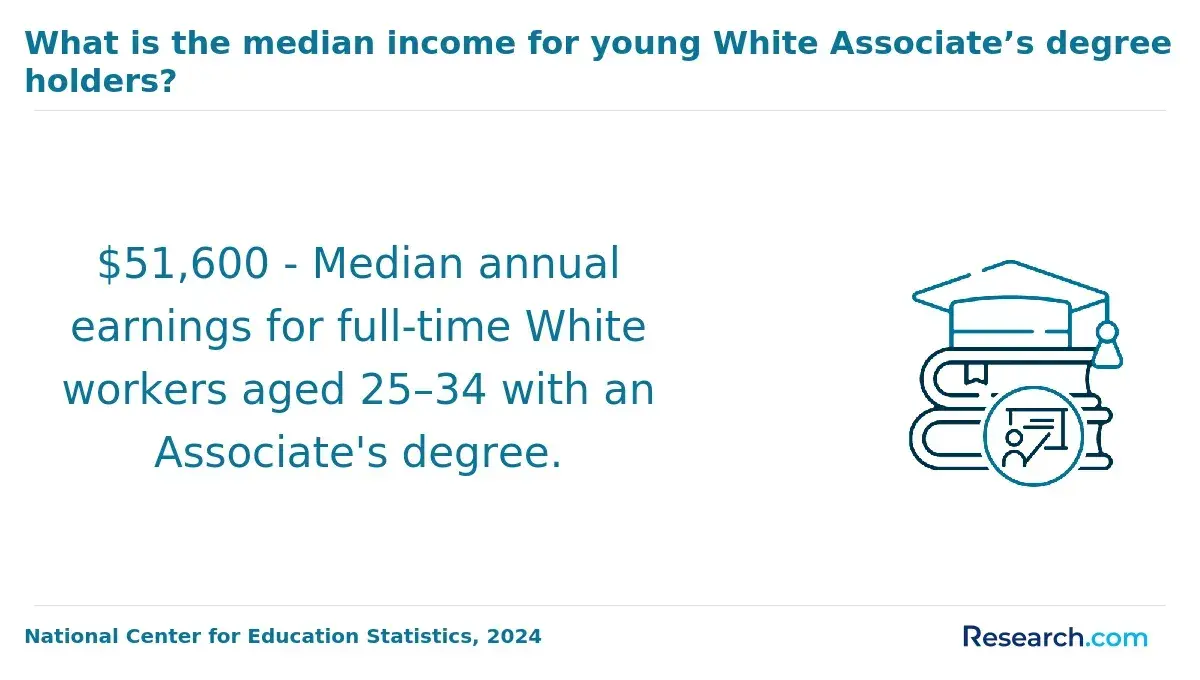
The highest-paying entry-level business administration jobs are usually tied to revenue, financial decisions, cost control, data analysis, or operational efficiency. Pay can vary by location, employer size, industry, bonus structure, and the technical requirements of the role, so graduates should evaluate total compensation and growth potential rather than salary alone.
Among common starting roles, these positions often offer stronger early-career earning potential:
- Management Analyst: Management analysts, sometimes called consultants, help organizations improve efficiency, reduce costs, evaluate processes, and solve operational problems. Entry-level salaries typically range from $55,000 to $70,000. Candidates with strong Excel, presentation, research, and problem-framing skills are often more competitive.
- Financial Analyst: Financial analysts support budgeting, forecasting, reporting, investment research, and financial decision-making. Starting salaries usually fall between $58,000 and $72,000. This role is a good fit for graduates who are comfortable with quantitative work, financial statements, and business performance metrics.
- Marketing Coordinator: Marketing coordinators execute campaigns, track engagement, help with market research, and support brand or demand-generation efforts. They often earn between $45,000 and $60,000 initially. Pay may be higher in competitive industries when the role requires digital analytics, paid media, CRM platforms, or campaign reporting.
- Human Resources Specialist: HR specialists support recruitment, employee relations, benefits, onboarding, compliance, and training. They start at about $47,000 to $62,000. Graduates who understand employment policies, HR systems, and professional communication can move into recruiting, compensation, learning and development, or HR operations.
- Operations Administrator: Operations administrators help coordinate daily business activities, supply chains, workflows, vendor communication, scheduling, inventory, and reporting. They earn roughly $50,000 to $65,000. This role can lead to operations analyst, logistics coordinator, supply chain analyst, or operations manager positions.
Graduates seeking higher starting salaries should build evidence of technical ability. Examples include advanced spreadsheet work, dashboard reporting, financial modeling basics, CRM experience, process mapping, project coordination, and documented results from internships or class projects.
What Skills Do Employers Look for in Entry-Level Business Administration Graduates?
Employers hiring entry-level business administration graduates want candidates who can communicate clearly, learn quickly, use business tools, and contribute with limited supervision. Academic performance matters, but many hiring managers place more weight on workplace readiness. A significant 80% of employers identify communication abilities as a vital skill gap among recent graduates, which makes communication one of the most important differentiators.
The following skills are especially important for entry-level business roles:
- Communication Skills: Business graduates must write clear emails, summarize information, ask useful questions, present updates, and communicate with coworkers, customers, vendors, or managers. Employers value candidates who can explain work without jargon and adjust their tone to the audience.
- Analytical Thinking: Entry-level employees are often asked to review reports, spot trends, compare options, identify problems, and recommend next steps. Analytical thinking is not limited to finance roles; it also matters in marketing, HR, operations, customer success, and project coordination.
- Time Management: New hires must balance meetings, deadlines, routine tasks, urgent requests, and long-term projects. Employers look for evidence that candidates can prioritize work, follow up reliably, and complete tasks without constant reminders.
- Adaptability: Business processes, technology platforms, customer expectations, and company priorities can shift quickly. Adaptable graduates are willing to learn new systems, accept feedback, and adjust when a project changes direction.
- Teamwork: Most business administration roles require coordination across departments. Strong team members document their work, respect deadlines, share information, and understand how their tasks affect others.
Employers typically assess these skills through behavioral interview questions, work samples, writing exercises, case prompts, and examples from internships, jobs, volunteer work, or student organizations. Graduates should prepare specific stories that show how they solved problems, handled conflict, led a task, improved a process, or used data to make a decision.
Candidates exploring broader professional development options can also compare programs such as the best online CACREP counseling programs, though business graduates should prioritize training that directly supports their target role.
Do Employers Hire Business Administration Graduates With No Internships?
Yes, employers do hire business administration graduates without internships, but those candidates usually need another way to prove they are ready for professional work. Internships are helpful because they show exposure to workplace expectations, but they are not the only form of relevant experience.
A 2023 report from the National Association of Colleges and Employers (NACE) found that about 60% of graduates with internships received at least one job offer within six months after graduation, while only 35% of those without internships did. That gap is meaningful, but it does not make employment impossible for candidates without internships.
Graduates without internships can strengthen their applications by emphasizing:
- Relevant coursework: Highlight projects involving budgets, market research, operations plans, business strategy, accounting, analytics, or presentations.
- Part-time work: Retail, food service, office support, customer service, tutoring, and campus jobs can demonstrate communication, reliability, problem-solving, and customer management.
- Student leadership: Club officer roles, event planning, fundraising, team leadership, or student government work can show initiative and organization.
- Class projects and case competitions: These can serve as portfolio examples, especially if they include analysis, recommendations, financial estimates, or measurable outcomes.
- Certifications and software skills: Excel, project management, CRM, digital marketing, and data visualization skills can help compensate for limited formal work experience.
The key is to avoid simply saying, "I do not have internship experience." Instead, graduates should show how their academic, work, volunteer, and leadership experiences produced job-relevant skills. A resume should translate those experiences into employer language: coordinated, analyzed, tracked, improved, resolved, presented, documented, supported, or managed.
What Certifications Help Entry-Level Business Administration Graduates Get Hired?
Certifications can help entry-level business administration graduates stand out when they support a specific job target. They are most useful when they verify practical skills employers can immediately apply, such as project coordination, spreadsheet use, process improvement, digital marketing, or business analysis. A Project Management Institute survey found that 87% of organizations highly value project management certification when recruiting new talent.
Common certifications that can support entry-level employability include:
- Certified Associate in Project Management (CAPM): CAPM demonstrates knowledge of project management terminology, processes, and frameworks. It can be valuable for project coordinator, operations assistant, administrative coordinator, and management trainee roles.
- Microsoft Office Specialist (MOS): MOS certification validates proficiency in Microsoft Office applications. This is useful for roles requiring reporting, spreadsheets, presentations, document preparation, scheduling, and administrative support.
- Certified Business Analysis Professional (CBAP) - Entry Level: For graduates interested in business analysis, this credential signals familiarity with requirements gathering, stakeholder communication, process review, and business improvement concepts.
- Fundamentals of Digital Marketing by Google: This certification supports candidates pursuing marketing assistant, marketing coordinator, sales support, social media, or customer engagement roles. It can help demonstrate baseline knowledge of online marketing channels and performance measurement.
- Six Sigma Yellow Belt: Six Sigma Yellow Belt introduces process improvement, quality management, waste reduction, and data-informed problem-solving. It can strengthen applications for operations, supply chain, manufacturing, healthcare administration, and service improvement roles.
Certifications should not replace experience, but they can make a resume more credible when paired with examples. For instance, a candidate with a Six Sigma Yellow Belt should be ready to discuss a process they improved, even if it was from a class project, campus organization, or part-time job.
A professional with a business administration degree described how certifications helped during her early job search. She said that competing with many candidates who had similar academic backgrounds was frustrating, but certifications gave her concrete topics to discuss in interviews. "Getting my CAPM made a huge difference; it showed employers I was serious about project management beyond just coursework."
How Can Students Prepare for Entry-Level Business Administration Jobs While in College?
Students should start preparing for entry-level business administration jobs before senior year. Employers often want evidence that graduates can apply business concepts in practical settings, and 91% of employers prefer candidates who combine practical skills and relevant experience alongside academic achievements.
Preparation is most effective when students connect their coursework, campus involvement, work experience, and career goals into a clear professional profile. The following strategies can help:
- Gain Practical Experience: Internships are valuable, but they are not the only option. Part-time jobs, volunteer work, campus employment, business club leadership, peer tutoring, event coordination, and student organization budgets can all build useful experience. Students should track accomplishments and outcomes so they can later use them on resumes and in interviews.
- Develop Technical and Soft Skills: Students should become comfortable with Microsoft Excel, presentation tools, basic data analysis, professional email, and, when possible, customer relationship management software. Soft skills matter just as much: communication, teamwork, punctuality, problem-solving, and follow-through are repeatedly tested in entry-level hiring.
- Engage in Academic Projects: Case competitions, group business plans, consulting-style class projects, research assignments, and capstone presentations can become portfolio examples. Students should save strong work samples and be prepared to explain their role, the business problem, the recommendation, and the result.
- Utilize Campus Resources: Career centers can help with resume reviews, mock interviews, employer events, internship listings, alumni contacts, and salary research. Students who use these services early usually have more time to improve weak areas before graduation.
Students comparing program costs and flexibility may also want to research an affordable online business degree if they need a path that supports work experience while completing business coursework.
A practical college plan is to choose one target role by junior year, identify the top five skills requested in job postings for that role, and then build evidence for each skill through classes, projects, work, or certifications before applying.
How Competitive Is the Entry-Level Job Market for Business Administration Graduates?
The entry-level job market for business administration graduates is moderately competitive. According to the National Association of Colleges and Employers, roughly 62% secure employment within six months of graduation. That figure suggests steady opportunity, but business administration is also a popular major, which means many applicants pursue similar entry-level roles.
Competition is usually strongest for broad titles such as management trainee, sales coordinator, administrative associate, marketing assistant, and business analyst. These roles attract graduates from business, communications, economics, psychology, data-related programs, and sometimes liberal arts majors with relevant experience.
Several factors shape competitiveness:
- Applicant volume: Because business administration is versatile, many graduates apply to the same general business roles. A focused resume tailored to the job description is essential.
- Practical experience: Internships, part-time work, leadership roles, or project experience help separate candidates from applicants who only list coursework.
- Technical skills: Excel, reporting, CRM tools, data analysis, presentation software, and basic financial literacy can improve employability.
- Industry choice: Specialized fields such as healthcare administration may have different competition patterns than broad sales or general administrative roles.
- Interview readiness: Employers often prefer candidates who can explain specific examples of teamwork, problem-solving, conflict resolution, and measurable contribution.
Graduates can improve their odds by narrowing their search instead of applying randomly. A stronger approach is to choose two or three target job families, study postings for repeated requirements, and revise the resume around those requirements. Those comparing education pathways can also review the most reputable online universities offering programs that may fit their goals.
What Remote Entry-Level Jobs Can You Get With a Business Administration Degree?
Business administration graduates can qualify for several remote entry-level roles, especially in administration, customer support, sales coordination, marketing support, data entry, and operations. According to a 2023 Gartner report, more than 50% of early-career professionals now work in remote or hybrid roles, which has expanded options for graduates who can communicate well online and manage tasks independently.
Remote work is convenient, but it also requires discipline. New graduates need to show they can document work, respond promptly, use digital tools, and stay productive without direct supervision.
- Administrative Assistant: Remote administrative assistants manage digital calendars, schedule virtual meetings, handle correspondence, prepare documents, organize files, and support managers or teams. This role builds organization, confidentiality, communication, and prioritization skills.
- Customer Service Representative: Customer service representatives resolve inquiries through phone, email, chat, or support platforms. This is a common entry point for graduates who want to build problem-solving, product knowledge, communication, and customer relationship skills.
- Sales Coordinator: Sales coordinators track leads, update CRM records, prepare sales reports, schedule follow-ups, coordinate proposals, and support account teams. This role is useful for graduates interested in business development, account management, revenue operations, or sales leadership.
- Marketing Assistant: Marketing assistants support campaign execution, social media scheduling, market research, email campaigns, reporting, and content coordination. Remote marketing roles often require attention to deadlines and comfort using digital platforms.
- Data Entry Specialist: Data entry specialists input, verify, clean, and organize information in spreadsheets, databases, or business systems. While it may be less strategic than analyst roles, it can help graduates build accuracy, software familiarity, and operational discipline.
Students and recent graduates who want a flexible academic route can explore a bachelor of business administration online while considering how remote-friendly skills fit their career plans.
How Quickly Can Business Administration Graduates Get Promoted?
Promotion timelines vary by company, role, industry, performance, and organizational structure. On average, entry-level business administration professionals can anticipate their first promotion within 18 to 24 months if they consistently demonstrate strong capabilities and adaptability.
Structured programs, such as management trainee tracks, may offer clearer promotion milestones because expectations are built into the role. Smaller companies or flatter organizations may provide faster responsibility growth but less formal title progression. Large employers may have clearer levels but slower promotion cycles.
Graduates who are promoted faster usually do several things well:
- They master the current role first: Reliable execution, accuracy, and follow-through build trust.
- They document results: Managers are more likely to support promotion when employees can show improved processes, stronger customer outcomes, cost savings, revenue support, or completed projects.
- They ask for feedback early: Waiting until an annual review can slow progress. New employees should ask what skills, metrics, or behaviors are required for advancement.
- They build business fluency: Understanding how the company makes money, serves customers, manages costs, and measures performance helps employees contribute beyond basic tasks.
- They develop leadership habits before having a leadership title: Mentoring peers, organizing information, solving problems, and communicating clearly can signal readiness for more responsibility.
Graduates should not assume that hard work alone guarantees promotion. They need to understand the employer's promotion process, performance metrics, and available career paths. For some roles, quick certifications can support advancement when they align with the next position's requirements.
What Graduates Say About Entry-Level Jobs With a Business Administration Degree
- : "Starting my career with a hybrid entry-level role in business administration offered a balance between flexibility and professional growth. Prioritizing companies with strong mentorship programs made a major difference in how quickly I adapted to the workplace. The role helped me build foundational skills that I expect will support a future leadership position. — Paxton"
- : "Choosing an onsite role after graduation was intentional because I wanted to understand corporate culture and strengthen the interpersonal skills that matter in business administration. I looked closely at the company's growth trajectory and values before accepting the job. Looking back, I see how important the first role is for setting a clear direction for long-term career growth. — Ameer"
- : "Applying for remote entry-level positions in business administration showed me how much the field is changing. I focused on roles with varied project exposure because I wanted experience beyond classroom theory. That early work confirmed that adaptability and continuous learning are essential for success and promotion opportunities. — Nathan"
Other Things You Should Know About Business Administration Degrees
Most entry-level positions for business administration graduates are offered as full-time roles, providing a foundation for gaining relevant experience. However, part-time and contract opportunities do exist, particularly in sectors like marketing or sales support. These part-time roles can serve as stepping stones or flexible options during continued education.
Networking is a critical factor in landing entry-level jobs in business administration. Establishing professional relationships through alumni networks, internships, career fairs, and industry associations often opens doors to job opportunities not publicly advertised. Active networking can also provide valuable insights into company culture and hiring practices.
Yes, familiarity with certain software tools enhances employability for entry-level business administration roles. Commonly expected proficiencies include Microsoft Office Suite, especially Excel and PowerPoint, as well as basic customer relationship management (CRM) systems. Knowledge of data analysis tools or enterprise resource planning (ERP) software can also provide a competitive advantage.
References
- Advice for first-year business students https://www.brandeis.edu/global/student-insights/advice-for-first-year-business-students.html
- 10 Highest Paying Jobs with a Business Administration Degree | Nexford University https://www.nexford.edu/insights/highest-paying-jobs-with-business-administration-degree
- Remote Business Administration Jobs https://www.virtualvocations.com/q-remote-business-administration-jobs.html
- 7 Practical Graduate Business Certificates to Round Out Your Resume https://www.umassglobal.edu/blog-news/7-practical-graduate-business-certificates-round-out-your-resume
- New College Grads Face One of the Toughest Job Markets in Years https://www.entrepreneur.com/business-news/new-college-graduates-face-toughest-entry-level-job-market-in-years
- How to Start Your Career in Business Administration https://mitraining.edu.au/blog/how-to-start-your-career-in-business-administration/
- High-Growth Business Administration Jobs & Salary Insights https://edglobalacademy.com/top-15-entry-level-business-administration-jobs-with-salaries/
- Top 11 Business Administration Career Paths | Herzing College https://blog.herzing.ca/career-paths-business-administration
- Business Majors: Utilize Your Skills for Entry-Level Sales https://www.bartonassociates.com/blog/business-majors-utilize-your-skills-for-entry-level-sales/