2027 Crisis Support Worker Roles You Can Target With a Psychology - Mental Health Degree

Co-Founder and Chief Data Scientist
Professionals with a psychology - mental health degree frequently confront the dilemma of translating academic training into concrete roles amid evolving workforce demands. The Bureau of Labor Statistics projects a 13% growth in mental health support occupations over the next decade, signaling expanding opportunities but also heightened competition.
Meanwhile, over 60% of new learners now enroll in flexible or hybrid programs, illustrating a shift in how and when students engage with education, influencing career timing and accessibility. This article identifies specific crisis support worker roles accessible to psychology - mental health graduates, outlining how to align education pathways with practical career outcomes effectively.
Key Things You Should Know
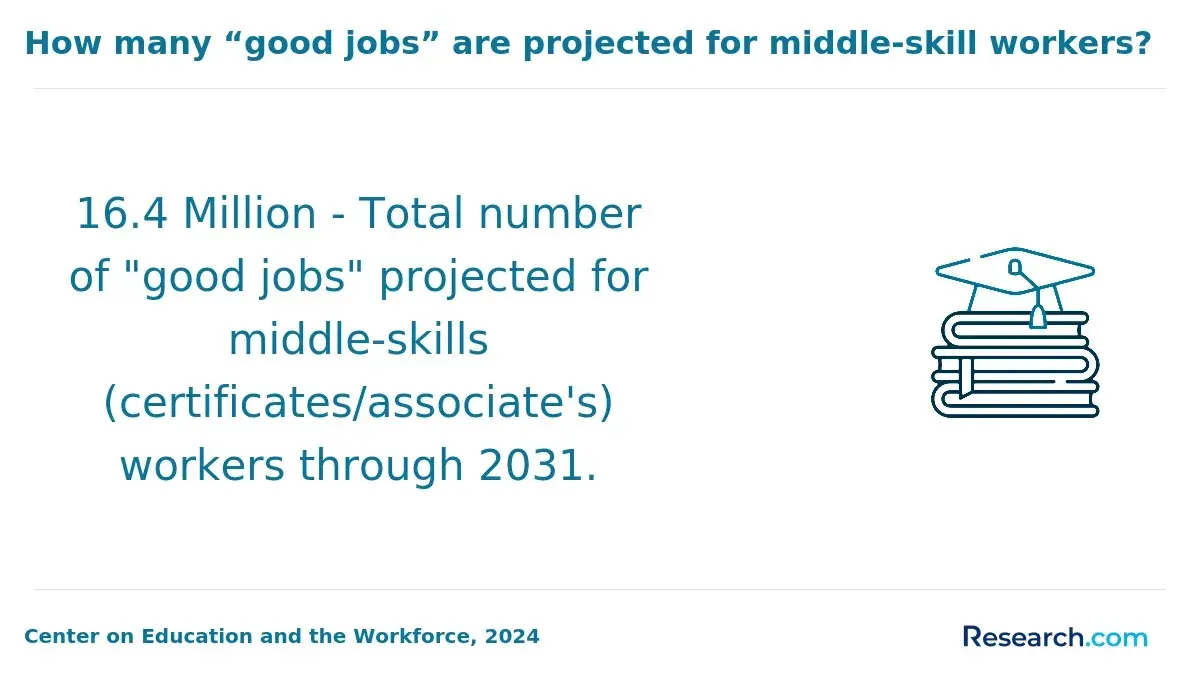
- The 12% projected growth for crisis support worker roles by 2031 per BLS demands updated psychology - mental health credentials, yet the median entry-level wage at $36K risks undercutting return on advanced degree investments.
- Employers prioritize hands-on trauma intervention certificates over purely academic psychology - mental health degrees, creating a mismatch between graduate supply and practical crisis response capabilities per recent SAMHSA workforce analyses.
- Lengthy licensure and supervision requirements-often 2+ years unpaid-delay income, intensify financial strain, and limit access for candidates from lower socioeconomic backgrounds pursuing psychology - mental health-centered crisis roles.
What crisis support worker roles can you pursue with a psychology-mental health degree?
Choosing crisis support worker jobs for psychology mental health graduates requires understanding the distinct operational demands and certification barriers across settings. Roles such as substance abuse counselor or mental health counselor entail hands-on crisis intervention, risk evaluation, and coordination with multidisciplinary teams, often in high-pressure environments like emergency departments.
For example, a mental health counselor assessing suicide risk must rapidly collaborate with psychiatrists and social workers to ensure appropriate care pathways, contrasting with community substance abuse programs that emphasize relapse prevention and sustained recovery support.
Employment in these mental health crisis intervention roles in Australia and the U.S. is projected to grow by 18% through 2032, signaling robust demand fueled by increased awareness and service expansion. Yet, state licensure requirements-such as LPC or CADC credentials-mandate supervised clinical hours beyond degree completion, creating practical friction for graduates entering the field.
Employers prioritize familiarity with crisis intervention protocols, electronic health records, and stress management skills to mitigate burnout. Career resilience also hinges on willingness to cover irregular shifts amid constrained staffing and tight budgets. Graduates benefit from targeted clinical internships or volunteer experiences.
Prospective students should evaluate accelerated pathways that balance theory with pragmatic training, as reflected in programs outlined by accelerated psychology degree options, to streamline entry into these demanding roles.
How does a psychology-mental health degree prepare you for crisis intervention work?
A psychology - mental health degree emphasizes crisis intervention skills essential for real-time assessment and tailored response in acute scenarios like 988 mobile crisis calls. Graduates are expected to identify psychiatric emergencies, including suicidal ideation and substance-related crises, while applying communication strategies suited for varied populations such as adolescents and veterans.
This practical focus on crisis support roles demands not only classroom knowledge but the ability to navigate high-pressure, unpredictable environments. In 2024, more than 30 states expanded funding for 988 mobile crisis services, creating a rapidly evolving infrastructure that requires professionals to coordinate care across fragmented healthcare systems and emergency responders.
Employers favor candidates who understand diagnostic frameworks, confidentiality, ethical implications around involuntary hospitalization, and can balance client autonomy with safety in resource-limited contexts. Practical readiness extends beyond foundational training to resilience and clinical supervision for managing emotional labor and logistical challenges.
Applying psychology mental health training to crisis support roles also means confronting systemic tradeoffs and policy shifts that affect service delivery. Real-world conditions emphasize interdisciplinary teamwork and continuous on-the-job learning to meet growing demands. For individuals weighing specialties, exploring what can I do with a master's in forensic psychology online offers a complementary perspective focusing on legal system intersections, which may inform crisis intervention strategies.
What education, training, and licensure are required for crisis support workers?
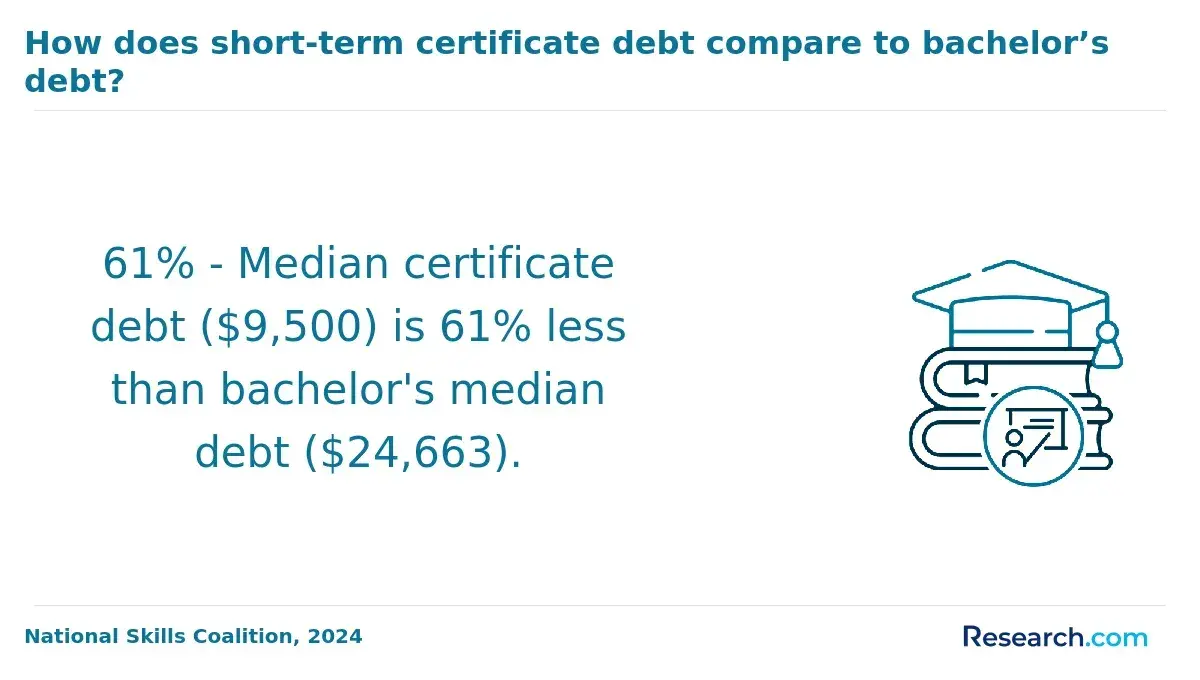
Securing roles in crisis intervention demands strategic educational choices aligned with workforce realities in Australia and the U.S. The baseline is a bachelor's degree in psychology - mental health, social work, counseling, or related fields, but staying competitive typically necessitates a master's degree or higher due to employer preferences for handling complex emergency scenarios.
Practical exposure through internships in emergency or crisis centers correlates strongly with readiness to manage acute, high-pressure cases, reflecting data that 44% of adult emergency visits involve mental health or substance use issues. Licensure requirements delineate clear career pathways: clinical roles require formal credentials such as Licensed Clinical Social Worker (LCSW), Licensed Professional Counselor (LPC), or Licensed Mental Health Counselor (LMHC).
Each path demands graduate education, extensive supervised hours (2,000 to 4,000), and successful national exams. Nonclinical crisis support roles may only require targeted certification in crisis intervention or de-escalation but cannot substitute for clinical licensure where legal responsibility is involved. This distinction is critical for anyone evaluating training and licensure pathways for mental health crisis intervention roles and comparable systems.
Graduates without advanced degrees confront practical barriers to advancement and licensure, underscoring the importance of ongoing education and credential maintenance amid shifting standards. For those weighing cost-effective training options, exploring resources such as cheap psychology degree online programs can influence both affordability and access without compromising educational rigor.
Which psychology-mental health degree pathways best align with crisis support careers?
Effective psychology and mental health degree pathways for crisis support careers demand a balance between applied clinical skills and trauma-informed methodologies. Degree programs like a Bachelor's or Master's in Clinical or Counseling Psychology that integrate coursework on suicide prevention and crisis counseling significantly enhance readiness for high-pressure roles such as suicide prevention hotline operators.
Real-world hiring often favors candidates with graduate-level degrees combined with certifications like Crisis Intervention Team (CIT) or Applied Suicide Intervention Skills Training (ASIST), reflecting employers' preference for specialized training beyond academic credentials. Practical training through simulations or field placements in crisis settings aligns closely with employer expectations, improving students' ability to manage urgent calls effectively.
For example, practicum involvement at crisis centers is critical given the 988 Suicide & Crisis Lifeline experienced over 6 million contacts in its first year, a sharp 70% increase from prior figures. This expansion drives demand for well-prepared support workers and highlights the importance of choosing programs that prioritize experiential learning.
Programs focused primarily on research psychology without practical crisis intervention components tend to fall short for those pursuing frontline roles. Students must weigh the emotional toll intrinsic to crisis support and the necessity for continuous professional development amid evolving protocols.
Decisions regarding the best mental health degree options aligned with crisis support careers should emphasize programs offering substantial hands-on crisis management training. Prospective students exploring such paths may find value in reviewing the best online CACREP counseling programs to identify affordable, quality options with integrated clinical experience.
How do online psychology-mental health programs compare to campus-based options for crisis work?
Practical field experience remains the decisive factor that differentiates campus-based psychology - mental health programs from purely online offerings, especially for roles demanding crisis intervention capabilities. Employers managing crisis stabilization units prioritize candidates with real-time decision-making skills and supervised clinical exposure-elements challenging to replicate fully in an online environment.
For instance, aspiring peer support specialists must accumulate hands-on client interaction hours under mentorship, a requirement increasingly relevant given that nearly 60% of U.S. states now reimburse peer support services through Medicaid, per SAMHSA's National Peer Support Workforce census.
While online programs provide flexibility and theoretical foundation suited for working adults or geographically isolated students, their practical value hinges on established local partnerships for clinical hours. Programs embedded within campus networks often offer smoother internship placements with regional employers, a critical stepping stone toward employment.
Without these networks, online students might struggle to access the essential supervised practicum experiences that hiring managers expect alongside academic credentials. Meeting employer standards often requires online learners to arrange hybrid or independently secured practicums, an added logistical challenge absent from many fully digital curriculums.
By contrast, campus-based pathways facilitate immersion in environments such as emergency departments or crisis hotlines, offering direct exposure to urgent cases and supervised skill development. Key considerations for candidates include:
- Verifying program connections with local clinical sites to secure quality field placements
- Evaluating the feasibility of hybrid models combining online courses with in-person mentorship
- Anticipating the employer's preference for demonstrated, verified practical experience alongside academic accomplishments
What core courses and skills are taught for crisis support and mental health roles?
Effective preparation for roles in crisis support and mental health requires more than mastering theory; it demands rapid application of assessment and intervention skills under pressure. For instance, a crisis counselor on a university campus must quickly evaluate risk, deploy de-escalation tactics, and navigate limited institutional resources while coordinating with multidisciplinary teams.
This highlights a crucial tradeoff: candidates must balance clinical expertise with communication agility and operational flexibility amid high client volume and systemic barriers. Core curricula emphasize psychological theories related to psychopathology and provide training in evidence-based methods like cognitive-behavioral therapy (CBT) and motivational interviewing.
Ethical decision-making and cultural competence are stressed, given the diversity and sensitivity inherent in crisis situations. Additionally, students engage in simulation labs and role-playing to translate knowledge into practical skills. Beyond counseling techniques, understanding crisis systems management, referral processes, and mental health policy equips graduates to address persistent service gaps.
Although staffing in institutions such as U.S. colleges increased by about 40% in 2024, timely access remains limited for over 60% of students, according to the American College Health Association National College Health Assessment. Graduates prepared to innovate and advocate within these constraints are more competitive in a workforce that prioritizes effective, evidence-based care delivered under real-world pressures.
What are typical admission requirements for psychology-mental health programs leading to crisis work?
Admission to psychology - mental health programs targeting crisis intervention demands more than baseline academic qualifications; it requires tangible evidence of applied skills and situational awareness. Bachelor's programs typically require a high school diploma or GED with a GPA around 2.5 to 3.0 and foundational coursework in biology, social sciences, or statistics, but this alone rarely suffices for meaningful employability in crisis roles.
Graduate-level entry expects a psychology or related bachelor's degree with at least a 3.0 GPA, supplemented by letters of recommendation and direct experience in settings like emergency services or law enforcement co-responder roles. For example, programs increasingly value candidates familiar with trauma-informed care because over 400 police departments employing Crisis Intervention Team (CIT) models report significant reductions-26% fewer arrests during mental health emergencies.
Applicants face practical requirements beyond academics, including background checks, psychological screenings, and clinical internships emphasizing de-escalation techniques. These criteria impose a tradeoff: candidates must balance coursework with hands-on experience to meet rigorous employer expectations in a field where theoretical knowledge alone is inadequate. Ultimately, preparing for this pathway means navigating academic benchmarks while accumulating verified competencies aligned with evolving crisis response demands.
How long do psychology-mental health degrees take, and what do they cost?
Completing a bachelor's degree in psychology - mental health typically requires four years full-time, with total tuition costs ranging from $40,000 to $100,000 depending on residency and institution type. However, most roles in crisis support demand graduate-level credentials, adding 2-3 years for a master's or up to 7 years for clinical psychology doctorates. Graduate tuition varies widely, often between $10,000 and $30,000 annually, influenced by program rigor and format.
Employers in domestic violence and trauma-related crisis intervention consistently prioritize candidates with specialized graduate training. For instance, over 75% of survivors contacting U.S. domestic violence hotlines present co-occurring disorders like PTSD or depression, requiring trauma-informed expertise aligned with national support guidelines. This creates a strong incentive to pursue extended education beyond undergraduate studies.
Students pivoting careers confront tradeoffs between accelerated master's programs, which reduce income interruption but may carry higher per-credit costs and fewer practicum options, and traditional pathways offering deeper preparation at the expense of longer financial and opportunity costs. Post-graduation, certification and licensure add 1-2 years of supervised clinical hours, extending timelines before full workforce entry.
Deciding on the right path demands careful assessment of credential requirements against time, cost, and practical readiness to meet the complex demands of mental health crisis roles.
What salary ranges and benefits can crisis support workers expect with this degree?
Crisis support roles for individuals with a psychology - mental health degree reveal a broad salary spectrum, frequently reflecting local demand, employer type, and credentialing. Entry-level salaries in nonprofit or community organizations hover around $40,000, yet specialized crisis responders in areas like substance use intervention, particularly within urban EMS or government agencies, can earn above $60,000.
The surge in overdose-related emergency calls-an 82% increase per recent CDC data-has intensified pressure on crisis teams to provide rapid, expert intervention. This operational demand influences compensation and benefits, which commonly include health insurance and paid time off but may lack retirement or tuition support, especially at initial hiring levels.
Practical workforce implications include:
- Certification in trauma-informed care and advanced emergency response can elevate earnings, with metropolitan responders reaching salaries near $70,000.
- Hospital and government positions tend to offer superior benefits such as loan forgiveness programs, reflecting their public service orientation.
- Rural settings might offer lower pay but broader responsibilities and deeper community engagement, factors critical for some candidates.
Physical and emotional stress inherent to crisis work underline the importance of employer-provided mental health support or peer counseling, impacting job sustainability and career longevity. Understanding these operational realities is essential for informed decision-making about investments in education and credentials within the psychology - mental health sector.
How is the job outlook and demand for crisis support workers in mental health settings?
Demand for crisis support workers in mental health settings is directly tied to healthcare systems' strategic push toward integrated behavioral health. These roles are expected to both reduce costs and improve patient outcomes by bridging behavioral health with primary and community care. For instance, a hospital employing a community-based mobile crisis team will seek professionals adept at linking patients to outpatient services while analyzing patterns to avoid expensive emergency visits.
This operational focus requires a blend of clinical crisis intervention skills and practical care coordination competencies, which many educational programs may not fully address. Employment growth in this sector depends on maintaining thorough documentation and compliance with insurance and regulatory standards, underscoring the need for candidates who navigate high-stress client interactions without compromising administrative accuracy.
Ongoing training, particularly in evidence-based interventions that demonstrate measurable impacts on both patient wellbeing and cost reduction, is a growing expectation rather than an option. Professionals pursuing this path must weigh several factors:
- Working within often fragmented care systems that demand adaptability and cross-disciplinary communication
- Balancing direct crisis management with systemic coordination to reduce overall healthcare expenditures
- Committing to continuous professional development amid rapidly evolving care models and regulatory frameworks
Understanding these operational and workforce dynamics offers a realistic basis for educational decisions and career planning in psychology - mental health, particularly for those targeting multidisciplinary roles with measurable healthcare impact.
Other Things You Should Know About Psychology - Mental Health
Practical experience is critical; most employers require demonstrated ability to handle real-world crisis situations, which cannot be acquired through coursework alone. Internship or practicum placements in mental health or crisis intervention settings improve skill development, help build professional networks, and influence hiring decisions. Prioritize degree programs with strong experiential components and access to diverse clinical environments to maximize career prospects.
While an advanced degree opens doors to higher-level crisis support roles and clinical licensure, immediate enrollment is not always optimal. Gaining entry-level experience first provides context, confirms career fit, and strengthens graduate applications. Students should weigh the cost and time of further study against gaining hands-on experience, often recommending a 1-3 year work period before pursuing master's or doctoral programs.
Yes, skills such as critical thinking, communication, and cultural competence are highly valued in crisis settings and should inform program choice. However, the focus must remain on acquiring crisis-specific competencies; programs that emphasize theory without application may leave graduates underprepared. Prospective students should prioritize curricula that balance technical knowledge with interpersonal skills applicable to fast-paced, emotionally charged environments.
References
- Top 5 Entry-Level Support Work Roles in the UK https://www.harmoniacareers.co.uk/blog/jobseekers/top-5-entry-level-support-work-roles-uk
- NHS England » Working for the NHS in mental health https://www.england.nhs.uk/mental-health/working-in-mental-health/
- Crisis Intervention Counseling Certification - AIHCP https://aihcp.net/crisis-intervention-counseling-certification/
- Community Support Workers | Salary & Benefits https://wcc.ca/blog/community-support-workers-salary-benefits/
- How to Become a Crisis Intervention Specialist: A Step-by-Step Career Guide - Mental Health Degree https://mentalhealthdegree.org/careers/crisis-intervention-specialist/
- Crisis Helpline Specialist Certification - International Council for Helplines https://councilforhelplines.org/crisis-helpline-specialist-certification
- Making an Impact with Careers in Mental Health - ECCM https://www.eccm.org/blog/making-an-impact-with-careers-in-mental-health
- 9 Mental Health Careers You Can Pursue with a BA https://www.nec.edu/news/9-mental-health-careers-you-can-pursue-with-a-ba
- Key Trainings for Support Workers in Complex Mental Health https://nurselinehealthcare.com/blogs/essential-training-for-support-workers-in-complex-mental-health/
- Career guide: Working as a Mental Health Support Worker https://www.communitywork.org.au/about-community-work/community-work-occupations/career-guide-working-as-a-mental-health-support-worker