2027 Elementary Education Degree Programs With Rolling Admissions

Co-Founder and Chief Data Scientist
Students balancing career shifts or family obligations often discover traditional fall or spring admission deadlines misalign with their schedules, posing barriers to timely entry into Elementary Education programs. Amid a 16% annual growth in enrollment for flexible education formats reported by the National Center for Education Statistics, rolling admissions offer a strategic advantage by accommodating delayed decisions and nonstandard pacing.
This is particularly relevant in Elementary Education, where credentialing timelines and practicum placements demand careful planning. This article examines the implications of rolling admissions on accessibility, licensing coordination, and program competitiveness, guiding prospective students in assessing how flexible entry points align with their professional and academic calendars.
Key Benefits of Elementary Education Degree Programs With Rolling Admissions
- Rolling admissions in elementary education programs allow students to time enrollments with academic or personal transitions, but this can lead to less predictable cohort dynamics affecting collaborative learning consistency.
- Extended application windows offer hiring managers a steady stream of candidates who can begin practicum placements year-round, aligning better with district staffing cycles and budgetary constraints.
- Flexible admissions reduce financial pressure from fixed deadlines, though students must proactively manage course sequencing to maintain licensure timelines essential for entering state teaching roles promptly.
How Do Elementary Education Degree Programs With Rolling Admissions Work?
Rolling admissions in elementary education degree programs fundamentally alter timing and decision-making for prospective teachers, creating both opportunities and logistical complexities. Unlike fixed deadlines, this model requires programs and applicants to navigate an ongoing enrollment process that can impact cohort dynamics, field experiences, and alignment with district hiring cycles.
- Flexible Entry Points: Candidates may apply anytime, which speeds access for those ready to start immediately or juggling personal schedules. However, staggered admissions mean students often join cohorts at different stages, challenging program consistency and peer collaboration.
- Continuous Evaluation: Admissions committees must review applications throughout the year, balancing prompt decision-making with upholding admission standards. This ongoing process can strain administrative resources but enables responsiveness to individual applicant readiness.
- Scheduling Complexity: Programs must sequence coursework and practica carefully to accommodate new entrants mid-cycle without compromising accreditation or instructional quality. The variable start dates demand advising systems tailored to personalized academic pathways.
- Workforce Alignment Tradeoff: While rolling admissions enhance accessibility for nontraditional students, they risk misaligned graduation dates relative to district hiring windows. Graduates may face delays in credentialing or employment due to timing mismatches in recruitment cycles.
- Admission Requirements Variation: Elementary education degree programs with rolling admissions often maintain consistent admission criteria but may adjust deadlines for tests, transcripts, or background checks to fit continuous review processes. Prospective students must monitor these evolving expectations carefully.
For students comparing these programs, understanding how elementary education degree programs with rolling admissions differ in application timing is crucial. Flexibility in start dates may facilitate entry for career changers or working adults, but the practical realities of program pacing and employer timelines require thorough evaluation. Prospective educators should weigh these factors critically to optimize their pathway to licensure and employment opportunities.
In this context, considering program affordability aligned with your career goals can also be strategic, as outlined in the cheapest online PhD programs resource, which highlights cost-effective advanced options that may serve long-term professional development.
What Are the Admission Requirements for Rolling Admissions Elementary Education Programs?
Rolling admissions for elementary education programs prioritize applicants who can consistently demonstrate readiness and engagement in real time, a process that inherently favors candidates who maintain organized and current application materials. This model offers flexibility to those juggling work or family but requires strategic timing, since delays in submitting key documents can impact evaluation speed and admission offers, affecting entry into licensure tracks and practicum placements.
- Transcripts: Programs demand official records from high school or prior college coursework to verify academic preparedness, with attention to core subjects like English and math critical for foundational teaching competencies.
- GPA Requirement: A minimum cumulative GPA often reflects sustained academic effort, signaling to admissions and future employers a candidate's potential to handle rigorous education coursework.
- Standardized Tests: While some programs reduce emphasis on SAT or ACT scores, where required, these assessments provide comparative benchmarks of critical reading and reasoning essential for state certifications.
- Personal Statement: Applicants must articulate motivation and professional understanding through essays that allow evaluators to gauge communication skills and commitment beyond grades.
- Letters of Recommendation: Strong endorsements illustrate interpersonal abilities and professional reliability, especially valuable for candidates with nontraditional academic paths.
- Prerequisite Coursework or Certifications: Completion of foundational education or child development classes may be required upfront, minimizing barriers to advanced pedagogical training and student teaching placements.
The onus is on applicants to align documentation prudently with rolling timelines, as failure to do so can delay licensure eligibility and limit teaching opportunities in competitive job markets, underscoring the practical significance of efficient application management within this flexible admissions framework.
When Should You Apply for Rolling Admissions Programs?
Rolling admissions in elementary education programs function as a continuous intake model where applications are assessed as they arrive until all spots are taken, rather than adhering to a strict deadline. This setup creates a competitive environment heavily influenced by timing: early applicants benefit not only from a wider selection of seats but also greater access to scholarships and financial aid, which often diminish as the cycle progresses.
Mid-cycle candidates face reduced options and must balance swift submission with preparation quality, aiming to secure a place before availability narrows further. Late applicants encounter the highest risk of waitlists and funding shortfalls, forcing difficult tradeoffs between readiness and diminished admission chances, especially when delayed enrollment pushes back practicum schedules and workforce entry-critical factors in education careers tied closely to academic calendars and certification timelines.
The practical implications of application timing also shape strategies based on candidate readiness. Those confident in their materials gain leverage by applying early and demonstrating commitment, yielding more favorable admissions outcomes and financial assistance. Mid-cycle applicants must stay alert to enrollment trends across programs and act quickly to mitigate seat scarcity, often prioritizing schools with rolling admissions aligned to upcoming terms.
Meanwhile, late applicants should carefully assess whether deferring application reflects genuine preparation needs or introduces avoidable disadvantages, since postponing entry can disrupt internship opportunities and extend total program duration. This dynamic illustrates how rolling admissions are less a simple "apply anytime" option and more a staged process that requires calibrated timing to optimize acceptance odds, funding, and alignment with career trajectories.
Are Rolling Admissions Common in Online Programs?
Rolling admissions are notably more prevalent in online elementary education degree programs due to the inherent flexibility digital platforms offer compared to traditional campus-based formats. These programs often prioritize continuous student intake to evenly distribute enrollment across the year, which supports scalable operations and accommodates the asynchronous nature of remote learning.
Unlike fixed-semester models constrained by on-campus scheduling and cohort coordination, online programs with rolling admissions can mitigate bottlenecks during peak application periods and respond quickly to fluctuating demand. However, not all online elementary education programs adopt this approach; some maintain rigid start dates to synchronize clinical internships or meet state licensure timelines, reflecting the specialized operational requirements of teacher preparation.
For students exploring online elementary education programs accepting rolling applications, this structure can translate into tangible benefits such as faster admission decisions and greater control over program start dates. Yet, it also raises strategic considerations; continuous enrollment cycles may intensify competition for limited spots as popular cohorts fill on a first-come, first-served basis.
Surveys of graduate education programs indicate approximately 65% employ some form of rolling admissions or extended deadlines, underscoring both the growing acceptance of flexible admissions and the need for applicants to apply early to secure placement. Those balancing professional obligations or preferring accelerated pacing might also explore an accelerated bachelor's degree with rolling admissions to better align education timelines with workforce demands.
Do Rolling Admissions Schools Have Higher Acceptance Rates?
Rolling admissions policies are often misunderstood as correlating with higher acceptance rates, yet this is largely a misconception tied to how applications are processed rather than selection criteria. Acceptance rates hinge on structural realities such as program capacity, demand fluctuations, cohort sizing, and institutional priorities, not the timing flexibility of rolling admissions itself.
For elementary education programs, some institutions may indeed show higher acceptance rates, but this reflects variation in competitiveness and resource allocation, not a systemic lowering of standards. The perception arises because rolling admissions allow applicants to submit earlier when more spots remain, potentially increasing their admission chances compared to later applicants competing for fewer available seats.
This dynamic means the timing of application within a rolling admissions cycle indirectly influences admission likelihood, but it does not equate to easier acceptance overall. Early applicants might benefit from less crowded applicant pools, yet all candidates are held to consistent academic and certification standards aligned with workforce expectations.
Variability across programs remains significant; some maintain rigorous selectivity throughout their application window due to strong demand or limited capacity, while others may admit more broadly without compromising essential credentialing requirements. Therefore, rolling admissions should be viewed as a procedural option, not an indicator of diminished rigor or a guarantee of improved admission odds in elementary education pathways.
How Much Do Rolling Admissions Elementary Education Programs Cost?
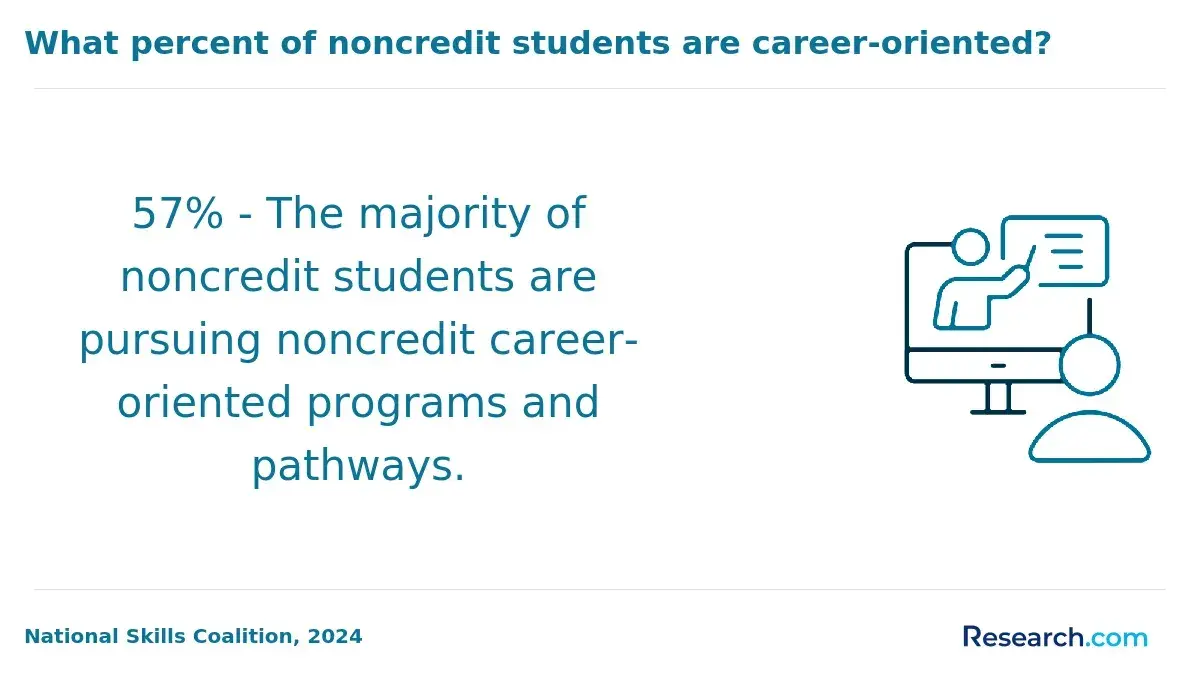
Tuition costs in elementary education programs with rolling admissions are structured primarily around per-credit or per-term billing, meaning students pay based on their enrolled coursework during each academic period. Rolling admissions itself does not reduce tuition rates but influences the timing and pacing of these payments, allowing students to better align educational expenses with their financial situation. Typical tuition ranges vary broadly, often between $300 and $800 per credit, which can bring total program costs to between $15,000 and $40,000 depending on the institution's public or private status and geographic location.
Additional mandatory charges such as institutional fees, technology fees-especially omnipresent in online or hybrid formats-and specialized course fees for lab work or clinical placements create further financial layers that impact overall affordability and budgeting strategies. This nuanced cost structure reflects the complexity of how rolling admissions affects not only access but also financial planning in elementary education programs with rolling admissions.
The program's delivery format significantly shapes the cost experience over time. Online or hybrid options often add technology fees but may reduce expenses related to commuting or housing, balancing out some overhead. Accelerated or cohort-based models tend to front-load tuition, sometimes requiring payment for full blocks of courses simultaneously, which impacts cash flow differently than traditional semester models.
These design choices, coupled with rolling admissions flexibility, provide students more control over when they incur education costs but also require careful financial planning to manage potential spikes in payment timing. Considering these factors alongside the criminal justice major market, prospective students should weigh how rolling admissions affects cost distribution against how it supports their unique scheduling and financial needs when choosing an elementary education program with rolling admissions.
Are Career Outcomes Different for Rolling Admissions Students?
Career outcomes for students entering elementary education programs through rolling admissions show no inherent advantage or disadvantage compared to those admitted during traditional cycles. Rolling admissions functions purely as an administrative process, allowing applications and decisions to occur over an extended period rather than a fixed deadline, without modifying academic standards or credentialing.
Employment prospects hinge far more on factors such as program reputation, state and regional accreditation, and availability of focused tracks like bilingual or special education. Practical experiences-including internships and professional networking-significantly enhance job readiness and are well recognized by hiring districts, often outweighing any enrollment timeline differences.
Market dynamics and geographic demand further shape employment opportunities in this field. The U.S. Bureau of Labor Statistics projects a 5% growth in elementary school teacher employment from 2022 to 2032, with variation depending on local funding and demographic shifts.
While rolling admissions might allow some students to start coursework earlier and possibly graduate sooner, this timing edge can be inconsistent across institutions and individual circumstances such as course load or transfer credits. Ultimately, these timing variables have a limited direct effect on long-term career trajectories compared to the rigor and scope of the educational experience itself.
Can Rolling Admissions Programs Lead to High-Paying Careers?
Rolling admissions in elementary education programs function mainly as a flexible enrollment system without a direct influence on salary outcomes or access to high-paying roles. While this admissions model allows candidates to apply year-round and potentially start their programs earlier, which might accelerate workforce entry, it does not inherently boost earning potential.
Salary trajectories in elementary education are more closely linked to specialization areas, program accreditation, and practical experience such as internships, which shape an individual's marketability and opportunities for advancement. For example, candidates completing advanced certifications or endorsements tend to qualify for roles with higher pay scales irrespective of the admission framework.
Geographic location and employer context remain critical determinants of student earnings post-graduation, often overshadowing admission timing. Urban districts and states with higher living costs typically offer larger salaries, with median wages around $62,000 and upper percentiles surpassing $90,000 according to the U.S. Bureau of Labor Statistics.
Even within the same discipline, salaries vary widely because of district budgets, local demand, and individual credentials. Consequently, choosing an elementary education program based on rolling admissions should be understood as a responsiveness measure to personal scheduling needs rather than a strategic move to secure a higher salary. Factors like program content, accreditation, and experiential learning engagements play far more substantial roles in economic outcomes after graduation.
What Are the Disadvantages of Rolling Admissions Programs?
Rolling admissions programs for elementary education present practical challenges that affect how students navigate application timing, academic planning, and career progression. While the flexibility of flexible application deadlines can seem advantageous, the unpredictability and extended timelines may introduce complications that students must weigh carefully before committing.
- Lack of fixed deadlines encourages procrastination, which can delay applications and reduce access to financial aid or scholarships tied to traditional cycles. A National Center for Education Statistics report finds that earlier applicants typically secure better funding, highlighting a tangible disadvantage in delayed decision-making for those enrolled in rolling admissions programs with limitations of rolling admissions in elementary education programs.
- Uncertain enrollment patterns during rolling admissions lead to fluctuating course availability and delayed finalization of class sizes. This creates obstacles for students needing to sequence critical practicum or field experience courses required for certification, impacting timely degree completion.
- Off-cycle graduations often misalign with hiring calendars in school districts, where many employers plan recruitment around traditional academic years. Graduates emerging outside these windows may confront narrower job markets, reducing their competitive advantage in education employment.
- Staggered student intake disrupts cohort cohesion and peer networking that are vital for collaborative learning and mentorship. This uneven peer cohort experience diminishes the supportive environment often crucial to success in education degrees.
Applicants must consider these drawbacks relative to their circumstances and professional timelines, especially when comparing programs with rolling admissions to those with structured cycles. For students balancing complex schedules or seeking a less traditional pathway, awareness of these issues is critical. Those researching educational options might also explore alternative models like a 1 year online MBA no GMAT for insights on different flexible degree formats.
How Do You Choose the Best Elementary Education Program With Rolling Admissions?
Evaluating elementary education programs with rolling admissions requires more than simply noting flexible start dates. Since these programs appeal to students balancing varied responsibilities, decision-making must center on measurable outcomes and real-world relevance. The ease of application should not overshadow whether the program positions graduates for sustained employment and practical classroom success.
Key factors to weigh include:
- Program accreditation and state licensure alignment: Given that teacher certification requirements differ widely by state, ensure the curriculum matches your state's standards to avoid delays in obtaining licensure and entering the workforce.
- Format and delivery options: Rolling admissions often pair with online or hybrid formats to accommodate working adults. However, verify these formats maintain rigorous instructional quality and support, rather than compromising standards for flexibility.
- Graduation and retention metrics: High rates signal effective student support and realistic course pacing, essential when juggling academics alongside family or jobs.
- Employer connections and job placement assistance: Strong ties with local school districts, plus internship opportunities, improve hiring prospects and provide practical experience valuable for novice teachers.
- Financial aid availability and timing: Rolling admissions can complicate scholarship deadlines; prospective students should confirm funding access to avoid unexpected barriers.
Incorporating these considerations helps distinguish substantive program quality from merely flexible application windows. Prospective students comparing elementary education degree programs with rolling admissions should evaluate how these elements influence career pathways rather than relying on admissions convenience alone. For related flexibility trends in other fields, review options like a graphic design degree online, where rolling admissions often intersect with evolving delivery models and workforce demands.
What Graduates Say About Elementary Education Degree Programs With Rolling Admissions
- Shane: "Balancing a full-time job while pursuing my elementary education degree with rolling admissions was challenging, but the flexibility made it manageable. I chose the program because it allowed me to complete internships locally without relocating, which helped me build a relevant portfolio. Though I didn't pursue licensure immediately, the real-world classroom experience opened doors to a paraprofessional role, and now I'm considering further certification to advance."
- Emiliano: "After switching careers, I needed a program that would accommodate a tighter budget and allow faster entry into the workforce, so enrolling in an elementary education program with rolling admissions was a practical choice. The program emphasized portfolio development and certified internships, which proved crucial during job hunting, as many employers valued proven experience over just credentials. Although salary progression is slower without a teaching license, the initial hands-on experience helped me confirm that education was the right path."
- Samuel: "Time constraints forced me to select an elementary education program with rolling admissions that offered part-time study options. I was cautious going in because I knew licensure requirements could delay full-time teaching opportunities. The internships included in the curriculum were invaluable, but I discovered that many districts prioritized licensed candidates, which meant I needed to plan for additional certification after graduation to compete for my ideal positions."
Other Things You Should Know About Elementary Education Degrees
Because student teaching usually requires coordination with local schools that follow fixed academic calendars, rolling admissions can complicate placement timing. Students may face delays or off-cycle placements that extend the overall program length. Prospective students should prioritize programs with established partnerships and a clear system for aligning practical experience despite flexible start dates, as timely, quality fieldwork is critical for licensure and employer readiness.
Employers generally focus more on licensure status and demonstrated teaching skills than on admissions format, but graduates from rolling admission programs may need to proactively explain their educational trajectory if it appears nonstandard. Since cohort experience and consecutive semesters can enhance teamwork and professional networking, students from rolling programs should seek supplementary opportunities to build connections and confirm their preparedness during interviews.
For students balancing employment, caregiving, or health issues, the ability to enroll at any time often outweighs the drawback of a potentially extended program duration. Rolling admission programs offer crucial flexibility that can prevent dropout and support continued progress. However, students should realistically assess their time management capacities since longer timelines can delay entry into the workforce and impact financial planning.
References
- Elementary Education (MAT) https://www.njcu.edu/admissions-aid/graduate-admissions/graduate-degrees/elementary-education-mat
- Choosing the Right Elementary School for Your Child https://rdls.richfieldschools.org/about-our-school/news/article/~board/news/post/choosing-the-right-elementary-school-for-your-child
- The Advantages and Disadvantages of Rolling Admissions – Prompt School https://www.promptschool.com/the-advantages-and-disadvantages-of-rolling-admissions/
- The Versatility of an Elementary Education Degree - Graduate Programs for Educators https://www.graduateprogram.org/blog/the-versatility-of-an-elementary-education-degree/
- What Does Rolling Admissions Mean? https://www.c2educate.com/what-does-rolling-admissions-mean/
- Outcomes https://www.stonehill.edu/programs/special-education/outcomes/
- 5 Tips for Choosing the Right School — Woodland Hills Private School https://www.woodlandhillsprivateschool.com/blog/school-guide
- Guide to choosing the best elementary school for college prep https://www.asuprepdigital.org/blog/how-to-choose-an-elementary-school/
- Want an Acceptance Letter Now? Consider Rolling Admissions https://www.saraharberson.com/blog/acceptance-letter-rolling-admissions
- Rolling Admissions: Key Insights https://www.themoodmeter.com/rolling-admissions-pros-cons-and-strategies/