2027 Employers Hiring Most Aggressively for Mental Health Support Talent

Co-Founder and Chief Data Scientist
Professionals pursuing careers in psychology - mental health often confront the challenge of navigating fragmented hiring landscapes where demand outpaces tailored educational pathways. A 2024 report from the U.S. Bureau of Labor Statistics indicates a projected 18% growth for mental health counselor roles over the next decade, driven by rising demand for accessible services.
Yet, many programs still lack flexible admission policies despite the growth of adult learners and online education, complicating timely career transitions. This mismatch forces candidates to weigh program accessibility against employer expectations and timelines. This article identifies employers aggressively hiring mental health talent and analyzes how education pathways align with urgent workforce needs to guide strategic decision-making.
Key Things You Should Know
- Employers in healthcare and tech sectors increased mental health specialist roles 27% year-over-year through 2025, per U.S. Bureau of Labor Statistics, intensifying credential requirements amid a 15-month median job vacancy duration.
- The rising preference for licensed clinical psychologists over unlicensed counselors shifts hiring toward candidates with doctorates, constraining entry-level access and amplifying workforce supply bottlenecks affecting diversity.
- Average time and cost to achieve necessary state licensure now exceed five years and $40,000 according to the National Board for Certified Counselors, compelling candidates to weigh delayed ROI versus quicker pathways.
Which mental health roles are U.S. employers hiring for most aggressively today?
Demand for licensed clinical social workers, mental health counselors, and psychiatric nurse practitioners is intensifying, with U.S. employers explicitly targeting these roles in community health centers, schools, and integrated care facilities. This hiring emphasis reflects an operational balance between clinical expertise and scalable patient engagement, particularly visible in top mental health support roles in demand across the U.S. Workplaces increasingly rely on licensed professional counselors (LPCs) to deliver telehealth services that meet cost and geographic limitations.
Positions focused on trauma-informed care and substance use disorder treatment are expanding sharply as employers tackle post-pandemic mental health issues alongside opioid crises. Support roles like mental health technicians and case managers also see rising demand, especially in under-resourced rural areas where precise patient monitoring mitigates readmissions effectively.
The projected 15%-22% occupational growth through 2033 underscores the urgency of practical qualifications: licensure combined with integrated behavioral health skills and insurance reimbursement knowledge greatly improves hiring outcomes. Candidates lacking these face onboarding setbacks and higher turnover risk.
Career pivots into mental health require programs offering supervised clinical hours aligned with state licensure, coupled with exposure to electronic health record systems. Employer preference often favors cultural competence and expertise in multi-modal therapies. Those without specialization-such as adolescent mental health or teletherapy-may encounter prolonged job searches. Prospective students should also consider an accelerated bachelor's degree in psychology to navigate these competitive workforce demands effectively.
What education and degrees are needed for in-demand mental health support jobs?
Positions in mental health support roles in 2026 require a nuanced balance between formal education and practical skills. Among these, mental health counselor degree requirements typically include a minimum of a bachelor's degree in psychology, social work, counseling, or related human services fields. More advanced roles, such as licensed clinical social workers, demand a master's degree plus state licensure, reflecting the necessity of deep clinical knowledge and supervised experience. For example, healthcare providers building integrated behavioral health teams seek licensed clinicians with advanced qualifications able to manage complex cases that combine physical and psychological needs.
Employers increasingly emphasize the need for practical clinical experience gained through accredited internships or externships aligned with licensure paths. This presents a tradeoff: students must weigh the extended time and costs of master's or doctoral programs against enhanced salary prospects and job security. In some corporate settings, bachelor's credentials supplemented by certifications and workplace mental health training suffice, but they limit advancement in clinical settings.
Licensed clinical social worker education criteria consistently prioritize coursework in trauma-informed care, psychopharmacology basics, and cultural competence, essential for diverse populations. Candidates without formal licensure can enter the field through certifications such as peer support or mental health first aid; however, these often cap growth in clinical roles. Professionals committed to strategic pivots in Psychology - Mental Health must align degree choices with licensure demands and actionable clinical experience.
Two-thirds of U.S. employers, per Willis Towers Watson's 2024 data, will focus on mental health among top health concerns, increasing demand for evidence-based interventions and data-literate professionals capable of assessing outcomes. For those comparing programs, exploring specialized options like forensic psychology graduate programs online may offer practical, affordable pathways that integrate critical skills without unnecessary institutional commitments.
How strong is the job outlook and employer demand for mental health professionals?
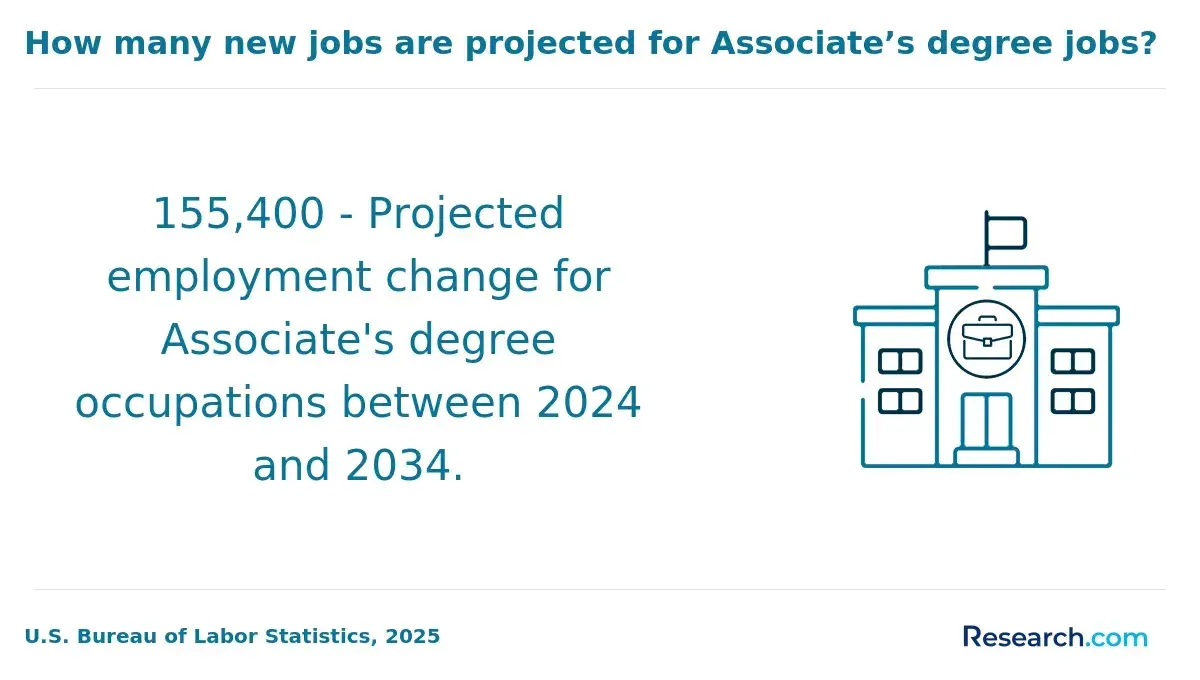
The outlook for mental health professionals in North America reflects a rare convergence of high employer demand and acute workforce shortages, with behavioral health roles experiencing a 12% annual increase in openings. This growth outpaces other specialties and amplifies hiring competition, especially for candidates targeting positions in rural health clinics or juvenile justice systems, where caseloads are heavier and resources more limited. The job outlook for mental health support specialists in North America underscores the importance of choosing educational programs that offer robust clinical practice and clear licensure pathways to meet employer expectations.
Employers increasingly prioritize advanced degrees combined with clinical hours and cultural competence, a trend that challenges less-prepared candidates despite overall sector expansion. Beyond therapy skills, integrated care models require proficiency in interdisciplinary collaboration, data management, and policy navigation-skills that, if lacking, delay job placement regardless of general demand.
For those evaluating their next steps, measurable program outcomes-such as licensure success rates and graduate employment metrics-are crucial. Selecting programs without these elements can undermine hiring prospects in the competitive U.S. market. Practical tradeoffs between program length, licensure requirements, and clinical exposure must guide decisions to ensure alignment with diverse employer demands shaping the psychology - mental health workforce.
Those seeking focused expertise might consider specialized options like marriage and family masters programs, which offer career pathways calibrated to market needs while addressing growing niches within mental health services.
What salaries can mental health support professionals expect in different roles and settings?
Mental health support professional salaries exhibit notable variation tied to specialization and employment context, with child and adolescent psychiatry presenting a clear financial premium due to demand and shortage. According to MedStaff Nationwide's Q1-Q2 2026 data, these roles can pay 10-15% more than general adult psychiatry positions. For instance, general adult psychiatrists earn roughly $180,000 to $220,000 annually, but child and adolescent psychiatrists typically command $198,000 to $253,000, reflecting the additional complexity of developmental and family systems work.
Non-physician roles such as licensed clinical social workers (LCSWs), licensed professional counselors (LPCs), and psychiatric nurse practitioners show broad salary ranges influenced by setting and credentials. Community mental health centers offer LCSWs and LPCs between $55,000 and $75,000, while private practice or specialty institutions pay up to $110,000. Psychiatric nurse practitioners' wages span $120,000 to $140,000, increasing to about $145,000 for those focused on pediatric care in specialized hospitals.
Employers increasingly expect specialized certifications catered to populations or trauma, which substantiate higher compensation. Professionals weighing a career pivot should consider tradeoffs between education length and salary growth potential, as child psychiatry and advanced nursing roles demand more training but yield stronger financial outcomes than many general adult mental health support roles.
Geographic location heavily influences these salaries, with urban centers offering greater compensation and varied roles compared to rural areas, affecting the portability of average compensation for mental health support workers in U.S. employers. Those exploring quicker entry options might research easiest counseling degree programs to balance timely employment with realistic salary expectations in the field.
How do online mental health and counseling degrees compare to campus-based programs?
Online mental health and counseling degrees often face scrutiny due to limited access to supervised, in-person clinical practicums, which are indispensable for licensure and employment readiness. Employers prioritize candidates whose education includes hands-on experience in diverse therapeutic settings-a feature that many purely online programs struggle to offer. For instance, a behavioral health clinic hiring manager will typically verify if an applicant's degree required mandated in-person internships that satisfy state licensure mandates. Without these, graduates may encounter delays in credentialing, negatively impacting job prospects despite holding a degree.
Campus-based programs generally maintain established partnerships ensuring students complete required practicum hours, providing a more direct path to licensure. Online degrees have increasingly adopted hybrid models or collaborations with local providers to meet clinical training standards, but this often requires students to independently secure internships, adding complexity to their education.
From an employer perspective, nearly 86% of employers acknowledge that mental health benefits influence recruitment strategies, emphasizing the need for candidates who can demonstrate verified clinical competencies and immediate licensure eligibility. Prospective students must critically assess whether an online Psychology - Mental Health program guarantees supervised practicum access aligned with regional licensure requirements instead of focusing on convenience alone.
- Verify practicum design and supervision structure before enrolling.
- Consider the state-specific licensure compatibility of clinical training.
- Evaluate employer expectations for immediate readiness post-graduation.
What accreditation should psychology and mental health programs have for licensure and employment?
Graduates aiming for licensure and clinical employment in psychology and mental health must obtain degrees from programs accredited by the Commission on Accreditation of Counseling and Related Educational Programs (CACREP) or, for clinical psychology, the American Psychological Association (APA). This distinction determines eligibility for state licensure exams and is a key factor employers and hospital HR departments use to verify candidate qualifications before hiring.
For example, without APA or CACREP accreditation, candidates frequently encounter delays or outright barriers in workforce entry, which influences not only individual career trajectories but also institutional staffing efficiency. This is critical given the projected 18% growth in counseling roles over the next decade, with roughly 42,000 new positions annually, according to U.S. Bureau of Labor Statistics projections.
Practical considerations when selecting programs include:
- Confirming accreditation status early to streamline licensure application processes.
- Recognizing that licensure reciprocity varies by state, often limited to graduates of accredited programs.
- Acknowledging that unaccredited degrees can inhibit involvement in insurance panels and restrict access to federal employer subsidies.
Ultimately, candidates pivoting into mental health careers should weigh the operational impact of accreditation on employability and licensure readiness, as the absence of recognized accreditation often results in longer workforce delays and reduced competitiveness in a rapidly expanding sector.
Which mental health support careers require state licensure or national certification?
Licensure and certification are decisive gatekeepers in psychology - mental health roles, profoundly shaping pathway viability and employability. Nearly all clinical psychology, counseling psychology, licensed clinical social work (LCSW), marriage and family therapy (MFT), and psychiatric nurse practitioner positions mandate state licensure, requiring accredited graduate education, typically over 2,000 hours of supervised clinical experience, and passing rigorous exams. This framework creates a high barrier to entry but ensures standardized competency, which employers in corporate mental health increasingly demand due to liability and reimbursement structures.
Licensed professional counselors (LPCs) benefit from certification by the National Board for Certified Counselors (NBCC), which supplements state licensure with a nationally recognized credential, enhancing job prospects in integrated care settings. Psychiatric nurse practitioners face dual credentialing demands: registered nurse licensure plus a state license and national certification, which governs their scope of practice and reimbursement.
Key workforce implications include:
- Significant state-to-state variability in licensure requirements, complicating cross-state mobility and necessitating careful planning to avoid credentialing gaps that delay employment.
- Tradeoffs between faster entry into nonlicensed roles versus restricted clinical responsibilities and limited insurer reimbursement, constraining long-term career growth and salary progression.
- Employers now predominantly seek fully credentialed professionals, which excludes many peer support roles lacking formal certification despite growing mental health benefits adoption by nearly 90% of U.S. employers, with 93% intending to sustain or increase offerings.
Students contemplating these pathways must weigh the multi-year educational and supervised practice commitments against eventual market access and compensation potential, recognizing that nonlicensed options trade speed for limited professional scope. Navigating these credential frameworks decisively impacts employability and career longevity in psychology - mental health.
What typical coursework and clinical training do mental health degree programs include?
Meeting licensure requirements in Psychology - Mental Health demands a commitment to extensive clinical training, often between 900 and 1,200 practicum hours, paired with coursework that spans biopsychology, counseling theories, psychopathology, and ethics. This dual emphasis shapes candidates capable of handling complex behavioral health challenges in real-world environments ranging from K-12 schools to outpatient clinics.
Specialized tracks, such as school psychology or clinical social work, narrow the gap between academic preparation and employer expectations, reducing the need for costly post-graduation training. For example, a candidate aiming to join school-based mental health services must master crisis intervention and trauma-informed care, reflecting workforce trends cited in the Healthcare Recruitment Institute's Behavioral Health Hiring Outlook 2026, which identifies school counselors and social workers as fast-growing roles.
Structured supervised hours under licensed clinicians refine assessment, diagnosis, and individualized treatment skills essential for autonomous practice and employability. Without this deliberate experiential component, graduates risk delayed labor market entry and early career setbacks, even when academic requirements are complete.
Program selection should weigh not only curriculum depth but also clinical settings diversity, as this influences readiness to meet the behavioral complexities of differing populations such as children or older adults. Balancing these factors decisively impacts timelines and long-term career viability amid post-pandemic student mental health needs.
How long do mental health education pathways take, and what do they cost?
The pathway to licensed roles in mental health is a complex balance between time, cost, and credential requirements, with significant workforce implications tied to each choice. For instance, becoming a Licensed Mental Health Counselor demands a master's degree plus 2,000 to 4,000 supervised clinical hours, extending the timeline beyond 3 years after undergraduate studies. In contrast, psychiatrists require medical school plus residency, totaling roughly 7 years of post-bachelor's training, limiting rapid entry into practice.
The financial burden also varies widely: bachelor's degrees in psychology or related fields average $40,000 to $70,000 in tuition, master's programs can cost between $20,000 and $60,000, and doctoral programs for clinical psychologists often exceed $100,000 before living expenses. Candidates targeting telehealth or hybrid roles face additional pressures to complete education expediently while demonstrating competency with digital health tools, which are increasingly valued by employers.
Key decision factors include:
- Accelerated programs reduce time but may restrict practicum settings or supervisory hours, affecting licensure portability and employer preference.
- Hybrid and telehealth roles require curriculum integration of remote care training, often increasing program costs and complexity.
- Employer demand suggests 3 to 5 years of post-undergraduate education is generally necessary for viable entry-level mental health positions.
Prospective students must anticipate licensing requirements and accreditation standards early to minimize delays entering the workforce. Choosing a program without these considerations can prolong or derail licensure, especially within behavioral health's competitive remote and underserved sectors. Such operational realities define the practical value and tradeoffs of various Psychology - Mental Health educational pathways.
How can students choose a reputable mental health program aligned with career goals?
Program accreditation and alignment with state licensure requirements are decisive factors for students pursuing a psychology - mental health career. Forty-five states enforce specific educational and practicum hour standards that directly shape licensure eligibility and job prospects. For instance, candidates aiming for psychiatric hospital roles must confirm that clinical rotations include inpatient experiences with psychiatrists-critical given a projected shortage exceeding 30,000 psychiatrists nationwide by 2030, as reported in MedStaff Nationwide's 2026 Behavioral Health Hiring Outlook.
Graduates targeting community or school-based settings face distinctly different expectations, emphasizing tailored clinical experiences and credential pathways. Beyond basic curriculum considerations, transparent graduate employment statistics in targeted sectors provide essential benchmarks. Employers prioritize applicants with diverse practical exposure, including internships, teletherapy, and competence with emerging digital mental health tools.
Cost-benefit analysis also plays a practical role: programs heavy on clinical rigor but lacking robust employer networks may delay workforce entry despite lower tuition. Conversely, institutions with strong partnerships often facilitate faster placement but may carry higher financial burdens.
Effective decision-making demands evaluating licensure compatibility, clinical diversity, employment outcomes, and digital skill integration. Balancing these variables against individual career goals reveals which program designs best position students for evolving workforce demands in psychology - mental health.
Other Things You Should Know About Psychology - Mental Health
New mental health professionals in highly competitive hiring markets often face high caseloads and complex client needs without corresponding increases in support or supervision. Employers expect rapid productivity and resilience, which can lead to burnout if workload management and workplace resources are insufficient. Prioritizing employers with structured onboarding and balanced caseloads improves long-term job sustainability and professional growth.
Employers are placing increasing emphasis on applied experience, such as internships, supervised clinical hours, and specific competencies over purely academic metrics. Candidates with strong hands-on training and measurable outcomes in client care are preferred. For job seekers, this means prioritizing programs and opportunities that provide substantial real-world training rather than solely focusing on academic prestige.
Specialization can open doors to niche roles with higher responsibility and pay, especially in clinical settings, but it may reduce flexibility in shifting roles or settings. Broad-based skills enhance employability across diverse environments like schools, community centers, and corporate programs but might limit advancement speed. Candidates should align this choice with their career aspirations and local labor market demands, favoring specialization when targeting advanced clinical or regulatory roles.
In 2027, companies such as Google, Amazon, Kaiser Permanente, and UnitedHealth Group are aggressively hiring mental health support talent. These organizations seek to strengthen their mental health services by employing a diverse workforce of therapists, counselors, and psychologists to meet growing demand.
References
- Mental Health Technician Certification & Licensure Guide - Trusted Health https://www.trustedhealth.com/allied-career-guide/mental-health-technician/certification-guide
- Teen vs. “The Future”: Turning Your Strengths into Career Options | Transforming Emotions https://transformingemotions.ca/teen-vs-the-future-turning-your-strengths-into-career-options/
- Become a Mental Health Counselor https://socialworklicensemap.com/social-work-resources/become-mental-health-counselor/
- The 6 most in-demand jobs in mental health https://www.vu.edu.au/about-vu/news-events/vu-blog/the-6-most-in-demand-jobs-in-mental-health
- Accreditation of Master’s Programs in Health Service Psychology: An Opportunity for Board Certification in Professional Psychology https://abpp.org/newsletter-post/accreditation-of-masters-programs-in-health-service-psychology-an-opportunity-for-board-certification-in-professional-psychology/
- Demand for Psychiatrists: Addressing the Shortage and Job Outlook https://practiceseeker.com/resources/demand-for-psychiatrists-addressing-the-shortage-and-job-outlook
- Licensed Mental Health Counselor - Florida Board of Clinical Social Work, Marriage & Family Therapy and Mental Health Counseling https://floridasmentalhealthprofessions.gov/licensed-mental-health-counselor/
- Licensing and Credentialing | South Dakota Behavioral Health Careers https://sdbehavioralhealthcareers.sd.gov/licensing-and-credentialing
- 6 Pros and Cons of Enrolling in an Online Bachelor's Degree in Counseling Program https://www.counselingpsychology.org/pros-cons-bachelors-counseling/
- Florida Counseling License Requirements https://www.counselingdegreeguide.org/licensure/florida/