2027 Easiest Online Business Communications Degree Programs That Pay Well: High-Salary Degrees with Simple Admissions

Co-Founder and Chief Data Scientist
Choosing an online Business Communications degree is not only about finding the easiest program to enter. The better question is whether the program is accessible, accredited, affordable, and connected to roles where communication skills can translate into stronger earnings. For working adults, transfer students, career changers, and applicants with uneven academic records, the right program can reduce admission friction without sacrificing credibility.
Business communications programs typically build skills in professional writing, public relations, digital messaging, internal communication, marketing communication, presentation, and stakeholder strategy. Those skills matter because organizations need people who can explain ideas clearly, manage brand reputation, support campaigns, and communicate across teams. Recent data shows that graduates with a Business Communications degree can earn up to 25% more than those with unrelated fields, but outcomes depend heavily on program quality, experience, location, industry, and the roles graduates pursue.
This guide explains how to evaluate easy-admission online Business Communications degrees that can still support high-paying career paths. It covers admission signals, GPA flexibility, accelerated study, accreditation, tuition, transfer credits, student support, and job options so you can compare programs with a clear return-on-investment mindset.
Key Benefits of the Easiest Online Business Communications Degree Programs That Pay Well
- Many online business communications programs require only a high school diploma and minimal standardized testing, broadening access for diverse applicants.
- Flexible formats, including asynchronous courses, allow students to balance work and study, supporting the 20% growth in online learning enrollment since 2019.
- Graduates often enter roles with median salaries above $60,000, reflecting strong demand in corporate, marketing, and public relations sectors.
How to Tell If Online Business Communications Programs Have Easy Admission Requirements?
An online Business Communications program usually has “easy” admission requirements when it removes unnecessary barriers while still checking that students can succeed in college-level work. Easy admission does not mean low quality. The strongest accessible programs combine a simple application process with clear academic standards, transparent tuition, transfer-friendly policies, and proper accreditation.
Look for these signs when comparing programs:
- No entrance exams: Many online programs no longer require standardized tests such as the GRE or SAT. This can shorten the application timeline and reduce costs for applicants who have been out of school for several years.
- Minimal or no prerequisite coursework: Some programs allow students to begin major or general education courses without completing a long list of specific classes first. This is especially useful for career changers and transfer students.
- Holistic, experience-based admissions: Programs may consider work history, military service, professional writing samples, personal statements, or supervisor recommendations instead of relying only on prior grades.
- Provisional acceptance options: A provisional pathway may allow students to start coursework while completing missing documents or proving academic readiness during the first term.
- Rolling or multiple start dates: Frequent start dates can make the program easier to enter because applicants are not forced to wait for a single annual deadline.
- Clear transfer-credit review: Easy-admission programs often publish credit-transfer policies and provide unofficial evaluations before enrollment, helping students estimate time and cost.
When researching how to find online business communications programs with simple requirements, read the admissions page carefully and ask whether “simple” also means transparent. A strong program should tell you the minimum GPA, required documents, transfer limits, technology requirements, and whether admission is conditional. If admissions staff avoid direct answers or pressure you to enroll before reviewing costs and accreditation, treat that as a warning sign.
According to data from the National Center for Education Statistics, nearly 40% of online undergraduate programs have waived standardized testing requirements, reflecting a broader shift toward accessible pathways for busy learners. Students comparing related career fields may also review online BCBA master’s programs as part of broader education planning.
What High-Paying Jobs Can You Get With an Easy Online Business Communications Degree?
An easy-admission online Business Communications degree can lead to well-paid roles, but the degree alone is rarely the only factor. Higher earnings usually come from combining the credential with writing ability, campaign experience, analytics skills, industry knowledge, leadership responsibility, and a strong portfolio of work. Employment for public relations specialists, a common role for graduates, is expected to grow 7% from 2022 to 2032, with a median annual salary near $62,800.
Common higher-paying paths for Business Communications graduates include:
- Public Relations Specialist: Builds and protects an organization’s public image through media outreach, press materials, event messaging, and crisis communication. Typical salaries range from $50,000 to $90,000.
- Corporate Communications Manager: Leads internal and external messaging, executive communications, employee announcements, and brand-aligned communication plans. Earnings often fall between $80,000 and $120,000.
- Technical Writer: Creates manuals, process guides, product documentation, training materials, and user-facing content that makes complex information easier to understand. Pay generally ranges from $55,000 to $95,000 annually.
- Marketing Communications Specialist: Develops campaign copy, email messaging, social content, sales materials, and promotional communications. Salaries are commonly around $55,000 to $85,000.
- Content Strategist: Plans and manages digital content across websites, campaigns, and brand channels to improve messaging consistency and audience engagement. Compensation often ranges from $60,000 to $100,000.
To improve your odds of reaching the higher end of these ranges, choose coursework that builds measurable skills: business writing, digital marketing, communication analytics, public relations strategy, presentation design, project management, and audience research. Employers often want proof that you can write clearly, adapt tone for different audiences, manage deadlines, and connect communication work to business goals.
Many career changers also compare communications roles with helping-profession pathways such as accredited online counseling programs. The better choice depends on whether you prefer brand, media, and organizational messaging work or a more regulated counseling career that may require specific licensure steps.
Can You Get Into an Online Business Communications Program With a Low GPA?
Yes, some online Business Communications programs consider applicants with a low GPA, especially when the applicant can show recent academic improvement, relevant work experience, or strong communication potential. A low GPA can make admission more difficult at selective schools, but it is not always a final barrier.
In fact, a 2023 study by the National Center for Education Statistics found nearly 40% of online bachelor’s programs use holistic review methods. If your GPA is below a program’s preferred threshold, focus on evidence that you are ready to succeed now.
- Explain the academic record without making excuses: A personal statement can briefly address what affected your grades and, more importantly, what has changed since then.
- Highlight professional experience: Work in customer service, sales, administration, marketing, management, media, writing, or training can show that you already use communication skills in practical settings.
- Submit strong recommendations: Letters from supervisors, instructors, or colleagues can speak to reliability, writing ability, leadership, and follow-through.
- Complete recent coursework: Transferable classes, certificates, or foundational business and writing courses can demonstrate renewed academic readiness.
- Ask about conditional admission: Some schools admit students provisionally and require them to earn satisfactory grades in the first set of courses.
One graduate of an online business communications program said her low GPA initially felt like a barrier, but it did not end her options. She submitted a personal statement explaining the circumstances behind her earlier academic performance and included references from her employer. That combination helped the program evaluate her current readiness rather than relying only on older grades.
“The program valued my work experience and motivation more than my grades,” she said. Her approach was not to ignore the GPA issue but to show context, maturity, and steady progress through recent coursework.
The main lesson: apply strategically. Start with schools that publish flexible admission policies, ask admissions counselors direct questions, and avoid programs that promise acceptance without discussing academic expectations, cost, or accreditation.
Can Easy Online Business Communications Degrees Be Completed in Under a Year?
Some online Business Communications credentials may be completed in under a year, but a full bachelor’s degree is difficult to finish that quickly unless the student already has substantial transfer credit. The realistic answer depends on the credential type, credit requirements, enrollment intensity, and how many prior credits the school accepts.
Completion in under a year is most plausible when several of the following apply:
- Accelerated courses: Shorter course terms can help students complete more classes within the same calendar year, but the workload may be intense.
- Full-time enrollment: Taking a heavier course load speeds progress, though it can be challenging for students working full time or managing family responsibilities.
- Transfer credits: Previously completed college coursework can reduce the number of required classes. This is often the biggest factor in shortening a bachelor’s degree timeline.
- Year-round scheduling: Programs with summer, winter, or continuous terms allow students to keep moving without long academic breaks.
- Credit for prior learning: Some schools evaluate professional training, military education, certifications, or portfolios, though policies vary widely.
Students looking for accelerated online business communications degrees with simple admissions should be careful not to confuse speed with value. A fast program still needs appropriate accreditation, qualified faculty, rigorous coursework, and employer-relevant assignments. If a school advertises unusually fast completion, ask exactly how many credits are required, how transfer credits are evaluated, and whether the degree will meet graduate school or employer requirements.
Students comparing broader advanced study options may also look at an online psychology master’s program. For most learners, the better goal is not simply the shortest path, but the shortest credible path that supports the career they want.
Are Online Business Communications Programs Easier Than On-Campus Ones?
Online Business Communications programs are usually not easier academically than on-campus programs. They may feel easier to manage because they remove commuting, offer schedule flexibility, and provide digital access to course materials. The coursework, writing expectations, projects, exams, and participation requirements can still be comparable to campus-based study.
Studies indicate that about 75% of online learners find their course workload manageable, aligning closely with the experiences of students attending campus classes. The difference is often not the difficulty of the content, but how the learning is structured.
- Online programs can be easier to fit into life: Students can often study around work shifts, caregiving duties, or travel schedules.
- Online programs require more self-management: Without fixed class meetings, students must track deadlines, participate in discussions, and plan writing assignments independently.
- Campus programs may provide more immediate interaction: In-person access to instructors and classmates can help students who learn best through live discussion.
- Online resources can improve review and retention: Recorded lectures, learning modules, discussion boards, and digital libraries let students revisit material as needed.
A graduate who chose an online Business Communications degree said the lack of structured class times was challenging at first. Over time, however, he found the format less stressful than commuting and attending fixed-schedule lectures. Reviewing course content multiple times helped him understand complex topics more thoroughly.
His conclusion was that the program was not effortless, but it was more practical. It allowed him to continue working full time while making steady academic progress. For students deciding between online and campus options, the key question is not “Which is easier?” but “Which format matches my discipline, schedule, and preferred way of learning?”
Are Easy Online Business Communications Programs Accredited?
Many easy-admission online Business Communications programs are accredited, but students should verify this before applying. Accreditation matters because it affects degree recognition, transfer credit, federal financial aid eligibility, employer trust, and access to future graduate study. A simple admissions process is useful only if the credential has legitimate academic standing.
More than 85% of online business-related programs hold accreditation from recognized agencies, reflecting broad quality standards in the field. Students should understand the main categories:
- Regional accreditation: This applies to an entire college or university and is widely recognized in higher education. It is often important for federal financial aid, credit transfer, graduate admission, and employer acceptance.
- Programmatic accreditation: This applies to a specific business or communication-related program. Agencies such as the Accreditation Council for Business Schools and Programs (ACBSP) can signal focused review of business education quality.
- National accreditation: This is more common among vocational or career-oriented institutions. It can be legitimate, but credits may not transfer as easily to regionally accredited schools.
Before enrolling, check the school’s accreditation page and confirm the accreditor through a recognized source such as the Council for Higher Education Accreditation (CHEA). Also ask whether the specific online program is covered by the institution’s accreditation. If a program is inexpensive, fast, and easy to enter but lacks recognized accreditation, the long-term risk can outweigh the short-term convenience.
What Is the Average Tuition for Easy Online Business Communications Programs?
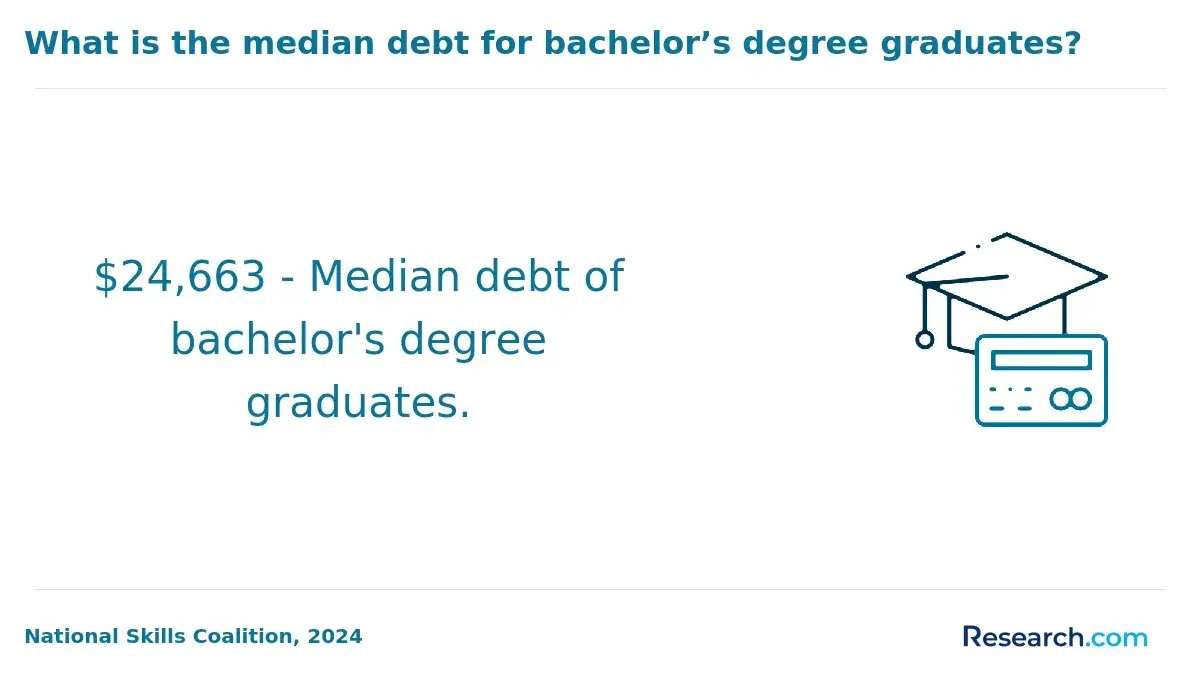
The average tuition for fully online business communications degrees typically falls between $10,000 and $25,000 for a full bachelor’s degree, according to recent education reports. Actual cost can vary by institution type, residency status, credit requirements, transfer credits, fees, and whether the program is fully online or hybrid.
When comparing tuition, focus on total program cost rather than only the per-credit price. A low per-credit rate may still become expensive if the school accepts few transfer credits or charges high technology, course, or administrative fees.
- Tuition range: Most easy online business communications programs charge between $10,000 and $25,000 for the full degree, depending on institution type, length, and delivery format.
- Format differences: Fully online programs generally cost less because they reduce expenses related to housing and commuting. Hybrid programs with some in-person classes can be 10 to 20 percent more expensive due to facility and administrative costs.
- Credit hours and fees: Degree requirements often span 120 to 130 credit hours. Technology fees, course fees, textbook costs, graduation fees, and proctoring fees can affect the final bill.
- Accelerated pricing: Accelerated tracks may have higher per-credit costs but can reduce total expenses if they shorten enrollment time.
- Tuition stability: Online business communications programs have seen only mild tuition increases of 2-3 percent annually, which can help students plan across multiple semesters.
Students seeking affordable online Business Communications programs with simple admissions should compare net cost after transfer credits, employer tuition assistance, scholarships, and financial aid. A slightly higher tuition may be worth it if the program has stronger accreditation, better advising, and better career support. For broader cost comparisons, students may review affordable online bachelor’s degree programs offered nationally.
Can Transfer Credits Make an Online Business Communications Degree Easier to Complete?
Yes. Transfer credits can make an online Business Communications degree easier to complete by reducing the number of courses, lowering total tuition, and shortening the time to graduation. For adult learners and students who have attended more than one college, transfer policy can be one of the most important factors in program selection.
Nearly 60% of college students transfer credits between institutions, reflecting how common credit mobility has become. However, transfer rules vary by school. Some institutions accept many general education and elective credits, while others limit credits by age, grade, institution type, or course equivalency.
- Reduced course load: Previously earned credits can eliminate repeated general education or introductory courses, allowing students to focus on advanced communication, marketing, public relations, and business topics.
- Lower overall tuition costs: Fewer required courses usually means paying for fewer credits, which can reduce total degree cost.
- Shorter time to graduation: Transfer credits can cut completion time by a semester or more, helping students move into career advancement sooner.
- Greater scheduling flexibility: With fewer remaining requirements, students may be able to build a schedule that better fits work and family commitments.
- Better use of prior learning: Some programs may evaluate military training, professional certificates, or workplace learning, though policies differ.
Before enrolling, request a written transfer-credit evaluation. Ask which credits apply to the major, which count only as electives, and how many credits must be completed at the degree-granting institution. Students comparing future graduate options may also review affordable online master’s programs to understand how today’s credit and accreditation choices may affect later study.
What Kind of Academic Support Do Online Business Communications Students Receive?
Strong academic support can determine whether an online student finishes the program or falls behind. Business Communications students often complete writing-heavy assignments, presentations, campaigns, peer discussions, and applied projects. Because online learners may have less face-to-face contact, support services need to be easy to access and relevant to communication-focused coursework.
Common support services include:
- Tutoring: Many programs offer help with writing, research, grammar, presentation development, marketing concepts, and communication theory. Some tutoring services are available outside standard business hours.
- Academic advising: Advisors help students choose courses, understand prerequisites, plan around work schedules, and stay on track for graduation.
- Writing support: Because business communications programs depend heavily on written work, writing centers can help students improve structure, clarity, citation use, and professional tone.
- Career services: Resume reviews, interview coaching, portfolio guidance, internship support, and job-search strategy can help students connect coursework to communications roles.
- Technical support: Online students need reliable help with learning platforms, software access, digital submissions, online exams, and video presentation tools.
- Library and research assistance: Digital libraries and research librarians can help students find credible sources for campaigns, reports, and communication plans.
Data from the Online Learning Consortium indicates that 87% of online learners value academic support as a key factor in their success. When comparing programs, ask whether support is included in tuition, whether services are available remotely, and whether advisors understand online student needs. Applicants comparing business-related options can also use lists of online business schools to evaluate affordability, format, and student support across programs.
How Do You Choose the Easiest Online Business Communications Degree That Pays Well?
To choose the easiest online Business Communications degree that also pays well, look for the best balance of access, credibility, cost, speed, and career alignment. The easiest program to enter is not always the smartest investment. A stronger choice is a program that admits you without unnecessary barriers and gives you the skills, support, and recognized credential needed for better roles.
Use these criteria when comparing options:
- Accreditation: Confirm recognized institutional accreditation first. This protects transferability, financial aid eligibility, graduate school options, and employer recognition.
- Program cost: Compare total tuition, fees, transfer-credit savings, and likely debt. Affordable tuition supports a better return on investment.
- Duration: Shorter or self-paced programs can reduce time away from career advancement, but make sure the workload is realistic.
- Admission flexibility: Look for no-test policies, holistic review, rolling admissions, provisional acceptance, and transfer-friendly evaluation.
- Curriculum relevance: Prioritize courses in business writing, public relations, digital communication, marketing communication, analytics, presentation, and organizational messaging.
- Career support: Strong programs offer resume help, portfolio support, interview preparation, employer connections, and internship or project opportunities.
- Job-market alignment: Programs focused on digital communication, marketing, or corporate relations are linked to median salaries exceeding $70,000, reflecting higher labor market value.
- Student support: Advising, tutoring, writing help, and technical support matter more in online formats because students must manage more of the learning process independently.
A practical selection strategy is to shortlist accredited programs first, then compare admission requirements, total cost, transfer-credit policy, and career outcomes. If two programs look similar, choose the one that offers clearer advising, stronger writing and career support, and a curriculum that matches the type of communications work you want to do.
What Graduates Say About Their Easy Online Business Communications Degrees That Pay Well
- Julie: "Finding an easy online business communications degree program was a game-changer for me. The affordable tuition, which was much lower than traditional schools $15,000 for the whole program-allowed me to earn my degree without debt. Since graduating, I've landed a well-paying role in corporate communications, and I credit the straightforward curriculum and practical skills I gained for my career success."
- Steve: "Reflecting on my journey, I chose an easy online business communications degree because I wanted a flexible and cost-effective option. At approximately $12,000 total, the program fit my budget perfectly. It equipped me with clear communication strategies that have boosted my confidence and opened doors to managerial positions, proving that simplicity and quality can go hand in hand."
- Grayson: "From a professional standpoint, enrolling in an easy online business communications degree was a strategic move. The program's affordability-generally averaging about $10,000-and streamlined coursework allowed me to balance work and study efficiently. This degree significantly enhanced my resume, leading to a substantial salary increase and greater responsibilities in my organization."
Other Things You Should Know About Business Communications Degrees
Students can develop skills such as strategic communication, digital marketing, crisis communication, and media management. These competencies are essential for lucrative positions like communications director, public relations manager, or marketing strategist, addressing the growing demand for expertise in digital and corporate communications.
Many 2027 online business communications programs require a capstone in the final term, usually worth 3 to 6 credits. It may include a written plan, presentation, or applied communication project, and students often need a minimum 2.0 GPA to enroll or graduate.
References
- 7 Ways Academic Support Will Transform Communication Now https://sabusinessschool.com/7-academic-support-transform-communication/
- Online Communication Degree https://www.snhu.edu/online-degrees/bachelors/ba-in-communication
- A Clear Path to Transfer Your College Credits to an Online Program https://global.nmsu.edu/blog/general/how-to-transfer-credits-to-an-online-college/
- Cert Business Communications https://www.umassglobal.edu/academic-programs/cert-business-communications
- Benefits of Online Business School Programs https://smceducation.com/blog/benefits-of-online-business-school-programs/
- 7 Benefits of Taking Business Communication Courses https://rcademy.com/benefits-of-taking-business-communication-courses/
- Most Affordable Online Communication Degrees https://thebestschools.org/rankings/bachelors/affordable/online-bachelors-communications/
- Business Communication Assignment Help https://www.researchprospect.com/business-communication-assignment-help/
- 24 Top Jobs For Communications Majors https://topresume.com/career-advice/24-top-jobs-for-communications-majors