2027 Accelerated Online Business Communications Degree Programs VS Weekly Start Online Degrees: Which Is Faster

Co-Founder and Chief Data Scientist
Choosing an online business communications degree is not only about finding a convenient program. For many students, the real decision is whether to finish as quickly as possible or choose a format that is easier to manage alongside work, family, and other obligations. A recent study reports that 62% of online learners prioritize program duration when selecting a degree, largely because a shorter timeline can help them enter the workforce or qualify for advancement sooner.
Accelerated online business communications degrees and weekly start online degrees solve different problems. Accelerated programs compress coursework into shorter terms and can reduce time to graduation, but they require sustained focus and a heavier weekly workload. Weekly start programs make it easier to begin quickly and adjust your schedule, but the total degree timeline may be longer.
This guide compares both formats by completion time, structure, workload, flexibility, start dates, cost, financial aid, transfer credits, and career support. Use it to decide which path fits your available time, budget, learning style, and career goals.
Key Benefits of Accelerated Online Business Communications Degree Programs vs Weekly Start Online Degrees
- Accelerated online business communications degrees typically reduce overall completion time by up to 40%, allowing students to finish faster than weekly start programs with standard pacing.
- Accelerated formats minimize idle periods between courses, unlike weekly starts that often require waiting weeks, enhancing continuous learning momentum and quicker credit accumulation.
- Students in accelerated programs benefit from more predictable graduation timelines, as these formats follow fixed schedules, whereas weekly-start degrees may encounter variability in course availability and progression.
How Long Does It Take to Finish an Accelerated Online Business Communications Degree vs Weekly Start Online Degree?
The main difference is pace. Accelerated online business communications degrees are designed for students who can handle compressed courses and steady enrollment. Weekly start online degrees are built for students who need more scheduling control, even if that means taking longer to finish.
Accelerated Online Business Communications Degrees
- Course length: Accelerated terms are shorter, often lasting 5 to 8 weeks, so students complete each course faster than in a traditional term.
- Enrollment pacing: Students usually take a heavier course load or move from one short term directly into the next.
- Simultaneous classes: Some programs allow students to take multiple classes at the same time or in rapid sequence, increasing the number of credits completed each term.
- Breaks between terms: Breaks are often limited or skipped, which helps shorten the calendar time to graduation.
- Overall completion timeline: These programs can often be finished within 12 to 18 months, depending on transfer credits, course load, and program requirements.
Weekly Start Online Business Communications Degrees
- Course length: Standard course lengths range from 10 to 15 weeks, which gives students more time with each subject but lengthens the path to completion.
- Enrollment pacing: Students have more freedom to start courses frequently and adjust their schedule as work or personal responsibilities change.
- Simultaneous classes: Students generally take fewer classes at once, which can make the workload more manageable but slow credit accumulation.
- Breaks between terms: Some programs include pauses or gaps between courses, especially when students choose to reduce their load.
- Overall completion timeline: These programs often require 24 to 36 months to complete, making them better suited to students who value flexibility over speed.
If your priority is the shortest possible time to completion, the accelerated format is usually the stronger option. If your priority is maintaining employment, caregiving responsibilities, or a less intense academic rhythm, the weekly start format may be more realistic. Students comparing adjacent communication-related career paths may also want to review a reputable SLP online masters program to understand how different online degree structures affect completion timelines.
The practical question is not simply “Which one is faster?” It is “Which timeline can I sustain without stopping out?” A 12 to 18 month accelerated plan only works if you can consistently meet compressed deadlines. A 24 to 36 month weekly start plan may take longer, but it can reduce the risk of burnout for students with unpredictable schedules.
How Are Accelerated Online Business Communications Degree vs Weekly Start Online Degrees Structured?
Program structure determines how often you start classes, how quickly assignments are due, and how much control you have over your academic calendar. Accelerated and weekly start formats may cover similar business communication topics, but the student experience can feel very different.
Accelerated Online Business Communications Degree Structure
- Academic terms: Courses are commonly organized into short, intensive terms usually lasting 5 to 8 weeks.
- Course length: The format supports rapid progression and often allows completion in 12 to 18 months.
- Enrollment start dates: Start dates are commonly fixed and tied to an academic calendar, which means students must be ready to begin at specific times.
- Pacing: The pace is fast and structured, with limited time to recover from missed work or weak performance early in a course.
- Workload expectations: Students need strong time management, reliable technology access, and the ability to complete reading, writing, discussion posts, projects, and exams on short deadlines.
Weekly Start Online Business Communications Degree Structure
- Academic terms: Courses are often divided into modules typically lasting 8 to 12 weeks.
- Course length: The structure supports more personalized pacing and can make school easier to combine with full-time work.
- Enrollment start dates: Rolling weekly or monthly starts give students more chances to begin without waiting for a traditional semester.
- Pacing: Students usually have more room to adjust study intensity, although they still must meet course deadlines.
- Workload expectations: Work is spread over a longer period, which may reduce weekly pressure but requires long-term consistency.
When comparing structures, look beyond the advertised completion time. Ask how many courses you must take at once, whether courses are synchronous or asynchronous, how group projects are scheduled, and whether prerequisite courses are offered often enough to avoid delays. Students who are also comparing affordability across related programs can use this guide to business degrees online as a starting point for cost-conscious research.
Is the Workload Heavier in Accelerated vs Weekly Start Online Business Communications Degrees?
Yes. In most cases, the workload feels heavier in an accelerated online business communications degree because the same or similar academic expectations are compressed into fewer weeks. Weekly start programs may still be rigorous, but they usually spread the work over a longer period.
Key workload differences include:
- Weekly time commitment: Accelerated programs require roughly 20 to 30 hours weekly, nearly twice as much as the 10 to 15 hours expected in weekly start courses.
- Assignment frequency: Accelerated courses often require more frequent writing assignments, presentations, discussion posts, case analyses, or project milestones within compact deadlines. Weekly start programs usually distribute these tasks more evenly.
- Pacing: Accelerated degrees move quickly, so students must understand and apply new concepts with little downtime. Weekly start formats allow a more gradual learning process.
- Expectations: Both formats require critical thinking, clear writing, and active participation. Accelerated programs simply require faster turnaround and less delay between learning material and demonstrating mastery.
An accelerated workload may be manageable if you have a predictable schedule, strong writing skills, and few competing obligations. It may be risky if your job hours change frequently, you travel often, or you need more time to revise written work. Weekly start programs can be a better fit for students who want to protect their GPA while balancing multiple responsibilities.
Which Online Business Communications Degree Offers More Flexibility-Accelerated or Weekly Start?
Weekly start online business communications degrees generally offer more flexibility. They give students more enrollment opportunities, more room to adjust pacing, and often a less compressed weekly schedule. Accelerated programs offer flexibility in location because they are online, but they are usually less flexible in time.
Accelerated online business communications degree programs compress coursework into shorter durations, often finishing terms within five to eight weeks rather than a full semester. This can be valuable for students who want a clear, fast path and can dedicate significant time each week. However, the compressed timeline leaves less room for illness, work emergencies, family obligations, or extended travel.
Start dates in accelerated programs are typically limited to traditional semester periods or fixed academic sessions. That reduces flexibility in when students can enroll. The workload is also front-loaded and deadline-heavy, so students need a consistent daily or near-daily study routine to stay current.
Weekly start online business communications degree programs offer a different type of flexibility by allowing students to begin courses nearly every week throughout the year. This makes it easier to start when financial aid, work schedules, or personal obligations align. Students may also be able to space out classes more comfortably, which can reduce workload intensity.
For full-time employees, parents, military learners, and students with variable schedules, the weekly start model is often the more forgiving option. For students who can treat school like a major weekly commitment and want to finish quickly, an accelerated format may still be the better strategic choice.
Which Business Communications Program Lets You Start Faster-Accelerated or Weekly Start?
Weekly start programs usually let students begin faster. Accelerated programs may finish faster overall, but weekly start programs tend to reduce the wait between admission and the first class.
Starting promptly matters for students who want to avoid losing momentum, qualify for employer tuition assistance by a certain date, or begin building credits as soon as possible. The trade-off is that a faster start does not always mean a faster finish.
- Enrollment Flexibility: Weekly start programs typically offer rolling admissions with new start dates nearly every week. Students may be able to begin coursework shortly after enrollment, often within days.
- Fixed Start Dates: Accelerated programs usually have set start dates aligned with academic terms, such as every 8 to 12 weeks. Students accepted just after a start date may wait several weeks before classes begin.
- Start Timeframe: Around 60% of weekly start programs allow students to begin within a few days, providing faster entry. Accelerated programs generally start within 4 to 8 weeks, so the initial wait is longer despite the faster overall program pace.
- Duration vs. Scheduling: Accelerated formats shorten the total time to degree completion by condensing coursework into shorter terms, but they require students to follow fixed schedules closely. Weekly start programs may extend over longer periods, but they prioritize immediate access to classes.
If you need to start this month, weekly start programs are usually more convenient. If you can wait for the next term and then commit to an intensive schedule, an accelerated program may still get you to graduation sooner.
Is an Accelerated Online Business Communications Degree More Expensive Than Weekly Start Online Degrees?
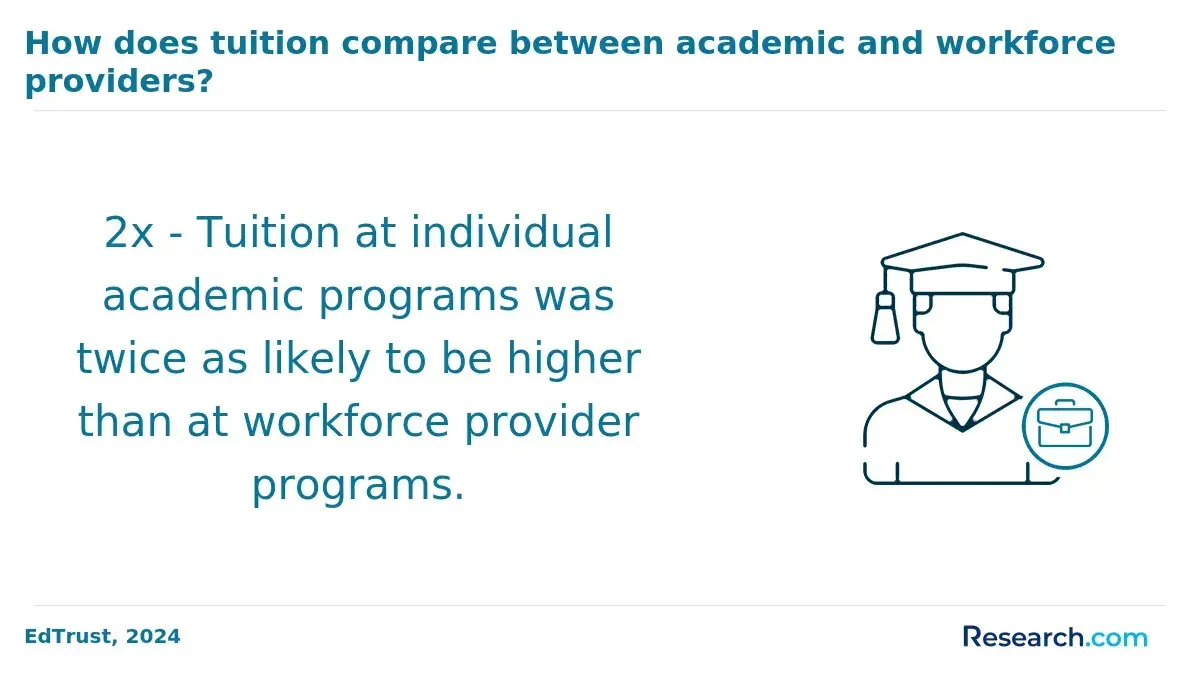
An accelerated online business communications degree may cost more per credit, but it is not always more expensive in total. Research indicates accelerated programs may charge 10-15% more per credit hour on average, yet the shorter completion timeline can reduce certain enrollment-related expenses.
The true cost depends on tuition structure, fees, transfer credits, books and materials, financial aid eligibility, and how long you remain enrolled. Compare total program cost rather than relying only on the per-credit rate.
- Shorter program length can lower total expenses. Completing a degree in less time may reduce costs tied to continued enrollment, such as technology fees, administrative fees, and other recurring charges.
- Higher per-credit tuition may apply in accelerated options. Some schools price accelerated courses at a premium because of intensive scheduling, staffing, and support needs.
- Flexible pacing in weekly start programs can spread out payments. Weekly start programs may be easier to budget for because students can enroll continuously or intermittently, but extended enrollment may increase cumulative fees.
- Stopping out can change the cost equation. A student who withdraws from an accelerated course because the pace is too intense may lose time and money. A slower program that you can complete consistently may be more cost-effective than a faster one you cannot sustain.
Before enrolling, request a full cost breakdown that includes tuition, mandatory fees, course materials, graduation fees, and any costs that continue each term. Also ask whether tuition changes if you study part time, take breaks, or transfer in credits.
How Does Financial Aid Work for Accelerated Online Business Communications Degree vs Weekly Start Online Degrees?
Financial aid can work for both accelerated and weekly start online business communications degrees, but the timing of eligibility checks and disbursements may differ. With about 85% of online students in the U.S. utilizing some form of financial aid, students should understand how the academic calendar affects funding before choosing a format.
Important financial aid differences include:
- Eligibility timing: Accelerated programs often require students to qualify for aid upfront because terms are compressed and funding decisions must be made quickly. Weekly start programs may assess eligibility more frequently across the year.
- Disbursement schedules: Financial aid for accelerated degrees may be released faster or cover a shorter academic period at once. Weekly start programs may distribute aid in smaller increments aligned with staggered course sessions.
- Program intensity and pacing: Accelerated coursework can affect satisfactory academic progress if a student falls behind quickly. Weekly start programs may allow a more gradual pace, but students still need to meet credit-completion and GPA requirements.
- Enrollment status: Aid often depends on whether a student is considered full time, half time, or part time. Because online formats vary, students should confirm how each course load affects aid eligibility before registering.
Students should speak with the school’s financial aid office before assuming one format is more affordable. Ask when aid is disbursed, what happens if you withdraw from a short course, how repeated courses are handled, and whether the program calendar affects loan eligibility. Students comparing financial aid structures in other online fields may also review an affordable online masters in psychology to see how term options can vary by discipline.
Do Accelerated Online Business Communications Degrees Work Better Than Weekly Start Programs for Transfer Credits?
Not always. Transfer credits can shorten either type of program, but weekly start programs may offer more scheduling flexibility after credits are evaluated. Accelerated programs can also accept transfer credits, but their tight course sequences may leave less room for substitutions if prior coursework does not match required courses closely.
Transfer credit policies matter because they can reduce both completion time and total tuition. However, acceptance is never automatic.
- Evaluation Criteria: Institutions review the accreditation of prior colleges, course similarity, and earned grades when considering transfer credits. About 58% of transfer applicants face partial credit denials due to mismatched courses or unaccredited institutions, reflecting how carefully schools protect curriculum standards.
- Program Format Impact: Accelerated online business communications degrees often follow tight curriculum timelines, so credits may need to align closely with required courses. Weekly start business communications degree transfer policies may be more flexible because multiple enrollment points can make it easier to place students into the right course sequence.
- Maximizing Transfer Credits: Students can improve their chances by requesting official transcripts early, collecting detailed syllabi and course descriptions, and consulting an academic advisor before enrolling. Credits from regionally accredited colleges are generally stronger candidates for transfer review.
Students focused on time efficiency may want to compare broader options such as an accelerated online bachelor's degree, but transfer policy should remain a central part of the decision. A program advertised as fast may not be fast for you if it accepts fewer of your prior credits.
Do Accelerated Online Business Communications Degrees Offer Better Career Placement Options Than Weekly Start Online Degrees?
Accelerated programs do not automatically offer better career placement than weekly start programs. Career outcomes depend more on the quality of career services, employer connections, internships, portfolio-building opportunities, and the student’s engagement with those resources. According to the National Association of Colleges and Employers (NACE), nearly 80% of students who engage with strong career resources secure jobs within six months of finishing their studies.
Key career placement differences include:
- Focused career services: Accelerated programs may offer deadline-driven resume workshops, interview preparation, and employer events within a shorter timeframe. This can help students prepare quickly for a job search.
- Ongoing access: Weekly start business communications degree job placement support may be available over a longer period because students progress through the program at different times.
- Employer relationships: Accelerated programs may concentrate employer engagement around specific cohorts. Weekly start formats may provide continuous networking opportunities throughout the year.
- Job placement rates: When career services are comprehensive, both formats can produce comparable placement outcomes. Accelerated programs may help students move into the job market sooner if they complete the degree on schedule.
Before enrolling, ask whether career services are available to online students, alumni, and part-time learners. Review whether the program helps students build a portfolio of business writing, presentations, digital communication projects, or strategic communication plans. Students comparing career-oriented programs may also review online degrees that pay well to align program choice with employment goals.
How to Choose Between an Online Business Communications Degree vs Weekly Start Online Degrees?
Choose an accelerated online business communications degree if your main goal is to finish quickly and you can realistically handle an intensive workload. Choose a weekly start online degree if you need faster access to courses, more control over pacing, or a schedule that can absorb work and family demands.
Choose an accelerated format if:
- You can dedicate substantial weekly study time without frequent interruptions.
- You want to complete the program in the shortest feasible timeline.
- You are comfortable with rapid deadlines, frequent assignments, and limited breaks.
- You already have strong writing, reading, and online learning skills.
- You can start on the program’s fixed academic calendar.
Choose a weekly start format if:
- You need to begin as soon as possible instead of waiting for the next term.
- You work full time or have caregiving responsibilities.
- You prefer spreading assignments across a longer period.
- You may need to pause or reduce your course load during busy seasons.
- You want more flexibility in planning your academic calendar.
In either format, verify accreditation, total cost, transfer credit policy, faculty access, technical support, academic advising, and career services. Review the curriculum to confirm that it covers practical business communications skills such as professional writing, presentations, organizational communication, digital communication, audience analysis, and communication strategy.
The best choice is the one you can complete successfully. A faster program is only an advantage if the pace supports your performance. A flexible program is only an advantage if you maintain consistent progress toward graduation.
What Graduates Say About Their Accelerated Online Business Communications Degree Programs vs Weekly Start Online Degree
- : "Choosing the accelerated online business communications program was a game-changer for me. The flexibility and weekly start options allowed me to balance work and study effortlessly. Plus, with the cost being much more affordable than traditional programs, I felt like I was making a smart investment in my future. It truly opened doors in my marketing career. — Valentino"
- : "Reflecting on my decision to enroll in the weekly start online business communications degree, the manageable pace and reasonable tuition fees stood out as key factors. The accelerated format saved me both time and money, which was essential as I was working full-time. Ultimately, the degree enhanced my communication skills and boosted my confidence in professional settings. — Zev"
- : "From a professional standpoint, the accelerated online business communications program exceeded my expectations. I was drawn by the cost-effectiveness and structured weekly modules, which fit my rigorous schedule perfectly. Completing this program not only sharpened my writing and presentation skills but also elevated my credibility at work. I highly recommend it for busy professionals aiming for career growth. — Grayson"
Other Things You Should Know About Business Communications Degrees
Many students find it challenging to maintain full-time employment while enrolled in accelerated online Business Communications programs due to the compressed course schedules and higher weekly workload. However, some accelerated programs offer evening or weekend classes and asynchronous coursework, which can provide some flexibility for working students. It is essential to review the specific program's scheduling options before enrolling.
Weekly start online degrees typically allow students to begin courses every week or every few weeks, providing continuous enrollment opportunities. However, not all programs follow this model uniformly; some may have limitations on the number of courses available each week or vary in course sequencing. Prospective students should verify the exact enrollment policies of each institution to ensure desired flexibility.
Most online Business Communications bachelor’s programs cap transfer credit at 90 of 120 semester credits. Schools also require an official transcript review before enrollment, and some limit how many major-specific credits can transfer. Higher transfer acceptance can cut completion time by one to two terms.
References
- Is an Online Business Degree Program Right for You? https://www.allbusinessschools.com/blog/getting-a-business-degree-online/
- Online vs. Offline Management Program: 15 Key Differences [2025] - DigitalDefynd https://digitaldefynd.com/IQ/choosing-between-online-offline-management-programs/
- Accelerated Degree Programs | Research Starters | EBSCO Research https://www.ebsco.com/research-starters/education/accelerated-degree-programs
- Online Communication Degree https://www.snhu.edu/online-degrees/bachelors/ba-in-communication
- 2025's Fastest Online Master’s Degrees & Accelerated Programs https://www.onlinemastersdegrees.org/features/fastest-online-masters-degrees/
- Smart Tips for Choosing an Online Business Degree https://ibu.ca/blog/choosing-online-business-degree-key-factors/
- BS Business Online (Degree Completion) - Extended University - CSU Channel Islands https://ext.csuci.edu/programs/undergraduate/bs-business-online/index.htm
- Online Accelerated Bachelor Swiss degree - Swiss School of Business and Management Geneva https://www.ssbm.ch/online-bba-accelerated-swiss/
- Got questions about college? We've got answers. | Pearson Accelerated Pathways https://www.pearsonaccelerated.com/students/faq-page.html