2027 Curriculum & Instruction Master's Degree vs Doctorate: Career Paths & Salary Differences

Co-Founder and Chief Data Scientist
Choosing between a curriculum & instruction master's degree and a doctorate often poses a critical dilemma-professionals grapple with career access, salary growth, and long-term return on investment. For instance, data from 2024 indicates that education specialists holding doctorates earn approximately 25% more on average than those with only master's degrees, yet the additional years of study and cost may affect promotion timing and financial stability.
Salary trajectories vary widely by sector and location, complicating decisions for career changers and early planners alike. This article explores these disparities-offering a detailed analysis of career paths, earnings potential, and professional advancement tied to each degree level to guide informed choices.
Key Things to Know About Career Paths & Salary Differences Between a Curriculum & Instruction Master's Degree and a Doctorate
- Master's degree holders typically access mid-level educational roles faster-such as curriculum specialists or instructional coordinators-while doctorates unlock leadership, policy-making, and research positions with broader influence.
- Salary growth for doctorate graduates outpaces master's degree holders by approximately 25% over 10 years-reflecting higher return on investment despite longer initial study periods and increased educational costs.
- Promotion trajectories favor doctorate holders, who are 40% more likely to attain senior administrative roles or professorships, enhancing long-term career stability and industry recognition across various sectors.
What Is the Difference Between a Curriculum & Instruction Master's Degree and a Doctorate, and Which Should You Pursue?
Pursuing a Curriculum & Instruction master's degree versus a doctorate involves distinct structural and philosophical differences--each aligns with specific academic and professional goals. The master's usually takes 1-2 years, may be thesis or non-thesis based, and focuses on advanced pedagogical skills, curriculum design, and practical educational applications. Meanwhile, doctorates-PhD or professional-require 4 to 7 years, emphasizing original research, educational theory, and leadership roles. This distinction is crucial for those deciding on the best curriculum & instruction degree for career advancement.
Both degrees attract different audiences. The master's suits practicing educators, career changers, and those seeking foundational expertise to improve classroom outcomes or step into mid-level administration. The doctorate fits individuals committed to advancing educational research or leading systemic change, often culminating in faculty positions or policymaking roles. This aligns with guidance from the Council of Graduate Schools and top accredited institutions.
- Curriculum: Master's programs cover instructional strategies, assessment, and curriculum implementation, while doctoral study involves rigorous research methodologies, theory, and critical analysis.
- Research Requirements: Master's students complete capstones or theses; doctorates demand original dissertations that contribute new knowledge.
- Time-to-Completion: Master's degrees offer quicker professional growth; doctorates require long-term commitment reflecting scholarly leadership.
- Career Outcomes: Master's graduates often become instructional coordinators or curriculum specialists; doctorates open doors to university faculty, consultants, and policymakers.
- Target Audience: Master's is ideal for educators or career changers aiming for enhanced expertise; doctorates serve those focused on research and leadership.
This article dives deeper into how these credential-level differences influence career paths, salary prospects, and long-term trajectories across sectors, specialties, and regions--helping prospective students align their choices with unique ambitions. Those interested in related advanced fields may also explore degrees in AI online as a comparative pathway.
What Career Paths Are Exclusively Available to Curriculum & Instruction Doctorate Holders That Are Closed to Master's Graduates?
Certain career paths within curriculum & instruction remain exclusively accessible to doctorate holders-positions that master's graduates cannot occupy regardless of experience or certifications. This gatekeeping exists because key roles must meet strict accreditation standards and professional expectations that require the terminal degree as an essential credential.
- Tenure-Track Faculty Positions: Universities and many four-year colleges mandate a doctorate for full-time, tenure-track teaching and research roles. The doctoral emphasis on original research and methodological mastery surpasses what a master's degree alone provides.
- Research Directorships and Principal Investigators: Leading independent research projects, especially those funded by major governmental or private grants, typically requires a doctorate. Agencies demand proof of advanced research training and a strong scholarly record, largely achievable only through doctoral study.
- Senior Policy or Government Scientist Roles: State and federal education departments seek doctorate holders for roles involving education policy development, evaluation research, and system-wide reform initiatives-areas demanding the analytical depth cultivated by doctoral programs.
- Specialized Licensing and Certification: Certain clinical or specialist roles in curriculum & instruction, such as advanced educational diagnosticians or high-stakes assessment designers, require a doctorate in line with licensing board standards emphasizing deep knowledge and autonomous professional judgment.
- Professional Association Leadership: Executive positions within educational research organizations and curriculum development coalitions often require a doctorate due to the scholarly contribution and policy influence expected at this level of leadership.
Employers and licensing bodies maintain these doctorate requirements to ensure that roles shaping educational practice and research rest on the highest expertise. Although some flexibility has recently appeared due to workforce shortages-allowing master's holders temporary access to adjunct or administrative roles-the core functions remain firmly gated.
This credential ceiling shapes long-term career planning for those interested in advanced educational leadership roles for Curriculum & Instruction doctorates. Prospective students must realistically evaluate whether these exclusive positions align with their ambitions or if a master's degree suffices for their practice-oriented goals.
For individuals considering how best to invest in graduate education, it's helpful to compare options by researching fields such as an online engineering degree to understand degree impact across sectors and geographic markets.
What Career Paths Are Best Suited to Curriculum & Instruction Master's Graduates in Today's Job Market?
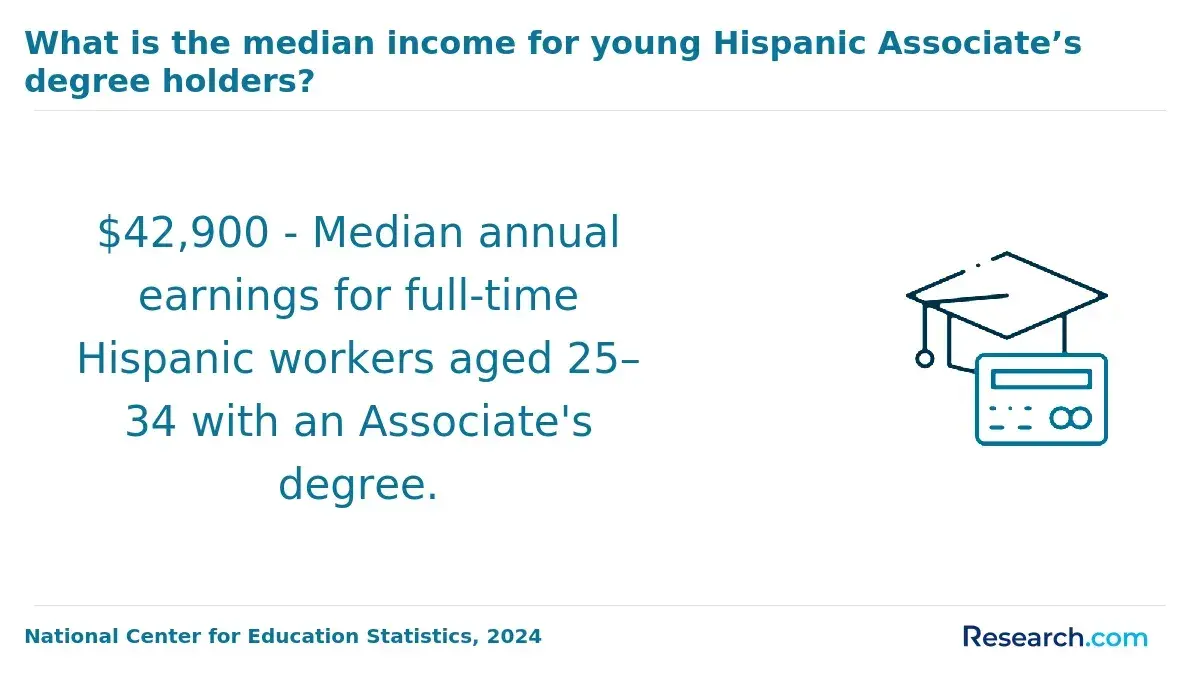
Career opportunities for graduate degree holders can vary based on industry demand, specialization, and evolving workforce needs. Understanding which career paths align best with current job market trends can help students and professionals make more informed decisions about education, skill development, and long term career planning.
- Occupational Focus: Master's degrees in curriculum & instruction open doors to roles such as instructional coordinators, curriculum specialists, educational consultants, and training managers-positions that emphasize applied expertise over academic research and are widely recognized as requiring a master's rather than a doctorate.
- Employment Settings: Graduates find opportunities across school districts, nonprofit organizations, corporate training units, and government agencies, where practical curriculum development and instructional strategy skills directly impact organizational success.
- Career Advancement: These roles prioritize practitioner-based knowledge, making the master's the highest relevant credential. Employers often prefer this level for its direct applicability, viewing doctoral qualifications as unnecessary or even less aligned with job demands.
- Time to Workforce: Completing a master's degree typically requires fewer years than a doctorate, facilitating earlier workforce entry and reducing career interruptions and debt accumulation.
Early Earnings: Master's graduates often earn more initially compared to bachelor's holders and doctoral candidates still in training-improving financial returns and decreasing long-term educational costs.
Aligning career goals with credential requirements helps graduates avoid unnecessary overqualification and targets growth in instructional leadership, curriculum execution, and educational technology integration rather than research or tenure-track roles.
A professional who recently earned a curriculum & instruction master's reflected on his journey, describing the challenge of balancing coursework with full-time employment as daunting but ultimately rewarding. "Navigating tight deadlines while applying new strategies at work made the experience intense," he explained, "yet it gave me concrete skills I could immediately use, which employers valued highly." He highlighted the reassurance of entering the job market confidently, emphasizing that the practical orientation of his degree was key to securing a stable position without the added stress or delay of doctoral studies.
How Do Long-Term Salary Trajectories Differ Between Curriculum & Instruction Master's and Doctorate Degree Holders Over a Full Career?
Long-term salary differences for curriculum & instruction master's versus doctorate holders reveal distinct earning curves spanning two to three decades, influenced heavily by career stage and sector. Initially, master's degree holders typically command higher starting salaries-reflecting earlier entry into the workforce-while doctorate holders often face lower pay tied to extended study or entry-level research roles.
- Mid-Career Growth: Around years 8 to 12, earnings paths diverge-doctoral graduates advancing into senior research, administrative, or tenured faculty roles experience sharper salary increases compared to master's professionals who primarily progress within teaching or middle-management positions.
- Specialization Effects: Doctorate holders specializing in in-demand areas, like instructional technology or curriculum design leadership, often accelerate salary growth, which widens the earnings gap relative to master's peers.
- Sector Impact: Public sector pay scales tend to compress income disparities between degree levels, whereas private institutions and larger employers usually provide greater financial rewards and complex promotion avenues favoring doctoral credentials.
- Geographic Variation: Location matters-urban and higher-cost areas often amplify salary advantages for doctoral professionals who leverage their credentials for leadership roles.
- Credential Synergy: The combination of doctoral-level qualifications and leadership responsibilities significantly boosts lifetime earnings, although master's holders may somewhat offset this through certifications or specialized roles outside traditional tracks.
Those weighing career salary growth comparison between curriculum & instruction master's and doctorate degrees should use precise forecasting tools like the BLS Occupational Outlook Handbook and the Georgetown CEW earnings calculator to model personalized trajectories. This approach helps align educational investments with unique professional ambitions and economic realities rather than relying on broad averages, particularly for those pursuing pathways such as an organizational development degree.
What Is the Return on Investment for a Curriculum & Instruction Master's Degree Versus a Curriculum & Instruction Doctorate?
Evaluating the ROI of graduate degrees in curriculum & instruction involves balancing upfront costs with long-term financial and professional benefits. Master's programs typically span two years, requiring tuition, fees, living expenses, and income lost during full-time study. Doctoral programs take four to six years-adding to indirect costs despite sometimes lower or funded tuition.
- Cost and Duration: Master's degrees have higher immediate expenses over a shorter period, while doctorates extend the time out of the workforce, increasing opportunity costs.
- Lifetime Earnings: Doctorate holders generally earn 20-30% more annually than those with master's degrees, but the longer study period delays full salary gains.
- Funding Opportunities: Doctoral candidates often benefit from stipends, assistantships, and tuition support, which can greatly reduce net costs and improve ROI.
- Loan Forgiveness and Reimbursement: Many federal and employer programs favor doctoral students, improving affordability and future financial returns.
- Non-Financial Returns: Both degrees enhance autonomy and intellectual growth, but doctorates open doors to top-tier academic, administrative, and research positions.
- Personal Analysis: Considering funding availability, career goals, specializations, and regional factors is critical to determining which degree aligns best with individual aspirations.
A professional who built her career post-master's degree reflected on the journey: "Balancing work and study was tough-I had to manage family responsibilities while attending classes. Financially, it felt like a leap of faith, but the skills I gained paid off in promotions and leadership opportunities." She emphasized that the decision was as much about personal fulfillment and growth as income: "Choosing the master's path suited my life timeline and opened doors I hadn't anticipated. It wasn't just about money-it was about becoming a stronger educator and leader."
How Does a Curriculum & Instruction Master's Degree Versus a Doctorate Affect Advancement Speed and Promotion Potential?
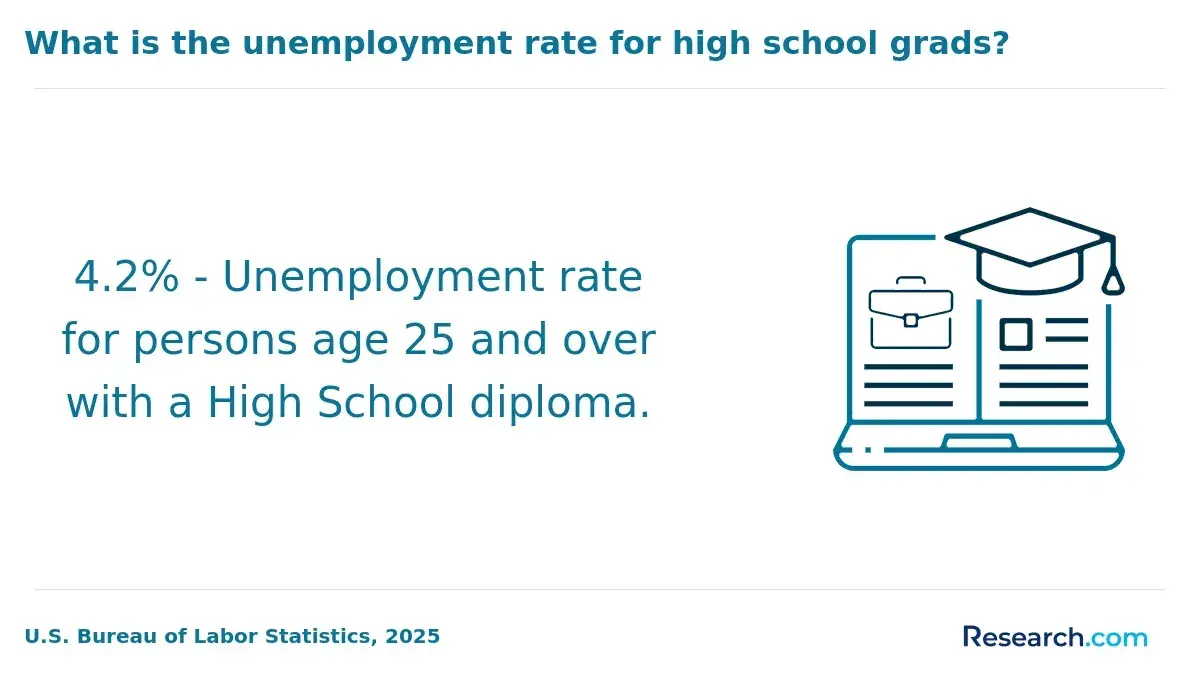
Career progression speed and ultimate promotion potential differ notably between master's and doctoral degree holders in curriculum & instruction. Industry research highlights that master's graduates often transition faster into managerial and applied leadership roles, where practical execution and operational effectiveness are prized above extensive research credentials.
- Credential Ceiling: Doctoral degree holders frequently encounter a "credential ceiling" that unlocks access to senior specialist, principal researcher, or policy-influencing positions-opportunities largely inaccessible to those with only a master's degree.
- Sector Differences: Fields such as research universities, federal agencies, and R&D-heavy corporations see doctorates enjoy swifter promotion tracks and higher salary ceilings. Conversely, sectors like healthcare administration, nonprofit organizations, and corporate analytics report minimal promotion disparities between master's and doctoral holders.
- Rank Versus Influence: While master's degree graduates may attain middle or senior management positions sooner-achieving considerable operational autonomy-doctoral recipients tend to secure roles emphasizing strategic impact, scholarly recognition, and policymaking authority.
- Advancement Priorities: Professionals focused on rapid salary increases and leadership entry often benefit more from master's credentials, whereas those pursuing research innovation and subject-matter leadership typically gain from attaining doctorates.
Recent data from 2024 indicates that in curriculum & instruction, doctoral holders working in research-intensive settings experience up to 25% faster promotion rates compared to master's degree holders, underscoring how credential level aligns with specific career trajectories and workplace cultures.
What Are the Time and Lifestyle Costs of Pursuing a Curriculum & Instruction Doctorate Compared to a Master's Degree?
The time and lifestyle commitments required for advanced degrees in specialized technical fields can vary widely depending on program structure, research demands, and professional focus. Understanding how different degree levels compare in terms of workload, flexibility, and long term academic intensity can help prospective students choose the path that best fits their personal circumstances and career goals.
- Duration: Earning a curriculum & instruction doctorate typically requires 4 to 7 years beyond a bachelor's degree-significantly longer than the 1 to 3 years needed for a master's. This reflects the intensive dissertation research, comprehensive exams, and advisor-dependent timelines that define doctoral study, in contrast to the more structured progression of master's programs.
- Academic Intensity: Doctoral candidates face rigorous scholarly demands and prolonged uncertainty, which often results in a nearly 40% attrition rate according to Council of Graduate Schools data. Master's programs tend to offer steadier pacing and clearer milestones, reducing academic stress and facilitating timely completion.
- Mental Health: Research from the American Psychological Association highlights that doctoral students encounter elevated psychological stress due to isolation and heavy self-directed workloads. Master's students typically experience lower stress levels, benefiting from more frequent faculty interaction and defined coursework.
- Personal Circumstances: Family commitments, financial pressures, age, and career interruptions weigh heavily on doctoral study feasibility. Master's programs-with shorter durations and often greater flexibility-better accommodate these life complexities, making them a practical choice for many.
- Financial Considerations: The extended timeline for a doctorate delays potential earnings and increases opportunity costs. Choosing a master's degree is a financially sensible decision that enables faster workforce reentry and career advancement.
Self-Assessment: Prospective students should honestly evaluate their readiness for doctoral rigor against career goals, resilience, and support systems. Selecting a master's program is not lesser commitment but a strategic, respected path aligned with personal circumstances.
A 2024 trend shows that growing awareness of graduate mental health challenges has led many institutions to enhance support services, easing the lifestyle costs associated with doctoral study.
How Does Geographic Location Influence Career and Salary Outcomes for Curriculum & Instruction Master's Versus Doctorate Holders?
Geographic location plays a critical role in shaping career outcomes and salary differences between curriculum & instruction master's and doctorate holders. Analysis of BLS OEWS sub-national wage data and state workforce development reports shows the doctoral salary premium is most pronounced in metropolitan centers anchored by major research universities and federal agencies-cities such as Boston, Washington D.C., and the San Francisco Bay Area.
- Regional Variations: These hubs host numerous roles requiring advanced expertise, where doctoral credentials open doors to leadership, research, and policy-making positions not typically accessible to master's degree holders. This dynamic illustrates how curriculum & instruction salary differences by region hinge on the concentration of specialized institutions and employers.
- Sector Clusters: Biotech corridors and healthcare markets further amplify the value of doctoral degrees in curriculum & instruction fields. Employers in these sectors often prioritize doctorate-level professionals for curriculum development tied to technical or clinical training programs-resulting in wider salary gaps compared to master's holders. Conversely, rural or interior markets with fewer organizational layers or smaller educational institutions tend to show a reduced financial advantage for doctorates, with many roles accessible to master's holders at similar pay.
- Cost-of-Living Impact: Coastal metros may offer higher nominal salaries, but adjusted cost-of-living analyses reveal the real-dollar value of the doctoral premium can decrease significantly. For instance, a $20,000 salary advantage in New York City might offer less purchasing power than a $10,000 boost in smaller Midwestern cities. This makes it essential for prospective students to evaluate geographic options through a purchasing-power lens rather than nominal income alone when considering curriculum & instruction doctorate careers.
Relocating to markets with strong demand for curriculum & instruction professionals can accelerate career growth for both master's and doctorate holders. In some regions, strategic moves yield salary increases rivaling or surpassing those gained through doctorate acquisition. Geographic mobility thus functions as a potent lever alongside credential attainment. Those looking to advance without committing immediately to a doctoral program might explore a quickest cheapest masters degree as a flexible step toward career growth.
What Role Does Institution Prestige Play in Curriculum & Instruction Master's Versus Doctorate Career and Salary Outcomes?
The impact of institution prestige on curriculum & instruction degree salaries varies significantly by sector and credential level, according to studies from leading sources like the National Bureau of Economic Research and Georgetown CEW. Academic hiring-particularly for doctoral graduates pursuing tenure-track or research roles-often values top-ranked universities' reputations highly, as these institutions provide brand recognition, influential advisor networks, and selective dissertation committees that can enhance career placement.
- Private Sector: Employers outside academia generally emphasize skills, experience, and portfolios over institutional name recognition. For master's-level candidates in curriculum & instruction roles such as education administration, consulting, or corporate training, practical competencies matter more than attending a prestigious university. This distinction aligns with broader findings on career outcomes by university ranking for curriculum & instruction master's and doctorate graduates.
- Evaluative Metrics: Prospective students should focus on indicators closely tied to career success-such as alumni placement rates, faculty research productivity, employer recruiting relationships, and salary data available through resources like the U.S. Department of Education's College Scorecard-rather than relying solely on popular rankings.
Choosing an affordable or fully funded program can be strategically beneficial. Doctoral candidates especially may find that dissertation quality and advisor mentorship drive long-term career outcomes more effectively than institutional prestige. Balancing these considerations is essential when investing in graduate education in curriculum & instruction.
For those exploring graduate education broadly, understanding how credentials influence various career paths-including degrees related to a library degree-can provide useful context when planning advanced study and professional advancement.
How Do Curriculum & Instruction Master's and Doctorate Programs Differ in Preparing Graduates for Industry Versus Academic Careers?
Different graduate degree paths often focus on distinct areas of professional and academic development depending on the careers they are intended to support. Understanding how programs prepare students for industry roles versus research, teaching, or leadership positions can help prospective students choose educational pathways that align with their long term goals.
- Curriculum Structure: Master's programs in curriculum & instruction tend to center on practical skill development, instructional design, and applied projects tailored for roles in corporate training, consulting, and educational technology. Doctoral programs, conversely, emphasize deep theoretical knowledge, sophisticated research techniques, and original dissertations meant to expand academic scholarship.
- Research Emphasis: Doctoral candidates dedicate significant time to independent research, preparing them primarily for faculty positions or scholarly investigation. This focus often limits exposure to collaborative, client-focused problem solving common in industry roles. Master's students typically engage in smaller-scale projects or case studies linked to professional practice, enhancing applicability to workplace challenges.
- Applied Project Requirements: Master's curricula frequently include capstone projects or internships replicating real-world environments to develop teamwork, project management, and implementation skills. Doctoral programs usually prioritize dissertation work and may lack structured opportunities for industry engagement, potentially leaving graduates less prepared for leadership and interpersonal demands in business settings.
- Professional Development: Doctoral training traditionally focuses on academic publishing and university service; however, some innovative programs now incorporate industry partnerships, leadership development, and interdisciplinary collaboration to better support graduates pursuing non-academic careers.
Examining a program's graduate outcomes-specifically the balance between alumni entering academia versus industry, government, or nonprofit sectors-is crucial. Programs with strong industry placement reflect curricular and experiential designs aligned with professional practice rather than purely scholarly achievements.
How Do Starting Salaries for Curriculum & Instruction Master's Graduates Compare to Those for Curriculum & Instruction Doctorate Holders?
Starting salaries for graduates in curriculum & instruction vary widely depending on whether they hold a master's or doctorate degree and on the sector they enter. Data from the BLS Occupational Employment and Wage Statistics, NACE salary surveys, and compensation platforms like PayScale reveal that this variation is often shaped by the demands and priorities of different employment settings.
- Academic Premium: Doctorate holders tend to command noticeably higher starting pay in academia and research roles, where advanced scholarship and specialization are highly valued-especially at research universities, creating a pronounced salary gap at entry.
- Sector Differences: In government agencies, nonprofit organizations, and many industry sectors, the pay disparity between master's and doctorate holders shrinks significantly. Employers in these areas often place greater emphasis on practical skills and experience rather than doctoral qualifications.
- Opportunity Cost: Pursuing a doctorate usually requires three to five additional years beyond the master's, during which candidates miss out on earnings and may incur more debt. This delay means many doctoral graduates don't reach income levels comparable to master's holders until well into their careers.
- Structural Factors: Salary gaps also reflect how sectors prioritize research credentials versus applied instructional expertise. Fields focused on innovation or leadership often reward doctoral degrees more aggressively at the outset.
What Curriculum & Instruction Graduates Say About the Career Paths & Salary Differences Between a Master's Degree and a Doctorate
- Otto: "Deciding to pursue a doctorate in curriculum & instruction completely transformed my career trajectory. While my master's opened doors into school administration, the doctorate gave me access to higher-level research and policy roles that command significantly higher salaries. The long-term investment was totally worth it-promotions come faster and the professional outlook feels much more stable in the academic and leadership arenas."
- Colsen: "From my experience, the master's degree in curriculum & instruction provided a solid foundation and a respectable salary increase from my teaching days, but I quickly realized the doctorate was essential to break into senior leadership and university-level positions. The salary differences are clear-the doctorate often correlates with substantially better compensation and more opportunities for advancement. Reflecting back, the return on investment for the doctorate was a defining factor in my long-term career satisfaction."
- Isaiah: "I approached curriculum & instruction graduate studies with a focus on practical outcomes-which the master's definitely delivered through enhanced career access and initial salary boosts. However, moving onto the doctorate gave me a deeper understanding of the field and unlocked higher salary trajectories and promotion potentials that were previously out of reach. Looking ahead, the doctorate has positioned me for sustained growth, making it a strategic choice for anyone serious about leadership roles."
Other Things You Should Know About Curriculum & Instruction Degrees
Funding options for curriculum & instruction doctoral programs are generally more extensive than those for master's degrees. Doctoral candidates often receive stipends, assistantships, or fellowships that cover tuition and provide living expenses, reflecting the research-intensive nature of the degree. In contrast, master's students may have access to scholarships or employer tuition reimbursement but typically receive less comprehensive aid, meaning they often rely more on loans or personal funds.
Employers in curriculum & instruction tend to view a doctorate as essential for positions in higher education, research, and senior leadership roles within educational institutions. A master's degree is generally sufficient for many K-12 teaching, curriculum development, and administrative jobs. Having a doctorate can enhance competitiveness and salary potential but often requires a clear alignment with the intended career track.
Deciding whether to pursue a master's first or enter a doctoral program depends largely on career goals and experience. A master's offers practical skills and quicker entry into many education roles, making it ideal for those seeking immediate career advancement. Doctoral programs typically require prior graduate coursework or experience and are better suited for those aiming at research, academia, or high-level leadership positions.
References
- How My Curriculum and Instruction Masters Elevated My Career - Graduate Programs for Educators https://www.graduateprogram.org/blog/how-my-curriculum-and-instruction-masters-elevated-my-career/
- Chapter 44: Academic and Career Paths for PhD Graduates https://www.europeanproceedings.com/article/10.15405/epes.23056.44
- Master’s vs. Doctorate Degree| University of Bridgeport https://www.bridgeport.edu/news/difference-between-a-masters-and-doctorate-degree/
- Is a Master's in Curriculum and Instruction Worth It? https://www.snhu.edu/about-us/newsroom/education/benefits-of-a-masters-in-curriculum-and-instruction
- 7 Unique Career Paths for Education Graduates | MANCOSA https://www.mancosa.co.za/blog/7-unusual-career-paths-for-education-graduates/
- Is an M.Ed. degree worth it? | edX https://www.edx.org/resources/is-a-masters-in-education-worth-it
- Master vs. PhD: Salary, Jobs & Time, The Big Differences https://www.applykite.com/blog/phd-guide-master-vs-phd
- Teaching Degree ROI Guide: The Return on Investment You Can Expect with a Degree in Education https://www.educationdegree.com/articles/return-on-investment-guide-to-education-degrees/
- Curriculum and Instruction - Top Masters in Education https://www.topmastersineducation.com/curriculum-and-instruction/
- Master's Vs. Doctorate Degrees: Which Is Right For You? https://hallford.education/masters-vs-doctorate-degrees-which-is-right-for-you/