2027 Curriculum & Instruction Master's Degree vs Graduate Certificate: Which Is Better?

Co-Founder and Chief Data Scientist
Faced with the choice between a curriculum & instruction master's degree and a graduate certificate, prospective students must consider critical factors-cost, time-to-completion, admission requirements, employer recognition, salary impact, and career utility. A master's degree typically demands more time and financial investment but often yields higher salary gains, with the U. S. Bureau of Labor Statistics reporting a median 15% salary increase for master's holders over those with certificates in related education fields as of 2024.
This article evaluates these credentials objectively-guiding readers toward the credential best aligned with their professional goals and circumstances through a data-driven comparison.
Key Things to Know About Which Is Better: A Curriculum & Instruction Master's Degree or a Curriculum & Instruction Graduate Certificate
- Master's degrees usually require 30-36 credits and cost significantly more-often double or triple a graduate certificate-making certificates more affordable for many students.
- Graduate certificates often complete within 1 year, while master's programs take 2 or more years, appealing to career-changers seeking faster credentials.
- Employers tend to recognize master's degrees more widely-reflecting in higher average salary increases of 15%-20% compared to certificates, which offer more limited but practical career utility.
What Is the Difference Between a Curriculum & Instruction Master's Degree and a Curriculum & Instruction Graduate Certificate?
A curriculum & instruction master's degree involves completing 30 to 36 credit hours over one to two years, offering comprehensive training in educational theory, research methods, curriculum design, instructional strategies, and leadership. This credential develops broad expertise and prepares graduates for advanced roles such as curriculum specialists, instructional coordinators, or education administrators. By contrast, a curriculum & instruction graduate certificate requires fewer credits-typically 12 to 18-that can be completed in less than a year. It is designed to focus on specific skills like technology integration or differentiated instruction, without the extensive research or practicum components typically found in a master's program.
Common misconceptions include viewing the certificate merely as a shorter master's degree; however, they differ significantly in academic standing, institutional goals, and target audiences. Graduate certificates cater to professionals seeking fast skill upgrades, career changers needing foundational knowledge, or postbaccalaureate students exploring the field before committing to a full degree. Many certificates are stackable-credits earned may apply toward a master's-complicating direct comparisons but not equating the credentials fully. This curriculum & instruction credential comparison for career advancement highlights important differences:
- Credit Hours: Master's degrees require two to three times the coursework of graduate certificates.
- Curriculum Scope: Master's programs cover broad educational theories and leadership principles; certificates focus on applied skills or niche topics.
- Academic Objectives: Master's emphasizes research, theory, and leadership preparation; certificates prioritize practical knowledge and faster skill acquisition.
- Academic Standing: A master's degree is a higher graduate credential often required for advanced professional roles.
- Stackability: Certificates often allow credits to count toward a future master's degree.
- Audience: Certificates appeal to those needing quick specialization; master's degrees target comprehensive career advancement or academic paths.
This guide will further analyze cost, time-to-completion, admission requirements, employer recognition, salary implications, and career utility to help prospective students make an informed decision. Those weighing options may also find value exploring best majors to pursue that align well with their career goals in the field.
What Are the Typical Admission Requirements for a Curriculum & Instruction Master's Program Compared to a Curriculum & Instruction Graduate Certificate?
Admission requirements for a curriculum & instruction master's program generally set a higher bar than those for a graduate certificate-reflecting the depth and scope of study each credential demands. Typical criteria for master's programs include:
- Undergraduate GPA: Master's programs usually require a minimum GPA around 3.0 on a 4.0 scale to establish solid academic standing. In contrast, graduate certificate eligibility criteria in curriculum & instruction often have more flexible or no strict GPA requirements, making the programs accessible to a wider applicant pool.
- Prerequisite Coursework: Applicants to master's degrees commonly must have completed specific undergraduate classes related to education or curriculum development to ensure foundational knowledge. Graduate certificates tend to require few or no prerequisite courses, welcoming students from diverse academic backgrounds.
- Standardized Test Scores: GRE or other test scores may be requested for master's admissions though some programs have recently relaxed this requirement. Graduate certificates rarely ask for standardized tests, lowering barriers to entry.
- Letters of Recommendation: Master's programs typically request two or three recommendation letters from academic or professional contacts confirming the candidate's readiness. Graduate certificates might require only one letter or omit this altogether.
- Personal Statement: A detailed personal statement is generally expected for master's applications to assess motivation and goals, while graduate certificates often require a shorter statement or place less emphasis on it.
This difference in criteria matters for prospective students who do not yet meet master's program standards. Graduate certificates offer an academic on-ramp-allowing learners to develop relevant skills, prove their capability in graduate-level coursework, and build a stronger profile before applying to a curriculum & instruction master's program admission requirements.
For working professionals or career-changers, pursuing a graduate certificate often means faster and more flexible access to curriculum & instruction fields. Meanwhile, direct admission to master's programs benefits those ready for comprehensive, credentialed education. Evaluating outcomes-including cost and time-to-completion-helps students select the credential that aligns with their career goals and current qualifications. For additional insight on educational pathways, exploring accounting programs may offer useful comparisons across disciplines.
What Is the Minimum GPA Requirement for a Curriculum & Instruction Master's Program?
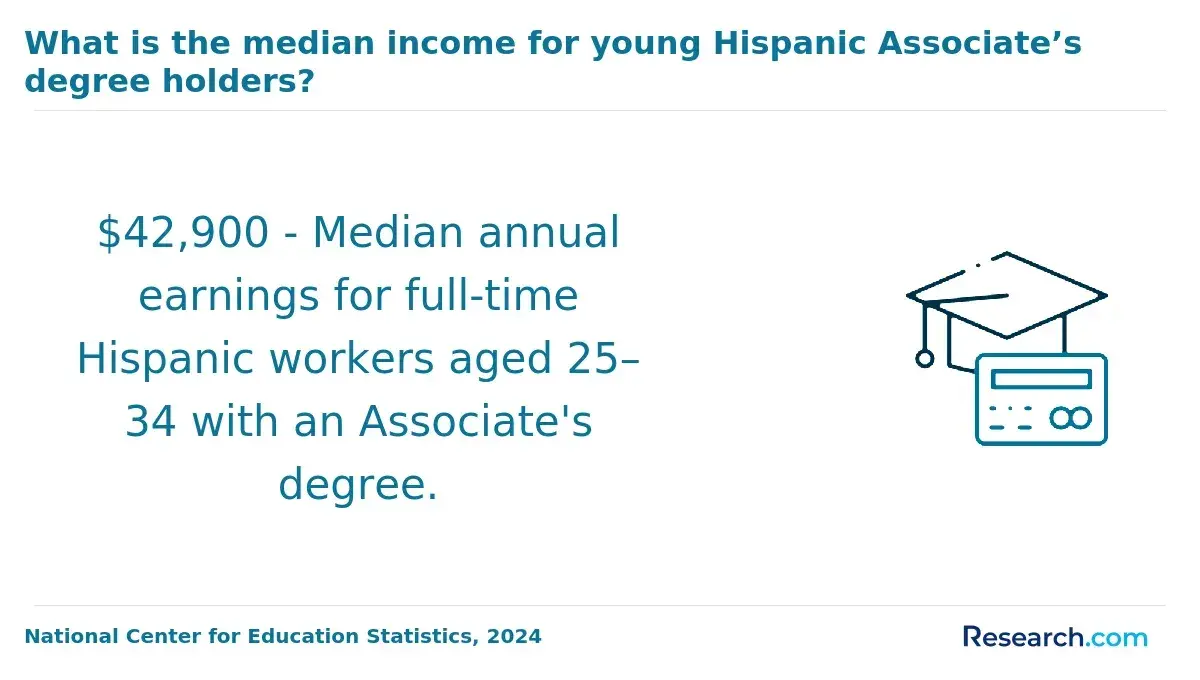
Accredited curriculum & instruction master's programs typically set minimum GPA requirements between 2.5 and 3.0 on a 4.0 scale, though these figures often represent basic eligibility rather than competitive admission standards. Programs with rigorous selection criteria usually expect applicants to have a GPA at or above 3.0 and tend to admit students whose academic records surpass the minimum by a notable margin. In contrast, more inclusive or career-focused programs often accept GPAs as low as 2.5, prioritizing professional experience and goals over prior academic achievements.
- Competitive Programs: These demand higher GPAs-typically above 3.0-and attract applicants with stronger academic backgrounds, making the stated minimums a basic threshold, not an actual average.
- Open-Enrollment and Professional Programs: Often accommodating of lower GPAs, these focus on practical experience and may admit students with 2.5 or greater GPAs.
- Provisional Admission: Students falling just under the standard GPA may qualify for conditional entry, contingent on successfully completing certain coursework or remedial classes within a set timeframe.
- Academic Performance Expectations: Those admitted provisionally usually must maintain a GPA near 3.0 in early graduate courses to continue without restrictions.
- Application Strategy: Applicants should interpret published minimum GPAs as admission floors-not goals-to improve chances of acceptance and funding.
A professional who completed a curriculum & instruction master's shared his experience, highlighting the hurdles of meeting admission standards with a borderline GPA. He explained, "I was initially nervous about my 2.8 GPA because I knew competitive programs aimed higher. The provisional admission offered a chance to prove myself, but the pressure to maintain a 3.0 during my first semester was intense." He described balancing coursework and work responsibilities as demanding but ultimately rewarding, noting that exceeding the academic expectations solidified his confidence and helped open doors in his career path.
How Long Does It Take to Complete a Curriculum & Instruction Master's Degree Versus a Curriculum & Instruction Graduate Certificate?
Curriculum & Instruction master's degrees demand a significant time investment due to their comprehensive nature-typically requiring between 30 and 36 credit hours that include extensive research projects, comprehensive exams, or capstone experiences. Full-time students generally take about two years to complete these programs, though accelerated tracks may shorten this to 12-18 months. In contrast, curriculum & instruction graduate certificate time to finish averages 6 to 12 months full-time, with 12 to 18 credit hours focusing on concentrated coursework without the heavier academic requirements. Part-time study often extends these timelines accordingly.
- Program Structure: Master's programs incorporate broad academic components-theses or capstones-that substantially increase completion time, whereas certificates prioritize targeted skills development via streamlined coursework.
- Enrollment Pace: Full-time learners can finish certificates in about half a year, but master's degrees generally demand two years or more; part-time enrollments typically extend these durations, sometimes doubling the timeline for master's candidates.
- Professional Considerations: Those balancing work and family often favor certificates for their shorter commitment and quicker return on investment. However, individuals aiming for advanced roles or broader expertise usually opt for the longer master's path.
- Life Circumstances: Prospective students must assess their schedules, finances, and career urgency-aligning their choice with realistic timeframes and personal priorities.
Students weighing time to completion should also consider how these credentials affect career utility and salary outcomes-choosing a path consistent with their goals. For additional insights on related fields, exploring options like an urban planning degree may offer broader perspectives on graduate education timelines and costs.
How Much Does a Curriculum & Instruction Master's Degree Cost Compared to a Curriculum & Instruction Graduate Certificate?
Tuition fees for a curriculum & instruction master's degree vary widely by institution. Public in-state students typically pay between $12,000 and $25,000 for the entire program, whereas public out-of-state learners face costs from $20,000 up to $40,000. Private schools usually charge more-between $30,000 and $60,000. Graduate certificates in curriculum & instruction tend to be more affordable, with public in-state programs costing around $4,000 to $10,000, public out-of-state ranging from $6,000 to $15,000, and private options falling between $10,000 and $20,000.
Credit Hours and Program Length: Master's degrees demand 30 to 36 credit hours, often extending studies to two years or longer. In contrast, graduate certificates require fewer credits-typically 12 to 18-allowing students to finish in under a year, reducing time and tuition expenses.
Institutional Overhead: Master's programs generally carry higher fees due to greater faculty involvement, curriculum complexity, and student support services. Graduate certificates, being shorter and more targeted, usually incur less administrative expense.
Financial Aid Opportunities: Those pursuing a master's can access more substantial financial aid, including assistantships, fellowships, and employer tuition reimbursement. Certificate students often have limited access to these benefits, which can result in a comparatively higher net cost despite lower tuition.
Hidden Costs: Master's candidates should anticipate opportunity costs tied to delayed full-time employment and lost income during study. Certificates demand less time, minimizing these costs, but may also bring reduced salary increases and fewer advancement opportunities post-completion.
Return on Investment: Assessing net cost after financial aid is crucial to gauge true value. Prospective students should weigh all direct and indirect expenses against expected career outcomes, using free online calculators and other tools to estimate their individual ROI-helping determine whether a comprehensive master's or an expedited certificate suits their goals.
One professional who advanced her career through a curriculum & instruction master's shared how financing the degree demanded careful planning. "Balancing work, family, and studies was a challenge," she recalled, "and the tuition was a significant investment. But the assistantship I earned helped offset costs, and the deeper knowledge I gained opened doors I hadn't anticipated." She emphasized the importance of considering both immediate expenses and long-term benefits when deciding between the master's and certificate paths, noting that the personal growth and career flexibility the master's provided were worth the additional time and money. "It wasn't easy, but knowing the full scope of what I was signing up for made all the difference."
How Does Earning a Curriculum & Instruction Master's Degree Affect Salary Compared to a Curriculum & Instruction Graduate Certificate?
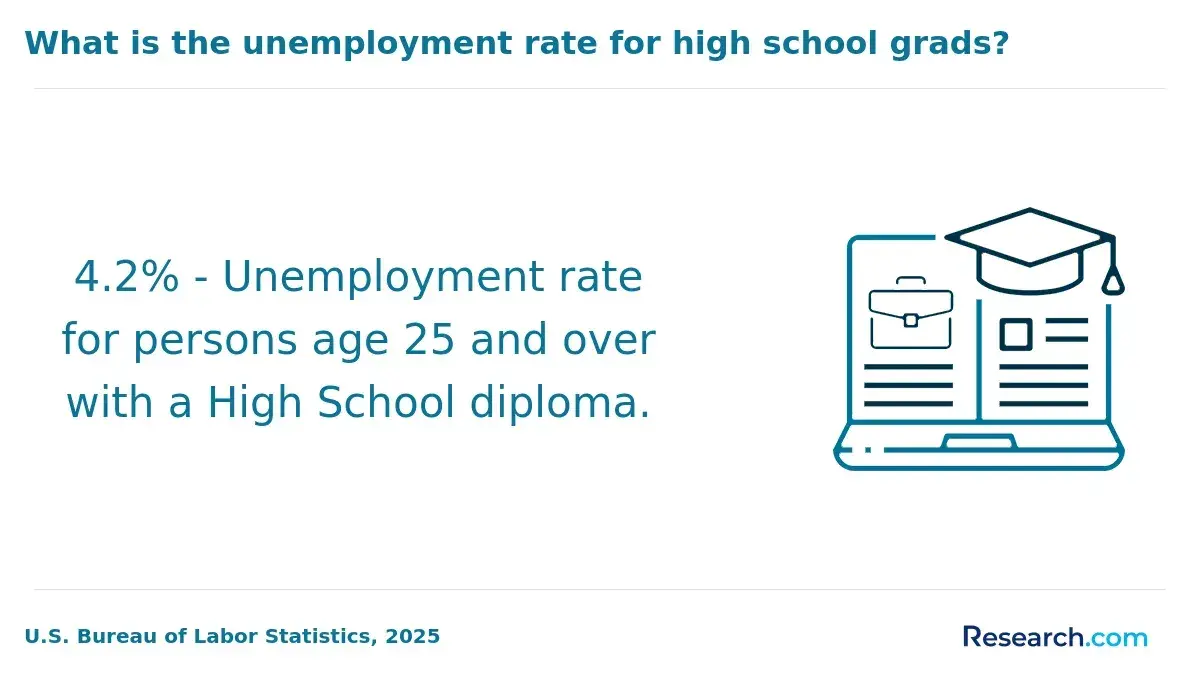
Master's degrees in curriculum & instruction typically yield higher median salaries than graduate certificates, with data from the Bureau of Labor Statistics and Georgetown University showing a 15% to 30% earnings increase-especially in public education, higher ed, and specialized instructional design roles.
- Salary Premium: The master's credential offers a stronger salary boost in senior and leadership roles within K-12 districts and universities, where advanced degrees often support promotion and tenure prospects.
- Industry Variation: In newer areas like educational technology or corporate training, focused graduate certificates sometimes match or surpass master's degree earnings due to their specialized content and faster completion.
- Career Tracks: Professionals emphasizing specific skills such as digital curriculum or culturally responsive pedagogy may find certificates provide competitive salaries in charter schools and nonprofits that prioritize niche expertise over broad credentials.
- Return on Investment: Considering master's programs often require two years and higher costs versus shorter, more affordable certificates, many find the latter's quicker path and lower expense advantageous for skill-building or reentry.
- Long-Term Potential: Despite faster credentialing with certificates, master's holders generally enjoy more steady wage growth over time due to eligibility for leadership and policy roles.
According to recent 2024 wage surveys, holders of master's degrees in education-related fields maintain an average salary premium of around 22% compared to certificate holders, reinforcing the value of the advanced degree for sustained career advancement.
Which Curriculum & Instruction Career Paths Favor a Master's Degree Over a Graduate Certificate?
Certain career tracks in curriculum & instruction distinctly favor the master's degree over a graduate certificate due to specialized demands and credentialing standards. Employers and licensure boards often require the broader knowledge base, extensive research experience, and theoretical grounding that a master's program offers-elements that a graduate certificate's focused scope cannot fully provide.
Leadership Roles: Positions such as instructional coordinators, curriculum directors, or educational leaders typically require a master's degree. These roles involve designing and implementing curriculum frameworks on a large scale, benefiting from comprehensive coursework and critical thinking skills cultivated during a master's program.
Licensed Professions: Many states mandate a master's degree for advanced teaching certifications or specialist licenses. For example, roles leading to National Board Certification or professional licensure in educational administration generally consider a master's degree the baseline credential.
Research-Intensive Positions: Jobs focused on educational research, curriculum development, or policy analysis prefer candidates with rigorous methodological training and academic depth-qualifications usually found only in master's-level programs. These positions often provide a pathway toward doctoral study or academic careers.
Promotion and Career Advancement: Within many school systems and districts, a master's degree acts as a formal threshold for salary increases, promotions, and eligibility for teacher leader roles. It signals a commitment to professional growth and deeper mastery of subject matter.
Academic Rigor and Depth: Master's degree curricula address complex theoretical frameworks and evidence-based strategies, preparing graduates for advanced problem-solving and leadership challenges in curriculum & instruction.
According to the U.S. Bureau of Labor Statistics (2024), employment of education administrators and instructional coordinators with advanced degrees is projected to grow 10% over the next decade, highlighting the increasing importance of master's-level qualifications in this field.
Which Curriculum & Instruction Career Paths Favor a Graduate Certificate Over a Master's Degree?
Several career paths in curriculum & instruction demonstrate a clear preference for graduate certificates over master's degrees due to their emphasis on swift, targeted skill development rather than broad academic training. Employers in fields such as instructional design, educational technology integration, and curriculum specialization often prioritize credentials that signal up-to-date, applied expertise instead of extensive theoretical knowledge.
- Instructional Design: Job postings from sources like LinkedIn Workforce Insights indicate a notable preference for candidates with certificates demonstrating proficiency in specific instructional design tools-such as Articulate or Adobe Captivate-especially among mid-career professionals transitioning into this field.
- Educational Technology: Positions focused on integrating technology within classrooms or managing digital platforms favor certificates to validate expertise in evolving ed-tech trends, viewed as practical and cost-effective for educators' professional development.
- Professional Development Trainers: Educators delivering targeted training benefit from certificates emphasizing specialized content expertise that can be acquired and updated rapidly, often making certificates more advantageous than full master's programs for these roles.
- Curriculum Coordination: Employers in some districts seek candidates who address curriculum standards or assessment knowledge gaps without the lengthy commitment of a master's degree, thus favoring specialized certificates.
- Working Professionals Upgrading Skills: Individuals holding bachelor's or master's degrees in related fields often maximize their return on investment by pursuing graduate certificates for quick competency gains in emerging areas or new regulations-avoiding redundant academic courses.
This strategic use of certificates aligns with the curriculum & instruction graduate certificate career advantages for professionals seeking agile career progress or specific expertise. For additional context on credential choices related to education and mental health, some may also explore a child mental health masters as a complementary pathway.
Is a Curriculum & Instruction Graduate Certificate Stackable Toward a Master's Degree?
Whether a curriculum & instruction graduate certificate is stackable toward a master's degree depends largely on specific university policies-this is not a universal rule. Many accredited institutions offer stackable credentials, allowing students to apply credits earned from graduate certificates directly into a related master's program. For instance, some universities permit up to 9 or 12 credits from a curriculum & instruction certificate to count toward their master's degree requirements, easing the path for students continuing their graduate education. These pathways are often outlined in institutional policies that vary widely by school.
In the case of transferring curriculum & instruction certificate credits to a master's degree, students should be aware of several conditions.
- Institutional Policy: Stackability depends on the university's guidelines; some schools have formal pathways for stacking, while others treat certificates and degrees as distinct credentials.
- Grade Thresholds: Programs frequently require a minimum grade-often a B or higher-for certificate credits to transfer toward a master's degree.
- Time Limits: Coursework may need to have been completed within a set number of years to remain eligible for transfer.
- Program Alignment: Transferable credits generally must come from a certificate program closely related to the master's field-often within curriculum & instruction or an approved subset.
- Lower-Risk Entry: The stackable certificate approach offers a lower-risk option for students undecided about a full master's, letting them test academic rigor and financial commitment before deeper investment.
- Verification Needed: Prospective students should always confirm stackability directly with the graduate admissions office, as policies vary considerably among institutions.
For those exploring further education options or career shifts, understanding stackable credentials is a strategic step. Working professionals, recent graduates, and career-changers can find tailored routes that align with their goals and resources. Additionally, those interested in specialized fields related to education might also consider alternative pathways such as cybersecurity programs online for veterans as examples of flexible, targeted credentialing options beyond traditional routes.
How Do Employers in the Curriculum & Instruction Field Perceive a Master's Degree Versus a Graduate Certificate?
Employers in tech and consulting are more receptive to graduate certificates, valuing their focus on practical skills and shorter completion time. In these sectors, certificates can sometimes rival master's degrees, especially when combined with relevant experience or portfolios.
Regulated Fields: Public education and similarly regulated environments generally prioritize master's degrees, seeing them as markers of comprehensive knowledge and meeting accreditation standards that certificates typically do not.
Institution Reputation: The standing and accreditation of the awarding institution significantly influence employer perceptions. A graduate certificate from a prestigious university may carry more weight than a master's degree from a lesser-known school.
Role Expectations: Leadership, curriculum development, and research positions often require-or strongly prefer-a master's degree, while certificates serve well for roles focused on specific instructional skills or technical expertise.
Practical Considerations: Candidates should align their credential choices with their target industry's norms and employer expectations. This awareness helps set realistic goals regarding career advancement, salary potential, and time investment-enabling a strategic choice between pursuing a full master's degree or a graduate certificate in Curriculum & Instruction.
Can a Curriculum & Instruction Graduate Certificate Help Someone Transition Into the Field From a Different Background?
For professionals shifting from unrelated careers, a Curriculum & Instruction graduate certificate offers a streamlined route to gain relevant credentials without the extensive investment of a master's degree. Workforce development studies highlight these certificates as more affordable and quicker options, tailored to those needing to establish subject-matter expertise promptly.
Accelerated Learning: Designed for completion in under a year, these programs provide fast access to essential knowledge and skills.
Cost-Effectiveness: With fewer required credits, certificates reduce tuition costs and financial barriers for those exploring new professional directions.
Applied Focus: Emphasizing hands-on projects, many certificates require students to build portfolios that demonstrate practical expertise to potential employers.
Stackability: Many certificate programs allow credits to be applied toward a master's degree later, giving learners flexible pathways as their career ambitions evolve.
Despite these advantages, certificates usually lack the comprehensive depth and formal recognition of master's degrees-especially for leadership or specialized roles in education. Employers often favor advanced degrees for higher-level positions.
Career-changers can enhance their prospects by pairing certificates with tangible experience through internships, volunteering, or project work. In this way, a Curriculum & Instruction graduate certificate functions as a strategic first step, helping individuals transition effectively while leaving open the option to pursue a master's degree for longer-term advancement.
What Graduates Say About Which Is Better: A Curriculum & Instruction Master's Degree or a Curriculum & Instruction Graduate Certificate
- Olivia: "Choosing between a curriculum & instruction master's degree and a graduate certificate was initially daunting-especially considering the cost difference. The master's involved a larger investment but offered significantly greater employer recognition and a broader career scope. In my experience, the master's degree ultimately boosted my salary potential more than the certificate could have."
- Colsen: "Reflecting on my journey, the time-to-completion was a major factor in opting for the curriculum & instruction graduate certificate. It allowed me to upskill quickly without taking a career break, and the streamlined admission requirements made the process less stressful. While the master's degree might carry more prestige, the certificate suited my immediate career utility and personal schedule better."
- Dwayne: "From a professional standpoint, the admission requirements of the curriculum & instruction master's program were more rigorous, but those challenges prepared me for advanced roles in education. Although the certificate was faster to complete and less costly, my employer valued the master's degree when considering promotions. The salary impact was clear-obtaining the master's opened up more significant opportunities over time."
Other Things You Should Know About Curriculum & Instruction Degrees
Online curriculum & instruction master's programs generally offer more comprehensive training and are widely recognized by employers and academic institutions. Graduate certificates focus on specific skills or topics and may have less rigorous admission standards. However, both credentials can be accredited and respected when offered by reputable colleges, but the master's degree typically carries greater weight for career advancement.
Accreditation ensures the program meets established academic quality standards, which affects employer recognition and eligibility for federal financial aid. Both master's degrees and graduate certificates should come from accredited institutions in the field of curriculum & instruction. Choosing a non-accredited program can limit career opportunities and the value of the credential, especially for master's degrees that are often prerequisites for doctoral study.
A master's degree generally opens more opportunities for career advancement and leadership roles in education compared to a graduate certificate. While both enhance skills, a master's is often preferred for positions requiring advanced expertise, leading to potentially higher salary expectations.
The master's degree suits individuals seeking comprehensive knowledge, long-term career growth, or entry into doctoral programs. In contrast, graduate certificates fit working professionals who need targeted skill enhancement or wish to quickly update their qualifications without committing to a long program. Career-changers aiming for teaching roles might start with a certificate but should plan for a master's if they require deeper expertise or higher earning potential.
References
- Master of Education Degree https://www.uvawise.edu/academics/graduate/education
- Instructional Design Certificate or Masters Degree - Experiencing Elearning https://christytuckerlearning.com/instructional-design-certificate-or-masters-degree/
- How a Graduate Degree can Help You Make a Career Transition - Graduate Programs for Educators https://www.graduateprogram.org/blog/how-a-graduate-degree-can-help-you-make-a-career-transition/
- Bringing Stackable Credentials into Graduate Degree Programs - The EvoLLLution https://evolllution.com/programming/credentials/bringing-stackable-credentials-into-graduate-degree-programs-2
- Is a Master's in Curriculum and Instruction Worth It? https://www.snhu.edu/about-us/newsroom/education/benefits-of-a-masters-in-curriculum-and-instruction
- Top 5 Courses For Former Teachers Transition Into New Careers https://www.leaveteaching.org/post/coursesforformerteachers
- Teacher Salary Benefits: Master's Degree Impact Guide https://creditsforteachers.com/differences-in-teacher-salaries-and-benefits-of-a-masters-degree/
- Stackable Certificate Programs at UNE Online https://online.une.edu/blog/stackable-certificate-programs-at-une-online/
- Curriculum and Instruction Graduate Certificate Online https://www.calcoast.edu/certificate-program-in-curriculum-and-instruction-graduate.html
- Master of Education in Curriculum and Instruction - MSU Denver https://www.msudenver.edu/education/master-of-education-in-curriculum-and-instruction/