2027 Computer Engineering vs. Software Engineering: Explaining the Difference

Co-Founder and Chief Data Scientist
Choosing between computer engineering and software engineering is not just a question of “hardware versus coding.” It affects the math and science courses you will take, the projects you will build, the internships you should target, and the kinds of entry-level jobs you will be most competitive for after graduation.
Computer engineering is usually the better fit for students who want to understand how computing devices work from the circuit and processor level up to embedded software. Software engineering is usually the better fit for students who want to design, build, test, and maintain software products, platforms, applications, and systems. Both degrees can lead to strong technology careers, but they prepare students for different problems and work environments.
This guide compares computer engineering programs and software engineering programs by curriculum, skills, difficulty, career outcomes, cost, and fit. Use it to narrow your options before choosing a major, evaluating schools, or deciding whether to pursue a related pathway such as certifications, associate degrees, or online study.
Key Points About Pursuing a Computer Engineering vs. Software Engineering
- Computer Engineering programs focus on hardware and software integration, often lasting four years with average tuition around $30,000 annually, leading to roles in embedded systems and hardware design.
- Software Engineering programs emphasize software development principles, typically four years long with similar tuition costs, preparing graduates for careers in application development and systems architecture.
- Career outcomes for software engineers show a median salary of $120,000, slightly higher than computer engineers at $115,000, reflecting the growing demand for software expertise.
What are Computer Engineering Programs?
Computer engineering programs combine electrical engineering and computer science to teach students how complete computing systems are designed, built, programmed, and tested. Instead of focusing only on applications or only on electronics, these programs cover the connection between physical components and the software that controls them.
Most bachelor’s programs are designed for four years of full-time study and require around 125 credit hours to complete. The workload is usually math- and lab-intensive because students must understand both the theoretical and physical behavior of computing systems.
Typical coursework includes electronic circuits, digital systems, computer architecture, embedded systems, computer networks, operating systems, algorithms, programming, and software engineering techniques. Students also take foundational courses in physics, chemistry, and advanced mathematics, which support later work in hardware design, signals, systems, and device-level problem-solving.
The main value of a computer engineering degree is breadth. Graduates are trained to work across the hardware-software boundary: writing low-level code, designing or testing digital components, integrating devices into larger systems, and evaluating performance, reliability, and security.
Applicants should expect programs to look for strong preparation in mathematics, including algebra, geometry, and calculus, as well as sciences such as physics and chemistry. Communication skills also matter because engineers document designs, write technical reports, and work in cross-functional teams. Many programs maintain accreditation from ABET's Engineering Accreditation Commission, and prospective students should verify accreditation when comparing schools, especially if they plan to pursue engineering roles where program quality and recognition matter.
What are Software Engineering Programs?
Software engineering programs teach students how to build reliable software using structured engineering methods. The focus is not only on writing code, but also on understanding requirements, designing maintainable systems, testing for quality, managing projects, and improving software over time.
These programs generally take four years of full-time study and require between 120 and 123 semester credit hours. Students study programming, algorithms, data structures, operating systems, databases, software architecture, requirements analysis, quality assurance, testing, and project management. Many programs also offer electives in areas such as artificial intelligence, cybersecurity, human-computer interaction, cloud computing, or mobile application development.
Compared with a general computer science program, software engineering usually places more emphasis on software development processes, team-based projects, documentation, user needs, and the full software lifecycle. Students learn how to move from an idea or business requirement to a working system that can be tested, deployed, maintained, and improved.
Admission expectations commonly include strong math and science preparation. Some schools expect applicants to have prior exposure to calculus or programming, while others introduce programming in the first year. Once enrolled, students may need to maintain a minimum grade, commonly a C or above, in required courses to remain in the degree track or progress into upper-division coursework.

What are the similarities between Computer Engineering Programs and Software Engineering Programs?
Computer engineering and software engineering programs are closely related because both prepare students to solve computing problems using mathematics, programming, systems thinking, and structured design. Students in either major should expect rigorous technical coursework, frequent problem sets, team projects, and a need to keep learning as technologies change.
The overlap is especially strong in the first one or two years of many programs. Both majors often include programming fundamentals, discrete mathematics, data structures, algorithms, computer organization, operating systems, and introductory software development. This shared foundation can make it possible for some students to switch paths early, although requirements vary by institution.
- Programming foundation: Both programs require students to write code, debug programs, understand data structures, and use algorithms to solve technical problems.
- Mathematical reasoning: Students in both fields use math to model problems, evaluate performance, analyze trade-offs, and design efficient solutions.
- Systems thinking: Both degrees require students to understand how individual components fit into larger computing systems, even though computer engineering goes deeper into hardware and software engineering goes deeper into software lifecycle practices.
- Project-based learning: Many programs include labs, capstone projects, internships, or team assignments that require students to build, test, and present technical work.
- Professional expectations: Graduates are expected to consider reliability, security, ethics, usability, safety, and real-world constraints when designing systems or products.
- Four-year structure: Bachelor’s programs in both fields typically last four years, though course sequencing and credit requirements differ by school.
Because the early curriculum can overlap, students who are undecided should compare the upper-division courses, lab requirements, senior design projects, and internship outcomes at each school. Students who want to strengthen employability outside the degree may also review the highest paying certifications that align with software, cloud, cybersecurity, networking, or systems roles.
The main difference is the center of gravity. Computer engineering sits at the intersection of hardware and software, while software engineering concentrates on designing and maintaining software systems. Both degrees include programming, but they apply it in different ways.
- Curriculum focus: Computer engineering integrates electrical engineering concepts with computer science, emphasizing hardware, microprocessors, computer architecture, embedded systems, and hardware-software integration. Software engineering focuses on software design, application development, software quality, architecture, testing, and lifecycle management.
- Core subjects: Computer engineering students are more likely to study digital logic, circuit analysis, electronics, signal-related concepts, hardware programming, and processor-level design. Software engineering students are more likely to study programming languages, software architecture, databases, user requirements, testing frameworks, and project management methodologies.
- Type of programming: Computer engineering often involves lower-level programming that interacts closely with devices, memory, firmware, sensors, processors, or embedded systems. Software engineering usually involves higher-level application, platform, web, mobile, enterprise, or cloud-based development.
- Lab and project experience: Computer engineering typically includes more hardware labs, equipment-based testing, circuit work, and device integration. Software engineering typically includes more team coding projects, version control, requirements documentation, code reviews, testing, and deployment workflows.
- Career pathways: Computer engineering graduates commonly move toward hardware engineering, firmware development, embedded systems, systems integration, robotics, networking, or device-focused roles. Software engineering graduates commonly pursue software development, application engineering, web development, quality assurance, DevOps, product engineering, or technical project roles.
- Degree requirements: Computer engineering often demands extensive math and physics coursework and may require up to five years to complete, depending on the school, course load, co-ops, and lab sequencing. Software engineering typically emphasizes teamwork, software lifecycles, and development practices and typically finishes in four years.
A simple way to think about the distinction is this: choose computer engineering if you want to build or optimize the computing device itself or the systems close to it; choose software engineering if you want to build the software products and platforms that run on devices, servers, and networks.
Both degrees build technical problem-solving ability, but the skills are aimed at different layers of technology. Computer engineering develops the ability to connect software with physical computing systems. Software engineering develops the ability to design, build, test, deploy, and maintain software at scale.
Skill Outcomes for Computer Engineering Programs
- Digital circuit design: Students learn to design, analyze, and troubleshoot the logic circuits that support computing devices.
- Microprocessor architecture: Students study how processors are structured and how instructions, memory, and data movement affect system behavior and performance.
- Embedded systems programming: Students learn to write software that interacts directly with hardware, which is important in robotics, automotive technology, industrial systems, medical devices, and IoT applications.
- Hardware-software integration: Students practice connecting sensors, processors, networks, firmware, and operating systems into functioning devices or systems.
- Testing and troubleshooting physical systems: Students gain experience using labs, measurement tools, and engineering methods to diagnose performance, reliability, or design issues.
Skill Outcomes for Software Engineering Programs
- Software design, coding, and testing: Graduates gain proficiency in programming languages like Python, Java, and C++ and learn how to create software that is reliable, maintainable, and scalable.
- Software architecture: Students learn how to structure complex applications so teams can maintain, extend, and improve them over time.
- Algorithm development and problem-solving: Students learn to select efficient approaches for data processing, automation, application logic, and performance-sensitive tasks.
- Requirements and documentation: Students practice translating user, business, or technical needs into software specifications and development plans.
- Team development methods: Students become familiar with project management methodologies like Agile and DevOps, including version control, testing pipelines, collaboration, and iterative delivery.
These skill differences shape early career options. Computer engineering graduates are often stronger candidates for hardware design, firmware, embedded systems, and systems integration roles. Software engineering graduates are often stronger candidates for application development, web technologies, software platforms, cloud computing, and product-focused engineering roles. Salaries for both fields start above $70,000 for entry-level positions and can reach six figures for senior roles, although actual pay depends on location, employer, experience, specialization, and market conditions.
Students who want an earlier or lower-cost entry point into technology may also compare degree options such as an easiest associate's degree, especially if they plan to transfer later or build initial IT experience before completing a bachelor’s program.
Computer engineering is often considered more difficult for students who struggle with physics, circuits, electronics, and hardware labs because it combines engineering science with computer science. Software engineering can be equally demanding for students who find large codebases, abstract system design, testing discipline, or team-based development challenging.
In general, computer engineering has a broader technical load. Students must handle advanced math, physics, circuit analysis, digital logic, microprocessors, computer architecture, programming, and system integration. The coursework often includes hands-on labs where mistakes are not limited to code errors; students may also need to diagnose wiring, timing, signal, component, or measurement problems. Assessments may include exams, lab reports, hardware demonstrations, and design projects.
Software engineering is usually more concentrated on software design and delivery. The difficulty comes from writing correct and maintainable code, understanding algorithms and data structures, coordinating with teams, testing thoroughly, documenting requirements, and managing changing project needs. Students who enjoy programming and structured problem-solving may find this path more manageable than hardware-heavy engineering courses.
The better question is not only which major is harder, but which type of difficulty fits your strengths. If you like physics, devices, electronics, and low-level systems, computer engineering may feel demanding but rewarding. If you prefer building applications, improving user workflows, and working with software teams, software engineering may be the more natural fit.
Students who want to shorten their timeline before entering the workforce can also research accelerated associate degrees, though an associate pathway is not a direct substitute for the depth of a bachelor’s degree in either computer engineering or software engineering.
Both degrees can lead to strong technology careers, but they position graduates for different job families. Computer engineering tends to align with hardware, embedded systems, firmware, device integration, and infrastructure-adjacent work. Software engineering tends to align with application development, platforms, web and mobile products, cybersecurity, cloud systems, and software delivery teams.
Career Outcomes for Computer Engineering Programs
Computer engineering career paths and salaries in the US reflect opportunities mainly in hardware and systems integration. Demand is steady because organizations continue to need efficient, secure, and reliable computing systems. Graduates typically begin with an average starting salary near $78,731 and can move into senior engineering, architecture, management, or technical leadership roles with experience.
- Hardware Engineer: Designs, tests, and improves physical components such as circuits, processors, boards, and computing devices.
- Systems Analyst: Evaluates computer systems and recommends improvements to performance, integration, reliability, or workflow.
- DevOps Manager: Oversees processes that connect development, operations, infrastructure, and deployment, especially in environments where systems performance and integration matter.
Career Outcomes for Software Engineering Programs
Software engineering job opportunities and average salary US projections indicate a robust 17% growth rate for developers through 2033, well above average. These roles appear across many industries, including healthcare, finance, entertainment, education, government, retail, and technology services. Specializations in AI, cybersecurity, cloud computing, data systems, and large-scale application development can expand career options.
- Web Developer: Builds and maintains websites, web applications, front-end interfaces, and back-end services.
- App Developer: Creates software applications for mobile devices or desktops, often focusing on functionality, usability, and performance.
- Information Security Analyst: Protects organizational data, applications, software systems, and networks against threats and vulnerabilities.
Neither degree guarantees a specific salary or job title. Outcomes depend on internships, portfolio quality, school reputation, location, technical specialization, interview preparation, and the hiring market. Students concerned about affordability and access can compare online colleges with financial aid when evaluating degree-completion options.
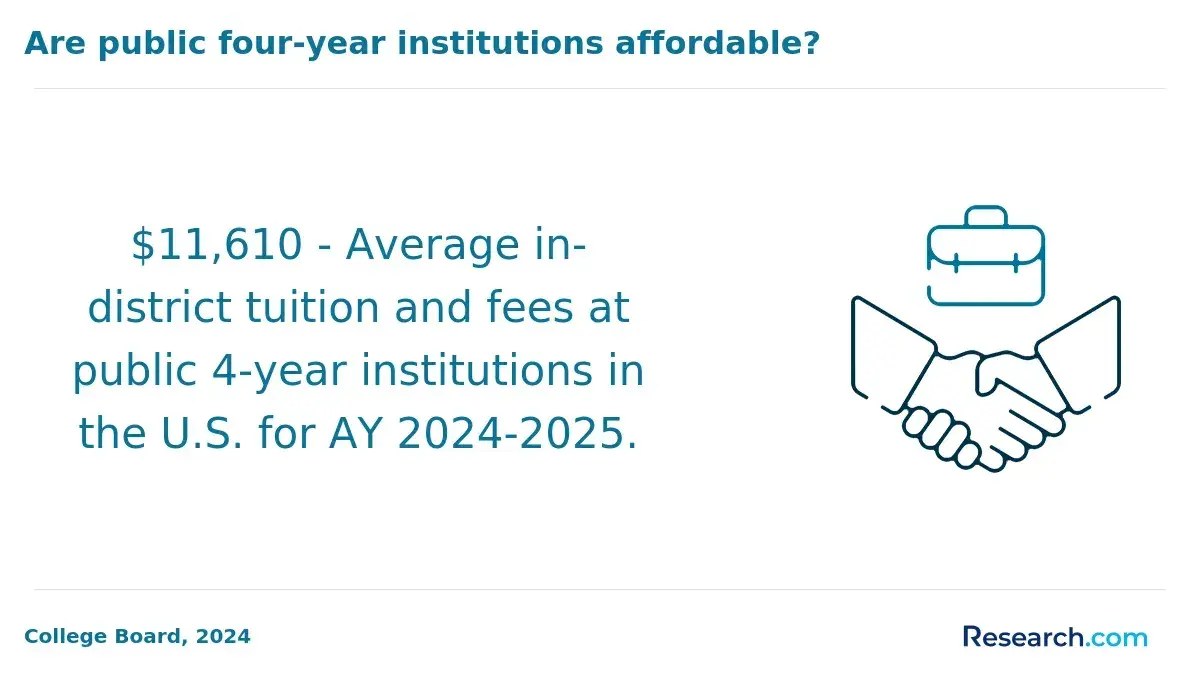
The cost of computer engineering and software engineering programs varies by institution type, residency status, degree level, delivery format, and required fees. Computer engineering can be slightly more expensive because hardware labs, engineering facilities, and materials may add costs. Software engineering may have fewer lab-related expenses, but tuition can still be high, especially at private or highly selective institutions.
For Computer Engineering bachelor's degrees, public in-state tuition usually ranges between $10,000 and $25,000 per year. Out-of-state students and those attending private universities often face higher prices, from $30,000 up to $55,000 annually. Students should also budget an extra $2,000 to $5,000 each year for fees, textbooks, supplies, software, and lab-related expenses. Graduate-level Computer Engineering degrees, including master's and doctoral programs, typically range from $20,000 to as much as $70,000 per year, depending on the institution, reputation, and whether the school is public or private.
Software Engineering undergraduate tuition is often similar, but top-tier private institutions may charge annual fees that reach $35,000 to $60,000. Public colleges usually offer more affordable in-state rates. Software Engineering programs may have fewer required hardware labs, which can reduce some additional costs, but students may still pay for technology fees, development tools, devices, books, and online platforms.
Graduate and online options in both fields can offer more flexibility, especially for working adults, but price and market recognition vary widely. A lower-cost online or certificate pathway may be useful for skill development, but students should confirm whether it supports their career goal, transfer plan, employer expectations, or graduate school plans.
Both disciplines may qualify for scholarships, grants, federal financial aid, work-study, employer tuition assistance, and institutional aid. Merit-based awards are limited and highly sought after, so students should compare total cost of attendance, not just tuition. They should also check whether engineering fees, lab fees, required equipment, internship location costs, and delayed graduation risk could increase the final price.
The best choice depends on the type of problems you want to solve. If you are drawn to processors, electronics, embedded devices, robotics, hardware constraints, and low-level systems, computer engineering is likely the stronger fit. If you are drawn to applications, software products, coding, testing, user needs, cloud systems, and team-based development, software engineering is likely the stronger fit.
- Start with your career goal: Choose computer engineering for hardware-focused roles in areas such as aerospace, telecommunications, embedded systems, device design, and systems integration. Choose software engineering for application development, tech startups, fintech, enterprise software, cloud platforms, and product engineering.
- Compare the upper-level curriculum: Do not decide based only on first-year programming courses. Review junior- and senior-level classes, lab requirements, electives, and capstone projects to see whether the program emphasizes hardware systems or software delivery.
- Be honest about academic strengths: Computer engineering requires strong skills in physics, circuits, hardware architecture, and programming. Software engineering emphasizes programming languages, software design, testing, architecture, collaboration, and development workflows.
- Consider your preferred learning style: Computer engineering involves hands-on hardware work in labs and device-level troubleshooting. Software engineering emphasizes project-based learning focused on building, testing, documenting, and improving software applications and user interfaces.
- Review internship pipelines: Look at where students intern and what roles they get. Hardware, firmware, semiconductor, robotics, and embedded internships point toward computer engineering. Software developer, QA, DevOps, cybersecurity, web, and app development internships point toward software engineering.
- Check accreditation and outcomes: For computer engineering, verify whether the program has relevant engineering accreditation. For both majors, review graduation rates, placement data, employer partnerships, career services, and alumni outcomes.
- Think about work environment: Computer engineers may work in labs, manufacturing-adjacent settings, R&D environments, or systems teams. Software engineers often work with product managers, designers, developers, testers, and operations teams in office, hybrid, or remote settings.
A practical decision test is to ask which project sounds more exciting: building and programming a sensor-based embedded device, or designing and shipping a software application used by thousands of people. Students still exploring personality fit and work preferences may also find it useful to compare related resources on what is the best jobs for introverts.
What Graduates Say About Their Degrees in Computer Engineering Programs and Software Engineering Programs
- Jaden: "The Computer Engineering program challenged me more than any other course I've taken, but it sharpened my problem-solving skills in ways I didn't expect. The hands-on labs and real-world projects prepared me well for hardware-software integration roles in the tech industry. I'm now working at a leading firm, and my starting salary surpassed my expectations."
- Boden: "What stood out to me was the unique opportunity to intern with a local tech startup as part of the Software Engineering curriculum. This experience gave me insight into agile development processes and collaboration in fast-paced environments. Reflecting on my journey, I'm grateful for the program's balance of theory and applied learning."
- Nicholas: "Pursuing Software Engineering was a strategic career move given the continued high demand in the job market. The program's focus on modern languages and development frameworks kept me current and competitive. After graduating, I secured a role in a major software company where I work on scalable applications, and my income growth has been steady and rewarding."
Other Things You Should Know About Computer Engineering Programs & Software Engineering Programs
Most computer engineering programs require calculus I–II, differential equations, physics with calculus, and one or two programming courses before upper-division study. Many universities also expect chemistry and a minimum GPA, often around 2.0–2.5, to enter the major.
Certifications tend to be more emphasized and widespread in software engineering, as they validate proficiency in specific programming languages, frameworks, and development practices. While certifications can benefit computer engineers, the field usually focuses more on formal education and hands-on hardware experience. Industry-recognized software certifications can boost employability and demonstrate current skills.
- Computer Engineering | engineeringcareers https://www.careers.egr.msu.edu/computerengineering
- Is Software Engineering Stressful? Here Are Developer Burnout Prevention Tips! https://fullscale.io/blog/software-engineer-burnout-and-prevention-tips/
- The Software Engineer Role: Skills and Responsibilities Explained | Splunk https://www.splunk.com/en_us/blog/learn/software-engineer-role-responsibilities.html
- Software Engineer’s Stress. As a software engineer, I experience… | by Kavindu Samarasinghe | Medium https://kavinduakash.medium.com/software-engineers-stress-7be79e5b0804
- Difference between Software Engineering and Computer Engineering - GeeksforGeeks https://www.geeksforgeeks.org/software-engineering/difference-between-software-engineering-and-computer-engineering/
- Computer Science vs Software Engineering | Key Differences https://www.monash.edu.my/news-and-events/trending/computer-science-vs-software-engineering
- Software Engineering vs Computer Science vs Computer Engineering https://metana.io/blog/software-engineering-vs-computer-science-vs-computer-engineering/
- An Introductory Guide to Software Engineering Basics and Concepts - OPIT https://www.opit.com/magazine/software-engineering-2/
- Software Engineering vs. Computer Science | University of North Dakota https://und.edu/blog/software-engineering-vs-computer-science.html
- What is software engineering? · GitHub https://github.com/resources/articles/software-development/what-is-software-engineering