2027 Clinical Mental Health Counseling Master's Degree vs Graduate Certificate: Which Is Better?

Co-Founder and Chief Data Scientist
Choosing between a clinical mental health counseling master's degree and a graduate certificate poses a complex dilemma: both offer different pathways affecting cost, time-to-completion, admission requirements, and career outcomes.
The master's degree, often required for licensure in many states, usually demands a longer commitment and higher tuition but tends to yield higher employer recognition and salary potential. Recent data from the Bureau of Labor Statistics (2024) shows that clinical mental health counselors with a master's degree earn a median annual wage approximately 25% higher than those with certificates.
This article examines these credential distinctions, providing evidence-based insights to guide prospective students toward the best fit for their professional goals.
Key Things to Know About Which Is Better: A Clinical Mental Health Counseling Master's Degree or a Clinical Mental Health Counseling Graduate Certificate
- The Clinical Mental Health Counseling master's degree typically requires two years and higher tuition, while graduate certificates can be completed in under a year at a fraction of the cost.
- Admission to master's programs usually demands a bachelor's degree plus GRE scores, whereas graduate certificates often accept professionals without standardized tests, easing entry barriers.
- Employers generally recognize master's degrees for licensure and clinical roles, leading to 15% higher median salaries versus certificate holders primarily suited for support roles.
What Is the Difference Between a Clinical Mental Health Counseling Master's Degree and a Clinical Mental Health Counseling Graduate Certificate?
A clinical mental health counseling master's degree involves completing approximately 60 or more credit hours over two to three years. This comprehensive program covers theory, ethics, assessment, diagnosis, treatment planning, and practical counseling skills, preparing students for licensure and independent clinical practice.
In contrast, a clinical mental health counseling graduate certificate typically requires 12 to 18 credit hours and can be completed within six months to a year, offering focused training in specific areas without the full scope of a master's degree.
In addition, consider the following:
- Academic Standing: A master's degree is a graduate-level academic credential qualifying graduates for clinical licensure, while a graduate certificate is a non-degree credential aimed at specialization rather than full professional qualification.
- Intended Audience: Master's degrees appeal to those seeking licensure or to significantly elevate their mental health careers; certificates often attract working professionals wanting targeted knowledge or credentialing.
- Stackability: Many institutions allow graduate certificates to stack toward a master's degree, though this varies, complicating straightforward comparisons between the two credentials.
- Common Misconceptions: A graduate certificate is not simply a shortened master's degree but serves to provide focused training without the broader academic and clinical depth of a full master's.
For those exploring alternative pathways into health-related fields, resources like RN to BSN online no clinicals programs also offer valuable perspectives on accelerated credentialing options.
What Are the Typical Admission Requirements for a Clinical Mental Health Counseling Master's Program Compared to a Clinical Mental Health Counseling Graduate Certificate?
Admission requirements for clinical mental health counseling master's programs generally demand stronger academic preparation than those for graduate certificate programs, reflecting the depth and commitment expected at this advanced level.
Most master's programs require a minimum undergraduate GPA around 3.0 on a 4.0 scale to ensure academic readiness, alongside prerequisite coursework such as developmental psychology, abnormal psychology, and statistics. These prerequisites help establish foundational knowledge before undertaking specialized graduate study in clinical mental health counseling master's programs.
While some master's programs may still request GRE scores, this is becoming less common. Applicants must typically submit two or three letters of recommendation that attest to their academic strengths, character, and suitability for clinical work.
Additionally, a personal statement explaining the applicant's career goals, ethical understanding, and motivation remains an essential part of the clinical mental health counseling master's program admissions criteria.
By contrast, clinical mental health counseling graduate certificate admissions criteria tend to be more flexible. Certificates often do not mandate minimum GPA requirements or specific prerequisite courses, making them accessible to candidates with varied academic backgrounds.
Standardized test requests are rare, and letters of recommendation or personal statements may be optional or waived entirely. This accessibility can be vital for those who do not yet meet master's-level standards.
Graduate certificate programs thus serve as an academic on-ramp, enabling students to strengthen their credentials, gain familiarity with relevant coursework, and demonstrate commitment. Completing such certificates can bolster a candidate's profile before applying to a master's program, helping offset prior academic gaps or limited direct experience in clinical mental health counseling graduate certificate admissions criteria.
Those exploring accelerated or flexible academic options in this field might also consider fast track degree programs as part of their broader educational planning.
What Is the Minimum GPA Requirement for a Clinical Mental Health Counseling Master's Program?
A clinical mental health counseling master’s program typically outlines a minimum GPA requirement as part of its admissions criteria. This helps distinguish applicants who are likely to succeed in graduate-level study.
- Range: Accredited clinical mental health counseling master's programs generally set minimum GPA requirements between 2.5 and 3.0 on a 4.0 scale. This varies due to differing selectivity levels. Some institutions maintain stricter standards, while others prioritize professional readiness over high academic thresholds.
- Competitive Programs: More selective programs often use minimum GPAs as a baseline, admitting students with stronger academic records combined with relevant experience, recommendations, and personal statements. The actual GPA profile of admitted classes typically exceeds these published minimums.
- Conditional Admission: Certain schools permit conditional acceptance for applicants marginally below the minimum GPA, requiring completion of remedial courses or demonstrated academic progress during initial enrollment to maintain admission.
- Admissions Strategy: Prospective students should regard minimum GPA figures as the lowest acceptable mark. Meeting just the minimum generally puts applicants at a disadvantage compared to the average admitted candidate in competitive settings.
- Holistic Review: Many programs evaluate a full range of qualities, including clinical experience and personal attributes, balancing GPA with other indicators suited to counseling professions.
A professional who earned a clinical mental health counseling master's degree recalled navigating these requirements: "I started just above the minimum GPA, so I knew I had to strengthen my application beyond grades. The conditional acceptance I received pushed me to excel during the first semester, especially with extra coursework. It was stressful but ultimately rewarding to prove my commitment and competence through consistent effort."
How Long Does It Take to Complete a Clinical Mental Health Counseling Master's Degree Versus a Clinical Mental Health Counseling Graduate Certificate?
Completion timelines for a clinical mental health counseling master’s degree and a graduate certificate differ significantly based on program structure and academic intensity. Understanding these differences helps clarify what each pathway typically demands in terms of time commitment and study progression.
- Master's Program Duration: Full-time students typically complete a clinical mental health counseling master's degree within two to three years, while part-time study can extend this to four years or more. Accelerated formats, though rigorous, may shrink the timeline to 12-18 months but demand intense focus. This extended duration reflects the master's comprehensive nature, often requiring 48 to 60 credits, including practicum and internship hours, a thesis or capstone project, and comprehensive exams.
- Graduate Certificate Duration: Designed for streamlined learning, clinical mental health counseling graduate certificates usually take six months to a year for full-time students, with part-time options extending up to 18 months. These programs demand between 12 and 18 credits and omit thesis and comprehensive exams, making them ideal for quick skill acquisition and targeted career growth.
- Structural Differences: The master's degree encompasses wide-ranging academic study, including research methods, ethical frameworks, counseling theories, and clinical practice. Certificates focus narrowly on specific competencies or specializations, offering a shorter but focused credential that suits immediate career needs.
- Working Professionals' Choices: Many employed students opt for graduate certificates when rapid credentialing is essential, balancing work and personal life with minimal disruption. Conversely, the master's degree, with its longer commitment, often provides access to higher salaries and licensure but requires managing more complex time and financial demands.
- Personal Factors: Employment, family responsibilities, and budgetary considerations heavily influence the decision. Candidates needing flexible, affordable options might prefer certificates, while those aiming for broader opportunities may invest in a master's degree despite the longer commitment.
Prospective students should consider these timelines against their circumstances when choosing between credentials. For trustworthy degree comparisons and guidance on related health-related programs, see the best online registered dietitian programs.
The clinical mental health counseling master's degree completion time contrast with graduate certificate duration comparison highlights important trade-offs in depth, time, and career impact that every candidate must weigh thoughtfully.
How Much Does a Clinical Mental Health Counseling Master's Degree Cost Compared to a Clinical Mental Health Counseling Graduate Certificate?
The cost of a clinical mental health counseling master’s degree is typically significantly higher than that of a graduate certificate due to differences in program length and credit requirements. Graduate certificates are usually shorter and more focused, which often results in a lower overall tuition burden.
- Cost Ranges: Master's degree programs in clinical mental health counseling differ widely in cost depending on institution type. Public in-state students typically pay between $20,000 and $40,000, while out-of-state tuition often ranges from $40,000 to $70,000. Private schools generally charge $50,000 to $90,000 or higher. Graduate certificate programs, by contrast, tend to be substantially more affordable, usually costing $5,000 to $15,000 due to fewer required credits and shorter durations.
- Cost Drivers: The higher expenses associated with master's programs stem from their extended length which demands more faculty involvement, supervision, and clinical placements. These institutional overheads push prices upward compared to certificates, which usually encompass 12 to 18 credits.
- Financial Aid: Master's candidates often benefit from a broader spectrum of funding opportunities such as teaching assistantships, fellowships, and employer tuition assistance. These financial supports are less available to certificate students, affecting their overall out-of-pocket costs. Many master's students rely on these aids to mitigate loan burdens and reduce net expenses.
- Hidden Costs: Beyond tuition, pursuing a master's degree may involve lost income due to full-time study requirements and postponed career advancements. Certificates frequently allow part-time study while working, lowering opportunity costs but may deliver fewer career benefits over time.
- Return on Investment: Focusing on net cost against expected career outcomes is essential. Utilizing free online calculators to assess return on investment tailored to individual circumstances can offer a clearer picture than relying on list prices or institutional reputation alone.
Reflecting on her own path, a professional who earned a clinical mental health counseling master's degree noted, "Financing the program was daunting at first, especially juggling tuition payments and living expenses without full-time income." Despite these challenges, she found that assistantships helped ease the financial strain.
She also emphasized how the extended study period allowed for invaluable hands-on experiences, saying, "The clinical placements were demanding but ultimately essential. They gave me confidence and skills that a certificate alone wouldn't have provided." Her journey underscored the importance of weighing both immediate costs and long-term career impact when deciding between a master's and a certificate.
How Does Earning a Clinical Mental Health Counseling Master's Degree Affect Salary Compared to a Clinical Mental Health Counseling Graduate Certificate?
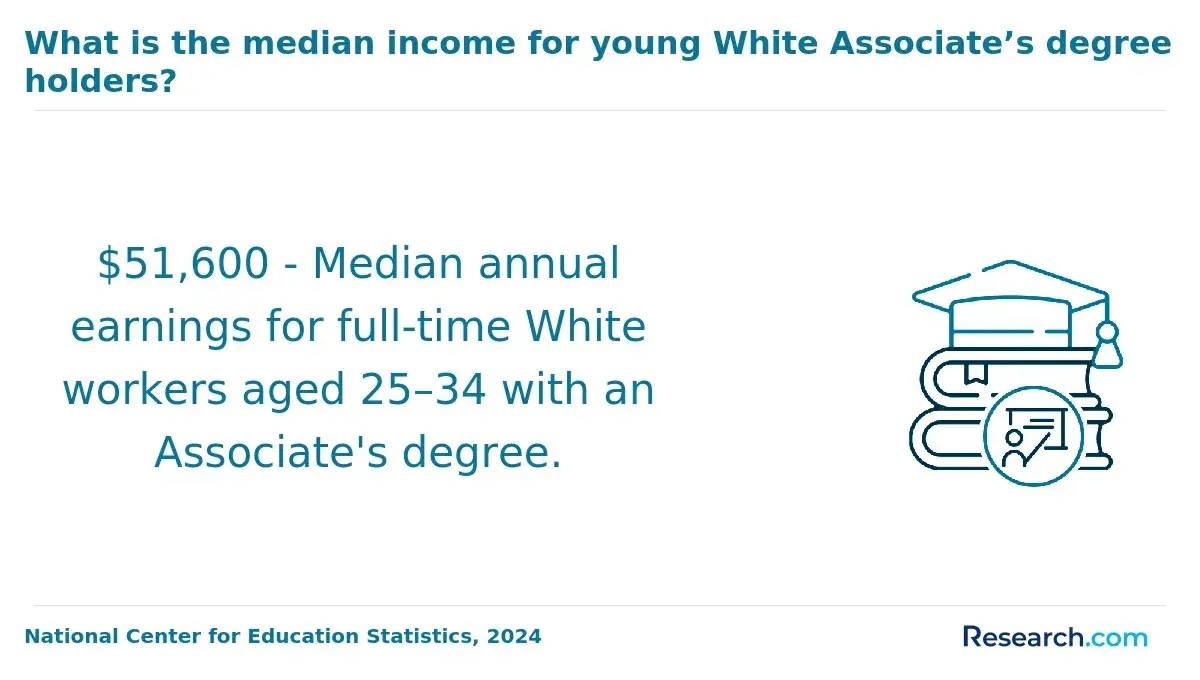
Data from the Bureau of Labor Statistics and education-wage premium studies reveal that professionals holding a master's degree in Clinical Mental Health Counseling typically earn median salaries 20% to 35% higher than those with only a graduate certificate.
This earnings gap is especially evident within healthcare environments like hospitals, mental health clinics, and major nonprofits, where advanced degrees are often necessary for senior-level roles.
- Industry Impact: Higher-level clinical and administrative positions in healthcare settings predominantly require a master's degree, which directly correlates with more substantial compensation.
- Employer Recognition: Public and private organizations tend to prefer master's degree holders for licensed clinical roles, while certificates usually qualify candidates for supportive, lower-paid roles.
- Senior Roles: Leadership or specialized clinical positions nearly always mandate a master's credential, reflecting the advanced skills and decision-making responsibilities these roles demand.
- Specialized Certificates: In certain niches like trauma or addiction counseling, some graduate certificates rival entry-level master's salaries, particularly within community programs or smaller agencies.
- Return on Investment: Candidates should balance the master's degree's longer study duration and higher costs against its salary benefits, as some may find the quicker, more affordable certificate pathway adequate for immediate earning goals.
Recent trends show that Clinical Mental Health Counseling master's graduates experience faster job placement and 18% higher long-term earnings growth compared to certificate holders, underscoring the degree's value for career advancement.
Which Clinical Mental Health Counseling Career Paths Favor a Master's Degree Over a Graduate Certificate?
Certain clinical mental health counseling career tracks demand a master's degree rather than a graduate certificate due to licensure, employer criteria, and job complexity. These roles, identified through job postings, professional association standards, and BLS occupational data, highlight where the master's credential is essential or strongly favored.
Recognizing these distinctions helps prospective students make informed choices aligned with their career goals.
- Licensure Requirements: Nearly all states require a master's degree in clinical mental health counseling or a related field for licensed professional counselor (LPC) status. This degree is the legal minimum for independent practice, making it indispensable for licensure.
- Leadership Roles: Positions such as clinical supervisors, program directors, and administrative leaders usually mandate a master's degree due to the advanced clinical expertise and theoretical training these jobs require.
- Research-Intensive Positions: Roles involving counseling research, program evaluation, or evidence-based intervention development depend on the rigorous academic foundation and critical analysis skills built into master's programs.
- Specialization and Career Advancement: Entry into specialized areas like trauma counseling, substance abuse counseling, or marriage and family therapy typically requires a master's degree. Advancement within clinical settings often hinges on this credential as a formal career milestone.
Employers prioritize the comprehensive nature of a master's degree because it ensures expertise in ethics, diagnosis, treatment planning, and supervision, areas only partially covered by graduate certificates.
According to a 2024 report from the Bureau of Labor Statistics, counselors holding master's degrees experience approximately 20% higher job placement rates and median wages compared to certificate holders.
Which Clinical Mental Health Counseling Career Paths Favor a Graduate Certificate Over a Master's Degree?
Certain clinical mental health counseling career paths favor a graduate certificate over a master's degree, especially where precise skill development and faster credentialing meet employer needs.
Job market data from platforms like Lightcast and LinkedIn Workforce Insights show that certificates often deliver superior value in roles where employers prioritize demonstrated technical or applied competency rather than academic breadth.
- Specialized Roles: Positions that focus on niche counseling skills such as trauma-informed care, substance abuse counseling, or grief therapy frequently prioritize graduate certificates. These credentials demonstrate immediate applied expertise preferred over a broader master's degree.
- Employer Preference: Some clinical settings, including community mental health centers and non-profit agencies, treat certificates as equivalent or even more relevant than a full degree, especially for entry-level or support counseling roles.
- Working Professionals: Those holding a bachelor's or master's degree in related fields like social work, psychology, or education often maximize their return on investment by pursuing certificates that fill specific clinical competency gaps rather than enrolling in another multi-year master's program.
- Rapid Skill Acquisition: Graduate certificates provide a faster pathway for career changers or current counselors to update or deepen expertise in emerging areas such as telehealth counseling or culturally competent practices, both areas evolving quickly beyond traditional degree curricula.
- Cost and Time Efficiency: In markets where certificates are recognized as credible credentials, professionals appreciate the reduced tuition and shorter completion times compared to master's degrees, supporting quicker career transitions or expansions of counseling roles.
For recent graduates assessing their next credential step, understanding these distinctions can be critical, especially when deciding between a full clinical mental health counseling graduate certificate career opportunities and a master's degree.
Additionally, working professionals may consider such certificates as a strategic move to quickly bridge specific competency gaps without committing the time and expense of a full master's program.
For those curious about related healthcare career trajectories, exploring topics like how much do pharmaceutical sales reps make can provide valuable insight into professional growth and salary impact across healthcare fields.
Is a Clinical Mental Health Counseling Graduate Certificate Stackable Toward a Master's Degree?
Whether a clinical mental health counseling graduate certificate is stackable toward a master's degree depends largely on institutional policy.
Many accredited universities allow students to apply some or all coursework earned during a graduate certificate program toward a related clinical mental health counseling master's degree, creating a smoother, more cost-effective academic progression. Such credit transfer from a clinical mental health counseling certificate to a master's program is not universal and hinges on several conditions.
Key considerations include:
- Institutional Policy: Each school sets its own rules. Some explicitly list certificate courses as credit-eligible for the master's, while others keep certificates and degrees entirely separate.
- Course Relevance: Certificate classes must align closely with the master's curriculum, generally focusing on core clinical mental health counseling topics.
- Grade Requirements: Programs often require a minimum grade for credits to transfer toward the master's degree.
- Time Limits: Credits may need to be applied within a specific timeframe, commonly five to seven years, to ensure academic currency.
- Institution Matching: Some universities require that certificate and master's coursework be completed at the same institution, although some permit transfers under particular conditions.
- Risk Mitigation: The stackable certificate path offers a lower-risk entry point, helpful for students undecided about pursuing the full master's, allowing them to evaluate academic rigor and financial commitment before fully enrolling.
- Verification: Because stacking policies vary, prospective students should verify stacking options directly with graduate admissions offices for current and precise details.
Those considering this pathway should also explore accredited programs carefully and may look into online doctoral programs in counseling for long-term academic planning beyond the master's level.
Understanding the nuances of credit transfer from a clinical mental health counseling certificate to a master's program improves strategic decision-making for recent graduates, career-changers, and working professionals seeking credentials aligned with their career goals.
How Do Employers in the Clinical Mental Health Counseling Field Perceive a Master's Degree Versus a Graduate Certificate?
Employers in the clinical mental health counseling field often view a master's degree as the standard credential, especially for roles requiring licensure or work in regulated settings.
This degree is generally preferred for core clinical positions due to its comprehensive scope and alignment with professional standards. However, attitudes toward graduate certificates vary by industry and role.
- Industry Variation: Regulated healthcare and academic employers predominantly favor master's degrees, whereas sectors like technology and consulting may value certificates as valid indicators of specialized or rapidly acquired expertise. These industries, though, are less common within clinical mental health counseling employment.
- Institution Reputation: The prestige and accreditation of the issuing institution significantly influence how both master's degrees and certificates are perceived. A certificate from a respected program can carry more weight than a master's from a lesser-known school, underscoring the importance of program quality beyond credential level.
- Role Specificity: Graduate certificates appeal for niche counseling methods or continuing education, offering targeted skills advantageous in particular roles. Yet, for positions demanding licensure or foundational clinical qualification, the master's degree remains the preferred credential.
- Expectation Management: Prospective students should carefully consider their career goals. Graduate certificates often provide a quicker, cost-effective way to enhance skills but may limit access to licensure-dependent roles. Master's degrees generally yield broader eligibility and stronger recognition for traditional clinical mental health counseling career paths.
Can a Clinical Mental Health Counseling Graduate Certificate Help Someone Transition Into the Field From a Different Background?
Professionals shifting into clinical mental health counseling from unrelated fields often find graduate certificates a strategic option to gain subject expertise swiftly without the financial and time demands of a master's degree.
Workforce development research shows these certificates provide accelerated, cost-effective pathways tailored for career changers, featuring stackable credentials and hands-on learning. This structure helps students develop a relevant skill set and compile a clinical portfolio that enhances employer appeal.
- Accessibility: Graduate certificates demand fewer prerequisites and less time than master's programs, making them practical for those entering counseling later in their careers.
- Practical Focus: Curriculum centers on applied skills and experiential learning that build tangible evidence of competence valued by employers.
- Cost Efficiency: Reduced tuition and duration lower financial barriers, allowing exploration of the field's fit before committing to advanced education.
- Limitations: Certificates rarely satisfy qualifications for advanced or licensed counseling roles, which generally require a master's degree; thus, certificates act as a foundation rather than a final credential.
- Strategic Career Planning: Combining a certificate with demonstrable applied work boosts hiring prospects and clarifies if pursuing a master's degree aligns with long-term career goals.
In summary, a clinical mental health counseling graduate certificate offers a practical entry point for career changers, but attaining full professional recognition typically necessitates further graduate-level study or experience.
What Graduates Say About Which Is Better: A Clinical Mental Health Counseling Master's Degree or a Clinical Mental Health Counseling Graduate Certificate
- Augustus: "Pursuing a clinical mental health counseling master's degree was a significant investment of both time and money, but it truly paid off. The salary boost I experienced afterward made the extra years of study worthwhile, and employers consistently recognize the master's credential as a mark of expertise. For anyone weighing options, I'd say the master's is ideal if you're ready to commit fully to your career growth."
- Antonio: "Choosing the clinical mental health counseling graduate certificate was a practical decision for me since I needed to advance quickly without sacrificing current work commitments. The shorter time-to-completion meant I could start applying new skills immediately, though I did notice some employers still prefer candidates with a master's degree. Overall, the certificate offered a cost-effective path that balanced education with my personal and professional life."
- Julian: "Reflecting on my journey, the clinical mental health counseling master's degree stands out mainly due to the more rigorous admission requirements. It ensures you're prepared for the challenges ahead. While the certificate was tempting for its affordability and speed, I believe the master's holds greater career utility and long-term recognition. This perspective comes from seeing how my peers with the certificate navigate the field compared to those with the master's credential."
Other Things You Should Know About Clinical Mental Health Counseling Degrees
A clinical mental health counseling master's degree typically requires supervised clinical experience such as internships ranging from 600 to 1,000 hours. In contrast, a graduate certificate may not require any practical experience, focusing more on theoretical knowledge or a specific skill set.
Accreditation is critical-master's programs accredited by bodies like CACREP are essential for clinical licensure in many states. Graduate certificates are often not accredited by clinical counseling organizations, meaning they rarely qualify graduates for licensure. Choosing an accredited master's program ensures that the education meets established professional standards and supports eligibility for counseling credentials and employment.
A clinical mental health counseling master's degree can lead to roles like Licensed Professional Counselor (LPC) or clinical therapist, requiring licensure. A graduate certificate may qualify you for support roles or specialization areas, often without direct licensure, focusing on enhancing existing counseling skills.
References
- Post-Master's Certificate in Clinical Mental Health Counseling - The Boston Graduate School of Psychoanalysis in New Jersey https://nj.bgsp.edu/academics/degree-programs/post-masters-program-psychodynamic-counseling/
- Best Online Master's In Mental Health Counseling 2025 https://www.psychology.org/rankings/best-mental-health-counseling-programs/
- How Long Does It Take to Become a Licensed Counselor? https://onlinecounselingprograms.com/become-a-counselor/how-long-does-it-take/
- Master’s in Clinical Mental Health Counseling | Graduate Studies https://www.monmouth.edu/graduate/ms-clinical-mental-health-counseling/
- Master’s in Counseling Program Duration| University of Bridgeport https://www.bridgeport.edu/news/how-long-to-complete-a-masters-in-counseling/
- Online Master's Degree: Clinical Professional Counseling https://www.umgc.edu/online-degrees/masters/clinical-professional-counseling
- MA in Clinical Mental Health Counseling | Palo Alto University https://paloaltou.edu/academic-programs/ma-counseling
- Life Transitions Counseling Careers & Education https://www.counselingschools.com/blog/life-transitions-counseling-career-guide
- Master's Degree in Mental Health Counseling https://www.ccu.edu/ccu/counseling/mental-health-counseling/