2027 Choosing an Online Data Science Master's for a Career in Pharmaceutical Manufacturing

Co-Founder and Chief Data Scientist
An online data science master's can prepare you to analyze pharmaceutical production data, but a strong general program is not automatically a strong fit for manufacturing. If you work in quality, engineering, laboratory operations, or analytics - or want to enter one of those areas - look beyond the degree title.
The deciding factors are statistical depth, access to relevant projects, data engineering, and the ability to work within regulated processes. This guide helps you compare programs against the work you want to do and decide whether a master's is the right investment.
Key Things You Should Know
- Prioritize programs that let you apply statistics and machine learning to process, equipment, laboratory, or quality data - not just consumer or marketing datasets.
- Look for projects that address data lineage, validation, and human review; a model's accuracy alone is not enough to establish its usefulness in a regulated manufacturing setting.
- The U.S. Bureau of Labor Statistics projects 35% growth in data scientist employment from 2025 to 2035, but that occupation-wide forecast does not measure pharmaceutical manufacturing jobs specifically.
What Is an Online Data Science Master's for Pharmaceutical Manufacturing?
It is usually a general data science master's that a student tailors toward manufacturing through electives, projects, and prior or concurrent industry experience. Prospective students should not assume that a program advertising healthcare applications teaches pharmaceutical production: clinical trial data, patient records, and manufacturing process data involve different questions and constraints.
In manufacturing, a useful project might investigate variation in a production process, anticipate equipment maintenance needs, or help analysts review quality trends. The degree supplies analytical methods; knowledge of the production process and its controls often comes from work experience, industry collaborators, or targeted study. Choose a general degree if it offers rigorous methods and room for relevant projects. A more specialized manufacturing or bioprocess program may be preferable if your main gap is domain knowledge rather than data science.
How Can Data Science Master's Graduates Work in Pharmaceutical Manufacturing?
Potential roles include manufacturing data scientist, process analytics specialist, quality analytics specialist, and data engineer supporting plant systems. Job titles vary by employer. The work may involve detecting process drift, investigating deviations, connecting equipment and laboratory records, or building dashboards that help subject-matter experts review trends.
Role choice should shape degree choice. A process-analytics role calls for experimental design, statistical process analysis, and collaboration with engineers. A data-engineering role puts greater weight on databases, pipelines, and traceable transformations. Machine-learning roles may require more advanced modeling, but a sophisticated model is less useful if its inputs cannot be explained or maintained. If you are weighing a model-heavy route against a broader data science degree, use how to select the right artificial intelligence degree to clarify the difference.
Experience in production, quality, or laboratory operations can be an advantage: it helps you recognize implausible measurements and ask whether an apparent pattern reflects a process change or a recording change. A master's can build missing analytical skills, but it does not substitute for learning how a particular facility operates.
What Are the Best Online Data Science Master's Programs for Pharma Careers?
There is no defensible universal "best" program for this goal. Published program descriptions do not, by themselves, establish graduate outcomes in pharmaceutical manufacturing. Build a shortlist from current university catalogs and compare programs against the same criteria, especially the courses and project arrangements available to online students.
The comparison below distinguishes three useful program profiles. These are selection categories, not rankings or claims about particular universities.
| Program profile | Strongest fit | Trade-off to investigate |
| Statistics- and analytics-intensive | Process variation, quality trends, experimental design | May offer less software or pipeline depth |
| Computing- and engineering-intensive | Connecting systems, building reliable data pipelines, deploying tools | May leave manufacturing statistics to electives |
| Applied, project-centered | Building a portfolio around an industry problem | Project topic, data access, and faculty support may vary |
Ask each program whether online students can take the relevant electives, use an employer-approved dataset for a capstone, and receive supervision suited to the project. Request a current course list rather than judging depth from course titles alone. Data analytics master's program options may also be worth comparing if your target is process reporting and statistical investigation rather than machine-learning development.
What Accreditation Should an Online Data Science Master's Program Have?
Start by verifying that the university holds recognized institutional accreditation. Check the institution's current status directly with its accreditor or the U.S. Department of Education rather than relying on a marketing claim. Accreditation supports a baseline review of the institution; it does not establish that a particular curriculum is suited to pharmaceutical manufacturing.
Also confirm that the university is authorized to enroll students where you live and that any advertised project or campus resources are available to online students. Do not mistake institutional accreditation for employer acceptance of a model or process. Manufacturing uses may still require site-specific review, documentation, and controls.
What Do You Learn in a Data Science Master's for Pharmaceutical Manufacturing?
The most relevant curriculum combines statistical reasoning, programming, data management, and applied evaluation. Look for substantive coursework and projects - not just a passing mention of manufacturing in an elective description.
These skill-to-problem connections can help you examine a course catalog for practical fit.
| Skill area | Manufacturing application | Evidence of meaningful depth |
| Statistical inference and experimental design | Separating routine process variation from a meaningful change | Projects that justify assumptions and quantify uncertainty |
| Time-series analysis and machine learning | Analyzing sensor histories or anticipating equipment issues | Evaluation that respects time order and tests false alarms |
| Databases and data engineering | Joining equipment, production, and laboratory records | Documented transformations, quality checks, and data lineage |
| Communication and governance | Presenting findings for technical and quality review | Clear limitations, reproducible work, and defined human decisions |
A particularly strong project explains what a model would do when data are missing, a sensor changes, or the process moves outside its training conditions. If reliable pipelines are your main skills gap, compare curricula with data infrastructure skills in artificial intelligence graduate programs as well as conventional data science offerings.
What Are the Admission Requirements for an Online Data Science Master's?
Requirements vary by program, but applicants should expect to demonstrate readiness for quantitative graduate work. Schools may assess prior study in mathematics, statistics, and programming alongside transcripts and professional experience; some specify prerequisite courses while others offer preparation pathways. Check the current admissions page before treating a recommended skill as a formal requirement.
Applicants from pharmaceutical operations or quality should make their domain experience concrete: describe a measurement problem, the data involved, and the decision it affected. Then identify technical gaps honestly. If programming or computing preparation is limited, compare AI master's options for non-CS backgrounds alongside data science programs - but confirm whether any preparatory course actually satisfies a program's stated prerequisite.
How Long Does an Online Data Science Master's Take and Cost?
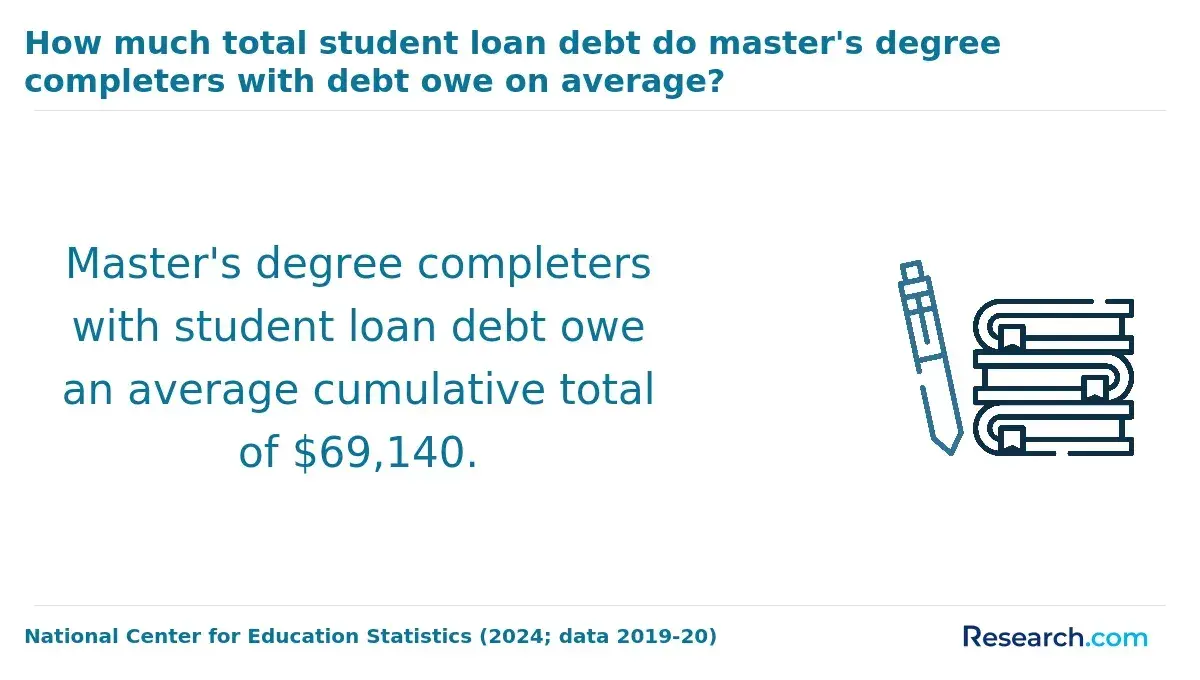
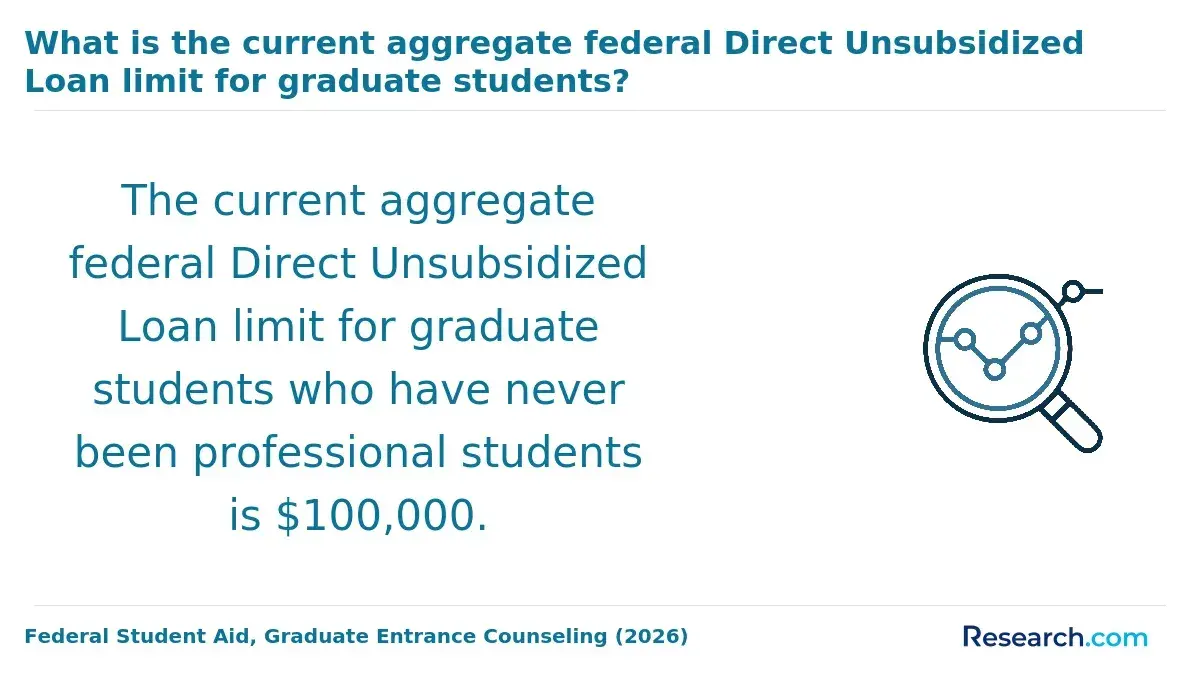
Length and total price vary with credit requirements, course load, tuition rules, and fees. Without a current school-specific fee schedule, a precise cost comparison would be misleading. Request a written estimate based on your residence and intended pace, including mandatory fees and any required campus travel.
Compare total cost to completion, not tuition per course alone. Include software or computing costs, financing costs if you borrow, and the time you may need to reduce paid work. Employer tuition assistance can change the calculation, but check reimbursement limits and any obligation to remain employed. A shorter schedule may reduce time away from your goal while making it harder to manage a full-time manufacturing job. If speed is the deciding factor and your target role is AI-focused, faster online artificial intelligence master's degrees provide an alternative comparison; verify that acceleration does not eliminate the statistics or project work you need.
How Do Online and Campus Data Science Master's Programs Compare?
An online format can let a working professional apply coursework to a current manufacturing problem without relocating. A campus program may make in-person research and networking easier. Neither format automatically provides access to pharmaceutical data, and an online degree's value depends more on its curriculum, support, and project opportunities than on the delivery label.
Before enrolling, check whether classes meet live, how group work is scheduled, whether exams require set times, and whether the capstone can use approved workplace data. These details matter most for students whose production schedules or confidentiality obligations limit when and how they can work. A campus option is more suitable when a particular laboratory partnership or in-person research opportunity is central to your goal.
What Salaries and Job Outlook Can Pharma Data Scientists Expect?
The U.S. Bureau of Labor Statistics reports a $120,230 median annual wage for data scientists in May 2025. That figure covers the occupation across industries, experience levels, and locations; it is not a pharmaceutical-manufacturing salary or a prediction of what a new master's graduate will earn.
BLS projects 35% employment growth for data scientists from 2025 to 2035. This indicates strong occupation-wide demand, not a guaranteed increase in openings at drug manufacturers. For a personal return-on-investment estimate, compare current job postings for your intended role and location with your existing compensation, then weigh a program's full cost against the skills you genuinely lack. Avoid assuming any salary difference was caused by the degree alone.
Do Pharmaceutical Data Scientists Need Certifications or Licenses?
A general data scientist role does not ordinarily require an individual professional license. Employers may nevertheless expect training in their quality systems, data procedures, and relevant manufacturing requirements. Requirements depend on the duties: analyzing a process trend is different from approving a regulated production decision.
Optional technical certifications can demonstrate familiarity with a tool, but they are weaker evidence of job fit than a well-documented project showing sound statistics, traceable data preparation, and appropriate limits on a model's use. Do not pay for a credential solely because it sounds pharmaceutical; first check the qualifications in jobs you would actually apply for.
Other Things You Should Know About Data Science
Yes. Use a permissible public or simulated process dataset and clearly label its limitations. Demonstrating careful validation, documentation, and communication is more credible than presenting simulated results as evidence from a real drug plant.
Only with your employer's permission and under its confidentiality and data-handling rules. Ask the university about restricted-data procedures before proposing the project; anonymization alone may not make sharing permissible.
Yes. Organizations that manufacture on behalf of pharmaceutical companies also work with production, equipment, and quality data. Evaluate the actual role and facility rather than assuming every employer offers the same analytical responsibilities.
No. Drug-discovery work focuses on questions such as identifying and evaluating potential therapies; manufacturing analytics focuses on producing and monitoring products and processes. The distinction should guide your choice of electives and portfolio projects.
References
- Regulatory Perspectives for AI/ML Implementation in... - PMC https://pmc.ncbi.nlm.nih.gov/articles/PMC12195787/
- School-Determined Requirements - FSA Partner Connect https://fsapartners.ed.gov/knowledge-center/fsa-handbook/2026-2027/vol1/ch1-school-determined-requirements
- Facts About the Current Good Manufacturing Practice (CGMP) | FDA https://www.fda.gov/drugs/pharmaceutical-quality-resources/facts-about-current-good-manufacturing-practice-cgmp
- MS in Biostatistics and Data Science | cornell.edu https://phs.weill.cornell.edu/graduate-education-clinical-training/masters-track/biostatistics-data-science
- Master's in Data Science | utexas.edu https://cdso.utexas.edu/msds
- Ensuring data integrity in the pharmaceutical lifecycle | sciencedirect.com https://www.sciencedirect.com/science/article/pii/S0003450925001476
- M.S. in Data Science, Online | virginia.edu https://datascience.virginia.edu/degrees/msds-online