2027 Can a Data Science Master's Help You Move from Academia to Industry?

Co-Founder and Chief Data Scientist
A data science master's can help an academic researcher move into industry, but it is not automatically the fastest or most affordable route. The decision depends on the roles you want, the skills your research already demonstrates, and whether a program offers practical experience you cannot readily gain elsewhere. This guide helps graduate students, postdocs, and faculty assess that gap and decide whether to pursue a degree, targeted training, or an immediate job search.
Key Things You Should Know
- A master's is most useful when you need structured training in industry workflows - not simply another credential to confirm your research ability.
- The U.S. Bureau of Labor Statistics projects 35% growth in data scientist employment from 2025 to 2035, but that outlook does not predict any individual graduate's chances of being hired.
- Before enrolling, compare the program's full cost and industry-facing projects with a lower-cost plan of targeted coursework, portfolio work, and applications to adjacent roles.
Can a data science master's help you transition from academia to industry?
Yes - if it closes a specific gap between your academic experience and the work required in your target role. Researchers may already know how to frame questions, evaluate evidence, write code, analyze data, and explain uncertainty. Those strengths remain valuable in industry. What may be less visible on an academic CV is experience with shared codebases, production data, stakeholder requirements, deadlines, and decisions made from imperfect data.
Start with several job descriptions you would realistically apply to. If your research already demonstrates most of their technical requirements, try translating that experience into a role-focused résumé and portfolio before committing to another degree. If the same substantial gaps recur - such as SQL, software engineering practices, or applied machine learning - a master's with relevant coursework and industry-facing projects may be a better bridge.
A useful transition project goes beyond reproducing a paper. It defines a practical question, documents data cleaning and assumptions, tests an appropriate baseline, evaluates limitations, and explains what a decision-maker could do with the result. Avoid assuming that a publication record alone will show employers you can perform that work; make the connection explicit.
What career paths can you pursue with a data science master's degree?
"Industry data science" covers jobs with different expectations. The closest move is often into a role that uses both your methods and your subject expertise. This comparison shows how common target roles differ; job titles and requirements vary by employer.
| Target role | Typical work | Academic experience that may transfer |
| Data scientist | Build analyses or models to inform decisions | Statistical modeling, experimental design, research communication |
| Product or decision analyst | Define metrics, analyze behavior, communicate findings | Question formulation, quantitative analysis, clear presentation |
| Machine learning engineer | Build and maintain model-based software systems | Computational research, especially with substantial software development |
| Research scientist in industry | Investigate methods or domain-specific problems | Deep subject knowledge, publications, specialized methods |
A master's will not make these roles interchangeable. For example, a researcher with strong statistics but limited software development may be closer to analytics than machine learning engineering. If the job you want centers on AI rather than broader analysis, a guide to selecting an artificial intelligence qualification for your next role can help distinguish those training paths.
Is a data science master's worth it for an academic career changer?
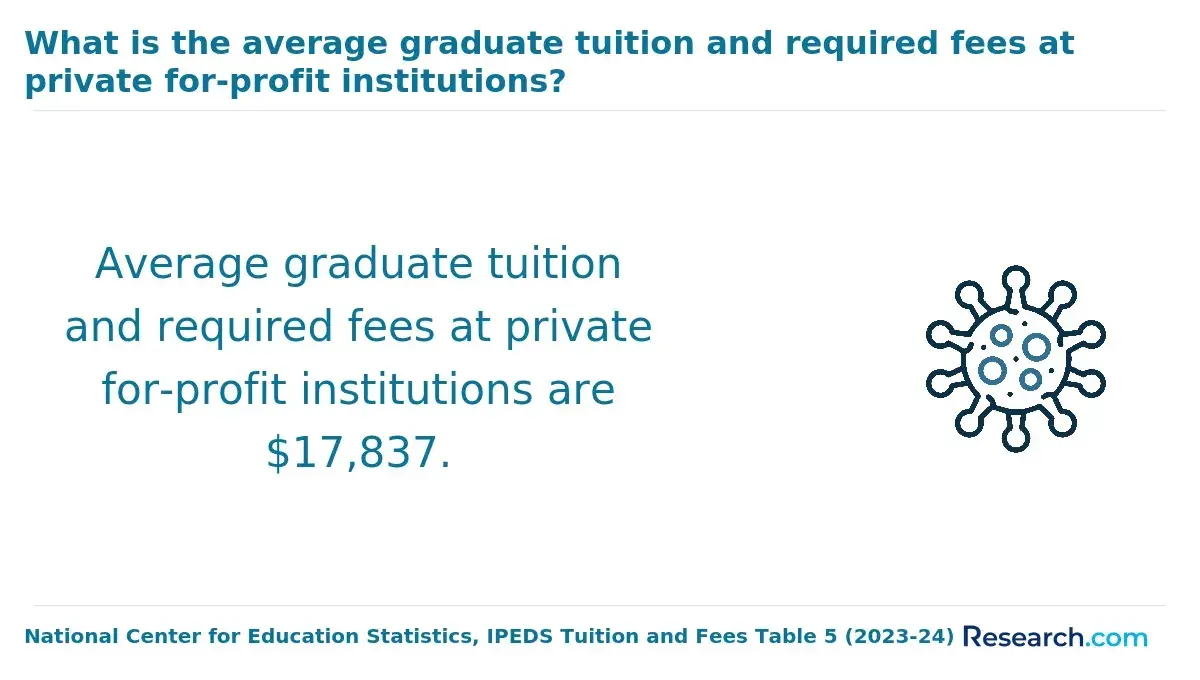
It may be worth the investment when it provides skills, project evidence, employer access, or a credible change in direction that you are unlikely to obtain through a shorter route. It is harder to justify if you already meet the requirements for your target jobs and mainly need to present your experience in industry terms.
Compare total tuition and mandatory fees with living costs, financing costs if you borrow, and income you may give up while studying. Then examine whether the program offers projects with external stakeholders, useful career support, and outcomes reported for career changers - not just a list of employers associated with alumni. A graduate salary figure alone cannot establish how much of an outcome the degree caused; prior experience, location, and role matter.
Choose targeted courses and applications first if your gap is narrow and you can build credible project evidence independently. Choose a master's when the gaps are broad, you need sustained feedback, and the program's opportunities justify its cost. If you are weighing an AI-focused degree instead, online artificial intelligence master's value comparisons provide a related framework, though AI and data science programs should be compared against the same target job rather than by title alone.
What skills and courses do data science master's programs include?
Coursework commonly spans statistics, programming, databases, machine learning, and responsible data use, but the depth varies. For an academic career changer, the most valuable courses often complement existing research strengths: SQL and data pipelines, version-controlled collaborative programming, applied modeling, and communication for nontechnical stakeholders.
Look beyond course names. A class labeled "machine learning" might emphasize theory, applications, or software implementation. Check course descriptions and project requirements for hands-on work with messy data, appropriate evaluation, reproducibility, and trade-offs a stakeholder could understand. If your target role depends on reliable pipelines, compare AI master's degrees with data engineering content rather than assuming model-focused coursework covers that need.
Researchers who already have advanced statistics may gain little from repeating introductory material. Ask whether prior preparation allows you to take more relevant electives; do not assume a program will waive required credits.
What are the admission requirements for a data science master's program?
Requirements vary by institution. Programs may assess prior coursework in calculus, linear algebra, statistics, and programming, alongside transcripts, recommendations, a statement of purpose, and evidence of quantitative readiness. An advanced degree in another discipline can demonstrate research ability without necessarily satisfying a stated programming or mathematics prerequisite.
Before applying, match your transcript and work samples against each program's published requirements. If a prerequisite is unclear, ask admissions whether specific coursework or documented experience fulfills it. Self-study can prepare you to succeed, but it does not automatically count as formal prerequisite credit. Researchers considering a more AI-focused route can also examine graduate AI pathways for interdisciplinary backgrounds.
How long does a data science master's take and cost?
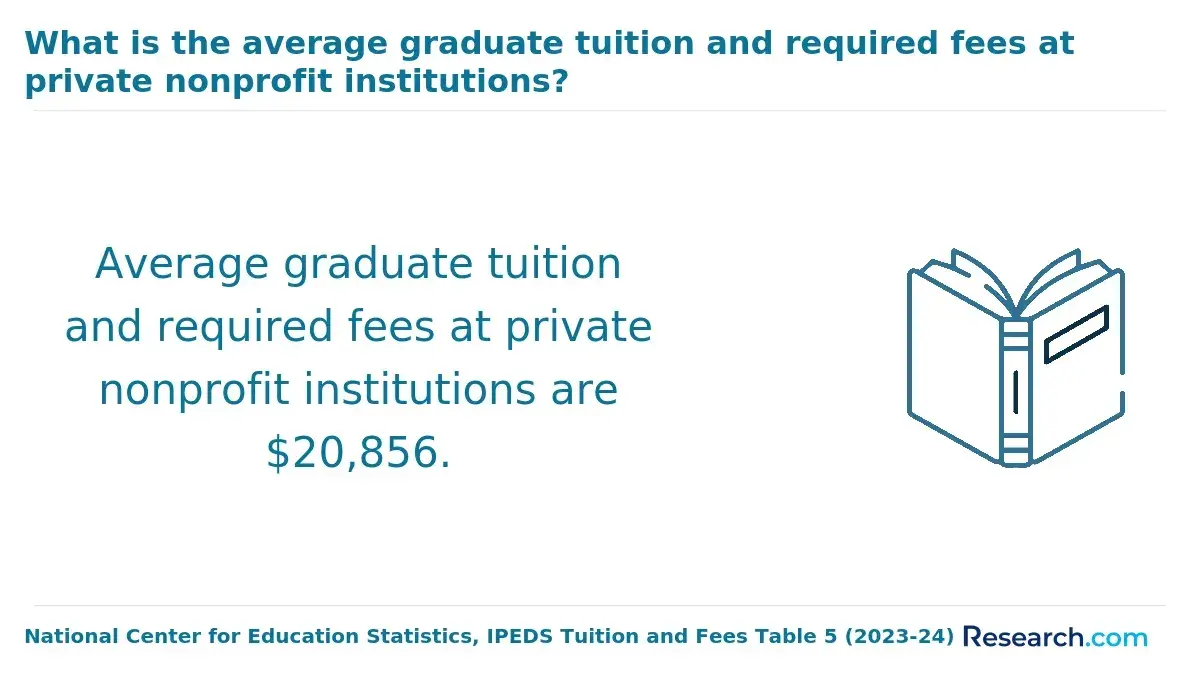
Completion time depends on required credits, course availability, and whether you study full-time or part-time. Published tuition may not include mandatory fees, materials, travel for any in-person requirement, or interest on borrowed funds. For someone leaving academia, reduced earnings during study may be the largest additional cost.
Request a program-specific estimate based on the number of credits you expect to take and your residency or enrollment status. Confirm how long you are allowed to complete the degree and whether required courses run often enough to support your intended pace. If you are comparing an AI degree as an alternative, an online AI degree affordability guide can broaden the shortlist, but verify current charges directly with each institution before making a financial decision.
Should you choose an online or campus-based data science master's?
Choose based on the experience you need, not an assumption that one format is inherently better. Online study may help you keep working and avoid relocating. Campus study may be more suitable if you want regular in-person collaboration or access to local employer events. Either format can be a poor fit if its scheduling or project opportunities conflict with your transition plan.
Ask whether classes meet live, when group work occurs, how students get feedback on projects, and whether career services and recruiting events are accessible in your format. For an academic career changer, an online program with substantive collaborative projects may be more useful than a campus program without them - and the reverse can also be true.
How do you verify a data science master's program's accreditation?
Check accreditation before paying an application deposit, particularly if you may seek federal aid or want the degree recognized by a future employer or another institution. Accreditation generally applies to the institution; do not assume a data science program holds a separate specialized accreditation.
Use the following checks to confirm what the school claims and whether the program is available to you.
- Find the institution's current accreditation statement on its official website and identify the named accreditor.
- Confirm the institution's status through the accreditor or the U.S. Department of Education's accreditation records.
- For an online program, ask the institution whether it is authorized to enroll students in your state and whether any required in-person components apply.
A ranking, an employer logo, or an accreditation claim on a third-party listing is not a substitute for these checks.
What salaries can data science master's graduates expect?
The U.S. Bureau of Labor Statistics reports a $120,230 median annual wage for data scientists in May 2025. That is a wage for people working in the occupation, not a starting salary or a verified outcome for master's graduates. Pay for an academic career changer will depend on the role, location, employer, and relevant experience.
Use occupation-level pay as context, then investigate compensation for the specific jobs you plan to pursue. If a program publishes graduate salary outcomes, check who was surveyed, when the data was collected, how many responded, and whether respondents already had industry experience. Do not treat a reported salary as the financial return caused by enrolling.
What certifications or licenses do data science professionals need?
Data scientist roles generally do not have a universal professional license. An employer may value a platform certification or require training for a particular system or regulated setting, but requirements depend on the job. A certification is most useful when it demonstrates a tool named repeatedly in your target postings; it is less useful as a substitute for sound analysis or practical project work.
If you already have strong academic credentials, resist collecting certificates without a clear hiring purpose. First identify the skills your target employers request, then decide whether a short credential, a demonstrable project, or graduate study provides the strongest evidence.
Other Things You Should Know About Data Science
Only if you have permission and can comply with applicable privacy, consent, contract, and institutional rules. When public release is not allowed, describe your methods at an appropriate level or build a separate project using data you are permitted to share.
Lead with the work relevant to the posting: the problem, methods, collaborators, and result. Explain specialized terminology in plain language rather than assuming a hiring manager will know your field.
Not necessarily. Choose references who can speak concretely about your analytical work, collaboration, and reliability, and check each employer's requirements. Brief them on the role so their examples are relevant.
Possibly, but publication depends on your employer's policies, confidentiality obligations, and the work itself. If publishing matters to you, ask prospective employers how research review, authorship, and public presentations are handled.
References
- "What will you do after?": Lessons from Academia and... - PMC https://pmc.ncbi.nlm.nih.gov/articles/PMC11607843/
- Why 2025 Is the Best Year to Start a Career in Data Science | South Dakota Mines https://www.sdsmt.edu/academics/academic-departments/electrical-engineering-and-computer-science/careers-in-data-science-2025.html
- What Can I Do With a Degree in Data Science? Career Paths & Skills | Harvard SEAS https://seas.harvard.edu/news/what-can-i-do-degree-data-science-career-paths-skills
- Careers | Master of Science in Data Science & Analytics https://analytics.georgetown.edu/careers/
- Data Science Industry Overview | NYU CDS https://cds.nyu.edu/industry-overview/
- In the Academy, Data Science Is Lonely: Barriers to Adopting Data Science Methods for Scientific Research https://hdsr.mitpress.mit.edu/pub/7v1ii597