2027 Cheapest Taxation Degree Programs for Working Adults

Co-Founder and Chief Data Scientist
Many full-time employees aiming to advance their careers face the challenge of balancing work, family, and education costs. For those pursuing a taxation degree, finding a program that accommodates a busy schedule with asynchronous courses and generous transfer credit policies is vital. Nearly 15% of taxation professionals hold degrees completed entirely online, reflecting the growing demand for flexibility.
Accredited programs with transparent tuition rates and available financial aid can make higher education accessible without burdening students with excessive debt. This article examines the cheapest taxation degree programs available to working adults and highlights key factors, such as affordability and long-term career value, to consider when choosing a degree.
Key Things to Know About the Cheapest Taxation Degree Programs for Working Adults
- Cheapest taxation degree programs often feature low per-credit tuition, online asynchronous courses, generous transfer credit policies, and flexible scheduling to accommodate working adults' time constraints.
- Affordable programs offer accessibility and accelerated formats but may vary in employer recognition; ensuring regional accreditation and evaluating tradeoffs in support services is essential.
- Prospective students must assess total cost, financial aid, residency restrictions, accreditation, career services, and graduate outcomes to select a program aligning with long-term goals.
What Are the Cheapest Accredited Taxation Degree Programs Online?
Accredited online taxation degree programs offer working adults flexible and lower-cost educational pathways tailored to balance with professional and family obligations. Factors such as tuition structure, transfer credit policies, delivery format, and institutional accreditation significantly impact program affordability and accessibility. With more than 35% of undergraduate students enrolled exclusively in distance education courses, online education continues to grow as a preferred option for adult learners managing multiple responsibilities.
Consider the following important factors when comparing the cheapest accredited taxation degree programs online:
- Accreditation Status: Ensures the program meets established quality standards and qualifies for federal financial aid. Attending an accredited institution also supports credit transferability and is widely recognized by employers, protecting the long-term value of your investment.
- Tuition and Fee Structure: Programs may charge per credit hour or offer flat rates for full-time or accelerated terms. Transparent and competitive tuition rates help students plan finances accurately and avoid unexpected costs during their studies.
- Transfer Credit Acceptance: Many working adults bring previous college credits or professional training. Programs that accept generous transfer credits shorten degree completion time and reduce total tuition expenses.
- Scheduling Flexibility: Asynchronous courses allow students to study on their own time without mandatory real-time attendance. This flexibility accommodates shift work or family demands and often contributes to improved academic success.
- Financial Aid Opportunities: Availability of scholarships, grants, and employer tuition assistance can significantly ease financial burdens. Access to strong advising and support services also helps students navigate funding and academic requirements efficiently.
For a helpful comparison of related programs, you might explore the list of DNP programs that share similar online learning and affordability characteristics.
How Much Does an Online Taxation Degree Cost for Working Adults?
The cost of an online Taxation degree for working adults varies widely depending on tuition structure, school type, transfer credits, residency status, and program format. Affordability and scheduling flexibility often guide enrollment choices for nontraditional students who balance work, family, and education. Notably, tuition inflation has risen about 3% annually over the past decade, impacting overall expenses for many adult learners.
Several key factors influence the total cost of an online Taxation degree for working adults:
- Tuition Models: Programs typically charge either per credit hour or a flat rate for full-time enrollment. Part-time enrollment offers flexibility but might extend the time and cost to degree completion, while flat rates can benefit those taking heavier course loads.
- Transfer Credit Acceptance: Being able to apply previously earned credits can significantly reduce tuition costs by shortening the degree timeline. Policies vary by institution, making it important for adult learners to confirm transferability before enrolling.
- Financial Aid Opportunities: Federal aid, scholarships, grants, and employer tuition assistance can lower net expenses. Many working adults qualify for employer tuition reimbursement, which helps manage out-of-pocket costs effectively.
- Technology and Fee Expenses: Beyond tuition, fees for technology, online course platforms, and materials add to the total cost. These mandatory costs vary by school and should be considered when budgeting.
- Accelerated Program Formats: Some online Taxation programs offer accelerated or year-round courses that enable faster completion, potentially reducing overall costs despite higher short-term tuition charges.
For those interested in exploring affordable options that balance flexibility with quality, an online health admin degree resource provides useful insights into budgeting for online programs suitable for adult learners.
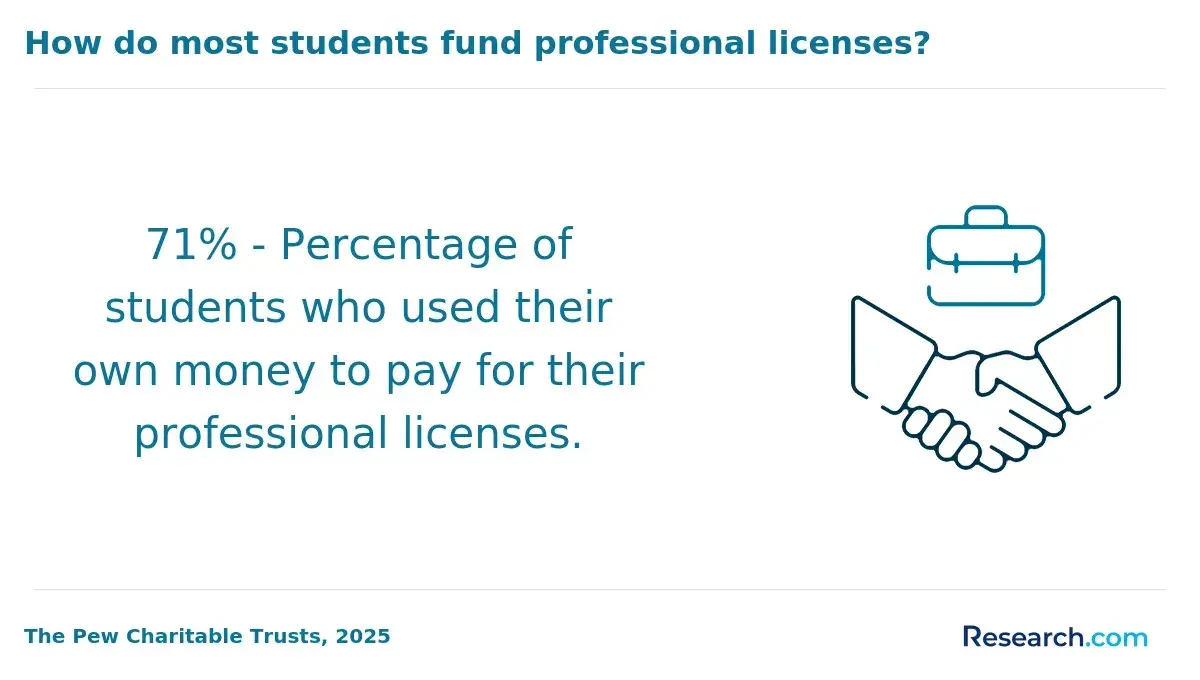
Are Cheap Taxation Degree Programs Legitimate and Respected by Employers?
Affordable taxation degree programs do not necessarily lack legitimacy or employer respect. Many lower-cost and online options maintain strong accreditation and align their curricula with workforce expectations, influencing how employers perceive their value. Since around 70% of employers now accept accredited online degrees, working adults can consider flexibility and cost alongside quality when choosing programs that fit their career ambitions and scheduling needs.
Key elements that affect the acceptance and credibility of inexpensive taxation degrees include:
- Institutional Accreditation: Employers rely heavily on regional or national accreditation to confirm a school meets recognized academic standards, ensuring the degree's educational rigor regardless of price.
- Programmatic Quality Standards: When programs follow specialized guidelines or industry best practices, their curriculum tends to be more relevant and trustworthy, boosting employer confidence in graduates' capabilities.
- Employer Recognition of Online Degrees: Growing familiarity with accredited online education has helped lessen the stigma around low-cost programs delivered virtually, particularly when schools demonstrate transparency about outcomes.
- Faculty Expertise: Instructors with strong academic backgrounds and real-world taxation experience add credibility to the program by ensuring students gain up-to-date and applicable knowledge.
- Transfer Credit Policies: Flexible acceptance of previous coursework can make programs more practical and accessible for working adults, allowing them to accelerate progress without sacrificing quality.
When asked about soft skills developed during his studies, a taxation degree graduate reflected on the real-world challenges encountered in balancing coursework with a full-time job and family obligations. He recalled how managing deadlines and complex assignments taught perseverance and adaptability, while collaborative projects enhanced his communication and problem-solving abilities. This blend of time management, critical thinking, and teamwork proved invaluable as he transitioned into professional roles requiring more than technical knowledge alone.
Finding the best taxation degree programs for working adults involves more than just affordability. Key elements include flexible scheduling, accreditation, transfer credit policies, student support services, and relevance to real-world careers, all crucial for nontraditional students balancing jobs and family. Online and hybrid formats have broadened opportunities for adult learners, with over 40% of undergraduates now attending part-time, reflecting the growing demand for accessible educational pathways.
Important features to consider include:
- Accreditation Standards: Accreditation guarantees that programs meet rigorous academic and industry standards, ensuring that credits earned are valued by employers and graduate schools. This recognition helps students invest their time and money wisely toward a respected credential.
- Flexible Scheduling: Many programs offer asynchronous coursework that allows students to study at their own pace, accommodating shifts in work hours or family commitments. This flexibility is essential for adult learners who require accessible course delivery without compromising their daily responsibilities.
- Transfer Credit Acceptance: Generous transfer policies can accelerate degree completion by applying prior college credits or related certifications toward a taxation degree. This reduces duplication of coursework and overall costs, making programs more affordable and efficient.
- Accelerated Pathways: Some schools provide condensed or fast-track options that enable students to finish their degrees more quickly while still maintaining academic rigor. These accelerated programs support career advancement by shortening time to graduation without sacrificing educational quality.
- Support Services: Comprehensive academic advising, tutoring, and career counseling tailored to adult learners help navigate the challenges of returning to school. These resources can improve retention and success for students managing complex personal and professional schedules.
Working adults seeking affordable online taxation degree programs for working adults should also explore certifications such as the certified professional coder, which may complement their education and enhance workforce credentials.
Flexible scheduling plays a vital role for working adults pursuing a taxation degree, helping them balance job duties, family life, and personal commitments. With the rise of online and hybrid learning models, students now have broader access to programs tailored to diverse schedules. According to recent data, over 40% of postsecondary students enroll exclusively in distance education courses, highlighting the growing demand for adaptable learning options.
Several features commonly enhance flexibility in taxation degree programs for adult learners, including:
- Asynchronous Coursework: Many programs allow students to complete assignments and access lectures on their own time without mandatory class meetings. This structure supports varied work hours and family responsibilities by eliminating rigid schedules.
- Evening and Weekend Classes: Offering live or interactive sessions outside traditional work hours enables students to participate in real-time discussions without compromising employment obligations.
- Multiple Enrollment Periods: Programs with several start dates throughout the year enable adults to begin their studies when it fits best with their personal and professional timelines, rather than waiting for standard semester openings.
- Transfer Credit Acceptance: Recognizing prior college coursework or certifications can shorten the path to degree completion, reducing time spent on repetitive content.
- Hybrid Delivery Options: Combining online learning with occasional in-person meetings offers a balance between flexibility and valuable face-to-face interaction.
When asked about her experience with flexible taxation degree programs, a professional shared that juggling full-time work and family initially seemed overwhelming. She appreciated programs that offered asynchronous modules, which let her study late at night or early mornings, fitting coursework around her unpredictable schedule. Having multiple start dates meant she could enroll without waiting months, and being able to transfer credits from previous studies eased her workload. Reflecting on the process, she noted, "The ability to learn on my own time without missing out on critical content was a game-changer," emphasizing how these flexible features made her educational goals achievable despite ongoing life demands.
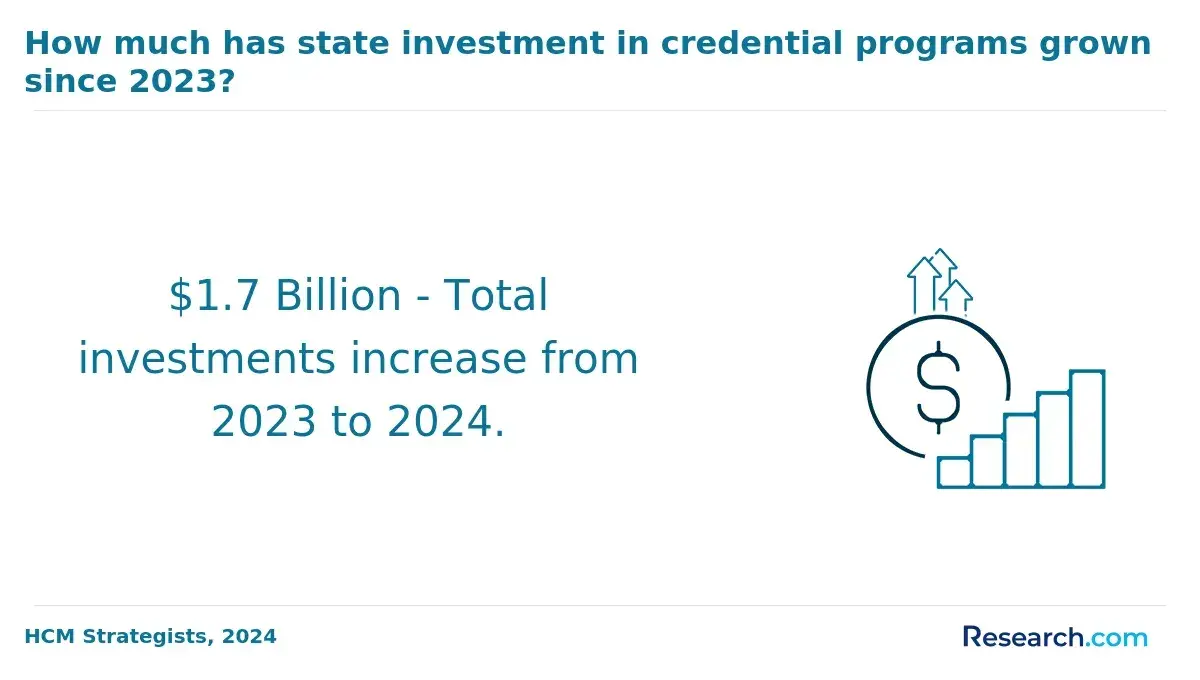
Accredited taxation degree programs often cater to working adults by offering structures that promote faster, more affordable completion through flexible scheduling, online formats, accelerated coursework, and transfer credit options. Balancing program cost, pacing, and educational quality plays a vital role for nontraditional students navigating their degree choices. Notably, adult enrollment in online postsecondary programs has grown by 12% in recent years, reflecting increased demand for convenient learning pathways.
Several features commonly support quicker and less expensive taxation degree completion for working adults:
- Accelerated Courses: These programs use shortened terms, such as five- to eight-week classes, allowing students to finish required credits more rapidly than traditional semester schedules. This format reduces time to degree and helps maintain momentum.
- Transfer Credit Acceptance: Institutions frequently accept prior college credits and professional certifications, enabling students to bypass certain courses. This credit recognition can significantly decrease overall tuition and time invested.
- Asynchronous Flexibility: Online courses designed for asynchronous study let learners access lectures and complete assignments on their own schedules, accommodating work and family commitments without sacrificing academic progress.
- Competency-Based Education: By focusing on skill mastery over seat time, these models allow students to advance at individualized paces. This can lower costs by reducing the number of courses or terms needed.
- Multiple Start Dates and Enrollment Options: Offering several entry points throughout the year along with part-time and full-time pathways helps students customize their study load. Such flexibility minimizes gaps in enrollment and aligns better with personal and career demands.
Transfer credit policies significantly help working adults speed up their Taxation degree completion and reduce costs by allowing previously earned college credits, military training, professional certifications, or other prior learning experiences to count toward degree requirements. However, transfer flexibility can vary widely depending on institutional policies, accreditation standards, and program structures. Nearly 40% of undergraduate students transfer credits between institutions, highlighting how common credit mobility is in higher education.
Several important factors affect how many transfer credits a school may accept for Taxation degrees for working adult learners:
- Accreditation Compatibility: Schools generally accept transfer credits from regionally accredited institutions, which ensures the transferred coursework meets quality standards and aligns with degree requirements. This compatibility helps prevent repeating courses and maintains the academic rigor of the program.
- Transfer Equivalency Evaluations: Many institutions perform detailed, course-by-course assessments to match incoming credits to their Taxation curriculum. Such evaluations can streamline the transfer process, avoid unnecessary classes, and shorten time to graduation.
- Articulation Agreements: Formal partnerships between community colleges and universities can guarantee that specific courses will transfer toward the Taxation degree. These agreements provide affordable pathways by leveraging lower-cost community college credits, benefiting working adults balancing budgets and schedules.
- Prior Learning Assessments (PLAs): PLAs recognize professional certifications, military training, and relevant work experience as credit-worthy learning. These policies can substantially reduce required coursework and the overall financial burden for nontraditional students.
- Residency Requirements: Many programs require that a minimum number of credits be completed directly through their institution. Understanding these limits can help adult learners plan their remaining coursework efficiently without losing credit value.
Access to various financial aid opportunities can significantly reduce the cost of earning a taxation degree for working adults. These options include federal aid programs, scholarships, employer tuition assistance, and institutional resources, though eligibility and availability often vary by school, accreditation, and enrollment status. Nearly 40% of undergraduate students benefit from some type of financial aid, highlighting its critical role in improving affordability for many adult learners.
The following list outlines common financial aid programs and options designed to support working adults pursuing taxation degrees while balancing work and family commitments.
- Federal Grants and Loans: Pell Grants and subsidized or unsubsidized federal loans provide essential funding based on financial need or eligibility. While loans must be repaid, grants do not, making these programs foundational for many students seeking to minimize out-of-pocket expenses.
- Employer Tuition Assistance: Many employers offer tuition reimbursement or assistance programs that cover part or all of tuition costs. These benefits often require continued employment or meeting certain job performance goals, helping adult learners manage education costs without disrupting their work schedules.
- Scholarships for Adult Learners: Scholarships targeted at adults or those studying taxation come from universities, nonprofit organizations, or professional associations. These awards reduce debt burdens and recognize the unique challenges faced by working students juggling studies and personal responsibilities.
- Military and Veteran Education Benefits: Tuition support, stipends, and exclusive scholarships are available for service members and veterans. These benefits improve access to accredited taxation degree programs and provide flexible learning options suited to their needs.
- Institutional Payment Plans and Credit Savings: Many schools offer payment plans to break tuition into manageable monthly payments, easing upfront financial pressure. Additionally, prior learning assessments allow students to earn credit for relevant work experience or certifications, shortening degree completion time and lowering overall costs.
Working adults interested in exploring comprehensive financial aid options may also consider reviewing online medical assistant programs with financial aid for comparison, as these often share similar affordability structures. Combining these financial strategies effectively can make accredited taxation programs more accessible and sustainable over the long term.
A degree in taxation prepares working adults for diverse career opportunities by equipping them with skills relevant to entry-level, mid-level, and specialized roles. Affordable and flexible degree pathways enable adult learners to balance work, transfer credits, and certifications while advancing or shifting careers. According to the U.S. Bureau of Labor Statistics, employment of tax preparers and accountants is projected to grow about 8% from 2022 to 2032, highlighting strong demand in the field.
Common careers with an online taxation degree include the following professional paths:
- Entry-Level Administrative Roles: Positions such as tax clerks or accounting assistants provide foundational experience with financial documentation and compliance. These accessible roles allow working adults to develop relevant skills while managing existing job commitments.
- Technical or Specialized Occupations: Jobs like tax preparer, auditor, or compliance analyst often require deeper expertise in tax law and financial reporting. Flexible programs enable students to build knowledge and pursue certifications such as the IRS Annual Filing Season Program or Enrolled Agent status.
- Management-Track Opportunities: Roles including tax managers or financial controllers benefit from skills in tax planning, leadership, and regulatory analysis. A taxation degree supports advancement into supervisory or strategic positions.
- Community-Based Positions: Tax advisors at nonprofit organizations or community centers focus on assisting individuals and small businesses with tax preparation and education, emphasizing interpersonal skills and public service.
- Industry-Specific Careers: Corporate tax specialists or consultants within finance sectors apply compliance and strategic tax planning knowledge across diverse business environments.
For working adults seeking a flexible schedule and accredited options, programs like MSN direct entry programs online demonstrate the growing availability of adaptable degree pathways suitable for career mobility.
Working adults often weigh multiple factors like affordability, flexibility, accreditation, and career relevance when selecting a taxation degree program that fits alongside employment and personal responsibilities. With more than 40% of undergraduates engaging in online learning, digital and hybrid formats have greatly increased access for nontraditional students seeking convenient education pathways. Considering these aspects is vital for long-term value and degree completion success.
Essential factors to evaluate include:
- Accreditation: Ensuring a program is accredited verifies it meets recognized academic standards, which can influence credit transfer options and employer acceptance. Accreditation supports both educational quality and professional credibility.
- Scheduling Flexibility: Programs offering asynchronous courses allow learners to manage studies alongside work and family obligations. Flexibility in course schedules contributes to steady progress without sacrificing current commitments.
- Transfer Credits: Accepting previously earned credits can significantly shorten the time and cost to complete the degree, making programs more accessible for those with relevant prior coursework.
- Affordability and Financial Aid: Transparent tuition rates paired with available scholarships or aid reduce financial strain, helping adult learners balance education with existing fiscal responsibilities.
- Student Support Services: Access to academic advising, technical help, and career resources enhances student retention and success, especially in online or hybrid formats where direct contact is limited.
What Do Students Say About Affordable Taxation Degree Programs?
- Cade: "Choosing a taxation degree program as a working adult was overwhelming until I realized the importance of accreditation and how schools with recognized credentials make a difference during job hunts. I focused on programs that allowed me to transfer previous credits, saving both time and money. The flexibility in course scheduling was crucial, letting me study around my busy work hours without sacrificing quality education."
- Mohamed: "Reflecting on my experience, it became clear that finding affordable taxation programs isn't enough unless they carry weight with employers. I thoroughly researched each program's reputation and looked for reviews from alumni who balanced work and study. Ultimately, I picked a flexible online program that respected my prior learning and helped me progress steadily toward my long-term career goals without breaking my budget."
- Axel: "As a nontraditional student, I needed a taxation degree that fit my erratic schedule, so I prioritized programs offering asynchronous classes and lenient deadlines. I also learned to verify whether cheap programs were truly accredited, as this directly impacts professional credibility. Emphasizing both flexibility and legitimacy helped me confidently invest in a program that matched my financial needs and ambition to advance in accounting."
Other Things You Should Know About Taxation Degrees
Yes, many of the most affordable taxation degree programs designed for working adults offer part-time enrollment options. These flexible scheduling choices allow students to balance their studies with professional and personal responsibilities. However, part-time students may take longer to complete the degree compared to full-time enrollment.
Most low-cost taxation degrees require 30 to 36 credit hours of upper-division or graduate coursework. Core classes usually include federal income tax, business taxation, tax research, ethics, and accounting methods. Many programs also require a capstone or applied tax project before graduation.
Employers typically prioritize accreditation and relevant skills over program cost. As long as the taxation degree comes from a recognized and accredited institution, graduates from lower-cost programs are considered qualified for tax-related roles. Practical experience and certifications can further enhance employment prospects.
- Accounting Scholarships and Grants | Accounting.com https://www.accounting.com/resources/financial-aid/
- Top Online Schools That Accept Transfer Credits https://www.edvisorly.com/student-guides/online-schools-that-accept-transfer-credits
- Ranking of the Best Masters, MS & MBA 2025 https://www.best-masters.com/master-taxation-ranking.html
- 2025 Most Affordable Online Master's in Taxation Degrees https://www.onlineu.com/most-affordable-colleges/taxation-masters-degrees
- How Does Financial Aid Affect My Taxes? — Northside Tax Service https://www.nstax.net/blog/how-does-financial-aid-affect-my-taxes
- Tax-Smart Strategies for Higher-Income Families Navigating Financial Aid | Carr, Riggs & Ingram https://www.criadv.com/insight/strategies-for-higher-income-families-financial-aid/
- BACHELOR'S AND MASTER'S DEGREE PROGRAMS - TEACHING OFFER OF THE DEPARTMENT OF TAX LAW | SGH | Szkoła Główna Handlowa w Warszawie https://www.sgh.waw.pl/kes/en/bachelors-and-masters-degree-programs-teaching-offer-department-tax-law
- Career Options With a Master’s in Tax Law https://onlinemasteroflegalstudies.com/career-guides/tax-law/
- What to Know About Taxation of International Students Receiving Financial Aid - CapinCrouse http://capincrouse.com/met0o
- 15 Most Affordable Master's of Taxation Programs Online - Top Accounting Degrees https://www.topaccountingdegrees.org/most-affordable-masters-of-taxation-programs-online/