2027 Taxation Degree Programs You Can Start Without Meeting All Requirements

Co-Founder and Chief Data Scientist
Many prospective students face barriers entering taxation degree programs due to not meeting all standard requirements-such as minimum GPA thresholds, completed prerequisites, or formal transcripts. This challenge affects high school graduates, community college transfers, adult learners returning to education, and career changers with incomplete academic records.
Approximately 65% of professionals with a taxation degree report earning salaries above the national average within five years, highlighting the program's strong ROI. This article explores legitimate pathways that enable early admission, including conditional acceptance, bridge courses, alternative credential evaluations, and institutional support, outlining how these options help students start their taxation education without delay.
Key Things to Know About Taxation Degree Programs You Can Start Without Meeting All Requirements
- Conditional admission policies often allow students below GPA thresholds to enroll if they complete specified foundational courses and maintain minimum grades over their first academic year.
- Bridge programs provide essential coursework that fills prerequisite gaps-enabling community college transfers and adult learners to transition smoothly into taxation degree curricula.
- Institutions regularly review alternative credentials-such as professional certifications or relevant work experience-to grant early enrollment, reflecting trends of increasing mid-career taxation graduates in 2023.
What Is the Minimum GPA Requirement for a Taxation Degree Program?
Minimum GPA requirements for taxation degree programs vary widely depending on the institution's selectivity. Highly selective universities often require a GPA around 3.0 to 3.5, reflecting competitive admissions standards, while moderately competitive schools typically expect GPAs in the 2.5 to 3.0 range. Open-admission institutions may accept students with GPAs as low as 2.0, prioritizing access over selectivity. These differing thresholds are common due to distinct admission policies and institutional tiers.
Admissions committees consider more than just minimum GPAs. The rigor of coursework-such as challenging advanced classes-can weigh positively. Grade trends also matter: an upward trajectory in grades might offset lower cumulative GPAs. Some schools allow grade replacement policies, enabling students to retake courses and improve their GPA. This flexibility recognizes varied student backgrounds and potential.
For students concerned about conditional admission GPA thresholds in taxation degrees, the first step is to speak directly with an admissions counselor. Many schools employ a holistic review, evaluating work experience, personal statements, and recommendations along with GPA. Conditional admission may permit early enrollment while meeting academic benchmarks through foundational courses or probationary periods.
Such pathways are particularly relevant for high school graduates who fell short of specific GPA thresholds, community college transfer students still completing prerequisites, adult learners returning after a gap, and career changers with strong work experience but incomplete transcripts. Exploring options like BCBA online masters programs can also inform decisions about bridging academic gaps.
Which Taxation Programs Accept Applicants on Academic Probation or With Academic Deficiencies?
Several taxation degree programs accept applicants on academic probation or with transcript deficiencies through conditional admission pathways-this allows entry before full standard requirements are met. These provisional enrollments commonly require students to achieve specific GPA benchmarks during a probationary term and limit course loads. Below are examples of programs that offer such flexible admission options, all regionally accredited, illustrating the range of structures that accommodate learners with academic challenges or incomplete prerequisites.
- University of Texas at Dallas - Bachelor's in Taxation: Applicants with a GPA below the usual cutoff may enroll conditionally if they maintain at least a 2.5 GPA over the first 12 credit hours. During probation, students must limit their course load and regularly consult with an academic advisor who helps tailor their study plans for success.
- Northeastern University - Master's in Taxation: Known for flexible admission policies, Northeastern allows conditional admission for students with academic deficiencies provided they earn a minimum 3.0 GPA over no more than 9 credits in their first term. Students have biweekly advising sessions to support their progress and compliance.
- California State University, Long Beach - Undergraduate Taxation Program: Transfer students with incomplete prerequisites may enroll provisionally, taking up to 15 credit hours including foundational courses. They must reach a 2.7 GPA in the first semester while faculty advisors oversee their progress and arrange tutoring support.
- University of Alabama - Taxation Concentration under Accounting: Applicants on probation can enter by maintaining a 2.75 GPA on a maximum of 12 credit hours in their initial term. Monthly meetings with assigned academic coaches provide guidance and help remediate skills.
- DePaul University - Graduate Taxation Certificate: This program admits students with deficiencies if they earn at least a 3.0 GPA in their first 6 to 9 credit hours. Conditional students meet regularly with program advisors and submit progress reports that monitor academic performance and address concerns promptly.
Advisor oversight is a consistent feature in programs allowing conditional admission. Typically, conditionally admitted students:
- Participate in scheduled advising meetings throughout their probationary term.
- Receive personalized academic planning and early intervention support.
- Access tutoring and supplemental instruction geared specifically toward taxation coursework.
Prospective students seeking taxation programs allowing admission with academic deficiencies should contact admissions offices directly to confirm up-to-date conditional policies, as they often change and differ between undergraduate and graduate curricula. Applying with a checkered academic history is not an automatic disqualification-crafting a thoughtful personal statement explaining past challenges and securing strong references greatly improves chances alongside conditional admission pathways. For students weighing their options, understanding the facts about flexible entry routes clarifies pathways to join promising careers in taxation and finance.
Exploring the highest paying majors that offer conditional admission opportunities can help applicants select a program aligned with both their academic backgrounds and career goals.
How Do Conditional Admission and Provisional Enrollment Work for Taxation Degree Seekers?
Conditional admission and provisional enrollment serve as distinct flexible entry options for taxation degree aspirants who do not fully meet standard requirements, though institutions often confuse the two. Conditional admission applies when academic or prerequisite hurdles remain-such as improving a GPA or completing foundational coursework within a semester or two. Failure to satisfy these criteria typically results in dismissal or a switch to non-degree status, while success allows progression to regular enrollment.
Provisional enrollment, in contrast, is generally a temporary status granted while awaiting submission of key documents like test scores or transcripts. This classification focuses on administrative completion rather than academic performance; if paperwork is submitted and verified promptly, students transition to formal admission, else enrollment may be withdrawn.
Typical conditions include:
- Academic Performance: Meeting or exceeding a minimum GPA during a probationary period.
- Course Completion: Passing designated bridge or foundation courses in taxation or related fields.
- Documentation: Timely provision of outstanding transcripts or test scores.
- Admissions Questions:Trigger: What caused the conditional or provisional status?
- Timeline: When will completion be reviewed?
- Authority: Who decides on full admission?
A professional who earned his degree in taxation shared that navigating conditional admission required balancing work and initial coursework while maintaining steady communication with advisors. "It was stressful at first," he recalled, "but knowing exactly what benchmarks to hit-and having clear deadlines-made it manageable. Meeting those expectations felt like unlocking the real start of my academic journey." This pathway, though demanding, enabled him to establish the foundation needed for his career advancement.
Applicants who do not fully meet standard admission criteria for taxation programs can explore several flexible pathways designed to accommodate diverse backgrounds and experiences. These conditional enrollment pathways in taxation degrees help individuals such as career changers, adult learners, or community college transfers to gain entry by leveraging nontraditional qualifications.
- Portfolio Review: Often favored by institutions with part-time or professionally oriented taxation programs, this option permits candidates to submit a thorough portfolio instead of prerequisite courses.
- This portfolio should include a combination of prior coursework, certificates, professional work samples, and reflective essays showcasing applicable skills.
- The evaluation is typically conducted by a dedicated committee of admissions staff and faculty who can assess non-academic achievements credibly.
- Demonstrated Professional Experience: Taxation programs aimed at executive students or working professionals frequently accept detailed job histories as substitutes for formal prerequisites.
- Applicants provide resumes, employer references, and examples of responsibilities related to taxation, sometimes supplemented by interviews or presentations.
- Institutions have processes to verify and benchmark such experience, often managed through program coordinators or department personnel.
- Prior Learning Assessment Credit: Many accredited universities grant credit based on formal and informal prior learning for taxation curriculum requirements.
- This requires documentation such as certifications, course descriptions, exam results, and competency proofs.
- A designated office-often connected to admissions or continuing education-oversees the validation and awarding of these credits.
- Placement Testing: Some undergraduate taxation or accounting degrees offer placement exams enabling students to waive foundational coursework.
- Candidates must pass institution-crafted assessments or recognized standardized tests covering prerequisite topics.
- Testing centers and academic advisors facilitate scheduling and interpret results to determine eligibility.
Those interested in alternative admission options for taxation programs should proactively contact program directors or department chairs, as many flexible pathways are managed informally and may not appear on official websites. Direct communication often clarifies documentation requirements, expectations, and timelines. Because these routes sometimes involve additional academic obligations or benchmarks, early engagement with faculty is crucial to navigate them successfully. For example, adult learners might find it helpful to review transferable credits from related fields, just as students considering a masters in construction management explore various credit options.
Some Taxation programs allow students to start core courses while still completing prerequisite classes through concurrent or co-requisite enrollment. This model lets learners build foundational knowledge alongside advanced topics-unlike conditional admission, which requires meeting specific criteria before continuing studies. Common pairings include introductory statistics or research methods taken simultaneously with the first-semester Taxation core curriculum. This approach helps develop essential analytical skills early on without delaying degree progress.
Though beneficial, concurrent enrollment involves juggling heavier coursework, which demands strong organizational skills. Students must consider the impact on their schedules-especially those managing jobs, families, or returning to school after time away. Striking a balance between prerequisites and core courses can be taxing but rewarding with the right strategy.
To find out if a program offers this option, students should consult the school's course catalog for co-requisite policies, meet with academic advisors for personalized advice, and request a degree audit to clarify the required sequence before registering. This due diligence ensures clear expectations and better preparation for the workload ahead.
- Workload Management: Develop a prioritized weekly study plan to handle overlapping course demands efficiently.
- Advising Support: Schedule frequent meetings with advisors to track progress and recalibrate course loads.
- Time Management: Use planners or apps to set reminders for assignments and study periods, critical for those balancing extra responsibilities.
- Academic Resources: Utilize tutoring centers and study groups to reinforce learning and maintain consistent performance.
A professional who built her career post-graduation reflected on her experience: "Starting my core taxation courses while still completing prerequisites was challenging-I had to refine my time management drastically. Regular check-ins with my advisor and leaning on tutoring services were game changers. It felt overwhelming at times, but this method let me stay on track without losing momentum. Knowing I wasn't alone helped a lot, and looking back, it made all the difference in balancing rigor with progress."
Community college partnerships-such as 2+2 articulation agreements, dual-enrollment options, and pathway programs-enable students lacking complete admission credentials to start taxation coursework at the two-year level while preparing for smooth transfers into bachelor's or graduate taxation programs. These collaborations bridge gaps in prerequisites and academic readiness, providing a structured route toward degree completion.
Prerequisite Completion: Coursework in core areas like accounting principles, business law, and economics forms the foundation admissions committees highly value for transfer applicants.
GPA Rebuilding: Demonstrating improved academic performance through strong grades in transferable classes can offset previous transcript weaknesses.
Foundational Skill Development: Building communication, critical thinking, and quantitative reasoning skills supports student success in advanced taxation studies.
Students should explore their community college's and target university's resources-such as admissions offices or official websites-to confirm if formal articulation agreements exist. When no formal partnership is available, guidance from academic advisors can assist in identifying transferable courses and meeting minimum GPA requirements to create an unofficial but viable transfer pathway.
Transfer evaluations of community college coursework often allow more flexibility than traditional freshman admissions, emphasizing upward academic trends and credit applicability rather than strict entry benchmarks. This nuanced review benefits non-traditional and conditional applicants seeking entry into taxation programs.
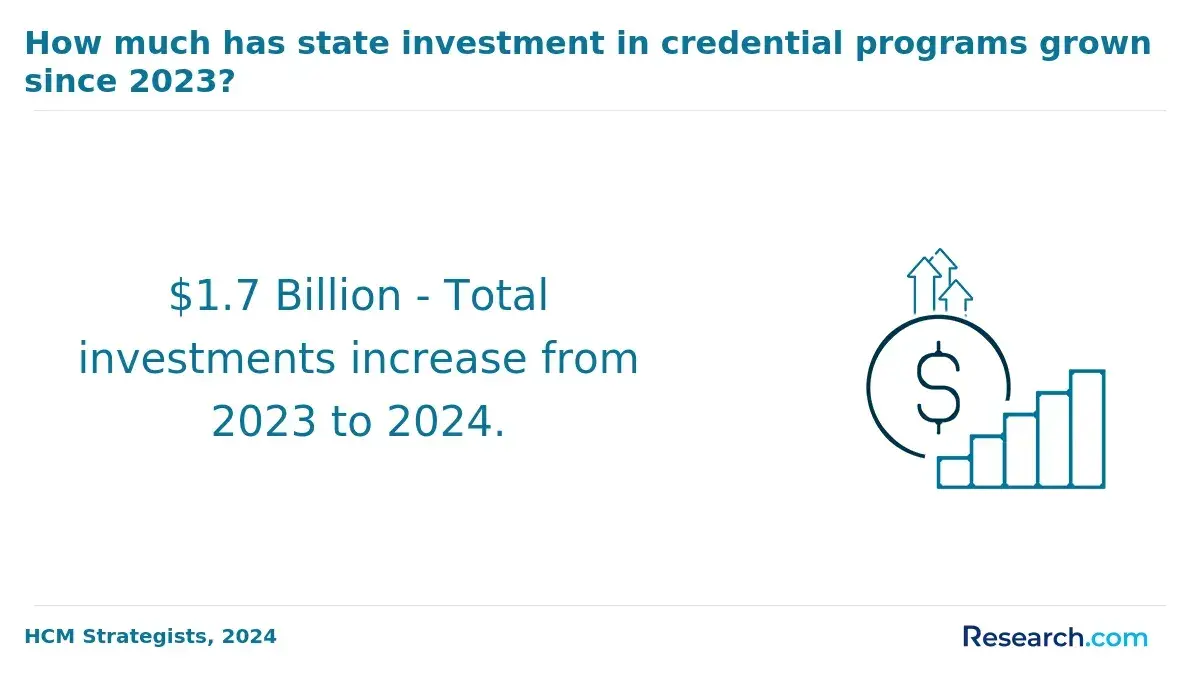
A 2023 national report indicates that nearly 65% of students admitted through transfer pathways to taxation programs utilized community college partnerships-highlighting a growing trend in expanded access through these supportive academic collaborations.
Personal statements and letters of recommendation provide essential tools for applicants seeking admission to taxation degree programs-especially when traditional metrics like GPA or standardized test scores do not meet formal requirements. These materials allow candidates to present a fuller picture that highlights their potential beyond what numbers alone can show.
A compelling personal statement for conditionally admitted taxation applicants should include:
- Candid Reflection: A transparent discussion of past academic challenges that acknowledges setbacks while maintaining a positive, forward-focused perspective.
- Relevant Experience: Clear descriptions of work, volunteer, or educational activities that have built skills and motivation necessary for the demands of taxation study.
- Program Fit: Specific reasons why the chosen taxation program aligns with the applicant's academic and career goals-explaining how it will serve as a foundation for future success.
Letters of recommendation carry more weight when coming from supervisors or mentors who have closely observed the applicant's intellectual abilities or professional achievements related to taxation or finance. These endorsements provide credible validation, far outweighing generic character references.
Applicants should consider adding a brief sidebar or pull quote emphasizing that the personal statement serves as the primary vehicle to shape their admission narrative when other credentials fall short.
Admissions committees value these documents as windows into an applicant's resilience and readiness, making them vital components of flexible admission pathways to taxation degree programs.
Many taxation degree programs acknowledge that prospective students often arrive without all prerequisites-whether due to GPA shortfalls, incomplete transcripts, or career breaks-necessitating flexible pathways to admission. These programs use a variety of bridge and foundational course structures that allow candidates to fulfill conditions before fully enrolling.
- Non-Credit Boot Camps: Offered mainly by community colleges or university continuing education departments, these short, intensive courses cover essential skill gaps without awarding academic credit. Completion is noted by a pass or attendance certificate but doesn't alter the official transcript. Although cost-effective and fast-usually lasting days or weeks-students must still finish standard coursework later, slightly extending overall degree timelines.
- Post-Baccalaureate Preparatory Sequences: Found mostly at research universities or specialized business schools, these sequence programs serve students holding a bachelor's degree but lacking key prerequisites. They provide credit-bearing courses recorded on the transcript, letting students meet admission criteria within one or two semesters. These sequences demand higher costs and time investment but reduce the total time to degree completion by integrating prerequisites with degree requirements.
- Certificate-Level Prerequisite Bundles: Many public and private colleges package foundational courses into certificate programs addressing missing prerequisites. These credit-based bundles grant formal certificates listed on academic records and often guarantee conditional admission upon passing. Costs align with regular tuition rates, and the timeline usually spans one to two semesters depending on enrollment.
- Self-Paced Online Remediation Modules: Popular among adult learners and career changers, these modules are available via accredited universities and affiliated online platforms. They offer documented credit or verified completion while allowing students to progress independently. The flexibility suits those balancing work and life but may prolong the time before full program start due to required self-discipline; pricing ranges from low subscriptions to standard tuition.
These bridge courses for taxation degree admission may not be prominently featured in standard program materials, making it essential to inquire specifically about foundational programs during admissions consultations. Alternative credential reviews and conditional admission policies often work together with these options to support early enrollment, accommodate diverse backgrounds, and uphold academic standards.
Adult learners and career changers interested in expedited pathways might also explore options like a 6 month masters degree online that can complement bridge coursework and accelerate program completion.
Many taxation degree programs offer some flexibility for applicants who do not meet rigid academic requirements-allowing relevant professional background to substitute for missing coursework or GPA thresholds. Admissions committees that conduct holistic reviews often evaluate various forms of work experience credit for taxation degree admission as valid evidence of readiness.
- Industry Certifications: Credentials such as CPA licenses, Enrolled Agent status, or advanced tax preparation certifications demonstrate formal expertise and commitment to the field.
- Field-Specific Employment: Several years in tax-related roles at accounting firms, corporate tax departments, or government agencies provide practical knowledge essential for academic success.
- Leadership Roles: Supervisory or management positions within taxation settings reflect advanced problem-solving and decision-making skills.
- Professional Contributions: Published articles, presentations at conferences, or training sessions highlight intellectual engagement and communication abilities relevant to taxation.
- Volunteer or Community Service: Participation in tax assistance programs or financial literacy efforts shows applied expertise and public service commitment.
Applicants should prepare a professional resume tailored to an academic audience-focusing on responsibilities, outcomes, and skills pertinent to taxation. Supporting documents such as employer letters verifying duties, copies of certifications, or samples of published work may also be requested. References ought to be supervisors or mentors familiar with an applicant's professional competence specifically, rather than only their academic potential. This focus strengthens applications by providing concrete context about readiness.
Students with strong work experience but incomplete transcripts, such as community college transfers or adult learners re-entering higher education, will benefit from confirming with programs whether non-academic credentials receive formal consideration. Since policies vary widely, early communication prevents unnecessary effort. For career changers, especially those shifting fields similarly to a speech language pathologist, understanding these nuances is essential.
Conditionally admitted students should expect to meet academic obligations and specific performance benchmarks-often through bridge or foundational courses-before fully enrolling. This approach allows flexible admissions to serve as a viable pathway for those offsetting unmet academic requirements with meaningful professional experience.
Financial aid and scholarship opportunities can play an important role in helping students manage the cost of higher education while pursuing their academic goals. Understanding the types of funding available for different admission pathways can help prospective students make more informed decisions about affordability, enrollment, and long term educational planning.
- Federal Aid: Students admitted conditionally to taxation programs can usually apply for federal financial support through FAFSA by meeting minimum enrollment criteria-typically at least half-time status. Maintaining satisfactory academic progress is essential, as failure to meet these standards during the conditional period risks losing aid eligibility.
- Institutional Scholarships: Many colleges provide scholarships tailored to students with unconventional academic histories-such as those with prior course withdrawals, gaps in studies, or prerequisite sequences still in progress. These awards often evaluate factors beyond GPA, including professional experience or personal statements explaining educational interruptions.
- Private Scholarships: Non-traditional learners, returning adults, and career changers frequently qualify for scholarships from private sources that emphasize life experience and career objectives over traditional academic records. Such funding expands financial opportunities for conditionally admitted taxation students.
It is vital for conditionally enrolled taxation students to speak with both the financial aid office and academic advisors before enrollment. Aid packages often depend on enrollment load and academic standing, so careful planning prevents unexpected costs. Early consultation helps clarify necessary timelines, performance benchmarks, and ensures a feasible financial strategy throughout conditional admission.
Flexible admission should not be mistaken for inferior quality. Prospective students must verify an institution's accreditation and review graduation and job placement data to ensure flexible entry yields a legitimate, valuable education rather than just simpler access.
Admission Flexibility: Online taxation programs-especially those from large public university systems or for-profit schools-typically provide more accessible entry options than traditional campus-based programs. These programs often accept students conditionally when prerequisites or GPA minimums aren't fully met, using alternative credential reviews like work experience or prior learning assessments to supplement academic records.
Prerequisite Waivers and Conditional Enrollment: Many online offerings allow students to enroll while completing foundational or missing coursework through waived prerequisites or bridge classes. This conditional enrollment gives learners a head start on the degree track, a flexibility less common on campuses where in-person regulations and resource limits restrict this option.
Accreditation and Degree Outcomes: Despite these flexible admission methods, reputable online taxation degrees maintain rigorous regional accreditation-ensuring graduates meet the same standards as those attending on campus and remain eligible for professional credentials.
Support Infrastructure: Institutional support for conditionally admitted students can differ widely between online and traditional formats. Important factors include: Academic Advising: Access to tailored advising helps students manage conditional requirements and degree planning.Tutoring Services: Availability of supplemental instruction online supports those needing extra help with foundational subjects.Disability Accommodations: Responsiveness and resource quality for diverse learning needs vary by program format.Mental Health Resources: Support for managing stress and counseling differs greatly depending on school and delivery mode.
What Graduates Say About Taxation Degree Programs You Can Start Without Meeting All Requirements
- Cade: "Starting the taxation degree without meeting all requirements felt intimidating at first-especially balancing the initial academic obligations. However, the structured timeline expectations helped me stay on track as I progressed. The key insight I'd share is that maintaining performance benchmarks isn't just about passing grades-it's about consistently demonstrating your readiness to fully engage with the program over time."
- Mohamed: "What stood out to me about the taxation program was how it allowed me to begin before fulfilling every prerequisite-giving me a unique chance to prove myself. Reflecting on the academic obligations, I realized they were designed to challenge me just enough to prepare for the next phase. The timeline to meet benchmarks was strict, but this clarity motivated me to stay disciplined and prove I belonged in the program."
- Axel: "From a professional viewpoint, the conditional admission into the taxation degree revealed how flexible yet demanding the academic structure could be. One of the main insights I gathered was that meeting performance benchmarks early on was crucial for continued enrollment. The timeline expectations pushed me to effectively prioritize my studies-ultimately strengthening my dedication to the program's standards and outcomes."
Other Things You Should Know About Taxation Degrees
Accrediting organizations such as the Accreditation Council for Business Schools and Programs (ACBSP) and the Association to Advance Collegiate Schools of Business (AACSB) set rigorous standards that influence admission policies. These bodies require programs to maintain academic quality while sometimes allowing conditional admission for students who do not fully meet requirements-often through probationary periods or bridging coursework. Each institution adapts these guidelines differently, balancing flexibility with standards to ensure student success without compromising accreditation.
Yes. Some universities accept CPA Exam sections, especially Auditing and Regulation, as evidence of accounting readiness when evaluating conditional admission. Others still require 30–36 semester hours in accounting and business before full enrollment. Applicants must submit official score reports and transcripts to the graduate school or tax department.
Transfer students typically undergo course evaluations to match previously earned credits with degree requirements, minimizing the need to retake material. They may be required to complete specific foundational courses unique to taxation, often through intensive bridge programs. Advisors play a crucial role by guiding transfers through prerequisite completion and integrating them smoothly into the program while ensuring they meet all necessary academic standards within set timelines.
- Getting a Master's in Taxation: Everything You Need to Know https://www.westerncpe.com/blog-post/getting-a-masters-in-taxation-everything-you-need-to-know/
- Step-by-Step Financial Aid Guide for International Students https://www.collegeessayguy.com/blog/financial-aid-international-students
- K-12 School Software and Services | FACTS https://factsmgt.com/fstc-resource/
- The Importance of a Strong Personal Statement in Program Admission Processes https://aithor.com/essay-examples/the-importance-of-a-strong-personal-statement-in-program-admission-processes
- California Earned Income Tax Credit Outreach: Community Connect Program - Foundation for California Community Colleges https://foundationccc.org/our-work/equity/supporting-students-basic-needs/california-earned-income-tax-credit-outreach/
- A career in tax: unlocking opportunities in a dynamic field | Eagle Education https://www.eagle-education.co.uk/career/a-career-in-tax-unlocking-opportunities-in-a-dynamic-field/
- Personal Statements: Three Approaches, One Goal | Educational Consultants and Admissions Counselling https://vervesmith.com/admissions/personal-statements-three-approaches/
- What studies say about writing effective UCAS personal statements / Advancing Access https://advancingaccess.ac.uk/blog/what-studies-say-about-writing-effective-ucas-personal-statements
- Online Vs On Campus Study: Which is Right For You? https://studee.com/guides/online-vs-on-campus-study-which-is-right-for-you