2027 State Licensing Differences for Taxation Degree Graduates

Co-Founder and Chief Data Scientist
Graduates in taxation often face uncertainty when exploring licensure pathways across different states. Requirements for certification, such as coursework, exams, and experience, can vary significantly between jurisdictions.
Some states may demand additional professional credentials or specific educational criteria beyond a standard degree. The disparity complicates decisions for those planning careers in taxation, especially when considering relocation or licensure transfer.
Understanding how each state structures its application process and what documentation it requires is critical for timely and successful licensure. This article examines the state-by-state differences in taxation licensure to guide students and professionals toward informed certification strategies.
Key Points About State Licensing Differences for Taxation Graduates
- State licensure for taxation graduates varies widely, with some requiring extensive accounting coursework while others accept broader finance credentials.
- Application difficulty differs; states like California demand more rigorous experience hours, making licensure more challenging to obtain.
- Unique renewal processes exist in states such as New York, requiring diverse continuing education formats beyond typical credit hours.
What licenses or certifications are available to Taxation graduates?
The Certified Public Accountant (CPA) license is the most prevalent credential for taxation degree graduates in the United States, issued by state boards of accountancy. This licensure is widely respected across the tax profession for rigorously validating accounting and tax expertise.
Over 650,000 professionals hold an active CPA license nationwide, with nearly 40% specializing in tax-related services. The CPA opens pathways to advanced career opportunities across private firms, corporations, and government agencies, though specific taxation degree licensure requirements by state can vary significantly.
Aside from the CPA, numerous other licenses and certifications help taxation graduates advance their careers. These credentials often cater to specialized areas within taxation and finance. The variety of available designations reflects the state-specific taxation certification process and the evolving demands of tax professionals.
Below are some notable alternatives offering unique focal points and professional advantages:
- Enrolled Agent (EA): This credential is awarded by the Internal Revenue Service and certifies expertise in federal tax matters. EAs have unlimited rights to represent taxpayers before the IRS, making it ideal for careers in tax resolution and advocacy roles.
- Chartered Tax Advisor (CTA): Granted by international professional bodies such as the Chartered Institute of Taxation, the CTA designation emphasizes tax strategy and planning. It is valued particularly in international and corporate tax environments for clients needing sophisticated tax advice.
- Certified Tax Planner (CTP): Focused on strategic tax planning, this certification supports professionals who assist individuals and businesses with complex tax optimization, emphasizing forward-thinking financial outcomes.
- Accredited Tax Preparer (ATP): Conferred by organizations like the Accreditation Council for Accountancy and Taxation, the ATP focuses on the accurate and efficient preparation of business and individual tax returns, suitable for those aiming to specialize in tax compliance work.
- Certified Management Accountant (CMA): This designation combines tax knowledge with broader financial management and corporate finance expertise, ideal for taxation degree graduates seeking roles that blend accounting and strategic business management.
For students and professionals exploring licensure, it's important to consider the diverse state-specific taxation certification process, which can influence the path to obtaining these credentials. Those researching further may find additional insights in the easiest masters degree resources that help guide educational and certification decisions aligned with career goals.
Is a professional license legally required or voluntary for Taxation graduates?
Licensing requirements for taxation graduates depend largely on the chosen career path and state regulations. Most taxation roles do not mandate a state-issued license, making professional certification optional but often beneficial. For instance, becoming a Certified Public Accountant (CPA) requires passing stringent state exams and fulfilling education and experience requirements.
Meanwhile, many tax preparers or analysts rely on federal registration or voluntary credentialing rather than state licensure. Practicing without required licensure, when applicable, can lead to legal penalties and restrictions on service offerings.
While not legally required for most taxation jobs, obtaining certification or licensure enhances credibility, opens doors to advanced opportunities, and demonstrates expertise to employers and clients. A significant portion of professionals choose this route to strengthen their career prospects and stand out in a competitive market.
When asked about licensure, a taxation professional who completed an online bachelor's program shared, "Navigating the CPA exam process was daunting, especially balancing study with work commitments. Although certification wasn't mandatory for my initial role, earning it gave me confidence and better client trust. I felt the extra effort was worth the doors it opened."
He emphasized that even voluntary licensure demands dedication but remains an invaluable asset for career growth.
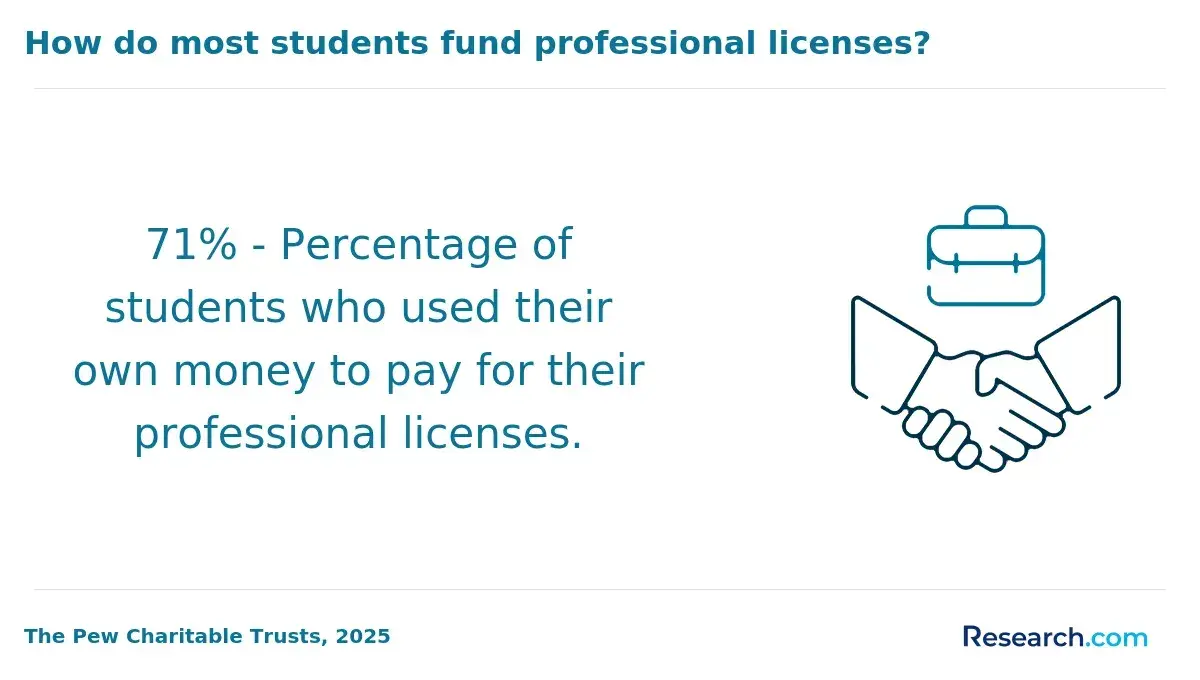
How do licensure requirements for Taxation careers differ by state?
Licensure requirements for taxation careers can vary widely across states, with differences in application processes, credential recognition, and documentation standards. These variations affect how candidates qualify for certification and professional practice. Common distinctions include the following:
- Application Process: Some states, like California, require formal interviews to assess candidates, while others, such as Texas, rely solely on a review of submitted documents without in-person meetings.
- Educational Credentials: A growing number of states, including New York and Florida, accept degrees from online taxation or accounting programs as equivalent to traditional education, but others like Alabama maintain stricter scrutiny or limited acceptance of online credentials.
- Document Submission: Procedures vary with some states demanding original or notarized transcripts, for example, Illinois, whereas states like Oregon permit electronic copies and digital verification methods.
- Additional Exams: Beyond the Uniform CPA Exam, several states mandate ethics examinations or require ongoing continuing professional education to maintain licensure, reflecting differences in regulatory emphasis.
These distinctions highlight the importance of understanding specific state requirements when pursuing taxation licensure, especially as many jurisdictions adapt to evolving educational pathways.
Obtaining a taxation degree is only the first step toward licensure, as each state's taxation licensure process enforces specific educational requirements that candidates must satisfy. These prerequisites ensure that candidates possess the necessary academic foundation before pursuing certification.
The key educational requirements by state include the following:
- Bachelor's Degree Requirement: Most states require candidates to hold at least a bachelor's degree in accounting, finance, or a closely related field. Some states, like California, emphasize a degree focused on taxation or tax law, while others accept broader business or economics degrees combined with relevant courses.
- Credit Hour Completion: Candidates generally must complete between 120 and 150 credit hours, including coursework related to taxation principles. For example, New York requires additional post-baccalaureate credits emphasizing tax topics, whereas Texas accepts a mix of undergraduate and graduate classes to meet this threshold.
- State-Approved Preparatory Programs: Several licensing boards mandate completion of state-approved preparatory programs or specialized educational modules tailored to local tax laws. States such as Florida require passing educational modules specifically designed for their tax regulations, while other states accept equivalent training from accredited universities or recognized online platforms.
- Transcript Verification Practices: States differ in how rigorously they verify academic credentials; some, like Illinois, scrutinize transcripts and course content in detail, whereas others place more emphasis on practical experience combined with educational milestones.
- Graduate vs. Undergraduate Coursework: Regulations vary regarding the acceptance of graduate credits. Certain states, like Pennsylvania, allow graduate-level taxation courses to fulfill credit requirements, while others rely mainly on undergraduate credit hours to establish eligibility.
Students aiming for licensure may consider pursuing degrees recognized for leading to the highest paying careers in taxation and related fields to maximize their opportunities.
Many taxation disciplines rely on a nationally standardized exam, such as the Certified Public Accountant (CPA) exam, which includes tax content, but the administrative policies—including passing scores and retake limits—are determined by each state.
A 2025 survey found that 68% of states had implemented or planned to implement state-specific taxation modules alongside the national exam, highlighting significant state-by-state taxation licensure exam requirements.
Below are some key policy variations to consider.
- Retake Limits: Most states allow candidates between four and six attempts to pass the exam within an 18- to 24-month period. For example, California limits attempts to five within 24 months, while New York permits six attempts in 18 months before requiring a waiting period or additional preparation.
- Passing Scores: Score thresholds often vary, with some states setting passing grades at 75%, such as Texas, while others, like Florida, require 70%. These differences affect candidates' exam preparation strategies across jurisdictions.
- State-Specific Content: Many states add local tax laws to the national exam framework. States like Illinois and Ohio include mandatory modules on state tax regulations, necessitating focused study on state-specific topics beyond the core exam.
- Exam Frequency: Testing availability differs, with some states offering quarterly exams, like Georgia, and others, such as Michigan, scheduling them biannually. This affects how quickly candidates can achieve licensure after unsuccessful attempts.
For those navigating differing state policies, researching requirements is essential. Professionals seeking flexibility might explore programs offered by online colleges accredited nationally that can help with preparatory coursework aligned with various state standards.
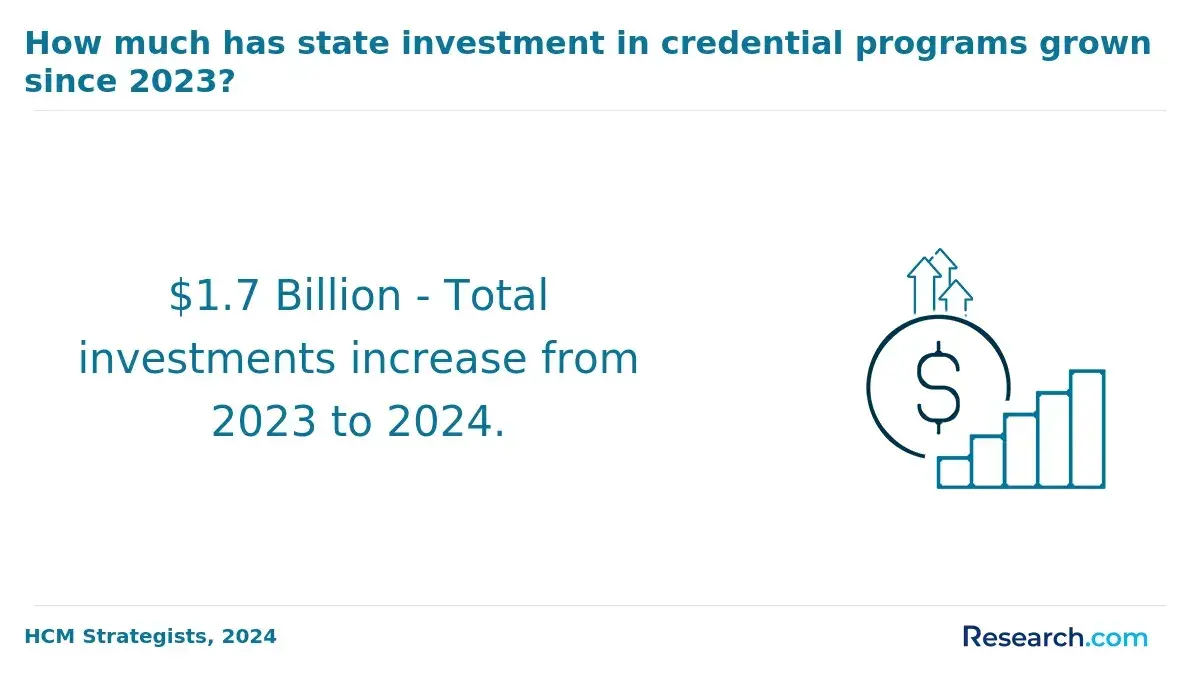
Beyond completing required coursework, licensure for taxation graduates mandates a set number of supervised clinical or field experience hours, which vary widely by state regulations. Most states expect between 1,500 and 2,000 hours of practical work supervised by a licensed professional, usually fulfilled over one to two years.
For example, California and New York demand close to 2,000 hours, focusing on a broad range of taxation-related tasks such as audits, consulting, and compliance work. Conversely, Texas and Florida require about 1,500 hours and tend to allow more flexibility in the kinds of experience that count toward the requirement.
Some states specify that experience must be gained in public accounting firms, while others accept work in private sectors or government roles. Verification processes also differ; certain states call for detailed employer attestations or completion of additional training modules alongside the logged hours.
A recent report shows many states have updated their experience requirements to better reflect current industry standards, emphasizing diverse and comprehensive practical training for taxation degree holders pursuing licensure.
Many state boards require Taxation graduates to complete specific, localized coursework that extends beyond the typical national curriculum. In fact, 68% of tax professionals indicated their state mandates at least three core courses for licensure or certification.
Below are key coursework topics often required and how states vary in their prerequisites.
- Federal Income Tax Fundamentals: This core topic covers essential principles of federal taxation applicable nationwide. States like California and New York typically insist these courses be taken through accredited universities as part of their licensing protocols for Certified Tax Preparers.
- Corporate and Business Taxation: Focused on tax rules affecting corporations and business entities, this subject is critical for advising clients accurately. Some states, such as Texas, allow a blend of formal academic courses and continuing professional education credits from approved providers to fulfill this requirement.
- Estate, Gift, and Trust Taxation: Understanding these complex tax areas is necessary for comprehensive advisory roles. The extent to which this coursework is mandatory varies widely, with some states embedding it within broader licensing exams rather than explicit coursework mandates.
- Tax Research and Ethics: Given the evolving tax laws and ethical considerations, coursework in research methods and professional conduct is often required. This helps practitioners maintain compliance standards and uphold integrity across jurisdictions.
- State and Local Tax: Because taxation at subnational levels differs significantly, many states require specific study of their unique rules. This ensures practitioners can navigate local regulations effectively.
For students exploring options, programs offering flexible paths aligned with state requirements or finance degrees with specialization opportunities may offer advantages in meeting local standards.
The cost of applying for licensure in taxation varies by state, affecting new graduates' access to the profession. These differences influence decisions about where to practice. Below are examples of application fees and what they cover in several key states:
- California:The initial CPA application costs around $150, with an additional $100 fee for tax-specific exam sections. Fees generally include application processing and exam scheduling.
- Texas:Texas charges a $90 application fee, plus approximately $140 for tax portion exams. These expenses cover licensing and testing related to taxation.
- New York:New York's application fee is $200, which includes registration for the CPA exam with tax modules. This fee covers both administrative and examination components.
- Florida:Florida has a $100 CPA licensure fee, while tax specialty exams cost nearly $120 separately. Fees are for both licensing and specialized testing.
- Ohio:Ohio charges $100 for the application, encompassing all testing segments relevant to taxation licensure. This simplifies the payment structure.
For those exploring degree options aligned with taxation careers, programs such as an online human services degree can be valuable for foundational understanding and career flexibility.
Licensure reciprocity or interstate compacts allow professionals licensed in one state to practice in another without obtaining a new license, provided they meet specific standards. In sectors like nursing, these agreements simplify license transfers, but taxation careers lack a dedicated nationwide compact.
This means taxation degree graduates and professionals must navigate varied state rules when seeking licensure outside their home states.
The primary credential linked to taxation careers is the Certified Public Accountant (CPA) license, which offers some reciprocity through the Uniform Accountancy Act. However, this reciprocity only indirectly affects those focused specifically on taxation.
Currently, only 18 states recognize licensure by endorsement for taxation-related credentials, acknowledging out-of-state licenses without requiring a full re-examination. These states compare educational background, examination history, and work experience for equivalency. Additional requirements, such as continuing education or references, may be necessary to prove professional competence.
The absence of a comprehensive interstate compact poses challenges for taxation professionals seeking to maintain licensure across state lines. They must carefully review each state board's criteria to ensure compliance. Given the projected 12% growth in taxation and accounting roles, clarity and uniformity in licensure pathways remain critical for career mobility and legal practice.
Taxation licensure renewal commonly requires completing 20 to 40 hours of approved continuing professional education (CPE) within each renewal cycle, typically lasting two or three years. Renewal fees usually fall between $50 and $150, though some states adjust costs based on experience.
These standard procedures help ensure practitioners stay current with evolving tax laws and ethical practices.
Certain states set themselves apart with distinct rules. California, for instance, mandates 80 CPE hours biennially and charges a higher $200 renewal fee, emphasizing ethics coursework. Texas opts for a triennial renewal interval with a relatively low fee of $55 but enforces steep late penalties, potentially doubling the cost if renewal is delayed beyond 60 days.
Meanwhile, states like New York and Florida include extra professional development demands, such as ethics workshops or tax-specific updates, while Illinois offers a 90-day late renewal grace period paired with modest fees to ease compliance for those facing delays.
When asked about his experience navigating this patchwork of regulations, a taxation professional recently shared his perspective. He acknowledged the difficulty in adapting to each state's nuances, saying, "Renewal feels less like a routine task and more like a complex project every few years."
He noted frustration with managing documentation deadlines amid busy work schedules, especially when moving between states with differing requirements. Still, he emphasized that understanding these variations early on can prevent costly penalties and left him recommending fellow graduates to "invest time upfront to map out renewal demands for wherever they plan to practice."
What Graduates Say About the Licensing Process in the Taxation Industry
- Cade: "Navigating the licensure process in Taxation was initially overwhelming, especially with varying state requirements, but staying organized and focused made all the difference. Earning my certification opened doors to advanced career opportunities and gave me the confidence to specialize in complex tax law. For anyone considering this path, understanding the subtle differences between states early on can save you both time and effort."
- Mohamed: "Reflecting on my journey, the Taxation licensure procedure taught me the value of persistence and adaptability. Each state's exam has its own nuances, so thorough preparation tailored to your region is essential. Holding a certification has not only enhanced my credibility with clients but also deepened my grasp of evolving tax regulations, making my career more fulfilling and sustainable."
- Axel: "The impact of achieving licensure in Taxation cannot be overstated-it established my professional identity and increased my marketability in the field. Prospective students should prepare for the extensive study requirements and the variation in licensure standards, which often reflect regional economic priorities. Embracing these challenges with a strategic mindset truly elevates your expertise and career trajectory."
Other Things You Should Know About Taxation Degrees
In 2027, taxation graduates seeking licensure are typically required to undergo background checks, which often include verifying education credentials, employment history, and any criminal records as per state requirements. The specifics can vary by state, which may set additional criteria.
Several states require an ethics component separate from the main tax exam, including Oregon and California. Oregon’s Registered Tax Preparer license uses the state ethics exam, while California’s CTEC registration requires a 60-hour qualifying course plus an ethics requirement before renewal.
Some states require taxation professionals not only to renew their licenses periodically but also to complete additional continuing education credits specifically focused on ethics or recent tax law changes. This requirement promotes ongoing competency and adherence to evolving standards within the profession.
Yes, holders of taxation licenses are often limited to practicing within the issuing state unless they obtain additional licensing in other jurisdictions. Multi-state practice typically requires meeting each state's separate licensure conditions, as reciprocity agreements are rare for taxation professionals.
- PTIN Requirements by state https://nolimittaxrefunds.com/state-ptin-requirements
- Certified Public Accountant (CPA) Certification Guide https://www.accounting.com/certifications/certified-public-accountant/
- CPA Exam Requirements by State | [Updated for 2026] https://accounting.uworld.com/cpa-review/cpa-exam/state-requirements/
- CPA requirements by state https://www.cfo.com/news/cpa-requirements-by-state-cfo-accounting-updates-changes-150-hour/740328/
- CPA Requirements By State: A Quick & Complete Guide https://300hours.com/cpa-requirements-by-state/
- Certified Public Accountants CE Requirements by State | PDH Academy https://pdhacademy.com/state-requirements/certified-public-accountants-requirements-state/
- Why You Should Consider a Career in Taxation? https://himhaldia.edu.in/blog/why-you-should-consider-a-career-in-taxation
- Certifications in Tax Compliance: Are They Worth Pursuing? https://www.squiresgroup.com/2023/11/22/certifications-in-tax-compliance-are-they-worth-pursuing/
- License Fees, Cancellation and Other Changes | Arizona Department of Revenue https://azdor.gov/transaction-privilege-tax/tpt-license/license-fees-cancellation-and-other-changes
- Which states charge a fee to register for a sales tax permit? - TaxJar https://www.taxjar.com/blog/fee-register-for-a-sales-tax-permit