2027 Cheapest Online Learning Design Doctorate Programs That Pay Well: Tuition, Duration, and Career Outcomes

Co-Founder and Chief Data Scientist
Admissions interest in low-cost online Learning Design doctorates is rising as working educators, instructional designers, and training leaders look for terminal credentials without leaving full-time jobs. NCES data published in 2024 shows average graduate tuition and fees remain much higher at private nonprofit institutions than public universities, making program choice central to ROI. This guide is for master's-prepared professionals comparing tuition, duration, accredited low-cost options, aid, and career payoffs. You will learn how to estimate total cost, avoid hidden fees, reduce out-of-pocket spending, and target high-paying roles such as training and development management.
Key Things About the Cheapest Online Learning Design Doctorate Programs That Pay Well
- Most affordable online Learning Design doctorates are applied Ed.D. or education Ph.D. programs requiring about 54 to 66 credits; at $500 to $750 per credit, base tuition commonly falls near $27,000 to $49,500 before fees.
- Financial aid usually depends less on the online format and more on institutional accreditation, FAFSA eligibility, employer tuition assistance, transfer credits, dissertation costs, and whether the student qualifies for assistantships or education-related grants.
- Career ROI is strongest for graduates moving into leadership: BLS May 2024 data lists training and development managers at a median annual wage of $125,040, a useful benchmark for doctorate holders targeting corporate learning, workforce development, or learning technology leadership.
What is the estimated cost of completing an online doctorate in Learning Design?
The cheapest online doctorate in Learning Design is usually not a standalone "Learning Design" degree. It is more often an Ed.D. in instructional design, learning technologies, educational technology, curriculum and instruction, or learning design and technologies. For a realistic budget, multiply the required credits by the online doctoral tuition rate, then add fees, books, residency travel, dissertation continuation charges, and lost work time if you reduce hours.
As a planning benchmark, NCES data published in 2024 reported average graduate tuition and fees of $12,596 at public institutions and $29,931 at private nonprofit institutions for the 2022-23 academic year. That does not equal the full price of a doctorate, but it shows why public online programs and flat-rate online tuition can materially lower the total cost.
The table below shows practical cost ranges for U.S. students comparing accredited online Learning Design doctorate options. Use it to identify whether a program is truly low-cost or only appears affordable before fees are added.
| Program cost factor | Lower-cost range | Higher-cost range | What it means for your decision |
| Credits required | 54 to 60 credits | 61 to 75 credits | Fewer credits can reduce tuition, but only if the dissertation and residency requirements are also manageable. |
| Online doctoral tuition | $500 to $750 per credit | $800 to $1,300+ per credit | Per-credit tuition is the fastest way to compare programs, especially when schools advertise discounts differently. |
| Estimated base tuition | $27,000 to $49,500 | $50,000 to $97,500+ | Base tuition excludes fees, books, travel, and dissertation continuation charges. |
| Typical added costs | $2,000 to $6,000 | $7,000 to $15,000+ | Online programs can still charge technology, graduation, portfolio, proctoring, or residency fees. |
| Best-fit student | Working professional with employer support or transfer credits | Student seeking a highly specialized private program or prestige-sensitive pathway | Institution type alone does not determine ROI; role outcomes and total net price matter more. |
A low-tuition program makes the most sense if you already have a master's degree in instructional design, education, learning sciences, human performance technology, or a related field and can keep working while enrolled. It may not make sense if your target role only requires a master's degree, if the program has heavy unpaid residency requirements, or if you would need to borrow the full cost without a clear salary-growth path.
How long does it take to complete the cheapest online Learning Design doctorate program?
Most affordable online Learning Design doctorate programs take three to five years for working adults. The fastest students usually enter with a relevant master's degree, transfer approved graduate credits, take courses year-round, and choose an applied dissertation or capstone aligned with their workplace.
Credit load matters more than marketing language. A 54-credit Ed.D. can still take longer than a 60-credit program if dissertation milestones are poorly structured, while a cohort-based program can be faster if it keeps students on a fixed schedule. Students researching 1 year EdD programs online should be especially careful to verify accreditation, transfer-credit limits, dissertation expectations, and whether the timeline applies only to students entering with substantial doctoral-level credits.
The table below compares common timeline models for online Learning Design doctoral students. It helps clarify when an accelerated path is worth the intensity and when a slower plan may produce better ROI.
| Enrollment path | Typical pace | Estimated completion time | Best for | Main risk |
| Full-time accelerated | Two to three courses per term plus dissertation work | 2.5 to 3.5 years | Students with strong employer flexibility, prior research experience, and a ready dissertation topic | Burnout or slower progress if work obligations increase |
| Part-time while working | One to two courses per term | 3.5 to 5 years | Training managers, instructional designers, faculty, and K-12 leaders keeping full-time income | Longer fee exposure and delayed salary payoff |
| Dissertation-delayed | Coursework completed on time, dissertation extended | 5 to 7 years | Students with changing job duties or unclear research access | Extra continuation fees and declining motivation |
| Transfer-credit optimized | Approved graduate credits reduce course load | 2.5 to 4 years | Students with recent specialist, Ed.S., or doctoral coursework | Not all credits transfer, and dissertation credits usually cannot be waived |
Before enrolling, ask the program director for the average time to degree among online students, not just the minimum advertised timeline. Also ask how many students finish the dissertation within one year after coursework, because dissertation delays are one of the most common reasons a cheap doctorate becomes expensive.
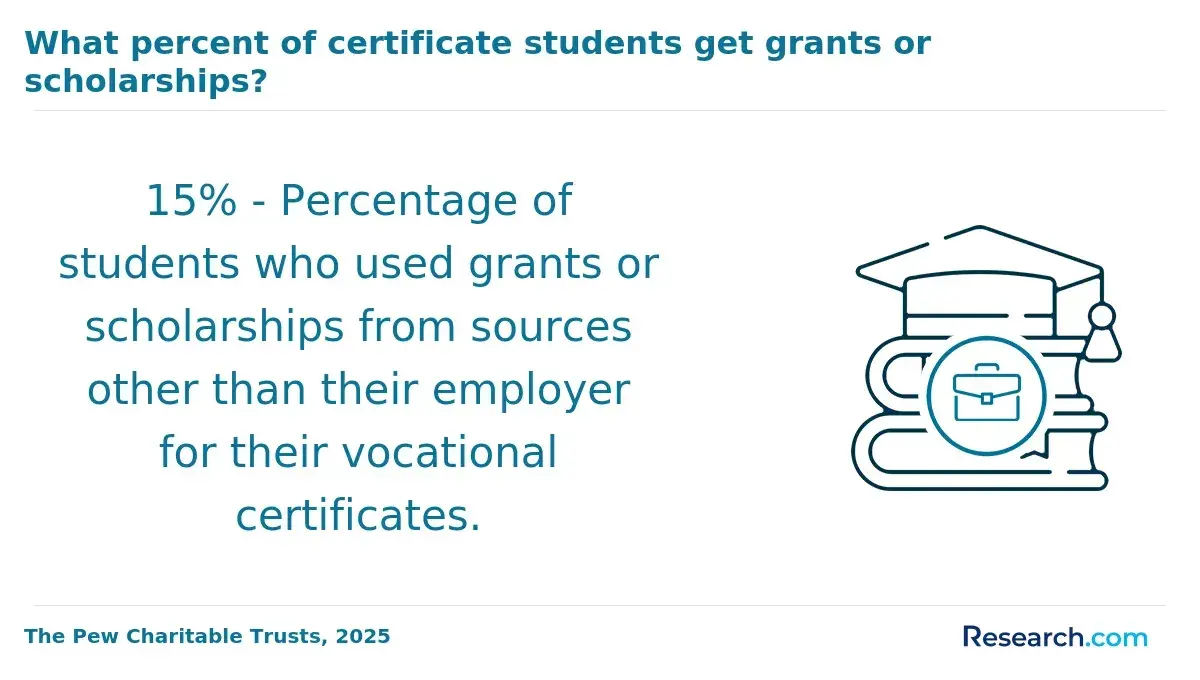
Which accredited universities offer the lowest tuition for an online Learning Design doctorate?
The most budget-friendly options are usually regionally accredited public universities and nonprofit institutions with transparent online tuition. Because tuition changes frequently and doctoral fees vary by residency, the figures below should be treated as planning estimates to verify directly with each university before applying.
For a broader affordability comparison across education doctorates, readers can also review cheapest online EdD programs, then narrow the list to schools offering instructional design, educational technology, learning design, or learning technologies concentrations.
The table below highlights accredited U.S. universities that commonly appear on low-cost shortlists for online doctoral study related to Learning Design. Focus on total net cost, not just the published per-credit rate.
| University | Relevant online doctorate | Institutional accreditation | Common credit range | Why budget-focused students consider it |
| Boise State University | Ed.D. in Educational Technology | NWCCU | About 66 credits | Known for a fully online educational technology doctorate with a clear learning technology focus. |
| Indiana University Online | Ed.D. in Instructional Systems Technology | HLC | About 60 credits | Strong fit for instructional design professionals seeking a research-informed doctoral credential. |
| University of South Carolina | Ed.D. in Educational Practice and Innovation, Learning Design and Technologies | SACSCOC | About 60 credits | Applied doctorate structure can suit working professionals targeting education and training leadership. |
| Old Dominion University | Ph.D. in Education with Instructional Design and Technology emphasis | SACSCOC | Often 60+ credits after the master's | May appeal to students wanting a research doctorate with distance-learning delivery. |
| University of Memphis | Ed.D. in Instructional Design and Technology | SACSCOC | Often around 54 credits | Shorter credit structures can lower base tuition if fees and dissertation costs remain controlled. |
| Liberty University | Ed.D. in Curriculum and Instruction, Instructional Design and Technology | SACSCOC | About 54 credits | Frequently considered by online students because of its flexible scheduling and published online tuition model. |
When comparing universities, confirm institutional accreditation through the school and the U.S. Department of Education-recognized accreditor. Programmatic accreditation is uncommon for Learning Design doctorates, so employer recognition, faculty expertise, dissertation support, and graduate outcomes may matter more than a specialized program seal.
Common selection mistakes include choosing a school only because it has the lowest advertised tuition, ignoring transfer-credit rules, overlooking mandatory residencies, and failing to ask whether the dissertation chair has expertise in learning analytics, instructional systems, online pedagogy, workforce training, or another area tied to your career goal.
What hidden fees should you expect in an online Learning Design doctorate program?
Online doctoral programs can be cheaper than campus programs, but they are rarely fee-free. Hidden costs are especially important in Learning Design doctorates because students often use specialized software, research tools, media production platforms, or virtual collaboration systems during coursework and dissertation work.
Use the following checklist before accepting an offer. These are the costs most likely to change your actual out-of-pocket total after tuition.
- Technology fees: Many online programs charge per-credit or per-term technology fees for learning management systems, online libraries, proctoring, and student platforms.
- Dissertation continuation fees: If you finish coursework but need additional terms to complete the dissertation, you may pay ongoing registration or supervision fees.
- Residency or intensive fees: Some "online" doctorates require campus visits, conference-style residencies, or synchronous intensives that add travel, lodging, meals, and time off work.
- Software and research tools: Budget for survey platforms, transcription, qualitative analysis software, multimedia tools, statistics software, or accessibility testing tools if they are not covered by the university.
- Graduation and administrative fees: Application, graduation, transcript, portfolio assessment, and late registration fees are small individually but can add up over several years.
- Books and digital resources: Learning sciences, research methods, and instructional systems courses may require current editions, standards documents, or subscription-based materials.
The best way to avoid surprises is to request a total cost-of-attendance worksheet for the full program, not one academic year. Ask whether tuition is locked for your cohort, whether fees increase annually, and whether dissertation credits are billed at the same rate as regular courses.
What financial aid options and federal grants are available for online Learning Design doctoral candidates?
Online Learning Design doctoral students at accredited institutions can often use the same federal aid process as campus students, but eligibility depends on the school, enrollment status, program type, and satisfactory academic progress. The FAFSA is the starting point because it determines access to federal loans and may trigger institutional aid review.
Graduate students should understand the difference between aid that reduces cost and aid that simply finances it. The most common options include the following:
- Federal Direct Unsubsidized Loans: Graduate and professional students may be eligible for up to $20,500 per academic year, but interest accrues while enrolled.
- Grad PLUS Loans: These can cover remaining cost of attendance after other aid, subject to credit review, but they can substantially increase total repayment cost.
- TEACH Grants: Some education students may qualify for up to $4,000 per year before federal sequestration adjustments, but the service obligation is strict and not every Learning Design doctorate qualifies.
- Institutional scholarships: Universities may offer doctoral scholarships, alumni discounts, educator discounts, diversity fellowships, or small competitive awards for online students.
- Employer tuition assistance: Corporate learning, higher education, healthcare, military, and K-12 employers may reimburse part of tuition if the degree supports your current role.
- Military and veteran education benefits: Eligible students may use GI Bill benefits, Yellow Ribbon participation, military tuition assistance, or spouse benefits depending on status and school participation.
K-12 professionals comparing education-related graduate pathways should also pay attention to accreditation and employer approval rules; for example, school psychology programs online accredited by NASP illustrate how specialized accreditation can affect recognition in some education fields, even though Learning Design doctorates usually rely on institutional accreditation instead.
Before borrowing, ask the financial aid office whether online doctoral students qualify for the same scholarships as campus students, whether aid is available during dissertation-only terms, and whether dropping below half-time enrollment affects eligibility. The cheapest program is often the one where grants, employer reimbursement, and transfer credits reduce the amount you borrow.
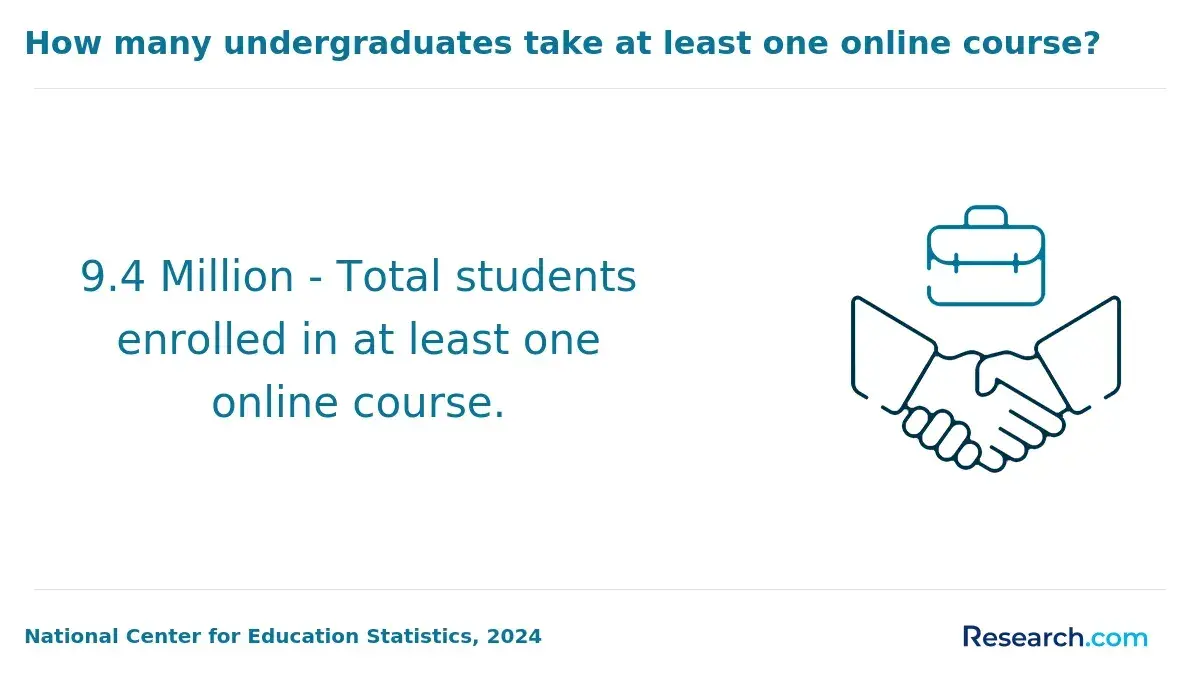
How can fellowships and research stipends offset the cost of an online Learning Design doctorate?
Fellowships and stipends are less common in online applied Ed.D. programs than in full-time campus Ph.D. programs, but they are still worth pursuing. Learning Design doctoral candidates can sometimes receive funding through faculty research projects, grant-funded learning technology labs, teaching assistant roles, curriculum evaluation contracts, or institutional innovation initiatives.
Because online students are often working professionals, the best strategy is to look for flexible funding tied to your expertise rather than only traditional assistantships. The following steps can improve your chances:
- Identify faculty whose research aligns with your background in instructional design, learning analytics, workforce training, educational technology, accessibility, simulation, or online pedagogy.
- Email the program coordinator before applying and ask whether online doctoral students have received assistantships, tuition waivers, research stipends, or paid project work in the past three years.
- Ask whether grant-funded projects need part-time evaluators, course designers, data coders, learning management system specialists, or research assistants who can work remotely.
- Prepare a short skills summary showing tools you can use, such as LMS administration, Articulate, Captivate, accessibility testing, survey design, qualitative coding, or dashboard development.
- Confirm how stipends affect financial aid packaging, taxes, enrollment requirements, and employment restrictions before accepting funding.
Do not assume that a fellowship is unavailable just because a program is online. However, do not build your budget around a stipend unless the university confirms the amount, duration, duties, and renewal conditions in writing.
What is the average starting salary and long-term earnings potential for Learning Design doctorate graduates?
Salary outcomes for Learning Design doctorate graduates are role-driven, not degree-title-driven. A doctorate can strengthen candidacy for leadership, research, faculty, and consulting roles, but it does not automatically raise pay unless it connects to higher-responsibility work.
BLS May 2024 wage data provides useful U.S. benchmarks: training and development managers had a median annual wage of $125,040, while instructional coordinators had a median annual wage of $74,720. For prospective doctoral students, that gap shows why ROI is strongest when the degree supports a move from course design or curriculum support into management, strategy, research leadership, or enterprise learning technology.
The table below summarizes common salary contexts. Use it to decide whether a doctorate is aligned with your target role or whether a lower-cost master's pathway may be enough.
| Career direction | Typical entry point after doctorate | Relevant BLS salary benchmark | ROI interpretation |
| Corporate learning leadership | Learning and development manager, director of instructional design, workforce learning lead | Training and development managers: $125,040 median annual wage in May 2024 | Often one of the strongest ROI paths if the doctorate helps you reach management or director-level work. |
| Education systems leadership | Director of digital learning, curriculum innovation leader, instructional technology administrator | Education administrators vary widely by setting and level | ROI depends heavily on district, state, institution, and administrative pay scales. |
| Higher education faculty or research | Assistant professor, instructional design faculty, learning sciences researcher | Postsecondary teachers: $83,980 median annual wage in May 2024 | Best for candidates prioritizing research, teaching, and academic advancement, not always the fastest salary payoff. |
| Senior consulting | Learning strategy consultant, organizational learning advisor, performance improvement consultant | No single BLS category captures all consulting income | Can pay well, but income depends on client base, specialization, and business development ability. |
If your goal is to become an instructional designer or senior instructional designer without moving into leadership, one of the best online instructional design master's programs may offer a better cost-to-benefit ratio than a doctorate. A doctorate makes more sense when you need credibility for executive leadership, research authority, faculty eligibility, or organization-wide learning strategy.
What high-paying career paths justify the cost of an online doctorate in Learning Design?
The career paths most likely to justify an online Learning Design doctorate combine learning expertise with leadership, analytics, technology strategy, or organizational performance. The degree is rarely required for every role, but it can help differentiate candidates for positions where employers value research literacy, change leadership, and evidence-based learning systems.
Consider the doctorate most seriously if you are targeting one of these higher-ROI paths:
- Director of learning and development: Oversees enterprise training strategy, budgets, vendors, learning platforms, and leadership development programs.
- Chief learning officer or senior learning executive: Aligns workforce capability, reskilling, compliance, and leadership development with business strategy.
- Director of instructional design: Leads design teams, quality standards, accessibility practices, production workflows, and learning evaluation.
- Learning analytics or evaluation leader: Uses data to measure training impact, learner behavior, program effectiveness, and return on learning investment.
- Higher education faculty member: Teaches instructional design, educational technology, learning sciences, or curriculum courses and conducts applied research.
- Independent learning strategy consultant: Advises organizations on performance improvement, digital learning ecosystems, competency frameworks, and change management.
The degree may not be necessary if you prefer hands-on course development, e-learning production, LMS administration, or training facilitation and do not want management or research responsibilities. In those cases, certifications, a strong portfolio, a master's degree, and measurable project results may be more cost-effective.
Which high-paying industries actively recruit professionals with an online doctorate in Learning Design?
Employers hiring Learning Design doctorate holders are usually not recruiting for the degree alone. They are looking for professionals who can solve high-value learning problems: workforce reskilling, compliance training, leadership development, digital transformation, product education, customer education, and measurable performance improvement.
BLS employment projections released for the current 2024-34 cycle show continued demand for training and development managers, with growth projected faster than the average for all occupations. That matters because many doctorate holders pursue roles where learning strategy, talent development, and organizational performance overlap.
The table below shows industries where advanced Learning Design expertise can command stronger compensation when paired with leadership experience.
| Industry | Common roles | Why the doctorate can matter | ROI outlook |
| Technology and software | Learning experience director, product education leader, enablement strategist | Companies need scalable learning for customers, employees, partners, and technical teams. | Strong if you combine learning design with analytics, AI tools, and product knowledge. |
| Healthcare and pharmaceuticals | Clinical education director, compliance learning leader, workforce training strategist | Regulated environments require accurate, trackable, and accessible learning systems. | Strong for candidates with healthcare operations or compliance experience. |
| Finance and insurance | Compliance training director, talent development manager, leadership learning lead | Training quality affects risk, regulatory readiness, and employee performance. | Strong when paired with governance, audit, or risk knowledge. |
| Higher education | Instructional design faculty, online learning administrator, teaching and learning director | Doctoral credentials may be preferred for faculty and senior academic leadership roles. | Moderate to strong depending on institution type, rank, and administrative scope. |
| Government and defense contracting | Training systems lead, curriculum evaluation specialist, human performance consultant | Large-scale training programs often value research methods, evaluation, and systems design. | Strong for candidates with clearance eligibility, military training experience, or federal contracting knowledge. |
| Corporate consulting | Learning strategy consultant, organizational development advisor, performance improvement consultant | A doctorate can increase credibility with executive clients and complex change initiatives. | Variable but potentially high for specialists with a clear niche and client pipeline. |
Industry choice can influence ROI as much as tuition. A $35,000 doctorate may pay back slowly in a low-growth role but much faster if it helps you move into an enterprise learning leadership position with budget authority and measurable business impact.
How quickly can you achieve a positive ROI on an online Learning Design doctorate?
Positive ROI depends on net cost, salary increase, time to completion, debt interest, and whether the doctorate helps you reach a higher-paying role. The safest way to evaluate ROI is to compare your expected net program cost with a conservative annual compensation increase, not the highest salary you hope to reach.
Use this simple approach before applying. It helps you avoid overborrowing and forces a realistic link between the degree and your career plan.
- Calculate total tuition using the required credit count and the online doctoral tuition rate.
- Add mandatory fees, books, software, travel, dissertation continuation, and loan interest if you expect to borrow.
- Subtract confirmed employer reimbursement, scholarships, assistantships, military benefits, and transfer-credit savings.
- Estimate the annual salary increase tied to a realistic next role, not a best-case executive title.
- Divide net cost by the annual increase to estimate payback time in years.
The table below shows how different salary-increase scenarios affect payback. These are examples for planning, not promises of individual outcomes.
| Net doctorate cost after aid | Annual compensation increase | Estimated payback time | Interpretation |
| $30,000 | $10,000 | About 3 years | Reasonable if the role change is likely and debt is limited. |
| $45,000 | $15,000 | About 3 years | Often a strong ROI scenario for a move into management or consulting. |
| $60,000 | $10,000 | About 6 years | May still be worthwhile, but only if long-term advancement is realistic. |
| $80,000 | $8,000 | About 10 years | High risk unless the degree is required for your target role or funded by an employer. |
Common ROI mistakes include assuming a doctorate automatically creates a salary increase, ignoring the cost of extra dissertation terms, borrowing Grad PLUS funds without a repayment plan, and choosing a research Ph.D. when an applied Ed.D. better fits an executive career goal. A good affordability decision balances low tuition, credible accreditation, strong faculty fit, realistic completion time, and a clear path to higher-responsibility work.
Other Things You Should Know About Learning Design
It can be respected if the university is properly accredited, the curriculum is rigorous, and your dissertation or applied project demonstrates relevant expertise. Employers usually care more about institutional credibility, leadership experience, portfolio evidence, and measurable results than whether the coursework was online.
No. Most instructional designer roles do not require a doctorate. A doctorate is better suited for professionals seeking senior leadership, faculty roles, research positions, consulting credibility, or organization-wide learning strategy responsibilities.
Most programs expect a master's degree, graduate transcripts, professional experience, recommendation letters, a statement of purpose, and sometimes a writing sample or interview. Applicants with backgrounds in education, training, instructional design, learning technology, curriculum, psychology, or organizational development are often well aligned.
Choose a Ph.D. if your goal is research, faculty work, or scholarly contribution. Choose an Ed.D. if your goal is leadership, applied problem-solving, program evaluation, or workplace learning innovation. The better choice is the one that fits your career target, budget, and preferred dissertation format.
References
- Is Grad School Worth It? A Comprehensive Return on Investment Analysis - FREOPP https://freopp.org/whitepapers/is-grad-school-worth-it-a-comprehensive-return-on-investment-analysis/
- Is College Worth it? | Return on Investment Analysis of College Degree https://educationdata.org/college-degree-roi
- 2025 Most Affordable Online Doctorates in Education https://www.onlineu.com/most-affordable-colleges/education-doctoral-degrees
- Which Degrees Have the Best Return on Investment Internationally? https://uninewsletter.com/blogs/which-degrees-have-the-best-return-on-investment-internationally/en
- Affordable Online PhD Programs That Fit Life https://expandinghorizonuniversity.com/affordable-online-phd-programs-that-fit-life/
- Top 20 Low-Cost Online Doctorate in Curriculum and Instruction Degrees https://www.greatvaluecolleges.net/rankings/doctorate-curriculum-instruction-online/
- How Long Does a PhD Degree Take https://henryharvin.ae/blog/how-long-does-a-phd-degree-take/
- 19 Best Online Doctorates in Educational Technology https://www.topeducationdegrees.org/rankings/online-doctorate-educational-technology/
- 25 Cheapest Online EdD Programs of 2025 https://www.eddprograms.org/schools/affordable-online-doctor-of-education-programs/
- Online PhD in Instructional Design and Open Learning @EUCLID at EUCLID https://m.euclid.int/programs/online-phd-instructional-design-open-learning/