2027 Can You Get Financial Aid for an Online Human Services Bachelor's Degree?

Co-Founder and Chief Data Scientist
Many prospective students wonder if financial aid is truly accessible for an online human services bachelor's degree, especially when balancing work and family commitments. The perception that online programs cost less does not always guarantee affordability, as tuition fees and out-of-pocket expenses vary widely. Recent data show that average tuition for online human services programs can range from $10,000 to $25,000 annually, placing a significant financial burden on learners. Understanding the types of grants, loans, and scholarships available is crucial before enrollment. This article explores financial aid options to help students reduce costs and plan their educational investment wisely.
Key Benefits of Financial Aid for an Online Human Services Bachelor's Degree
- Financial aid lowers upfront costs, making online human services degrees more affordable for many students who might otherwise postpone or forgo higher education.
- By expanding access to federal grants and scholarships, financial aid opens opportunities for underrepresented and low-income students to enter human services fields.
- Utilizing aid minimizes reliance on private loans, reducing long-term debt and promoting greater financial stability after graduation from online human services programs.
Can You Get Financial Aid for an Online Human Services Bachelor's Degree?
Financial aid is frequently accessible to students enrolled in online human services bachelor's degree programs, provided they meet the usual eligibility criteria. Many accredited schools offering these online degrees participate in federal and state financial aid programs, which means students pursuing such degrees can receive funding comparable to those attending traditional on-campus courses. Data from the National Center for Education Statistics shows that nearly 40% of undergraduates received some form of federal financial aid, a figure that includes students in online programs. This widespread availability indicates that financial support is an integral part of making online education affordable for many. Understanding these opportunities involves considering several important factors that affect eligibility and access.
Key considerations for financial aid options for online human services bachelor's degrees include the student's enrollment status-full-time or part-time-as this can impact the amount and type of aid available. Institutional eligibility is equally important; students must attend schools authorized to disburse student aid to qualify. Additionally, maintaining continuous enrollment in an accredited program plays a crucial role in sustaining financial aid eligibility. Studies suggest that students who verify their institution's participation in federal aid programs and meet basic requirements have a better chance of receiving aid. For prospective students exploring the best college degrees for the future, understanding these foundational eligibility requirements for financial aid in online human services programs is essential for planning a financially manageable education path.
Do Online Human Services Bachelor's Programs Need to Be Accredited for Financial Aid?
Online human services bachelor's programs must be accredited for students to qualify for most financial aid options, including federal grants and loans. More than 90% of students receiving federal financial aid attend accredited institutions, underlining the importance of accreditation in accessing affordable education. Accreditation ensures programs meet quality standards, directly impacting financial aid eligibility.
Several accrediting agencies are widely recognized for accrediting colleges and universities offering online human services bachelor's degrees, which influences students' ability to receive financial aid.
- The Higher Learning Commission (HLC): This regional accreditor covers many colleges in the central United States. It is recognized by both the U.S. Department of Education (USDE) and the Council for Higher Education Accreditation (CHEA). HLC accreditation is essential for institutions to provide federal financial aid to their students.
- The Middle States Commission on Higher Education (MSCHE): Serving primarily the Mid-Atlantic region, MSCHE is also recognized by USDE and CHEA. Its accreditation certifies high educational quality, allowing students to access federal aid programs.
- The New England Commission of Higher Education (NECHE): Accrediting institutions in New England, NECHE's recognition by USDE and CHEA ensures member schools meet rigorous standards that qualify students for financial aid.
- The Southern Association of Colleges and Schools Commission on Colleges (SACSCOC): Covering institutions in the southern U.S., SACSCOC is recognized by USDE and CHEA and confirms eligibility for federal student aid programs.
- The Western Association of Schools and Colleges Senior College and University Commission (WSCUC): Accrediting schools on the West Coast, WSCUC holds USDE and CHEA recognition, certifying compliance with federal financial aid requirements.
Due to accreditation requirements for financial aid in online human services degrees, students should carefully verify their program's accreditation status. This step maximizes financial aid opportunities like Pell Grants and Direct Loans. For those exploring convenient and affordable options beyond human services, this resource on the best online executive MBA programs may provide valuable insights.
Are International Students Eligible for Aid for Online Human Services Bachelor's Degrees?
Access to financial aid is a critical concern for international students pursuing online human services bachelor's degrees in the U.S., as funding significantly influences affordability and enrollment. Although international students represent close to 5% of all U.S. postsecondary enrollments, they frequently face more obstacles obtaining financial support compared to domestic peers. Navigating these challenges involves understanding key restrictions and opportunities.
- Federal Aid Restrictions: U.S. federal financial aid is generally limited to citizens and eligible non-citizens, excluding most international learners from grants, federal loans, and work-study programs. This policy drastically narrows federal funding availability for those studying online human services from abroad.
- Institutional Scholarships: Some universities provide scholarships or grants specifically for international students, but these funds tend to be limited, competitive, and vary by institution. Eligibility often depends on academic performance, financial need, or country of origin.
- Alternative Funding: Funding from private scholarships, lending institutions in students' home countries, or sponsorships from governmental and nonprofit organizations can offer vital financial support. These sources require careful research and usually involve additional application steps.
- Visa and Residency Factors: Eligibility for certain financial aid programs may depend on a student's U.S. residency or visa status, particularly for those transitioning from online to on-campus study, which many international students may not possess.
- Program-Specific Grants: Occasionally, human services-related fields have targeted funding offered by professional associations or nonprofit groups that international students can explore as specialized options.
An international student currently enrolled in a U.S.-based online human services bachelor's program shared that the financial aid search felt overwhelming and uncertain. He explained, "I quickly learned that federal aid wasn't an option, so I focused on scholarships the university advertised." Despite applying early, he described the competitiveness and limited scope of those awards as discouraging. He also mentioned turning to community organizations in his home country to help fund his studies, noting it required persistence and navigating unfamiliar bureaucracies. The experience made him realize that financial planning for international students in online programs is complex and demands proactive effort beyond just applying to school.
Knowing the different types of financial aid can greatly help students reduce the cost of pursuing an online human services bachelor's degree. This knowledge allows for better planning and ensures students can combine aid sources that best align with their financial circumstances.
Several main financial aid categories exist to assist students seeking affordable education options:
- Grants: Typically awarded based on financial need, grants are funds that do not require repayment. Both federal and state aid for online human services degrees often include grants, making them a vital resource for eligible students enrolled in accredited programs.
- Work-Study: This program provides part-time job opportunities, enabling students to earn income while gaining experience linked to human services. It supports students in managing costs without accruing debt.
- Federal Student Loans: Although these require repayment, federal loans usually have lower interest rates and more flexible terms than private loans. They are a common option for funding education when other aid sources fall short.
- Institutional Aid: Colleges often offer their own tailored financial aid packages, which may include a mix of grants, scholarships, and loans specifically designed for their student body.
Students exploring online degrees should consider these options along with research on online universities that are accredited to ensure they maximize available funding efficiently.
Scholarship opportunities play a crucial role in making online human services bachelor's degrees more accessible by helping ease financial burdens. Around 60% of undergraduate students receive scholarships or grants, underscoring the importance of exploring aid options early. Various scholarships specifically support online learners targeting this growing field.
Types of scholarships for online human services programs include:
- Institutional Scholarships: Many universities offer awards directly to students enrolled in their online human services programs. These often cover merit-based achievements or financial need, with equal consideration given to both online and campus students.
- Merit-Based Awards: Scholarships recognizing academic excellence or community involvement encourage students who demonstrate strong performance and dedication to service-related causes.
- Need-Based Assistance: Designed to help students facing financial challenges, these scholarships focus on reducing economic barriers, often requiring proof of income or hardship.
- Program-Level Funding: Professional associations and nonprofit organizations connected to social work and counseling sometimes offer specialized scholarships. These usually prioritize applicants committed to service or from underrepresented groups.
- Eligibility Considerations: While specific criteria vary, many scholarships welcome online students alongside traditional enrollees, broadening access for distance learners.
A professional who built her career after obtaining an online human services bachelor's degree shared that applying for scholarships was both a hopeful and challenging experience. She recalled feeling relief when her efforts paid off but emphasized the importance of persistence due to competitive awards. "Navigating different scholarship criteria required careful attention, but each award brought me closer to achieving my goals," she explained. This perspective reflects the tangible impact scholarships can have for online students committed to making a difference in their communities.
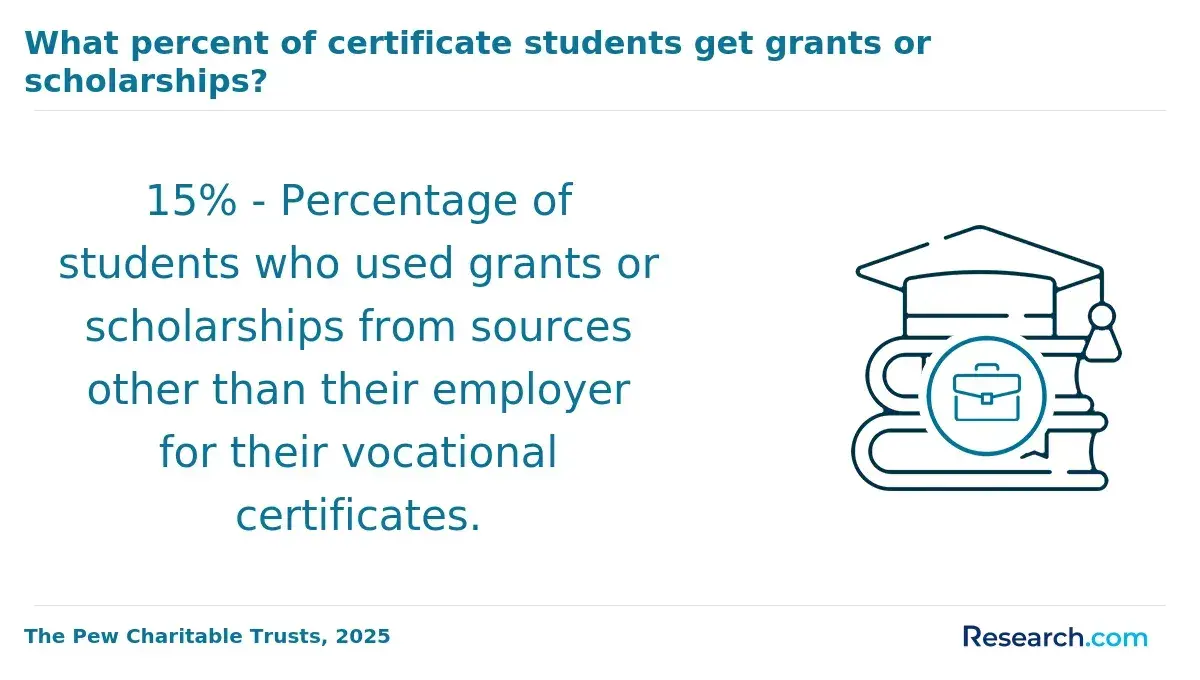
Student loans play a significant role in funding online human services bachelor's degrees, providing many learners with essential financial support. These loans help cover tuition and other education-related expenses, offering access to funds that might not be readily available otherwise. Data from the National Center for Education Statistics reveals that about 40% of undergraduates rely on federal student loans to finance their education, highlighting the critical role loans serve in enabling college attendance. This widespread borrowing reflects the importance of loans for students pursuing higher education, including those enrolled in online programs. For many, loans are a practical solution to manage the costs associated with earning a degree in human services remotely.
When it comes to financing an online human services degree, both federal and private loans are common options with distinct characteristics. Federal loans, backed by the U.S. Department of Education, typically offer fixed interest rates and flexible repayment plans, making them appealing to many online students attending accredited institutions. In contrast, private loans are issued by banks and credit unions, often requiring credit approval and usually carrying higher interest rates and stricter repayment terms. It is important that the online program meets federal financial aid eligibility standards, as not all qualify for loan disbursements. Regardless of loan type, borrowers must be aware of their repayment responsibilities, since managing debt is a vital aspect of funding higher education through loans.
Employer tuition assistance offers significant financial support for working students pursuing online human services bachelor's degrees. Many employers recognize the value of investing in employee education to build skills and enhance job performance. In fact, about 60% of U.S. employers provide some form of education assistance, highlighting its growing role in workforce development.
Key aspects of how employer tuition assistance works include:
- Program Structures: Tuition assistance programs often operate through either direct payment to the educational institution or reimbursement to the employee after course completion. Each employer may choose a different method based on administrative preferences and budgeting.
- Eligibility Requirements: Benefits typically require active employment, satisfactory job performance, and sometimes alignment of the degree with current or future job duties. These criteria ensure the investment supports both employee growth and organizational needs.
- Benefit Limits: Many employers set annual caps or partial coverage limits on tuition assistance. While rarely covering full tuition costs, these programs can substantially reduce out-of-pocket expenses for students.
- Workforce Development: Supporting employees in advancing their education helps employers retain talent, improve skills, and prepare staff for evolving workplace challenges, especially in fields like counseling, social work, and community outreach within human services.
- Employment Policies: Organizations often require employees to remain with the company for a specific period after using benefits, protecting their investment and fostering long-term commitment.
Students interested in leveraging employer tuition assistance should consult their human resources department to understand specific program details and maximize available support for their online human services degrees.
Students pursuing an online human services bachelor's degree often wonder if financial aid can fully cover tuition costs due to rising college expenses and concerns about accumulating debt. A report from the National Center for Education Statistics shows roughly 40% of undergraduates face a gap between their financial aid awards and actual college costs, leaving some expenses uncovered. This highlights the challenges of relying solely on aid to cover full tuition.
Several key factors explain why full tuition coverage is uncommon and how financial aid typically functions for these programs.
- Full Tuition Coverage Uncommon: Financial aid usually supplements educational expenses rather than covers them entirely. Most aid programs are designed to reduce costs partially, making full coverage the exception rather than the rule.
- Multiple Aid Sources: Aid packages for online human services bachelor's students often combine federal grants, state aid, and institutional scholarships to lower expenses. However, these resources rarely add up to the total tuition required.
- Institutional Variability: Tuition rates and aid generosity differ widely among colleges offering online human services programs. Public institutions generally have lower tuition than private ones, influencing both the amount of aid offered and the unmet financial need.
- Partial Support Structure: Financial aid frequently functions as part of a broader funding strategy where students balance awards with personal contributions, loans, or alternative sources to cover full tuition costs.
Students exploring options for affordable online education might also consider other fields, such as a sports degree online, which can offer diverse financial aid opportunities and different cost structures.
Applying for financial aid at the right time plays a vital role when pursuing an online human services bachelor's degree. Financial planning must be coordinated with your school's enrollment cycles because missing deadlines can delay or reduce available aid. Early awareness of financial aid timelines helps students maximize benefits, as some funds are limited and awarded on a first-come, first-served basis. For example, students who submit the FAFSA by March typically access 2.5 times more aid than those who apply later, highlighting the importance of timing in the best time to apply for online financial aid.
Financial aid application deadlines for online degrees vary significantly across institutions, making it essential to research each program's specific deadlines. Since each college or university may have distinct timelines, starting your financial aid process well in advance of your intended enrollment is wise. Early planning not only increases funding options but also provides time to gather documents and resolve questions with financial aid officers. Students seeking online programs should also explore related fields, such as online graphic design schools, to understand differing institutional practices and optimize their financial aid strategies.
Students pursuing an online human services bachelor's degree often wonder about financial aid approval timelines because these influence when they can enroll and how they budget for education expenses. The timing of aid approval plays a critical role in planning since receiving confirmation affects decisions on course registration and financial readiness. On average, after submitting a FAFSA, students may wait 3 to 6 weeks before receiving final financial aid awards, according to the U.S. Department of Education, which impacts their ability to manage tuition costs effectively.
Approval timelines vary significantly due to differences among institutions and the types of aid offered. Factors such as the complexity of each school's aid packaging process, whether the aid is federal, state, or institutional, and administrative workloads affect how quickly approvals are finalized. Some institutions use efficient digital systems to speed up reviews, while others rely on manual processing, leading to longer wait times. Additionally, applications involving multiple aid sources often take more time, as each requires separate assessment.
What Graduates Say About Financial Aid for an Online Human Services Bachelor's Degree
- Eddie: "When I decided to pursue my online human services bachelor's degree, financial aid was absolutely crucial because I was balancing a part-time job and family commitments. I applied for federal grants and scholarships specifically designed for non-traditional students, which really helped lighten my financial burden. Thanks to this support, I was able to focus on my studies and now work confidently in community outreach programs."
- Sage: "Reflecting on my journey through an online human services bachelor's program, I am grateful for the work-study opportunities provided as part of my financial aid package. It gave me practical experience while supporting my tuition payments. This financial aid not only made education attainable but also enriched my professional growth in social work agencies."
- John: "Applying for financial aid was a strategic decision for me to ensure I could complete my online human services bachelor's degree without accumulating significant debt. I utilized a mix of federal loans and institutional scholarships, which made it possible to stay enrolled full-time. This aid directly impacted my career trajectory by allowing me to gain the credentials needed to advance into leadership roles in nonprofit organizations."
Other Things You Should Know About Human Services Degrees
Students enrolled less than full time can still qualify for federal aid, but award amounts usually drop below the full-time level. FAFSA-based grants and loans are prorated by enrollment status, and Pell Grants require at least half-time enrollment at some schools for maximum aid calculation.
Part-time students enrolled in online human services bachelor's degree programs may still qualify for financial aid, but eligibility rules vary by aid type. Federal grants typically require at least half-time enrollment, while some loans and scholarships allow for part-time status. Students should verify their enrollment status requirements with their school's financial aid office to understand how it impacts their aid awards.
Transfer students pursuing an online human services degree should notify their new institution's financial aid office promptly. Some aid packages may change depending on credit transferability and the remaining credit hours needed to graduate. Additionally, meeting SAP (Satisfactory Academic Progress) requirements at the new school remains essential for maintaining financial aid eligibility.
Enrolling in an online human services bachelor's degree in 2027 may limit traditional work-study opportunities, which often require on-campus presence. However, students should explore other financial aid options, including grants and scholarships, while seeking online or local community work-study programs available through their college's resources.
- Getting Your Employer to Pay for Your Online Masters https://www.onlinemastersdegrees.org/financial-aid/employer-tuition-assistance/
- Online Human Services Degrees: Finding the Right Program https://www.edumed.org/online-schools/human-services-degrees/
- Student finance for undergraduates https://www.gov.uk/student-finance/who-qualifies
- Human Services Degree Cost & Tuition Guide - 2026 https://www.humanservicesedu.org/human-services-degree-cost/
- Most Affordable Online Human Services Degrees https://www.affordablecollegesonline.org/degrees/best-online-bachelors-in-human-services-programs/
- Human Services https://www.fastweb.com/directory/scholarships-for-human-services-majors
- How to Get Your Employer to Pay for College With Tuition Assistance Programs https://www.umassglobal.edu/blog-news/get-your-employer-pay-college-tuition-assistance-programs
- Employer Tuition Assistance Programs: How Do They Work? | Edvisors https://www.edvisors.com/plan-for-college/scholarships/employer/tuition-waivers/
- Can I get financial aid for an online degree? | edX https://www.edx.org/resources/can-i-get-financial-aid-for-an-online-degree
- Tuition Assistance – What Students Want and What Institutions Can Do https://www.encoura.org/resources/wake-up-call/tuition-assistance-what-students-want-and-what-institutions-can-do/