2027 Is 40 Too Late to Earn a Human Services Bachelor's Degree?

Co-Founder and Chief Data Scientist
Returning to school at 40 often raises questions about timing and opportunity, especially for those balancing family and evolving career goals. Many adults encounter a career plateau or seek greater fulfillment, prompting a shift toward fields like human services, where demand is growing rapidly. The U.S. Bureau of Labor Statistics projects a 13% employment increase in human services-related roles through 2032, highlighting expanding openings.
Navigating coursework alongside personal responsibilities and leveraging life experience can make the journey challenging yet rewarding. This article explores whether 40 is too late to earn a human services bachelor's degree and examines key factors influencing this important decision.
Key Things to Know About Whether 40 Is Too Late to Earn a Human Services Bachelor's Degree
- Midlife career shifts into human services remain viable, with 28% growth expected through 2030, reflecting strong demand for experienced professionals.
- Modern degree programs offer flexible schedules and online options, accommodating working adults balancing education with life responsibilities.
- Earning a human services degree at 40 enhances personal fulfillment and expands opportunities for leadership roles and higher earning potential over time.
Can You Start a Human Services Bachelor's Degree at 40?
Starting a human services bachelor's degree at 40 is increasingly accessible as higher education adapts to a broader range of learners. Age does not prevent enrollment in undergraduate programs, allowing adult learners pursuing a human services degree later in life to bring valuable perspectives shaped by their life experiences.
Institutions recognize the importance of providing meaningful educational opportunities that respect diverse backgrounds. This inclusivity creates a learning environment where mature students can thrive alongside traditional-aged peers.
Colleges and universities offer structured support tailored to the needs of older students, emphasizing academic advising and inclusive policies that encourage enrollment regardless of age. Dedicated pathways for non-traditional students help navigate coursework and resources designed with adult learners in mind.
Many programs integrate these principles to build communities that foster connection and collaboration. For those interested in interdisciplinary opportunities, a related option to consider is an AI degree, reflecting the evolving landscape of higher education offerings.
What Are the Biggest Challenges of Going Back to College at 40?
Returning to college at 40 can be a rewarding but challenging journey. Studies show that adult learners face unique obstacles in balancing life responsibilities while pursuing their education.
Those considering returning to school for a human services bachelor's degree should be aware of these key challenges to prepare effectively.
- Time Management: Juggling family, work, and study demands requires strong organizational skills. Adult learners often need intentional planning to carve out consistent, focused study periods amid competing priorities.
- Balancing Responsibilities: Many students at this age serve as caregivers for children or aging parents, creating emotional fatigue and limiting flexibility. Establishing a support system through family, friends, or campus resources can alleviate some of these pressures.
- Financial Concerns: Beyond tuition, costs like books, transportation, and potential adjustments in work hours weigh heavily. Exploring scholarships, grants, and financial aid early-such as those available through marriage and family masters programs, can help manage these burdens.
- Adapting to Technology: Returning students may need to update skills with modern digital platforms used for lectures, assignments, and collaboration. Confidence with these tools is critical to keeping pace with coursework.
- Overcoming Self-Doubt: Feeling intimidated by younger peers or doubting academic capabilities is common. Embracing a growth mindset and seeking mentorship or counseling can support motivation and success.
Addressing these challenges head-on can empower adult learners for a positive academic experience when returning to school at 40 or beyond.
Can You Work Full-Time While Earning a Human Services Degree at 40?
Balancing full-time work while pursuing a human services bachelor's degree at 40 is achievable with deliberate effort and organization. Many find that managing professional responsibilities alongside academic work is possible by setting clear priorities and maintaining consistent study routines. This balance reinforces the idea that returning to school later in life is a practical choice rather than a limitation.
Adult learners often benefit from their life experience, which can deepen engagement with coursework and improve time-management skills. Ultimately, working full-time while studying can demonstrate resilience and commitment, qualities that enhance both education and career development.
A professional over 40 currently enrolled in a human services degree shared that "the toughest part is carving out focused study time after a full day at work," but he also finds motivation in applying what he learns directly to his job. He mentioned using weekends strategically and noted, "There are moments of doubt, but talking with classmates and instructors helps keep me on track."
He described the process as challenging yet rewarding, highlighting how his work experience provides valuable context for his classes, making the learning feel more relevant. He concluded, "It's demanding, but knowing that this investment in myself will open doors makes the effort worthwhile."
Flexibility is crucial for adult learners around 40 who want to earn a human services bachelor's degree while managing work, family, and other obligations. Choosing online degree programs that align with a busy lifestyle can ease the challenges of balancing education with everyday demands.
Several flexible human services degree programs for adults cater directly to these needs.
- Online Learning: Fully online human services bachelor's degree options for working professionals provide the freedom to study from anywhere and at any time, eliminating geographic and scheduling barriers.
- Part-Time Enrollment: Enrolling part-time lets students take fewer courses each term, which helps maintain steady progress without overwhelming their personal or work commitments.
- Evening or Weekend Classes: Classes scheduled outside regular work hours allow students to attend in person and interact directly with instructors and classmates while continuing their daytime jobs.
- Self-Paced Study: Programs without rigid deadlines enable learners to complete coursework at their own speed, ideal for managing unpredictable or fluctuating schedules.
Completing a bachelor's degree in human services around age 40 is definitely achievable, though the length of time varies greatly depending on individual situations. Students who engage full-time often finish within about four years, but balancing studies with other life demands can mean a more extended timeline.
Several important factors influence how long it takes to earn the degree:
- Course Load: Taking a full schedule each semester usually leads to faster completion, while part-time enrollment stretches the timeline to accommodate work or family responsibilities.
- Prior Learning Credits: Transfer credits from previous college work or the acknowledgment of relevant professional experience can reduce the total time needed to graduate.
- Personal Commitments: Work, childcare, and other life obligations often affect how many courses students can handle each term, impacting their pace of progress.
- Program Requirements: The number of mandatory courses and electives chosen may alter the duration, depending on how credits accumulate each semester.
One adult learner who returned to school at 40 shared that balancing a full-time job and family was her greatest challenge. She emphasized the importance of determination, saying, "It wasn't easy juggling everything, but breaking down my degree into manageable chunks helped."
Her previous credits from an associate degree shortened the journey, though careful planning and perseverance were essential. She described the experience as rewarding, noting that completing the degree opened doors she thought were previously closed, and encouraged others not to be discouraged by age or busy schedules.
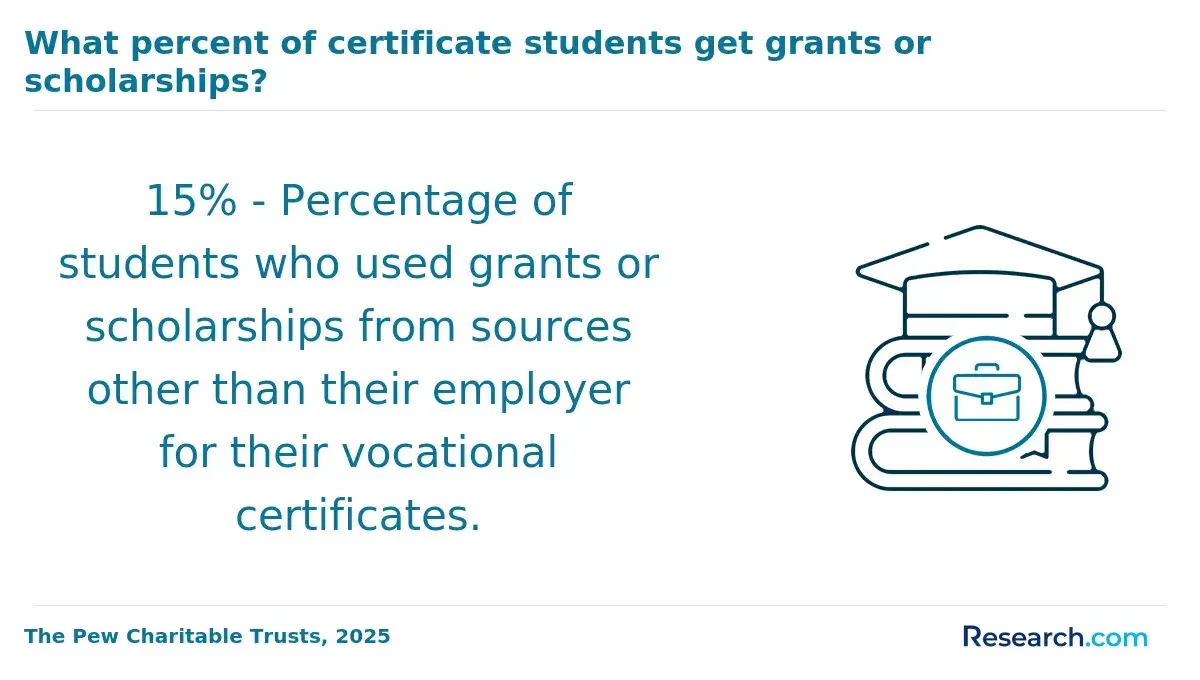
The average cost for earning a human services bachelor's degree in the U.S. ranges widely but typically falls between $25,000 and $75,000 for the full program, depending on the institution type and residency status. Various factors contribute to these expenses, making it essential for adult learners to understand where costs come from when returning to school at 40.
- Tuition Variation: Tuition fees make up the largest portion of the cost and differ based on whether the school is public or private, and if the student qualifies for in-state rates. Online versus campus-based programs can also affect pricing, with adult learners often encountering a broad spectrum of tuition options.
- Learning Materials: Required resources like textbooks, software, and digital content can accumulate substantial costs throughout the degree. While some schools offer rental or digital versions to reduce expenses, materials remain a necessary investment.
- Enrollment Intensity: Choosing between full-time and part-time enrollment influences when tuition payments are made. Full-time students typically pay higher fees each semester but may finish faster, whereas part-time attendance spreads costs over a longer timeframe without reducing total tuition.
- Additional Fees: Beyond tuition and materials, various charges such as registration, technology access, and graduation fees add to the overall financial commitment. These often smaller fees vary by institution but should be factored into budgeting plans.
- Indirect Expenses: Costs related to transportation, childcare, and potential income loss due to reduced work hours can impact affordability. These personal and variable expenses are important considerations for adult learners balancing education with life responsibilities.
Returning to college at 40 to pursue a human services bachelor's degree involves unique challenges that can affect your academic success. Adult learners often face increased demands on their time and energy, alongside adjusting to modern educational settings.
Recognizing these risks helps create realistic expectations for the journey ahead.
Key considerations include:
- Workload Demands: Balancing coursework, assignments, and study time with family, work, and personal responsibilities can be overwhelming. Time management becomes critical to avoid burnout and maintain progress.
- Academic Adjustment: Returning students may need to reacclimate to new technologies, online learning platforms, and updated academic methods. This learning curve can initially slow the pace of study and require patience.
- Social Dynamics: Being older than most classmates might cause feelings of isolation or discomfort in group discussions and projects. Building supportive relationships and adapting to different learning styles are important for engagement.
- Mental and Physical Stamina: Sustaining focus and energy throughout demanding courses requires resilience. Managing stress and motivation is essential to navigate the rigors of an intensive program in human services effectively.
Many adult learners successfully navigate these challenges by developing strong organizational skills and utilizing available institutional resources. Earning a human services bachelor's degree at 40 or beyond remains a realistic and rewarding goal with the right preparation and mindset.
Starting a new career in human services at 40 is entirely achievable with a bachelor's degree in the field. The education gained provides essential skills such as communication, counseling, and case management, which are valuable in roles focused on community outreach, mental health, and social work.
Many adult learners pursuing a career change with a human services degree over 40 find that it strengthens their professional foundation and offers meaningful opportunities to help others. For those interested in broadening their expertise, exploring options like a masters in cryptocurrency shows how education in diverse fields is increasingly accessible to adult learners.
Broader workforce trends demonstrate growing support for mature students pursuing new professional pathways without needing a linear career trajectory. The human services sector reflects this shift by offering roles with flexible entrance points and room for growth, highlighting the value of experience alongside education.
Employers and educational institutions are recognizing the benefits of adult learners, fostering environments where career changes are welcomed and supported. This evolving landscape encourages those over 40 to leverage education toward rewarding, impactful work in human services.
Employers generally recognize the value of human services bachelor's degrees earned at age 40, especially when combined with relevant life and work experience. Many hiring managers appreciate that mature learners bring practical skills and a committed mindset to their professional roles.
According to a 2023 survey by the Lumina Foundation, over 60% of employers agreed that candidates with degrees earned later in life demonstrate strong adaptability and problem-solving abilities.
When considering career prospects with a human services degree for mature graduates, employers focus on several important factors:
- Skill Relevance: Employers look for degrees that reflect current knowledge and competencies applicable to the field. This ensures that the candidate is prepared to handle today's challenges in human services.
- Professional Experience Integration: How effectively a candidate ties their prior life or work experience to academic learning is crucial. This connection often results in enhanced job performance and deeper understanding.
- Continuous Learning: Evidence of ongoing professional development signals dedication to staying updated with industry trends and best practices.
- Adaptability: Returning to school later in life often reflects a candidate's flexibility and capacity to manage change, qualities valued in human services roles.
Employers increasingly understand that adult learners offer a unique combination of formal education and practical insight. A degree earned at 40 can strongly indicate both academic accomplishment and real-world readiness.
Those entering or returning to the field might also explore related degrees, such as an online physics degree, to broaden their interdisciplinary skills and increase job opportunities.
Careful preparation before applying to a human services bachelor's program helps ensure you are academically ready and able to make informed choices. Early planning is especially valuable for adult learners, as nearly 40% report feeling unprepared when starting college, according to the National Center for Education Statistics.
Taking deliberate steps can smooth your application process and improve your chances of success.
Consider the following key areas as you prepare:
- Academic Review: Evaluate your prior coursework and any transferable credits. This can prevent repeating classes and assist in mapping out a clear path to degree completion.
- Program Details: Investigate the specific prerequisites, required courses, and practicum elements of your chosen program. Confirming these requirements early helps align your goals with what the program demands.
- Learning Format: Decide whether in-person, online, or hybrid classes best fit your lifestyle. While online options offer flexibility, they also require strong self-motivation and comfort with technology.
- Documentation Preparation: Collect necessary materials such as transcripts, recommendation letters, and personal statements ahead of time. This preparation reduces last-minute stress and strengthens your application.
What Graduates Say About Earning a Human Services Bachelor's Degree at 40
- Eddie: "Returning to college at 42 felt daunting, but choosing a human services bachelor's degree was a decision driven by my passion for community work. It's never too late to follow your calling, and this degree opened doors I didn't expect, helping me transition into a meaningful career where I can make a tangible difference. The knowledge and confidence I gained have been transformative both professionally and personally."
- Sage: "Going back to school in my mid-40s was about proving to myself that growth has no age limit. I chose human services because I wanted to impact lives beyond the surface level, and the program's blend of theory and practice fit perfectly with my goals. Graduating has not only boosted my career opportunities but also deepened my empathy and understanding, making the journey incredibly rewarding."
- John: "At 47, my motivation to earn a human services bachelor's degree was fueled by a desire to advance within my organization. The decision was strategic-this degree gave me the credentials and skills necessary to take on leadership roles with confidence. It's clear to me now that investing in education later in life is a smart move that pays professional dividends and personal satisfaction."
Other Things You Should Know About Human Services Degrees
Yes, obtaining certifications like Certified Case Manager (CCM) or Mental Health First Aid can enhance job prospects and credibility. These certifications demonstrate discipline-specific expertise and commitment, which employers in human services highly value. Adults over 40 often find these credentials helpful when shifting fields or advancing their careers within the sector.
Most accredited human services bachelor's programs require 120 to 180 supervised fieldwork hours, usually in a nonprofit, agency, or community setting. Some schools require a site supervisor, weekly logs, and a final evaluation before the internship or practicum counts toward graduation.
Many colleges offer academic advising, career counseling, and tutoring specifically tailored for adult learners. Some institutions provide flexible scheduling, online classes, and veteran or military support if applicable. Additionally, older students may access mentorship programs designed to connect them with faculty or professionals experienced in human services to enhance their learning and career development.
- Adult Postsecondary Learners: Reviewing the Data and Evidence https://www.jff.org/idea/adult-learners/
- Human Services Program https://www.lincoln.edu/academics/sace/adult-learner-undergraduate-programs/human-services-program.html
- How to Enter Human Services | Pathways, Credentials & Requirements https://www.humanservicesedu.org/how-to-enter-human-services/
- Mature studying alongside full time employment https://www.thestudentroom.co.uk/showthread.php
- Going Back to School at 40 in [2026]: Here’s What to Expect https://www.neit.edu/blog/going-back-to-school-at-40
- Career Change at 40: Best Paying jobs and Tips to Transition https://www.betterup.com/blog/career-change-at-40
- Third-level courses and mature students https://www.citizensinformation.ie/en/education/third-level-education/applying-to-college/third-level-courses-for-mature-students/
- It's Never Too Late: Why It's Ok to Go Back and Get Your Degree in Your 40s https://www.pointloma.edu/resources/accelerated-undergraduate/its-never-too-late-why-its-ok-go-back-get-your-degree-your-40s