2027 Burn Unit Nurse Workday: Patient Mix, Responsibilities, and Teamwork
Audited and Verified:
Our Editorial and Data Verification Process
Research.com uses government datasets, official education statistics and primary institutional information to support its career and degree guides. Our review process checks factual accuracy, occupational definitions, source dates and the requirements associated with the credentials discussed.
How This Article Was Fact-Checked
Our editorial team verifies salary estimates, employment projections, education requirements and program information against original data providers and official organizations. Salary figures are checked against the relevant occupational definitions and reporting periods. Information about licensure, accreditation and required in-person training is reviewed separately.
Fact-checked and verified on:

Co-Founder and Chief Data Scientist
A burn unit job can combine intensive monitoring, complex wound care, rehabilitation, and unusually close teamwork - all within one shift. For nursing students, new graduates, and RNs considering a specialty change, the challenge is knowing whether the work and its training demands fit their goals.
This guide follows a representative workday, explains who burn nurses care for and how the team divides responsibilities, then puts education, credentials, pay, and advancement in context. It also identifies the questions worth asking before accepting a position.
Key Things You Should Know
- Burn nurses care for patients from initial stabilization through wound treatment and recovery; the mix depends on whether the unit provides intensive care, step-down care, or both.
- The entry credential is an RN license, not a burn-specific degree. Specialty orientation and demonstrated competence are essential before a nurse takes on complex burn assignments independently.
- Burn-nurse pay is not reported as a separate federal occupation. The U.S. Bureau of Labor Statistics reported a $93,600 median annual wage for all registered nurses in May 2024, not a burn-unit starting salary.
What does a burn unit nurse do during a typical workday?
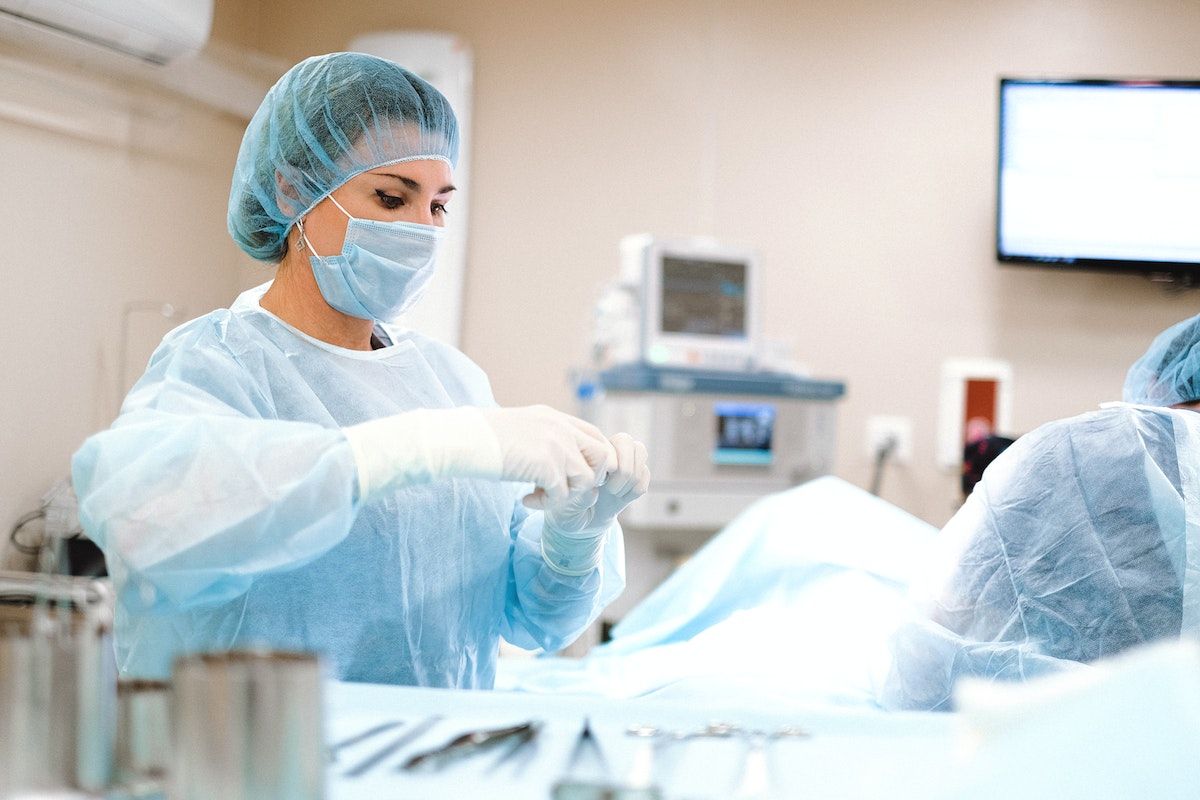
A burn nurse's shift changes with the patient's stage of care. An intensive-care assignment may center on unstable physiology and frequent reassessment; a recovering patient may need extensive wound care, mobility support, teaching, and discharge coordination. Nurses work under patient-specific orders and unit protocols, and they escalate changes rather than treating a sample schedule as a care plan.
A representative shift begins with handoff: the nurse reviews the injury and treatment course, airway or respiratory concerns, current orders, wounds and dressings, planned procedures, pain-control needs, mobility limits, and what changed on the previous shift. Throughout the day, the nurse assesses the patient, administers prescribed treatments, monitors the response, documents care, and updates the team. Dressing changes, preparation for surgery or therapy, family communication, and a thorough handoff can reshape the schedule quickly.
Wound care is only one part of the job. A nurse must also notice changes in comfort, circulation, breathing, infection concerns, or functional ability and communicate them promptly. The scope and pace depend on acuity, staffing, and the unit's protocols. For an RN completing a degree, online RN-to-BSN clinical requirement comparisons can clarify school obligations, but degree coursework does not replace employer-led burn orientation.
What types of patients does a burn unit nurse care for?
The patient mix extends beyond someone with a straightforward skin injury. Burn services may treat thermal, scald, chemical, or electrical injuries, as well as patients with possible inhalation injury. Some centers also care for complex wounds or skin-loss conditions under their service's admission criteria. Injury depth and location, associated trauma, underlying health conditions, and recovery needs all affect the nursing assignment.
A patient may arrive needing intensive monitoring and procedures, remain for wound treatment and graft recovery, then need help with movement, self-care, and follow-up. Adult and pediatric exposure varies by hospital; a burn unit does not necessarily serve both. Ask a prospective employer which patients its nurses actually see, which require transfer, and how often nurses rotate between intensive and step-down assignments.
Follow-up may involve outpatient clinicians, but it should not be confused with preparation for a different role. A guide to family NP clinical placement support addresses supervised advanced-practice education, not the patient exposure an RN receives while employed on a burn unit.
How do burn nurses collaborate with the multidisciplinary care team?
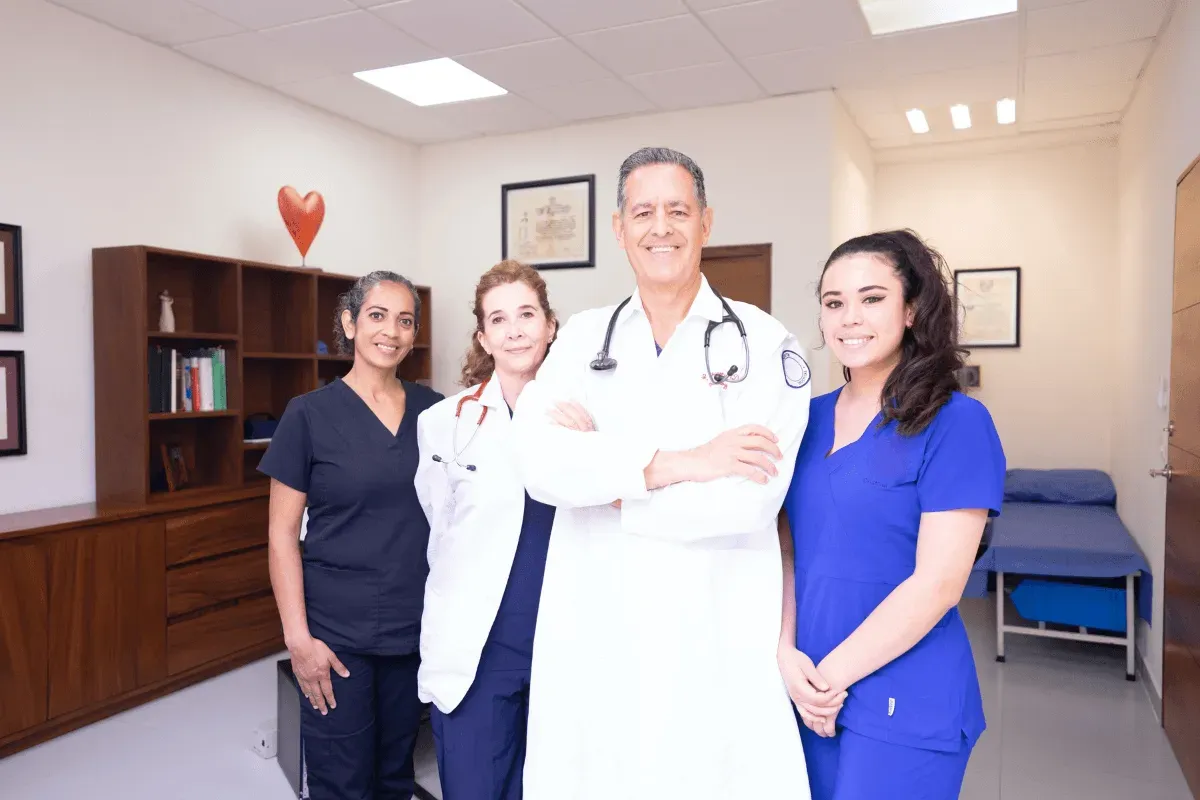
Burn care is coordinated across disciplines because survival, wound healing, function, and emotional recovery are connected. The bedside nurse often has the most continuous view of how a patient tolerates care and carries that information into rounds, procedures, and handoffs.
Surgeons and other treating clinicians determine medical and procedural plans; nurses assess, deliver ordered care, report changes, and help patients understand what comes next. Respiratory therapists may support patients with breathing needs. Pharmacists contribute medication expertise, while occupational and physical therapists address movement and function. Dietitians, social workers, case managers, and mental health professionals help address nutrition, practical barriers, and distress. Each professional works within their own scope, and the exact team differs by hospital.
For example, a nurse who observes that pain or anxiety is preventing participation in therapy can report the pattern so the team can reassess the plan. Nurses interested in providing psychiatric care as advanced practice clinicians would need a separate pathway; planning a faster MSN-PMHNP pathway is not a prerequisite for recognizing distress and coordinating appropriate support on a burn unit.
Burn unit nurses are generally registered nurses. An approved prelicensure associate degree, nursing diploma, or bachelor's degree can lead toward RN eligibility, subject to state board requirements; graduation alone does not grant a license. Employers set their own degree and experience preferences, so a BSN may be preferred for some positions without being a universal legal requirement for burn care.
New graduates should look for a position with a structured transition to practice and a realistic progression to complex assignments. An experienced RN moving from an emergency department, ICU, surgical unit, or another setting may bring transferable assessment and communication skills, but still needs burn-specific onboarding. If you already hold an associate degree and are considering future graduate study, associate-degree RN to MSN options are a separate academic decision - not the usual first step into bedside burn nursing.
An active RN license authorizing practice in the job's jurisdiction is the core credential. Employers may require particular life-support training or other credentials based on patient population and assignment. They also validate skills during orientation; holding a course certificate does not establish readiness to manage every burn patient independently.
Relevant professional development may include burn-focused education and, where the nurse meets the awarding organization's requirements, specialty certification. Check the credential's current eligibility rules, employer expectations, and renewal requirements before paying for an exam. Specialty credentials do not expand an RN's legal scope of practice. Likewise, PMHNP certificate programs by duration concern a distinct advanced-practice route, not a certification required of burn unit RNs.
Choose a program that prepares you for the credential you still need. For someone not yet licensed, that means a prelicensure RN pathway with supervised clinical learning and eligibility reviewed against the relevant state board's requirements. For a working RN, an RN-to-BSN program may support broader academic development, but the decisive preparation for this specialty remains burn-unit orientation and practice with feedback.
The comparison below separates entry to RN practice from academic advancement. Program format, admission rules, clinical arrangements, and employer preferences vary.
| Pathway | Who it serves | Relationship to burn nursing |
| Prelicensure associate degree or diploma | Students seeking initial RN preparation | Can provide an RN entry route, subject to state eligibility and licensure; burn skills are developed further on the job. |
| Prelicensure BSN, including accelerated options | Students seeking initial RN preparation; accelerated options typically serve eligible prior-degree holders | Can meet employers' BSN preferences but does not substitute for specialty orientation. |
| RN-to-BSN | Already-licensed RNs | Advances the degree; it is not an initial RN licensure program or a burn specialty credential. |
A graduate degree is not ordinarily needed for a bedside burn RN role. If advancement goals later justify one, compare the full price and purpose of programs rather than assuming a bridge is automatically cheaper; BSN-to-MSN tuition and fee considerations address that separate choice.
Prelicensure nursing courses build the foundation: assessment, physiology, pharmacology, infection prevention, medication safety, clinical judgment, and communication. Surgical or critical-care clinical experiences can be useful, but students should not assume a school offers a dedicated burn rotation. Classroom work and simulation prepare students to learn safely; supervised performance and employer competency checks establish what they can do in a particular job.
Burn orientation may address wound assessment and documentation, dressing and graft-related care, pain management, monitoring patients with complex injuries, safe movement, patient education, and escalation. The exact progression should reflect patient acuity and the nurse's observed abilities. Ask whether orientation includes a consistent preceptor, exposure to the unit's main patient groups, and a plan for assignments the nurse has not yet managed.
An RN who wants to diagnose and manage patients in an advanced-practice role needs different formal preparation. One-year FNP admission requirements should not be mistaken for burn-RN training requirements, even when an NP and bedside nurse work with the same patient.
There is no standard-length "burn nursing degree." A prelicensure associate pathway commonly takes about two years of nursing study, while a traditional BSN commonly takes about four years; prerequisites, transfer credits, enrollment pace, and clinical scheduling can change the total time. An already-licensed RN does not need to repeat initial nursing education to seek a burn-unit position, but will need the employer's specialty orientation.
Costs depend on the school and the path you actually need. Compare total tuition and required fees with books, equipment, health requirements, travel to clinical sites, licensing expenses, and income reduced by study or a job change. For an employed RN, also ask whether orientation is paid and whether changing units affects shift differentials or benefits. A tuition quote alone will not capture either decision.
If the goal is bedside burn care, adding an NP degree solely to enter the unit is likely an unnecessary expense. Affordable online nurse practitioner programs are relevant only if your intended role genuinely requires advanced-practice preparation and the program meets its separate clinical and regulatory requirements.
There is no dependable nationwide wage figure specifically for burn unit nurses in federal occupational data. The U.S. Bureau of Labor Statistics reported a $93,600 median annual wage for registered nurses in May 2024. That is the midpoint across RN jobs and settings, not a burn-unit offer, a new-graduate wage, or a return guaranteed by a particular degree.
For a useful comparison, ask employers for the base-pay range and how they calculate experience credit, nights, weekends, overtime, and on-call pay. Compare the full schedule and benefits as well as the quoted rate: a higher differential may accompany hours or demands that do not suit you. Advanced-practice earnings are a different comparison; budget-conscious PMHNP study options do not establish what an RN will earn in burn care.
What career outlook and advancement options exist for burn nurses?
The BLS projects 5% employment growth for registered nurses from 2024 to 2034, but that occupation-wide projection does not forecast vacancies at a particular burn center. Specialty openings depend on local hospitals, turnover, and the experience each unit needs. Burn nurses may grow into preceptor, educator, charge nurse, quality-improvement, or management responsibilities when they meet employer requirements.
Before accepting a job, ask how patient assignments change during orientation, who is available when a patient deteriorates, how dressing changes and therapy are coordinated, and what support exists after difficult cases. Those answers reveal more about early-career fit than a job title alone. If a later leadership role calls for graduate education, evaluate its duties first; exploring less competitive DNP admissions is not a substitute for checking whether a DNP is necessary for the position.
Other Things You Should Know About Nursing
No. Shift length, night and weekend coverage, and on-call expectations vary by employer. Ask for the actual schedule and how often nurses stay late for procedures or handoff.
It can be. Dressing care, patient repositioning, mobility support, and long periods on your feet may be part of a shift. Ask what lifting equipment and team assistance are available.
They rely on colleagues, professional boundaries, and available workplace support while maintaining compassionate care. Ask about debriefing and employee support resources rather than assuming every unit offers the same help.
Some hospitals offer approved shadowing or informational conversations, subject to privacy and safety rules. If observation is unavailable, ask a hiring manager to describe a typical assignment and orientation day.
- The pivotal role of nursing personnel in burn care - PMC - NIH https://pmc.ncbi.nlm.nih.gov/articles/PMC3038394/
- Burns | who.int https://www.who.int/news-room/fact-sheets/detail/burns
- COLLABORATION WITHIN THE INTERPROFESSIONAL TEAM | nih.gov https://www.ncbi.nlm.nih.gov/books/NBK610469/
- Assessment and Referral of Burn Patients | wisc.edu https://www.surgery.wisc.edu/2017/10/05/assessment-and-referral-of-burn-patients/
- Management of Acute Procedural Burn Pain | McGovern Medical School https://med.uth.edu/surgery/procedural-burn-pain/
- Our Burn Patients' Daily Life | University of Utah Health https://healthcare.utah.edu/burn-center/services/inpatient/daily-life
- Nursing guidelines: Nursing clinical handover | rch.org.au https://www.rch.org.au/rchcpg/hospital_clinical_guideline_index/Nursing_clinical_handover/
- Burn Care Registered Nurse | ameriburn.org https://www.ameriburn.org/burn-care-team/careers/burn-care-roles/burn-care-registered-nurse
- Burn Types | OSF HealthCare https://www.osfhealthcare.org/hospitals/saint-anthony/programs-services/burn-unit/burn-types