2027 BS in Business Administration Program Choice: A Project Scheduling Analysis as a Capstone Option
Audited and Verified:
Our Editorial and Data Verification Process
Research.com uses government datasets, official education statistics and primary institutional information to support its career and degree guides. Our review process checks factual accuracy, occupational definitions, source dates and the requirements associated with the credentials discussed.
How This Article Was Fact-Checked
Our editorial team verifies salary estimates, employment projections, education requirements and program information against original data providers and official organizations. Salary figures are checked against the relevant occupational definitions and reporting periods. Information about licensure, accreditation and required in-person training is reviewed separately.
Fact-checked and verified on:

Co-Founder and Chief Data Scientist
A project scheduling capstone can turn business coursework into a useful decision tool - or become little more than a polished calendar. For BS in Business Administration students considering operations or project work, the difference lies in how well the analysis handles dependencies, limited resources, uncertainty, and stakeholder decisions. This guide explains how to scope the deliverable, judge whether a program supports it, and assess its value for entry-level roles. It also covers the practical degree, cost, and credential questions to settle before choosing this capstone option.
Key Things You Should Know
- A strong scheduling capstone compares a defensible baseline with possible changes; it does not claim that a proposed schedule produced real-world results.
- Choose this option if you can obtain faculty approval, define credible task and resource assumptions, and explain schedule risks to a decision-maker.
- The U.S. Bureau of Labor Statistics projects 7% employment growth for project management specialists from 2025 to 2035, but a capstone alone does not qualify a graduate for that occupation.
What Is a BS in Business Administration With a Project Scheduling Capstone?
It is a business administration bachelor's degree in which a student uses a final academic project to analyze how work should be sequenced and timed. The degree is the credential; the capstone is a course deliverable, not a separate project management certification or necessarily a formal concentration. Schools may offer other capstone topics or require a prescribed assignment, so confirm that a scheduling analysis is permitted before enrolling or proposing a topic.
The deliverable should serve a specific decision-maker - for example, an operations lead deciding whether a proposed rollout date is feasible. A manageable project might analyze the schedule for a hypothetical store opening or an employer-approved process change. Its purpose is to make timing assumptions visible, not to imply that the student has managed an actual implementation.
A compact capstone structure keeps the analysis testable and gives a reviewer a way to follow each scheduling decision:
- Define the decision, project boundaries, intended audience, and required finish date.
- List activities, estimated durations, dependencies, milestones, and who or what each activity requires.
- Build a baseline schedule and identify the critical path - the dependent tasks that determine the earliest calculated finish under the stated assumptions.
- Test a realistic disruption or resource constraint, then compare feasible responses and their trade-offs.
- Recommend a schedule, record risks and unresolved assumptions, and explain how progress would be updated.
Estimates can come from public information, a clearly labeled classroom scenario, or records the student has permission to use. Employer data, staff availability, and internal deadlines should never be presumed accessible. Students comparing ranked online business bachelor's completion routes should ask whether each program's capstone actually allows this kind of analysis; a faster route is not useful if its required deliverable does not fit the goal.
Is a Project Scheduling Capstone Valuable in Business Administration?
Yes, when it demonstrates a business decision rather than just software use. A schedule is stronger if the student can explain why one activity depends on another, whether the same person is assigned overlapping work, and what happens when a key assumption changes. The critical path calculated from task dependencies may change once scarce staff or equipment are considered.
The best capstone choice depends on the role the student hopes to pursue. This comparison shows where scheduling analysis has distinctive value and where another deliverable may provide better evidence.
| Capstone option | Best evidence for an employer | Main limitation |
| Project scheduling analysis | Sequencing work, testing constraints, and communicating delivery risks | Cannot demonstrate implementation results without an authorized, completed project |
| Operating budget | Estimating costs, explaining assumptions, and comparing financial choices | May say little about task dependencies or staffing conflicts |
| Process improvement analysis | Mapping a workflow and proposing changes to it | Requires credible process evidence to support its recommendations |
Choose scheduling when coordination and timing are central to the target work. If the aim is primarily supervising people or changing organizational behavior, an organizational leadership project may fit better; students weighing that route can compare completion times for organizational leadership degrees while checking the actual capstone requirements. Neither degree title nor project topic substitutes for relevant work experience.
What Careers Can a Business Administration Degree With Scheduling Skills Lead To?
For an early-career graduate, the most plausible starting points are project coordinator, operations coordinator, implementation assistant, or scheduling support roles. Duties may include maintaining task trackers, following up with contributors, preparing status updates, and flagging deadline conflicts. Employers may use different titles for similar work, and some positions require industry knowledge or experience beyond the degree.
Scheduling also matters in procurement, events, construction support, and supply chain operations, but those fields have distinct technical and employer requirements. Someone primarily interested in inventory, transportation, or sourcing may benefit from exploring lower-cost supply chain completion routes rather than assuming a general business capstone provides the same depth.
In applications, describe the work sample precisely: the decision addressed, how durations and dependencies were estimated, what constraint changed the plan, and what recommendation followed. Identify a classroom simulation as a simulation. A graduate who can explain those choices - and pair them with an internship, relevant job tasks, or volunteer coordination - has more concrete evidence than a graduate who lists scheduling software alone.
There is no standard "project scheduling program" within every BS in Business Administration. Most students combine a business core with suitable electives and a capstone if their school permits that topic. Operations management, project management, business analytics, statistics, accounting, and organizational behavior can each contribute: together, they help a student connect task timing to capacity, cost, uncertainty, and stakeholder responsibilities.
Look beyond course titles. A useful project management course should address dependencies and schedule changes; an analytics course should help students examine assumptions rather than merely generate charts. Check prerequisites, elective availability, whether courses count toward an official concentration, and whether the capstone can be taken after the relevant methods courses. An elective cluster is not automatically a concentration.
If the intended work is primarily staffing or employee relations rather than project delivery, compare the curriculum with transfer-friendly human resources bachelor's degrees. That comparison is especially useful for students with prior credits: a course accepted as an elective may not satisfy a required business or HR course.
Either format can support a scheduling capstone. Online study may make it easier to work around employment or caregiving, while campus study may offer more predictable access to classmates and faculty. Neither format guarantees flexibility or stronger project feedback. Group meetings, live presentations, proctored assessments, and fixed capstone checkpoints can affect the time a student must reserve.
Ask each school for a recent capstone syllabus and a sample term schedule. Check whether the project requires a workplace sponsor, a campus visit, particular software, or live meetings; also ask how faculty review drafts and how group responsibilities are assessed. These details are more useful than a general claim that classes are "self-paced." Students using online business degree school rankings in America can use them to identify schools, then verify the scheduling and capstone policies directly.
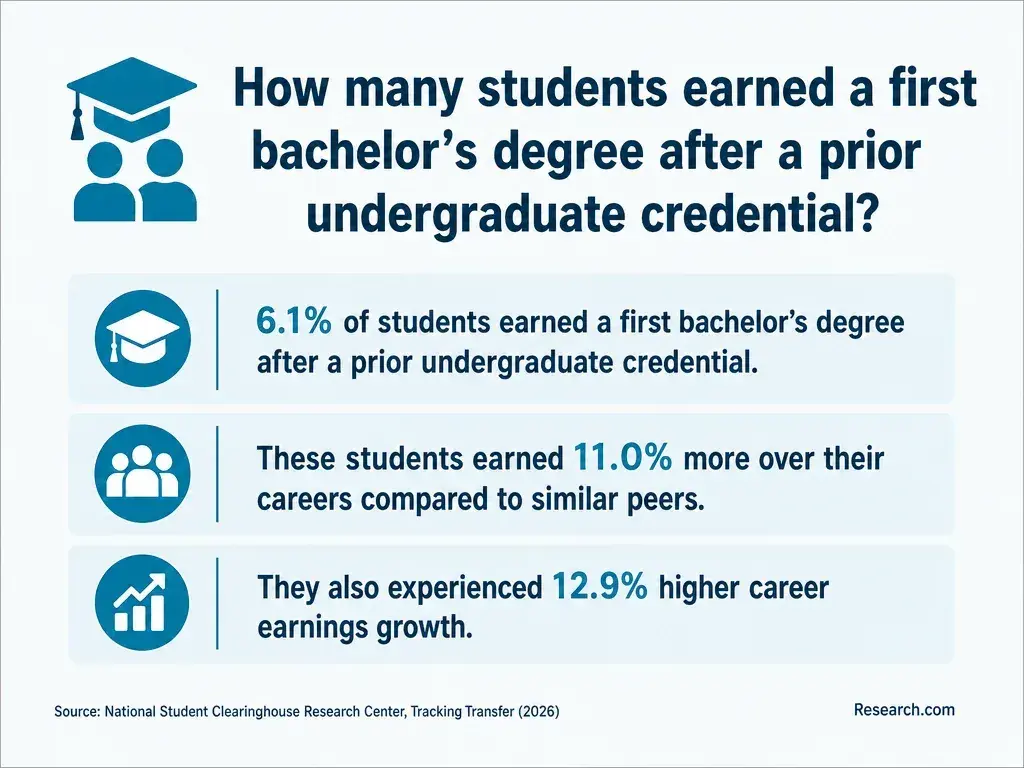
Requirements vary by institution and by entry route. First-year applicants typically need qualifying secondary-school records; transfer applicants generally submit records from previous colleges. A school may admit a student to the institution before admitting them to the business major or allowing enrollment in upper-level courses. Mathematics, statistics, accounting, or other prerequisites may therefore affect the path to the capstone even when they do not prevent initial admission.
Before applying, request the current catalog requirements and ask admissions or a business adviser to distinguish admission conditions from courses that must be completed later. Transfer students should obtain an official evaluation showing where accepted credits apply, not merely a total of credits accepted. Applicants seeking to compare accredited schools with no application charge should still check the total cost and whether the available curriculum supports their proposed capstone.
A bachelor's degree commonly represents about 120 semester credits and takes roughly four years of full-time study from the start. Actual completion time depends on the school's requirements, applicable transfer credits, course sequencing, and enrollment pace. A capstone usually belongs near the end of the program, so an unavailable prerequisite or missed capstone offering can delay graduation even when most credits are complete.
Compare costs using the credits still required for your degree audit, not a school's advertised per-credit rate alone. Include tuition, mandatory fees, books, software, possible travel or proctoring, and the cost of extending enrollment. Ask whether a proposed operations or project management elective adds credits or fits within existing requirements. To establish a starting list, students can compare the least expensive business administration schools, then request an individualized estimate after transfer evaluation and financial-aid review.
Start by confirming the institution's current accreditation with the accreditor and a recognized U.S. Department of Education or Council for Higher Education Accreditation directory. Then check separately whether AACSB, ACBSP, or IACBE accredits the relevant business school or program; institutional accreditation and specialized business accreditation have different scopes. Neither alone proves that a particular capstone option is offered or that graduates obtain specific jobs.
For this decision, quality evidence includes the catalog's capstone rules, faculty feedback arrangements, access to scheduling tools, and examples of permitted project types. Ask who approves a workplace topic and how the school handles confidential information. If federal aid matters, confirm institutional eligibility and the student's own aid position rather than inferring either from an accreditation claim. Lists that compare low-tuition business administration schools accepting FAFSA can narrow the search, but the school's current policies and aid offer govern the individual decision.
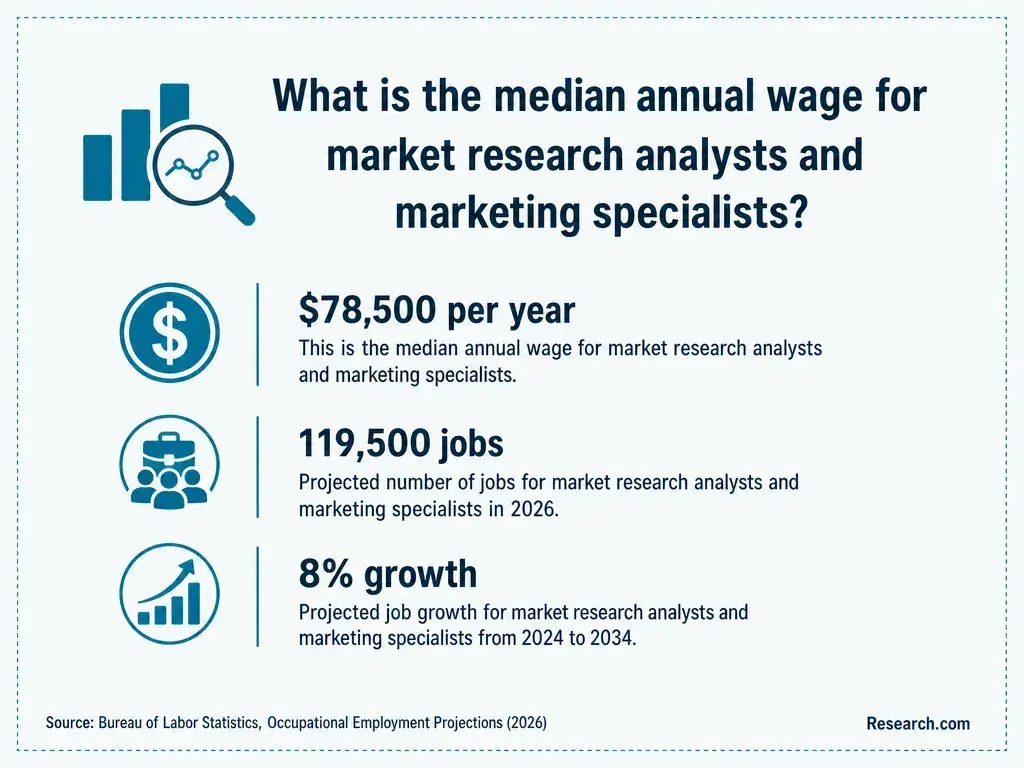
There is no reliable national salary figure for "project scheduling capstone graduates." The closest broad occupation in the U.S. Bureau of Labor Statistics data is project management specialist: its May 2025 median annual wage was $102,320, and employment is projected to grow 7% from 2025 to 2035. That median covers workers across experience levels and industries; it is not an expected starting salary for a new business graduate or project coordinator.
Use local postings to assess realistic entry roles, required software, industry experience, and pay. Then weigh the degree's remaining cost against opportunities available with existing experience or shorter training. Students comparing value-focused online business college choices should treat occupational medians as context, not as projected personal earnings or a return-on-investment promise.
Which Project Management Certifications Complement a Business Administration Degree?
Project Management Institute credentials address different stages of practice. The Certified Associate in Project Management (CAPM) can be worth investigating for someone building foundational knowledge; the Project Management Professional (PMP) is aimed at applicants who meet substantial project-leading experience and education requirements. PMI Scheduling Professional (PMI-SP) is more specialized. Check PMI's current eligibility rules, examination content, fees, and renewal obligations before choosing any of them.
A certification is separate from a BS degree and from a capstone grade. For an early-career student, an approved scheduling project plus documented coordination experience may be a better immediate priority than pursuing a credential they cannot yet qualify for. If the long-term goal requires deeper project management coursework, project management college costs after financial aid provide another comparison point - but first establish whether a second program would add useful skills beyond the business degree.
Other Things You Should Know About Business Administration
Often, yes, if the instructor permits a simulation or public-information case. Label estimated inputs and hypothetical outcomes clearly, and confirm the permitted project type before committing to a topic.
Usually, subject to school and project rules. Remove confidential or personal information, check ownership and employer permissions, and identify which parts are your own analysis.
Only if the underlying tasks, dependencies, resource assumptions, and revisions are sound. A clear spreadsheet with explained decisions can be more persuasive than a complex chart built on unsupported estimates.
Record where each estimate came from, identify the most consequential uncertainties, and test how reasonable changes affect the proposed finish. Do not present an estimated date as a commitment from an organization.
- Effective Strategies in Monitoring, Control, Commissioning, and Handover | Springer Nature Link https://link.springer.com/rwe/10.1007/978-981-96-7631-6_24
- BS in Business Administration | Project Management | Military Affairs https://www.liberty.edu/online/business/bachelors/business-administration/project-management/
- 10.4 Risk Assessment - Project Management | MSL Academic Endeavors https://pressbooks.ulib.csuohio.edu/project-management-navigating-the-complexity/chapter/10-4-risk-assessment/
- What Is a Capstone Project? | National University https://www.nu.edu/blog/what-is-a-capstone-project/
- Rethinking Schedule Quality Risk Assessment | harrisburgu.edu https://digitalcommons.harrisburgu.edu/cgi/viewcontent.cgi
- Capstone Experiences | Assessment and Curriculum Development Office https://manoa.hawaii.edu/assessmenttest/resources/how-to/capstone-experiences/
- What Is a Capstone Project? - Boston University Questrom https://www.bu.edu/questrom/blog/what-is-a-capstone-project/
- Supervision and Management-Project Management BAS | smartcatalogiq.com https://palmbeachstate.smartcatalogiq.com/en/current/catalog/degrees-and-certificates/bachelor-s-degrees-and-certificate/bachelor-of-applied-science-bas/supervision-and-management-project-management-bas