2027 Can a BS in Business Administration Prepare You for a Insurance Underwriter Role? Skills and Entry Requirements
Audited and Verified:
Our Editorial and Data Verification Process
Research.com uses government datasets, official education statistics and primary institutional information to support its career and degree guides. Our review process checks factual accuracy, occupational definitions, source dates and the requirements associated with the credentials discussed.
How This Article Was Fact-Checked
Our editorial team verifies salary estimates, employment projections, education requirements and program information against original data providers and official organizations. Salary figures are checked against the relevant occupational definitions and reporting periods. Information about licensure, accreditation and required in-person training is reviewed separately.
Fact-checked and verified on:

Co-Founder and Chief Data Scientist
If you want to become an insurance underwriter, a BS in Business Administration can give you a foundation - but employers also need evidence that you can evaluate risk and make defensible coverage decisions. That distinction matters as underwriting software handles more routine applications. This guide is for prospective students, current business majors, and career changers. It explains which courses and experiences matter, what entry-level employers may expect, and when a different education or training route could be more direct.
Key Things You Should Know
- A BS in Business Administration can meet the typical bachelor's-degree expectation for insurance underwriting, but it does not replace insurer training or experience with a particular insurance product.
- Prioritize statistics, accounting, finance, and clear written analysis; an underwriting internship or related insurance role can provide stronger hiring evidence than a general business concentration alone.
- A conventional full-time bachelor's path takes about four years, while transfer credits and enrollment pace can change the timeline. Compare your remaining cost with shorter routes into insurance before enrolling.
Can a BS in Business Administration Prepare You for Insurance Underwriting?
An insurance underwriter reviews an applicant's risk, applies an insurer's guidelines, and helps decide whether coverage should be offered and on what terms. A business administration degree can support the financial analysis, data interpretation, and commercial judgment involved. It is a foundation, not an underwriting qualification by itself.
The strongest route depends on your starting point. A student with little insurance experience can pair the degree with an underwriting internship, an insurer's trainee program, or work supporting policy review.
Someone already employed by an insurer may benefit more from completing a bachelor's degree while seeking supervised underwriting assignments. Ask employers which products - such as commercial property, life, or health insurance - their entry roles cover; the knowledge is not interchangeable.
If your actual goal is supervising teams rather than assessing insurance risk, compare that goal with online organizational leadership programs for quicker graduation. Neither degree substitutes for the experience employers generally expect before assigning managerial responsibility.
What Education and Entry Requirements Do Insurance Underwriters Need?
The U.S. Bureau of Labor Statistics identifies a bachelor's degree as the typical entry-level education for insurance underwriters. Employers may accept business, finance, mathematics, or another relevant field. They commonly teach new hires their products, underwriting rules, and software on the job. A degree requirement is distinct from an employer's preference for insurance experience.
Read vacancies for the specific line of insurance and level you want. "Underwriter trainee" and "underwriting assistant" can be accessible starting points; an experienced commercial underwriter posting may require authority to assess complex accounts that a new graduate has not yet earned.
Customer service, claims, brokerage, or insurance operations work can help a career changer demonstrate familiarity with policies and clients, but it does not automatically count as underwriting experience.
Before committing to a degree, ask local insurers whether they recruit trainees and what education they require. If you are choosing between insurance and a people-focused business career, HR bachelor's programs with flexible transfer pathways address a different target role; compare actual vacancies rather than assuming either program leads to the same work.
What Skills Do Insurance Underwriters Need to Succeed?
Underwriters need to turn incomplete application information into a decision that follows company rules and can be explained to an agent or colleague. That requires quantitative judgment, attention to detail, professional communication, and the willingness to refer unusual risks for further review rather than treating a software recommendation as final.
For example, a commercial application may require an underwriter to interpret financial statements, identify missing details about operations, compare a risk with underwriting guidelines, and document why additional information is needed. Spreadsheet skills help, but sound judgment also means recognizing what the available data cannot establish. Handling applicant information responsibly is part of the job.
If you are more interested in employee relations than risk selection, understanding human resources degree levels may help you evaluate that separate career path. Strong communication matters in both fields, but the technical decisions differ.
Look beyond the degree title to the required courses and available electives. Statistics and business analytics help you interpret patterns and uncertainty; financial and managerial accounting help you read business records; finance supports evaluation of financial exposure. Business law, information systems, and professional writing can also be useful, depending on the insurance line.
Ask whether the program offers insurance or risk-management coursework and whether it counts toward the degree. A finance concentration may add depth, but its name alone does not prove preparation for underwriting. An applied assignment that uses public or properly authorized information to assess a hypothetical risk can give you a work sample; label it as academic work, not an actual insurer decision.
Sector fit matters. If you would rather analyze purchasing, transportation, or inventory risk than insurance applications, supply chain bachelor's programs with compressed schedules represent a different specialization. Choose the coursework that matches the decisions you want to make at work.
An insurance underwriting job does not generally require the producer license used to sell insurance. Requirements can change if a role includes activities regulated by a state, so confirm the actual duties with the employer and the relevant state insurance regulator. Do not assume a business degree grants a license.
Professional designations may help after entry, particularly when an employer supports study tied to its insurance products. They are separate from the BS and are not a universal prerequisite for trainee roles. Ask prospective employers which designations they value, whether they provide study time or reimbursement, and when candidates normally begin them.
Keep credentials tied to the occupation. If you are weighing a broader switch into project work, project management tuition fees and financial aid are relevant to that separate education decision - not to underwriting licensure or certification.
A full-time bachelor's degree commonly takes about four years from the start of undergraduate study. Transfer credit, part-time enrollment, course sequencing, and a school's residency rules can substantially change an individual completion plan. A college must determine not just which credits it accepts, but which degree requirements those credits satisfy.
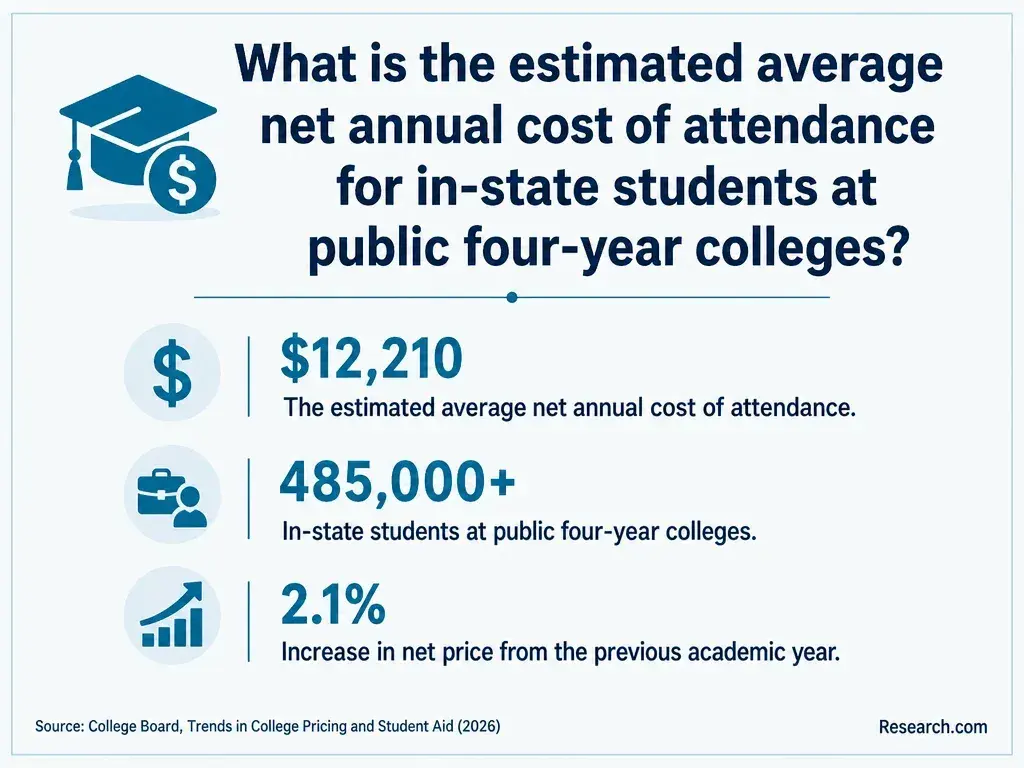
There is no reliable single price for a BS in Business Administration. Compare the cost of the courses you still need, required fees, books or software, and any reduction in work hours. Then compare that total with a direct trainee route if you already meet employers' education requirements. Request an official degree audit and a financial-aid estimate before treating an advertised tuition rate as your total cost.
If online study is financially attractive, FAFSA-eligible online business administration colleges can be a starting point for comparing schools. Eligibility to file the FAFSA does not establish that you will receive a particular award.
They can be, provided the program is appropriately accredited and gives you access to the quantitative courses and career preparation you need. Employers will evaluate your qualifications and experience, not just whether classes met on campus. Online delivery can be especially useful if you already work in insurance and can pursue relevant assignments alongside study.
Check the actual schedule before enrolling: required live sessions, group projects, exam arrangements, internship rules, and the availability of upper-level courses can limit flexibility. Ask career services whether it supports remote students seeking insurance internships or trainee roles. Explore business administration colleges for working professionals, then verify each program's current policies directly.
Requirements vary by school and by whether you apply as a first-year student, transfer student, or returning student. Programs generally review prior academic records; some also set mathematics prerequisites or separate requirements for entry into the business major. Admission to the university does not necessarily mean immediate admission to every business course.
If you have previous college work, send official transcripts and request a written evaluation showing how credits apply to general education, the business core, electives, and residency requirements.
Ask an adviser whether statistics or accounting courses must be taken in a particular sequence. If speed matters, compare ranked accelerated undergraduate business schools against your own credit evaluation and the terms in which required courses are offered - not their advertised minimum completion time alone.
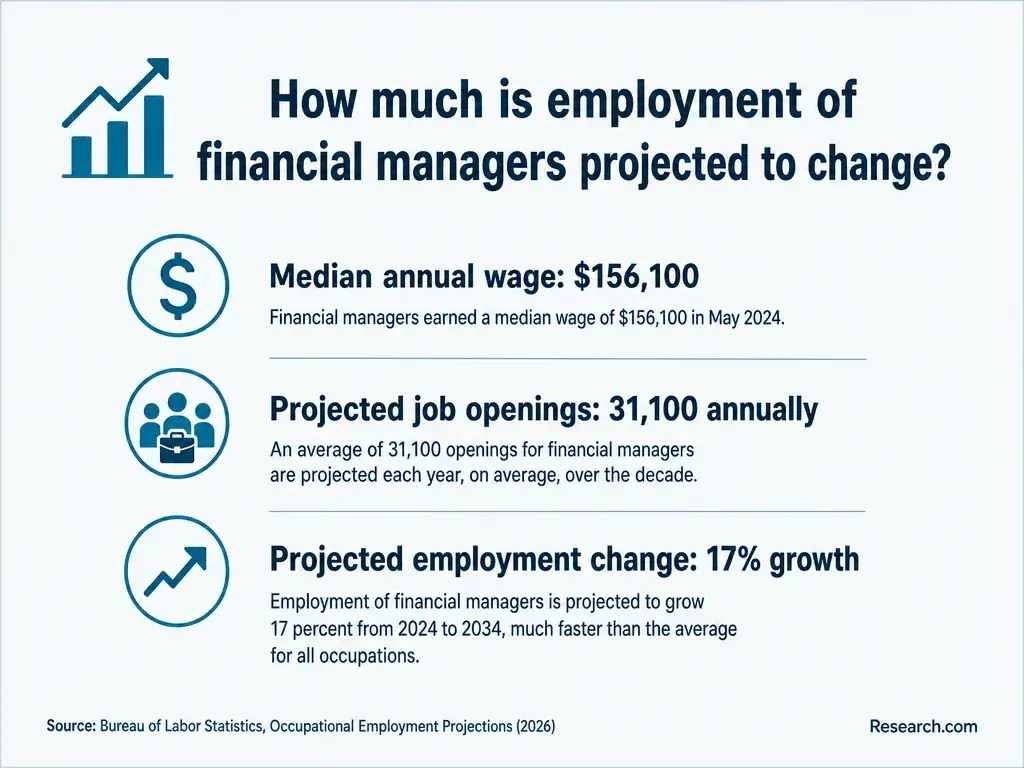
Pay depends on the insurance line, employer, location, experience, and level of decision-making authority. The Bureau of Labor Statistics publishes a national median for the insurance underwriters occupation, but that occupation-wide figure includes experienced workers. It should not be treated as the expected starting salary for a new business administration graduate.
For a useful personal estimate, compare current trainee and assistant postings in your target market with experienced-underwriter postings, noting whether compensation includes bonuses.
Check the wage reference year when consulting BLS data, and compare offers with your remaining education cost rather than assuming a degree will produce a particular raise. If you are comparing entirely different business careers, compare nationally ranked online business programs by relevant coursework and total cost as well as career support; a ranking is not earnings evidence.
What Is the Job Outlook for Insurance Underwriters?
Underwriting remains a necessary insurance function, but software can process some routine information and applications. That makes it particularly important to prepare for work involving exceptions, incomplete records, complex risks, and communication with agents or other specialists. National employment projections describe an occupation overall; they cannot tell you how many trainee openings a particular insurer will offer.
Check the latest BLS insurance-underwriter projection alongside current local postings before choosing a program. Look for trainee pipelines and the insurance lines hiring in your area, then ask whether a school has relevant employer connections.
If your interest is actually coordinating work across industries rather than making coverage decisions, project management degrees with prior-credit pathways offer a different degree-completion option. They should be judged against project-role requirements, not underwriting projections.
Other Things You Should Know About Business Administration
Neither is universally better. Finance may offer more financial-analysis depth; business administration may offer broader preparation. Compare required courses, insurance electives, and access to relevant experience.
Yes, that can be a route when an employer offers training and advancement. Ask which skills and performance standards it uses for promotion; the assistant title alone does not establish eligibility.
Yes, if it demonstrates your reasoning and uses information you are allowed to share. Identify it as a classroom exercise, explain its assumptions, and remove confidential or personal information.
Ask which insurance line you would learn, how decisions are supervised, what software and guidelines trainees use, and how the employer assesses readiness for greater responsibility.
- Becoming an insurance underwriter | Salary, skills, requirements | Prospects.ac.uk https://www.prospects.ac.uk/job-profiles/insurance-underwriter/
- Insurance Underwriter - College of Science | Innovative Learning https://www.purdue.edu/science/careers/what_can_i_do_with_a_major/Career%20Pages/insurance_underwriter.html
- Licensure Certification And Compliance Basics For Insurance Sales Underwriting - Guide | Graduate America https://ga.edu/finance/guide/licensure-certification-and-compliance-basics-for-insurance-sales-underwriting
- What Is an Underwriter? Career Guide & Outlook | American College of Education https://ace.edu/student-success/career-guides/underwriter/
- What is Insurance Underwriting? | insurancetrainingcenter.com https://insurancetrainingcenter.com/resource/what-is-insurance-underwriting/
- What interviewers look for in an insurance underwriter | indeed.com https://sg.indeed.com/career-advice/interviewing/insurance-underwriter-interview-questions
- What Students Need to Know About the Skills-Based Hiring Process | NACE https://www.naceweb.org/job-market/trends-and-predictions/what-students-need-to-know-about-the-skills-based-hiring-process
- Insurance Underwriters - Preparation https://apps.illinoisworknet.com/cis/clusters/OccupationDetails/100108
- What Does an Insurance Underwriter Do? | alllinestraining.com https://alllinestraining.com/the-role-of-an-insurance-underwriter/
- Underwriting & Actuarial Careers | State Farm Careers https://jobs.statefarm.com/underwriting-actuarial-careers