2027 Best Value Online Space Studies Degree Programs: Affordable Accredited Options with the Strongest ROI

Co-Founder and Chief Data Scientist
Rising tuition costs and shifting employer expectations create significant hurdles for budget-conscious learners exploring online space studies degree programs. Many working professionals, parents, and military-affiliated students seek affordable options that are fully accredited and flexible enough to fit demanding schedules.
Yet, hidden fees, varying transfer credit policies, and inconsistent student support can obscure the true total cost and value. With 65% of graduates in related STEM fields reporting salary increases within two years, understanding factors like graduation timelines, financial aid, and post-degree career outcomes is critical for optimizing return on investment.
This article guides readers through comparing the strongest ROI space studies programs-highlighting affordability, accreditation, flexibility, and career advancement potential to support informed, strategic decisions.
Key Things to Know About the Best Value Online Space Studies Degree Programs
- Best-value online space studies degrees merge competitive tuition, financial aid, transfer credits, and flexible formats to lower overall education expenses effectively.
- Accreditation, graduation rates, student support, pacing, and career outcomes are critical for evaluating true educational value and return on investment.
- Careful review of hidden fees, residency requirements, credit transfer policies, salary potential, and employer recognition ensures career advancement and financial stability.
What Are the Best Value Online Space Studies Degree Programs?
Increasing numbers of working adults and career-focused learners seek best value online space studies degree programs that blend affordability with accredited quality and flexible learning formats. With average student debt exceeding $30,000 and demand for aerospace professionals rising, programs offering strong return on investment are vital for budget-conscious students. Below are key categories of affordable accredited online space studies degrees that deliver measurable career outcomes.
- Public Regional Universities: These institutions often provide the lowest tuition rates for in-state learners while maintaining solid regional accreditation. Their online infrastructures support flexible pacing and generous transfer credit policies, helping students reduce costs and expedite degree completion.
- Competency-Based Programs: Designed to accommodate working adults, competency-based education models emphasize mastery of skills over traditional credit hours. This approach reduces tuition expenses and offers scheduling flexibility for remote learners balancing work and study.
- Transfer-Friendly Colleges: Schools with formal articulation agreements streamline credit transfers from community colleges or accredited programs. This minimizes redundant coursework and shortens the time and money needed to earn a degree in space studies.
- Career-Aligned Curricula: Programs focused on workforce demands integrate current aerospace industry skills, boosting graduates' earning potential. These degree paths typically feature higher tuition-to-earnings ratios, reflecting stronger return on educational investment.
- Hybrid and Expanded Online: Providers growing online capacity combined with tech support and advising services help improve retention rates. Such backing ensures affordability by enhancing timely graduation and reducing extra expenses.
For those exploring options, considering affordability alongside accreditation and flexibility remains critical when pursuing affordable accredited online space studies degrees with highest return on investment. Learners interested in accelerated pathways may also consult the shortest EdD program online as a model of fast-track degree completion strategies.
How Do You Choose an Affordable Accredited Online Space Studies Degree?
Balancing affordability, accreditation, flexibility, and long-term ROI is crucial for students comparing online space studies degree programs-especially since average student loan debt surpassed $30,000 in recent years.
Budget-conscious learners, working professionals, and career-focused adult students must weigh multiple factors to ensure their investment yields recognized credentials and career growth. The following considerations highlight key aspects when selecting the best online space studies programs for working adults.
- Accreditation Quality: Regional accreditation remains the gold standard, guaranteeing academic credibility and eligibility for federal financial aid. Programs lacking recognized accreditation often limit credit transferability and employer acceptance, undermining degree value.
- Tuition Transparency: Clear, published tuition rates and fees help students forecast total costs and avoid unexpected expenses. Public institutions may offer lower tuition to in-state learners, while nonprofit online programs sometimes maintain uniform pricing regardless of residency, impacting affordability.
- Transfer-Friendly Policies: Colleges that accept prior credits reduce redundant coursework and shorten degree completion times-cutting both costs and time-to-graduation. Adult learners should seek these flexible credit evaluation processes to maximize ROI.
- Flexible Online Access: Programs offering asynchronous classes, competency-based learning, or accelerated pacing accommodate working adults' schedules. This flexibility supports persistence and timely graduation, further reducing tuition outlays.
- Student Support Services: Robust advising, technical help, and career counseling improve retention and graduation rates, which correlate strongly with program quality and real-world outcomes.
Those looking for a swift credential might also explore options like an associate degree in 6 months online free to build foundational knowledge before advancing to a bachelor's in space studies.
Which Online Space Studies Degree Programs Offer the Highest ROI?
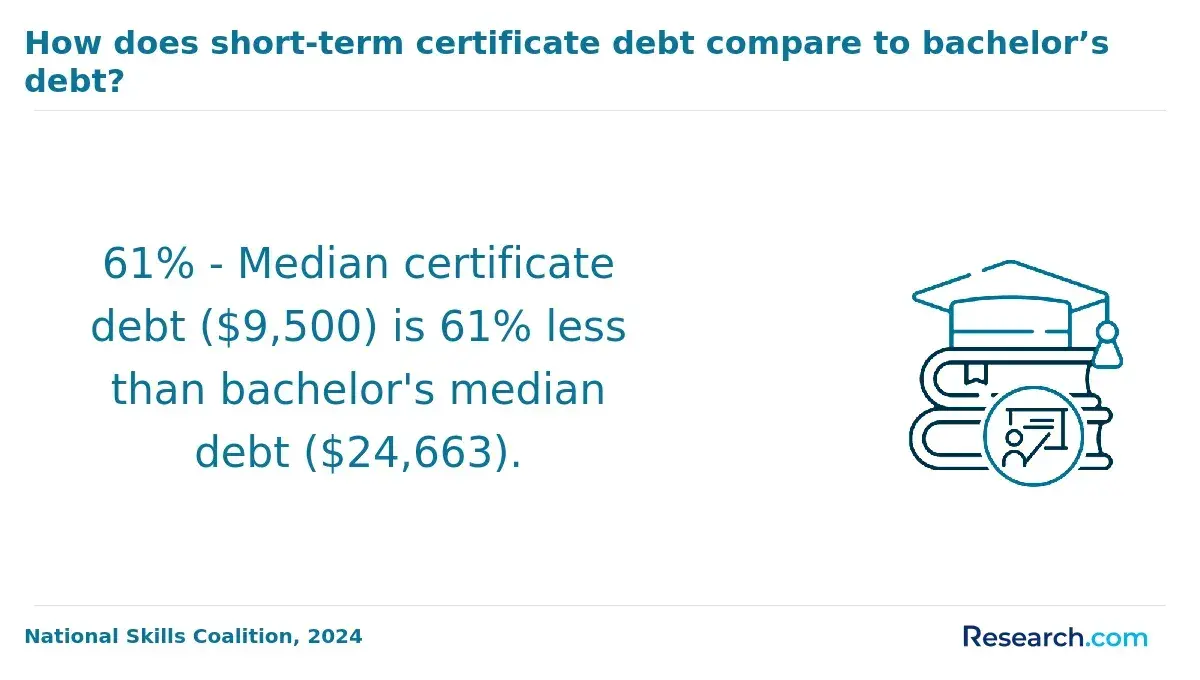
Return on investment (ROI) has become a critical measure for students comparing online space studies degree programs-especially as average student debt surpasses $30,000 and median early-career salaries for relevant fields reach over $55,000. Identifying programs that balance cost, quality, and earning potential helps learners avoid excessive debt while boosting their career prospects.
Key elements contributing to strong ROI include the following factors.
- Accreditation and Completion Rates: Programs from regionally accredited institutions with graduation rates above 60% indicate academic rigor and student support, facilitating timely degree completion which reduces total tuition expenses and limits debt accumulation.
- Industry-Relevant Curriculum: Degrees aligned with the current demands of aerospace and government sectors-such as satellite systems or space policy-improve employability. Programs that emphasize workforce connections and career services better position graduates for salary growth and role advancement.
- Transparent Tuition and Flexibility: Online programs offering fixed, affordable tuition support financial planning. Flexible access to asynchronous courses and credit transfer options accommodates working professionals, allowing them to balance education and career commitments efficiently.
A professional who completed an online space studies degree shared that navigating the process amid full-time work was "challenging yet rewarding." He highlighted how clear tuition costs and the option to study on his own schedule made continuing education manageable. "The program's focus on relevant skills helped me feel confident entering the job market," he noted, emphasizing that earning a respected degree without overwhelming debt was paramount for his career growth.
What Is the Average Cost of an Online Space Studies Degree Program?
Comparing total expenses for an online Space Studies degree is critical for budget-conscious students and professionals exploring flexible programs. Tuition for online degrees often varies-public universities charge between $7,000 and $15,000 yearly for in-state learners, while out-of-state rates or private school tuition can sharply increase borrowing needs.
This overview highlights key pricing factors affecting affordability and lasting educational value.
- Public vs. Private Tuition: Public institutions generally offer lower costs for residents, making them more accessible for local students. Private universities and out-of-state learners usually face significantly higher fees, raising the overall price tag.
- Flat-Rate Tuition Models: These programs allow students to pay a fixed fee per term regardless of course load, supporting accelerated progression and cost predictability-ideal for working adults balancing multiple commitments.
- Transfer Credit Savings: Schools that accept numerous transfer credits or prior learning assessments help reduce both time and tuition expenses. This advantage benefits those with prior college experience or professional certifications.
- Accelerated Degree Completion: Shortened program lengths decrease living costs and total tuition accumulation, offering substantial financial relief for career-focused learners aiming to enter aerospace industries sooner.
- Online Technology Fees: Additional charges for digital platforms and course delivery methods vary and can impact the comprehensive cost of earning an accredited online Space Studies degree.
Students prioritizing strong ROI should also consider program accreditation, graduation rates, and flexible structures. For further insight on affordable program options, review online data science programs as a reference point for cost-effective degrees combining quality and value.
Are Affordable Online Space Studies Degrees Respected by Employers?
Employer recognition and institutional credibility weigh heavily on students comparing affordable online space studies degrees-especially as 70% of hiring managers now consider accredited online programs reliable sources of talent. The rapid expansion of online education underscores the need to assess program quality carefully. Key factors determine whether these degrees offer tangible career value.
- Regional Accreditation: Programs accredited by regional agencies meet rigorous academic standards that employers trust, distinguishing them clearly from nationally or nonaccredited offerings, which often face skepticism in professional hiring decisions.
- Institutional Reputation: Degrees awarded by established public universities or reputable nonprofit institutions-especially those transparent about graduation and employment data-carry more weight than those from lesser-known or for-profit schools.
- Workforce Alignment: Curricula designed in collaboration with aerospace companies or government research centers enhance graduate employability by ensuring relevant skills and knowledge meet industry demands.
- Credit Transferability: Clear transfer policies and articulation agreements reflect academic rigor and flexibility, factors that employers interpret as indicators of a candidate's solid educational foundation.
A professional who built her career after completing an affordable online space studies degree shared that initial hurdles included convincing prospective employers of the program's legitimacy. She emphasized the importance of demonstrating hands-on projects and industry-relevant experiences gained during her studies-elements that eventually helped shift perceptions.
"It wasn't just the degree but how I articulated my learning and applied skills in interviews," she noted, highlighting that persistence and clarity in presenting her qualifications proved crucial in securing her desired role.
What Accreditation Should You Look for in an Online Space Studies Program?
Accreditation remains a crucial factor when choosing an online space studies degree-over 85% of employers prefer candidates with degrees from regionally accredited institutions. Proper accreditation signals program quality, enhances credit transfer options, and ensures broader recognition. The following key points highlight what students should prioritize.
- Regional Accreditation: This is the gold standard for institutional credibility in the U.S., granted by one of six regional agencies. It assures that the school meets strict academic and operational standards-an essential consideration for employers and graduate programs alike.
- Programmatic Accreditation: Though rare for space studies, relevant specialized accreditation-for aerospace or engineering-linked fields-confirms rigorous curriculum standards aligned with industry expectations, bolstering employer confidence.
- Nonprofit Status: Institutions with nonprofit designation typically demonstrate enhanced academic transparency and devote resources toward student services and faculty quality. This status often correlates with better completion rates and favorable career results.
- Transfer-Credit Recognition: Clear, published policies on credit transfer and graduate admissions help preserve academic flexibility-critical for adult learners aiming to advance their education without losing prior credits.
- Transparency and Outcomes: Trustworthy programs openly provide graduation and employment statistics alongside accessible advising and career support, reflecting institutional accountability and aiding students in assessing their potential return on investment.
Which Online Space Studies Programs Are Best for Working Adults?
Working adults increasingly seek online space studies degree programs that accommodate their busy schedules while offering affordable tuition and credible accreditation. With adult online enrollment growing steadily-up by over 30% in recent years-flexible and accelerated learning options are crucial for balancing career and education. The following features highlight what makes certain programs especially suitable for employed learners.
- Asynchronous Learning: Fully asynchronous courses let students engage with lectures and assignments on their own time, ideal for professionals balancing jobs and family commitments without sacrificing academic rigor.
- Competency-Based Progression: This approach allows learners to advance by demonstrating mastery of skills rather than seat time, enabling faster degree completion and reducing overall tuition expenses.
- Transfer-Friendly Policies: Programs that accept prior college credits or applicable military training help students shorten their time to degree and lower costs, supporting adult learners with diverse educational backgrounds.
- Employer Alignment: Some online space studies degrees collaborate with industry to integrate relevant certifications and practical skills, enhancing graduates' career prospects immediately after completion.
- Flexible Scheduling: Part-time enrollment and accelerated course formats-often running five to eight weeks-offer manageable workloads and clear pacing, empowering students to progress steadily without overload.
These elements collectively foster accessible, budget-conscious pathways tailored to working adults pursuing space studies. Combined with robust digital support systems, such programs maximize return on investment by increasing degree completion rates and strengthening post-graduation outcomes.
What Financial Aid Options Are Available for Online Space Studies Students?
Financial aid and tuition-reduction strategies are vital for students comparing value-focused online space studies degree programs, especially as nearly 60% of bachelor's degree earners carry student loan debt. Increasing FAFSA participation and employer tuition assistance use reflect a growing awareness of affordable funding options for online space studies students seeking to minimize cost while maximizing career impact.
Below are key financial aid pathways that can boost affordability and long-term return on investment.
- Federal Aid Eligibility: Online space studies students enrolled in Title IV accredited programs often qualify for Pell Grants and Direct Loans. Pell Grants, which do not require repayment, are awarded based on financial need and significantly reduce out-of-pocket tuition expenses.
- Employer Tuition Reimbursement: Many working professionals benefit from employer-sponsored tuition-assistance programs that cover partial or full tuition costs. These benefits accelerate career advancement by offsetting education expenses without adding to personal debt.
- Institutional Scholarships: Universities offering online space studies degrees provide merit-based and need-based scholarships targeting diverse student populations and specific academic achievements. These scholarships directly lower tuition bills and improve educational affordability.
- Transfer-Credit Optimization: Students can leverage prior college credits or military training to shorten time-to-degree completion, reducing both tuition and living expenses. Institutions with lenient transfer policies enhance this cost-saving opportunity.
- Military and Veteran Benefits: Active-duty members and veterans access GI Bill benefits and tuition assistance programs with flexible coverage tailored for online learners. These funds often provide generous support that complements other aid sources.
Finding the best value means considering how financial aid intersects with transparent tuition structures and realistic graduation timelines. Budget-conscious students aiming for strong long-term ROI should explore AACSB online MBA offerings as a model for cost-effective, accredited education pathways.
What Careers Can You Pursue With an Online Space Studies Degree?
Students increasingly pursue online space studies degrees to access flexible career pathways, competitive salaries, and long-term advancement opportunities-fields related to space exploration and technology are growing at a rapid pace. According to industry data, demand for space sector professionals continues to rise by over 5% annually, making these degrees a strategic investment for career-focused adults.
Below are key career options commonly pursued by graduates of affordable accredited online space studies degree programs.
- Entry-Level Professional Roles: Graduates often begin as research assistants, data analysts, or lab technicians within aerospace companies, government agencies like NASA, or private space ventures. These roles emphasize practical skills and provide a foundation for upward mobility in competitive space studies degree careers.
- Specialized Industry Positions: Careers in satellite technology, space mission planning, astronomy, or space policy offer opportunities in fast-evolving sectors. Affordable online degrees focusing on workforce-relevant certifications and internships enhance graduates' employability in these high-demand specializations.
- Management-Track Careers: Experienced professionals can advance into project management, program coordination, or operational leadership in space organizations. Combining technical expertise with leadership skills gained through specialized training or graduate studies supports long-term career growth.
- Remote-Friendly Jobs: The expansion of telecommuting in areas like software development, remote sensing, and data analysis increases accessibility for working adults. Online space studies degrees cater well to those seeking flexible employment without geographic constraints.
Prospective students balancing budget and career goals should weigh the return on investment that affordable accredited online space studies degrees provide-alongside factors such as program accreditation, labor-market alignment, and student support services.
For those interested in related fields, exploring online clinical psychology master's programs can also offer flexible, cost-conscious graduate education options that address workforce demand.
What Is the Salary Potential for Graduates of Online Space Studies Programs?
Salary potential plays a crucial role for students selecting online space studies degrees-median earnings for aerospace-related roles often exceed $75,000, reflecting strong workforce demand and steady wage growth. Evaluating these financial outcomes helps budget-conscious learners prioritize accredited programs with proven return on investment tailored to career advancement.
Key factors influencing earning prospects include the following.
- Industry Specialization: Career fields such as aerospace engineering or satellite systems command higher salaries compared to technical support or administrative roles, making chosen focus areas critical for long-term compensation.
- Experience Level: Entry-level positions start modestly, but professionals developing advanced skills and gaining management experience can see salaries rise beyond $150,000, underscoring the value of continuous skill development.
- Employer Reputation: Graduates of accredited programs linked to respected space agencies or aerospace firms typically enjoy better job placement rates and stronger starting salaries, enhancing overall educational ROI.
- Geographic Flexibility: Increasing availability of remote and hybrid roles provides opportunities to align work location with cost of living, which can significantly affect net earnings.
- Transferable Skills: Mastery of analytical abilities, project coordination, and emerging technologies improves employability across sectors, driving sustained wage growth and career mobility.
What Graduates Say About Best Value Online Space Studies Degree Programs
- Tristan: "As a budget-conscious student, I searched extensively for an affordable accredited online space studies degree that wouldn't weigh down my finances. I found programs that offered a strong ROI through partnerships with aerospace companies, which reassured me about post-graduation job prospects. Choosing wisely truly transformed my educational experience and future career outlook."
- Jesiah: "Working full-time while studying space studies online pushed me to prioritize efficiency and return on investment. Opting for a program with the highest ROI helped me balance cost and quality, ensuring my effort would directly translate into career growth. Now, I'm exploring careers in satellite technology, which my degree prepared me well for."
- Christopher: "Focused on advancing my career, I needed an online space studies degree that was both reputable and practical. I valued programs that emphasized strong employer connections and realistic salary outcomes, helping me pivot into aerospace engineering roles. This degree has opened doors I hadn't imagined possible just a few years ago."
Other Things You Should Know About Space Studies Degrees
Many accredited programs offer asynchronous courses, allowing students to access lectures and materials on their own schedules. This flexibility is crucial for working adults who require a balance between education, career, and personal commitments. Additionally, some programs provide part-time enrollment options and extended timeframes to complete the degree.
Quality online space studies programs use advanced digital platforms to deliver interactive content, including simulations, virtual labs, and collaborative discussion tools. Access to specialized databases and research journals is often provided to support scholarly work. These resources enable students to engage deeply with complex concepts despite the remote format.
Most bachelor's and graduate space studies programs expect students to have foundational knowledge in math and physical sciences. Some programs recommend or require prerequisite courses in calculus, physics, or astronomy to ensure students can handle technical coursework successfully. Applicants without this background may need to complete bridge courses before starting core classes.
References
- The value of space studies programs in higher education https://www.thespacereview.com/article/5031/1
- Space Systems Operations https://www.fastweb.com/directory/scholarships-for-space-systems-operations-majors
- International Space University’s Space Studies Program: a path to a career in space | Robert Thirsk, OC, OBC https://robertthirsk.ca/2017/07/21/international-space-universitys-space-studies-program-a-path-to-a-career-in-space/
- Cost & Financial Aid https://www.semesteratsea.org/financial-aid/
- Space-related degrees - Space Training Catalogue https://training.spaceskills.org/degrees
- ISU’s New Master of Science (MSc): Space Studies, Accredited by ASIIN https://spacenews.com/isus-new-master-of-science-msc-space-studies-accredited-by-asiin/