2027 Space Studies Degree Programs You Can Start Without Meeting All Requirements

Co-Founder and Chief Data Scientist
Many prospective students face barriers to enrolling in space studies degree programs because they do not yet meet all formal entry requirements-such as minimum GPAs or completed prerequisite courses. Amid rising demand in aerospace, 65% of graduates secure employment within the industry within six months, underscoring the high ROI of these programs despite initial hurdles. Institutions increasingly offer conditional admission, bridge programs, and accept alternative credentials to create flexible access points.
This article explores these legitimate pathways, detailing how students can start space studies early, what academic expectations apply, and how support systems guide them toward degree completion and successful careers.
Key Things to Know About Space Studies Degree Programs You Can Start Without Meeting All Requirements
- Many programs offer conditional admission-students can enroll if they meet minimum GPA thresholds or complete specific courses within their first term, ensuring gradual academic integration.
- Bridge and foundational courses-especially in mathematics and physics-help students lacking prerequisites catch up while earning credits toward their degree.
- Alternative credential reviews-such as professional experience or non-traditional coursework-allow adult learners and career changers to qualify despite incomplete transcripts.
What Is the Minimum GPA Requirement for a Space Studies Degree Program?
GPA thresholds for space studies degree programs vary widely due to differences in institutional selectivity and admissions policies. Highly selective universities often require a minimum GPA between 3.0 and 3.5, reflecting competitive standards designed for students with strong academic records. Moderately competitive programs typically set thresholds around 2.5 to 3.0, balancing academic rigor with broader access. Open-admission institutions, including some community colleges, may admit students with GPAs as low as 2.0 or below, emphasizing potential and foundational skills over past performance. These ranges illustrate the minimum GPA required for admission to space studies degree programs posted by regionally accredited schools with publicly available requirements.
Admissions committees evaluate GPA in context-considering grade trends, the difficulty of science and math classes taken, and policies such as grade replacement or forgiveness. Improvement in later coursework can weigh favorably even if overall GPA falls short. Students whose GPA does not meet typical thresholds should take proactive steps: contacting admissions counselors, requesting holistic evaluation, and exploring conditional admission options. Such pathways often involve bridge or foundational courses designed to build skills and demonstrate readiness. Conditional acceptance usually requires meeting specific academic benchmarks within set timelines to maintain good standing.
This approach supports not only high school graduates but also community college transfers, adult learners returning to education, and career changers who possess strong work experience yet incomplete transcripts. For those seeking flexible enrollment options, it's also useful to compare alternative degree programs-such as a cheap MBA online-which may provide complementary credentials while working toward space studies admission.
- Institutional Tiers: Selective (3.0-3.5+), moderate (2.5-3.0), and open-admission (2.0 or below).
- GPA Context: Assessment includes grade trends, course rigor, and replacement policies.
- Initial Steps for Low GPA: Speak with admissions counselors, request holistic review, explore conditional admission.
Which Space Studies Programs Accept Applicants on Academic Probation or With Academic Deficiencies?
Several space studies degree programs offer conditional admission to applicants on academic probation or with academic deficiencies-recognizing that past academic challenges do not preclude future success in specialized fields. These programs typically require students to meet specific performance milestones during an initial probationary period to maintain enrollment. Common structures include setting minimum GPA targets for the first term-generally between 2.0 and 3.0-and limiting credit hours during this phase, usually ranging from 9 to 12 credits to help students focus and adjust effectively.
- University of Central Florida (Regionally Accredited): Their space studies bachelor's program permits admission on academic probation with a conditional GPA requirement of 2.0 for the first semester. Students can take up to 12 credit hours and must maintain close contact with an assigned academic advisor who monitors progress, offers personalized academic plans, and mandates bi-weekly check-ins.
- Embry-Riddle Aeronautical University (Regionally Accredited): Known for its aerospace programs, Embry-Riddle allows graduate space studies applicants with nontraditional academic backgrounds provisional entry, requiring a GPA of 3.0 during the first 9 credit hours. Advisors oversee individualized course planning and conduct monthly performance reviews.
- Florida Institute of Technology (Regionally Accredited): For its master's in space studies, the institute admits students under conditional status if their undergraduate GPA falls below the standard threshold, contingent on achieving a 3.0 GPA during the first term. Students are limited to 9 credit hours and must meet regularly with academic counselors who guide study habits and time management.
- Harrisburg University of Science and Technology (Regionally Accredited): This institution offers provisional undergraduate admission for students with incomplete transcripts or probation histories. They require a semester GPA of 2.5, enrollment limited to 12 credits, and advisor supervision that includes structured goal-setting sessions and academic skill workshops.
- University of North Dakota (Regionally Accredited): Their space studies graduate program provides a conditional admission track emphasizing foundational remediation courses. Students must maintain at least a 3.0 GPA on up to 12 probationary credits. Advisors conduct monthly progress audits and facilitate access to tutoring and mentoring resources.
Advisors at these institutions typically engage students through frequent check-ins-bi-weekly or monthly-to closely track academic progress and offer tailored support such as personalized academic plans, goal-setting sessions, and study strategy workshops. These structured oversight systems aim to ensure probationary students meet their academic benchmarks and transition smoothly into full admission status.
Prospective students interested in space studies programs with academic probation admission should confirm current policies directly with admissions offices. Policies frequently evolve and may differ substantially between undergraduate and graduate tracks.
Importantly, applying with a checkered academic record is not an automatic disqualification. Strong personal statements that underscore motivation and resilience, combined with persuasive references, are vital in supporting applications despite academic setbacks. Adult learners, community college transfers, and career changers with incomplete transcripts can often access these conditional admission pathways as legitimate routes into space studies.
For learners exploring flexible options in related fields, examining allied programs such as MSW online programs may provide additional insights into accommodating diverse academic backgrounds.
How Do Conditional Admission and Provisional Enrollment Work for Space Studies Degree Seekers?
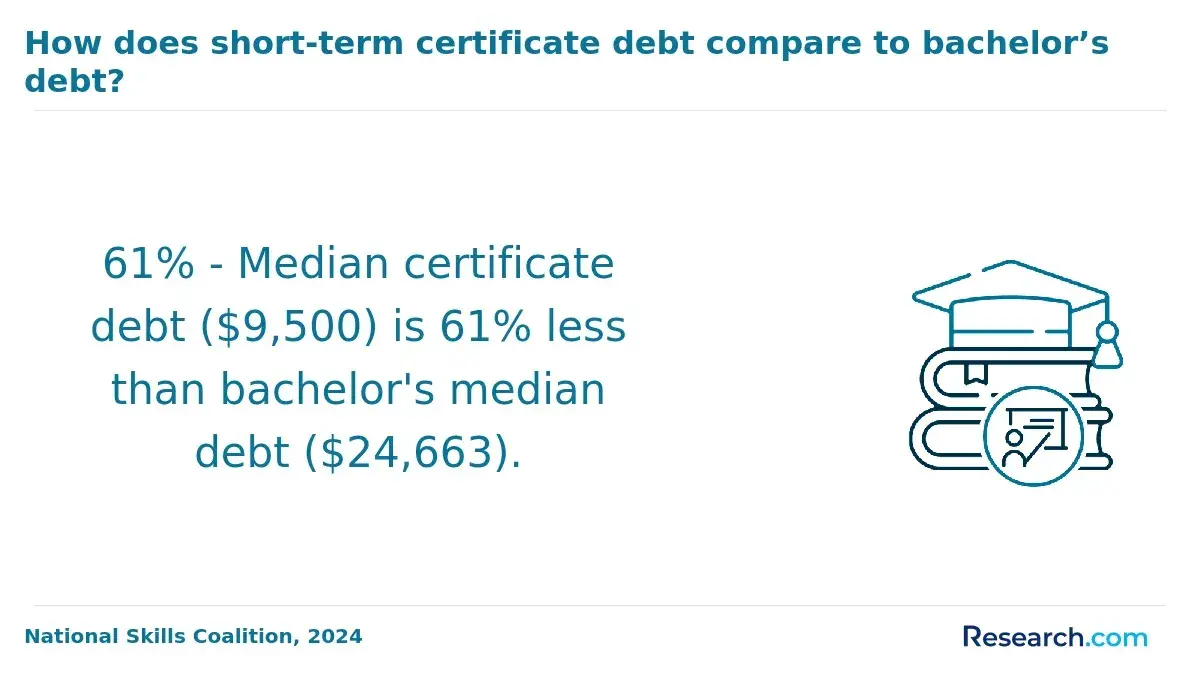
Conditional Admission: This status is offered when students must meet particular academic or prerequisite conditions-often maintaining a GPA between 2.5 and 3.0 or completing foundational courses like calculus and physics within a semester or two. Success means advancing to full program standing, while failure typically leads to dismissal or loss of the special status.
Provisional Enrollment: Usually a temporary, unclassified status granted while awaiting critical documents such as final transcripts or standardized test results. It allows immediate class registration but does not guarantee formal admission until paperwork is submitted. Missing deadlines can result in revoked enrollment.
Progress and Outcomes: Conditioned students in space studies programs frequently move to full admission by meeting benchmarks-highlighting that these arrangements aim to support achievement rather than penalize initial educational gaps.
Admissions Inquiry: Ask about specific conditions triggering each status, timelines for academic progress review, and who has authority to confirm or extend conditional standing.
A professional who completed a space studies degree shared his experience: "Starting conditionally was nerve-wracking-I had unfinished prerequisites and had to prove myself quickly. The first semester was all about meeting GPA requirements while balancing new course material. The support from advisers made a huge difference, reminding me that this was a pathway, not a dead end. When I finally moved to full admission, it felt like a genuine achievement, validating the hard work I put in despite initial setbacks."
What Alternative Admission Pathways Are Available for Space Studies Programs When Prerequisites Are Not Met?
Portfolio Review: Many interdisciplinary space studies programs-especially those emphasizing aerospace technology, satellite systems, or mission planning-offer admission based on a portfolio showcasing relevant projects.
- These portfolios typically include technical designs, research efforts, software demos, or independent space-related work.
- Institutions must have dedicated faculty committees capable of evaluating non-traditional academic credentials.
Demonstrated Professional Experience: Programs focusing on operational or engineering roles often accept hands-on experience at aerospace companies, military service, or research laboratories as alternatives to formal coursework.
- Applicants provide detailed resumes, employer letters, and descriptions linking their roles directly to space or related sciences.
- Institutions require verification systems to confirm the authenticity and relevance of this experience.
Prior Learning Assessment Credit: Some institutions grant credit for prerequisite mastery through exams or portfolios-such as CLEP tests, challenge exams, or military training equivalents.
- Space studies degrees incorporating this pathway rely on clear evaluation processes and administrative support to maintain academic integrity.
Placement Testing: When prerequisites are unmet, placement exams assess proficiency in core subjects-allowing conditional admission or enrollment in advanced courses.
- These assessments often target math and physical sciences and require well-organized testing centers and faculty involvement.
Students seeking alternative admission options for space studies programs must proactively contact academic departments or program directors, since these pathways are often managed informally and may not appear on program websites. Direct communication with those overseeing the curriculum is crucial-relying solely on central admissions offices might overlook flexible opportunities. This approach helps clarify eligibility, documentation needs, and performance expectations for conditional entry pathways for space studies degrees.
For those interested in technical fields related to space studies, exploring a data science master online might also offer complementary skills valuable in this domain.
Which Space Studies Programs Allow Students to Begin While Completing Remaining Prerequisites Concurrently?
Some space studies programs allow students to start their core coursework even as they complete outstanding prerequisite classes. This approach-known as concurrent or co-requisite enrollment-differs from conditional admission, which grants entry only if students fulfill certain academic conditions by a set deadline. Concurrent enrollment helps students progress faster by taking foundational courses like introductory statistics or research methods alongside first-semester space studies classes, avoiding delays caused by fulfilling all prerequisites beforehand.
While this dual-track path can accelerate degree completion, it also brings a heavier workload. Students must carefully balance the demands of simultaneously managing prerequisite and core coursework-a challenge especially for those juggling jobs or family commitments. Thoroughly reviewing a program's course catalog and consulting academic advisors is essential to confirm if concurrent enrollment is supported. Requesting a degree audit can clarify course sequencing and help students make informed decisions before registration.
- Identification: Verify the program's official guidelines and consult advisors to learn about concurrent enrollment policies.
- Difference From Conditional Admission: Conditional admission requires later completion of prerequisites, whereas concurrent enrollment allows simultaneous course progression.
- Course Examples: Common pairs include introductory statistics or research methods alongside early space studies core courses.
- Academic Workload: Managing both types of courses demands disciplined time management, especially for students with external responsibilities.
- Practical Strategies: Create weekly schedules, prioritize tasks, use campus resources like tutoring, and maintain communication with instructors to successfully navigate the dual curriculum.
Speaking with a professional who built her career after completing a space studies degree offers valuable insight. She recalled feeling overwhelmed initially but found that concurrent enrollment helped her maintain momentum-and minimized gaps in her learning. "Balancing core and prerequisite courses was tough," she said, "but leaning on advisors and carefully planning my weeks made all the difference." Her experience underscores how proactive time management and support networks can transform the challenge of concurrent pathways into a rewarding educational journey.
How Do Community College Partnerships Help Students Enter Space Studies Programs Without Full Qualifications?
2+2 Articulation Agreements: These partnerships enable students to complete the initial two years of coursework-covering prerequisites and general education-at a community college before transferring seamlessly into a space studies bachelor's or graduate program at a four-year institution.
Dual-Enrollment Arrangements: High school or early college learners can take community college classes simultaneously with their current studies, starting to earn credits early to smooth their eventual transition into space studies degrees.
Valued Coursework: Admissions teams give priority to transfer students who demonstrate success in essential prerequisites such as math, physics, and astronomy, alongside strong GPA improvement and the development of critical analytical and research abilities, all of which indicate readiness for advanced study in space studies.
Locating Articulation Agreements: Prospective transfer students should consult their chosen university's transfer admissions resources or speak with academic advisors to verify if formal agreements exist with their community college. Without formal articulation, students should inquire about alternative transfer pathways and credit evaluations, since many universities allow flexible credit transfers on a case-by-case basis.
Flexible Transfer Standards: Community college coursework is often assessed with greater leniency than traditional freshman admissions, recognizing non-traditional academic trajectories. Conditional admission policies usually require maintaining minimum GPA thresholds and completing bridge courses within specified timeframes to stay enrolled.
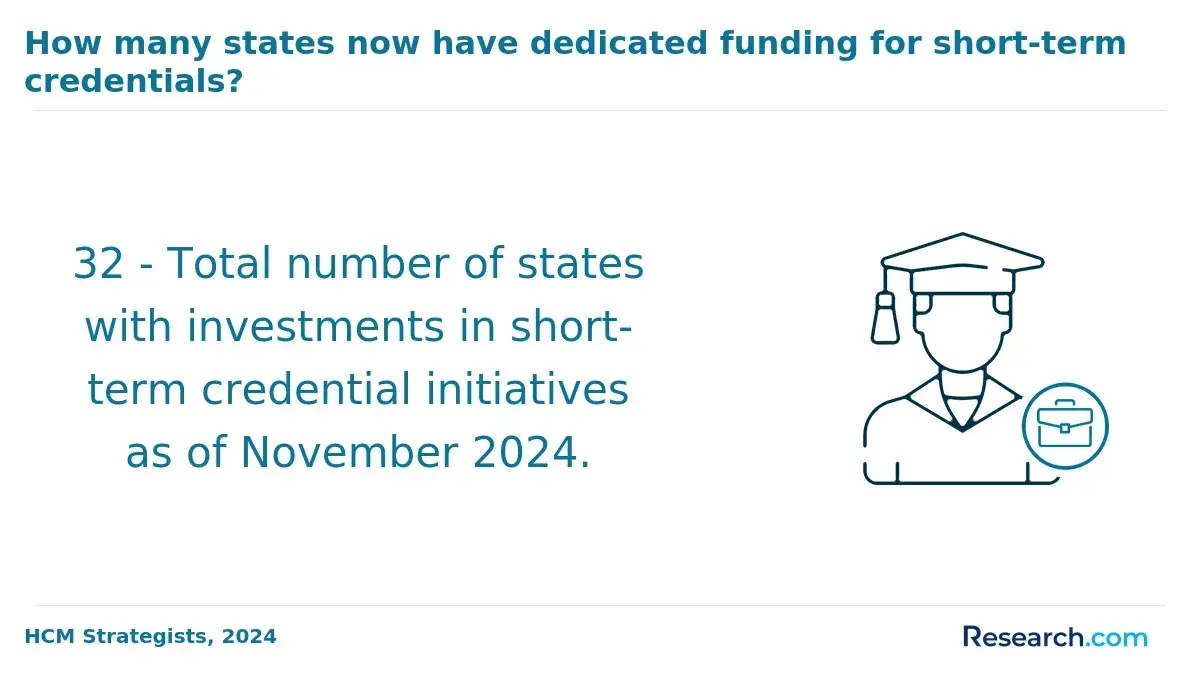
Recent Trend: In 2023, nearly 40% of STEM transfer students relied on community college paths to gain entry into four-year degree programs-highlighting growing support for flexible pathways into specialized fields like space studies.
What Role Do Personal Statements and Letters of Recommendation Play in Gaining Space Studies Program Access Without Meeting All Requirements?
Personal statements and letters of recommendation play a vital role for applicants to Space Studies programs who do not fully meet formal admission criteria. These documents provide a chance to present a nuanced and compelling case that goes beyond numeric metrics such as GPA, test scores, or prerequisite completion-giving admissions committees insight into qualities reflected less clearly in transcripts.
A strong personal statement for conditionally admitted applicants should include:
- Candidness: An honest explanation of academic gaps or incomplete prerequisites framed with a forward-looking perspective emphasizing growth and determination.
- Experience: A clear description of how prior education, work, or related activities have prepared the applicant to handle rigorous Space Studies coursework effectively.
- Program Fit: Specific reasons why the target Space Studies program aligns with the applicant's goals and interests, highlighting unique offerings such as faculty expertise, research opportunities, or specialized courses.
For letters of recommendation, admissions committees place high value on endorsements from individuals who:
- Direct Knowledge: Supervisors, professors, or mentors familiar with the applicant's intellectual abilities, problem-solving skills, or professional accomplishments carry the most weight.
- Specificity: Recommenders providing detailed examples of achievements or qualities-rather than general character references-strengthen the application's persuasive power.
Sidebar: The personal statement is the primary vehicle through which a conditionally admitted applicant controls their narrative-connecting past challenges to future potential in Space Studies.
Which Space Studies Programs Offer Bridge or Foundational Courses That Replace Unmet Admission Requirements?
Many space studies degree programs recognize that prospective students may not meet all traditional admission requirements at the time of application. To address this, institutions often provide bridge or foundational courses designed to replace or postpone unmet prerequisites, allowing students to begin their academic journey with appropriate support. These options create flexible enrollment pathways tailored to diverse academic backgrounds, including high school graduates below specific GPA thresholds, community college transfer students still completing prerequisite courses, adult learners returning after professional gaps, and career changers with incomplete transcripts.
- Non-Credit Boot Camps: Typically offered by large research universities or space-focused institutes, these intensive short-term programs focus on rapid skill development in key subjects like mathematics or physics. Participants receive a certificate of attendance but no formal academic credit-meaning these do not appear on transcripts initially and generally require follow-up enrollment in credit-bearing coursework. Boot camps require a small time investment, often a few weeks, and are usually cost-effective options to quickly address foundational gaps.
- Post-Baccalaureate Preparatory Sequences: Available primarily through universities with established graduate space studies programs, these structured credit-bearing courses target students holding bachelor's degrees who lack foundational prerequisites. Courses completed here are recorded on academic transcripts with grades, potentially counting toward program prerequisites or electives. These sequences may add a semester or more to your overall degree timeline, but provide a formal and recognized route into full program admission.
- Certificate-Level Prerequisite Bundles: Some institutions-often community colleges or online university programs-offer bundled prerequisite courses packaged as certificate programs. These certificates are transcripted and sometimes provide transferable academic credits. With moderate study time commitments spanning a few months, these options provide credentialed validation of readiness for advanced space studies coursework at a reasonable cost.
- Self-Paced Online Remediation Modules: Increasingly common in flexible learning environments, these modules let students independently remediate specific knowledge deficits. Recognition varies-some programs note completion on transcripts as pass/fail, while others require only satisfactory documentation from admissions offices. Costs range widely, from free public institution offerings to fee-based university modules. Depending on pace and policies, these modules can shorten or lengthen admission timelines.
While flexible space studies bridge courses for admission often do not appear prominently in main program descriptions, prospective students should actively inquire about foundational programs replacing unmet entry requirements in space studies during admissions conversations. Taking this step ensures awareness of tailored pathways accommodating unique academic histories and timelines. For those exploring additional related credentialing or alternative degree programs, options like accredited MFT programs online may also offer insights into flexible graduate-level admission and foundational supports.
How Does Work Experience or Professional Background Substitute for Academic Requirements in Space Studies Programs?
Many space studies degree programs acknowledge that professional experience can substitute for academic requirements-especially when applicants demonstrate direct, relevant work experience. Admissions committees employing holistic review methods often consider industry certifications, years of field-specific employment, and leadership roles as substantial evidence of a candidate's readiness. This approach accommodates individuals seeking conditional admission or those whose transcripts might not fully meet standard criteria, including high school graduates below the required GPA, community college transfers still completing prerequisites, adult learners returning after a gap, or career changers with strong professional backgrounds.
Key areas of experience valued include:
- Industry Certifications: Credentials from recognized aerospace or scientific organizations validating specialized knowledge applicable to the field.
- Field-Specific Employment: Several years of direct involvement with space technologies, satellite operations, research facilities, or aerospace companies showcasing practical expertise.
- Leadership Roles: Management or project oversight positions revealing maturity and coordination skills relevant to academic rigor.
- Professional Contributions: Publishing research papers, presenting at conferences, or engaging in recognized space-related workshops demonstrating active participation.
- Volunteer and Community Service: Commitment through outreach, educational programs, or nonprofits connected to space studies enhances a candidate's profile.
Applicants should carefully document these qualifications in a professional resume designed for academic evaluation, emphasizing achievements linked to space studies. Supporting materials-such as certification transcripts, recommendation letters from supervisors addressing job performance, and records of publications or presentations-strengthen the application. References should focus on professional competence and potential for success in higher education rather than solely academic records.
Because not all programs assess non-academic credentials equally, students must verify in advance whether their professional background will be formally reviewed. Confirming this early prevents investing effort into application components that might not impact admission outcomes.
For those exploring flexible admission routes that consider work experience as substitute for academic requirements in space studies programs, understanding these nuances supports better preparation. Some programs offer bridge or foundational coursework alongside conditional admission to address any academic gaps while leveraging professional readiness.
Applicants interested in related fields may also explore a mechanical engineering degree-a path with some overlapping technical foundations-through affordable online options, which can complement space studies preparation. See mechanical engineering degree for current programs.
What Financial Aid and Scholarship Options Are Available to Conditionally Admitted Space Studies Students?
Federal Aid: Students accepted conditionally into space studies programs may qualify for federal financial support by submitting the Free Application for Federal Student Aid (FAFSA). Eligibility typically requires enrollment at least half-time and maintaining satisfactory academic progress during provisional status. Falling short of required milestones or withdrawing from key courses can lead to loss of federal aid.
Institutional Scholarships: Many colleges offer targeted scholarships for students on non-traditional admission tracks, including those conditionally admitted to space studies. These awards often support learners who face academic gaps or incomplete prerequisites. Some institutions also provide funding for bridge or foundational coursework to help students become fully admitted.
Private Scholarships: Specialized funding exists for adult learners, career changers, and those returning to education after breaks. These scholarships recognize challenges like incomplete transcripts or previous academic interruptions and focus on applicants committed to advancing in space studies despite unconventional backgrounds.
Academic Progress: Maintaining eligibility for financial aid often depends on meeting specific course and performance benchmarks within a given timeline. Failure to complete required foundational classes or withdrawing can negatively impact continued support.
Advising Collaboration: Consulting both financial aid offices and academic advisors before enrolling conditionally is vital. Coordinated planning helps clarify how provisional acceptance influences aid packages and prevents unexpected expenses.
How Do Online Space Studies Programs Compare to Campus-Based Programs in Admission Flexibility?
Admission Policies: Online space studies programs-especially those offered by large public university systems or for-profit institutions-often provide more flexible enrollment options than traditional campus-based programs. These online programs usually allow conditional admission or waive certain prerequisites, which can benefit students who haven't yet met all standard requirements. Campus programs tend to be more selective due to limited resources and seat availability, requiring full prerequisite completion before entry.
- Prerequisite Waivers and Conditional Enrollment: Many online programs offer pathways for students to start coursework while finishing necessary prerequisites through integrated foundational classes or bridge programs.
- Campus programs generally require all prerequisites to be completed before allowing enrollment.
- Accreditation and Degree Outcomes: Flexible admission policies in online space studies do not translate to lower academic quality. Regionally accredited online degrees maintain comparable rigor, taught by qualified faculty, and produce degrees recognized similarly to campus counterparts.
- Support Infrastructure: Conditioned online students should carefully consider support differences:
- Academic advisor access may be less immediate or require more self-advocacy online.
- Tutoring and disability services vary widely-some online programs offer strong virtual support, while others lag behind campus resources.
- Mental health services often include telecounseling but may lack the breadth of on-site offerings.
- Quality vs. Flexibility: Flexible admission should never imply compromised program quality. Prospective students must verify institutional accreditation and examine graduation statistics before prioritizing ease of entry over educational value.
What Graduates Say About Space Studies Degree Programs You Can Start Without Meeting All Requirements
- Tristan: "Starting the space studies degree program without having all prerequisites was initially daunting, but the academic obligations were clearly outlined-giving me a structured path to follow. I learned that maintaining consistent performance in foundational courses during the first year was crucial to stay in good standing. The timeline expectations kept me motivated, as I knew exactly when to meet benchmarks and progress smoothly throughout the program."
- Jess: "What truly stood out was how the space studies program supports conditionally admitted students by setting clear performance benchmarks early on-this transparency helped me focus on what really mattered academically. Reflecting back, the timeline expectations felt both reasonable and encouraging, allowing me to balance other commitments while meeting requirements. The whole experience gave me a professional edge, demonstrating resilience and adaptability in a rigorous environment."
- Chris: "The program's approach to academic obligations for conditional admits was refreshingly fair-there's a palpable emphasis on growth rather than just ticking boxes. I valued the fact that conditional status isn't a penalty but a structured opportunity to catch up within a defined timeline. Meeting those performance benchmarks on time required discipline, but ultimately it shaped my approach to learning and helped me succeed in the broader space studies curriculum."
Other Things You Should Know About Space Studies Degrees
Students seeking early admission despite missing standard requirements often present alternative evidence of preparedness-such as strong performance in relevant community college courses, professional experience in STEM fields, or high scores on standardized tests related to math and science. Writing a detailed personal statement that highlights motivation, relevant skills, and career goals can strengthen their application. Some programs also require letters of recommendation attesting to the student's readiness for rigorous study in space studies.
Students admitted conditionally typically receive access to targeted support services like tutoring in core subjects, academic advising specifically designed for bridging knowledge gaps, and supplemental workshops focused on math, physics, or technical skills. Many institutions provide mentoring programs where faculty or advanced students help newcomers adjust to curriculum demands. Additionally, flexible scheduling options and foundational or bridge courses allow students to gradually meet full program standards while progressing in their degree.
Transfer students moving into space studies often undergo an individualized evaluation of their transcripts to identify equivalent coursework and unmet prerequisites. Programs usually offer tailored advising to help students map out remaining required classes and to create a realistic graduation timeline. Some schools also permit students to complete missing foundational science or math courses during their first semester, enabling a smoother transition without delaying degree progress.
References
- Online Vs On Campus Study: Which is Right For You? https://studee.com/guides/online-vs-on-campus-study-which-is-right-for-you
- This website is not available in your country https://www.space-careers.com/article/963/how-to-achieve-a-career-in-space-studies
- How Online Degrees Are Reshaping Competition in Higher Education - ProMarket https://www.promarket.org/2026/02/09/how-online-degrees-are-reshaping-competition-in-higher-education/
- Opportunities to Continue Research for Non-Students https://nasa-peer.org/2025/01/09/opportunities-to-continue-research-for-non-students/
- Scholarships & Fees https://www.master-mass.eu/scholarship/
- Space Studies Program - University of North Dakota - Graduate Programs and Degrees https://www.petersons.com/graduate-schools/university-of-north-dakota-john-d-odegard-school-of-aerospace-sciences-space-studies-program-000_10036939.aspx
- Space-related degrees - Space Training Catalogue https://training.spaceskills.org/degrees
- WHAT czy WHICH? Wiesz, która wersja jest poprawna? - Angielski kompas https://www.angielskikompas.pl/what-czy-which-wiesz-ktora-wersja-jest-poprawna/
- The value of space studies programs in higher education https://www.thespacereview.com/article/5031/1
- Scholarships and Financial Aid - TSAAE https://www.tsaae.fr/en/academics/scholarships-financial-aid/