2027 Best Value Online Entertainment Business Master's Degrees: Affordable Accredited Programs with the Highest ROI

Co-Founder and Chief Data Scientist
Choosing the best value online entertainment business master's degree involves balancing affordability, accreditation, and career impact. Many prospective students face limited time and financial resources yet seek programs that deliver measurable returns on investment.
In 2024, national data shows a 14% increase in enrollment among adult learners in accredited online graduate programs, reflecting growing demand for flexible options that fit work and life. This trend highlights the necessity of selecting programs that not only reduce upfront costs but also hold credibility with employers and offer career mobility, ensuring that graduate efforts translate into tangible professional advancement.
Key Things to Know About the Best Value Online Entertainment Business Master's Degrees
- Programs accredited by recognized bodies ensure curriculum relevance but may limit innovation speed, requiring students to weigh traditional rigor against evolving industry needs when prioritizing their educational investment.
- Employers increasingly seek candidates with demonstrable project experience alongside academic credentials, highlighting the necessity for programs that integrate real-world entertainment business practices to enhance graduate marketability.
- With the National Center for Education Statistics reporting a 15% rise in online graduate enrollments in 2025, timing program start dates and affordability become crucial for working adults balancing career progression and financial constraints.
What Are the Best Value Online Entertainment Business Master's Programs in the U.S.?
Best value online entertainment business master's programs balance tuition affordability against the critical benchmarks of accreditation quality, graduation success, and tangible salary improvements after graduation. For working professionals and career-changers, the decision to invest tens of thousands in a graduate degree cannot rest on tuition alone.
Programs with rigorous regional accreditation and solid graduation rates tend to confer greater industry recognition, which correlates with a meaningful post-degree salary lift. For instance, a student weighing Arkansas State University's lean asynchronous program against the costlier cohort-based offering at Full Sail University must consider not only budget but also how delivery models influence networking and applied learning, both essential in entertainment business roles.
Selecting a program with robust career services and recognized credentials often translates to higher odds of salary growth, even as students manage work and life responsibilities via online formats that vary in synchronous rigor.
- Institution: Arkansas State University
- Tuition: Approximately $17,000 total
- Delivery Format: Fully asynchronous
- Differentiator: Offers a lean curriculum focused on rights management and digital distribution, ideal for budget-conscious students seeking niche expertise.
- Institution: Southern New Hampshire University
- Tuition: Around $20,500 total
- Delivery Format: Primarily asynchronous with optional live sessions
- Differentiator: Leverages extensive career services tailored for entertainment and media professionals, aiding transitions into industry roles.
- Institution: Drexel University
- Tuition: Approximate total cost of $27,000
- Delivery Format: Hybrid with synchronous evening classes
- Differentiator: Integrates business analytics and project management specifically applied to entertainment ventures.
- Institution: Full Sail University
- Tuition: Roughly $34,000 total
- Delivery Format: Primarily asynchronous with cohort-based support
- Differentiator: Emphasizes industry partnerships and hands-on project work reflecting real-world entertainment business challenges.
- Institution: University of Southern California
- Tuition: About $45,000 total
- Delivery Format: Synchronous, live online classes
- Differentiator: Combines legacy industry connections and advanced curriculum fostering leadership roles within entertainment corporations.
For those balancing cost concerns with the need for accredited, effective programs proven to boost earnings, this curated list highlights five of the best online entertainment business master's options in the U.S. By ordering programs from lowest to highest tuition, candidates can prioritize affordability without sacrificing core quality metrics. Data reflects tuition costs and program features that particularly impact employed students and those seeking career-switch opportunities in entertainment business roles.
Accessing comprehensive metrics and profiles alongside a comparison of delivery modes facilitates more informed decisions about which program aligns with an individual's budget, schedule, and long-term goals within this competitive sector. A growing share of programs incorporates practical analytics, specialized career resources, and networks of industry ties-key factors that translate academic efforts into post-degree earning power.
In parallel, prospective students exploring adjacent fields might consider supplementing their search with resources like the accelerated bachelor's degree psychology options, which similarly balance affordability and outcomes but target a different professional trajectory.
What Accreditations Should an Online Entertainment Business Master's Program Have?
Choosing an online entertainment business master's program without scrutinizing its accreditation can severely limit your career flexibility and return on investment. Employers and graduate schools increasingly scrutinize accreditation as a proxy for academic quality and credibility, making this factor critical for advancing in media and entertainment fields.
Accreditation falls into two fundamental categories that shape outcomes for graduates.
- Regional Accreditation: This is the essential baseline for any credible U.S. higher education institution. Regional accreditors, such as the Higher Learning Commission (HLC), Southern Association of Colleges and Schools (SACSCOC), and Middle States Commission on Higher Education (MSCHE), ensure institutional quality checks that affect federal financial aid eligibility and ease of credit transfer. Without regional accreditation, students risk diminished value in their degree; many employers and professional licenses require it when validating credentials.
- Programmatic or Field-Specific Accreditation: Although rarer for entertainment business degrees compared to fields like engineering (ABET) or counseling (CACREP), business-focused accreditors like AACSB play a meaningful role. AACSB accreditation signals rigorous standards aligning with broader business management expertise, which can enhance employability in industry roles linked to media management or strategic business operations.
- Red Flags to Avoid: Degrees accredited only by national or lesser-known bodies often lack credit transferability and employer respect. Diploma mills or unrecognized accreditors may market convenience but offer little genuine credential value, jeopardizing your financial and time investments.
- Checklist for Prospective Students: Confirm whether the institution is regionally accredited by a recognized agency like HLC or SACSCOC. Ask if the entertainment business program has any business-specific accreditation, such as AACSB. Request proof of accreditation documentation. Understand how accreditation impacts access to federal aid and credit transfer policies for the program.
How Much Does an Online Entertainment Business Master's Degree Cost on Average?
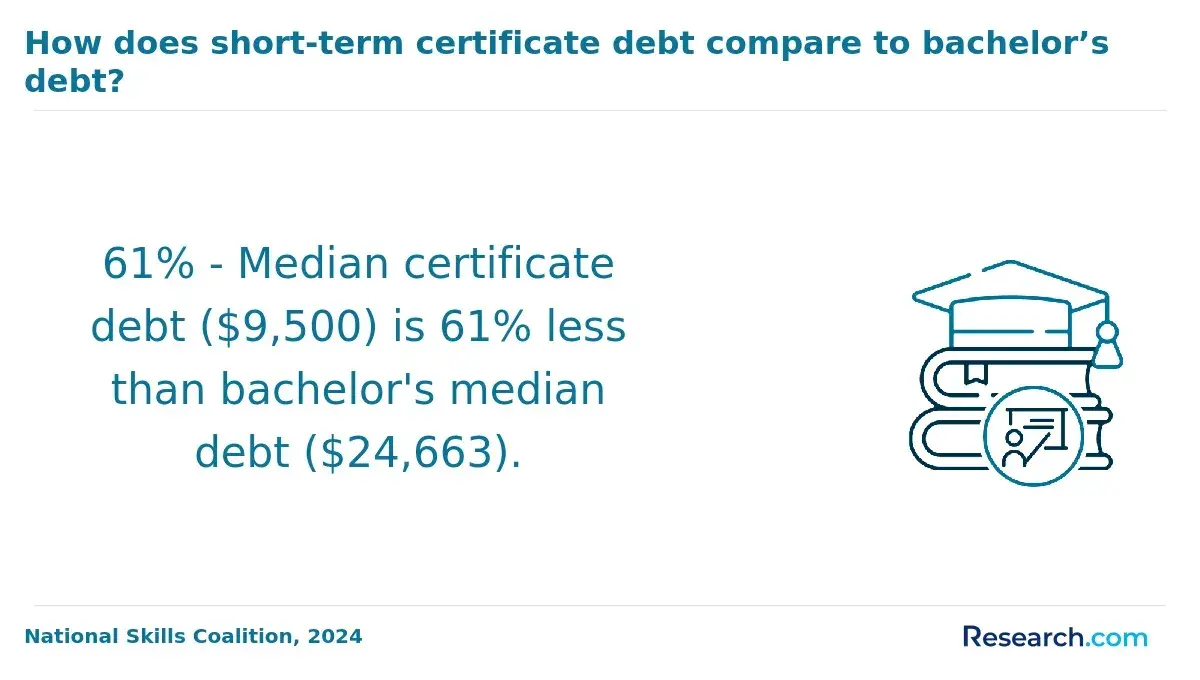
The average cost of an online entertainment business master's degree varies widely, with total tuition generally spanning moderate to high five-figure ranges depending on institutional type and residency. Public universities frequently feature lower per-credit prices for in-state students, while out-of-state learners often face a premium; many private or nonprofit programs instead apply a uniform flat rate regardless of location.
Recognizing that tuition alone understates the full expense is crucial for prospective students evaluating these programs. Key overlooked costs include:
- Tuition Range: Public universities offer tiered pricing based on residency, resulting in considerable cost differences. Private and nonprofit schools maintain steady rates, which may be costlier but offer pricing predictability.
- Mandatory Fees: Registration, student activity, and institutional service fees typically add several hundred to more than a thousand dollars, inflating the effective price beyond per-credit charges.
- Technology Fees: Online delivery often incurs extra fees to support digital platforms and IT infrastructure necessary for remote learning.
- Thesis or Capstone Fees: Additional charges sometimes apply for comprehensive projects or final examinations, which are integral to degree completion but not always included in tuition figures.
- Proctoring Costs: Secure assessments in online settings can require third-party proctoring services, increasing out-of-pocket expenses.
- Residency Requirements: Some online programs still mandate brief, in-person residencies, which create extra travel and accommodation costs.
- Public University Average: Varies by residency, with lower costs for in-state students; fees beyond tuition can significantly affect total expenses.
- Private/Nonprofit Average: Uniform tuition regardless of state, often resulting in higher but stable pricing; ancillary fees may be less transparent.
Students considering the cost of an online entertainment business master's degree must factor these components into their budgetary and career planning to avoid unexpected financial burdens. Programs differ in how they structure fees, impacting the overall return on investment.
For those evaluating cross-disciplinary options, reviewing detailed cost data can be as informative as examining employment outcomes, especially when comparing alternatives such as an engineering online degree that may share similar online delivery models but differ in fee structures and demand trajectories.
What Is the Return on Investment (ROI) of an Online Entertainment Business Master's Degree?
Determining the financial return of an online entertainment business master's degree hinges on whether the post-degree salary increase justifies the upfront investment in tuition and related costs. In education ROI terms, this is calculated by subtracting total program expenses from the average salary gain after graduation, then dividing by program costs-often expressed as a percentage or in years needed to recoup the investment.
Median earnings for entertainment business roles typically rise from around $50,000 pre-degree to between $75,000 and $90,000 afterward, with programs costing anywhere from $20,000 to $50,000. This translates to a payback period usually ranging between two and five years, although this estimate varies based on several factors.
- Work Experience: Candidates entering with industry background often leverage their networks and skills to negotiate better salaries, boosting ROI beyond the raw number.
- Institution Prestige: Graduates from well-known programs may experience quicker salary growth due to stronger employer recognition.
- Regional Demand: Location significantly impacts ROI, as employment opportunities and pay scales vary between markets with concentrated entertainment industries.
- Specialization: Focused tracks, such as digital media or music business, can affect salary trajectories by aligning graduates with high-demand niches.
- Non-Monetary ROI: Beyond salary, benefits include eligibility for promotions, career shifts, and enhanced job security, all critical yet harder to quantify.
One graduate recalled the challenge of navigating a rolling admission schedule, which created uncertainty about acceptance timing. Hesitant to commit without financial aid confirmation, they hesitated to finalize enrollment for months. Only after seeking advice from program advisors did they submit completed materials. This experience underscored how admissions processes can affect not just entry, but prospective ROI by delaying career momentum.
What Are the Admission Requirements for an Online Entertainment Business Master's Program?
Admission to accredited online entertainment business master's programs requires strategic preparation beyond raw academic scores, as selection committees weigh multiple dimensions reflective of real-world potential. For example, a career-changer with slightly below-average undergraduate grades may offset this by showcasing leadership in relevant media projects or entertainment ventures.
- Undergraduate GPA: Most programs seek a cumulative GPA near 3.0 on a 4.0 scale; exceptions exist if applicants compensate with substantial professional achievements.
- Letters of Recommendation: Typically two or three endorsements are expected from academic or industry mentors who can vouch for the applicant's aptitude and leadership within entertainment fields.
- Statement of Purpose: This critical essay should clearly connect the applicant's career trajectory with the program's offerings and demonstrate an informed, practical rationale for enrollment.
- Resume or CV: A professionally detailed document that evidences relevant experience is essential for assessing readiness and industry alignment.
- Standardized Tests: GRE or GMAT requirements are increasingly waived, aligning with industry trends to reduce barriers, though some quantitative-heavy programs still mandate scores.
- Prerequisites: Certain curricula require foundational courses in business, marketing, or media studies; STEM-identified tracks may additionally demand quantitative proficiency.
Given the variability in admission criteria and the competitive landscape, applicants-whether first-generation or pivoting from other careers-should apply broadly across reach, match, and safety programs. This diversified approach accommodates differing program selectivity and supports better alignment with long-term career returns.
What Is the Minimum GPA Requirement for an Entertainment Business Master's Program?
Most accredited online entertainment business master's programs set a minimum undergraduate GPA requirement typically between 2.75 and 3.0. However, this baseline often serves only as an initial eligibility threshold rather than a solid predictor of admission. Competitive programs frequently expect applicants to have GPAs around 3.2 or higher, reflecting the academic qualifications of most admitted students.
For example, a candidate with a 2.8 GPA applying to a program that lists 3.0 as the minimum might still face challenges competing with applicants holding stronger academic records. The minimum GPA requirement for online entertainment business master's programs commonly distinguishes between two measures: eligibility and competitiveness. Eligibility means meeting the floor for application consideration, whereas competitiveness represents the GPA range typical of enrolled cohorts.
Many institutions clarify both to help applicants realistically assess their standing. Several programs also implement GPA waiver policies. These allow applicants with lower GPAs to offset academic shortcomings by demonstrating extensive professional experience, portfolio strength, or strong standardized test scores.
Conditional or provisional admission may be granted, often requiring completion of prerequisite coursework or maintaining specified performance standards during initial terms. This flexibility recognizes the holistic nature of application reviews, where admissions committees balance academic credentials with career accomplishments, recommendations, and personal statements.
Applicants are advised to consider these factors carefully, as the GPA requirement is only one dimension within a nuanced evaluative process. Prospective students should weigh these qualifications alongside practical considerations such as career goals and program affordability, similar to how one might compare options for a UX design degree.
- Minimum Eligibility: This GPA is the floor that applicants must meet to be considered for admission. Programs publish this to clarify their basic standards, but meeting it does not ensure acceptance.
- Competitive Profile: Competitive GPA figures represent the typical range for admitted cohorts and often exceed the minimum. Applicants with GPAs below this benchmark may face tougher competition.
- Waiver Policies: Many programs offer GPA waivers for candidates who demonstrate substantial professional experience, robust portfolio work, or strong standardized test scores. These alternatives can mitigate a lower GPA by showcasing relevant skills and industry readiness.
- Conditional Admission: Students with below-threshold GPAs might be admitted on a provisional basis, contingent on completing prerequisite courses or maintaining a set performance standard in the initial terms.
- Holistic Review: Degrees in entertainment business increasingly emphasize a comprehensive evaluation process that balances GPA with work experience, letters of recommendation, personal statements, and relevant accomplishments.
What Financial Aid Options Are Available for Online Entertainment Business Master's Students?
Graduate students pursuing an online entertainment business master's must navigate distinctive financial aid challenges, notably the unavailability of federal grants like Pell Grants. The reliance on loans and alternative funding options requires a clear understanding of tradeoffs, particularly that federal loans for graduates, such as Direct Unsubsidized Loans and Graduate PLUS Loans, start accruing interest immediately and have borrowing limits that differ from undergraduate aid.
This means students must carefully assess their debt load relative to expected income growth and career trajectory within the entertainment sector.
- Federal Loans: Accessible through FAFSA, these include unsubsidized loans and Grad PLUS loans with different borrowing caps and interest accrual rules; repayment planning is critical before borrowing.
- Institutional Scholarships and Fellowships: Programs often award targeted aid specifically for online entertainment business students, but eligibility and deadlines can vary, requiring proactive research beyond tuition costs.
- Employer Tuition Reimbursement: For working professionals, leveraging employer education benefits can substantially reduce out-of-pocket expenses, especially when employers see a direct benefit in upskilling staff.
- Graduate Assistantships: Though less common online, some programs offer paid roles or research opportunities that combine financial support with relevant experience.
- External Scholarships: Industry-specific organizations sometimes provide scholarships tailored to entertainment business students, supplementing institutional and federal aid.
Maximizing aid depends on timely FAFSA completion and early application to scholarships, focusing on entertainment business-specific awards rather than generic ones. Negotiating financial aid offers, especially if you have multiple acceptances, can improve your package. Additionally, exploring state grant programs-often overlooked-may add unexpected support for eligible students.
One recent graduate recalled that applying early was crucial in navigating the rolling admissions and aid process: delays in submitting FAFSA and scholarship applications initially caused uncertainty around her funding. She hesitated to commit until she clarified potential employer reimbursement and institutional fellowship options.
How Long Does It Take to Complete an Online Entertainment Business Master's Degree?
Completion timelines for an online entertainment business master's degree vary significantly depending on enrollment status and program design, with important consequences for balancing work and educational commitments. Full-time students typically finish between 18 months and 2 years, a choice that favors a faster return on investment but requires substantial time dedication.
Conversely, part-time students-who make up the majority of online learners pursuing this degree-usually take between 2.5 and 4 years, reflecting the practical realities of managing professional obligations alongside academic progress. Single enrollment cycles limited to fall or spring semesters can further extend timelines, especially for those needing to wait for program start dates aligned with their schedule.
- Credit Hour Requirements: Most accredited online entertainment business master's programs in the U.S. demand between 30 and 45 credit hours, a range that affects total study load and completion time.
- Course Load: The number of courses taken each semester is a critical factor; full-time course loads accelerate graduation but may not suit working professionals' availability.
- Transfer Credits: Acceptance of prior graduate work may shorten the degree pathway, though transfer policies vary widely by institution.
- Program Format: Cohort-based programs enforce fixed timelines, while self-paced formats offer flexibility at the expense of requiring strong learner discipline.
- Accelerated Programs: Some offer completion in as little as 12 months, yet faster completion should be weighed against accreditation standards and employer acceptance, as quality remains paramount.
- Thesis or Capstone Projects: These often add one or two semesters, influenced by individual progress and faculty supervision availability.
Choosing a program tenure is not merely about speed; accreditation and employer recognition matter more for long-term career impact. For first-generation graduate students and working professionals evaluating the average duration of accredited online entertainment business master's programs in the U.S., understanding how timelines intersect with professional and financial realities is vital.
Those balancing multiple roles must assess whether accelerated or standard full-time paths align with their career goals and life obligations. For those exploring viable graduate options that optimize work flexibility versus educational quality, programs aligned with labor market demands are essential.
As an example of changing trends in professional education, many employers increasingly prefer applicants with recognized credentials in fields like the entertainment business, reflecting the rise in best degrees for work-from-home jobs. This trend heightens the need for prospective students to align program choices with current employment landscapes and realistic completion horizons.
What Specializations or Concentrations Are Available in Online Entertainment Business Master's Programs?
Choosing a specialization within an online entertainment business master's program is a strategic decision that directly impacts career trajectory and earning potential. For example, a graduate targeting executive production roles must focus on project oversight and budgeting skills, while someone interested in digital platforms should prioritize emerging technology concentrations.
This targeted knowledge differentiates candidates in the competitive job market and aligns skill sets with employer demands. Many online entertainment business master's programs offer concentrations such as production management, which emphasizes budgeting, scheduling, and logistics for film or digital projects, and marketing and distribution, focused on promoting content across multiple platforms.
- Production Management: Emphasizes overseeing film, television, or digital media projects, focusing on budgeting, scheduling, and logistics.
- Marketing and Distribution: Concentrates on strategies for promoting entertainment content and managing its release across multiple platforms.
- Intellectual Property and Entertainment Law: Covers legal aspects such as contracts, rights management, and copyright issues specific to entertainment.
- Digital Media and Emerging Technologies: Focuses on leveraging new platforms like streaming, VR, and interactive content for entertainment delivery.
- Music Business: Deals with the commercial and management side of the music industry, including rights, licensing, and artist management.
- Talent Management and Development: Trains students in representing and developing artists, actors, and creators.
- Finance and Budgeting: Centered on the financial planning, investment analysis, and funding sources unique to entertainment projects.
- Content Creation and Storytelling: Focuses on narrative development and creative processes guiding entertainment production.
Some programs provide a general entertainment business track allowing elective flexibility, while others require declaring a concentration upon admission. Prospective students should align their specialization with actual job market needs by analyzing relevant job postings, identifying which specializations recur, and assessing long-term salary implications.
Not all concentrations hold equal weight in the labor market; consulting alumni and program advisors can provide insight into how well specific tracks translate into employment outcomes and career growth, especially critical for first-generation graduate students and career-changers.
When evaluating programs, students should consider:
- Accreditation Bodies: Seek regional accreditation such as the Middle States Commission on Higher Education or the Western Association of Schools and Colleges, as these ensure academic rigor and employer recognition.
- Program Credentials: Look for programs affiliated with industry groups like the Entertainment Industry Foundation or those that offer robust networking and alumni support. Leveraging these connections can improve job placement.
- Admission Requirements: Typically require professional experience or related undergraduate degrees in business, media, or communications, influencing how well students can engage with specialized coursework.
Understanding the specific demands of the job market in the United States, including for online entertainment business master's program specializations in the United States, and choosing a concentration accordingly. For working professionals managing family commitments or military obligations, exploring military spouse-friendly online colleges offering these concentrations can ensure access to flexible and credible education aligned with career goals.
How Do Online Entertainment Business Master's Programs Compare to On-Campus Programs in Quality and Recognition?
Employer acceptance of online entertainment business master's degrees from regionally accredited institutions has steadily aligned with that of on-campus programs, provided the diploma does not specify "online." Survey data from 2024 by the Society for Human Resource Management (SHRM) confirms most hiring managers view degrees from the same accredited school with no modality bias, shifting the focus to institutional reputation and graduate outcomes rather than delivery format.
However, practical distinctions persist. On-campus programs offer direct access to campus recruiting events, in-person networking, and dedicated labs or studios essential for creative or applied learning. Many online programs mitigate these gaps through virtual networking platforms, employer partnerships, and hybrid residency intensives, but such arrangements vary significantly and require scrutiny.
Prospective students should analyze specific institutional strengths and alumni employment profiles on platforms like LinkedIn to gauge actual career returns. For instance, an online learner in entertainment business who leverages hybrid internships may achieve comparable placement and salary outcomes (reported ranges around $65,000-$90,000 early career) to on-campus peers, though networking breadth and hands-on access can affect long-term advancement trajectories.
- Accreditation: Regional accreditation is critical; degrees carry equal weight across modalities if diplomas avoid "online" designation.
- Employer Perceptions: Recent SHRM surveys show little hiring bias when institutional brand and program track records are strong.
- Networking: On-campus offers richer face-to-face connections; some online programs supplement this with virtual events.
- Practical Experience: Physical access to labs and practicum typically favors in-person; hybrid models attempt to bridge this gap.
- Research and Outcomes: Evaluating career services and alumni employment data is key to discerning actual program efficacy.
What Graduates Say About the Best Value Online Entertainment Business Master's Degrees
- Jase: "Balancing a full-time job with coursework was tough, but I picked this program for its flexible schedule and affordability. The decision to prioritize a program that emphasized building a concrete portfolio paid off when I landed an internship with a mid-sized production company. While I'm still finding that some employers weigh direct experience over my degree, having that real-world work stuck out during interviews and helped me break into the industry."
- Kyro: "I was hesitant about the workload since I needed a career pivot without taking a big financial hit. Choosing an accredited program with a strong online presence allowed me to study remotely and keep my current job. After graduating, I realized that despite the master's, some higher-tier roles favor licensure or specialized certifications, but the skills I gained accelerated my move into a marketing coordinator role, where creative business knowledge is crucial."
- Aaron: "Money was a significant constraint, so I focused on finding an affordable master's program that had the best ROI in Entertainment Business. The program's emphasis on practical internships and networking helped me land a position sooner than expected, but I also came face-to-face with the reality that salary growth in entry-level roles might plateau without additional credentials. Still, the connections and portfolio I built through the coursework provided a clearer path for future advancement."
Other Things You Should Know About Entertainment Business Degrees
Graduates typically move into roles such as project management, content development, marketing, or business strategy within media and entertainment sectors. However, the specific job placement rates vary widely depending on the program's industry connections and alumni network strength. Programs with targeted internships or mentorship opportunities enable smoother transitions into higher-paying roles, so prospective students should prioritize schools that actively facilitate employer engagement rather than relying solely on brand reputation.
Yes, beyond tuition, many programs charge technology fees, software licenses, licensing for specialized databases, or require investment in hardware upgrades. Additionally, students may incur costs related to networking events, conferences, or industry certifications that are crucial for competitive advantage but not included in the program price. Understanding these expenses upfront is critical for budgeting, especially since they can add up to several thousand dollars over the course of study and impact the net ROI of the degree.
Focus on programs that offer flexible yet rigorous curricula aligning with your professional aspirations, such as specialization in music, film, or digital media management. Consider how each program integrates practical experience through case studies, real-world projects, or partnerships with entertainment companies. When ROI matters most, prioritize programs with transparent graduate outcomes data and those demonstrating high graduate employment rates in your target niche rather than generic, broad-based business degrees.
References
- Media & Entertainment Industries, MA https://www.belmont.edu/academics/majors-programs/ma-media-entertainment/
- Are Online MBA Degree Programs Respected by Employers? https://blog.targettestprep.com/are-online-mba-degrees-respectable/
- Online MBA Scholarships & Financial Aid Options (2026) https://www.dypatilonline.com/blogs/online-mba-scholarships-and-financial-aid-options
- Most Affordable Master's In Entertainment Management | GradSchoolHub https://www.gradschoolhub.com/affordable/online/masters/entertainment-management/
- Online MBA vs Traditional MBA Credibility | CU Online https://www.onlinecu.in/blog/cu/how-do-online-mbas-compare-to-traditional-mbas-in-terms-of-credibility.php
- Is Grad School Worth It? A Comprehensive Return on Investment Analysis - FREOPP https://freopp.org/whitepapers/is-grad-school-worth-it-a-comprehensive-return-on-investment-analysis/
- How can you measure the ROI of your projects? https://www.eaebarcelona.com/en/blog/what-is-roi-and-how-to-calculate-it
- Masters in Media and Entertainment | Rome Business School https://romebusinessschool.com/masters-media-and-entertainment/
- Average Cost of a Master's Degree: 2025 Analysis https://educationdata.org/average-cost-of-a-masters-degree