
2027 Best Entertainment Business Degrees for Working Adults

Co-Founder and Chief Data Scientist
Working adults considering an entertainment business degree usually face a practical question: will the credential help them move into better roles without forcing them to pause their careers? That decision matters because entertainment work now spans streaming, live events, gaming, music, sports, creator platforms, branded content, and digital distribution. Business skills—not only creative talent—often determine who gets promoted into management, strategy, marketing, production finance, rights, or partnership roles.
Flexibility is also central. Approximately 60% of working learners report difficulties finding programs that offer both flexibility and industry-relevant skills. For adults already employed in media production, talent management, marketing, events, music, or related fields, the wrong program can add debt and stress without improving career mobility. The right program should offer usable coursework, credible accreditation, manageable scheduling, and clear value for the specific role you want next.
This guide explains how entertainment business degrees for working adults compare, what admissions teams typically look for, what coursework to expect, how long completion may take, what costs and financial aid options to review, and how the degree may affect salary and career opportunities.
Key Things to Know About Entertainment Business Degrees for Working Adults
- Many programs offer flexible scheduling, including evening and weekend classes, to accommodate working adults' busy lifestyles without delaying graduation timelines.
- Online and hybrid formats allow students to balance work and study, with some schools reporting up to 40% of entertainment business students enrolled in remote learning.
- Curricula often emphasize employer-relevant skills, such as digital marketing and contract negotiation, enhancing graduates' immediate job market applicability in the entertainment industry.
What Are the Best Entertainment Business Degrees for Working Adults?
The best entertainment business degree for a working adult is not always the most famous program or the fastest option. It is the program that fits your schedule, builds skills tied to your target role, and comes from an institution with credible accreditation and support for adult learners. For most professionals, the strongest choices are online, hybrid, evening, or part-time programs that let students keep earning income while applying coursework directly at work.
Entertainment business programs usually combine general business training with industry-specific study in media markets, contracts, branding, production operations, audience analytics, and revenue models. Working adults should compare programs by specialization, delivery format, internship or capstone requirements, faculty industry experience, tuition structure, and whether prior credits can transfer.
Common degree paths to consider
- Entertainment Industry Management: A broad option for professionals who want to understand the business side of film, television, music, live events, gaming, and digital media. It is often a good fit for adults seeking management, operations, strategy, or executive-track roles. Asynchronous and online classes can make this option easier to manage with full-time work.
- Music Business: This path focuses on the commercial side of recorded music, publishing, artist development, touring, licensing, promotion, and rights management. It can be useful for professionals already working with artists, labels, venues, agencies, or creator businesses. Flexible cohorts may help adult learners build peer networks without leaving their jobs.
- Film and Television Production Management: This specialization is practical for learners interested in budgeting, scheduling, crew coordination, production logistics, distribution planning, and project oversight. Part-time and evening formats may be especially valuable because production work often involves irregular hours.
- Digital Media and Entertainment Marketing: This degree path emphasizes online audience development, social platforms, streaming promotion, content strategy, brand partnerships, analytics, and digital distribution. It is well suited for remote learners and professionals aiming for marketing, growth, or platform-focused roles.
- Sports and Entertainment Marketing: This option connects fan engagement, sponsorships, events, athlete or performer branding, venue promotion, and entertainment partnerships. It can fit adults who want mobility across sports, live events, media, and brand marketing.
How to choose among programs
- If your goal is promotion: Look for leadership, finance, negotiation, and project management coursework.
- If your goal is a career change: Prioritize programs with career advising, portfolio projects, networking, and internship alternatives for working adults.
- If your goal is cost control: Compare tuition per credit, transfer-credit policies, employer reimbursement rules, and fees—not just advertised tuition.
- If your schedule is unpredictable: Favor asynchronous online courses over programs with frequent live attendance requirements.
Adult learners comparing flexible education paths may also review specialized options such as a BCBA degree, especially when evaluating affordability, online delivery, and career-focused program design across fields.
What Are the Admission Requirements for Working Adults in Entertainment Business Degree Programs?
Admission requirements for entertainment business degree programs vary by school, level, and format, but working adults are often evaluated differently from recent high school or traditional college applicants. Programs may place more weight on professional experience, career goals, writing ability, recommendations, and readiness for online or part-time study. With about 40% of graduate students enrolling part-time, many institutions now design admissions processes around applicants who are balancing employment, family responsibilities, and education.
Applicants should still expect a formal review. Flexible admission does not mean automatic admission. A strong application should connect your background to the entertainment business field and show that you can manage academic work while employed.
Typical application requirements
- Relevant work experience: Many programs value experience in entertainment, media, marketing, communications, events, business, music, sports, or related industries. Experience may strengthen an application even when the applicant’s prior degree is in another field.
- GPA expectations: Schools may publish minimum GPA expectations, but some programs consider applicants with nontraditional academic histories if they can show professional growth, recent coursework, or strong recommendations.
- Test waivers: Standardized tests such as the GRE or GMAT are frequently waived or replaced with a review of work experience, essays, interviews, portfolios, or professional accomplishments.
- Professional recommendations: Letters from supervisors, clients, faculty, or industry colleagues can help show leadership, reliability, communication skill, and potential for advancement.
- Statement of purpose: Many programs ask applicants to explain why they want the degree, which entertainment sector they are targeting, and how the program fits their career plan.
- Resume or portfolio: A resume is common, and some programs may welcome examples of campaigns, productions, events, content projects, or business work.
- Flexible study readiness: Programs with part-time and online formats often look for evidence that applicants understand the time commitment and can participate consistently. Similar flexibility considerations appear in other professional programs, including online engineering degrees.
Application mistakes working adults should avoid
- Submitting a generic essay that does not name a clear career direction.
- Ignoring transfer-credit policies before applying.
- Assuming professional experience automatically replaces all prerequisites.
- Choosing recommenders with impressive titles who cannot describe your work in detail.
- Failing to confirm whether the program’s schedule fits your job demands.
A strong adult-learner application tells a coherent story: what you have done, what skills you still need, and how the entertainment business degree will help you move into the next level of responsibility.
What Coursework Is Required in Entertainment Business Degree Programs for Working Adults?
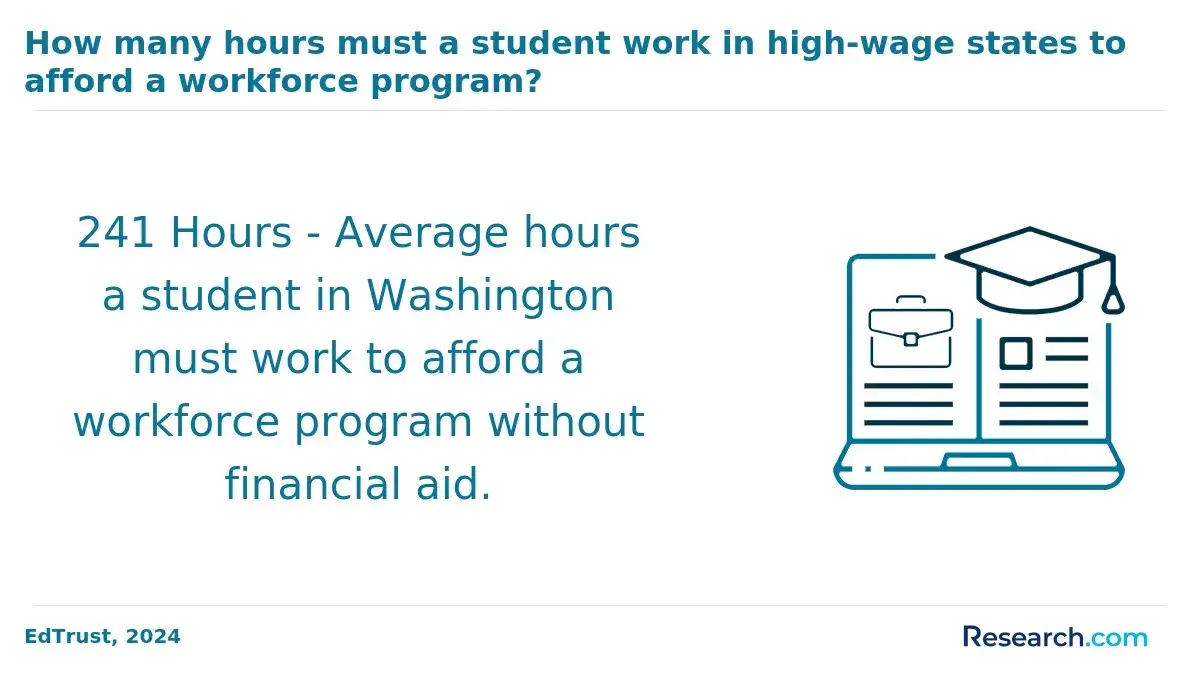
Entertainment business coursework is designed to connect creative industries with business decision-making. Over 60% of students in these programs are over the age of 25, so many courses are structured for learners who want immediate workplace application rather than purely theoretical study. The strongest programs help students understand how entertainment projects are financed, marketed, negotiated, distributed, protected, and measured.
Requirements vary, but most programs combine core business classes, entertainment-focused courses, electives, and a capstone, practicum, or portfolio project. Working adults should review syllabi carefully to see whether assignments resemble real industry tasks, such as preparing a marketing plan, production budget, contract analysis, distribution strategy, or artist business plan.
Common required courses
- Entertainment Marketing and Promotion: Covers branding, advertising, audience development, campaign planning, public relations, social media, and promotion for entertainment products, artists, venues, and media properties.
- Media and Content Production Management: Focuses on production budgets, schedules, team coordination, vendor management, deliverables, and the operational side of creative projects.
- Entertainment Law and Contracts: Introduces intellectual property, rights management, licensing, union or guild considerations, contract terms, negotiation basics, and legal risk in entertainment deals.
- Financial Management in Entertainment: Builds skills in budgeting, forecasting, funding, revenue analysis, cost control, and financial planning for entertainment projects or organizations.
- Digital Distribution and New Media: Examines streaming, creator platforms, digital monetization, analytics, direct-to-consumer models, and changing audience behavior.
- Leadership and Project Management: Helps working professionals manage teams, timelines, stakeholders, conflicts, and cross-functional entertainment projects.
- Strategic Management or Business Development: Addresses partnerships, market positioning, competitive analysis, sponsorships, and growth opportunities.
What to look for in the curriculum
- Practical assignments: Choose programs that require applied projects rather than only exams and discussion posts.
- Current industry coverage: Courses should address digital platforms, rights issues, analytics, and evolving distribution models.
- Transferable business skills: Finance, leadership, marketing, and negotiation remain useful even if you later move across entertainment sectors.
- Capstone relevance: A capstone should help you build a portfolio piece or solve a real professional problem.
Career changers comparing cost and flexibility across fields may also research options such as the cheapest psychology degree online to understand how online programs differ in affordability, structure, and career alignment.
Completion time depends on the credential level, transfer credits, course load, term length, and how consistently a student can enroll while working. Many working adults take between four to six years to graduate, which is longer than the typical four-year timeline for full-time students. That longer path is not necessarily a problem if it allows the student to maintain income, avoid overload, and use the degree strategically for career growth.
The most important planning step is to calculate a realistic course load before enrolling. A program that looks fast on paper may become difficult if it requires live sessions, group projects, intensive weekly deadlines, or internships that conflict with work schedules.
Factors that affect completion time
- Program format: Online and hybrid programs may make attendance easier, especially when courses are asynchronous. Campus-based programs can be valuable for networking but may be harder to fit around work hours.
- Course load: Part-time enrollment usually extends the timeline. Taking more credits each term can shorten it, but only if the workload is sustainable.
- Prior credits: Previously earned college credits or approved professional certifications may reduce the number of required courses.
- Work schedule: Full-time employment, travel, production schedules, family care, and seasonal workload changes can all affect how many classes a student can complete each term.
- Accelerated options: Some programs use shorter terms or intensive courses. These can help motivated students finish sooner, but the pace can be demanding.
- Stop-out risk: Adult learners should ask how the school handles temporary breaks, re-enrollment, and course sequencing if life or work interrupts enrollment.
How working adults can plan a realistic timeline
- Ask for a degree map showing part-time, full-time, and accelerated paths.
- Confirm how often required courses are offered.
- Check whether transferred credits apply to major requirements or only electives.
- Estimate weekly study time before choosing the first-term course load.
- Review whether summer, evening, weekend, or asynchronous courses are available.
For many working adults, the best timeline is not the shortest one. It is the one that supports steady progress without harming job performance, health, or financial stability.
The cost of an entertainment business degree can vary widely, so working adults should look beyond headline tuition. Recent data shows part-time enrollment among adult learners in this field has increased by more than 30%, which makes flexible pricing, transfer policies, and employer assistance especially important. A lower-cost program may become expensive if it accepts few transfer credits or charges high fees, while a higher-tuition program may offer better value if it shortens time to completion or improves career mobility.
Tuition per credit is often the largest expense. Prices vary significantly across public, private, and online schools, generally ranging from $300 up to $1,200 per credit hour. Students should multiply the per-credit rate by the total number of credits they personally need after transfer evaluation, not only by the program’s advertised credit total.
Major cost factors
- Tuition per credit: Public, private, nonprofit, for-profit, online, and out-of-state programs may use different pricing models.
- Program length: Part-time attendance may spread costs over more terms, while accelerated formats may compress expenses into a shorter period.
- Additional fees: Technology, student services, graduation, assessment, and campus activity fees can add hundreds of dollars each term.
- Books and materials: Digital materials may reduce costs, but some courses still require paid platforms, software, case studies, or media subscriptions.
- Delivery mode: Online study may reduce commuting and relocation costs, but students should still review technology requirements and online fees.
- Transfer credits: Accepted credits can reduce total tuition, but schools differ in how they apply transfer work to major, general education, or elective requirements.
- Opportunity cost: Working adults should consider whether the course load affects overtime, freelance work, promotions, or family responsibilities.
Students comparing cost structures in business-related fields can use resources on a business administration degree online accredited to better understand how accreditation, tuition, and online delivery interact when choosing an affordable program.
Cost-control strategies
- Request a written transfer-credit evaluation before committing.
- Ask whether tuition is locked or may increase during enrollment.
- Use employer tuition reimbursement when available.
- Compare total program cost, not only per-credit tuition.
- Review refund deadlines before each term.
- Start with a manageable course load to avoid paying for classes you may need to withdraw from.
A financially sound program is one you can complete. Affordability should be evaluated alongside schedule fit, accreditation, career relevance, and student support.
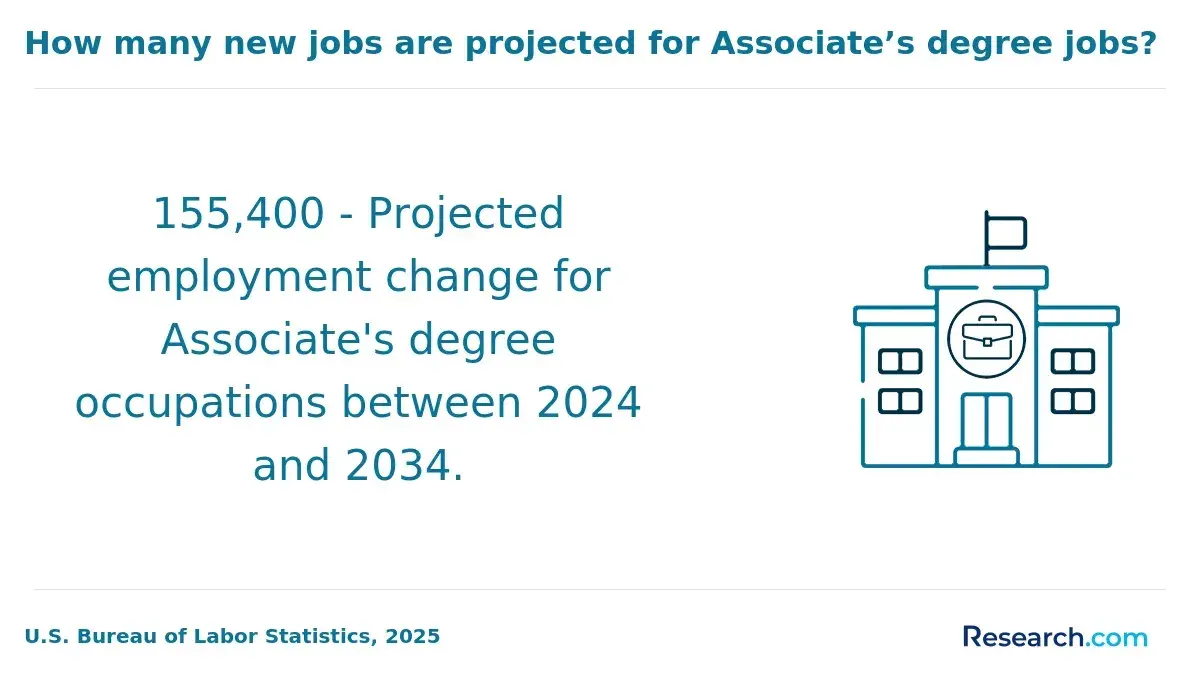
Financial aid can make an entertainment business degree more manageable, but working adults should understand eligibility rules before enrolling. Aid may depend on accreditation, enrollment status, degree level, satisfactory academic progress, income, employer policies, and whether the program is eligible for federal or state funding. The best approach is to combine multiple sources when possible and avoid borrowing more than the expected career benefit can justify.
Common financial aid options
- Federal financial aid: Pell Grants and Direct Loans may be available to eligible students who complete the FAFSA and enroll in an accredited institution. Loan funds must be repaid, so students should borrow carefully.
- Employer tuition assistance: Some employers reimburse tuition or provide direct education assistance. Policies often require approved programs, minimum grades, continued employment, or a service commitment after completion.
- Scholarships for adult learners: Scholarships may be based on academic achievement, career goals, financial need, demographic factors, military status, industry affiliation, or community involvement.
- Grants: State and private grants may provide funds that do not need repayment. Eligibility can depend on income, residency, field of study, enrollment level, or school participation.
- Payment plans: Institutional payment plans can spread tuition across installments. They can help with cash flow, but students should check setup fees and missed-payment penalties.
- Transfer-credit savings: While not financial aid, accepted credits can reduce the number of courses paid for and may lower total cost significantly.
- Military or veteran benefits: Eligible students should ask the school’s certifying official how benefits apply to the specific program and enrollment schedule.
Questions to ask the financial aid office
- Is the program eligible for federal financial aid?
- How many credits are required each term to qualify for aid?
- Will part-time enrollment change grant or loan eligibility?
- What happens to aid if I pause enrollment for work or family reasons?
- Are scholarships available specifically for adult, online, part-time, or entertainment business students?
- What is the total estimated cost after fees, books, and transfer credits?
Working adults should make funding decisions before the first term begins. A clear plan helps prevent unexpected balances, late fees, or loan dependence that can undermine the value of the degree.
Support services can determine whether a working adult finishes a program or stops out. Entertainment business students often manage work deadlines, family obligations, creative projects, travel, freelance assignments, or irregular production schedules. A strong program should not simply offer online classes; it should provide advising, technical support, career guidance, and clear communication designed for adult learners.
Key support services to look for
- Academic advising: Advisors should help students build a realistic degree plan, sequence required courses, understand prerequisites, and adjust enrollment when work demands change.
- Flexible scheduling: Evening, weekend, asynchronous, hybrid, and part-time options can make continued enrollment possible for adults with full-time jobs.
- Online learning support: Reliable technical help, orientation modules, library access, tutoring, and digital research tools reduce barriers for remote learners.
- Career services: Resume support, interview preparation, internship guidance, portfolio review, networking events, and job-search coaching help connect the degree to professional outcomes.
- Faculty access: Working adults benefit when instructors offer virtual office hours, timely feedback, and practical insight into entertainment business problems.
- Mental health resources: Counseling, stress management, wellness resources, and crisis support can help students manage the pressure of work, school, and personal responsibilities.
- Writing and communication support: Business plans, contract analyses, campaign proposals, and capstone projects often require strong writing and presentation skills.
- Peer and alumni networks: Adult learners can gain industry contacts, collaboration opportunities, and career advice through structured networking.
Warning signs
- Advising is available only during standard work hours.
- Required courses are offered infrequently, delaying graduation.
- Online students receive fewer services than campus students.
- Career services focus only on entry-level roles and not advancement.
- The program cannot clearly explain how adult learners complete internships, practicums, or capstones.
Before enrolling, working adults should ask how many students complete the program part-time, how advising works for online learners, and what happens if employment obligations temporarily interfere with coursework.
Entertainment business degrees for working adults can be accredited, but accreditation must be verified program by program and institution by institution. Accreditation signals that a school or program has been reviewed against established educational standards, including curriculum quality, faculty qualifications, student support, and institutional stability. For adult learners, this matters because accreditation can affect financial aid eligibility, transfer credits, employer recognition, and future graduate study.
Only accredited programs typically qualify students for federal and state financial aid. That is especially important for adults who need to combine work income, aid, payment plans, and employer benefits. Employers may also view accredited degrees as more credible because the credential comes from an institution subject to external review.
What to verify before enrolling
- Institutional accreditation: Confirm that the college or university is accredited by a recognized accrediting body.
- Program-level recognition: Some business programs may hold additional business-related accreditation or industry recognition, although requirements vary by school and degree type.
- Financial aid eligibility: Ask whether the specific entertainment business program qualifies for federal and state aid.
- Credit transfer: Accredited credits are more likely to transfer, but receiving schools decide what they will accept.
- Employer acceptance: If you need the degree for promotion or reimbursement, confirm your employer’s requirements before enrolling.
- Licensure or certification impact: Accreditation may influence eligibility for certain certifications or professional requirements, depending on the role and jurisdiction.
Recent trends show a significant increase in adult learners pursuing graduate degrees, which makes credential quality more important. Adults investing time and money should avoid programs that cannot clearly explain their accreditation status, transfer policies, financial aid eligibility, and student outcomes.
An entertainment business degree can increase salary for some working adults, but the outcome depends on experience, role, employer, location, specialization, and how directly the degree supports advancement. Adults with this degree can expect salaries starting from $40,000 to $50,000 in entry-level positions, rising to between $60,000 and $90,000 mid-career, with specialized or management roles exceeding six figures. These ranges show potential, not a guarantee.
The degree is most likely to support salary growth when it helps a professional move into roles with larger budgets, staff responsibility, client ownership, rights management, revenue strategy, or executive decision-making. It may have less immediate salary impact if the student already holds a similar credential, chooses a program with weak industry connections, or remains in a role where pay is not tied to education.
Factors that influence salary impact
- Industry demand: Expanding fields such as digital media and streaming platforms can reward professionals who understand content distribution, platform strategy, analytics, and monetization.
- Role advancement: A degree may help professionals qualify for management, strategy, marketing leadership, business affairs, or production operations roles that pay more than entry-level positions.
- Employer policies: Some organizations connect educational attainment to promotions, pay bands, or tuition reimbursement, while others prioritize experience and portfolio results.
- Years of experience: The strongest salary gains often come when academic training builds on existing industry experience.
- Specialization: Focused expertise in production management, entertainment law, marketing, digital distribution, or business development can open access to higher-paying opportunities.
- Networking and portfolio: Programs that help students build industry relationships and applied work samples may improve job mobility.
How to evaluate return on investment
- Compare total program cost with realistic salary growth in your target role.
- Ask whether graduates work in roles similar to the one you want.
- Confirm whether your employer rewards degree completion.
- Choose coursework that fills specific skill gaps, such as finance, contracts, analytics, or leadership.
- Avoid borrowing based only on best-case salary assumptions.
Working adults who need a shorter path may compare flexible programs such as accelerated online bachelor degree programs. Accelerated formats can reduce time to completion, but students should make sure the pace is manageable alongside employment.
An entertainment business degree can prepare working adults for roles that combine creative industry knowledge with business, management, marketing, legal, financial, and operational skills. For adults who already have experience, the degree is often most useful for moving into higher-level, specialized, or leadership positions rather than starting from zero.
Career outcomes depend on prior work history, location, portfolio, network, and specialization. A person with production experience may use the degree to move into production management, while someone with marketing experience may pursue entertainment brand strategy, audience development, or partnerships. The credential is strongest when paired with a clear career target.
Common job paths
- Entertainment Manager: Oversees entertainment projects, teams, schedules, budgets, vendors, and talent coordination. The degree can strengthen leadership, budgeting, negotiation, and project planning skills.
- Production Executive: Supports or leads decisions related to content development, production financing, scheduling, distribution, and business operations. Coursework in contracts, media law, analytics, and finance can be valuable for this path.
- Marketing Director: Develops campaigns for films, shows, artists, events, venues, games, sports properties, or media brands. This role requires audience insight, brand strategy, digital marketing, and performance measurement.
- Business Development Specialist: Identifies partnerships, sponsorships, licensing opportunities, distribution channels, and new revenue streams. Negotiation, market analysis, and industry trend awareness are important.
- Legal and Compliance Advisor: Helps manage contracts, rights, licensing, intellectual property, regulatory issues, and risk. Some legal roles may require additional education or licensure, so students should verify requirements for their target position.
- Talent or Artist Manager: Supports career planning, branding, booking, negotiations, partnerships, and business decisions for performers, creators, or artists.
- Event or Venue Manager: Coordinates live events, staffing, budgets, sponsorships, ticketing, vendor relationships, and audience experience.
- Digital Content Strategist: Plans content distribution, platform growth, audience engagement, analytics, and monetization for entertainment brands or creators.
How to improve job prospects while enrolled
- Use class projects to build portfolio materials tied to your target role.
- Choose electives that match the sector you want: music, film, sports, live events, gaming, or digital media.
- Seek faculty and alumni connections before graduation, not after.
- Translate coursework into measurable workplace results whenever possible.
- Consider complementary certifications online when they add targeted skills in areas such as project management, marketing, analytics, or digital tools.
Career paths with an entertainment business degree typically reward professionals who can bridge creative goals and business realities. The degree can help, but advancement still depends on experience, relationships, demonstrated results, and the ability to make sound decisions in fast-changing entertainment markets.
What Graduates Say About Their Entertainment Business Degrees for Working Adults
-
: "Choosing an online entertainment business degree while working full-time was a game-changer for me. The flexibility allowed me to manage both my job and studies effectively, and at an average cost of around $15,000, it was a worthwhile investment. After graduating, I noticed significant growth in my role, especially in negotiating contracts and managing projects with more confidence.
Dallas"
-
: "I took the part-time entertainment business program because I needed to maintain my income while improving my skills. Although the cost was a bit daunting initially, considering it averages near $15,000, the long-term benefits were undeniable. Completing the program gave me clarity and direction, and now I lead a creative team with a much broader understanding of the industry dynamics.
Yusuf"
-
: "Balancing work and an entertainment business degree online required discipline, but it was worth every effort. The cost, approximately $15,000, felt like a strategic investment in my future rather than an expense. Professionally, this degree broadened my perspective and opened doors to executive opportunities that I hadn't imagined before.
Briar"
Other Things You Should Know About Entertainment Business Degrees
Reputable online entertainment business degree programs from accredited institutions are generally respected by employers within the entertainment industry. Employers often value the practical skills and flexibility demonstrated by working adults who complete online degrees. Accreditation and a program's industry connections contribute to the program's standing in the job market.
Yes, many entertainment business degree programs in 2027 offer credit transfer options for working adults. These programs often evaluate past coursework, certifications, and professional experience to determine eligibility for credit transfer, facilitating a more efficient degree completion process.
Many 2027 entertainment business degrees require a capstone, internship, or practicum, often worth 3 to 6 credit hours. Some programs waive this for students with relevant professional experience, but the requirement is usually set by the school’s business or arts division, not by a state licensing board.
- How to Succeed in the Entertainment Business Master's Degree Program - The Hub https://hub.fullsail.edu/articles/how-to-succeed-in-the-entertainment-business-masters-degree-program
- Grants and Resources for Underrepresented Content Makers 2025 - QuickFrame https://quickframe.mountain.com/blog/grants-resources-minority-content-makers/
- Student Services - The Los Angeles Film School - Catalog https://catalog.lafilm.edu/015-student-services/
- 5 Facts About Our Entertainment Business Programs - SAE Institute USA https://usa.sae.edu/blog/5-facts-about-our-entertainment-business-programs/
- Entertainment https://www.uclaextension.edu/entertainment
- Media and Entertainment Initiative https://www.iese.edu/faculty-research/initiatives/media-entertainment/
- Internships and Trainee Programs | Careers at Sony Pictures Entertainm https://www.sonypicturesjobs.com/internships
- Entertainment Design Degree Program - Apply Today https://www.ringling.edu/academics/majors/entertainment-design/
- Entertainment Community Fund Emergency Financial Assistance https://www.wga.org/members/finances/entertainment-community-fund-emergency-financial-assistance
- Bachelor of Event, Sport and Entertainment Management (Co-op) - School of Business & Hospitality https://www.algonquincollege.com/business-hospitality/program/bachelor-of-event-sport-and-entertainment-management/


