2027 What Prerequisites Do You Need for an Entertainment Business Degree? Entry Requirements, Credits & Eligibility Rules

Co-Founder and Chief Data Scientist
Before you apply to an entertainment business degree program, the key question is not whether you love music, film, sports, gaming, or live events. It is whether your academic record shows you are ready for the business, communication, legal, marketing, and technology coursework that supports those industries.
Prerequisites vary widely. Some programs admit first-year students with only standard university requirements, while others expect prior college credits, business foundations, writing courses, portfolio materials, professional experience, or specific technology access for online study. Approximately 40% of applicants lack one or more required foundational courses, which can delay admission, limit transfer credit, or add cost before enrollment.
This guide explains the most common high school, college-level, transfer, testing, technology, international, and financial prerequisites for entertainment business programs. Use it to compare programs more carefully, avoid preventable application problems, and decide what you may need to complete before starting your degree.
Key Things to Know About the Prerequisites for a Entertainment Business Degree
- Most programs require completion of foundational courses in business, marketing, and media studies, often with a minimum GPA of 2.5 to 3.0 for eligibility.
- Applicants must usually complete 12-24 transferable credits before full admission, focusing on communication, economics, or introductory entertainment courses.
- Strong skills in digital media, project management, and basic financial literacy are increasingly emphasized as prerequisites for success in entertainment business degrees.
Do Entertainment Business Programs Require Specific High School Prerequisites?
Most entertainment business programs do not require a rigid set of high school prerequisites. For first-year applicants, schools usually focus on the standard admissions file: transcript, GPA, completed core subjects, essays, and sometimes extracurricular or creative experience. However, certain high school courses can make admission smoother and help students succeed once business-focused coursework begins.
The most useful high school preparation typically includes:
- Mathematics: Algebra and statistics support budgeting, revenue analysis, pricing, ticketing decisions, market research, and basic financial planning.
- English/Language Arts: Strong reading and writing skills are essential for proposals, contracts, marketing copy, emails, presentations, and negotiation preparation.
- Social Studies/Economics: Economics and social science courses help students understand consumer behavior, labor markets, audience trends, and the broader business environment.
- Media Studies or Art: Creative coursework can help students understand production workflows, visual communication, branding, storytelling, and collaboration with artists or creators.
These courses are usually recommended rather than mandatory, but they can strengthen an application and reduce the learning curve in classes such as business management, marketing, entertainment law, media distribution, and project planning.
Students reviewing admission prerequisites for entertainment business degree admission in 2026 should read each program’s admissions page carefully instead of assuming all schools follow the same model. Some programs are housed in business schools, while others sit within media, arts, communications, or music departments, and that placement can affect what the school values most. For a broader look at how entertainment-related paths compare with other fields, review college majors ranked by relevance and career fit.
What College-Level Prerequisites Are Required Before Starting a Entertainment Business Degree?
College-level prerequisites are more common for transfer students, degree-completion students, and applicants entering upper-division entertainment business coursework. These requirements are designed to confirm that students can handle business analysis, professional communication, and industry-specific assignments before they begin advanced major classes.
Common prerequisite college-level courses required for entertainment business programs in 2026 include:
- Introduction to Business: Covers core concepts in management, operations, marketing, organizational structure, and business decision-making.
- Communication: Builds presentation, persuasion, professional messaging, and interpersonal skills used in pitching, partnership development, client work, and team projects.
- Statistics or Quantitative Reasoning: Helps students interpret audience data, sales reports, campaign results, budgets, forecasts, and market trends.
- Writing or Composition: Prepares students to write clearly for contracts, proposals, business plans, press materials, research assignments, and professional correspondence.
- Lab Sciences or Social Sciences: Some programs require these as part of general education, while others use them to strengthen analytical thinking, cultural awareness, and research skills.
The practical issue is sequencing. If a prerequisite is required before an upper-level course, missing it can delay graduation even after admission. This is especially important for transfer students who may have enough total credits but not the right credits in the right categories.
Applicants should ask three questions before enrolling: whether the course must be completed before admission or before upper-division study, what minimum grade is required, and whether the school will accept an equivalent course from another accredited institution. Required credits and eligibility for entertainment business programs often depend on these details. Programs have seen increased enrollment partly due to these structured prerequisites, with growth noted in the last five years.
Students who want a shorter skills-focused option before or alongside a degree can compare short certificate programs that pay well online with full degree pathways.
How Many Credits Can You Transfer Into a Entertainment Business Degree?
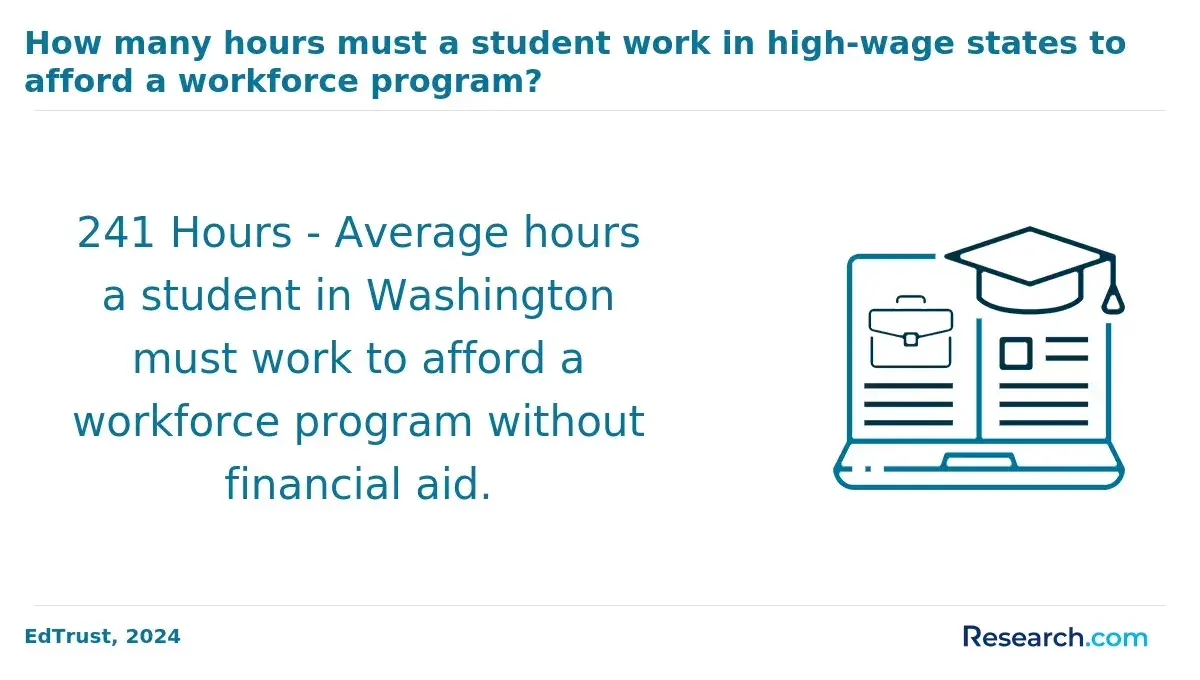
Students entering an entertainment business degree typically transfer between 30% and 75% of the total credit requirements, depending on the institution, accreditation, program structure, and how closely previous courses match the new degree plan. Many four-year institutions set transfer credit caps between 60 and 90 semester credits, with general education and elective credits usually transferring more easily than specialized major courses.
Transfer decisions are not based only on the number of credits earned. Schools usually evaluate whether prior coursework was college-level, completed at an appropriately accredited institution, relevant to the degree, and passed with a minimum acceptable grade, often a "C" or higher. Credits from remedial, technical, noncredit, or narrowly specialized courses may not apply even if they appear on a transcript.
Residency requirements also matter. Many programs require students to complete a set number of final credits through the degree-granting institution, typically around 30 to 40 semester credits. This rule can limit how much transfer credit applies, even for students with substantial prior coursework.
| Transfer factor | Why it matters |
| Accreditation | Credits from properly accredited institutions are more likely to be reviewed for transfer. |
| Course equivalency | A prior course must match a required course, general education category, or approved elective. |
| Minimum grade | Many schools require a "C" or higher for transfer approval. |
| Credit system | Quarter credits and semester credits may convert differently, affecting the total accepted. |
| Course age | Some programs limit older credits, especially in technology, media, marketing, or business topics. |
| Residency rule | Students may need to complete the final 30 to 40 semester credits at the receiving institution. |
The best step is to request an official transcript evaluation before committing to a program. Ask which credits apply to major requirements, which apply only as electives, and which do not apply at all. This prevents a common mistake: assuming that transfer acceptance means every prior course will shorten the degree.
As of 2026, most entertainment business degree programs do not require SAT or ACT scores for admission. Many colleges use test-optional or test-free policies, which means applicants can often choose whether standardized test scores strengthen their file. Nearly 1,700 accredited four-year colleges remain test-optional, so many students can apply without relying on test results.
That said, test policies are not identical everywhere. Some highly selective programs, top public universities, honors pathways, or merit-based scholarship processes may still request or consider SAT or ACT scores. Applicants should check both the university admissions policy and the specific entertainment business program policy, because the two may not always be the same.
When test scores are optional, admissions offices usually place more weight on other evidence of readiness, including:
- High school GPA: A strong record, usually 3.0 or above, can help demonstrate academic consistency.
- Relevant coursework: Classes in business, media, communications, writing, economics, statistics, or digital production can show preparation for the major.
- Personal essay: A focused essay can explain career goals, industry interests, and why the program fits the applicant’s plans.
- Portfolio or experience: Event work, media projects, marketing samples, internships, school productions, or creator economy experience may strengthen the application.
- Recommendations: Teachers, supervisors, or mentors can confirm maturity, collaboration, communication skills, and follow-through.
If your SAT or ACT score is stronger than the rest of your file, submitting it may help. If it does not reflect your ability, a test-optional policy may allow you to highlight grades, projects, writing, and experience instead.
Entertainment business programs combine creative industries with practical business training. Students do not need to be experts before enrolling, but they should enter with enough academic, technical, and professional readiness to keep up with fast-moving coursework and group-based projects.
The most important skills to develop before enrollment include:
- Foundational academic skills: Students need strong reading comprehension, clear writing, note-taking, research ability, and time management. These skills support assignments involving contracts, case studies, proposals, business plans, and market analysis.
- Technical and software proficiency: Familiarity with Microsoft Office and Adobe Creative Suite can help with presentations, spreadsheets, promotional materials, content planning, and project documentation.
- Analytical and problem-solving abilities: Entertainment business coursework often asks students to evaluate budgets, logistics, licensing issues, audience data, and strategic trade-offs.
- Communication skills: Public speaking, negotiation, active listening, professional email writing, and teamwork are central to client relationships, artist management, event planning, marketing, and production coordination.
- Industry-specific knowledge: Students benefit from following trends in streaming, live events, music, film, gaming, sports, social media, intellectual property, and talent representation.
A useful way to prepare is to build a small evidence file before applying. This might include a sample marketing plan, event budget, social media campaign, short business memo, production schedule, or reflection on an industry trend. Even when a portfolio is not required, these materials help students clarify their interests and speak more confidently in essays or interviews.
Most undergraduate entertainment business programs do not require professional experience for admission. They typically evaluate academic preparation first, including GPA, coursework, writing ability, and overall readiness for college-level study. Experience can still help, but it is usually optional rather than mandatory.
Graduate and specialized programs are more likely to expect a work background. Tracks in entertainment law, production management, artist management, music business, or executive-style programs may prefer or require between one and three years of relevant industry experience. Work in event coordination, marketing, media production, venue operations, talent support, social media, promotions, or business administration can be especially relevant.
Professional experience matters because it helps applicants connect coursework to real problems. Students who have worked on events, campaigns, productions, or client-facing projects may be better prepared for case studies, group assignments, internships, and networking. Data from the National Center for Education Statistics indicates that about 40% of master's program applicants bring relevant work background, reflecting its increasing yet non-mandatory role in admissions.
If you do not have formal experience, look for practical substitutes. Volunteer at events, help with campus media, support local arts organizations, assist with social media for a small business, shadow professionals, or complete a short internship. Admissions committees often value initiative and evidence of industry awareness, not only paid job titles.
Online entertainment business degree programs require reliable technology because students often work with video content, virtual meetings, collaborative documents, learning management systems, presentations, and media-related assignments. Weak equipment or unstable internet can create avoidable academic problems, especially in courses with live sessions or group production work.
- Hardware requirements: A computer with at least an Intel i5 processor or equivalent, 8 GB of RAM, and 250 GB of storage supports multitasking across presentations, spreadsheets, research databases, video tools, and creative software used in entertainment business coursework.
- Reliable internet speed: Programs typically recommend a minimum 25 Mbps download speed for streaming lectures, joining live webinars, uploading assignments, and participating in real-time collaboration.
- Required software and platforms: Students should be comfortable using learning management systems such as Canvas or Blackboard. Microsoft Office, Adobe Creative Suite, or data analysis tools may also be useful depending on the program’s marketing, media, or content creation focus.
- Digital literacy skills: Students need to navigate virtual classrooms, submit assignments online, communicate professionally by email and discussion board, manage files securely, troubleshoot basic technical issues, and participate in remote team projects.
Before enrolling, ask whether the program requires specific software licenses, webcams, microphones, cloud storage, or proctored exam tools. Also confirm whether technical support is available during evenings or weekends if you plan to study around work or family responsibilities.
Students exploring online entertainment business degree prerequisites often compare flexible business-related options and may also consider an online college business degree if they want broader business training with lower-cost online pathways.
International students usually need to satisfy both the entertainment business program requirements and the university’s international admissions requirements. These additional steps help schools verify academic equivalency, English readiness, immigration eligibility, and financial preparedness.
The most common prerequisites for international applicants include:
- Proof of Academic Credentials: Applicants usually submit official transcripts, diplomas, or exam records from prior schools. These documents may need translation or credential evaluation to show U.S. educational equivalency.
- English Language Proficiency: Because most programs are taught in English, schools often require TOEFL or IELTS scores. Minimum score thresholds vary by institution and program level.
- Valid Student Visa: Students planning to study in the U.S. generally need an F-1 or M-1 visa. This process typically requires admission to a recognized institution and proof of financial ability to cover tuition and living expenses.
- Standardized Test Scores: Some programs may require SAT, ACT, or GRE scores depending on whether the applicant is applying for undergraduate or graduate study.
- Letters of Recommendation and Personal Statement: Universities may request references and essays explaining the applicant’s goals, motivation, industry interests, and fit for the entertainment business field.
International applicants should start early because document evaluation, English testing, visa processing, and financial certification can take time. A common mistake is focusing only on the academic application and leaving immigration or funding paperwork until after admission, which can create delays.
Requirements also vary by program, institution, and state regulations. Students comparing faster or flexible pathways can review quick degrees for high paying jobs while checking whether those formats support international enrollment, visa rules, and part-time study options.
General university requirements determine whether you can be admitted to the institution. Program-specific prerequisites determine whether you can enter, progress in, or graduate from the entertainment business major. Students should treat these as two separate checklists.
Standard University Admission Requirements
- GPA Thresholds: Most universities require a minimum GPA, commonly between 2.5 and 3.0, to show baseline academic readiness.
- English Language Proficiency: Non-native English speakers may need TOEFL or IELTS scores to demonstrate readiness for college-level reading, writing, discussion, and presentation work.
- General Education Coursework: Students are usually expected to complete broad coursework in areas such as math, science, humanities, composition, and social science.
Program-Specific Prerequisites for Entertainment Business Degree Programs
- Required Skills and Courses: Programs may require foundational coursework in business, marketing principles, media technology, digital media, communication, or accounting.
- Portfolio Submissions: Some programs request work samples such as media projects, event plans, campaign materials, or creative-business proposals.
- Professional Experience: Internships, volunteer roles, production work, event support, or related industry exposure may be preferred, especially for advanced programs.
- Technical Assessments: Some programs may evaluate proficiency with software or tools used in entertainment management, marketing, analytics, or production.
| Requirement type | Main purpose | What students should verify |
| General university requirement | Confirms eligibility for admission to the college or university. | Minimum GPA, transcript rules, application materials, English proficiency, and general education expectations. |
| Program-specific prerequisite | Confirms readiness for the entertainment business major or upper-division coursework. | Required business, media, communication, technical, portfolio, or experience-based requirements. |
The key difference is that program-specific prerequisites are narrower and more career-focused. They can also affect timing. A student may be admitted to the university but delayed from starting major coursework until missing prerequisites are completed. Programs with such specialized prerequisites typically see a 15% higher retention rate due to better student-program fit, according to the National Center for Education Statistics.
Working adults should compare program rules carefully because scheduling, transfer credit, and prerequisite availability can affect completion time. One useful starting point is a list of the best affordable online schools for working students.
In many cases, yes. Students typically pay for prerequisite courses before enrolling in an entertainment business program unless they already have approved transfer credit. These courses may be completed through the target institution, a community college, or an accredited online provider, but the receiving program must agree that the credits satisfy its requirements.
Costs vary by school and format. Community colleges generally charge lower fees, around $150 per credit hour on average. Private universities and specialized schools often cost more. Online courses may offer additional flexibility, but students should confirm accreditation, credit value, grading requirements, and transferability before paying.
To reduce prerequisite costs, students can:
- Request a transcript review before repeating any course.
- Take approved general education or business foundation courses at a community college when transfer rules allow it.
- Ask whether the target program accepts equivalent online courses from accredited providers.
- Check whether federal or state financial aid applies to prerequisite enrollment.
- Look for scholarships or grants connected to arts, business, media, or foundational studies.
- Ask about tuition waivers, discounts, or bundled prerequisite options.
The most important step is written confirmation. Before paying for a prerequisite outside the target institution, ask an advisor or registrar to confirm that the course will transfer and identify exactly which requirement it will meet. This can prevent paying for credits that apply only as electives or do not apply at all.
What Graduates Say About the Prerequisites for Their Entertainment Business Degree
- : "Getting into an entertainment business degree program required me to complete specific prerequisite courses, which gave me a strong foundation and prepared me well for the advanced topics. The cost was reasonable compared to other programs, making it a worthwhile investment. Since graduating, the degree has opened many doors for me in the industry, significantly accelerating my career growth. — Spencer"
- : "Reflecting on my journey, meeting the entrance prerequisites was both challenging and rewarding, pushing me to fully commit to the program. The average cost of attendance was something I had to carefully consider, but scholarships helped ease the burden. This degree has truly been a turning point, allowing me to transition smoothly into a professional role with confidence and industry insight. — Merritt"
- : "From a professional viewpoint, the entertainment business degree provided critical credentials after I fulfilled the necessary entry requirements. While the cost was an important factor, investing in this program proved invaluable. It enhanced my understanding of the business side of entertainment, ultimately leading to meaningful career opportunities and a stronger professional network. — Pace"
Other Things You Should Know About Entertainment Business Degrees
International students seeking to enroll in an entertainment business degree in 2027 typically need a valid passport, proof of English proficiency (such as TOEFL or IELTS tests), and equivalent high school credentials. Additionally, they should prepare for any visa application processes and may need to submit a statement of purpose or personal essay.
In 2027, most entertainment business degree programs require a high school diploma or equivalent, transcripts, a personal statement, and letters of recommendation. Some schools may request a resume or portfolio, focusing on any relevant industry experience or coursework.
Most programs accept TOEFL iBT scores of 79–100, IELTS scores of 6.0–6.5, or Duolingo English Test scores of 105–120 for applicants whose prior education was not in English. Schools may also require official score reports and a recent score, usually from the last two years.
- Admissions FAQs https://www.fullsail.edu/about/faqs/admissions
- General Undergraduate Admission Requirements https://calendar.ualberta.ca/content.php
- BACHELOR OF SCIENCE IN ENTERTAINMENT BUSINESS – Osiri University https://osiriuniversity.org/bseb/
- Entertainment Business - Degrees at The Los Angeles Film School https://www.lafilm.edu/programs/entertainment-business/
- Entertainment Marketing Major & Minor | Saint Joseph's University https://www.sju.edu/degree-programs/entertainment-marketing
- Is a Degree in Entertainment Management Right for You? https://www.lccm.org.uk/blog/is-a-degree-in-entertainment-management-right-for-you/
- How to Apply - Digital Entertainment Business Master in Management of Creative and Cultural Industries - Amsterdam/Milan https://businessschool.luiss.it/digital-entertainment-business/how-to-apply/
- International Media and Entertainment Business in Short Programme https://thomasmore.be/en/educations/degree-students/international-media-and-entertainment-business/international-media-and-entertainment-business/mechelen/short-programme
- Bachelor’s in Arts, Entertainment, and Media Business, BA https://www.roosevelt.edu/programs/bachelors-arts-entertainment-and-media-business-ba
- Business and Entertainment Major | Kogod School of Business | American University https://kogod.american.edu/programs-admissions/undergraduate/business-entertainment