
2027 Entertainment Business Degree vs. Certificate: Which Should You Choose?

Co-Founder and Chief Data Scientist
Choosing between an entertainment business degree and an entertainment business certificate is really a choice between depth, speed, cost, and career positioning. A degree usually makes more sense if you want a broad business education, stronger access to management-track roles, and a credential that is widely understood by employers and graduate schools. A certificate is often the better fit if you need targeted skills, want to enter the field faster, or already have a degree and need industry-specific training.
The right path depends on where you are starting from. New students may value the structure and network of a degree program, while working professionals may prefer a shorter certificate that sharpens skills in areas such as production, marketing, artist management, events, or digital media. Entertainment business degrees often lead to higher earning potential, with graduates reporting 20% more job opportunities in management roles, but certificates can reduce time and upfront cost.
This guide compares degrees and certificates by curriculum depth, completion time, online availability, admissions, credits, tuition, accreditation, transfer options, job outcomes, and starting salary so you can choose the credential that fits your goals and budget.
Key Points About Entertainment Business Degree vs. Certificate Programs
- Degree programs offer comprehensive education and often lead to higher salary potential, with average graduates earning 20% more than certificate holders in entertainment business roles.
- Certificates focus on specialized skills and faster completion, ideal for professionals seeking immediate upskilling or niche expertise without full-degree commitment.
- Degrees typically provide broader networking opportunities and internships, enhancing long-term career growth compared to certificates that prioritize practical skill application.
What Are the Differences Between Entertainment Business Degree and Certificate Programs?
An entertainment business degree and an entertainment business certificate can both help you build industry-relevant skills, but they serve different purposes. A degree is a broader academic credential designed for long-term career development. A certificate is a shorter, focused credential designed to build specific skills quickly.
The best choice depends on whether you need a comprehensive education or targeted training. Students aiming for management, production leadership, graduate study, or broader business roles often benefit from a degree. Learners who want faster entry, a lower-cost credential, or a way to update existing skills may find a certificate more practical.
- Purpose: A degree provides a structured foundation in business, entertainment industry practices, communication, finance, marketing, law, and management. A certificate usually concentrates on a narrower topic such as entertainment marketing, production management, event operations, or music business.
- Career use: A degree is often better for students seeking long-term advancement, management roles, or a credential that employers recognize across industries. A certificate is useful for entry-level support roles, career pivots, or skill upgrades.
- Depth of learning: Degree programs combine theory, general education, business fundamentals, and applied projects. Certificate programs focus on practical skills and may leave out broader academic coursework.
- Time commitment: Degrees require a multi-year commitment. Certificates are shorter and are often designed for working adults or students who need a faster credential.
- Cost: Degrees usually cost more overall because they require more credits and take longer to complete. Certificates typically cost less, though financial aid options may be more limited.
- Flexibility: Certificates are often easier to complete part-time or online. Degree programs may also offer online or accelerated formats, but they usually have more requirements and sequencing.
A simple way to decide is to ask what problem you need the credential to solve. If you need a recognized academic credential for long-term mobility, consider a degree. If you need a focused skill set to qualify for an entry-level role or strengthen your current resume, a certificate may be enough.
How Long Does It Take to Complete a Entertainment Business Degree vs. a Certificate Program?
Completion time is one of the clearest differences between an entertainment business degree and a certificate. A degree usually requires years of study because it includes general education, business core courses, electives, and entertainment-focused coursework. A certificate can often be completed in months because it focuses on a smaller set of skills.
- Typical duration: Most entertainment business degree programs in the US take about four years to complete when attending full-time, while associate degrees average two years. Entertainment business certificate program length USA typically ranges from a few months to one year.
- Full-time vs. part-time study: Full-time degree students move faster but take on a larger course load. Part-time degree students can balance school with work, but the timeline may extend significantly. Certificate programs are often built for part-time enrollment and may be easier to complete while working.
- Accelerated options: Some degree programs offer accelerated terms, summer courses, or intensive formats. These can shorten the timeline, but they still usually require more time than a certificate because the credit total is much larger.
- Transfer credits and prior learning: Students with previous college credits, relevant coursework, or approved proficiency exam results may reduce the time needed for a degree. Certificate programs may also recognize prior learning, but the shorter curriculum means there is usually less time to save.
- Course sequencing: Degrees often require prerequisites and a planned course order, especially when business courses build on one another. Certificates may have fewer prerequisites, which can make scheduling easier.
If your priority is speed, a certificate is usually the faster route. If your priority is broader preparation and long-term career flexibility, a degree may be worth the longer timeline. Students who already hold a bachelor’s degree and want graduate-level study in a compressed format can also compare accelerated options such as one year masters degrees.
Can You Complete a Entertainment Business Degree or Certificate Entirely Online?
Yes, some entertainment business degrees and certificates can be completed entirely online, but availability depends on the school, credential level, and program design. Online study can be a strong option for students who cannot relocate to an entertainment hub or who need to balance coursework with work, family, or creative projects.
Many accredited institutions now offer online entertainment business degree programs, including the Los Angeles Film School's Bachelor of Science and the University of Miami's online master's degree. These programs may use virtual lectures, discussion boards, collaborative projects, case studies, and industry-focused assignments to teach business concepts in an entertainment context.
Certificates are also commonly offered online. Reputable entertainment business certificate fully online programs, such as NYU Tisch's Business of Entertainment, may provide on-demand lessons and flexible pacing for students who want targeted professional development without committing to a full degree.
Online learning is not automatically the best choice for every student. Entertainment business is relationship-driven, so networking, internships, events, and portfolio-building opportunities matter. Some programs may be hybrid rather than fully online, and certain associate degree options, such as those at SAE Institute, are mainly on-campus with minimal online content.
- Choose online if: you need scheduling flexibility, live far from campus, are already working, or want to avoid relocation and commuting costs.
- Consider hybrid or on-campus study if: you want in-person networking, studio access, event production experience, local internships, or campus-based career services.
- Verify before enrolling: whether the program is fully online, whether any campus visits are required, how internships are handled, and whether online students receive the same career support as campus students.
Students comparing short online credentials can also review online certification courses that pay well to understand how flexible credentials may support career goals.
Admission requirements are usually more demanding for entertainment business degrees than for certificate programs. Degree programs must evaluate whether applicants are ready for a longer academic path. Certificate programs often focus on access, career preparation, and readiness for a narrower set of courses.
Admission Requirements for Entertainment Business Degree Programs
- Educational background: A high school diploma or equivalent is required for undergraduate degrees. Graduate programs require a bachelor's degree from a regionally accredited institution.
- Academic performance: Undergraduate programs may require minimum academic standing, such as a 2.0 GPA for lower-division undergraduate courses. Graduate programs often set higher GPA expectations.
- Standardized test scores: Undergraduate admissions may consider SAT/ACT results. Many graduate programs request GRE or GMAT scores, though some may accept alternatives or waive the requirement.
- Transcripts: Official transcripts from all previously attended institutions are typically required.
- Essays or personal statements: Applicants are often asked to explain career goals, interest in entertainment business, and reasons for choosing the program.
- Letters of recommendation: Graduate applicants commonly provide two or three academic or professional references. Some undergraduate programs may require at least one professional reference.
- Resume or CV: Graduate programs commonly ask for a resume that shows relevant academic, creative, business, or professional experience.
- English proficiency: International students generally need TOEFL or similar scores if prior education was not completed in English.
Admission Requirements for Entertainment Business Certificate Programs
- Educational background: A high school diploma or equivalent is often enough, and a college degree is typically not required.
- Academic performance: GPA requirements are usually more flexible, and standardized tests are rarely required.
- Transcripts: Some programs may request transcripts to verify prior education or prerequisites, but the review is often less extensive than degree admissions.
- Essays or personal statements: These are often optional, though some programs may ask for a brief statement of interest.
- Letters of recommendation: Most certificate programs do not require recommendations.
- Resume or CV: A resume is rarely mandatory, but it can strengthen an application for competitive or professionally oriented certificates.
- English proficiency: International students may need to demonstrate English proficiency, though standards are often more flexible than in degree programs.
If you are comparing these routes, look beyond the application checklist. A selective degree may require more preparation, but it can also provide broader academic support, career services, and graduate school pathways. A certificate may be easier to enter, but you should still confirm that the curriculum, instructors, and outcomes match your goals. Students considering graduate education can also review what masters degree pays the most when weighing the value of advanced study.
Credit requirements show how much academic work a program expects. Entertainment business degrees require far more credits because they include general education, business foundations, electives, and major-specific coursework. Certificates require fewer credits because they focus on a specific professional skill area.
- Degree program credits: An entertainment business degree typically requires around 120 credit hours. These credits commonly include general education courses, business fundamentals, entertainment-specific coursework, and electives.
- Certificate program credits: An entertainment business certificate usually involves between 12 to 16 credits. The coursework is more focused and is designed for quicker completion.
The credit difference affects more than the timeline. It also affects cost, workload, financial aid eligibility, transfer planning, and how employers may interpret the credential. A 120-credit degree signals a broad academic foundation. A 12- to 16-credit certificate signals focused training in a defined area.
Before enrolling, review the required courses rather than relying only on the credit total. A lower-credit certificate can still be valuable if it teaches marketable skills and connects to your career goals. A higher-credit degree may be worth the investment if it includes internships, portfolio projects, business strategy coursework, and networking opportunities.
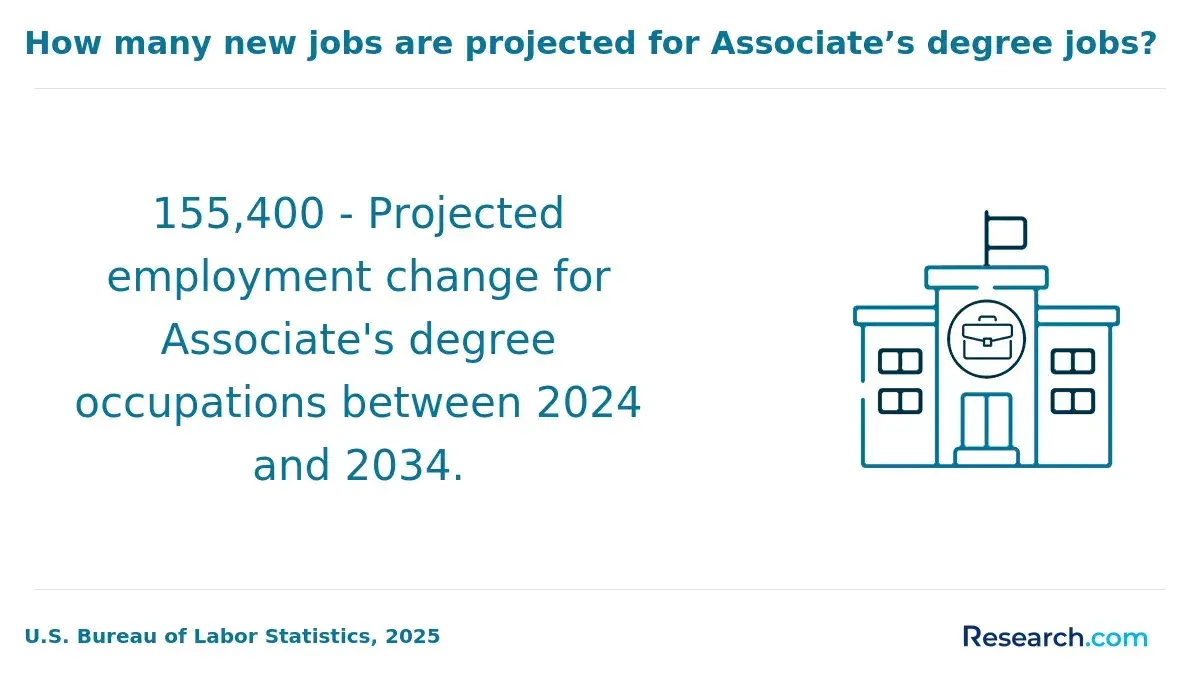
Tuition is often the deciding factor between an entertainment business degree and a certificate. Degrees cost more overall because they require more credits and more time. Certificates are usually less expensive, but students should also consider financial aid access, employer reimbursement, transferability, and whether the credential is strong enough for the roles they want.
Average Tuition for Entertainment Business Degree Programs
- Tuition range: Bachelor's degree programs typically cost between $12,740 (public, in-state) and $73,000 (private, specialized schools) for the full duration.
- School type: Public universities often cost less for in-state students, while private and specialized schools tend to charge higher tuition.
- Graduate degree costs: Master's programs average around $32,000-$65,700 depending on the school and program length.
- Additional fees: Mandatory fees, technology costs, and supplies can add several thousand dollars annually.
- Program length: Bachelor's degrees usually take 3-4 years to complete, while master's programs generally range from 1 to 2 years.
Average Tuition for Entertainment Business Certificate Programs
- Tuition range: Certificate programs usually range from $3,000 to $10,000 for the full program.
- Program duration: Certificates often last a few months up to one year, which can reduce total tuition and related expenses.
- Online vs. on-campus cost: Online certificates may reduce commuting, housing, and campus-based fees.
- School prestige: Certificates from well-known institutions may cost more, but they generally remain cheaper than full degree programs.
- Financial aid availability: Financial aid is often more limited for certificate programs, so students may need to rely more on personal funds, payment plans, or employer support.
When comparing tuition, calculate the total cost of attendance rather than tuition alone. Include fees, books, software, transportation, lost work time, and any required travel. Also ask whether credits can transfer, whether the program includes career services, and whether graduates enter roles that justify the cost.
Students who are still comparing business-focused education pathways may also want to review affordable online business degree programs before committing to a specialized entertainment business option.
Shorter intensive programs can also change the cost-and-time equation. For comparison, options such as 2 year PhD programs show how compressed study formats may affect tuition planning and completion timelines.
Yes, certificate credits can often be transferred toward an entertainment business degree later, but transfer is never automatic. It depends on the receiving school’s policies, the accreditation status of the institution that awarded the certificate, the level of the coursework, and how closely the courses match degree requirements.
Credits are generally more likely to transfer when the certificate was completed at a regionally accredited college or university and the courses align with the degree curriculum. Formal pathway agreements between a certificate and a degree program can also improve the chances that credits will apply.
- Accreditation matters: Regionally accredited schools tend to evaluate transfer credits more favorably than credits from non-accredited or unrecognized providers.
- Course match matters: A course in entertainment marketing may transfer if the degree has a similar requirement. A highly specialized workshop may count only as an elective or may not transfer at all.
- Grades matter: Schools often require a minimum grade, typically a C or better, before accepting transfer credit.
- Credit limits matter: Even if courses are eligible, colleges may cap how many certificate credits can be applied toward a degree.
- Timing matters: It is better to confirm transferability before enrolling in the certificate, not after completing it.
Before starting a certificate with the goal of applying credits to a future degree, ask the degree-granting institution for written guidance. Request a transfer evaluation, review the catalog, and speak with an academic advisor. This protects your time and money and helps you avoid paying for credits that will not count toward your next credential.
Certificate programs in entertainment business are generally not accredited in the same way as degree programs. Entertainment business bachelor's and master's degrees are typically offered by institutions with regional or national accreditation recognized by the U.S. Department of Education. That accreditation signals that the institution meets established academic and administrative standards.
Certificates vary more widely. Some are offered by accredited colleges and universities, while others come from independent organizations, technical schools, professional academies, or industry training providers. A certificate may still be useful even when it is not part of an accredited degree-granting institution, but students should understand what the credential does and does not provide.
- Academic quality: Accreditation helps verify that a school follows recognized standards for curriculum, faculty, student support, and governance.
- Credit transfer: Credits from accredited institutions are usually easier to transfer than credits from non-accredited providers.
- Financial aid: Federal financial aid eligibility is tied to institutional and program requirements, so many certificates may not qualify.
- Employer recognition: Degrees from accredited schools are often more widely understood. Certificates may depend more on the reputation of the provider and the relevance of the skills taught.
- Further education: Students who may later pursue a degree should be especially careful about whether certificate credits can transfer.
Before enrolling, verify the school’s accreditation status through recognized accrediting agencies. Also ask whether the specific certificate is credit-bearing, whether it appears on an official transcript, whether credits transfer into a degree, and whether employers in your target field recognize the provider.
Entertainment business degrees and certificates can both lead to industry roles, but they often support different levels of responsibility. A degree is more likely to prepare graduates for business, management, strategy, and leadership-track positions. A certificate is more often used for entry-level, assistant, coordinator, or specialized support roles.
Jobs You Can Get with an Entertainment Business Degree
- Film producer: Coordinates financing, scheduling, production teams, budgets, and post-production decisions for film projects.
- Television executive: Supports programming, development, distribution, and business strategy for networks or production companies.
- Music industry professional: Works in roles such as A&R, artist development, label operations, music marketing, or rights-related business functions.
- Digital media strategist: Plans campaigns and audience-growth strategies for entertainment brands, creators, studios, or media companies.
- Talent agent: Represents performers, artists, or creators and helps negotiate contracts, bookings, and professional opportunities.
Jobs You Can Get with an Entertainment Business Certificate
- Production assistant: Supports set, studio, or office operations by helping with schedules, equipment, communication, and logistics.
- Marketing coordinator: Assists with campaigns, events, content calendars, promotional materials, and audience engagement.
- Event coordinator: Helps plan and execute entertainment-related events, including vendor communication, timelines, and on-site coordination.
- Promotions assistant: Supports publicity, street teams, brand activations, media outreach, and promotional campaigns.
- Public relations assistant: Helps draft press materials, maintain media lists, coordinate announcements, and support communication teams.
Neither credential guarantees a specific job. In entertainment, experience, portfolio work, internships, location, referrals, and professional relationships often matter as much as formal education. A degree may help you compete for broader roles, while a certificate can help you get started faster or add a practical skill to an existing background.
Starting salary usually differs by credential, role, location, employer, and experience. Degree graduates tend to start higher because they are more likely to qualify for business, marketing, production, or management-track roles. Certificate graduates often begin in assistant, coordinator, administrative, or technical support positions.
- Typical salary range: Graduates with an entertainment business degree usually start with salaries between $44,000 and $56,000 per year. Certificate graduates typically earn between $30,000 and $40,000 annually.
- Education level: Degree holders often have broader access to mid-level roles, while certificate holders commonly begin in entry-level positions.
- Industry segment: Degree graduates may qualify for roles such as producer, marketing specialist, or public relations manager, with starting salaries up to $62,000. Certificate holders are more commonly hired for support, administrative, or technical jobs with lower salary ceilings.
- Location: Salaries in major entertainment hubs such as Los Angeles and New York are generally higher for both degree and certificate graduates.
- Experience and networking: Internships, freelance projects, campus productions, event work, and professional contacts can significantly affect starting offers.
- Career outlook: The outlook for entertainment business degree graduates is stronger overall, with greater long-term earning potential and advancement opportunities compared to certificate holders.
- Additional resources: Students looking for flexible career training can compare the best vocational colleges online as another pathway into practical entertainment-related work.
Use salary ranges as planning estimates, not promises. A certificate may offer a faster and cheaper start, but a degree may provide more room for salary growth over time. The strongest outcomes usually come from combining education with internships, project experience, networking, and a clear target role.
Here's What Graduates of Entertainment Business Programs Say About Their Degree or Certificate
- Eiden: "Pursuing the entertainment business certificate was the perfect fit for me because it offered a focused, fast-paced learning experience that I could complete alongside my job. I appreciated that it was significantly more affordable than a full degree, and it still opened doors to valuable industry connections and entry-level roles. For anyone balancing cost and time, the certificate is a smart starting point."
- Yusef: "Opting for the entertainment business degree was a strategic choice that required a longer commitment and higher cost, but it delivered in-depth education and comprehensive career preparation. The learning pace was rigorous and immersive, which prepared me better for leadership roles in the industry. Reflecting on it, investing in a degree was essential for my long-term professional growth and salary potential."
- Vincent: "Completing both the entertainment business certificate and degree programs gave me a layered understanding of the field and flexibility in my career path. The certificate program's concise curriculum allowed me to quickly grasp core concepts, while the degree offered a deeper dive and broader networking opportunities. Combining the two was more costly, but the blend of fast learning and extensive study styles truly enhanced my expertise and confidence in the industry."
Other Things You Should Know About Entertainment Business Degrees
Most colleges accept only regionally accredited credits, and many certificate courses transfer as electives rather than major requirements. Check the receiving school’s articulation agreement and credit limit, which often caps transfer at 50 percent of the degree. Saving syllabi and transcripts helps during evaluation.
A degree in entertainment business often offers comprehensive knowledge and skills, potentially leading to advanced career roles and higher salaries. Certificates may provide specialized skills but are typically better suited for immediate job entry or career enhancement rather than long-term advancement.
A certificate in entertainment business can enhance your resume by showcasing specialized skills and knowledge. It demonstrates your commitment to professional development, which may appeal to employers looking for candidates with focused expertise beyond general education.
- Business Management Certificate or Degree: What’s Best for you? https://www.mba.com/business-school-and-careers/career-possibilities/business-management-certificate
- Certificate, Certification, or Both? https://www.credentialingexcellence.org/Accreditation/New-to-Accreditation/Certificate-vs-Certification
- 5 Facts About Our Entertainment Business Programs - SAE Institute USA https://usa.sae.edu/blog/5-facts-about-our-entertainment-business-programs/
- Business and Management of Entertainment | UCLA Extension https://www.uclaextension.edu/entertainment/film-tv/certificate/business-and-management-entertainment
- What's the Difference Between a Certificate and a Certification? | UVA SCPS https://www.scps.virginia.edu/whats-difference-between-certificate-and-certification
- BACHELOR OF SCIENCE IN ENTERTAINMENT BUSINESS – Osiri University https://osiriuniversity.org/bseb/
- Degrees, Certifications & Short Courses: Which One Is Right for You? https://holistiquetraining.com/en/news/degrees-certifications-and-short-courses-which-one-is-right-for-you
- Accreditation vs Certification: What's the difference? | UKAS https://www.ukas.com/accreditation/about/accreditation-vs-certification/
- Certificate Program vs Degree: Which Credential Best Fits Your 2025 Goals? https://www.verifyed.io/blog/certificate-program-vs-degree
- The Benefits of Earning a Degree or Professional Certification in Digital Marketing https://sopa.tulane.edu/blog/benefits-earning-degree-or-professional-certification-digital-marketing


