
2027 How to Compare Entertainment Business Degree Programs Effectively

Co-Founder and Chief Data Scientist
Choosing an entertainment business degree is not just a question of which school has the most recognizable name. The stronger question is whether the program teaches the business, legal, marketing, production, and management skills needed for the specific part of the entertainment industry you want to enter. A degree built around music business may not prepare you the same way as one focused on film production management, live events, digital media, talent representation, or entertainment marketing.
This matters because the entertainment industry rewards both practical experience and credible networks. According to recent data, employment in the entertainment industry is projected to grow 8% by 2030, which can create more opportunity but also more competition for internships, entry-level roles, and industry contacts. The right program should help you build usable skills, complete relevant projects, understand contracts and revenue models, and connect with employers before graduation.
This guide explains how to compare entertainment business degree programs by accreditation, specialization, curriculum, schedule, format, admissions standards, tuition, licensure relevance, placement outcomes, and graduate salaries. Use it to narrow your options based on career fit, cost, flexibility, and the kind of professional support you will need to move from school into the industry.
Key Benefits of Comparing Entertainment Business Degree Programs Effectively
- Check program accreditation and industry recognition to ensure your degree holds value and meets professional standards within the entertainment industry.
- Evaluate curriculum relevance and specialization options aligned with your career goals, such as production, marketing, or digital media management.
- Consider total costs against potential return on investment, factoring in career placement rates and average graduate salaries in Entertainment Business fields.
What Types of Accreditation Should a Entertainment Business Degree Program Have?
Accreditation should be one of the first filters you apply when comparing entertainment business degree programs. It affects credit transfer, graduate school eligibility, access to federal financial aid, and how employers may view the institution. Research shows that students graduating from accredited institutions have a 14% higher employment rate within six months than those from non-accredited schools, making accreditation more than a technical detail.
For entertainment business students, accreditation matters at two levels: the school as a whole and, in some cases, the specific business, communications, or media-related program.
- Regional Accreditation: This is the most widely recognized form of institutional accreditation in the United States. It applies to the college or university, not only to one department. Regional accreditation is important if you expect to use federal financial aid, transfer credits later, apply to graduate school, or present your degree to employers that screen for accredited institutions.
- Programmatic Accreditation: Some entertainment business programs may also hold specialized accreditation connected to business, media, communications, or related professional fields. This type of review looks more closely at curriculum quality, faculty qualifications, assessment practices, and industry relevance. It is not always required for entertainment careers, but it can strengthen a program’s credibility.
Do not assume that a program is credible because its website looks polished or because it uses industry language. Confirm accreditation directly through the institution and the accrediting body. Also check whether credits from the program are likely to transfer if you later change schools or pursue a graduate degree.
Students interested in technology-driven entertainment careers may also compare adjacent pathways such as online AI degree options, especially if they want to work with audience analytics, recommendation systems, virtual production, or digital content platforms.
What Specializations Are Offered in Entertainment Business Degree Programs?
Specializations help determine whether an entertainment business degree fits your career goal. A broad entertainment business curriculum can be useful, but a well-chosen concentration can make your portfolio, internships, and job search more focused. Employment in arts, entertainment, and media occupations is expected to grow 9% from 2022 to 2032, so students should look for programs that connect classroom work to specific industry functions.
Common specializations include:
- Production Management: This concentration focuses on the business side of bringing projects to completion. Students usually study budgeting, scheduling, logistics, vendor coordination, crew management, and production workflows. It can fit students interested in film, television, live events, touring, or digital content production.
- Marketing and Promotion: This path emphasizes audience development, brand strategy, social media campaigns, digital advertising, public relations, and release strategies. It is a strong fit for students who want to promote artists, films, shows, venues, streaming content, festivals, or entertainment brands.
- Content Development: This specialization centers on the early stages of creative projects, including story development, pitching, intellectual property considerations, market positioning, and content strategy. It can suit students interested in development offices, studios, production companies, publishing, or digital media companies.
- Talent Management: This area covers artist representation, career planning, contract basics, negotiation, branding, bookings, and relationship management. It is especially relevant for students interested in working with musicians, actors, creators, performers, influencers, or athletes in entertainment-adjacent fields.
When comparing concentrations, look beyond the title. Ask which courses are required, whether the specialization includes portfolio work, and whether internships are available in that area. A “music business” track with strong label, publishing, and live-event connections may be better for one student, while a “digital media management” track may be better for another.
Students drawn to talent development, audience behavior, or media psychology may also find value in comparing related programs such as accelerated psychology programs, particularly if they want a broader understanding of motivation, communication, and decision-making.
How Can You Compare Courses Across Entertainment Business Degree Programs?
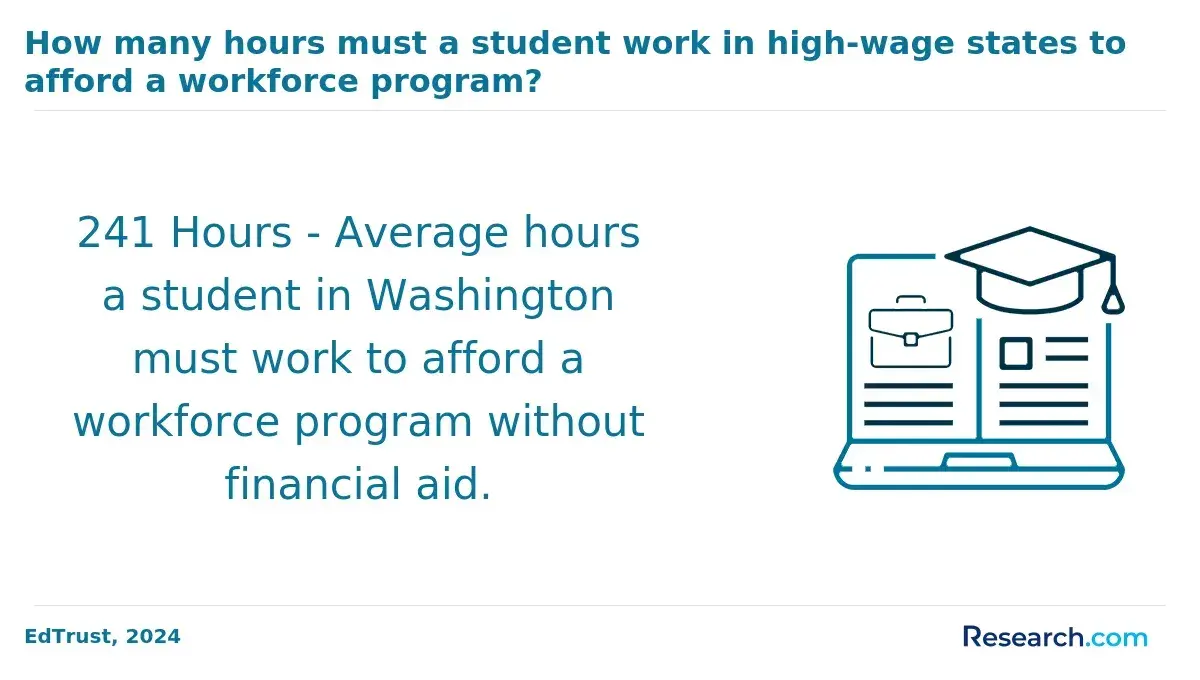
Course comparison is where you can separate a strong entertainment business program from a vague one. Studies show that programs with a more comprehensive curriculum depth experience a 15% higher student completion rate. A deeper curriculum can also help students move from general interest in entertainment to practical readiness for internships and entry-level roles.
Start by collecting the degree plans from each school you are considering. Compare required courses, electives, internship requirements, capstone projects, and the order in which courses are taken.
- Review Course Descriptions: Look for current, specific content. Strong courses should address topics such as entertainment law basics, contracts, royalties, licensing, production budgeting, digital distribution, audience analytics, sponsorship, and platform-based marketing. Be cautious of programs that use broad course titles without explaining what students actually learn.
- Examine Credit Hours and Workload: Compare total credits, major credits, general education requirements, and elective space. A program with more credits is not automatically better, but the workload should match the depth of training promised.
- Assess Skill-Based Learning: Prioritize programs that require applied projects, case studies, business plans, campaign development, production planning, internships, or client-based work. Entertainment careers often depend on demonstrated skills, not only classroom knowledge.
- Check Faculty Expertise: Faculty with relevant industry experience can bring real examples into the classroom and may help students understand how hiring, pitching, budgeting, and networking work in practice. Academic credentials still matter, but industry currency is especially important in this field.
- Analyze Course Sequencing: A strong curriculum should build logically. Introductory business and industry courses should lead into more advanced work in finance, law, marketing, management, analytics, or production. Poor sequencing can leave students taking advanced courses before they have the foundation to benefit from them.
| Course Area | What to Look For | Why It Matters |
| Entertainment law and contracts | Copyright, licensing, rights, deal structures, and contract basics | Many entertainment roles involve agreements, intellectual property, and revenue rights. |
| Marketing and audience strategy | Digital campaigns, analytics, branding, publicity, and audience segmentation | Promotion and audience growth are central to music, film, events, sports, and creator businesses. |
| Finance and budgeting | Production budgets, revenue streams, forecasting, and cost control | Business roles require financial judgment, even in creative environments. |
| Internship or capstone | Required field experience, employer projects, or portfolio-ready deliverables | Applied work can help students compete for entry-level opportunities. |
Students evaluating entertainment business course content may also compare complementary options such as an online psychology degree if they want to strengthen their understanding of consumer behavior, talent development, or communication.
Scheduling can determine whether a program is realistic for your life. Entertainment business students often balance classes with internships, freelance work, part-time jobs, family responsibilities, or creative projects. A program that looks strong academically may still be the wrong fit if its schedule prevents you from completing required work or taking advantage of industry opportunities.
- Traditional Daytime Classes: Daytime schedules are common in campus-based programs and work best for full-time students who can attend classes during the week. The benefit is structure, regular access to faculty, and easier participation in campus activities. The trade-off is less flexibility for students who work during business hours.
- Evening and Weekend Courses: These schedules are designed for working adults, part-time students, and career changers. They can make it easier to stay employed while earning a degree. However, fewer course sections may be available, so students should confirm that required classes are offered often enough to graduate on time.
- Online Programs: Fully online programs allow students to study without relocating. Some use asynchronous coursework, while others require live virtual meetings. Online study can be a strong option for students outside major entertainment hubs, but it requires discipline and a program with well-developed digital collaboration tools.
- Hybrid Models: Hybrid programs combine online coursework with in-person meetings, workshops, residencies, or campus-based classes. This format can offer a useful balance: more flexibility than a traditional program, but more direct interaction than a fully online format.
Before enrolling, ask how often required courses are offered, whether internships can be completed near your location, and whether online students receive the same career services as campus students. Also check whether live sessions are scheduled in a time zone that works for you.
The choice between an online and campus-based entertainment business degree affects more than convenience. It shapes how you build relationships, access internships, collaborate on projects, and interact with faculty. Recent data shows over 40% of U.S. college students participate in online courses, so online study is now common, but the best format depends on your goals and constraints.
Online Programs
- Flexible Scheduling: Online programs can be easier to manage if you work, travel, care for family, or live far from a campus. Asynchronous courses are especially useful for students who need control over when they study.
- Accessibility and Cost: Online study can reduce commuting, relocation, and housing expenses. It may also give students access to programs outside their local area.
- Limited In-Person Networking: Entertainment careers often depend on relationships. Online students should look for programs with virtual networking events, alumni panels, internship support, and active employer engagement.
- Higher Need for Self-Management: Online students must stay organized without the routine of campus attendance. The quality of the learning platform, faculty responsiveness, and peer interaction matters.
Campus-Based Programs
- Immersive Environment: Campus students may have easier access to studios, performance spaces, production equipment, student media, campus events, and informal networking.
- Structured Learning: Fixed class times can help students stay accountable and connected. This structure can be valuable for students who learn best through in-person discussion and immediate feedback.
- Location-Based Opportunity: A campus near an entertainment hub may provide stronger access to internships, guest speakers, and employer events. Location can matter in fields such as film, music, live events, and media.
- Higher Relocation and Living Costs: Campus attendance can require moving, commuting, or paying for housing. Students should compare the full cost of attendance, not only tuition.
| Factor | Online Degree | Campus-Based Degree |
| Flexibility | Usually stronger for working students and remote learners | Usually more structured and less flexible |
| Networking | Depends heavily on virtual events and alumni access | Often easier through in-person classes, events, and campus activities |
| Internships | May require students to find local or remote opportunities | May be stronger if the campus has local industry partnerships |
| Best fit | Self-directed students who need location flexibility | Students who want face-to-face learning and direct campus engagement |
A graduate who completed an online entertainment business degree described the decision this way: “I spent weeks comparing programs, weighing the freedom of online learning against the hands-on interaction of campus classes.” His main challenge was staying motivated without the daily structure of in-person study, but remote learning allowed him to keep working. “I missed out on some networking events,” he said, “but virtual meetups and industry webinars helped bridge that gap.” His conclusion was practical: “Ultimately, what mattered was picking what matched my personal and professional needs, not just tradition.”
GPA requirements show how selective a program may be, but they do not tell the whole admissions story. Some entertainment business programs emphasize academic performance, while others consider creative work, industry experience, leadership, recommendations, or a personal statement. This is useful for applicants whose strengths are not fully reflected in their transcript.
- Minimum GPA Thresholds: Some programs set firm minimums, commonly around 3.0 on a 4.0 scale. A minimum does not guarantee admission; it usually means you meet the baseline for review. More competitive programs may expect stronger grades, especially for transfer admission or limited-seat concentrations.
- Admission Flexibility: Some schools offer conditional admission, probationary admission, or additional review for students below the stated GPA. Applicants in this situation should be ready to explain recent academic improvement, work experience, or circumstances that affected past performance.
- Holistic Evaluation: Many entertainment business programs consider more than GPA. Portfolios, resumes, essays, recommendations, interviews, and relevant projects can help demonstrate readiness. This is especially important for applicants with experience in music, events, film, media, marketing, or entrepreneurship.
- Transfer and Returning Student Policies: Transfer GPA rules can vary. Some institutions recalculate GPA using only transferable credits, while others consider all prior coursework. Returning students may be able to show stronger recent academic performance to offset earlier struggles.
If your GPA is below a program’s published standard, contact admissions before ruling it out. Ask whether the program accepts supplemental materials, whether conditional admission is available, and whether completing specific prerequisite or general education courses with strong grades could improve your application.
Tuition comparison should focus on total cost, not only the price advertised on a program page. In 2022, the average student loan debt for bachelor's degree earners was around $30,000, so even modest differences in tuition, fees, transfer credits, and aid can affect your long-term finances.
Use the same cost categories for every program you compare. This makes it easier to see which option is truly more affordable and which one may cost more than it first appears.
- Total Program Cost: Calculate the full price from start to finish, including tuition, required fees, books, software, equipment, travel, and housing if applicable. For online programs, ask whether tuition differs by residency status.
- Cost Per Credit: Per-credit pricing helps you compare programs with different credit requirements. It is also important for transfer students because accepted credits can reduce the number of credits you still need to pay for.
- Additional Fees: Technology fees, graduation fees, portfolio fees, production-related costs, activity fees, and course materials can add up. Ask for a full fee schedule before enrolling.
- Financial Aid Opportunities: Compare grants, scholarships, federal aid eligibility, institutional awards, and payment plans. A higher-tuition school may become more affordable if it offers stronger aid.
- Employer Tuition Benefits: Working students should check whether their employer offers tuition reimbursement or education benefits. These benefits can change the affordability of a program significantly.
- Long-Term Value: Cost should be weighed against internships, alumni access, employer partnerships, career advising, and placement support. The cheapest program is not always the best value if it offers little industry connection.
Students comparing entertainment business programs may also want to benchmark costs against a broader business degree, especially if they are deciding between a specialized entertainment path and a general business program with media-related electives.
| Cost Question | Why It Matters |
| How many credits will I actually need after transfer evaluation? | Transfer credit can significantly change total tuition. |
| Are online and campus tuition rates different? | Delivery format can affect pricing and fees. |
| Are internships paid, unpaid, remote, or local? | Internship requirements may affect income, travel, and scheduling. |
| What aid is renewable each year? | Some scholarships apply only for one term or one academic year. |
One graduate described the tuition comparison process as more strategic than expected. She spent hours reviewing listed tuition, hidden fees, and financial aid options and realized that “the sticker price was only part of the story.” She added, “Knowing my employer's tuition assistance changed everything-it made some programs I once dismissed affordable.” For her, programs with industry mentors and career support helped justify the investment because the degree felt connected to a practical career plan, not just an academic credential.
Most entertainment business careers do not require a professional license in the same way that nursing, teaching, counseling, accounting, or law may require one. However, licensure and certification still matter if you plan to move into a regulated role, manage certain business functions, or pursue credentials connected to finance, law-adjacent work, project management, real estate, insurance, education, or other specialized areas. Nearly 20% of U.S. jobs require a license or certification, so students should confirm requirements early if their career goal crosses into a regulated occupation.
- Curriculum Alignment: Review whether the program includes coursework that supports your intended credential. For entertainment business, this may include contracts, finance, accounting, intellectual property, project management, marketing analytics, or entrepreneurship.
- Accreditation Standards: Some licensing bodies require degrees or coursework from accredited institutions. Confirm that the school’s accreditation is recognized before assuming the degree will satisfy future requirements.
- State-Specific Requirements: Licensing rules can vary by state. If you plan to work in a specific jurisdiction, check that state’s requirements directly rather than relying only on a school’s general program description.
- Supervised Experience: Some credentials require documented work experience, internships, supervised hours, or professional references. A strong program can help by offering internships and employer connections, but it may not automatically fulfill every requirement.
- Exam Eligibility: If your goal involves a credentialing exam, ask the program and the licensing body whether the degree meets eligibility standards. Get the answer in writing when possible.
The safest approach is to identify your target career first, then verify whether any license, certification, exam, or supervised experience is required. An entertainment business degree can support many career paths, but it should not be assumed to meet licensure requirements unless the relevant licensing authority confirms it.
The best career placement rates are typically found at programs that combine relevant curriculum with internships, employer access, alumni networks, and active career support. Recent industry data shows that some top programs achieve employment rates exceeding 85% within six months of graduation. However, students should examine how each school defines and reports placement before comparing numbers.
A placement rate is only useful if you know what it includes. Some schools count full-time employment in the field, while others may include part-time work, freelance work, continued education, or employment outside the entertainment industry. Ask for the details behind the percentage.
- Employer Partnerships: Programs with active relationships in music, film, television, sports, live events, media, gaming, or digital content may provide stronger access to internships and entry-level openings. Look for evidence of real employer engagement, not just logos on a website.
- Internship Pipelines: Internships are especially important in entertainment because they help students build contacts and learn how the industry functions day to day. Programs with required or well-supported internships may give students a stronger transition into work.
- Alumni Outcomes: Alumni can show where graduates actually go. Review job titles, employers, industries, geographic locations, and career progression. A few famous alumni can be impressive, but broad graduate outcomes are more useful for decision-making.
- Support Services: Career counseling, resume reviews, interview preparation, portfolio support, networking events, and job boards can improve student readiness. Ask whether these services are available to online students, alumni, and part-time students.
When speaking with admissions or career services, ask direct questions: What percentage of graduates work in entertainment-related roles? How many complete internships before graduation? Which employers have hired recent graduates? Are placement statistics independently verified? These questions help you separate strong career support from marketing claims.
Students comparing financial outcomes across fields can also review the highest-paying college majors to understand how entertainment business compares with other degree paths in earning potential and career risk.
Salary outcomes for entertainment business graduates vary widely because the field includes many roles, employers, locations, and career paths. The U.S. Bureau of Labor Statistics reported a median annual wage of approximately $59,000 in 2023 for relevant entertainment business graduate outcomes, but individual earnings can be higher or lower depending on role, experience, region, and sector.
- Job Role: Entry-level positions, such as production assistants or junior marketing coordinators, typically start between $35,000 and $50,000 annually. More specialized roles, like music managers or digital content strategists, often earn $60,000 to $90,000 early in their careers. Students should compare salaries by specific job title rather than relying on one overall average.
- Industry Sector: Film and television production, music, live events, sports entertainment, digital media, gaming, and talent representation can have different pay structures. Some roles rely on salary, while others may include commissions, project fees, freelance income, bonuses, or variable contract work.
- Geographic Location: Salaries vary significantly by region. Entertainment hubs such as Los Angeles, New York City, and Nashville may offer higher pay but often come with a higher cost of living. A higher salary may not mean greater financial comfort if housing, transportation, and taxes are also higher.
- Experience Level: Mid-career professionals in entertainment business typically double initial salaries by taking on managerial responsibilities or advancing within their companies. Early roles may be modestly paid, but they can provide the experience and contacts needed for higher-paying positions later.
To estimate return on investment, compare expected starting salaries with total program cost, debt, and location. Also consider whether the program helps students build internships, portfolios, and employer relationships that can shorten the job search after graduation. Students seeking flexible, aid-eligible pathways can review online schools that accept FAFSA as part of a broader affordability search.
What Graduates Say About Comparing Entertainment Business Degree Programs Effectively
- : "Before deciding on the entertainment business degree, I compared various programs, focusing heavily on how much debt I might incur. The average cost of attendance was a big concern, and this program's affordability made it an obvious choice. Since graduating, I've seen a clear boost in my professional network and opportunities, making it worth every penny. — Eiden"
- : "I honestly took some time to reflect on whether pursuing a degree in entertainment business aligned with my financial situation and career goals. The program's reasonable cost relative to others helped ease my worries about expenses. Completing the degree has given me a solid foundation that's been instrumental in navigating the complexities of the industry. — Yannis"
- : "I approached enrollment in the entertainment business degree with a very strategic mindset, weighing the investment against future returns. Cost was a decisive factor, especially with the average expenses many programs charge, and this choice proved financially sensible. Professionally, the knowledge and connections I gained have propelled my career in ways I hadn't anticipated. — Vincent"
Other Things You Should Know About Entertainment Business Degrees
Some programs require 1 internship for 3–6 credits, while others offer it as an elective. Compare the minimum hours, whether the placement must be approved by the school, and if the internship is tied to a capstone or portfolio requirement.
In 2027, alumni networks can be pivotal as they offer insights into industry trends, job opportunities, and mentoring. These connections can help facilitate introductions within the entertainment sector, providing an invaluable resource for career advancement after graduation.
- Entertainment Business Bachelor's https://www.fullsail.edu/degrees/entertainment-business-bachelor-degree-program
- International Media and Entertainment Business https://thomasmore.be/en/educations/degree-students/international-media-and-entertainment-business/international-media-and-entertainment-business/mechelen/full-programme
- Management, Arts and Entertainment Management, BBA https://www.pace.edu/program/management-arts-and-entertainment-management-bba
- Top Online Schools with Entertainment Business Degrees in the U.S. | Animation Career Review https://beta.animationcareerreview.com/articles/top-online-schools-entertainment-business-degrees-us
- Top Bachelor in Entertainment Management Colleges & Universities in Abroad in 2026 - Fees, Rankings & Eligibility https://collegedunia.com/study-abroad/arts/entertainment-management/bachelor-universities
- Online vs. Traditional Business Administration Degrees: What’s Best for You? | UAGC https://www.uagc.edu/blog/online-vs-traditional-business-administration-degrees-whats-best-you
- Entertainment Business – The Los Angeles Film School https://www.lafilm.edu/programs/entertainment-business-online/
- Business & Management of Entertainment Certificate Plan of Study https://www.uclaextension.edu/business-management-entertainment-certificate-plan-study
- 10 Best Degrees for the Music & Entertainment Industry https://www.collegeconsensus.com/degrees/music-entertainment-industry/
- Other Arts, Entertainment, & Media Management Majors: Salary Info & Career Options - Course Advisor https://courseadvisor.com/majors/visual-and-performing-arts/arts-and-media-management/entertainment-and-media-management/








