
2027 Is a 2-Year Entertainment Business Degree Worth It: Accelerated Bachelor's ROI & Time Trade-Offs

Co-Founder and Chief Data Scientist
A 2-year entertainment business degree can look appealing if you want to move quickly into music, film, television, live events, sports media, gaming, or digital content. The real question is not simply whether you can finish faster. It is whether the shorter timeline, heavier workload, tuition structure, and career outcomes make sense for your goals.
Accelerated degree graduates enter the workforce 30% faster, but average starting salaries remain similar across degree lengths. That means the value of a compressed program depends on more than speed. Students need to compare total cost, lost or gained work time, internship access, employer expectations, accreditation, and whether the credential is an associate degree, a bachelor’s degree, or a degree-completion pathway.
This guide breaks down how 2-year entertainment business programs work, what they usually require, how online formats compare, what costs and aid to expect, and which jobs may follow. It is designed for students who want a practical return-on-investment view before committing to an intensive program in a competitive industry.
Key Benefits of a 2-Year Entertainment Business Degree
- Accelerated 2-year entertainment business degrees reduce time to employment, increasing early career earning potential by up to 15% compared to longer programs.
- Lower tuition and living costs in accelerated programs improve overall ROI, often leading to faster debt repayment and financial stability.
- Focused curriculum emphasizes industry-relevant skills, enhancing job readiness in a competitive market where 65% of graduates secure roles within six months.
How Do 2-Year Entertainment Business Programs Work?
Two-year entertainment business programs compress the usual college schedule into a much tighter calendar. Some award associate degrees, while others are accelerated bachelor’s programs or bachelor’s-completion tracks for students who already have transfer credits. Before enrolling, confirm the exact credential, credit requirements, accreditation status, and whether the program is designed for first-time students or transfer students.
The main advantage is speed. The trade-off is intensity. Students usually take more credits per term, complete shorter courses, and have fewer long breaks between sessions. That format can work well for focused learners, but it can be difficult for students who need a lighter schedule because of work, family, internships, or health demands.
- Accelerated pacing: Coursework is condensed so students can complete the program in roughly two years. This requires steady weekly progress rather than last-minute studying.
- Year-round enrollment: Many programs use summer and winter terms to reduce downtime and maintain momentum.
- Condensed course terms: Classes may run in shorter blocks, which means assignments, exams, discussions, and projects arrive quickly.
- Credit load expectations: Students commonly exceed 60 credits over two years, so time management is not optional.
- Instructional format: Programs may be online, in person, or hybrid. Online delivery can add flexibility, but it does not make the workload lighter.
- Assessment methods: Common assignments include case studies, campaign plans, production budgets, contract reviews, presentations, and team projects.
- Curriculum progression: Students typically move from business fundamentals into entertainment-specific topics such as media marketing, artist management, event operations, entertainment law, finance, and digital distribution.
Choosing an accelerated path can reduce total tuition costs by 25% to 50%, especially when students avoid extra semesters, housing costs, and delayed income. Still, the savings are not automatic. Compare the full cost of attendance, transfer-credit policies, internship access, and graduation requirements before deciding. Students comparing accelerated professional programs in other fields may also review how a PharmD degree is structured to understand how compressed academic calendars can affect workload and cost.
What Are the Admission Requirements for a 2-Year Entertainment Business Degree?
Admission requirements vary by school and by credential type. A two-year associate program may be open to students with a high school diploma or equivalent, while an accelerated bachelor’s or completion program may require prior college credits. The most important step is to verify whether the program is built for new college students, transfer students, working adults, or applicants with entertainment industry experience.
- Prior education: Most programs require a high school diploma or equivalent. Bachelor’s-completion programs may also require previous college coursework.
- GPA expectations: Some schools set minimum GPA thresholds around 2.0 to 2.5 on a 4.0 scale. Others review applications more holistically, considering coursework, experience, essays, and recommendations.
- Standardized tests: SAT or ACT scores are increasingly optional or waived, especially for adult learners, transfer students, and online applicants.
- Prerequisite knowledge: Programs may recommend or require coursework in business fundamentals, communications, media studies, writing, or basic quantitative skills.
- Work experience: Internships, part-time work, volunteer production experience, event staffing, music promotion, social media work, or campus media involvement can strengthen an application.
- Program-specific criteria: Accelerated degrees typically allow students to enter the workforce sooner, saving one to two years compared to traditional routes according to the National Center for Education Statistics, but schools may set strict transfer-credit, cohort, or course-sequencing rules.
Applicants should ask admissions offices direct questions before applying: How many credits are required? Are transfer credits accepted? Is the program accredited? Are internships built into the curriculum? What happens if a student needs to slow down? Students comparing accelerated admission models in other professional fields can also review DNP programs to see how flexible admission policies differ across degree types.
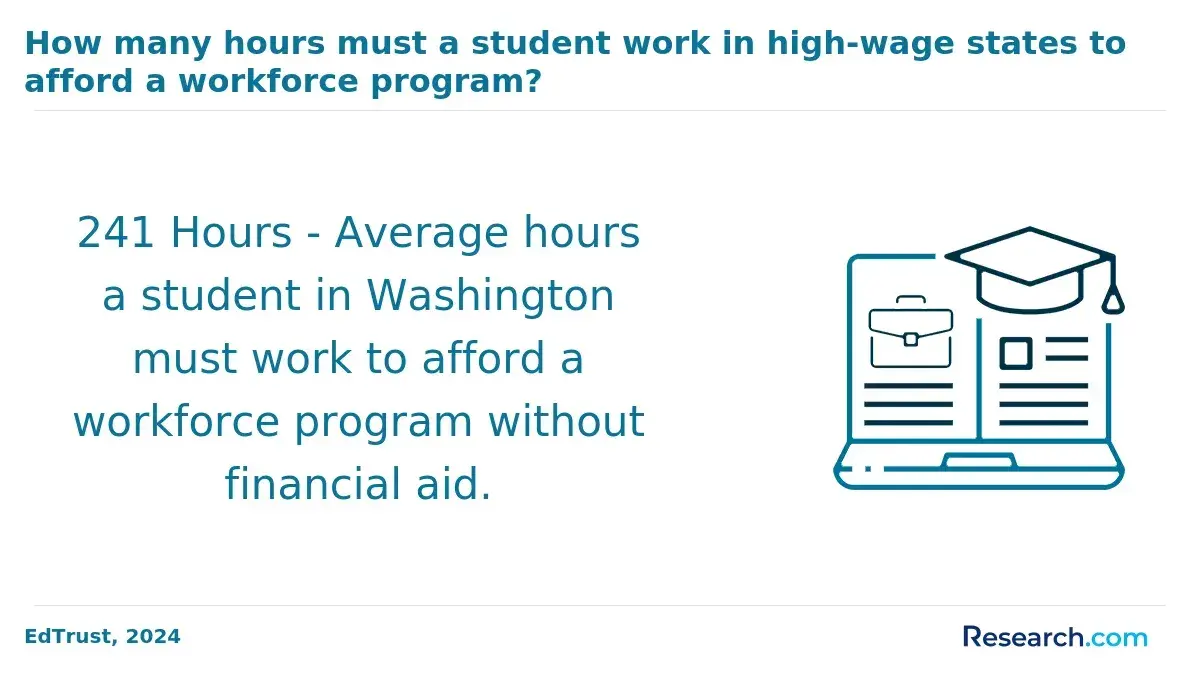
What Does a Typical Week Look Like in a 2-Year Entertainment Business Program?
A typical week in a 2-year entertainment business program is structured around constant deadlines. Students may attend lectures, complete readings, work on team projects, revise marketing plans, analyze entertainment contracts, prepare presentations, and participate in discussions within the same week. The schedule is manageable for disciplined students, but it leaves little room for falling behind.
- Class sessions and lectures: Students may have several weekly sessions covering topics such as media management, audience development, entertainment marketing, finance, distribution, intellectual property, and contract law.
- Assignments and assessments: Weekly work often includes short papers, case analyses, budget exercises, campaign plans, quizzes, presentations, and applied projects.
- Collaborative work: Group projects are common because entertainment careers rely on coordination among creative, legal, marketing, finance, and operations teams.
- Independent study: Students need time outside class to review readings, follow industry news, prepare for exams, and refine projects.
- Instructor engagement: Office hours, discussion boards, feedback sessions, and live check-ins are important because there is less time to recover from misunderstandings.
- Time management: Students should plan each week in blocks: class time, reading, assignments, group meetings, internship or work hours, and recovery time.
One graduate who completed a bachelor’s degree in entertainment business within two years described the pace as demanding but useful preparation for industry work. “There were weeks when lectures, group deliverables, and exam preparation overlapped so tightly that free time felt almost nonexistent,” he said.
He explained that breaking larger projects into smaller milestones was essential. “It wasn’t just about keeping up; it became about anticipating what was ahead and staying several steps in front.”
He also noted that peer support and instructor availability mattered. “Looking back, the intensity was daunting, but it also forged a resilience I didn’t know I had, which proved invaluable once I entered the industry.”
Yes. Many 2-year entertainment business programs are available online or in hybrid formats. Online study can be a strong fit for working adults, transfer students, military students, parents, and students who do not live near an entertainment hub. However, online does not mean self-paced unless the program specifically says so. Accelerated online courses often move quickly and require frequent participation.
- Fully online vs. hybrid: Fully online programs can reduce relocation and commuting costs. Hybrid programs may offer stronger face-to-face networking but require travel or scheduled campus attendance.
- Asynchronous and synchronous learning: Asynchronous courses let students watch lectures and complete work on a flexible schedule. Synchronous courses require live attendance, which can improve interaction but reduce flexibility.
- Technology needs: Students typically need reliable internet, a webcam-enabled device, current software, and access to the school’s learning platform. Some courses may require media, spreadsheet, presentation, or project-management tools.
- Student support services: Strong online programs should provide advising, tutoring, library access, career services, internship guidance, technical support, and faculty communication channels.
- Networking and internships: Entertainment business is relationship-driven. Online students should check whether the program supports virtual networking, local internships, alumni connections, employer events, and portfolio-building projects.
- Impact on pacing and engagement: Online students need strong self-discipline. In a compressed program, missing one week can affect multiple assignments or team deliverables.
Students who are mainly comparing affordability, flexibility, and business fundamentals may also want to evaluate whether a broader business degree online offers better transferability than a specialized entertainment business program.
The cost of a 2-year entertainment business degree depends on the school, credential level, delivery format, transfer credits, residency status, and required fees. A shorter program may reduce total costs, but accelerated schedules can create heavier term-by-term bills because students take more credits in less time.
To estimate the real price, do not look only at tuition per credit. Build a full cost-of-attendance estimate that includes fees, books, software, equipment, travel, housing, lost work hours, and internship expenses.
- Tuition structure: Accelerated degrees may charge by credit, by term, or by program. Higher course loads can make each term more expensive even if the total program cost is lower.
- Additional fees: Students may pay technology, student service, graduation, portfolio, media lab, or course-specific fees.
- Textbooks and learning materials: Entertainment business courses may require textbooks, industry reports, legal resources, subscriptions, or digital case materials.
- Technology requirements: Online and media-focused courses may require a reliable computer, webcam, presentation tools, cloud storage, spreadsheet software, and sometimes creative or production-related software.
- Accelerated program pace: Students may save money overall by reducing time in school, but the faster pace can limit work hours during enrollment.
| Cost factor | Why it matters | Question to ask |
| Transfer credits | Accepted credits can shorten the program and lower tuition. | How many credits will the school accept before I enroll? |
| Fees | Fees can raise the final bill beyond advertised tuition. | Are technology, portfolio, graduation, or course fees required? |
| Work schedule | Accelerated study may reduce income while enrolled. | Can I realistically keep my current job hours? |
| Internship costs | Entertainment internships may require travel, schedule flexibility, or unpaid hours. | Are internships required, paid, remote, or locally available? |
When comparing 2-year entertainment business degree tuition costs and related expenses, it can help to examine how other online programs present affordability and fees. For example, affordable online medical billing and coding schools show how program length, materials, and delivery format can affect total cost.
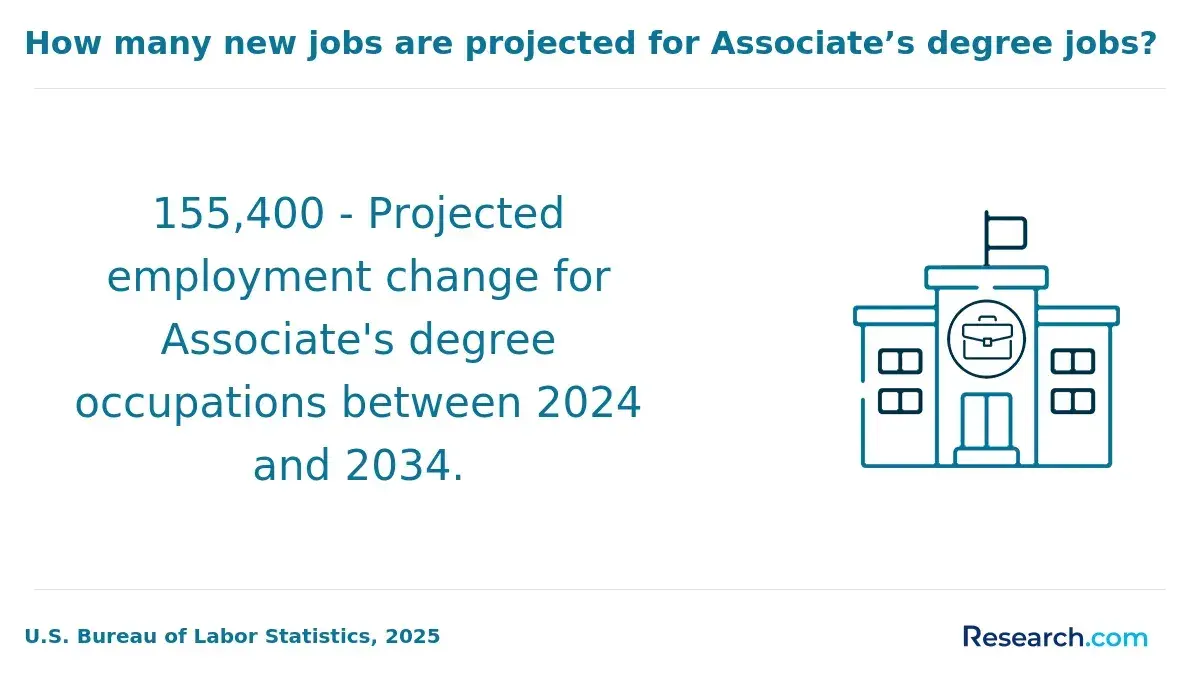
Financial aid may be available for 2-year entertainment business programs, but eligibility depends on the institution, accreditation, program type, enrollment status, and participation in federal aid programs. Students should never assume that a short or online program automatically qualifies for federal aid. Confirm eligibility with the school’s financial aid office before enrolling.
- Federal Student Aid Eligibility: Accredited programs that participate in federal aid systems may allow eligible students to access Pell Grants, Direct Subsidized and Unsubsidized Loans, and federal work-study.
- Field-Specific Scholarships and Grants: Scholarships for entertainment, media, music business, marketing, communications, business, and creative industries can reduce borrowing.
- Employer Tuition Assistance: Students already working in media, live events, marketing, hospitality, production, or related fields may be able to use tuition reimbursement or tuition assistance.
- Payment Plan Options: Monthly or term-based payment plans can help students manage bills without paying the full amount upfront.
- Disbursement Timing and Aid Distribution: Accelerated calendars may affect when aid is released. Students may receive funds in fewer, larger installments and must budget carefully between disbursements.
Before accepting loans, calculate how much debt you would carry at graduation and compare it with realistic entry-level pay in your target role. Also ask whether scholarships are renewable, whether aid changes during summer terms, and whether dropping below full-time status affects eligibility.
An entertainment business professional who completed an accelerated bachelor’s degree said the financial aid schedule required close attention. “At first, I was overwhelmed by how quickly the program moved and worried about covering tuition without the usual semester-by-semester financial aid routine,” she recalled.
She said coordinating with the financial aid office helped her avoid gaps. “Scholarships targeted to media majors were a lifesaver, plus my employer’s tuition reimbursement helped bridge the gaps.”
Her advice was to organize deadlines early. “It wasn’t easy juggling deadlines, payments, and intense coursework, but understanding how the financial aid flowed kept me on track.”
A 2-year entertainment business degree can support entry-level roles in production, talent support, marketing, event operations, digital media, venue management, and entertainment administration. The degree alone may not guarantee a job, especially in competitive markets. Internships, portfolios, networking, software skills, and practical experience often carry significant weight.
- Production Assistant: Production assistants support film, television, streaming, commercial, or digital media projects. Duties may include scheduling, errands, paperwork, location support, and communication across departments.
- Talent Coordinator: Talent coordinators help manage schedules, communication, travel details, appearances, and administrative needs for performers, creators, or clients.
- Marketing Assistant: Marketing assistants support campaigns, audience research, email marketing, social media content, promotional partnerships, and performance reporting.
- Social Media Manager: Social media roles may involve content calendars, community engagement, analytics, brand voice, short-form video strategy, and platform-specific promotion.
- Event Planner: Event planners and event coordinators assist with concerts, festivals, conferences, screenings, brand activations, and venue logistics.
Graduates may also pursue roles such as venue assistant, booking assistant, music business coordinator, tour assistant, account coordinator, licensing assistant, media sales assistant, or entertainment office administrator. Advancement often depends on reliability, contacts, results, and the ability to manage deadlines under pressure.
The accelerated bachelor’s degree reduces completion time, encouraging faster workforce entry and potential return on investment by lowering tuition and opportunity costs. Students comparing time-efficient online pathways with clear career preparation can also review affordable nursing programs online to see how different fields connect education length with workforce entry.
Salary comparisons depend on whether the 2-year program awards an associate degree, an accelerated bachelor’s degree, or a bachelor’s-completion credential. Employers may evaluate these credentials differently. In entertainment business, pay also varies widely by location, employer, union status, role type, experience, portfolio, and network.
- Early-career earnings: Graduates with a 2-year entertainment business degree generally start with median annual pay around $45,000, which is about $15,000 less than the typical $60,000 starting salary for those holding traditional bachelor’s degrees in related fields.
- Long-term earning potential: A 2023 Georgetown University report indicates bachelor’s graduates earn roughly 67% more over their lifetime compared to those with only associate degrees, reflecting broader access to senior roles and specialized positions.
- Employer perception and career progression: Some employers prefer bachelor’s degree holders for management, marketing strategy, finance, analytics, and leadership roles. Other entertainment employers emphasize experience, credits, contacts, and proven project results.
- Time-to-workforce and lifetime earnings: Accelerated bachelor’s programs can reduce time in school by 1 to 2 years, allowing earlier workforce entry. This head start may improve early earnings, but students should compare it with long-term promotion paths.
| Path | Potential advantage | Potential drawback |
| 2-year entertainment business degree | Faster completion and earlier work experience. | May face lower starting pay or credential limits if it is not a bachelor’s degree. |
| Traditional bachelor’s degree | Broader academic foundation and stronger access to some management roles. | Usually requires more time in school before full-time workforce entry. |
| Accelerated bachelor’s degree | Combines bachelor’s credential with a shorter timeline. | Requires a heavy workload and careful financial planning. |
Students should ask programs for graduate employment outcomes, internship placement information, alumni job titles, and salary data where available. For affordability comparisons in another degree-completion field, students may also review cheapest RN to BSN online options to see how cost, completion time, and career mobility are often weighed together.
The return on investment for an accelerated entertainment business degree depends on the relationship between cost, time, credential value, and career outcomes. A faster program is not automatically a better investment. It becomes valuable when the shorter timeline helps you graduate with manageable debt, relevant experience, and access to jobs that match your goals.
- Time-to-completion: Accelerated degrees typically allow students to finish in roughly half the time of traditional programs, often around two years. This can reduce time away from full-time work.
- Tuition and total expenses: The shorter duration may lower overall cost, but students must include fees, materials, technology, housing, transportation, and reduced work income.
- Opportunity cost savings: Finishing sooner can allow students to begin earning, building contacts, and gaining industry experience earlier.
- Employment prospects and salary growth: ROI improves when the program connects directly to realistic roles in marketing, management, digital media, event operations, finance, and entertainment law.
- Industry demand and skill transferability: Practical skills in analytics, budgeting, project management, contract basics, digital marketing, and communication can transfer across entertainment, media, sports, events, and broader business roles.
- Accreditation and employer recognition: Accreditation matters for financial aid, credit transfer, graduate study, and employer confidence. Students should verify institutional accreditation before enrolling.
- Internship and networking access: Entertainment careers often depend on relationships and demonstrated work. Programs with strong internship support may offer better practical value than programs that only provide coursework.
A strong ROI case usually looks like this: the program is accredited, the total cost is manageable, transfer credits shorten the path, career services are active, internships are available, and graduates move into roles you would realistically pursue. A weak ROI case often includes unclear accreditation, high debt, limited employer connections, vague job outcomes, or a schedule that forces you to quit paid work without a clear payoff.
A 2-year entertainment business degree may be right for you if you want a faster route into the industry and can handle a demanding academic schedule. It is a stronger fit for students who are organized, career-focused, comfortable with frequent deadlines, and ready to build experience while studying.
It may be a weaker fit if you need long breaks, prefer a slower pace, are unsure about entertainment careers, or cannot reduce work and personal commitments during intensive terms. The compressed format can be efficient, but it is not forgiving.
Use this decision checklist
- Credential: Does the program award an associate degree, bachelor’s degree, or completion credential?
- Accreditation: Is the institution properly accredited, and does that accreditation support financial aid or credit transfer?
- Total cost: What is the full cost after tuition, fees, materials, software, and living expenses?
- Schedule: Can you sustain the required weekly workload for two years?
- Career fit: Do graduates enter roles you actually want?
- Experience: Does the program include internships, projects, networking, or portfolio development?
- Financial risk: Will expected debt be reasonable compared with entry-level earnings?
- Flexibility: What happens if you need to pause, switch to part time, or transfer?
From a financial perspective, shorter programs often lower tuition costs and reduce time out of the workforce, which can improve ROI. Industry data suggests bachelor’s degrees typically lead to higher earnings compared to associate degrees, offering better flexibility in the long run. However, some entertainment roles weigh practical experience more heavily than formal education, so research employer expectations in your target area.
The best decision comes from comparing three things side by side: the total price of the program, the type of jobs it realistically supports, and your ability to complete the accelerated workload without derailing your finances or well-being.
What Graduates Say About Their 2-Year Entertainment Business Degree
- Viggo: "From a professional standpoint, the accelerated 2-year entertainment business curriculum was a strategic choice to minimize time away from the workforce and reduce expenses. The rigorous pace pushed me to develop resilience and prioritize key skills quickly, which employers value highly. Earning my degree so swiftly has opened doors to leadership opportunities I might have waited years for otherwise."
- Ivy: "Reflecting on my decision, the 2-year entertainment business program was an efficient way to gain essential knowledge without a prolonged financial burden-the average cost of attendance was reasonable compared to longer degrees. Managing such a tight schedule demanded strong time management, but that discipline translated well into my current role in event management. This degree truly accelerated my career trajectory more than I initially expected."
- Perry: "Choosing a 2-year accelerated bachelor's degree in entertainment business was perfect for me because it allowed me to dive into the industry faster without compromising quality. The intensive schedule was challenging, but I stayed organized and focused on my goals, balancing coursework with internships. Graduating ahead of the typical timeline helped me stand out, and now I'm thriving in a competitive market with less student debt than many peers."
Other Things You Should Know About Entertainment Business Degrees
Most accelerated bachelor’s programs cap transfer credit at 60 semester hours, and some require at least 24 of the final 30 credits to be earned in residence. Credits usually must come from regionally accredited schools and match required business or general education courses.
An accelerated bachelor's in entertainment business may fast-track entry into the workforce, potentially leading to quicker job placement. However, the impact on job placement relies heavily on the program's reputation, industry connections, and the graduate's personal networking efforts.
- Two year accelerated degrees https://www.staffs.ac.uk/courses/undergraduate/study-options/two-year-accelerated-degrees
- The Complete Guide to an Entertainment Business Degree https://www.yellowbrick.co/blog/entertainment/the-complete-guide-to-an-entertainment-business-degree
- 5 Reasons You Should Consider an Accelerated Business Degree https://blog.ncirl.ie/5-reasons-you-should-consider-an-accelerated-business-degree
- Entertainment Business Online - Completion – The Los Angeles Film School https://www.lafilm.edu/programs/entertainment-business-online/completion/
- Tuition & Fees - The Los Angeles Film School - Catalog https://catalog.lafilm.edu/010-fees-tuition/
- Can You Get a Bachelor's Degree in 2 Years or Less? https://www.coursera.org/articles/can-you-get-a-bachelors-degree-in-2-years
- what should I expect when majoring in the entertainment business https://www.careervillage.org/questions/357299/what-should-i-expect-when-majoring-in-the-entertainment-business
- Is a Degree in Entertainment Management Right for You? https://www.lccm.org.uk/blog/is-a-degree-in-entertainment-management-right-for-you/
- The ROI of Your Business Degree: Why Your Education Matters https://www.sbs.edu/blog/roi-of-your-business-degree-education-matters/
- How an Accelerated Program Can Give You a Competitive Edge | Vogue College of Fashion https://www.voguecollege.com/articles/london/what-is-a-dual-degree-how-it-can-give-you-a-competitive-edge/


