2027 Best Undergraduate Degrees With Tutoring Support

Co-Founder and Chief Data Scientist
Choosing an undergraduate degree is harder when tuition is rising and students need proof that support services will help them finish. NCES data published in 2024 shows that 64% of first-time, full-time students at four-year institutions completed a bachelor's degree within six years, which makes academic support a practical graduation factor, not a perk. This guide is for students comparing majors, online programs, and campus options. You will learn which degrees commonly include tutoring, how support affects cost and completion, and what to ask before enrolling.
Key Things You Should Know
- Strong tutoring support matters most in majors with sequenced coursework, labs, quantitative classes, licensure preparation, or high withdrawal risk, including nursing, engineering, IT, computer science, business, and education.
- College Board's 2024 pricing data lists average published tuition and fees at $11,610 for in-state public four-year colleges and $43,350 for private nonprofit four-year colleges, so tutoring that prevents repeated courses can materially affect total cost.
- BLS May 2024 wage data shows wide career variation by major, from high-demand technical roles such as software development and information security to public-service fields where licensure, location, and graduate study can strongly affect earnings.
Top 10 Best Undergraduate Degrees With Tutoring Support
Business Degrees
Business degrees fit students who want flexible career options in management, accounting, marketing, finance, analytics, or entrepreneurship. Tutoring is especially useful in accounting, statistics, economics, Excel modeling, and business analytics courses. BLS May 2024 data places the median annual wage for business and financial occupations at $80,920, but outcomes vary by concentration and internship experience. Choose programs with AACSB, ACBSP, or IACBE accreditation when possible, plus writing support for case studies and presentation coaching for team projects.
Healthcare Degrees
Healthcare undergraduate programs often include anatomy, physiology, microbiology, pharmacology basics, medical terminology, and clinical-readiness courses. Tutoring support matters because early science grades can affect admission to selective clinical tracks. Students should confirm whether the degree leads directly to employment, prepares for graduate school, or satisfies prerequisites for a licensed profession. Look for simulation labs, science tutoring, advising for clinical placement, and help preparing for program-specific entrance exams. Avoid programs that are vague about certification, licensure, or required practicum hours.
Information Technology Degrees
Information technology degrees focus on systems administration, networking, cloud platforms, databases, scripting, and user support. They suit students who want applied technology roles without as much theory as a computer science degree. Tutoring is valuable in networking labs, Linux, cybersecurity fundamentals, and certification-aligned courses. BLS May 2024 data reports a $105,990 median annual wage for computer and mathematical occupations, but entry-level IT salaries depend heavily on skills, certifications, and experience. Strong programs offer virtual labs, help-desk simulations, and evening tutoring for working adults.
Computer Science Degrees
Computer science degrees are best for students interested in programming, software engineering, algorithms, data structures, AI, operating systems, and theoretical problem-solving. Tutoring support is important because courses build on one another quickly, and struggling in one programming language can affect later courses. Students should look for code review, peer tutoring, math labs, project mentoring, and career support for technical interviews. The degree can be demanding, so it fits students willing to practice independently beyond assigned homework.
Cybersecurity Degrees
Cybersecurity degrees prepare students for roles in security operations, risk management, incident response, digital forensics, and network defense. Tutoring should include lab troubleshooting, Linux support, networking review, and guidance for certification topics such as Security+ concepts. BLS May 2024 data lists the median annual wage for information security analysts at $124,910, though many employers still expect hands-on experience. Prioritize programs with virtual cyber ranges, ethical hacking labs, clear policies on tool use, and faculty who connect coursework to real security frameworks.
Psychology Degrees
Psychology degrees fit students interested in behavior, research, counseling pathways, human services, user research, or organizational roles. Tutoring is most helpful in statistics, research methods, writing, and APA-style documentation. A bachelor's degree in psychology does not qualify graduates to work as licensed psychologists, so students should check graduate-school requirements early. This major can also support people-focused but lower-social-intensity paths; students comparing personality fit may find careers for introverts useful when evaluating long-term options.
Nursing Degrees
Nursing degrees require careful program selection because licensure eligibility, clinical placement, and NCLEX preparation are central. Tutoring support should include anatomy and physiology review, dosage calculation help, simulation debriefs, test-taking coaching, and remediation plans after exams. BLS May 2024 data places the median annual wage for registered nurses at $93,600, but pay differs by state, shift, specialty, and employer. Confirm state board approval, accreditation, clinical site access, and recent NCLEX pass-rate transparency before enrolling.
Education Degrees
Education degrees prepare students for teaching, instructional support, curriculum work, or youth-focused services. Tutoring support often helps with writing, educational psychology, math methods, reading instruction, classroom assessment, and teacher licensure exams. Students should verify that the program meets certification requirements in the state where they plan to teach. Strong programs pair tutoring with field-placement advising and classroom observation support. This path fits students who want structured public-service work and are comfortable with state testing, background checks, and supervised teaching.
Criminal Justice Degrees
Criminal justice degrees cover policing, courts, corrections, criminology, ethics, homeland security, and investigation. Tutoring is useful in legal writing, statistics, research methods, and constitutional law. The degree can support roles in law enforcement, victim services, compliance, probation support, or graduate study, but many sworn roles also require academy training and agency-specific hiring steps. Students should compare internships, local agency partnerships, and writing support. Avoid assuming the degree alone replaces physical, legal, or background requirements for public safety roles.
Engineering Degrees
Engineering degrees are rigorous and sequential, making tutoring one of the most important support services. Students usually need help in calculus, physics, chemistry, statics, circuits, coding, and design software. ABET accreditation is especially important for many engineering paths and future professional licensure. BLS May 2024 data places the median annual wage for civil engineers at $99,590, but engineering salaries differ by discipline and location. Choose programs with discipline-specific tutoring, maker spaces, design-team mentoring, and early warning systems for gateway courses.
How does dedicated tutoring support improve undergraduate student success and graduation rates?
Dedicated tutoring improves student success by catching academic problems before they become failed courses, lost aid eligibility, or delayed graduation. It is most effective when it is built into the program rather than offered as a disconnected help desk. High-value tutoring combines subject help, study planning, early alerts, faculty referrals, and coaching for time management. Students benefit most when tutors understand the program's course sequence, grading standards, lab expectations, and licensing or certification milestones.
What types of tutoring services do reputable undergraduate programs typically provide?
Reputable undergraduate programs usually provide a mix of academic, technical, and advising-based tutoring rather than one generic service. The best mix depends on the major, delivery format, and whether the degree includes labs, clinicals, fieldwork, or certification exams.
- Subject tutoring for high-risk courses such as math, statistics, accounting, anatomy, programming, chemistry, and writing-intensive classes.
- Peer tutoring or supplemental instruction led by advanced students who have already completed the same course successfully.
- Professional tutoring from staff, faculty, or contracted specialists for complex subjects and repeated academic challenges.
- Writing center support for essays, lab reports, business cases, education portfolios, psychology papers, and research assignments.
- Online tutoring with evening or weekend availability for working adults and students in asynchronous programs.
- Academic coaching for study habits, time management, test preparation, course planning, and recovery after a poor grade.
A strong tutoring system should be easy to access, free or clearly priced, and connected to advising. If students must search across multiple departments to find help, the support may be less reliable during stressful weeks.
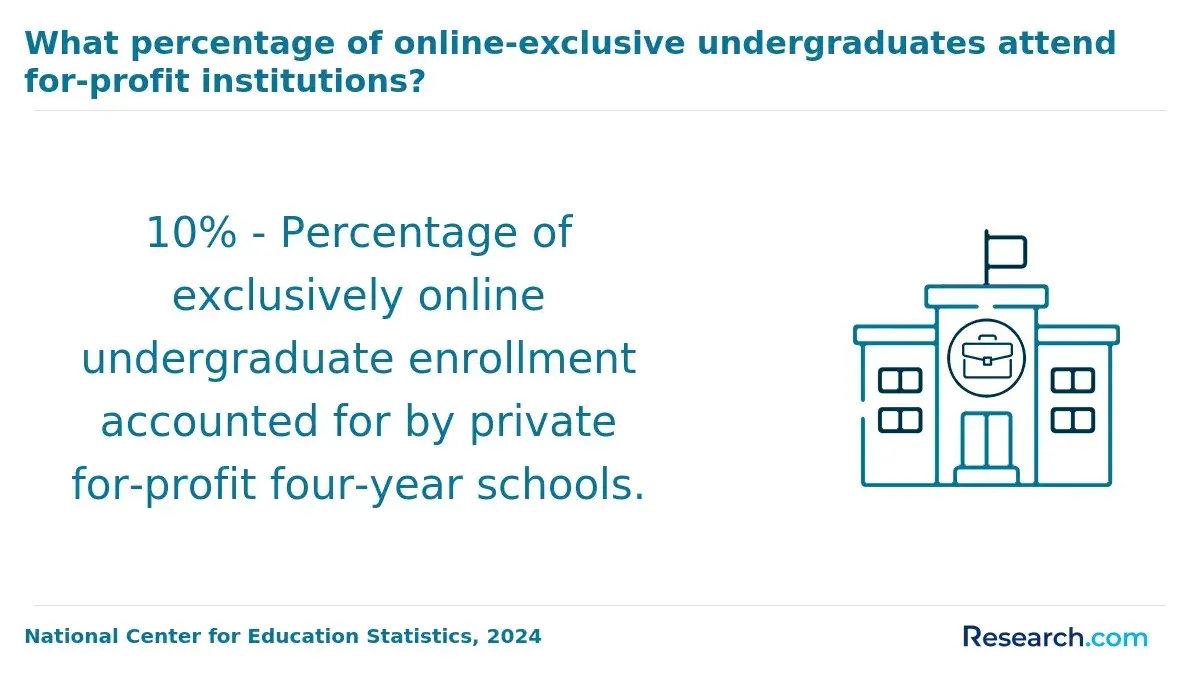
How can students compare online and campus-based degrees that offer tutoring support?
Online and campus-based degrees can both offer strong tutoring, but students should compare access, responsiveness, lab requirements, and accountability. A convenient online format is not automatically easier; it works best when tutoring is built around the way online students actually study.
| Comparison factor | Online degree with tutoring | Campus-based degree with tutoring | Why it matters |
| Access hours | Often includes chat, video, or scheduled virtual sessions | Often tied to center hours, faculty office hours, or peer sessions | Working students may need help outside daytime hours |
| Hands-on courses | May use simulations, remote labs, or local placements | Usually has direct lab, studio, or clinical access | Science, nursing, engineering, and IT students should verify how practice is supported |
| Accountability | Requires self-scheduling and strong time management | May offer more visible reminders and in-person check-ins | Students who procrastinate may need proactive coaching |
| Technology support | Critical for learning platforms, proctoring, virtual labs, and software | Important but often supplemented by on-campus computer labs | Weak tech support can block tutoring from being useful |
Students comparing flexible programs should also review easiest online college options carefully, because "easy" should mean well-structured and manageable, not low-quality or unsupported.
Which undergraduate majors most commonly include structured tutoring and academic coaching?
Structured tutoring is most common in majors where students face difficult gateway courses, professional standards, or cumulative technical skills. These programs often invest in tutoring because one failed course can delay graduation by a semester or block entry into upper-division coursework.
- STEM majors, including engineering, biology, chemistry, mathematics, computer science, and information technology.
- Healthcare and nursing majors with anatomy, physiology, pharmacology, dosage calculation, and clinical-readiness requirements.
- Business majors with accounting, finance, economics, statistics, analytics, and quantitative decision-making courses.
- Education majors with licensure exams, writing-heavy assignments, classroom assessment, and student-teaching preparation.
- Psychology, criminal justice, and social science majors with research methods, statistics, and formal writing expectations.
If a school advertises tutoring only in general terms, ask whether support exists for the exact courses that most often delay students in your intended major.
How do accreditation and institutional quality affect the reliability of tutoring support?
Accreditation affects tutoring reliability because accredited institutions must show that students have access to appropriate academic support, assessment, and learning resources. Regional accreditation is the baseline for transfer credit, federal financial aid eligibility, and broad institutional credibility in the United States.
Programmatic accreditation can matter even more in fields tied to licensure or employer standards. Nursing students should check board approval and nursing accreditation, engineering students should look for ABET where relevant, business students may compare AACSB, ACBSP, or IACBE, and education students must verify state educator-preparation approval. Accreditation does not prove that tutoring is excellent, but lack of appropriate accreditation is a major red flag.
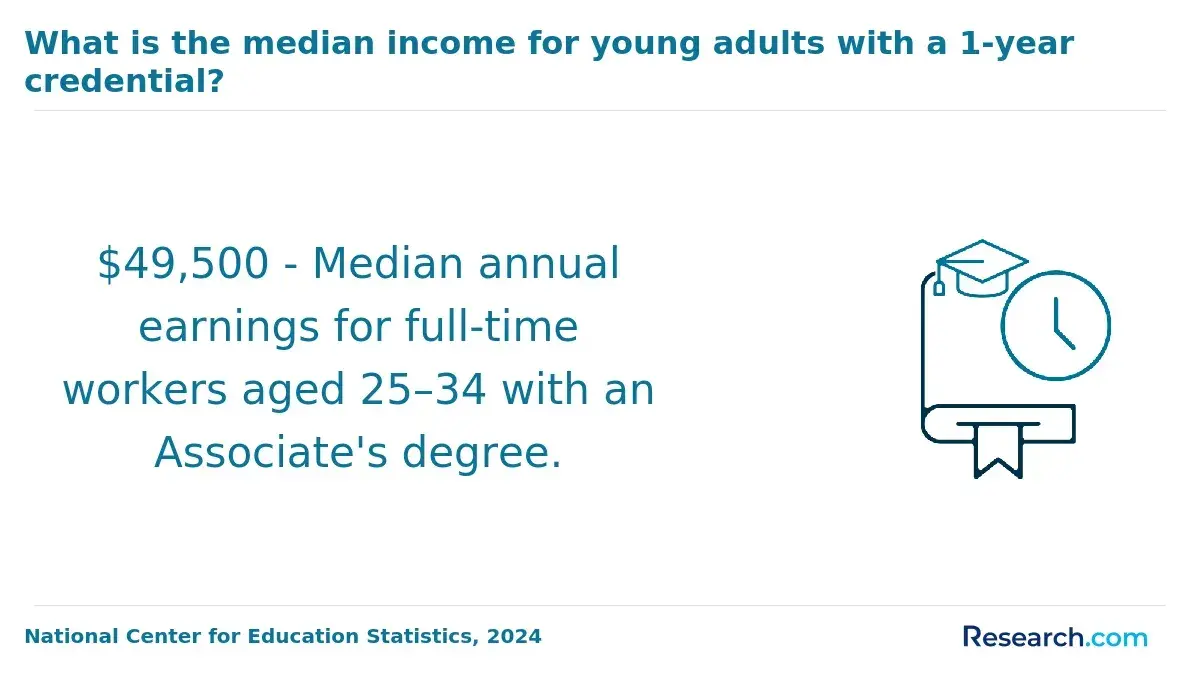
What admission requirements and placement processes are used to match students with tutors?
Admissions requirements vary by school and major, but most undergraduate programs use placement tools to identify students who may need early tutoring. Placement is not necessarily punitive; it can help students avoid starting in a course before they are ready.
- Submit high school transcripts, GED records, or prior college transcripts so the school can evaluate readiness and transfer credit.
- Complete placement assessments in math, writing, reading, or science if required by the institution or major.
- Meet with an academic advisor to map course sequencing, tutoring needs, and any developmental or prerequisite coursework.
- Use early-alert systems, first exams, or instructor referrals to adjust tutoring support during the first term.
- For selective majors such as nursing, education, or engineering, confirm whether separate admission is required after completing prerequisite courses.
A common mistake is treating tutoring as something to use only after failing an exam. Students in demanding majors should schedule help during the first two weeks, especially for math, writing, programming, science, or accounting.
How does tutoring-integrated coursework influence time to degree, costs, and financial aid use?
Tutoring-integrated coursework can reduce time-to-degree risk by helping students pass gateway courses on the first attempt. This matters financially because repeating courses can add tuition, fees, books, transportation, and lost work time, even when the listed tuition looks affordable.
College Board's 2024 pricing data reports average published tuition and fees of $11,610 at public four-year in-state institutions and $43,350 at private nonprofit four-year institutions. For students using grants, loans, or employer tuition benefits, preventing repeated coursework can help preserve aid eligibility and keep borrowing closer to the original plan.
Students looking for shorter skill-building options alongside a degree can compare 6 week courses with certificates, but they should confirm whether credits transfer and whether certificates support the same career goal as the degree.
What career outcomes and salary ranges are linked to degrees with strong tutoring support?
Career outcomes depend on major, location, internships, licensure, employer demand, and graduate study. Tutoring does not create a salary outcome by itself, but it can help students complete difficult courses that are required for higher-demand fields.
| Degree area | Related role example | Recent U.S. salary context | Decision note |
| Business | Financial analyst, accountant, market research analyst | BLS May 2024 data lists $80,920 as the median annual wage for business and financial occupations | Internships, analytics skills, and concentration choice strongly affect early outcomes |
| Computer science | Software developer | BLS May 2024 data lists $133,080 as the median annual wage for software developers | Portfolio quality and technical interview preparation matter alongside the degree |
| Cybersecurity | Information security analyst | BLS May 2024 data lists $124,910 as the median annual wage for information security analysts | Hands-on labs, networking knowledge, and certifications often influence hiring |
| Nursing | Registered nurse | BLS May 2024 data lists $93,600 as the median annual wage for registered nurses | State approval, clinical placements, and NCLEX preparation are essential |
| Engineering | Civil engineer | BLS May 2024 data lists $99,590 as the median annual wage for civil engineers | ABET accreditation may matter for licensure and some employers |
Students comparing long-term labor market fit can use top degrees for the future as a broader reference, but the best choice should still match academic strengths, cost, support needs, and career requirements.
How should students evaluate and choose a degree program based on its tutoring resources?
To choose a degree program based on tutoring resources, evaluate support as part of academic quality rather than as an optional benefit. The strongest programs can explain who tutors, when help is available, which courses receive support, and how struggling students are identified early.
Use these steps before enrolling or accepting an offer:
- Verify institutional accreditation and any programmatic accreditation required for your field.
- Ask for tutoring availability by course, not just by department or general subject.
- Confirm whether tutoring is included in tuition or billed separately.
- Review graduation, retention, licensure, and job-placement information where schools make it available.
- Compare transfer credit policies, course sequencing, and how often required courses are offered.
- Ask how online students access tutoring, labs, proctoring support, software, and faculty feedback.
- Speak with current students if possible and ask whether tutoring appointments are available during peak exam periods.
The most common red flags are vague support descriptions, no tutoring for high-failure courses, poor transfer-credit transparency, unclear licensure alignment, and pressure to enroll before you understand total cost. A lower tuition program may not be the better value if weak support increases the chance of repeating courses or changing majors.
Other Things You Should Know About
Not always. Many colleges include tutoring in tuition and student fees. The more important question is whether tutoring covers the courses that affect progression in your major, such as math, science, writing, accounting, or programming.
It can be, especially when sessions include screen sharing, virtual whiteboards, recorded feedback, and subject-specific tutors. Online tutoring is less effective when it is limited to generic homework help or when students cannot get appointments before exams.
Students in sequential or high-demand majors often benefit most, especially first-generation students, working adults, transfer students, and students returning after time away from school. High-achieving students also use tutoring for exam preparation and skill refinement.
Yes, if your intended major has difficult prerequisites, labs, licensure exams, or strict progression rules. Tutoring should not replace accreditation, affordability, or career fit, but it can be a deciding factor between otherwise similar programs.
References
- How Tutor Training Drives Student Success in High-Impact Tutoring Programs https://catapultlearning.com/resource/how-tutor-training-drives-student-success-in-high-impact-tutoring-programs/
- High-Impact Tutoring: A Long-Term Investment in Student Success https://saga.org/high-impact-tutoring-long-term-investment-success-blog/
- Tutoring: Innovative Strategies for Under-Resourced Colleges - Dr. Theresa Billiot https://theresabilliot.com/tutoring-improvement-under-resourced-college/
- Tutors help boost academic performance by 20 percent https://uau.edu/20201103/tutors-help-boost-academic-performance-by-20-percent/
- Tutoring in higher education – how does it support students and develop their potential? | Mentiway https://mentiway.com/en/tutoring-in-higher-education-how-does-it-support-students-and-develop-their-potential/
- High-impact tutoring to help students catch up https://www.povertyactionlab.org/evidence-effect/tutoring-programs-lead-to-learning-improvements
- Scaling Up High-Dosage Tutoring Is Crucial to Students’ Academic Success https://www.americanprogress.org/article/scaling-up-high-dosage-tutoring-is-crucial-to-students-academic-success/
- The Tailored Support of Virtual Tutoring | AASA https://www.aasa.org/resources/resource/the-tailored-support-of-virtual-tutoring
- Best Colleges for Student Support for Mental Health & Academics https://www.collegexpress.com/lists/list/the-best-colleges-and-universities-for-access-to-student-support-services/3124/
- Best College Tutors in 2023 | Bold.org https://bold.org/blog/best-college-tutors/