2027 Best Bachelor's Degree Programs With Credit for Military Experience

Co-Founder and Chief Data Scientist
Military students often face a practical question: how much of their service can shorten a bachelor's degree? The decision matters because BLS data published in 2024 shows workers with a bachelor's degree had median weekly earnings of $1,493, compared with $899 for workers with only a high school diploma. This guide is for active-duty service members, veterans, reservists, and military spouses comparing degree options. You'll learn which majors fit common military experience, how credit evaluation works, what costs to expect, and how to choose an accredited program with fewer surprises.
Key Things You Should Know
- Most bachelor's degrees require about 120 credits, and military credit can reduce the number of courses needed when ACE-recommended training, JST/CCAF records, and prior college credits fit the program requirements.
- The Post-9/11 GI Bill private-school tuition cap for the 2024-2025 academic year is $28,937.09, while public in-state tuition may be covered differently depending on eligibility and enrollment status.
- BLS 2024 outlook data shows especially strong demand in military-aligned fields such as cybersecurity, software development, nursing, management analysis, and engineering, but salaries vary by location, credentials, clearance, and experience.
Top 10 Best Bachelor's Degree Programs With Credit for Military Experience
Business Degrees
Business degrees are a strong fit for service members with leadership, logistics, contracting, finance, personnel, or operations experience. Common majors include business administration, management, accounting, supply chain management, and project management. Military training may apply to electives, leadership courses, or operations requirements, but accounting and finance majors often leave less room for free electives. Choose business if you want broad civilian mobility; consider a more technical major if you want a direct path into cybersecurity, engineering, or clinical healthcare.
Healthcare Degrees
Healthcare bachelor's programs can work well for medics, corpsmen, healthcare administrators, and service members with emergency response experience. Options include health sciences, healthcare administration, public health, and health information management. These degrees differ from nursing because many do not lead directly to clinical licensure. They are best for students interested in hospital operations, compliance, care coordination, veteran services, or graduate study. Before enrolling, check whether military medical training counts as major credit or only elective credit.
Information Technology Degrees
Information technology degrees fit students with experience in networking, help desk operations, communications systems, systems administration, or technical support. IT programs usually emphasize applied skills: networks, cloud systems, databases, security fundamentals, scripting, and troubleshooting. Military credit may apply well when the school recognizes technical schools, certifications, or documented IT duties. This path is often more practical than computer science for students who want infrastructure, support, cloud, or systems roles rather than heavy programming or theory.
Computer Science Degrees
Computer science degrees are best for students who want software development, data, artificial intelligence, systems design, or graduate study in computing. They usually require programming, algorithms, discrete math, databases, operating systems, and software engineering. Military experience may help with electives or technical credit, but core computer science requirements are often strict. Choose this path if you are comfortable with math and coding; choose IT or cybersecurity if you prefer applied systems, infrastructure, or defensive operations.
Cybersecurity Degrees
Cybersecurity degrees are a natural match for service members with signals, intelligence, network defense, information assurance, or security clearance experience. Programs typically cover risk management, ethical hacking, digital forensics, cloud security, governance, and incident response. Some schools also align coursework with Security+, CySA+, CISSP, or DoD workforce frameworks. This degree is especially useful when paired with hands-on labs, certification preparation, and internship or apprenticeship options. Verify whether the program is technical, managerial, or policy-focused before enrolling.
Psychology Degrees
Psychology degrees can appeal to veterans interested in human behavior, counseling pathways, human services, research, or organizational performance. A bachelor's degree alone usually does not qualify graduates to become licensed psychologists or counselors, but it can support roles in case management, behavioral health support, human resources, veteran outreach, or graduate school. Military leadership and resilience training may translate into electives. Choose psychology if you plan carefully for the next credential required for your target role.
Nursing Degrees
Nursing degrees are highly structured because licensure depends on state board requirements and clinical hours. Prior medic or corpsman experience may help with admissions, confidence, and some credit, but it rarely replaces all nursing clinical requirements. Options include pre-licensure BSN, RN-to-BSN, and accelerated BSN programs for students who already hold a degree. Confirm that the program is approved by the state nursing board where you intend to practice and that online coursework includes approved clinical placement support.
Education Degrees
Education degrees fit service members who want to teach, train, coach, or move into instructional design. Military instructors, training NCOs, and curriculum developers may find strong alignment with education studies or workforce training programs. Teacher licensure programs are state-specific and typically require student teaching, background checks, and exams. If you want K-12 licensure, confirm the program is approved in your state. If you prefer corporate or military training roles, an education studies or instructional design track may be more flexible.
Criminal Justice Degrees
Criminal justice degrees often fit military police, security forces, investigators, corrections personnel, and intelligence professionals. Coursework usually covers law enforcement, courts, corrections, homeland security, ethics, criminology, and emergency management. Military credit may apply to electives or public safety courses. This degree can support law enforcement, federal service, probation, security management, or emergency operations, but some agencies care more about academy training, fitness standards, background checks, and experience than the specific major.
Engineering Degrees
Engineering degrees are rigorous and less flexible with transfer credit because ABET-aligned curricula require specific math, science, lab, and design sequences. They fit service members with maintenance, aviation, nuclear, construction, electronics, or technical operations backgrounds who want licensed engineering or technical design roles. Military experience may help with electives or admissions, but students should expect calculus, physics, and intensive labs. If you want a shorter technical path, consider engineering technology rather than traditional engineering.
What are bachelor's degree programs that award academic credit for military experience?
Bachelor's degree programs that award academic credit for military experience evaluate service-connected learning and apply it toward a civilian degree. The credit may come from military occupational specialty training, professional military education, technical schools, standardized exams, prior college coursework, industry certifications, or documented experiential learning.
The key detail is fit. A school may accept 45 credits from a Joint Services Transcript, but only some credits may count toward the major. Others may become general education, free electives, or excess credits that do not shorten the degree. The best programs are transparent about how credit applies before you enroll.
How can military training and MOS translate into college credit toward a bachelor's degree?
Military training and MOS credit usually translate through the American Council on Education evaluation process, the Joint Services Transcript for Army, Navy, Marine Corps, Coast Guard, and Space Force records, or the Community College of the Air Force transcript for Air Force students. Colleges then decide how the recommendations fit their own curriculum.
Use this sequence to reduce lost credits and avoid enrolling before you know your real timeline:
- Request your JST, CCAF transcript, prior college transcripts, CLEP/DSST scores, and certification records before speaking with admissions.
- Ask for an unofficial transfer evaluation that separates major credits, general education credits, electives, and credits not accepted.
- Compare the evaluation against the degree map so you can see which courses remain, not just how many credits were awarded.
- Ask whether additional credit can be earned through portfolio assessment, challenge exams, professional certifications, or prior learning assessment.
- Get the final credit decision in writing after admission and before the add/drop deadline when possible.
The most common mistake is focusing on the total credit number. A smaller number of credits applied directly to degree requirements can save more time than a larger block of elective credit that does not replace required courses.
Which accredited universities offer online bachelor's degrees with generous military credit policies?
Accredited universities with strong military-credit pathways typically publish military transfer policies, accept ACE-recommended training, participate in VA education benefits, and offer online or flexible formats. Students seeking speed should also compare accelerated online bachelor degree programs accredited, especially if they can study year-round or transfer substantial credit.
The schools below are commonly reviewed by military students because they offer online bachelor's options and established military or adult-learner support. Policies change, so verify the exact credit award for your MOS, rating, AFSC, or military schools before applying.
| University type or example | Why military students often consider it | Best fit |
| University of Maryland Global Campus | Long history serving military learners, online programs, and military transcript review | Students wanting broad online options and overseas familiarity |
| Thomas Edison State University | Adult-focused transfer pathways and prior learning options | Students with extensive prior credits seeking degree completion |
| Excelsior University | Flexible transfer-oriented model and military-friendly advising | Students combining military, college, exam, and certification credit |
| Southern New Hampshire University | Online bachelor's programs with transfer evaluation and military support | Students wanting structured online terms and broad majors |
| Arizona State University Online | Large public university with online bachelor's programs and military/veteran resources | Students seeking a recognizable public research university option |
| Purdue Global | Online adult-learning model and credit for prior learning options | Students seeking career-aligned online programs |
| Western Governors University | Competency-based online model in business, IT, education, and health fields | Self-directed students who can progress quickly through known material |
No single university is best for every veteran. The strongest choice is the one that applies the most credit to your specific degree, has the right accreditation, fits your benefit eligibility, and supports your target career or licensure path.
What accreditation and quality standards should military students look for in bachelor's programs?
Accreditation is the first quality filter for military students because it affects transfer credit, graduate school eligibility, employer recognition, and access to federal financial aid. Look for institutional accreditation from a recognized accreditor, then check whether your field requires programmatic approval.
The table below shows common quality signals by field. Use it to separate career-relevant accreditation from marketing language that sounds official but may not affect employment or licensure.
| Field | Quality standard to check | Why it matters |
| Business | AACSB, ACBSP, or IACBE may be relevant | Programmatic business accreditation can matter for reputation, graduate study, or some employers, though it is not always required |
| Nursing | State board approval plus ACEN or CCNE when applicable | Licensure depends on meeting state requirements and completing approved clinical education |
| Engineering | ABET accreditation for many engineering pathways | Often important for professional engineering licensure and technical employer recognition |
| Cybersecurity | NSA Center of Academic Excellence designation can be useful | Signals alignment with cybersecurity education standards but does not replace hands-on skill or certifications |
| Education | State educator preparation approval | Teacher certification rules vary by state and are tied to approved programs |
Red flags include vague claims about being "licensed," no clear accreditor listed, pressure to enroll before a transfer evaluation, unclear clinical or student-teaching placement policies, and refusal to explain how military credits apply to the degree plan.
How do admission requirements and transfer policies work for applicants with military service?
Admissions requirements for military students vary by school, but most bachelor's programs ask for a high school diploma or equivalent, official transcripts, military transcripts, and proof of prior college coursework. Selective programs may also require prerequisite courses, minimum GPAs, essays, placement tests, background checks, or licensure-related screening.
Transfer policies are where programs differ most. Before enrolling, ask these questions because they directly affect cost and time to completion:
- What is the maximum number of transfer credits allowed toward this bachelor's degree?
- How many military credits apply to the major, not just to free electives?
- Is there a residency requirement requiring a certain number of credits to be completed at the university?
- Do transfer credits expire for technical subjects such as cybersecurity, networking, programming, or healthcare?
- Can CLEP, DSST, AP, IB, industry certifications, or portfolio assessments add more credit after admission?
- Will changing majors cause accepted military credits to stop counting toward the new degree?
A smart transfer strategy is to choose the major first, then evaluate credit. Changing from business administration to nursing, engineering, accounting, or computer science can dramatically change how much military credit actually counts.
What is the typical program length and cost when using military credit and VA benefits?
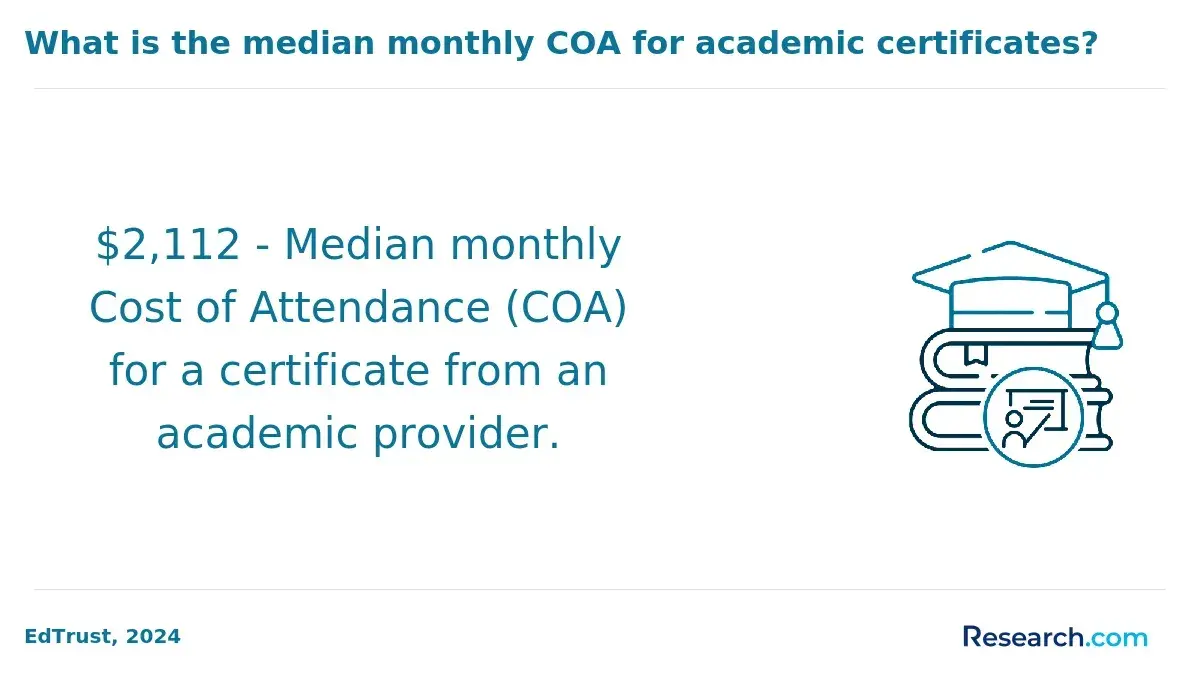
Program length depends on how many credits apply to requirements, how many courses you take per term, and whether the school uses traditional semesters, short terms, or competency-based pacing. Students comparing costs should review tuition, fees, books, technology charges, military tuition assistance rules, Yellow Ribbon participation, and FAFSA eligibility; some readers may also want to compare online schools that accept FAFSA if federal aid will supplement VA or military benefits.
College Board's 2024 pricing data lists average published tuition and fees for full-time undergraduates at public four-year in-state institutions at $11,610 and private nonprofit four-year institutions at $43,350 for the 2024-2025 academic year. Those figures are sticker prices, so your net cost may be lower after GI Bill benefits, tuition assistance, institutional aid, employer benefits, or transfer credit.
The table below summarizes common scenarios. It is not a guarantee; it shows how credit recognition can change the planning conversation.
| Starting point | Typical remaining credits | Likely time frame | Cost considerations |
| No accepted transfer credit | About 120 credits | About four years full time | Highest tuition exposure; benefits must stretch across the full degree |
| Moderate military and college credit | About 60 to 90 credits | About two to three years full time | Often a good balance if credits meet general education and elective requirements |
| Associate degree or large credit block | About 30 to 60 credits | About one to two years full time | Best savings occur when credits apply to the selected major |
| Structured licensure major | Varies widely | Often longer than expected | Nursing, education, and engineering may require sequenced courses, labs, or clinical hours |
To control cost, request a degree audit before committing, avoid unnecessary electives, confirm benefit eligibility each term, and ask whether tuition changes for online, out-of-state, active-duty, veteran, or part-time enrollment.
What majors and career paths align best with common military occupational specialties?
The best major is usually the one that connects your military experience to a civilian labor market without locking you into a path you do not want. Certifications can also bridge gaps, and some students may be better served by short certificate programs before or alongside a bachelor's degree if they need a specific technical credential quickly.
The table below maps common military experience to bachelor's majors and career directions. Use it as a starting point, then verify employer requirements in your target region and industry.
| Military background | Well-aligned bachelor's majors | Possible civilian directions |
| Logistics, supply, transportation, contracting | Business administration, supply chain management, operations management | Logistics analyst, procurement specialist, operations manager |
| Signals, cyber, communications, network operations | Cybersecurity, information technology, computer science | Security analyst, network administrator, cloud support specialist, software developer |
| Medic, corpsman, emergency response | Health sciences, nursing, public health, healthcare administration | Registered nurse, health services coordinator, emergency management specialist |
| Military police, security forces, investigations | Criminal justice, homeland security, public administration | Law enforcement, federal service, security management, probation |
| Instructor, trainer, curriculum developer | Education, instructional design, workforce training | Teacher, corporate trainer, training specialist, instructional designer |
| Maintenance, aviation, electronics, nuclear, construction | Engineering, engineering technology, industrial technology | Engineering technologist, project coordinator, maintenance manager, field engineer |
| Leadership, personnel, unit administration | Management, human resources, organizational leadership | HR specialist, operations supervisor, project manager |
Do not choose a major only because it grants the most transfer credit. A degree that saves one year but does not support your desired job can have weaker long-term value than a program requiring more coursework in the right field.
What are typical salaries and job outlooks for careers accessible with these bachelor's degrees?
Salary and job outlook should guide, not control, your degree choice. BLS wage and outlook data published in 2024 is useful because it shows national medians and projected growth, but it does not account for security clearance, region, shift differentials, overtime, union rules, federal pay scales, or graduate education.
The table below highlights careers commonly accessible or supported by the degree areas discussed in this guide. Some roles require additional licensure, certifications, experience, or state approval.
| Career | Related bachelor's path | Median annual wage | Projected employment growth |
| Information security analyst | Cybersecurity, IT, computer science | $120,360 | 33% |
| Software developer | Computer science, software engineering | $132,270 | 17% |
| Management analyst | Business, management, operations | $99,410 | 11% |
| Registered nurse | BSN or RN-to-BSN pathway | $86,070 | 6% |
| Accountant or auditor | Accounting, business | $79,880 | 6% |
| Human resources specialist | Human resources, management, psychology | $67,650 | 8% |
| Police and detective roles | Criminal justice, public administration | $74,910 | 4% |
| Mechanical engineer | Mechanical engineering or related engineering field | $99,510 | 11% |
The strongest outlooks in this set are in cybersecurity and software development, which reflects ongoing demand for digital defense, cloud systems, automation, and secure software. However, technical roles usually require demonstrable skills, current tools, projects, labs, or certifications in addition to the degree.
How should veterans compare and choose the best bachelor's program recognizing military experience?
The best bachelor's program recognizing military experience is not simply the school that accepts the most credits. It is the accredited program that applies the most useful credits to the right degree, keeps net cost manageable, supports your schedule, and leads toward a realistic career target. If affordability is your main constraint, compare the lowest cost online bachelor's degree options alongside military-credit policies rather than looking at tuition alone.
Use this decision process before enrolling. It helps you compare schools on outcomes instead of marketing claims:
- Define your target role first, including whether it requires licensure, certification, clearance, graduate school, or a specific accredited major.
- Request written transfer evaluations from at least three schools using the same transcripts and the same intended major.
- Compare remaining degree requirements, not just accepted credits, because unused elective credit may not reduce your timeline.
- Calculate net cost after GI Bill, tuition assistance, Yellow Ribbon, scholarships, employer benefits, FAFSA, books, fees, and housing rules.
- Check student support for military learners, including deployment policies, stop-out rules, online tutoring, career services, and veteran advising.
- Ask about job placement support, internships, labs, clinical placements, certification preparation, and alumni outcomes in your field.
- Read the catalog carefully for residency requirements, GPA rules, transfer limits, course sequencing, and expiration rules for technical credits.
Common mistakes include enrolling before receiving a degree audit, assuming all military credit will count toward the major, ignoring programmatic accreditation, choosing a school only because it is familiar on base, and overlooking state licensure rules for nursing, teaching, counseling, and engineering. A better approach is to compare the final degree plan, total net cost, and career fit side by side.
Online programs are usually best for active-duty students, working veterans, parents, and frequent movers. Campus programs may be better for students who need labs, clinical placements, in-person networking, athletic or student services, or a highly structured environment. Accelerated programs can save time, but they require consistent weekly availability and may be difficult during deployment, shift work, or transition periods.
Other Things You Should Know About
No. Military credit can reduce the number of courses you need, but bachelor's programs still require institutional residency credits, upper-division coursework, major requirements, and often general education courses.
No. ACE recommendations guide colleges, but each institution decides whether credit is accepted and how it applies. The same JST entry may count as major credit at one school and elective credit at another.
Yes, when the school is properly accredited and the program fits the career goal. Employers generally care more about accreditation, skills, experience, licensure, certifications, and performance than whether coursework was online.
Not always. Choose the degree that best supports your target career. More transfer credit is helpful only if it reduces required coursework without steering you away from the job, license, or graduate program you want.
References
- Military College Credit | Leverage Your Military Service at TUW https://www.tuw.edu/school-news/military-college-credit/
- Bachelor’s Degree vs. Military Experience - Why Military Experience is a Valuable Asset in the Professional World https://www.oriontalent.com/recruiting-resources/blog/27/bachelor-s-degree-vs-military-experience-why-military-experience-is-a-valuable-asset-in-the-professional-world
- College Credit for Military Training & Experiences https://www.dantes.mil/credit4training/
- A Smarter Way to Honor Military Credit: Precision, Policy and Pathways to Completion https://evolllution.com/a-smarter-way-to-honor-military-credit-precision-policy-and-pathways-to-completion
- College Credit for Heroes: Accelerating Degree Completion | Journal of Veterans Studies https://journal-veterans-studies.org/articles/10.21061/jvs.v8i1.264
- Veterans Students https://itransfer.org/veterans/
- 2025 Best Military-Friendly Online Colleges https://www.onlineu.com/online-schools/military-friendly
- College Major vs military career https://www.serviceacademyforums.com/index.php
- Federal occupations by college major https://help.usajobs.gov/working-in-government/unique-hiring-paths/students/federal-occupations-by-college-major