2027 Best Two-Year Degrees With Rolling Admissions

Co-Founder and Chief Data Scientist
Missing a traditional application deadline does not have to mean delaying college - but a college that accepts applications year-round may still offer your preferred program only at certain times. This guide compares two-year degree fields for students who want a near-term start, with particular attention to program entry, career fit, cost, and scheduling.
The stakes differ by field: the U.S. Bureau of Labor Statistics (BLS) reports a May 2024 median wage of $93,600 for registered nurses, but an associate degree alone does not confer a nursing license. You'll learn which questions to ask before committing to a start date.
Key Things You Should Know
- Business, IT, criminal justice, and transfer-focused psychology programs may offer more straightforward entry, confirm that the major, not just the college, accepts applications on a rolling basis.
- Nursing and some allied-health programs may have fixed cohorts, prerequisites, and competitive selection even when the college admits students year-round. BLS projects 5% growth in registered nurse employment from 2024 to 2034, but demand does not remove those entry requirements.
- College Board reported average published in-district tuition and fees of $4,050 at public two-year colleges for 2024-25, books, supplies, clinical costs, and residency rules can change the amount you pay.
Top 10 Best Two-Year Degrees With Rolling Admissions
Business Programs
A business administration AA or AS can suit students planning to transfer; a business AAS may emphasize bookkeeping, operations, or office management for workforce entry. General education and business courses are often easier to schedule than clinical placements, making this field worth checking for a near-term start. Still, rolling college admission does not confirm that every required course is available this term. Ask whether the program has its own application, when core courses begin, and whether credits will satisfy requirements at your intended transfer school.
Healthcare Programs
Healthcare AAS options can include medical assisting, health information technology, and diagnostic fields, but their entry rules differ sharply. A college may admit you now while a laboratory or clinical program admits a cohort later. Ask about prerequisite completion, background checks, placement availability, and whether the program meets applicable certification or licensing requirements. Health information coursework may be available online, while hands-on programs generally require in-person work. Choose a specific occupation first, then verify that the degree and its next available entry point match it.
Information Technology Programs
IT associate degrees commonly cover technical support, networking, programming, or cybersecurity. An AS may support transfer, while an AAS may prioritize applied projects and entry-level work. Frequent online course offerings can make a rolling start practical, but advanced courses may follow a sequence. Ask when required courses run and whether the curriculum includes labs, portfolio work, or preparation for relevant industry certifications. An associate degree can support an IT job search; it does not automatically qualify someone for a specialized cybersecurity role.
Nursing / Pre-Nursing Programs
Pre-nursing AA or AS study may let you begin general education and science prerequisites on a rolling basis. Admission to an associate degree in nursing is a separate question: programs often have fixed application windows, limited clinical seats, and minimum course or assessment requirements. Before enrolling, request the nursing program's actual application calendar and prerequisite list. Confirm the program's approval and accreditation status, clinical arrangements, and eligibility for the nursing licensure examination in the state where you intend to practice. Completing pre-nursing courses does not reserve a nursing seat.
Criminal Justice Programs
A criminal justice AA or AS often serves students planning to transfer; an AAS may focus more on public-safety practice. Rolling entry into the degree can help you start coursework promptly, but hiring for law enforcement or corrections may involve separate age, fitness, training, and background requirements that vary by agency and state. Ask whether courses transfer into your intended bachelor's program and whether internships have additional eligibility rules. Choose this field for a defined goal, not on the assumption that the degree alone qualifies you for an officer position.
Psychology / Counseling Programs
A psychology AA or AS is usually a transfer pathway covering introductory psychology, statistics, and general education. Some human-services AAS programs instead prepare students for supervised entry-level support work. Either may permit a relatively quick academic start if courses are available, but neither independently qualifies someone to practice as a licensed counselor or psychologist. If counseling is the goal, check how the associate courses apply to a bachelor's degree and the later graduate and state-licensing requirements before choosing a program.
What Are Two-Year Degrees With Rolling Admissions?
A two-year degree with rolling admissions is an associate program at a college that reviews applications as they arrive rather than only after one fixed college-wide deadline. "Two-year" describes a common full-time planning horizon, not a promised finish date. Associate programs often require around 60 semester credits, though requirements and pacing vary.
Three dates matter: when the college admits you, when your major accepts students, and when the required courses next begin. A rolling decision at the first stage does not guarantee immediate entry at the other two. AA and AS degrees often support transfer; an AAS often emphasizes workforce preparation, but you should check the actual curriculum and transfer agreements rather than rely on the abbreviation.
Which Two-Year Degrees Offer the Best Career Opportunities?
The best choice depends on whether you need a prompt start, direct workforce preparation, or a reliable path to a bachelor's degree. The comparison below identifies the admission bottleneck most likely to affect your timeline; it does not imply that every college offers rolling entry in every major.
| Degree field | Potential fit | Entry or career trade-off |
| Business | Broad transfer or office and operations interests | Check whether the credential builds specific, demonstrable skills. |
| Healthcare | A defined patient-care or health-information role | Clinical seats and occupation-specific requirements may delay entry. |
| Information technology | Technical projects and entry-level support pathways | Course sequences and employers' skill expectations matter. |
| Nursing or pre-nursing | A goal of becoming a registered nurse | Prerequisite access is not admission to a nursing cohort. |
| Criminal justice | Public-safety study or a transfer plan | Agency hiring standards are separate from college admission. |
| Psychology or counseling | Preparation for further education | Professional counseling requires substantially more education and licensure. |
For a near-term workforce goal, compare a focused AAS with a certificate or apprenticeship as well as an associate degree. If earnings are a priority, examine occupations and entry requirements - not just lists of degrees you can get online that pay well. A flexible start has value only if the program leads toward the work you want.
How Do Rolling Admissions Work at Two-Year Colleges?
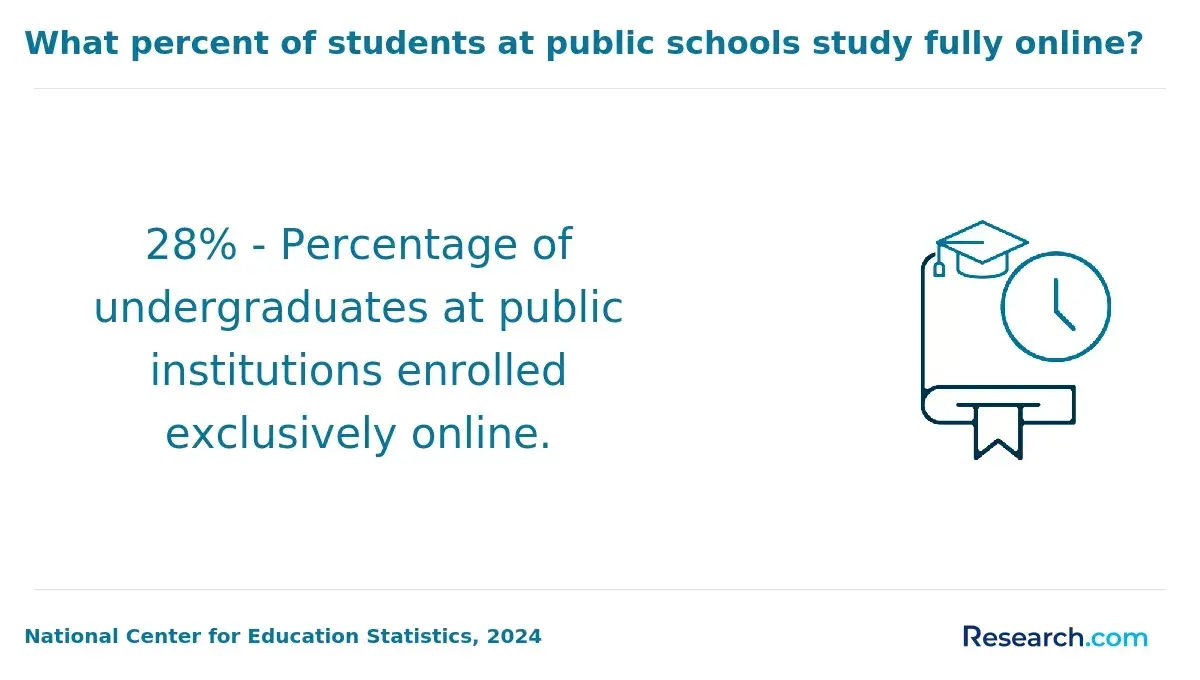
Rolling admissions generally means you can submit an application outside a single annual deadline and receive a decision after the college reviews your materials. It does not mean enrollment is open in every course until classes begin. Registration, financial-aid processing, orientation, placement, and program-specific selection each have their own timing.
Before applying, ask admissions for the earliest realistic start date in your intended major, then confirm it with the department. If a selective program starts later, ask whether taking general education courses now will advance the degree or merely add credits that may not count toward that program. Applying earlier can also leave more time to resolve transcript and aid issues, even when the published policy is rolling.
Are Online or Campus-Based Two-Year Programs Better?
Online study can be a strong fit for business, IT, or transfer-oriented coursework if commuting would limit your options. Campus or hybrid study may be necessary for labs, clinical training, or hands-on support. Neither format is automatically faster: an online class may have live meetings, fixed deadlines, and a required course that is offered only in a later term.
When evaluating an online associate degree, distinguish the length of a course or accelerated term from the time needed to finish the entire credential. Confirm whether the major is fully online, where any exams or experiential components occur, and whether required classes are available part-time. For licensed occupations, also check whether the program satisfies requirements in the state where you plan to work.
What Are the Admission Requirements for Two-Year Degrees?
Many community colleges admit applicants with a high school diploma or equivalent and request transcripts, but requirements vary. A placement process may determine your first math or English course; it is not necessarily a barrier to college admission. A selective major may separately require prerequisite grades, assessments, an application, or clearance for clinical work. Do not infer that a major has no GPA requirement merely because the college's general admissions page does not list one.
Ask for both the college application requirements and the major's current admissions checklist. If a background check could affect clinical placement or employment, raise the question before paying for courses. For students weighing education after a conviction, best degrees for felons can offer broader options to investigate, but eligibility decisions remain specific to the program, placement site, employer, and licensing authority.
How Much Do Two-Year Degrees Cost and How Long Do They Take?
College Board's 2024-25 figure of $4,050 in average published in-district tuition and fees at public two-year colleges is a useful benchmark, not a quote for your degree. Published tuition is different from your aid-adjusted cost and from the total amount needed to finish. Residency status, books, equipment, transportation, and clinical expenses can materially change the comparison.
Many associate programs are planned around roughly 60 semester credits and two years of full-time study, but prerequisites, part-time enrollment, course sequencing, and limited cohort starts can extend the calendar. Accepted transfer credit may reduce the remaining work; it will not override courses that must be taken in sequence. Request a degree audit and a term-by-term plan showing tuition, mandatory fees, and required extras before comparing offers. Ask the financial-aid office about eligibility, grants, scholarships, and payment options rather than assuming rolling admission makes aid available immediately.
What Do You Study in the Most Popular Two-Year Degree Programs?
Most associate degrees combine general education with major coursework. Business students may study accounting and management; IT students, networking and programming; criminal justice students, law and public-safety systems. Healthcare and nursing paths can add anatomy, labs, clinical practice, and tightly sequenced prerequisites. Psychology programs commonly emphasize research foundations and statistics, especially when transfer is the goal.
Read the required-course map, not just the program title. A transfer-oriented psychology degree should be checked against the destination bachelor's requirements; a counseling goal typically extends into graduate education and licensure. Even if you later explore the fastest masters degree, that does not shorten or replace the education and supervised practice required by a counseling licensing board.
Which Jobs and Salaries Can Two-Year Degrees Lead To?
These fields can lead toward different kinds of work, but the associate degree is only one part of eligibility. Business graduates might seek office or bookkeeping roles; IT students may pursue support positions; healthcare graduates should match their training to a specific occupation's credential rules. Criminal justice and psychology graduates may use the degree for entry-level opportunities or further study. Job titles, hiring standards, and available positions vary by location and employer.
For salary context, BLS reports that the occupation of registered nurse had a May 2024 median annual wage of $93,600. That is not an expected salary for associate degree graduates: registered nurses must meet state licensure requirements, and the figure includes workers with different education levels and experience. Compare several local job postings for your target role, noting required credentials and schedules, before deciding whether a degree, certificate, or longer education path offers the better fit.
How Can You Choose an Accredited Two-Year Degree Program?
Start by confirming that the college holds recognized institutional accreditation and is eligible for any financial aid you intend to use. For a regulated career, check the program's required approval or specialized accreditation with the relevant state board or credentialing body. An accredited college can still have a program that does not meet a particular licensing requirement.
Then request the major's admissions calendar, required-course schedule, total-cost estimate, and written transfer information. If you plan to transfer, ask the receiving institution whether specific credits satisfy degree requirements, not merely whether it accepts them. A common mistake is choosing the earliest available college start and discovering later that the desired major has a separate deadline or that its credits do not advance the intended career path. Resolve those questions before enrolling.
Other Things You Should Know About
Not necessarily. Your college may admit you on a rolling basis while required courses or a selective major start later. Ask for your earliest realistic major-specific schedule.
Sometimes it applies to admission to the college or pre-nursing courses, but nursing cohorts may have separate deadlines and competitive requirements. Check the nursing department's policy.
Not by itself. Completion depends on remaining credits, course availability, enrollment pace, prerequisites, and any in-person requirements.
Confirm the major's entry date, institutional and relevant program approval, total cost, required on-site work, and whether credits or credentials support your intended next step.
References
- Associates Degree Occupations with the Largest Job Growth | bls.gov https://www.bls.gov/emp/graphics/associates-largest-growth.htm
- Cost of Attendance (Budget) | 2025-2026 Federal Student Aid Handbook https://fsapartners.ed.gov/knowledge-center/fsa-handbook/2025-2026/vol3/ch2-cost-attendance-budget
- Undergraduate Retention and Graduation Rates - COE https://nces.ed.gov/programs/coe/indicator/ctr/undergrad-retention-graduation
- FAFSA® Checklist: What Students Need | studentaid.gov https://studentaid.gov/articles/things-you-need-for-fafsa/
- Program Approval FAQs & Clarifications | ohio.gov https://highered.ohio.gov/educators/academic-programs-policies/academic-program-approval/program-approval-faq/program-approval-faq
- Program Admissions Requirements | Gateway Technical College https://www.gtc.edu/admissions/program-admissions-requirements
- General Requirements for Admission - Catalog & Student Handbook https://catalog.texarkanacollege.edu/admissions/general-requirements-for-admission/
- Admissions (General, Selective, Special, and International) | Rowan College of South Jersey https://www.rcsj.edu/policies/admissions-2/admissions/
- Transferring Credits & Degree Recognition At CCU | calcoast.edu https://www.calcoast.edu/degree-recognition.html
- Admissions, Records, and Registration | usa.edu https://catalog.usa.edu/content.php