2027 Best Professional Masters Degrees With Asynchronous Classes

Co-Founder and Chief Data Scientist
Can you earn a career-focused master's degree without rearranging your workweek around live classes? Often, yes - but "asynchronous" does not mean deadline-free, and some degrees still require in-person practice. The choice matters: the U.S. Bureau of Labor Statistics (BLS) reported a $124,910 median annual wage for information security analysts in 2024, yet that occupation does not require a master's degree for every position.
This guide compares ten professional degree fields by career purpose, scheduling constraints, and hands-on requirements so working adults can identify programs worth investigating rather than choosing on flexibility alone.
Key Things You Should Know
- For the greatest scheduling flexibility, compare practice-oriented MBA, IT, computer science, cybersecurity, and analytics programs - but confirm whether every required course is asynchronous.
- Asynchronous coursework does not eliminate deadlines or fieldwork: counseling, nursing, and some education programs may require supervised placements, live assessments, or local practice.
- Career fit matters more than format alone. BLS reported a $112,590 median annual wage for data scientists in 2024, but that figure describes an occupation - not the earnings of analytics master's graduates.
Top 10 Best Professional Masters Degrees With Asynchronous Classes
Business / MBA Programs
A Master of Business Administration (MBA) is a broad, practice-oriented choice for professionals seeking management preparation across industries. Asynchronous courses can make case discussions and group projects easier to schedule, though teams may still arrange live meetings. Compare concentrations, employer recognition, total cost, and whether a capstone requires scheduled presentations. An MBA is usually a stronger fit for advancement or a planned career change than for someone seeking deep technical specialization; management positions also commonly require substantial experience.
Healthcare Administration & Management Programs
A Master of Healthcare Administration (MHA) or healthcare-focused MBA can prepare students for operational, financial, and policy work in health organizations. Recorded lectures may fit shift work, but internships, applied projects, or employer-based practicums can limit scheduling freedom. Compare healthcare-specific coursework and any programmatic accreditation important to your goals. These degrees do not confer clinical licensure, and leadership jobs generally depend on relevant healthcare experience as well as graduate study.
Information Technology Programs
An MS in information technology often emphasizes systems, cloud services, enterprise architecture, or IT leadership. It may suit professionals moving from hands-on support toward broader technical responsibility without choosing a research-heavy computer science degree. Asynchronous labs can still have timed assessments or software-access requirements. Check prerequisites if your bachelor's degree is outside computing, and ask whether technical electives run often enough for part-time students to finish on schedule.
Computer Science Programs
An MS in computer science offers deeper study of algorithms, software systems, or artificial intelligence than a general IT degree. It can suit software professionals seeking specialization and career changers willing to complete programming and mathematics prerequisites. Recorded instruction does not necessarily make demanding projects self-paced; labs, team assignments, and examinations may have fixed windows. Compare professional, project-based tracks with thesis tracks, which can require more research coordination.
Cybersecurity Programs
An MS in cybersecurity can develop skills in security engineering, risk, incident response, or governance. Choose a technical curriculum for engineering goals and a policy-oriented curriculum for risk or compliance work. Virtual labs may be completed on your schedule, but timed exercises and group simulations may not be asynchronous. A degree can complement experience and certifications; it does not replace the practical record many security employers seek.
Data Science / Analytics Programs
An MS in data science or analytics typically combines statistics, programming, and applied modeling. Analytics programs may lean toward business decisions, while data science programs may demand more mathematics and computing. Recorded lessons offer flexibility, but projects require sustained practice with tools and datasets. Check prerequisites, access to computing resources, and whether the capstone uses a real client with scheduled meetings. Applicants seeking business reporting rather than advanced modeling may find a narrower analytics program a better fit.
Education / Educational Leadership Programs
A Master of Education (MEd) in leadership or curriculum can suit working teachers who want to develop instructional or school-management skills. Asynchronous classes may fit teaching hours, but observations, internships, or school-based projects may occur during the school day. If your goal is principal licensure or another state credential, confirm that the specific track meets your state's requirements. An MEd designed for professional development may not be a licensure pathway.
Counseling / Psychology Programs
A master's in counseling may provide a pathway toward a particular state counseling license; a general MA or MS in psychology may not. Both can offer asynchronous academic courses, but licensure-oriented counseling programs commonly include supervised practicum and internship hours that cannot be completed whenever convenient. Check the intended license, state board rules, placement support, and programmatic accreditation before applying. A psychology master's also does not, by itself, qualify someone to practice as a licensed psychologist.
Nursing Programs
A Master of Science in Nursing (MSN) can support nursing leadership, education, or an advanced-practice pathway. Online lectures may be asynchronous, while clinical hours, skills assessments, or campus intensives may require set times and locations. Admission to many MSN tracks requires an active registered nurse license; advanced-practice eligibility depends on the track and state rules. Ask who arranges clinical placements and whether the program meets requirements where you intend to practice.
Engineering Management Programs
An MS in engineering management blends technical decision-making with operations, finance, and project leadership. It may fit engineers who want management preparation without leaving technical organizations. Asynchronous classes can accommodate project deadlines at work, though team design work may require coordination. Compare the curriculum with an MBA: engineering management usually keeps technical systems closer to the center, while an MBA offers broader business coverage. Neither degree substitutes for the experience employers expect in engineering leadership.
What Are Asynchronous Professional Master's Degrees?
An asynchronous professional master's degree is a career-oriented graduate program whose coursework can generally be accessed without attending live classes at a scheduled time. Students still follow a syllabus, submit work by deadlines, and interact with faculty and classmates. "Online," "asynchronous," and "self-paced" are different claims: a program can be online yet require weekly video meetings, or asynchronous yet follow fixed academic terms.
For each program on your shortlist, ask for a sample schedule covering every required course - not just the introductory classes. Also check live orientations, proctored examinations, residencies, and field placements. If control over both lesson timing and pace is essential, compare how a best self paced online college option differs from a conventional graduate program with fixed deadlines.
Which Professional Master's Degrees Offer the Best Career Outcomes?
The best career outcome is the one your chosen degree can realistically help you reach from your current starting point. Technical master's degrees can build specialized skills; an MBA or engineering management degree may support advancement after relevant experience; counseling and some nursing tracks can serve as steps toward regulated practice. None independently guarantees a job, promotion, or salary.
This comparison separates the value each degree may add from qualifications employers or regulators may still expect.
| Career goal | Potential master's fit | Important additional requirement |
| Move into technical specialization | Computer science, cybersecurity, or data science | Applicable technical skills and project experience |
| Advance in an existing organization | MBA, MHA, or engineering management | Relevant industry and leadership experience |
| Enter regulated professional practice | Licensure-aligned counseling or nursing track | State-specific exams, supervised work, or licensing steps |
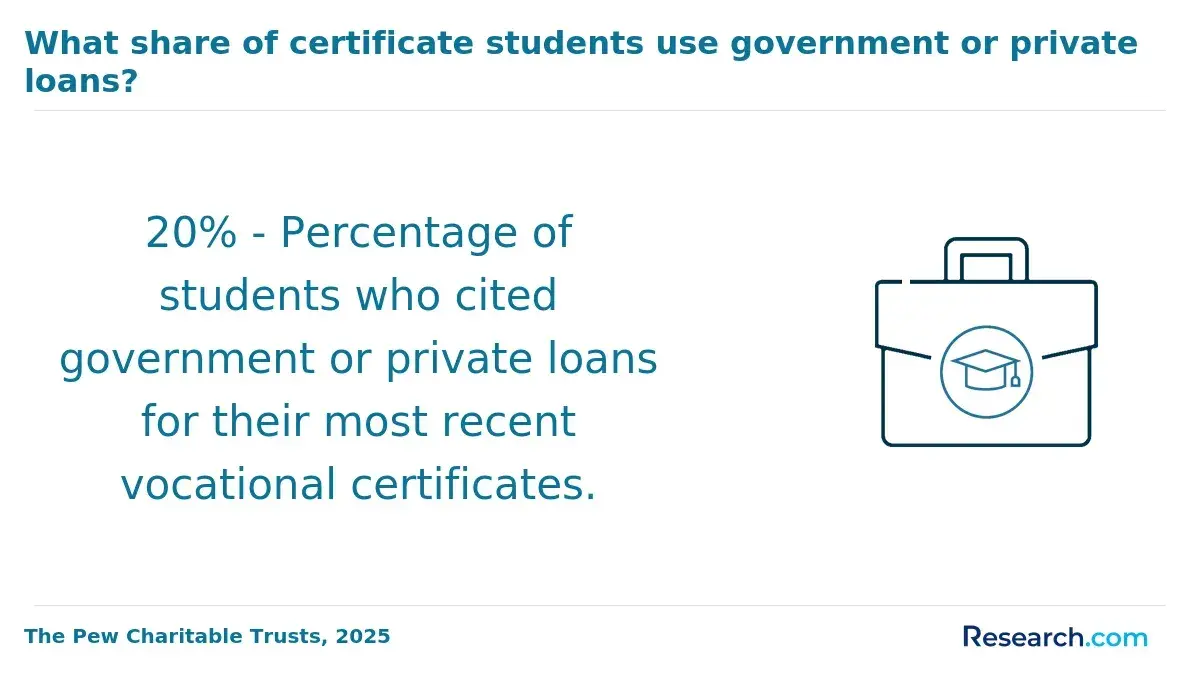
If a target role rewards a discrete skill rather than graduate-level preparation, compare the full degree's cost and time with high paying certificate jobs and relevant professional certifications. Ask employers which credential they actually value before committing to tuition.
Are Asynchronous Online Master's Degrees Accredited and Respected?
Yes, an asynchronous master's can be accredited and respected; delivery format alone does not determine either. Verify the institution's recognized accreditation and check whether a relevant programmatic accreditor covers the specific program. Programmatic review can matter especially when seeking healthcare, counseling, education, or nursing credentials.
Accreditation is a starting check, not proof of licensure eligibility or employer preference. Confirm the degree title on the transcript, required in-person components, and whether the program meets rules in the state where you plan to work. A red flag is a broad claim that a degree "qualifies you nationwide" without explaining state-specific requirements.
What Are the Admission Requirements for Asynchronous Master's Programs?
Most professional master's programs require a completed bachelor's degree, transcripts, and an application; individual programs may also require prerequisites, experience, recommendations, a statement, an interview, or an active professional license. GPA thresholds and GRE or GMAT policies vary by graduate program, so do not infer them from undergraduate admission rules. Computer science and data science applicants should pay particular attention to programming and mathematics preparation.
If you have not yet earned a bachelor's degree, an accelerated bachelor's degree online accredited pathway may address that prerequisite; undergraduate credits do not ordinarily count as graduate transfer credits. Applicants with previous graduate coursework should request a degree-specific evaluation of transferable courses, grades, age limits, and residency-credit requirements before assuming that a certificate or prior class will shorten the master's.
How Do Asynchronous Master's Classes Compare With Campus Programs?
Asynchronous study trades scheduled class attendance for more responsibility to plan your own work. The right format depends on whether you need control over your weekly hours, immediate discussion, or access to on-site practice.
The comparison below describes typical differences, not promises about every program.
| Format | Scheduling advantage | Constraint to check |
| Asynchronous online | Access lessons outside scheduled class times | Fixed deadlines, group work, and possible live requirements |
| Scheduled online | Attend remotely with a predictable meeting time | Required live sessions may conflict with work shifts |
| Campus or hybrid | In-person discussion, facilities, or practice | Travel and attendance at specified times |
Request the attendance policy in writing. A common mistake is choosing a "fully online" program without checking whether its courses require live participation or its practicum requires local daytime availability.
What Courses Do Professional Master's Degree Programs Include?
Professional master's curricula generally combine a core, electives or a concentration, and a culminating project. An MBA might include finance and strategy; an MS in cybersecurity might include security architecture and risk; an MEd in leadership might include school law and organizational change. A capstone often applies learning to a workplace problem, while a thesis emphasizes sustained research. Labs, internships, clinical hours, or supervised practica depend on the field and track.
Review the complete required-course sequence before treating a degree as a scheduling match. An asynchronous elective is of limited help if a mandatory capstone meets live or a required course is offered infrequently.
How Long Do Asynchronous Master's Degrees Take and What Do They Cost?
Completion time depends on required graduate credits, part-time or full-time enrollment, course sequencing, prerequisites, and any thesis or placement requirements. Short classes do not necessarily mean a short degree. Eligible prior graduate credit may reduce the remaining coursework, but schools decide whether that credit applies to the specific degree; a published accelerated timeline may assume preparation you do not have.
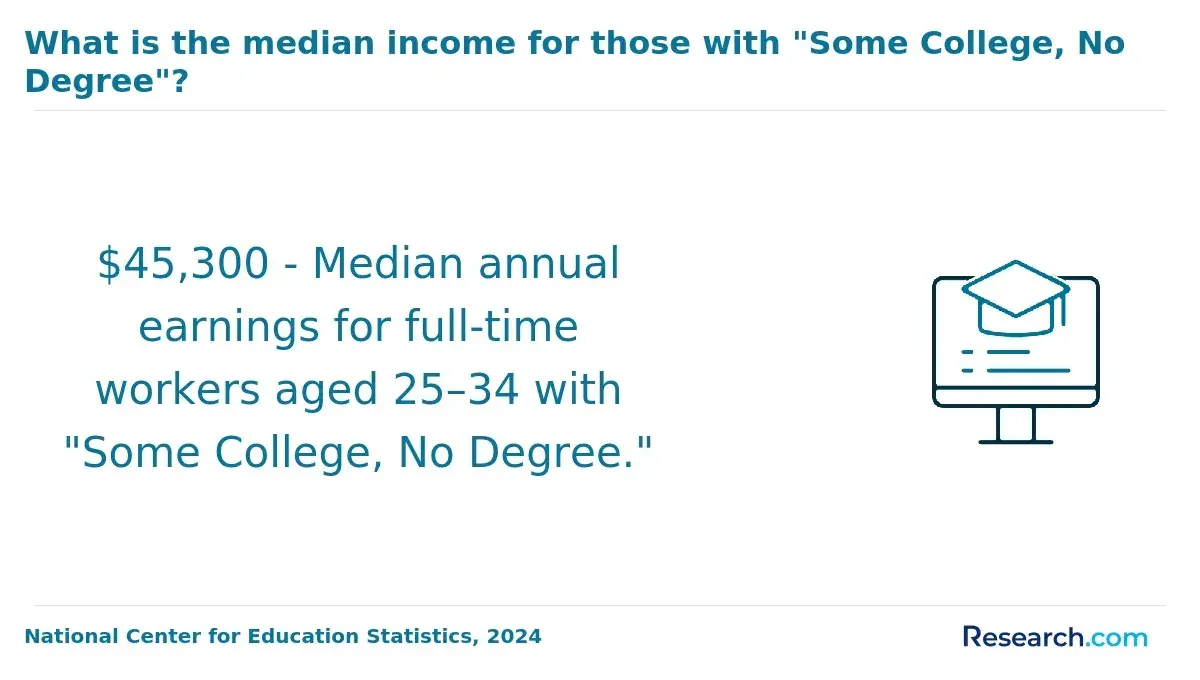
Compare total expected cost, not tuition per credit alone: include mandatory fees, software, books, travel, residencies, and any added terms needed to complete a placement or prerequisite. Ask about scholarships, employer tuition assistance, and eligibility for federal graduate aid before relying on loans. If academic workload is your main concern, an easiest masters degree comparison can help frame that question - but choose a curriculum that advances your goal, not merely one that looks less demanding.
What Jobs and Salaries Can Professional Master's Graduates Expect?
Professional master's graduates can pursue specialized, analytical, clinical, or management work, depending on their prior preparation and the degree track. BLS occupational figures offer labor-market context, not a forecast of what a particular program's graduates will earn. For example, BLS reported a $133,080 median annual wage for software developers in 2024; many developer jobs do not require a master's degree.
Use the comparisons below to distinguish plausible roles from qualifications that a degree alone may not provide.
| Degree direction | Possible occupation | Qualification beyond the degree to consider |
| Computer science | Software developer | Demonstrated programming ability; many positions accept bachelor's-level preparation |
| Healthcare administration | Medical and health services manager | Relevant healthcare and supervisory experience |
| Counseling | Licensed counselor | Qualifying program, supervised experience, examination, and state license |
| Nursing | Advanced practice registered nurse | Eligible clinical track, nursing credentials, and state-specific authorization |
For a realistic return-on-investment estimate, compare the program's full cost and time away from work with the requirements of actual job postings in your location - not with an occupational median alone.
Do Professional Master's Degrees Require Licensure or Certification?
A professional master's degree does not automatically confer a license or certification. Counseling, school leadership, and advanced-practice nursing paths can involve state approval, examinations, supervised experience, clinical placements, or an existing license. Business, IT, and engineering management degrees generally do not require a professional license simply to earn the credential, although particular jobs or specialties may have separate requirements.
Before enrolling in a regulated track, identify the exact occupation and state where you intend to work. Compare the program's curriculum and placement arrangements with that state board's current rules, then ask the program to explain any gaps in writing. This check is especially important if you will complete online coursework in one state and seek a license in another.
Other Things You Should Know About
Some programs offer asynchronous coursework throughout, but required group meetings, assessments, residencies, or placements can still have scheduled times. Verify every requirement with the program.
The best fit combines relevant career preparation with a manageable part-time course sequence. Technical and MBA programs may offer fewer location-specific requirements; clinical and licensure tracks often offer less control over practice hours.
Employers may assess the institution, curriculum, skills, and experience rather than format alone. Check accreditation and whether the program provides the preparation your target role requires.
Choose the master's when the role requires it or its broader curriculum justifies the cost for your goal. If you need one specific skill, compare a certificate or certification first.
References
- DAPIP | Homepage - Office of Postsecondary Education (OPE) https://ope.ed.gov/dapip/
- Professional certifications and occupational licenses | bls.gov https://www.bls.gov/opub/mlr/2019/article/professional-certifications-and-occupational-licenses.htm
- Program: Public Health, MPH | south.edu https://catalog.south.edu/preview_program.php
- Synchronous and Asynchronous Interactions - MEHP | UPenn https://improvinghealthcare.mehp.upenn.edu/resource/synchronous-and-asynchronous-interactions
- Academic Licensure and Programmatic Accreditation Notification | Tennessee Board of Regents https://www.tbr.edu/academics/academic-licensure-and-programmatic-accreditation-notification
- How Long Does It Take to Get an MBA? - Pace Online https://online.pace.edu/articles/business/how-long-does-it-take-to-get-an-mba/
- How Many Years Does a Master's Degree Take to Complete? | CityU of Seattle https://cityu.edu/how-many-years-is-a-masters-degree/
- Online MS in Organizational Leadership FAQ | No GRE | Western Kentucky University https://www.wku.edu/leadership/graduate-faq.php
- FAQs for Clinical Courses: Practicum, Internship, & Field Experience - Wake Forest Department of Counseling https://counseling.wfu.edu/faqs-for-clinical-courses-practicum-internship-field-experience/
- Licensure Programs - Office of Institutional Effectiveness https://institutionaleffectiveness.louisiana.edu/accreditation/licensure-programs