2027 Best Online Pediatric Nurse Practitioner Degree Programs at Nonprofit Universities

Co-Founder and Chief Data Scientist
Choosing an online pediatric nurse practitioner (PNP) program means balancing clinical quality, state licensure rules, cost, and a schedule that works with RN employment. The U.S. Bureau of Labor Statistics projects nurse practitioner employment to grow 46% through 2033, far faster than average.
This guide helps registered nurses compare nonprofit university PNP options, verify whether a program supports certification and practice goals, estimate the real cost, and build a shortlist based on clinical access, accreditation, flexibility, and career fit.
Key Things You Should Know
- A strong online PNP program is not fully remote: expect supervised pediatric clinical experiences, possible campus immersions, and a curriculum aligned with national certification requirements.
- For most RNs, a CCNE- or ACEN-accredited MSN or DNP with a Pediatric Primary Care or Acute Care PNP focus is the appropriate route; an associate or bachelor's degree alone does not qualify someone to practice as a PNP.
- The Bureau of Labor Statistics projects 46% growth in nurse practitioner employment through 2033, but state scope-of-practice rules, certification eligibility, clinical placement support, and total borrowing matter more than nonprofit status alone.
What Makes an Online Pediatric Nurse Practitioner Degree Program at a Nonprofit University Different?
An online pediatric nurse practitioner degree is a graduate nursing program that prepares licensed RNs for advanced practice caring for infants, children, adolescents, and often young adults. Most students pursue either Pediatric Primary Care Nurse Practitioner (PNP-PC) preparation, focused on wellness and common outpatient conditions, or Pediatric Acute Care Nurse Practitioner (PNP-AC) preparation, focused on complex and hospitalized patients. The right specialty depends on the setting in which you intend to work.
Nonprofit universities include public institutions and private nonprofit institutions. Their nonprofit tax status may indicate that institutional revenue is reinvested into operations and educational activities, but it does not independently establish program quality, affordability, admission standards, or clinical support. A public nonprofit may offer lower resident tuition, while a private nonprofit may offer a more standardized online experience or stronger national reach. Applicants should evaluate the individual program rather than assume either model is automatically better.
The educational route should match your starting credential and intended role. The comparison below clarifies which option generally fits common nursing goals.
| Starting point or goal | Typical route | What it can lead to | Important limitation |
| New to nursing | Associate degree in nursing or BSN | RN licensure pathway | Does not prepare a graduate for PNP certification |
| RN with an ADN | RN-to-BSN, then MSN or DNP | Eligibility to enter graduate advanced-practice nursing education | Bridge requirements vary by university |
| BSN-prepared RN | MSN PNP-PC, MSN PNP-AC, or BSN-to-DNP | Advanced practice preparation in a pediatric population focus | Requires clinical hours and certification steps after graduation |
| MSN-prepared APRN | Post-master's PNP certificate or DNP | Additional pediatric population focus or doctoral preparation | Transcript review may determine required coursework and clinical hours |
A master's degree is often the shorter pathway for a BSN-prepared RN seeking initial PNP preparation. A BSN-to-DNP pathway usually requires more credits and time but adds doctoral-level systems, quality-improvement, leadership, and evidence-translation coursework. Neither degree level automatically produces better employment outcomes; choose the level expected by your target employers, state requirements, and long-term leadership or teaching goals.
Students exploring adjacent healthcare careers should not confuse these options with PNP preparation. A healthcare administration bachelor's degree can support operational or management work, but it does not replace RN education, advanced clinical training, or nurse practitioner certification.
How Can Students Verify Accreditation for an Online Pediatric Nurse Practitioner Degree at a Nonprofit University?
Accreditation is one of the first filters to apply because it affects financial aid eligibility, credit transfer, graduate-school options, employer confidence, and certification pathways. Institutional accreditation evaluates the university as a whole. Nursing accreditation evaluates the nursing program. Both matter, and students should not treat one as a substitute for the other.
For a PNP pathway, look for nursing-program accreditation from the Commission on Collegiate Nursing Education (CCNE) or the Accreditation Commission for Education in Nursing (ACEN). Then confirm that the exact PNP track, not simply the school's general nursing department, is approved and designed to meet Pediatric Nursing Certification Board requirements. Certification rules and state authorization can change, so use the current certifier and state board information before applying.
Use this verification sequence before paying an application fee.
- Find the university's institutional accreditor in the U.S. Department of Education database and confirm that the accreditation is current.
- Locate the exact MSN, DNP, or post-master's PNP track on the CCNE or ACEN directory and check its current status.
- Ask the program in writing whether graduates are educationally eligible for the Pediatric Nursing Certification Board exam associated with the chosen specialty.
- Check your state board of nursing for distance-education authorization and any state-specific advanced practice licensure requirements.
- Request confirmation that the university can enroll and place clinical students in your state before submitting a deposit.
A common mistake is accepting a statement that a university is "accredited" without identifying the accreditor, the nursing accreditor, the program level, and the PNP specialty. Another red flag is a school that cannot clearly explain whether its curriculum meets certification eligibility for primary care or acute care practice.
How Rigorous Are Online Pediatric Nurse Practitioner Degree Programs at Nonprofit Universities?
Online PNP programs are clinically rigorous graduate programs, not self-paced credential courses. While didactic classes may use online learning systems, students complete advanced assessment, pathophysiology, pharmacology, diagnostic reasoning, pediatric specialty coursework, simulation, and supervised clinical practice. Programs commonly require students to demonstrate competency in patient assessment, family-centered communication, evidence-based decision-making, prescribing principles, and interprofessional care.
Primary care and acute care tracks differ substantially. PNP-PC students generally prepare for ambulatory pediatric settings, preventive care, developmental screening, and management of common conditions. PNP-AC students prepare for higher-acuity environments and need coursework and clinical experiences relevant to complex illness, hospital care, and specialty consultation. Do not choose a track solely because its online schedule appears more convenient; employers and certifying bodies expect education aligned with the patient population and care setting.
Academic rigor also comes from clinical requirements. Students should expect faculty-evaluated clinical performance, preceptor oversight, documentation reviews, simulations, and possible on-campus intensives. An online format changes where lectures occur, not the accountability expected in advanced practice nursing.
Before enrolling, ask for the current plan of study, required clinical-hour total, sample clinical sites, on-campus dates, and the policy for a failed clinical course. Applicants who need an accelerated pathway should confirm whether the pace leaves realistic time for employment, family responsibilities, and clinical travel. Accelerated enrollment can shorten calendar time, but it does not reduce the required competencies.
For RNs considering a different entry point into nursing, fast-track LPN programs online may be relevant to practical-nursing preparation, but an LPN program is not a shortcut to PNP practice. PNP candidates ultimately need RN preparation and graduate-level advanced practice education.
How Much Does an Online Pediatric Nurse Practitioner Degree Cost at a Nonprofit University?
The advertised per-credit tuition rate is only one part of PNP program cost. A reliable comparison includes required credits, mandatory fees, clinical-placement or tracking fees, campus immersion travel, technology, background checks, health requirements, certification review resources, and lost work time if clinical hours reduce your RN schedule. Public universities may distinguish resident and nonresident pricing; private nonprofit universities often charge a single rate but may have higher base tuition.
Rather than ranking programs by a headline price, compare the total cost of attendance using the same assumptions for every school.
| Cost category | Why it changes the total | What to request |
| Tuition and required credits | Programs vary in curriculum length and billing structure | A written estimate based on your entry pathway and transfer evaluation |
| University and nursing fees | Online, graduation, technology, simulation, and clinical fees may be separate | A current fee schedule for every expected term |
| Clinical expenses | Travel, parking, compliance items, and time away from work can be significant | Expected clinical locations and student-paid requirements |
| Campus immersions | Some online programs require travel and lodging | Number, location, length, and whether attendance is mandatory |
| Borrowing cost | Interest accrues on most graduate loans while enrolled | A federal loan estimate and private-loan alternatives, if applicable |
For a basic affordability screen, multiply required credits by the applicable tuition rate, add published mandatory fees, and then add a personal estimate for travel and compliance costs. Compare that total against your savings, employer assistance, expected borrowing, and a conservative post-graduation budget. A lower tuition rate can be a weaker value if the program offers little clinical placement help or requires extensive travel.
Cost should also be considered alongside career alignment. If your goal is medication-focused work rather than advanced nursing practice, compare the distinct educational and licensure pathway for PharmD online programs; a PharmD and a PNP degree prepare professionals for different scopes of practice.
What Financial Aid Is Available for an Online Pediatric Nurse Practitioner Degree at a Nonprofit University?
Online graduate nursing students at eligible nonprofit universities may qualify for federal financial aid, but eligibility depends on enrollment, citizenship or eligible noncitizen status, satisfactory academic progress, prior borrowing, and other federal rules. Submit the Free Application for Federal Student Aid (FAFSA) early because institutional grants and some state aid can have priority deadlines.
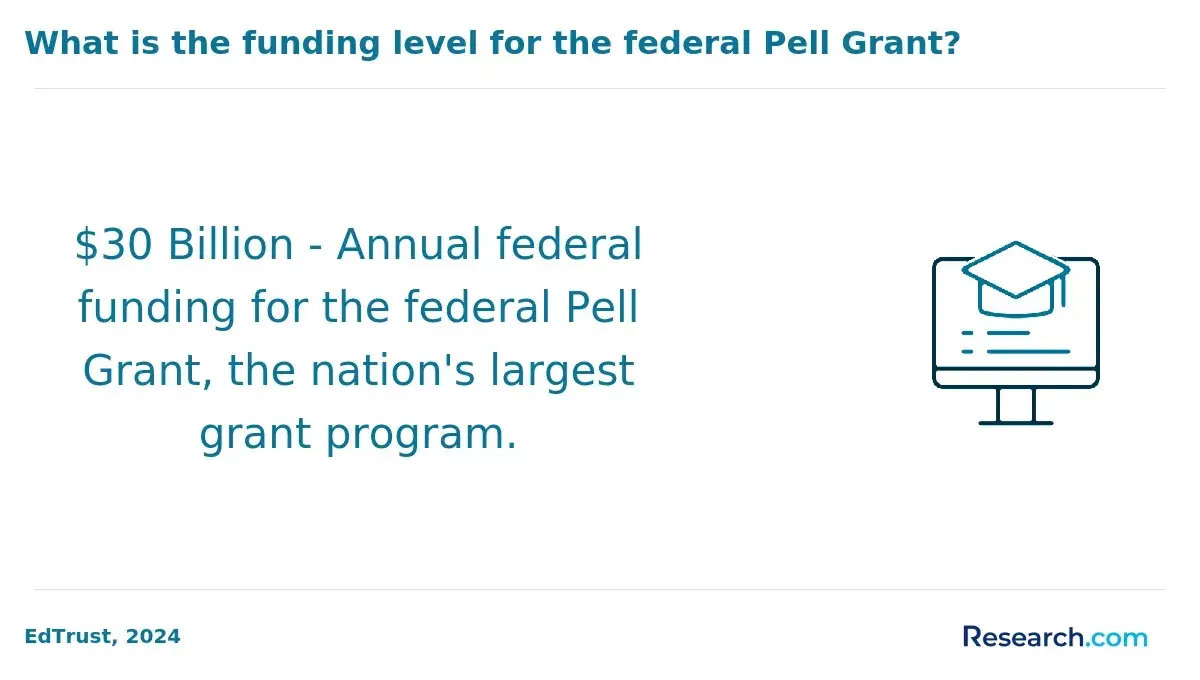
Graduate students may generally borrow up to $20,500 per academic year through Direct Unsubsidized Loans, subject to aggregate federal loan limits. This can reduce reliance on costlier financing, but it may not cover a full PNP program's annual cost. Review the loan disclosure carefully because interest, origination fees, and repayment obligations affect the amount ultimately repaid.
Financial resources are most useful when combined rather than pursued one at a time.
- Federal Direct Unsubsidized Loans can help eligible graduate students pay qualifying education expenses up to annual and aggregate limits.
- Direct PLUS Loans may cover remaining cost of attendance for eligible borrowers after other aid, subject to credit requirements and federal terms.
- University nursing scholarships, alumni awards, and need-based grants may be available through the financial aid office or school of nursing.
- Employer tuition assistance, hospital workforce programs, and service commitments can reduce out-of-pocket cost but may require continued employment or repayment if you leave early.
- Professional nursing associations and community foundations may offer competitive scholarships for graduate nursing students.
Do not assume online enrollment makes a student ineligible for aid. Instead, ask whether the exact PNP track is eligible for federal aid, how part-time enrollment affects disbursement, and whether clinical terms alter your aid package. Be cautious with private loans before exhausting lower-cost options and employer benefits; compare repayment protections, fixed versus variable rates, and cosigner obligations.
How Flexible Are Online Pediatric Nurse Practitioner Degree Programs at Nonprofit Universities?
Flexibility in an online PNP program usually means that some coursework can be completed away from campus, not that every requirement is asynchronous or available on demand. Programs may use live seminars, group simulations, proctored exams, fixed clinical rotations, faculty meetings, and required intensives. Working RNs should distinguish between asynchronous lectures and the less-flexible clinical component.
Part-time programs can be a practical choice for nurses maintaining regular employment, while full-time or accelerated tracks may suit students with greater schedule capacity. A traditional pace generally reduces the number of simultaneous courses and may make it easier to absorb unexpected clinical scheduling changes. An accelerated pace can reduce elapsed time but can create high weekly demands and may limit the ability to work overtime.
This comparison highlights the questions that reveal whether an online format fits your life.
| Format feature | More flexible version | Less flexible version | What to confirm |
| Didactic coursework | Recorded lectures and asynchronous discussions | Required live weekly classes | Meeting times, time zone, and attendance rules |
| Enrollment pace | Part-time sequencing with planned breaks | Lockstep full-time cohort | Whether leave, deceleration, or re-entry is permitted |
| Clinical rotations | Local sites approved near the student | Assigned sites or fixed daytime schedules | Who secures preceptors and expected travel radius |
| Immersion requirements | Few, predictable campus visits | Multiple mandatory visits with short notice | Dates, travel budget, and simulation expectations |
Ask whether the school permits students to identify qualified local preceptors, whether faculty must approve them, and how early placements are finalized. Clinical hours frequently occur during weekday daytime periods, even when the academic content is online. A program that is "100% online" but cannot support placements in your region may not be workable.
Students interested in a movement, rehabilitation, or wellness career should evaluate the separate curriculum and career outcomes of an online kinesiology degree. It can complement healthcare knowledge but does not confer nurse practitioner licensure.
What Student Support Services Do Nonprofit Universities Provide for Online Pediatric Nurse Practitioner Degree Students?
Strong support services can determine whether an online PNP program is manageable, particularly when students are arranging clinical experiences while working as RNs. The most valuable services are those connected to progression and professional readiness rather than general marketing promises.
Ask each university what support is included in tuition and what is available only upon request. The following services are especially consequential for graduate nursing students.
- Clinical placement coordination or a dedicated clinical-affiliation team can help students navigate preceptor approvals, site contracts, compliance records, and placement timelines.
- Faculty advising can clarify course sequencing, specialty fit, progression policies, and preparation for certification.
- Academic support may include writing assistance, research librarians, tutoring, disability accommodations, and online learning orientation.
- Career services may provide résumé feedback, interview preparation, networking events, and guidance on professional credentialing.
- Mental health, wellness, and emergency-support resources can be important for students balancing demanding clinical and work schedules.
- Technology support should include reliable access to learning platforms, remote testing guidance, simulation tools, and prompt help during exams.
Ask for measures that reveal how these services operate in practice: average time to clinical placement approval, whether students have delayed graduation because of placement issues, faculty response expectations, and the availability of evening or weekend support. A school that expects students to locate every preceptor independently may still be a legitimate option, but it requires a stronger local professional network and more personal planning.
Do Online Pediatric Nurse Practitioner Degree Programs at Nonprofit Universities Prepare Graduates for In-Demand Careers?
Yes, an accredited PNP program can prepare qualified graduates for pediatric advanced practice roles, provided the curriculum, clinical experiences, certification pathway, and state licensure requirements align. Common settings include pediatric primary care offices, community health centers, specialty clinics, hospitals, urgent care settings, school-linked health services, and public health programs. The PNP-PC and PNP-AC credentials are not interchangeable, so employers may prefer or require the specialty that matches the position.
The U.S. Bureau of Labor Statistics reports a median annual wage of $129,210 for nurse practitioners in May 2024. This is a national occupation-wide figure, not a starting-salary promise for PNPs. Pay varies by location, employer type, experience, shift differentials, productivity models, specialty demand, and state practice laws. Use local job postings and salary discussions with employers to assess your likely market rather than relying on a national median alone.
Advanced practice demand does not eliminate professional requirements. After graduation, candidates typically need to pass the appropriate national certification examination, apply for state APRN licensure, and meet any prescribing or collaborative-practice requirements applicable in their state. Some states allow broader independent practice than others, which can affect job design and mobility.
Career readiness is stronger when students select clinical sites that reflect their intended work. A future outpatient PNP should prioritize continuity, preventive care, developmental assessment, family counseling, and common pediatric illness experiences. A future acute-care PNP should seek exposure appropriate to high-acuity pediatric populations and complex inpatient care. Ask programs how they assess clinical competency rather than simply how many hours students complete.
Nutrition knowledge can be valuable in pediatric counseling, but it is not a substitute for advanced practice preparation. Nurses who want deeper training in this related subject can compare an nutritional science degree online with their existing education plan and determine whether the additional credential supports a specific professional goal.
Can an Online Pediatric Nurse Practitioner Degree From a Nonprofit University Prepare Students for Graduate School?
Yes. An accredited MSN PNP degree can support future doctoral study, including a Doctor of Nursing Practice (DNP), PhD in nursing, education doctorate, or selected health-policy and leadership programs. A BSN-to-DNP pathway already incorporates doctoral study, although graduates may later pursue a PhD if their goal shifts toward research and academic scholarship.
Graduate-school readiness depends more on transcript quality, accreditation, scholarly preparation, clinical performance, references, and fit with the next program than on whether the original degree was online. Reputable schools generally document the learning format on a transcript only according to their standard institutional practice; students should ask directly if they need clarity.
Students considering doctoral education should preserve options while enrolled. Select courses that build evidence appraisal and scholarly writing skills, maintain strong grades, document quality-improvement or research work, and develop professional relationships with faculty who can provide informed recommendations. If your long-term goal is university faculty work or research leadership, compare doctoral programs carefully because a practice-focused DNP and research-focused PhD serve different purposes.
Before selecting an MSN instead of a DNP, ask target employers and future doctoral programs whether they have a preferred degree level. The MSN route may be an efficient way to enter practice sooner, while the DNP may better fit students seeking doctoral-level systems leadership, advanced quality-improvement training, or roles where a doctorate is preferred.
How Should Students Compare the Best Online Pediatric Nurse Practitioner Degree Programs at Nonprofit Universities?
The best online PNP program is the one that is authorized in your state, supports the correct specialty, provides a realistic clinical plan, and fits your financial and scheduling limits. A national ranking can be a useful starting point, but it cannot determine whether a school can place you locally, whether its faculty support matches your needs, or whether the total cost is sustainable.
Build a shortlist of three to five programs that meet your nonnegotiables, then compare them using the same evidence. This scorecard identifies the factors that usually matter most.
| Comparison factor | Strong evidence | Potential red flag |
| Accreditation and certification alignment | Current institutional and CCNE or ACEN accreditation plus written PNP certification eligibility confirmation | Vague accreditation language or no clear specialty certification pathway |
| Clinical placement | Transparent preceptor policy, local authorization, and clear faculty oversight | Unclear responsibility for sites or no answer about delays |
| Total cost | Written estimate including credits, fees, travel, and clinical expenses | Only a per-credit price is provided |
| Schedule fit | Published live-session, immersion, and clinical expectations | "Flexible" marketing without calendar details |
| Curriculum fit | Clear PNP-PC or PNP-AC population focus and appropriate clinical experiences | General NP language that does not identify the pediatric specialty |
| Outcomes and support | Transparent progression, certification, advising, and career-support information | Claims of outcomes without definitions or documentation |
Use the following process to make a final decision based on evidence rather than marketing.
- Confirm your intended role and choose PNP-PC, PNP-AC, or another advanced-practice specialty before comparing schools.
- Eliminate programs that are not authorized for students in your state or cannot confirm the relevant certification and licensure pathway.
- Request a personalized degree plan, transfer-credit evaluation, and full cost estimate from each remaining program.
- Compare clinical placement responsibilities, anticipated travel, and required daytime availability with your work and family schedule.
- Speak with an admissions representative and, when possible, a program director about faculty access, clinical delays, leave policies, and certification preparation.
- Choose the program with the strongest overall fit, not automatically the lowest tuition, highest ranking, or shortest advertised completion time.
Common mistakes include assuming nonprofit status proves quality, confusing institutional accreditation with nursing accreditation, overlooking clinical travel costs, and enrolling before confirming state authorization. A deliberate comparison protects both your time and your ability to pursue certification after graduation.
Other Things You Should Know About Pediatric Nurse Practitioner
Family nurse practitioners are educated across the lifespan and may work with children in some settings. However, many pediatric employers prefer or require PNP preparation because it provides focused pediatric clinical education. Review local job postings and ask prospective employers which certification they expect.
PNP primary care focuses on preventive care, developmental needs, outpatient diagnosis, and management of common childhood conditions. PNP acute care focuses on children with complex, urgent, or hospitalized conditions. Choose the track that matches the acuity and setting where you plan to practice.
Requirements vary. Many programs require an active RN license and BSN, while some prefer or require pediatric clinical experience, particularly for acute care tracks. Pediatric experience can strengthen an application and help students secure appropriate preceptors, but applicants should check each program's published requirements.
PNPs may prescribe within the authority granted by their state APRN license and applicable federal and state rules. Prescriptive authority, controlled-substance requirements, and physician collaboration rules vary by state, so verify the requirements with the board of nursing where you plan to practice.
References
- Best Online Nurse Practitioner Programs 2026 https://www.onlineu.com/degrees/nurse-practitioner
- Online Nurse Practitioner School Rankings 2025-2026 https://www.npschools.com/rankings
- 6 Best Pediatric Primary Care Nurse Practitioner Programs | ThriveAP https://provider.thriveap.com/blog/6-best-pediatric-primary-care-nurse-practitioner-programs
- Online Pediatric Nurse Practitioner (PNP) Programs https://nursinglicensemap.com/nursing-degrees/online-nurse-practitioner-programs/pediatric-nurse-practioner-pnp-programs/
- Gannon FNP graduates receive perfect pass rate on certification exams for second year in a row https://www.gannon.edu/collections/news/2025/gannon-fnp-graduates-receive-perfect-pass-rate-on-certification-exams-for-second-year-in-a-row-.php
- Inside Pediatric Nurse Practitioner Online Programs https://www.edumed.org/online-schools/nurse-practitioner-programs/pediatric-nursing/
- Online Pediatric Nurse Practitioner (PNP) Programs | Maryville University https://nursing.maryville.edu/concentrations/pediatric-nurse-practitioner-online-program