
Best online MBA in Hospitality Management programs for public sector professionals

Co-Founder and Chief Data Scientist
Managing a publicly owned convention center, directing a tourism office, or overseeing visitor services requires more than commercial hospitality skills. Public budgets, procurement rules, and accountability to residents shape every decision. This guide compares online hospitality MBA options for professionals who want to lead those operations or move between government and industry. It explains which programs merit a closer look, what to verify before applying, and when a public administration degree or shorter training may be the better investment.
Key Things You Should Know
- Start with the curriculum, not the degree label: a hospitality MBA is most useful when its management core and specialized courses both match the public facilities, tourism, or visitor-services role you want.
- Johnson & Wales, Florida Atlantic, and LSU Shreveport offer distinct hospitality-oriented online MBA options worth comparing; confirm the current online concentration, course schedule, and full price directly with each school.
- Public-sector pay usually follows an agency's classification and experience requirements, not a degree-wide MBA salary average. Employer funding and an identified advancement path can matter more than a program's ranking.
What Is an Online MBA in Hospitality Management for Public Sector Professionals?
It is a graduate business degree delivered primarily online that combines a general MBA core with hospitality-focused study. The core typically covers finance, accounting, operations, strategy, and leadership. A formal hospitality concentration adds designated coursework; an MBA with one tourism elective does not necessarily offer the same specialization.
For public sector professionals, the relevant work may involve destination marketing organizations, parks and recreation facilities, airport guest services, convention centers, or publicly supported events. Commercial tools such as demand forecasting and service design can help in those settings, but decisions must also satisfy public procurement, accessibility, budget, and governance requirements.
A hospitality MBA is generally a stronger fit for someone seeking broader operational or executive responsibility than for someone whose main goal is to learn government policy and administration. Applicants without a business bachelor's degree can also investigate online MBA programs that do not require business prerequisites; individual schools may still assign foundation work.
Which Online Hospitality MBA Programs Are Best for Public Sector Professionals?
The table distinguishes each option by its apparent specialization emphasis and the question a public-sector applicant should resolve before enrolling. It deliberately does not treat unpublished or noncomparable tuition figures as equivalent total costs.
| Online MBA option | Hospitality focus to examine | Potential public-sector fit | Key verification point |
| Johnson & Wales University | MBA hospitality-focused study | Service operations and hospitality leadership | Confirm the current online specialization name, required courses, and any live attendance. |
| Florida Atlantic University | Hospitality and tourism management within its MBA offerings | Destination, tourism, and visitor-economy management | Confirm that the desired concentration and every required course are available in the online MBA. |
| Louisiana State University Shreveport | Hospitality and casino management concentration | Hospitality operations where gaming or entertainment is relevant | Check whether casino-specific courses advance your goals if your agency does not work with gaming. |
For a tourism-office professional, Florida Atlantic's subject emphasis warrants particular investigation. For a public venue or guest-services manager, Johnson & Wales may offer a more directly transferable hospitality lens. LSU Shreveport is worth examining when gaming, entertainment, or related destination operations are part of the job; its concentration could be less targeted for a parks department. These are editorial fit judgments, not claims about graduate placement.
Ask each school for its current degree plan, online course rotation, mandatory fees, and a written total-tuition estimate for your expected pace. Then compare those figures with broader MBA USA affordability listings, keeping in mind that an inexpensive general MBA may not include the hospitality coursework you need.
How Do You Choose an Accredited Online Hospitality MBA Program?
First confirm that the institution holds recognized institutional accreditation. Next check whether its business school or MBA has specialized business accreditation, such as AACSB, ACBSP, or IACBE, if that distinction matters to your employer. Institutional and business-school accreditation are different; neither verifies that a particular hospitality concentration is currently offered online.
Request the official curriculum and compare it with your agency's job descriptions. A tourism director candidate may value destination strategy and marketing; a convention-center manager may need facilities finance, contracts, and event operations. Look for assignments that can be completed without disclosing protected agency information, and ask whether online students have access to relevant career services and alumni events.
Check delivery details before relying on a program's "flexible" description: required live classes, group meetings, exam windows, residencies, and the frequency of specialized courses can determine whether it fits an event-season schedule. Accessible admissions can widen the search, but a list of online MBA programs with accessible admissions acceptance rates is not a substitute for checking accreditation, curriculum, and public-sector relevance.
The most plausible advancement is usually from related experience into greater responsibility: a visitor-services supervisor moving toward facility leadership, for example, or a tourism-program manager taking on a larger budget and staff. Possible employers include city and state agencies, public authorities, and organizations that operate publicly supported destinations or venues.
Relevant roles include convention-center or venue operations manager, tourism or destination-program director, public events manager, and visitor-experience leader. Responsibilities may span staffing, contracts, accessibility, service quality, revenue, and reporting to public boards. An MBA can strengthen management preparation, but agencies may still require specific years of experience, civil-service eligibility, or demonstrated public procurement knowledge.
For a move into private hospitality, the degree may help translate public budgeting and stakeholder skills into commercial terms. That transition can also require evidence of revenue management or hotel and restaurant operations. Conversely, someone seeking policy analysis or broad agency administration rather than hospitality leadership may find an MPA, targeted public-finance coursework, or employer training more direct.
The MBA core develops management judgment: interpreting financial statements, allocating resources, analyzing demand, improving operations, and leading teams. Hospitality-focused courses may apply those tools to guest experience, tourism marketing, revenue decisions, lodging, events, or entertainment. Exact requirements differ, so compare required courses rather than concentration titles alone.
Public employees should test how well commercial lessons transfer. Forecasting attendance can improve staffing at a public attraction, but maximizing revenue may conflict with affordability or access goals. A useful class project might evaluate service wait times or the operating budget of a public venue while explicitly accounting for procurement rules and the agency's mission.
Do not assume a hospitality MBA teaches the full body of public law, grant administration, or government budgeting. If those are the skills missing from your next-role requirements, supplement the MBA or consider a public administration program instead.
Requirements are set by each school, not by the hospitality specialization as a whole. Applicants commonly submit evidence of a bachelor's degree, transcripts, a résumé, and sometimes a statement, recommendations, or an interview. Schools differ on minimum grades, work experience, GMAT or GRE policies, and whether accounting or other foundation study is needed.
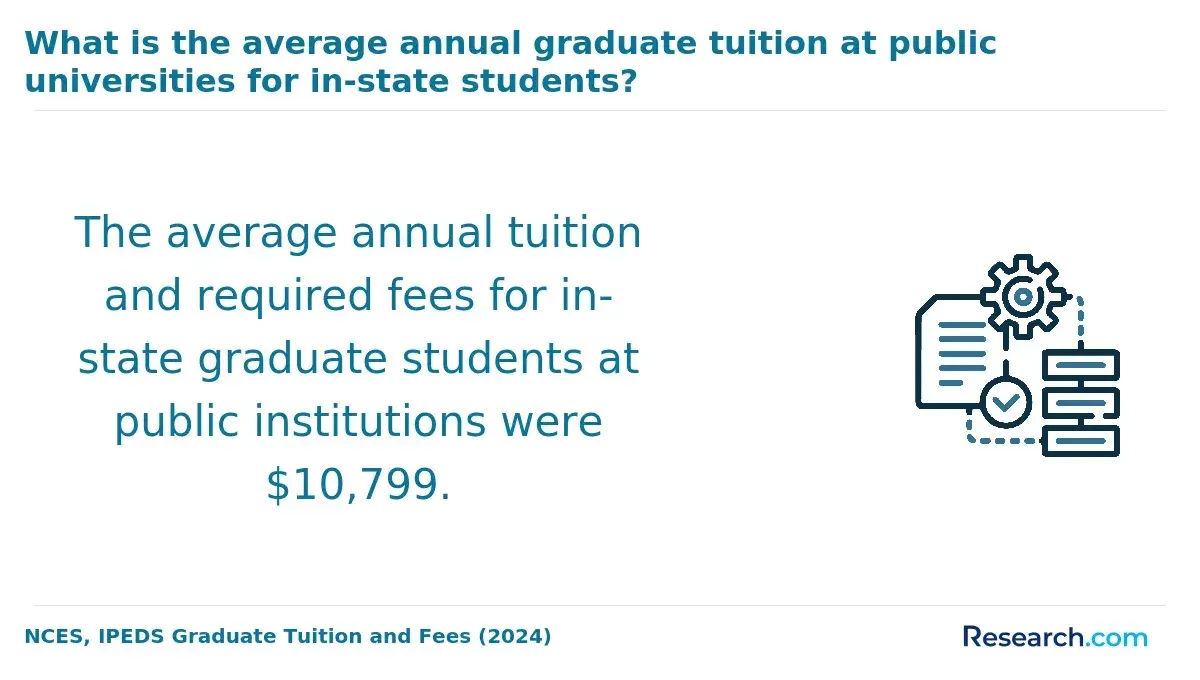
Obtain a written estimate that separates tuition from mandatory fees, books or software, and any travel. Ask whether rates vary by residency, whether tuition can rise during enrollment, and whether a slower pace changes the total. Published per-credit tuition alone is not a complete program price.
Before borrowing, ask your agency about education assistance, reimbursement caps, grade requirements, and any service commitment. Compare your expected out-of-pocket cost with a realistic internal promotion route—not a private-sector MBA salary figure. If the target position does not value an MBA, a shorter course or certification may be the more economical choice.
An online MBA can let a public employee remain in their agency, apply coursework to current operations, and avoid regular commuting. Campus study may provide easier access to in-person hospitality contacts, facilities, and recruiting events. Neither format automatically offers better instruction or a stronger network; the relevant comparison is what students in the specific program can actually use.
Ask whether online and campus students take the same specialization courses and whether online students can participate in employer projects, career advising, and alumni events. Also check live-session times and group-work expectations. A campus program may be worth the disruption for someone making a substantial industry switch; for an established public-sector manager seeking internal advancement, the ability to keep working may be more valuable.
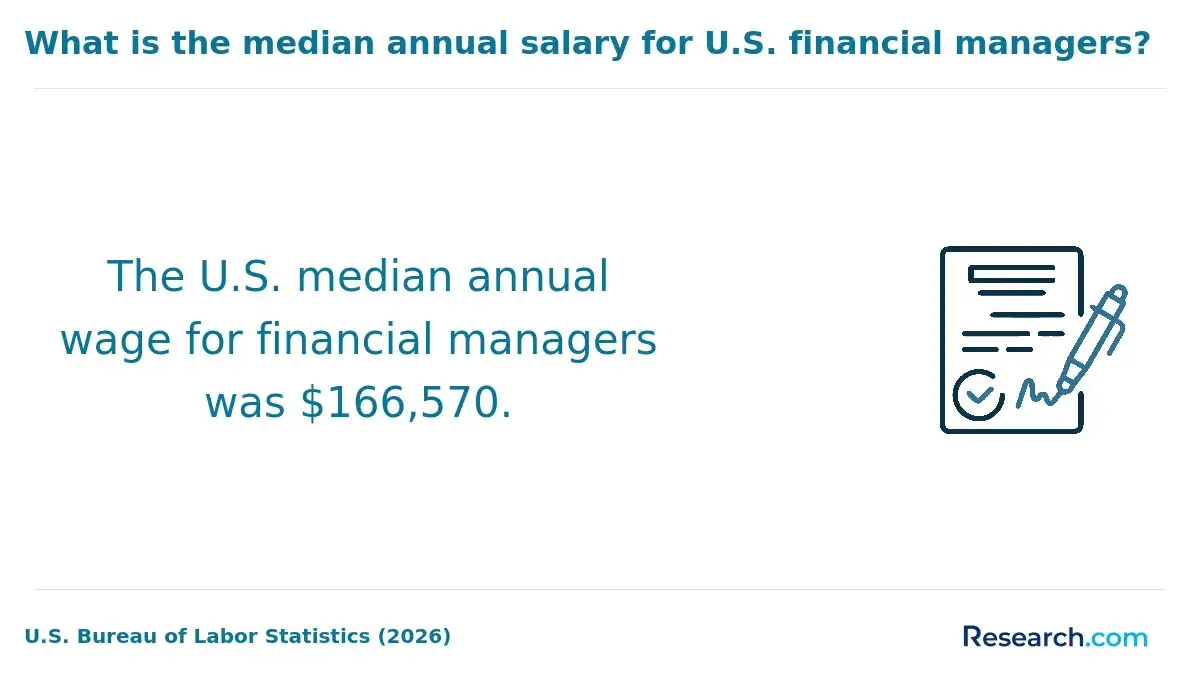
There is no reliable single salary for public-sector hospitality MBA graduates. Pay depends on the agency, location, job classification, collective-bargaining rules where applicable, supervisory scope, and prior experience. The strongest estimate for your decision is the posted range for jobs you could realistically obtain after graduation, including whether a degree changes eligibility or placement within that range.
For context—not as an MBA outcome—the U.S. Bureau of Labor Statistics reports a May 2025 median annual wage of $126,520 across all management occupations. That broad group includes many private-sector and nonhospitality jobs, so its median should not be used to forecast a tourism-office or public-venue salary. Compare actual agency postings and promotion rules before estimating any financial return.
Which Certifications and Professional Standards Support Hospitality Careers?
Credentials can fill narrower gaps that an MBA does not address. Event professionals may consider the Certified Meeting Professional credential; facility leaders may investigate venue-management training; and hospitality employers may recognize lodging-focused credentials. Requirements and recognition vary, so check the current credentialing body's eligibility rules and whether your target employer values the designation.
For public employees, professional competence also includes agency-specific procurement procedures, records handling, accessibility obligations, ethics rules, and emergency planning. A hospitality certification does not replace those standards. If your next role primarily requires one technical capability rather than broad management preparation, targeted training may deliver more immediate value than an MBA.
Other Things You Should Know About MBA
Often, but obtain your supervisor's approval and follow agency rules on confidential information, records, and outside disclosure. Ask the instructor whether an anonymized or publicly available dataset will satisfy the assignment.
Some education-assistance policies include continued-service or repayment conditions. Read the written agreement before enrolling or accepting reimbursement.
The degree itself does not determine eligibility. The program concerns qualifying employment and eligible federal loans and payments; confirm current federal rules for your circumstances before making a borrowing decision.
Do not accept vendor funding without written guidance from your agency's ethics or procurement office. A vendor relationship can create an actual or perceived conflict of interest.
- Detail for CIP Code 52.0903 | ed.gov https://nces.ed.gov/ipeds/cipcode/cipdetail.aspx
- Fact Sheet: Maxiflex Work Schedules | U.S. Office of Personnel Management https://www.opm.gov/policy-data-oversight/pay-leave/work-schedules/fact-sheets/maxiflex-work-schedules/
- Cost of Attendance (Budget) | 2025-2026 Federal Student Aid Handbook https://fsapartners.ed.gov/knowledge-center/fsa-handbook/2025-2026/vol3/ch2-cost-attendance-budget
- Online MBA in Hospitality and Tourism Leadership at UWF https://getonline.uwf.edu/business-programs/mba/hospitality-tourism-leadership/
- Search Accredited Schools | AACSB https://www.aacsb.edu/accredited
- Flexible Graduate Programs for Working Adults | Amberton University https://amberton.edu/why-amberton/graduate-programs-for-working-adults/
- What Can I Do with a Tourism Management Degree? | Webber International University https://www.webber.edu/what-can-i-do-with-a-tourism-management-degree/
- Tuition & Financial Aid | Public Affairs Master's Degree Programs at Northeastern https://publicaffairs.northeastern.edu/tuition-financial-aid/
- Online MBA in Hospitality and Tourism Management | Delaware State University https://online.desu.edu/degrees/business/mba/hospitality-tourism/


