2027 Best Online Health Psychology Doctorate Programs for Mid-Career Professionals

Co-Founder and Chief Data Scientist
Mid-career psychology, healthcare, wellness, and human services professionals often face the same question: will a doctorate create real career leverage, or just add debt and time pressure? The U.S. Bureau of Labor Statistics reports a 2024 median pay of $94,310 for psychologists, with faster-than-average projected growth.
This guide explains online and hybrid health psychology doctorate options, who they fit, what they cost, how long they take, and how to compare programs so you can choose based on career value rather than marketing claims.
Key Things to Know About Online Health Psychology Doctorate Programs for Mid-Career Professionals
- Dedicated online health psychology doctorates are limited, so the strongest choices are often online or hybrid psychology doctorates with health psychology coursework, behavioral medicine research, or applied wellness concentrations.
- NCES data released in 2024 shows average annual graduate tuition and fees of $12,596 at public institutions and $29,931 at private nonprofit institutions, before aid, employer support, or dissertation-extension costs.
- The best program for a mid-career professional is usually not the fastest one; it is the accredited program whose format, faculty expertise, dissertation support, and career pathway match the student's available time and professional goal.
Is earning an online Health Psychology doctorate worth it for mid-career professionals?
An online health psychology doctorate can be worth it for professionals who want to move from service delivery or program management into research leadership, university teaching, behavioral health consulting, health promotion strategy, or advanced clinical-adjacent roles. It is less likely to be worth it if the goal is only a modest raise in a current job that does not require doctoral-level training.
Health psychology studies how biological, psychological, behavioral, and social factors affect health, illness, prevention, treatment adherence, stress, pain, chronic disease, and healthcare behavior. In doctoral programs, students usually learn advanced research methods, evidence-based intervention design, biopsychosocial assessment, and leadership skills for healthcare or academic settings.
For mid-career professionals, the value calculation should begin with the job you want after graduation. Someone with a master's degree in counseling, public health, nursing, social work, wellness administration, or psychology may already have strong applied experience.
A doctorate adds the most value when it helps convert that experience into research authority, faculty eligibility, senior consulting credibility, or specialized behavioral health leadership. Professionals who are still exploring clinical psychology may be better served first by comparing an online clinical psychology masters before committing to a doctorate.
This comparison summarizes when a doctorate tends to make sense and when another route may be more practical:
| Professional situation | Doctorate may make sense when | Another option may fit better when |
| Licensed or license-eligible clinician | You want research, teaching, supervision, behavioral medicine, or integrated care leadership opportunities. | You mainly need continuing education, a niche certificate, or state-specific supervision hours. |
| Healthcare administrator or wellness leader | You want to design evidence-based population health, chronic disease, or employee well-being programs. | Your employer rewards an MPH, MBA, MHA, or project management credential more directly. |
| Academic or aspiring instructor | You need a terminal degree for full-time faculty, dissertation supervision, or research roles. | You only plan to teach part-time at institutions that accept master's-prepared adjuncts. |
| Research or evaluation professional | You need advanced quantitative, qualitative, and intervention research training. | You mainly need software, analytics, or grant-writing skills without a dissertation. |
The strongest ROI usually comes when the doctoral project is connected to the student's current workplace. For example, a professional working in diabetes education could build a dissertation around treatment adherence, health literacy, or behavior-change interventions, creating both academic output and employer-relevant value.
Which online Health Psychology doctorate programs are the best for mid-career professionals?
The best online health psychology doctorate program for a mid-career professional is the one that combines credible accreditation, flexible delivery, faculty alignment, strong research support, and a clear match to the student's career goal. Because fully online, licensure-oriented health psychology doctorates are uncommon in the United States, professionals should compare both dedicated health psychology tracks and broader psychology doctorates that allow health-focused research.
The programs below represent common categories mid-career applicants should evaluate. Program names, concentrations, residency expectations, and licensure alignment can change, so applicants should verify current catalog details directly with each school before applying.
| Program type | Best fit for mid-career professionals | Format to expect | Important caution |
| Online PhD in Psychology with Health Psychology concentration | Professionals seeking research, teaching, consulting, or applied behavioral health leadership. | Mostly online coursework with dissertation milestones and possible synchronous components. | Often not designed to meet clinical psychologist licensure requirements. |
| Hybrid or low-residency PhD in Clinical Psychology with a health psychology emphasis | Professionals who need clinical training, supervised practice, and stronger licensure alignment. | Online learning plus required residencies, practica, internship, and in-person clinical experiences. | APA accreditation and state licensure compatibility are essential and may limit flexibility. |
| Online PsyD or professional doctorate with a behavioral health focus | Practitioners who want applied leadership, program development, or advanced practice credibility. | Practice-oriented coursework, capstone or dissertation, and applied projects. | Some PsyD programs are expensive, and not all are licensure-oriented. |
| Online PhD in General Psychology with self-designed health research | Experienced professionals with a clear dissertation topic and access to a relevant professional setting. | Flexible online coursework with faculty-supervised research. | Health psychology faculty depth may be limited if the program is too broad. |
| Related doctorate in public health, behavioral health, or health education | Professionals focused on population health, prevention, community interventions, or organizational health strategy. | Online or hybrid applied doctoral format. | May not be considered a psychology doctorate by employers or psychology departments. |
For a practical shortlist, mid-career applicants should prioritize programs that meet five conditions:
- Regional accreditation from an institution recognized by the U.S. Department of Education or CHEA.
- APA accreditation if the program is intended to support clinical psychologist licensure.
- Faculty publishing or supervising research in health psychology, behavioral medicine, chronic illness, pain, stress, adherence, or prevention.
- Clear dissertation support for online students, including methods courses, research design advising, and milestone tracking.
- A delivery model that matches the student's work schedule, travel capacity, and family responsibilities.
Applicants should be especially careful with rankings that treat all online psychology doctorates as equivalent. A highly flexible non-licensure PhD can be ideal for a healthcare researcher but inappropriate for someone who wants to become a licensed psychologist. Conversely, an APA-accredited clinical program may offer stronger licensure alignment but require more in-person training than a working professional can realistically manage.
What specializations are available in Health Psychology doctorate programs?
Health psychology doctorate specializations usually focus on how behavior, cognition, emotion, social context, and healthcare systems influence physical health outcomes. Some schools use the exact term "health psychology," while others organize similar work under behavioral medicine, clinical health psychology, psychophysiology, integrated care, public health psychology, or wellness and prevention.
These specialization areas are useful because they help students choose coursework, faculty mentors, research methods, practicum settings, and dissertation topics that support a specific career direction.
| Specialization area | Common focus | Career relevance |
| Clinical health psychology | Psychological assessment and intervention in medical settings. | Hospital behavioral health, integrated primary care, pain clinics, rehabilitation, and specialty care teams. |
| Behavioral medicine | Behavioral interventions for illness prevention, treatment adherence, and chronic disease management. | Healthcare consulting, patient engagement, chronic care programs, and research roles. |
| Stress, coping, and psychophysiology | Mind-body processes, stress response, biofeedback, sleep, and emotional regulation. | Wellness programs, trauma-informed health services, occupational health, and applied research. |
| Health behavior and prevention | Health promotion, risk behavior, lifestyle change, and community interventions. | Public health agencies, nonprofit leadership, corporate wellness, and prevention program design. |
| Pain, aging, and chronic illness | Psychological support for long-term conditions and functional limitations. | Rehabilitation, gerontology, disability services, and chronic disease research. |
| Health equity and community health | Social determinants of health, access to care, culturally responsive interventions, and disparities. | Community health leadership, policy evaluation, grant-funded programs, and nonprofit strategy. |
Mid-career professionals should choose a specialization by working backward from the setting where they want to have influence. A hospital-based clinician may need clinical health psychology and interprofessional care experience, while a public health professional may benefit more from prevention, health equity, or behavioral intervention research. Professionals comparing psychology subfields can also explore adjacent pathways such as forensic psychology master's programs before deciding whether health psychology is the best long-term lane.
What admission requirements should professionals prepare for Health Psychology doctorate programs?
Admission requirements vary by institution, but health psychology doctorate applicants are usually evaluated on graduate preparation, research readiness, professional maturity, writing ability, and fit with faculty expertise. Mid-career applicants often have an advantage when they can show a clear professional problem they want to study, not just a general interest in psychology.
Most programs ask for a package that demonstrates academic readiness and professional direction. Prepare these items early so you are not trying to assemble them while managing work deadlines:
- Accredited bachelor's degree and, for many doctoral programs, a relevant master's degree in psychology, counseling, public health, social work, nursing, health education, or a related field.
- Graduate transcripts showing readiness for doctoral-level research, statistics, theory, and writing.
- Statement of purpose explaining why health psychology fits your career goals and how your experience supports your research interests.
- Professional resume or CV highlighting clinical, healthcare, research, teaching, evaluation, leadership, or program development experience.
- Letters of recommendation from supervisors, faculty, research mentors, or senior professionals who can speak to doctoral readiness.
- Writing sample, research paper, thesis excerpt, or scholarly work demonstrating analytical and academic writing ability.
- Interview, if required, focused on fit, motivation, time management, research interests, and expectations for online doctoral study.
Applicants coming from a related but non-psychology background should ask whether prerequisite courses are required. For example, someone with a public health or nursing background may need additional coursework in lifespan development, psychopathology, research methods, or psychological assessment, depending on the program's design.
One common mistake is assuming any psychology-related master's degree creates the same doctoral pathway. A professional interested in children's health, pediatric adherence, school-based health promotion, or family systems may want to compare child psychology master's programs if their graduate preparation does not yet support doctoral-level work with youth or families.
How much does an online Health Psychology doctorate program cost?
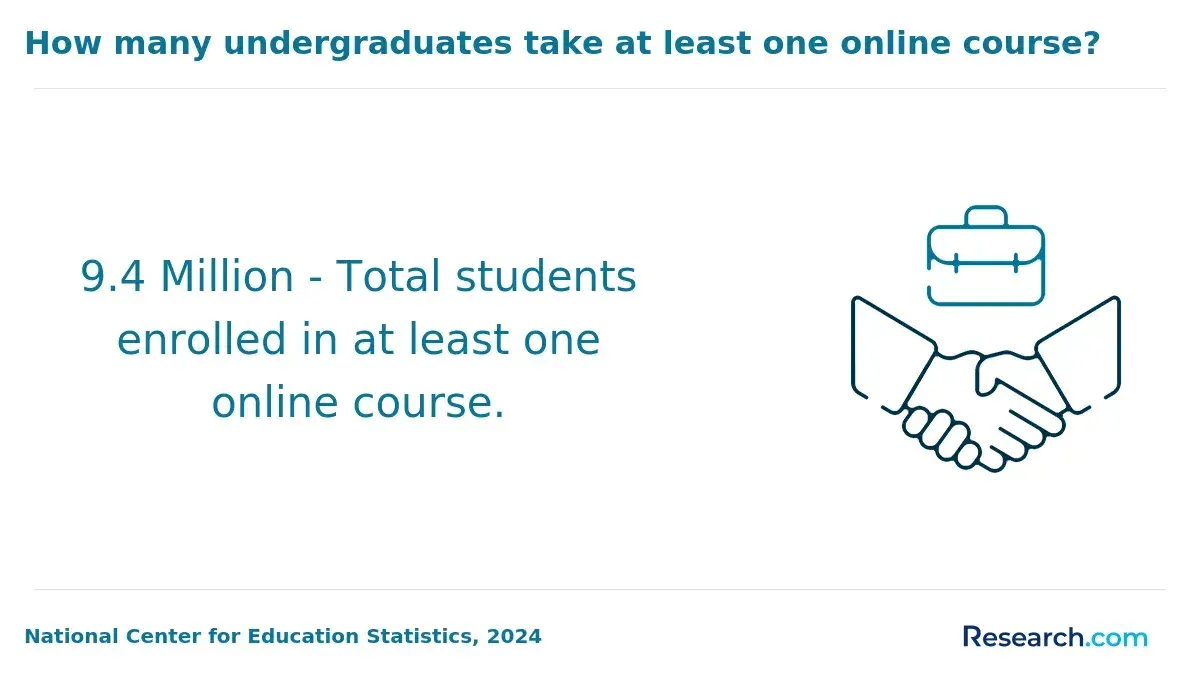
Online health psychology doctorate costs depend on the tuition model, institution type, transfer credit, residency travel, technology fees, dissertation continuation fees, and the number of terms needed to finish. NCES data released in 2024 reported average annual graduate tuition and fees of $12,596 at public institutions and $29,931 at private nonprofit institutions, but doctoral students should treat those figures as a baseline rather than a full program estimate.
Many online doctorates charge by credit, term, or subscription-style enrollment period. When schools publish current prices, compare the total program cost rather than only the per-credit rate.
- Public university graduate tuition averages: $12,596 per year before aid, based on the latest NCES-reported national average released in 2024.
- Private nonprofit graduate tuition averages: $29,931 per year before aid, based on the latest NCES-reported national average released in 2024.
- Additional likely costs: application fees, books, statistical software, background checks, residency travel, practicum-related expenses, dissertation editing, and continuation tuition if research extends beyond the planned timeline.
This table highlights cost factors that mid-career professionals often overlook when comparing online programs:
| Cost factor | Why it matters | How to evaluate it |
| Per-credit or per-term tuition | The same published rate can lead to very different totals depending on credit load and completion speed. | Ask for a written total-cost estimate using your expected transfer credits and part-time pace. |
| Residency or campus visits | Hybrid programs may require travel, lodging, meals, and unpaid time away from work. | Confirm the number, length, location, and timing of required in-person sessions. |
| Dissertation extension fees | Working students may need extra terms to finish data collection or revisions. | Ask what students pay after coursework is complete but the dissertation remains active. |
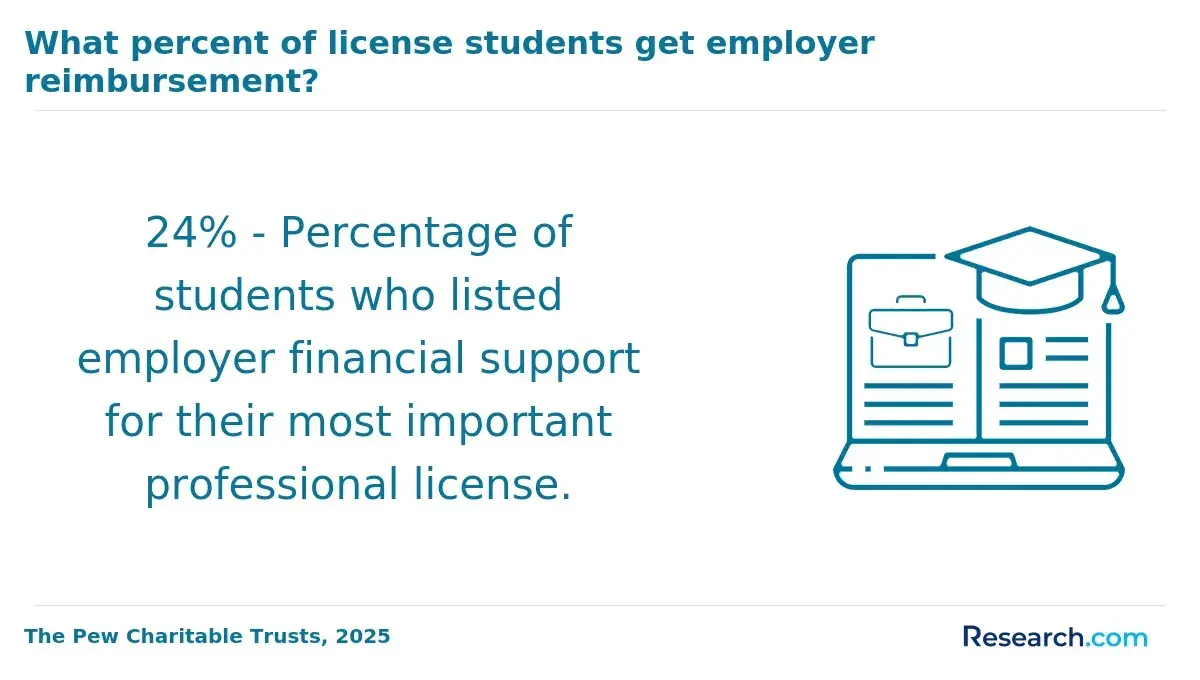
| Employer tuition assistance | Healthcare, higher education, and government employers may offset part of the cost. | Review annual caps, grade requirements, repayment clauses, and eligible program rules before enrolling. |
| Licensure-related training | Clinical pathways may require practica, internships, supervision, and application fees. | Confirm requirements with both the program and your state licensing board. |
To reduce cost, ask admissions and financial aid offices for a term-by-term cost worksheet, not just tuition language. Then compare that worksheet with employer benefits, federal loan eligibility, scholarship deadlines, assistantship availability, military benefits if applicable, and tax rules that apply to education assistance. Avoid self-funding the full degree before checking whether your employer supports coursework tied to behavioral health, population health, employee wellness, research, or leadership development.
What is the typical timeline for online Health Psychology doctorate programs?
The typical timeline for an online health psychology doctorate is often three to seven years, depending on degree type, prior graduate credit, dissertation pace, clinical requirements, and whether the student studies full time or part time. Programs built for working adults may advertise accelerated coursework, but the dissertation or applied doctoral project frequently determines the real completion date.
This comparison shows how pace changes the experience for mid-career students. Use it to test whether the program's schedule matches your weekly availability.
| Study pace | Typical structure | Best fit | Main risk |
| Full-time | Heavier course load, faster completion of core requirements, earlier dissertation start. | Professionals with flexible jobs, reduced work hours, sabbatical support, or strong household support. | Higher weekly workload and greater risk of burnout if work demands stay high. |
| Part-time | Fewer courses per term, slower progression, more time to integrate research with professional practice. | Full-time employees, caregivers, and leaders with unpredictable schedules. | Longer exposure to tuition increases, life disruptions, and dissertation momentum loss. |
| Hybrid clinical pathway | Online coursework plus residencies, practica, internship, supervision, and assessment training. | Students pursuing clinical licensure or healthcare practice roles requiring in-person competencies. | Less geographic flexibility and more scheduling complexity. |
| Non-licensure research pathway | Online coursework, research seminars, comprehensive exams, and dissertation. | Professionals targeting teaching, consulting, program evaluation, or research leadership. | May not support clinical psychologist licensure. |
A realistic doctoral plan should include more than course terms. Build in time for literature review, institutional review board approval, participant recruitment, data collection, analysis, faculty revisions, and final defense. Mid-career students should also plan for predictable work cycles, such as grant deadlines, school-year calendars, patient-volume peaks, budget season, or annual reporting periods.
The safest approach is to map the degree in stages:
- Confirm transfer credit and prerequisite requirements before enrollment.
- Estimate weekly study hours for the first two terms while keeping your current work schedule intact.
- Identify a dissertation topic connected to your professional setting by the end of the first year, if the program allows it.
- Schedule protected writing time before the dissertation phase begins.
- Reassess workload after comprehensive exams, because dissertation work is less structured than coursework.
What skills can professionals learn from online Health Psychology doctorate programs?
Online health psychology doctorate programs can help experienced professionals deepen both scientific and leadership skills. The most valuable learning usually comes from connecting doctoral theory to real health problems, such as treatment adherence, pain management, stress-related illness, health equity, prevention, patient engagement, and behavior change.
For mid-career professionals, the skills below matter because they can translate existing experience into higher-level influence:
- Advanced research design, including quantitative, qualitative, mixed-methods, and intervention studies.
- Biopsychosocial case conceptualization that connects physical health, mental health, behavior, environment, and culture.
- Program evaluation methods for healthcare, community health, employee wellness, and prevention initiatives.
- Behavior-change strategy using evidence-based models of motivation, adherence, self-management, and habit formation.
- Data interpretation and scholarly writing for grants, peer-reviewed publications, internal reports, and executive presentations.
- Ethical decision-making in research, digital health, patient data, vulnerable populations, and interdisciplinary teams.
- Teaching, supervision, consultation, and leadership skills for academic or organizational settings.
AI is also changing the skill mix in psychology and health services. Doctoral students increasingly need to understand how digital therapeutics, remote monitoring, predictive analytics, and AI-assisted screening affect behavioral health work. A strong program should teach students to evaluate technology ethically rather than simply adopt new tools because they are available.
One useful test is to ask how each course strengthens your current professional role. If a research methods course helps you evaluate patient engagement data or improve a wellness program, the degree is producing value before graduation. If coursework feels disconnected from your professional environment, the specialization may not be the right fit.
What career opportunities open up for online Health Psychology doctorate degree holders?
Health psychology doctorate holders may pursue roles in academia, healthcare systems, research organizations, public health agencies, consulting firms, corporate wellness programs, nonprofit leadership, and behavioral medicine. Career outcomes depend heavily on whether the doctorate is licensure-oriented, research-focused, or applied-professional.
The BLS reports that psychologists had a 2024 median annual wage of $94,310, but that figure combines different psychology roles and should not be interpreted as a guaranteed doctoral salary. Health psychology-related compensation varies by setting, licensure status, leadership responsibility, grant funding, faculty rank, and employer type.
This table summarizes common career directions and how a doctorate may support them:
| Career path | How the doctorate helps | Licensure sensitivity |
| Clinical health psychologist | Supports specialized work in medical settings, chronic illness, pain, rehabilitation, or integrated care. | High; state licensure and APA-aligned training may be required. |
| University faculty member | Provides terminal-degree eligibility for teaching, research, advising, and dissertation supervision. | Usually low unless supervising clinical training. |
| Behavioral medicine researcher | Builds capacity for study design, grant work, data analysis, and publication. | Usually low, unless research includes clinical service delivery. |
| Healthcare program evaluator | Strengthens ability to measure outcomes, patient engagement, adherence, and intervention effectiveness. | Low to moderate, depending on responsibilities. |
| Population health or wellness consultant | Adds credibility in behavior-change strategy, prevention, stress, and health promotion. | Usually low, unless providing regulated psychological services. |
| Health equity or community health leader | Supports evidence-based program design, evaluation, and policy-informed intervention work. | Low to moderate, depending on service model. |
The safest career strategy is to verify job postings before enrolling. Search for roles you want, note whether they require a PhD, PsyD, licensure, APA accreditation, grant experience, teaching experience, or healthcare credentials, and then compare those requirements against each program's curriculum and outcomes.
How can Health Psychology doctorate students balance their time between studies and work?
Balancing doctoral study with full-time work requires a system, not just motivation. Mid-career students often succeed when they treat the doctorate as a long-term professional project with scheduled milestones, negotiated support, and realistic limits.
The following steps can help professionals reduce overload before it becomes a reason to pause or withdraw:
- Audit your weekly calendar before enrolling and identify at least two protected study blocks that do not depend on late-night energy.
- Tell your supervisor early if the degree connects to your role, especially if you may need schedule flexibility during residencies, exams, or dissertation research.
- Use work experience strategically by choosing papers, literature reviews, and dissertation questions connected to real professional problems.
- Set a maximum course load for your first term rather than assuming you can maintain the same pace as a full-time student.
- Create a dissertation file from the beginning where you save citations, possible measures, research questions, and workplace data limitations.
- Build a support plan for family, caregiving, travel, and busy work seasons before deadlines arrive.
- Revisit your plan every term and adjust before burnout affects work performance or academic progress.
Common mistakes include underestimating asynchronous coursework, ignoring residency travel, choosing a dissertation topic without data access, and assuming faculty will provide unlimited structure. Online doctoral programs still require independent reading, writing, research design, and revision. A flexible format helps, but it does not make the degree easy.
Professionals should also protect their health. Health psychology students often study stress, sleep, chronic disease, and behavior change; applying those principles personally is part of staying functional through a multi-year doctoral process.
What should professionals evaluate when choosing an online Health Psychology doctorate program?
Choosing an online health psychology doctorate should be a structured comparison, not a reaction to brand recognition, speed, or a persuasive admissions call. The right program should fit your goal, schedule, budget, research interests, and licensure needs.
Use these questions when speaking with admissions advisors, program directors, faculty, financial aid offices, and current students.
- Is the institution regionally accredited, and is the program itself accredited or recognized by any psychology-specific body relevant to my goal?
- If I want licensure, does the program meet educational requirements in my state, and is it APA-accredited where required or strongly preferred?
- Which faculty members supervise health psychology, behavioral medicine, chronic illness, pain, stress, adherence, prevention, or health equity research?
- How many residencies, synchronous sessions, practica, internships, or campus visits are required?
- What is the expected weekly time commitment for a working student taking one course, two courses, or dissertation credits?
- What dissertation support is available for online students, and what happens if a faculty chair leaves?
- What is the total estimated cost through dissertation completion, including fees and continuation tuition?
- What career outcomes does the program document for students with goals similar to mine?
- Can I speak with current students or alumni who enrolled while working full time?
This table summarizes the most important decision factors and the red flags to watch for:
| Evaluation factor | Strong signal | Red flag |
| Accreditation | Clear institutional accreditation and APA alignment when clinical licensure is part of the pathway. | Vague claims about being "recognized" without verifiable accreditation details. |
| Faculty fit | Multiple faculty members with health psychology or behavioral medicine expertise. | Only one loosely related faculty member or no evidence of current scholarship. |
| Online support | Structured advising, writing support, methods help, library access, and dissertation milestones. | Heavy reliance on student independence with little detail about mentoring. |
| Format | Predictable schedule, transparent residency requirements, and options for part-time pacing. | Hidden synchronous requirements or travel expectations disclosed late. |
| Cost transparency | Written total-cost estimate and clear explanation of fees. | Only per-credit tuition is discussed, with no dissertation-extension information. |
| Career alignment | Curriculum, fieldwork, and research match the roles you plan to pursue. | Program markets broad psychology outcomes without showing relevance to health psychology. |
A final decision rule is useful: if a program cannot clearly explain how its curriculum, faculty, format, and outcomes support your specific professional goal, keep comparing. Mid-career professionals have less room for trial and error, so clarity before enrollment matters.
Other Things You Should Know About Health Psychology
Possibly, but only if the program meets your state's psychologist licensure requirements, including clinical training, supervised experience, internship expectations, and any accreditation rules. Many online health psychology doctorates are research-focused or non-licensure programs, so verify with your state board before enrolling.
A PhD is usually stronger for research, teaching, publication, and academic careers. A PsyD may be a better fit for applied clinical practice if the program is licensure-oriented and properly accredited. The better choice depends on whether your goal is scholarship, practice, leadership, or consulting.
Some do. Fully online programs may have no required campus meetings, while hybrid or low-residency programs may require intensives, clinical skills sessions, dissertation events, or practica. Always confirm travel requirements before applying, especially if you work full time.
Choose a certificate if you want focused knowledge for your current role without committing to years of doctoral research. Choose a doctorate if your goal requires a terminal credential, dissertation-level expertise, faculty eligibility, advanced research skills, or leadership credibility in behavioral health.
References
- Online and Hybrid PhD & PsyD Programs in Psychology https://www.psychologist-license.com/phd/
- Best Accredited Online Psy.D. Programs | Psychology.org https://www.psychology.org/rankings/best-online-psyd-degree-programs/
- Online PhD Degree Programs in Psychology: Top Schools & Specialisations https://henryharvin.ae/blog/online-phd-degree-programs-in-psychology-top-schools-specialisations/
- Health Psychology https://www.staffs.ac.uk/course/health-psychology-professional-doctorate
- Psychology Accreditation: What you need to know https://www.onlinepsychologydegrees.com/articles/accreditation/
- 2025 Most Affordable Online Colleges for a PhD in Psychology https://www.onlineu.com/most-affordable-colleges/psychology-doctoral-degrees
- PhD in Clinical Psychology https://www.fielding.edu/school-of-psychology/phd-in-clinical-psychology/
- Mid-Career Individuals | Mid-Career Pathways Programme https://www.swda.gov.sg/home/individuals/attachment-placement-programmes/mid-career-pathways-programme-for-mature-mid-career-individuals
- Hubert H. Humphrey Fellowship Program for Mid-Career Professionals https://www.aminef.or.id/grants-for-indonesians/fulbright-programs/fellowships/hubert-h-humphrey-fellowship-program-mid-career-professionals/
- Best Doctoral Programs in Counseling Psychology - Dr. Joseph H. Hammer https://drjosephhammer.com/psych-grad-school/best-doctoral-programs-in-counseling-psychology/