2027 Best Online Health Communication Degree Master's Programs for Career Changers

Co-Founder and Chief Data Scientist
Transitioning into a new field while managing work and personal commitments presents a significant challenge for many professionals. For career changers interested in health communication, the absence of accessible, flexible graduate programs complicates these efforts. According to recent data, enrollment in online master's degrees for health communication among non-traditional students has increased by 27% over the past five years, highlighting growing demand.
The need for programs that accommodate diverse backgrounds and schedules is clear. This article explores the best online health communication degree master's programs designed to support career changers in making a successful pivot into this expanding industry.
Key Benefits of Online Health Communication Degree Master's Programs for Career Changers
- Online health communication master's programs offer flexible scheduling tailored for working professionals, allowing career changers to balance employment with advanced studies without relocating or pausing their careers.
- These programs deliver accelerated curricula that focus on essential skills, enabling students to quickly transition into health communication roles amid growing industry demand.
- Students gain access to global networking opportunities through virtual cohorts and industry partnerships, fostering diverse connections crucial for career advancement and knowledge exchange.
What Are the Best Online Health Communication Master's Programs for Career Changers?
Focusing on a specific specialization within online health communication master's programs offers career changers a strategic advantage by targeting high-demand niches where their existing skills can be applied effectively. Employment in healthcare occupations is projected to grow 13% from 2021 to 2031, reflecting the sector's rapid evolution and the increasing need for specialized expertise. Below are some ideal specializations for professionals transitioning from unrelated fields:
- Healthcare Marketing and Public Relations: This specialization suits those with marketing or communications backgrounds, refining skills to promote health services and campaigns in a focused manner.
- Health Informatics Communication: Designed for individuals with tech or data experience, it bridges communication with digital health data management and health IT systems.
- Risk and Crisis Communication: Ideal for professionals from journalism, emergency management, or communications, this area emphasizes managing urgent public health information effectively.
- Patient-Centered Communication: Suitable for those with psychology or social science experience, it enhances skills in fostering effective interactions between patients and healthcare providers.
- Health Literacy and Education: Perfect for educators or community organizers, this specialization focuses on improving public understanding of complex health information.
These focused paths increase the relevance of accredited online health communication graduate degrees for non-majors pursuing flexibility and accreditation. For those seeking further advancement in healthcare education, exploring online pharmacy school programs can also be a valuable option.
What Are the Admission Requirements for Online Health Communication Master's Programs for Non-Majors?
Many modern online programs for health communication master's degrees emphasize professional potential and transferable skills rather than requiring a specific undergraduate major. In fact, over 60% of accredited programs accept applicants without a health-related bachelor's degree, highlighting flexibility for those pursuing admission criteria for online health communication master's programs for career changers.
- Undergraduate Degree: A completed bachelor's degree from an accredited institution is typically required, regardless of major. This opens the door for applicants with diverse academic backgrounds to transition effectively into health communication.
- Professional Resume: Applicants should submit a resume showcasing relevant work or volunteer experience. Highlighting transferable skills demonstrates readiness for graduate study despite a non-traditional academic path.
- Personal Statement: A clear, purpose-driven essay that outlines career goals and motivation is essential. This component helps programs assess the applicant's commitment and fit within the health communication field.
- Foundational Courses: Non-majors may need to complete bridge coursework in communication, public health, or related areas either before or during their graduate studies. These courses ensure that students meet key educational prerequisites for health communication master's degrees online.
- Letters of Recommendation: Strong references should attest to the applicant's potential and transferable skills, helping to strengthen their application even without a health-focused undergraduate background.
For those considering an educational pivot, exploring options such as earning a bachelors in healthcare administration can also provide valuable foundational knowledge and enhance career prospects in health communication.
How Is the Curriculum Structured for Career Changers in Online Health Communication Master's Programs?
Contemporary online health communication master's programs utilize a layered curriculum designed to equip students from non-health backgrounds with both fundamental knowledge and advanced professional skills. This approach supports career changers in effectively transitioning into the health communication field.
Notably, a 2023 study by the National Center for Education Statistics found that over 60% of graduates from these programs experienced meaningful career progress after completing their degrees.
- Foundational Bridge Modules: These initial courses introduce essential topics such as healthcare structures, communication theories, and public health principles. They ensure that learners without prior healthcare experience quickly build a solid knowledge base necessary for understanding the industry context.
- Core Industry Competencies: Focusing on practical abilities, this stage covers health literacy, digital communication tactics, and ethical standards. It prepares students to address real-world challenges and communicate complex health information clearly across various platforms.
- Applied Capstone Projects: Serving as a culminating experience, these projects encourage students to blend their previous career insights with newly acquired health communication expertise. This integration fosters a professional identity aligned with industry demands and enhances employability.
When asked about his experience, a professional who enrolled in an online health communication master's program shared how the curriculum shaped his transition. "Switching fields was intimidating because everything felt unfamiliar at first," he explained. The bridge modules "helped me grasp the healthcare world's unique language," while the hands-on projects "pushed me to apply what I learned in practical ways, which boosted my confidence."
He added that balancing coursework with ongoing work was challenging but "seeing how each component built on the last made the whole journey manageable and rewarding." This layered structure, he noted, was key to overcoming initial doubts and gaining a clearer career direction.
Employer perceptions of online education have shifted significantly, reaching a tipping point in recent years where many now regard online master's degrees as equally valid as traditional ones. According to a 2023 Society for Human Resource Management survey, 81% of employers view online degrees from accredited institutions as comparable in value.
For career changers pursuing an online health communication master's degree, the institution's reputation and accreditation have become far more important than whether the program was completed remotely or on campus. This evolving view enhances the value of online health communication degrees compared to traditional programs for those seeking a respected and credible credential.
Obtaining a degree online often signals strong capabilities on a resume, particularly for professionals transitioning from unrelated fields. Managing a demanding health communication curriculum while balancing full-time work or other commitments highlights advanced time management, self-discipline, and digital literacy.
Additionally, most top-tier universities provide diplomas for their online graduates that match the on-campus version with no mention of delivery method, preserving the degree's prestige. Career changers should also explore options like affordable online FNP programs as part of their flexible and accredited pathway.
Online health communication master's programs provide a variety of pacing options tailored to accommodate the diverse schedules of career changers balancing work and personal commitments. Recent data from the Online Learning Consortium reveals that 74% of graduate students in the U.S. recognize improved time management and learning efficiency through online formats, demonstrating their growing suitability for adult learners.
- Full-Time Accelerated: These programs typically span 18 to 24 months and are designed for students who can dedicate themselves fully to their studies. This track appeals to those aiming for a swift transition into the health communication field by immersing themselves in an intensive curriculum without delays.
- Part-Time: Extending up to 3 years, part-time options allow students to juggle coursework alongside ongoing professional and personal responsibilities. This flexible timeline helps learners progress steadily without sacrificing other essential areas of their lives.
- Self-Paced: Offering the greatest flexibility, self-paced programs let students determine their own completion schedule based on availability and workload. This approach suits individuals needing the freedom to pause or accelerate studies as their circumstances evolve.
When discussing how long it takes to finish an online health communication master's degree, a professional who shifted careers after graduating shared that managing unexpected work projects alongside completing assignments was challenging but rewarding.
She noted, "Balancing deadlines with my job required a lot of discipline, but being able to tailor my study hours made the journey feel achievable." Reflecting on her experience, she emphasized that the ability to adapt the program's pace to her life helped maintain motivation and ultimately led to a smoother transition into her new career.
Online degrees in health communication often cost less than traditional on-campus programs because they eliminate expenses like housing, transportation, and campus fees. Many students also appreciate the ability to continue working while studying, which helps manage financial obligations. Recent estimates place the total cost of earning an online master's in health communication between $15,000 and $40,000. Several factors contribute to this wide cost range, as outlined below.
- Tuition Per Credit Hour: Prices vary significantly depending on the institution, typically ranging from $300 to more than $1,000 per credit. Higher-ranked or private schools generally charge more per credit.
- Program Length and Credit Load: The total number of credits required affects the expense, with some programs demanding 30 credits while others require 45 or more, directly influencing overall tuition costs.
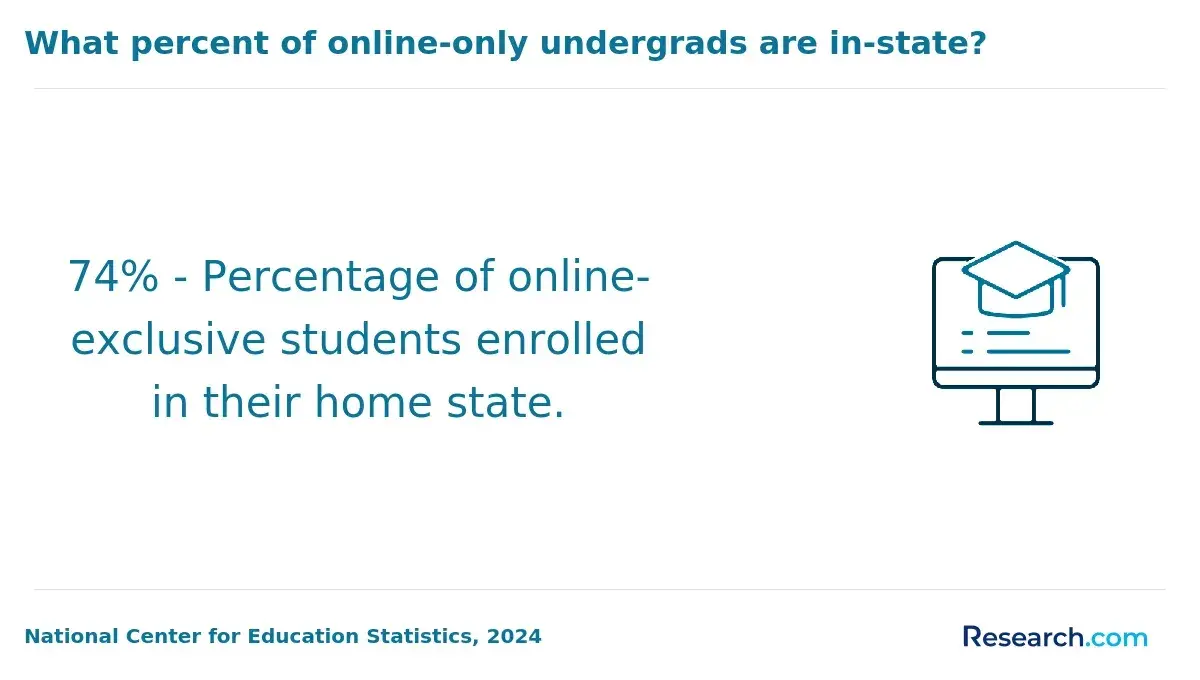
- Residency Status: Public universities usually offer lower rates for in-state students, while out-of-state learners face higher tuition fees, which can impact the total price substantially.
- Additional Fees: Besides tuition, students may encounter costs for technology, course materials, and graduation processing, which add to the overall amount spent.
Prospective candidates should review detailed tuition breakdowns and explore financial aid, such as scholarships or employer reimbursement programs, to better manage the financial aspects of pursuing an online health communication master's degree.
Online health communication master's programs are strategically designed to transform a student's existing professional foundation into a specialized toolkit essential for this dynamic field. According to the U.S. Bureau of Labor Statistics, health communication roles are expected to grow by 13% through 2032, highlighting increasing demand for skilled professionals with this expertise.
- Strategic Message Development: Graduates learn to craft clear, persuasive, and culturally sensitive health messages tailored for diverse audiences, enhancing public understanding and engagement.
- Data Analysis and Interpretation: Students gain the ability to evaluate communication campaign outcomes and interpret health behavior trends, supporting evidence-based decision-making.
- Digital Media Proficiency: The curriculum equips learners to effectively use social media, websites, and digital tools, allowing for broad dissemination of health information in today's connected world.
- Ethical and Legal Knowledge: Programs emphasize healthcare privacy laws and compliance, fostering ethical communication practices essential for building public trust.
- Interpersonal and Intercultural Skills: Mastery of communication across diverse populations and healthcare teams prepares graduates to collaborate effectively in complex environments.
These core competencies prepare career changers to apply their previous experience while confidently entering roles that influence public health outcomes and drive impactful health communication initiatives.
A master's degree in health communication provides advanced academic knowledge and practical skills in health messaging, digital platforms, and audience engagement. This specialized training enables career changers to bypass traditional entry-level barriers and enter the workforce with confidence.
According to the Bureau of Labor Statistics, employment in health education and promotion roles is expected to grow 16% from 2021 to 2031, highlighting expanding opportunities for those with relevant expertise.
Industries hiring health communication degree holders with no experience include:
- Healthcare Organizations: Hospitals and clinics frequently seek communication specialists to create educational materials and public health campaigns that enhance patient outcomes.
- Public Health Agencies: Government and nonprofit entities hire graduates to develop health promotion initiatives and manage crisis communications during disease outbreaks.
- Pharmaceutical Companies: These companies require health communication experts to simplify complex medical information for diverse audiences while ensuring regulatory compliance.
- Health Technology Firms: With the rise of digital health solutions, firms look for professionals skilled in user engagement and translating technical information into accessible language.
- Insurance Providers: Insurers employ communicators to clarify policy details and promote wellness programs designed to reduce costs.
Each sector values the up-to-date training and analytical expertise health communication master's graduates bring, allowing new professionals to make meaningful contributions immediately. For those exploring flexible graduate options, programs such as a nursing school without TEAS test offer additional pathways in related healthcare fields that complement a health communication career pivot.
A master's degree in health communication serves as a powerful catalyst for salary growth by qualifying career switchers for mid-to-senior level roles that would otherwise be inaccessible. Recent projections show that master's degree holders in health communication earn significantly more, reflecting notable advantages in today's competitive job market.
- Immediate Post-Graduation Salary Bump: Professionals making a career change can expect a 15% to 25% increase in starting salary when moving into specialized health communication roles. This immediate financial boost underscores the value of pursuing an online health communication master's salary growth pathway.
- Long-Term Career Trajectory: Holding a master's in health communication accelerates advancement into leadership and executive positions, often shortening the timeline by up to five years. This faster progression results in higher cumulative earnings throughout one's career.
- Regional and Remote Premiums: Graduates from online programs gain the flexibility to work remotely for organizations based in higher-paying metropolitan areas. This geographic salary differential enables professionals to leverage their expertise without relocating, maximizing income potential.
For those seeking a flexible, accredited path to pivot into the health communication field, this advanced degree offers tangible career change benefits with health communication degree holders enjoying increased opportunities and earnings. Additionally, many learners consider options like a fast track bachelor's degree online to build foundational skills before advancing to graduate studies.
For professionals changing careers, selecting an online health communication master's program requires more than earning a degree; the program must effectively bridge their previous background with the specialized knowledge this field demands. A 2023 National Communication Association survey found that 67% of health communication experts emphasize the importance of interdisciplinary skills, underscoring the necessity for adaptable and comprehensive training.
- Experiential Learning: Programs that incorporate internships, hands-on projects, or case studies enable students to apply theoretical concepts directly to practical challenges in healthcare settings.
- Flexible Scheduling: Many career changers juggle work and study, so asynchronous courses and adaptable timelines help maintain academic rigor while fitting personal commitments.
- Interdisciplinary Curriculum: Combining communication studies with elements of public health, policy analysis, and digital media equips graduates to manage complex, real-world health issues.
- Career Resources and Networking: Access to mentors, alumni connections, and tailored career services supports a smoother transition by fostering professional relationships and opportunities.
- Accreditation and Expertise: Enrollment in accredited programs led by faculty active in health communication research or industry ensures relevant, high-quality education aligned with current professional standards.
What Graduates Say About Online Health Communication Degree Master's Programs for Career Changers
- Elaine: "Choosing an online health communication master's degree was a pivotal decision for me because I needed the flexibility to study while transitioning between jobs. The program's affordability was a huge relief compared to other degrees I researched, making it easier to commit financially without taking on excessive debt. Ultimately, this degree opened doors that allowed me to enter health advocacy, a field where I truly feel I can make an impact."
- Sandra: "Reflecting on my journey, pursuing my online health communication master's was a strategic move to redefine my career path after years in unrelated industries. The online format balanced perfectly with my busy schedule and family commitments, while also keeping costs manageable. This degree empowered me with the skills and confidence to step into a new role that merges my passion for communication and public health."
- Juliana: "Professionally, enrolling in an online health communication master's program was both a challenge and a rewarding investment. The cost was reasonable compared to in-person alternatives, which factored heavily into my decision to pursue it. Now, equipped with specialized knowledge, I've successfully transitioned into health program management, where I can leverage what I learned to improve patient outreach and education."
Other Things You Should Know About Health Communication Degrees
Yes, online health communication master's programs in 2027 are designed to accommodate career changers without a healthcare background. They provide foundational courses in public health, communication theories, and strategic messaging, enabling students from various fields to transition into health communication roles effectively.
Most programs expect applicants to show strong writing, reading, and basic public-speaking skills before enrollment. They usually require a bachelor’s degree, a minimum 2.5–3.0 GPA, and a writing sample or statement of purpose that shows clear communication ability and professional goals.
Certain programs offer specialization tracks such as public health communication, digital health media, or patient education. These options enable students to focus their degree on areas that align with their career goals, making them more competitive in specialized job markets.
- Master of Arts in Health and Behavioural Change Communication (MHBCC) | Malawi University of Business and Applied Sciences https://www.mubas.ac.mw/programmes/master-of-arts-in-health-and-behavioural-change-communication-mhbcc
- Research organisations in the Healthcare Communications recruiting new talent https://healthcomms.careers/Organisations
- Health Communication https://online.missouri.edu/degrees-programs/mu/journalism/health-communication/ma
- Starting Your Career in Healthcare Communications https://www.healthcomms.careers/Careers-Information/Starting-your-career
- How Much Can I Make With An Online MPH? - MPH Online https://www.mphonline.org/salary-expectation-online-mph/
- Online Master's in Health Communication Programs (2025 Update) - All Schools https://www.mastersincommunications.com/faqs/online-masters-in-health-communication
- Is an Online Master’s Degree Respected and Worthwhile? https://www.usfhealthonline.com/resources/career/is-an-online-masters-degree-worth-your-time/
- Online Master’s in Health Communication Programs in 2025 https://www.mastersincommunications.org/online-health-communication/
- Health Communication Master's | Lasell University https://www.lasell.edu/graduate-studies/academics/ms-communication---health-communication.html