2027 Best Online Bachelor's Degrees With Monthly Start Dates

Co-Founder and Chief Data Scientist
Choosing an online bachelor's program is harder when you need to start soon, transfer credits, or keep working while studying. Monthly start dates can shorten the wait between decision and enrollment, but the best option depends on accreditation, cost, pace, credit transfer, and career fit. Federal data show that workers with a bachelor's degree typically have higher median weekly earnings than those with only a high school diploma, making program choice an important financial decision. This guide explains which degree types fit different goals and how to compare flexible online programs with confidence.
Key Things You Should Know
- Monthly start online bachelor's programs usually use rolling admissions, short terms, or competency-based formats, which can help working adults begin faster than semester-based programs.
- College Board's 2024-25 tuition data show average published tuition and fees of $11,610 for in-state public four-year institutions and $43,350 for private nonprofit four-year institutions, so total cost should be compared carefully.
- Accreditation, transfer credit policy, licensure alignment, and employer relevance matter more than start-date flexibility alone when judging whether a program is worth it.
Top 10 Best Online Bachelor's Degrees With Monthly Start Dates
Business Degrees
Business is one of the strongest fits for monthly start online bachelor's programs because courses often work well in accelerated, asynchronous formats. Common majors include business administration, accounting, finance, marketing, human resources, and supply chain management. Students who want broad career mobility may prefer business administration, while those targeting CPA preparation should verify accounting credit requirements by state. BLS 2024-34 projections show management analyst employment growing 9%, which makes analytical, operations, and strategy-focused coursework especially useful for students seeking advancement.
Healthcare Degrees
Online healthcare bachelor's degrees often focus on administration, public health, health information management, or healthcare leadership rather than direct clinical training. They are a strong fit for medical assistants, billing specialists, technicians, and allied health workers who want supervisory or administrative roles. Medical and health services managers have a 2024 median annual wage above many other bachelor's-level management roles, according to BLS data, but employers may still prefer healthcare experience. Students should check whether the program includes healthcare law, reimbursement, analytics, and quality improvement.
Information Technology Degrees
Information technology degrees emphasize applied computing: systems administration, networking, cloud platforms, databases, user support, and IT project management. Monthly starts work well because many IT courses are modular and skills-based. This path fits students who want technical roles without the heavier math and theory focus of computer science. Students should look for hands-on labs, current cloud content, and preparation for industry certifications. BLS reported a 2024 median annual wage of $105,990 for computer and information technology occupations, but entry-level pay varies widely by role and experience.
Computer Science Degrees
Computer science is best for students who want software development, data systems, artificial intelligence, or graduate study in computing. Compared with IT, it usually includes more programming, algorithms, discrete math, software engineering, and data structures. Monthly-start CS programs can be convenient, but students should not choose speed over depth if they are targeting software engineering roles. BLS projects 15% employment growth for software developers from 2024 to 2034, reflecting strong demand, but portfolios, internships, coding assessments, and practical projects often matter alongside the degree.
Cybersecurity Degrees
Cybersecurity bachelor's programs cover network defense, digital forensics, risk management, incident response, governance, and secure systems. They are a good fit for students who enjoy problem-solving, compliance, and technical investigation. Information security analysts are projected by BLS to grow 29% from 2024 to 2034, making this one of the strongest labor-market areas linked to online bachelor's study. Students should prefer programs with virtual labs, security operations practice, and alignment with certifications such as Security+, CySA+, or CISSP experience pathways.
Psychology Degrees
An online bachelor's in psychology helps students understand behavior, research methods, human development, cognition, and mental health systems. It can support careers in case management, human services, market research, HR, or behavioral health support, but it does not qualify graduates to become licensed psychologists. Students aiming for counseling, clinical psychology, or school psychology should plan for graduate education and supervised experience. Monthly starts can help adults begin quickly, but program quality should include research methods, statistics, ethics, and clear advising about graduate-school prerequisites.
Nursing Degrees
Online nursing bachelor's options are most commonly RN-to-BSN programs for licensed registered nurses, not pre-licensure nursing degrees. Monthly start dates can be especially useful for working nurses managing shifts and family responsibilities. BLS projects registered nurse employment to grow 5% from 2024 to 2034, but job opportunities differ by region, specialty, and healthcare setting. Students should confirm state authorization, clinical or practicum requirements, CCNE or ACEN accreditation when applicable, and whether the program accepts associate-degree nursing credits efficiently.
Education Degrees
Online education bachelor's programs may prepare students for teaching, childcare leadership, instructional design support, or non-licensure education roles. Monthly starts are helpful for paraprofessionals and childcare workers who want to keep working while studying. However, teacher licensure is state-specific, so students should confirm field experiences, student teaching, exam preparation, and state approval before enrolling. Some online programs are non-licensure degrees, which may be useful for education-adjacent careers but not enough for public school teacher certification.
Criminal Justice Degrees
Criminal justice bachelor's degrees cover courts, policing, corrections, criminology, ethics, law, homeland security, and public safety administration. They fit students seeking advancement in law enforcement, corrections, probation, emergency management, or federal service. Monthly starts can work well for shift workers because courses are usually reading- and writing-intensive rather than lab-based. Students should understand that many sworn roles require academy training, background checks, physical standards, or civil service exams in addition to a degree. A strong program should include policy analysis, writing, and evidence-based justice practices.
Engineering Degrees
Online engineering bachelor's degrees with monthly starts are less common than business or IT because engineering often requires advanced labs, design projects, and strict sequencing. Students may find more options in engineering technology, industrial technology, electrical engineering technology, or construction management. Those seeking professional engineer licensure should check ABET accreditation and state board requirements before enrolling. Engineering technology can be practical for technician-to-manager pathways, while traditional engineering may be better for students who need licensure, advanced design roles, or graduate engineering study.
What are online bachelor's degrees with monthly start dates and how do they work?
Online bachelor's degrees with monthly start dates are four-year undergraduate programs that let students begin in many months of the year instead of waiting for a fall, spring, or summer semester. Schools may describe these as rolling admissions, monthly intakes, continuous enrollment, accelerated terms, or competency-based start windows. The common advantage is timing: once admitted, students can usually enter the next available course block rather than losing several months.
These programs typically work in one of three ways. Some use fixed five- to eight-week terms that begin every month or nearly every month. Others use subscription-style competency-based education, where students progress after proving mastery. A third model uses rolling online cohorts, allowing small groups to start frequently while still following a set course sequence.
The flexibility is valuable for adults returning to school, military-connected students, career changers, and transfer students. It is not automatically faster or cheaper, however. A monthly start date only affects when you begin; graduation speed depends on transfer credits, course load, prerequisites, financial aid timing, and whether required courses are offered frequently enough.
How do flexible monthly start online bachelor's programs compare to traditional semester-based formats?
Monthly start programs and semester-based programs can both be legitimate, accredited, and employer-respected. The better choice depends on how much structure you need, how quickly you want to start, and whether your target major requires tightly sequenced labs, practica, or student teaching.
The table below compares the practical differences students should evaluate before choosing a format. Use it to identify where flexibility helps and where it may introduce trade-offs.
| Feature | Monthly start online format | Traditional semester format |
| Start timing | Students may begin during many months of the year after admission. | Students usually begin in fall, spring, or summer terms. |
| Best fit | Working adults, transfer students, military families, and students ready to begin quickly. | Students who prefer longer terms, predictable academic calendars, or campus-based activities. |
| Course pace | Often accelerated, with five- to eight-week courses or competency-based modules. | Usually 15- to 16-week semesters, though some schools offer shorter sessions. |
| Financial aid timing | May require careful coordination because nonstandard terms can affect disbursement schedules. | Often easier to understand because aid is tied to standard academic terms. |
| Potential downside | Fast pacing can be demanding if students work full time or have weak transfer planning. | Waiting for the next term can delay enrollment and graduation planning. |
Monthly starts are often better when the student is academically ready, has transcripts prepared, and wants to maintain momentum. Semester formats may be better for students who need more advising time, want campus resources, or are entering majors with labs, clinicals, or licensure placements.
What admission requirements and prior credits are needed for online bachelor's programs with monthly starts?
Admission requirements vary by school, but most online bachelor's programs with monthly starts require a high school diploma or equivalent, official transcripts, an application, and proof of English proficiency when applicable. Transfer-focused programs may also ask for college transcripts, military training records, professional licenses, or documentation for prior learning assessment.
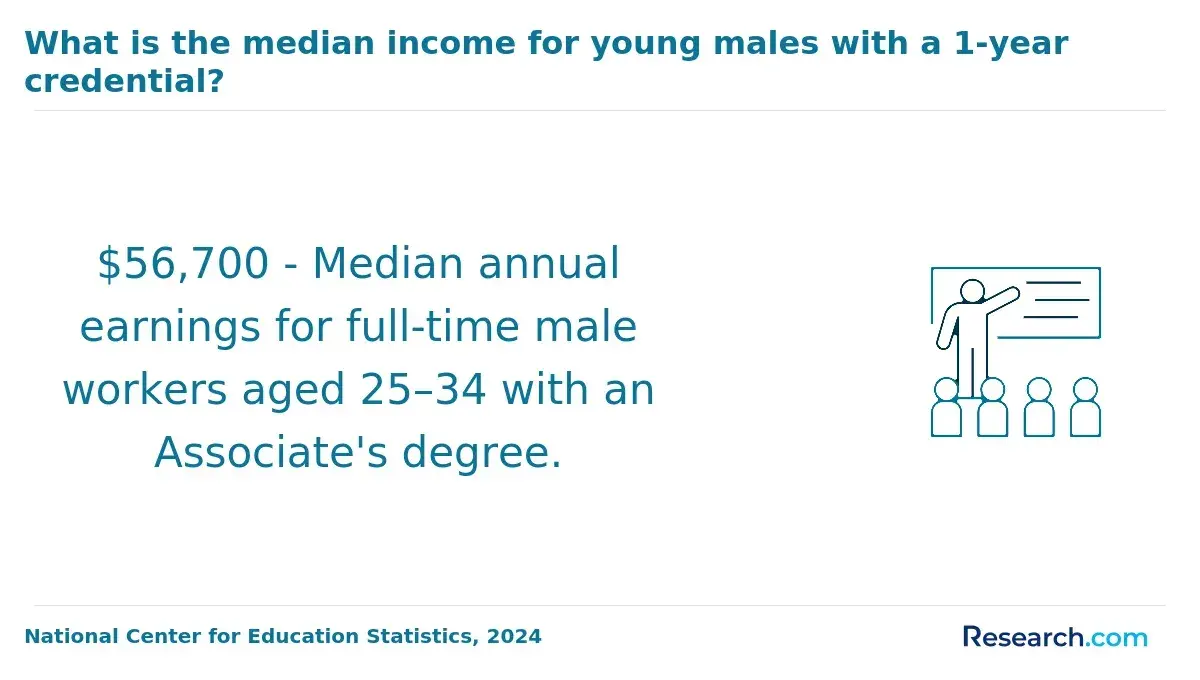
Prior credits can be the biggest factor in cost and time to completion. Students with an online associate degree may enter with many general education credits completed, but acceptance depends on accreditation, grades, course equivalency, and residency rules.
Before applying, students should gather the records schools use to evaluate standing and aid eligibility. These documents help admissions and registrar offices estimate how many credits will apply to the degree.
- Official high school, GED, and college transcripts from every institution attended.
- Military Joint Services Transcript or Community College of the Air Force record, if applicable.
- Professional certifications, licenses, workplace training records, or portfolio materials for prior learning review.
- FAFSA information, employer tuition assistance forms, and any state grant documentation.
- Program-specific materials such as RN license verification, background check consent, or prerequisite proof.
A common mistake is assuming that all credits transfer because a school advertises a generous transfer policy. Students should request a written degree audit before enrolling and ask which credits apply to major requirements, not just elective totals.
How can students verify accreditation and program quality for online bachelor's degrees with monthly intakes?
Accreditation is the first quality check for any online bachelor's program. Institutional accreditation from an agency recognized by the U.S. Department of Education helps confirm that the school meets baseline academic and administrative standards. It also affects federal financial aid eligibility, transferability, graduate admissions, and employer acceptance.
Programmatic accreditation matters in fields where licensure, certification, or professional standards are important. Nursing students may need CCNE or ACEN-accredited programs. Engineering students should check ABET when licensure or traditional engineering practice is the goal. Business students may value AACSB, ACBSP, or IACBE, although not every legitimate business program has specialized accreditation.
Students should verify quality directly rather than relying only on ads or rankings. The following steps reduce the risk of choosing a program that is flexible but poorly aligned with your goals.
- Confirm the institution's accreditation through the U.S. Department of Education or CHEA-recognized accreditation databases.
- Check whether the program has specialized accreditation when your field requires or strongly values it.
- Ask for graduation, retention, licensure pass-rate, and job-placement information when available.
- Review state authorization if you live outside the school's home state, especially for clinical or licensure programs.
- Read the academic catalog for withdrawal rules, satisfactory academic progress, transfer limits, and course availability.
Red flags include pressure to enroll immediately, unclear total cost, vague accreditation language, no written transfer evaluation, and promises about jobs or salaries. A reputable school should be willing to explain costs, outcomes, and requirements before you commit.
What majors and specializations are most common in online bachelor's programs with monthly start dates?
The most common monthly start online bachelor's majors are fields that can be delivered through asynchronous coursework, projects, simulations, writing assignments, and virtual labs. Programs with heavy in-person labs or clinical placements may still be online but often have fewer start dates and stricter sequencing.
The table below summarizes common majors and the students they tend to serve best. It can help narrow your list before comparing individual schools.
| Major area | Common specializations | Best fit |
| Business | Accounting, finance, marketing, HR, operations, entrepreneurship | Students seeking broad career mobility or advancement into supervisory roles. |
| Healthcare | Healthcare administration, public health, health information management | Allied health workers and administrative staff seeking management-oriented roles. |
| Technology | IT, cybersecurity, cloud computing, software development, data analytics | Students who want technical skills, portfolio projects, and strong labor-market relevance. |
| Social science | Psychology, human services, criminal justice, public administration | Students interested in people-focused, policy, support, or public service careers. |
| Education | Elementary education, early childhood, special education, non-licensure education studies | Students pursuing teaching or education-adjacent roles, subject to state licensure rules. |
Specialization should follow career goals, not just personal interest. For example, a student who wants a quick promotion in a hospital billing department may gain more from healthcare administration than general psychology, while a student targeting software roles should compare computer science, software development, and IT curricula closely.
How long do online bachelor's degrees with monthly starts take and what do they cost?
Most bachelor's degrees require about 120 semester credits. A first-time full-time student typically needs around four years, while transfer students may finish faster depending on accepted credits and course load. Monthly starts reduce waiting time, but they do not remove degree requirements.
Cost varies widely by institution type, residency, transfer credit, fees, books, technology requirements, and pace. College Board's 2024-25 data list average published tuition and fees at $11,610 for in-state public four-year institutions and $43,350 for private nonprofit four-year institutions. Online students should use those figures as broad context, then calculate their own net price after grants, scholarships, employer assistance, and transfer credits.
The table below outlines common timeline and cost factors. It is designed to help students compare real completion scenarios rather than only advertised tuition rates.
| Student profile | Likely time consideration | Cost factor to check |
| First-time bachelor's student | Usually needs the full credit sequence, including general education and major courses. | Total tuition for all credits, fees, books, and any required software or exams. |
| Associate-degree transfer student | May complete faster if credits satisfy general education and lower-division major requirements. | Written transfer audit, residency credit minimum, and remaining upper-division credits. |
| Working adult taking part-time classes | May need longer but can reduce overload and maintain income. | Per-credit tuition, annual fee increases, and financial aid enrollment minimums. |
| Competency-based student | May progress quickly if already skilled in the subject. | Subscription term cost, assessment rules, and how many competencies can realistically be completed. |
Students who need a faster credential before committing to a bachelor's program may also compare 2 year online degrees that pay well. That route can make sense if the immediate goal is employability, lower debt, or building transfer credits before finishing a four-year degree.
What courses, learning formats, and support services do monthly start online bachelor's programs include?
Monthly start online bachelor's programs usually combine asynchronous coursework with scheduled deadlines. Students may watch lectures, complete readings, join discussion boards, submit projects, take proctored exams, and meet virtually with instructors or advisors. Some programs also include live sessions, simulations, field experiences, labs, practicums, or capstone projects.
Course design matters because short terms can move quickly. A five- or eight-week course may cover the same outcomes as a semester course, which means students need steady weekly time for reading, assignments, and exams. Working adults should ask whether courses are self-paced, instructor-paced, or competency-based because those models feel very different in practice.
Strong online programs usually provide several support services that help students stay on track. These are especially important in monthly start formats because advising, registration, and financial aid deadlines arrive often.
- Dedicated academic advising that maps courses through graduation, not just the first term.
- Transfer credit and prior learning support before enrollment decisions are finalized.
- Online tutoring, writing help, library access, and technology support during evenings or weekends.
- Career services, resume reviews, internship guidance, and employer-aligned project opportunities.
- Military and family support for students who relocate or manage benefits across states.
Students connected to the armed forces should also compare schools known as colleges for military spouses, because relocation, benefit timing, and state authorization can affect whether an online program remains practical over time.
What careers, salaries, and job outlooks are linked to online bachelor's degrees with monthly starts?
Career outcomes depend on the major, prior experience, location, internships, portfolio quality, licensure, and the student's ability to translate coursework into workplace skills. An online bachelor's degree can be valuable, but it should be chosen for a specific career direction rather than simply because it starts soon.
The table below links common online bachelor's majors to career paths and current labor-market context. Salary figures are national medians from BLS 2024 data and should be treated as benchmarks, not guarantees.
| Degree area | Possible career paths | 2024 median annual wage or outlook context |
| Business | Operations coordinator, accountant, marketing specialist, HR specialist, management analyst | Management analysts had a 2024 median annual wage of $101,190 and projected 9% growth from 2024 to 2034. |
| Healthcare administration | Clinic manager, health services coordinator, quality improvement analyst, medical office supervisor | Medical and health services managers are projected to grow 23% from 2024 to 2034. |
| Information technology | Systems administrator, network specialist, IT support manager, cloud support associate | Computer and information technology occupations had a 2024 median annual wage of $105,990. |
| Cybersecurity | Security analyst, risk analyst, security operations center analyst, compliance analyst | Information security analysts are projected to grow 29% from 2024 to 2034. |
| Nursing | RN-to-BSN advancement, charge nurse pathways, care coordination, public health nursing | Registered nurses are projected to grow 5% from 2024 to 2034, with requirements varying by state and employer. |
The best ROI usually comes from matching the degree to an occupation with clear hiring requirements. For example, cybersecurity students should build labs and certifications; business students should seek analytics and project-management experience; education students should verify licensure; and psychology students should plan for graduate school if clinical practice is the goal.
How should students choose the best online bachelor's program with monthly start dates for their goals?
To choose the best online bachelor's program with monthly start dates, begin with the outcome you want and work backward. A flexible calendar is useful only if the program is accredited, affordable, transferable, and aligned with your career or graduate-school requirements.
Use the following process to compare programs in a practical order. It can prevent the most common mistake: enrolling quickly before confirming whether the degree actually fits your goal.
- Define your target outcome, such as promotion, licensure, graduate school, career change, or finishing a previously started degree.
- Shortlist only accredited schools that offer your major in an online format available in your state.
- Request a written transfer evaluation and a degree plan showing remaining courses, expected graduation date, and course sequence.
- Calculate net cost after grants, scholarships, employer assistance, military benefits, and accepted transfer credits.
- Check whether the program includes projects, labs, practicums, certification preparation, or career services relevant to your field.
- Ask how often required courses are offered; monthly starts do not help if advanced courses are available only once or twice per year.
- Review withdrawal rules, refund deadlines, academic progress standards, and what happens if you pause enrollment.
Students should also consider the next credential. If your bachelor's degree is a stepping stone to leadership, counseling, analytics, education administration, or advanced technical roles, compare future graduate options early; some students eventually prioritize the quickest cheapest master's degree after finishing a bachelor's program.
A monthly start program is most worthwhile when it saves time without increasing risk. It may not be the best choice if you need extensive remediation, prefer face-to-face learning, are entering a licensure field with unclear state approval, or cannot manage accelerated weekly deadlines.
Other Things You Should Know About
They can be, as long as the school is properly accredited and the program fits the role. Employers typically care more about accreditation, skills, experience, portfolio quality, licensure, and work history than the exact academic calendar.
Often yes, if the institution is eligible for federal aid and you meet enrollment requirements. Ask the financial aid office how aid is disbursed in nonstandard or accelerated terms because timing may differ from semester-based programs.
Not by themselves. Monthly starts can reduce waiting time before your first class, but completion speed depends on transfer credits, course load, prerequisites, course availability, and whether you can sustain the pace.
The biggest red flag is pressure to enroll before receiving written answers about accreditation, total cost, transfer credits, licensure alignment, and remaining courses. A legitimate program should make those details clear before you commit.
References
- Bay Path Online: Undergraduate Online Programs https://www.baypath.edu/academics/undergraduate-programs/undergraduate-online-programs/
- Apply online! - Group of Universities https://apply.vistula.edu.pl/
- 2025 Most Affordable Online Bachelor's Degrees https://www.onlineu.com/most-affordable-colleges/bachelors-degrees
- International Student Support Services: Complete Guide to Success https://www.amerigoeducation.com/news/international-student-support-services
- The top five undergraduate programs to launch online | EAB https://eab.com/resources/blog/adult-education-blog/online-undergraduate-programs-to-launch/
- Best Accredited Online Universities in 2025 https://www.study.eu/article/best-accredited-online-universities
- Online Degrees With Flexible Start Dates https://www.collegetransitions.com/blog/online-degrees-with-flexible-start-dates/
- Online Undergraduate Degrees & Certificates | Columbia College https://www.columbiasc.edu/academics/online-undergraduate-degrees-certificates
- Best Colleges for Student Support for Mental Health & Academics https://www.collegexpress.com/lists/list/the-best-colleges-and-universities-for-access-to-student-support-services/3124/
- Advising and Mentoring - Admin-Academic-Advising https://academic-advising.dukekunshan.edu.cn/advising-and-mentoring/